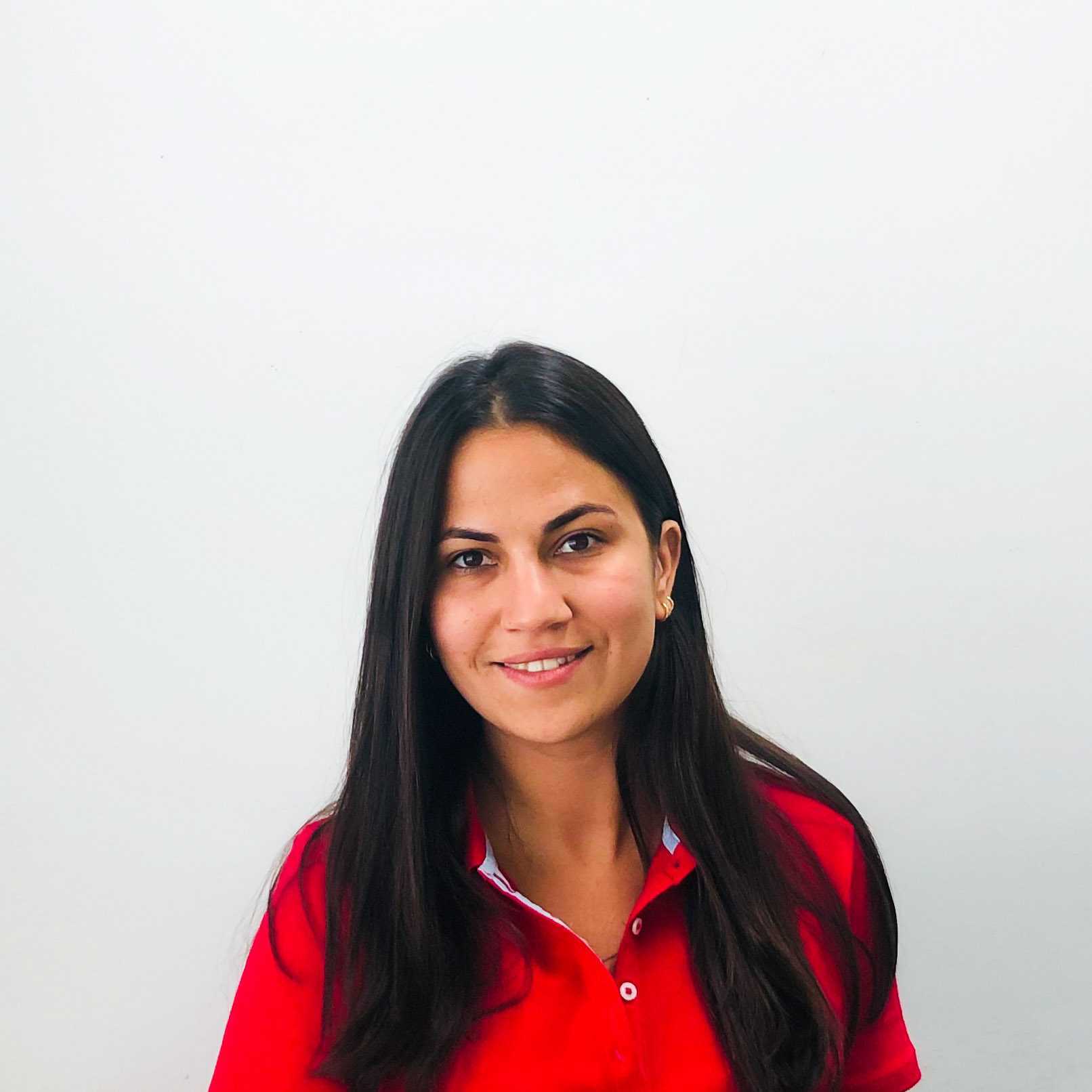
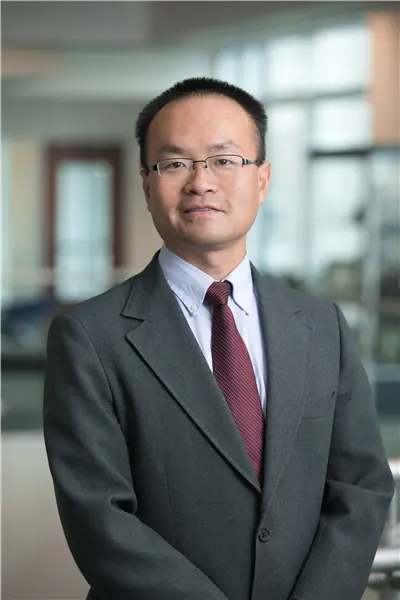
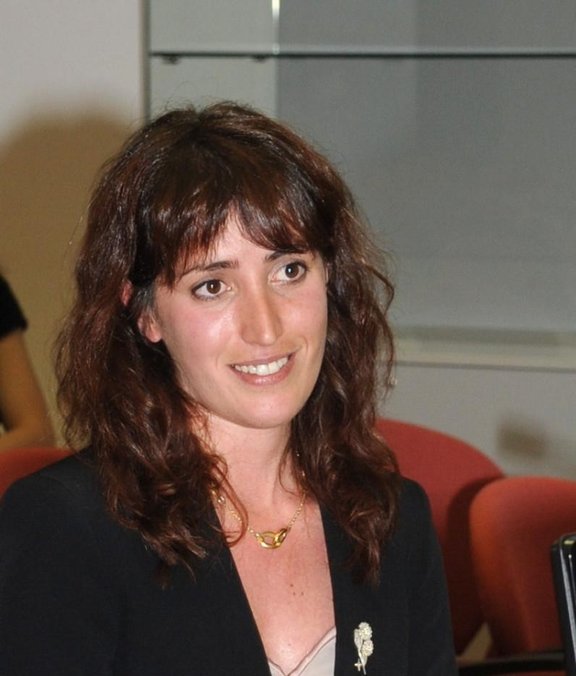
Luca Vizioli is an Associate Professor in the Department of Radiology at the University of Minnesota, affiliated with the Center for Magnetic Resonance Research. His work focuses on advancing neuroimaging techniques, particularly at ultrahigh magnetic fields (e.g., 10.5T), to enhance spatial and temporal resolution in functional MRI (fMRI). Research interests include RF coil design, noise reduction algorithms (e.g., NORDIC), and applications of deep learning to imaging challenges. Education details are not explicitly stated, though his PhD is noted. His research spans cutting-edge topics like laminar fMRI at UHF, denoising strategies for submillimeter resolution, and the impact of psychedelic substances on brain networks. He collaborates on tools like fMRIPrep Lifespan for developmental neuroimaging preprocessing. Key technical innovations include high-Quality 0.5mm isotropic fMRI leveraging random matrix theory and physics-driven AI, as well as multi-echo distortion correction frameworks. His work bridges engineering (coil design) and neuroscience (cortical processing mechanisms), with implications for understanding both normal brain function and neurological disorders.
Maria Brbic is an Assistant Professor of Computer Science at EPFL, previously a postdoctoral researcher at Stanford University under Jure Leskovec. Her research focuses on developing machine learning methods for biological and biomedical applications, particularly representation learning of high-dimensional datasets, open-world semi-supervised learning, and single-cell genomics. Her work includes the STELLAR method for spatial cell type discovery (Nature Methods 2022), the ORCA framework for open-world learning (ICLR 2022), and contributions to the Fly Cell Atlas (Science 2022). She is involved in the Chan Zuckerberg Biohub and Neuro-omics projects. She received the University of Zagreb's best thesis award, was recognized as a MIT Rising Star in EECS, and won the Basel Computational Biology Conference best poster award. Her research bridges computer science with cutting-edge biomedical discovery.
Prof. Dr.-Ing. Joachim Denzler is a Professor leading the Chair for Digital Image Processing (Lehrstuhl für Digitale Bildverarbeitung) at Friedrich-Schiller-Universität Jena. His research spans computer vision, machine learning, medical imaging, and remote sensing applications across diverse domains including biomedical analysis, environmental monitoring, and facial recognition systems. His research interests focus on explainable AI, causal discovery, physics-informed neural networks, and bias mitigation in deep learning models. He has made significant contributions to fine-grained classification, concept activation vectors, and privacy-preserving techniques in facial recognition. His work often bridges theoretical computer vision with practical applications in medical diagnostics, environmental science, and infrastructure monitoring. His recent publications demonstrate a strong trend toward causal discovery methods, physics-informed neural networks, and addressing bias in machine learning systems. His work spans both theoretical advancements in model interpretability and practical applications in medical imaging, environmental monitoring, and infrastructure safety. The interdisciplinary nature of his research is evident from collaborations with ecologists, neuroscientists, and civil engineers. Best Paper Award at International Conference on Pattern Recognition (ICPR) 2024 Prof. Denzler actively mentors numerous PhD students and postdoctoral researchers, with frequent co-authors including Maha Shadaydeh, Niklas Penzel, Gideon Stein, and Tim Büchner appearing as first authors on significant publications. His laboratory has secured research funding across multiple domains including medical imaging, environmental monitoring, and AI safety. His work on CausalRivers represents a major contribution to benchmarking causal discovery methods with real-world time series data. The Chair for Digital Image Processing maintains strong industry and clinical partnerships, particularly in medical imaging applications for facial palsy analysis and neonatal care. Prof. Denzler's team has developed novel techniques for dam deformation monitoring using remote sensing data and created advanced methods for analyzing plant diversity effects on ecosystem functioning.
Markus Enzweiler serves as Professor of Computer Science and Autonomous Systems at Esslingen University of Applied Sciences within the Department of Computer Science and Engineering. He concurrently holds the leadership position of Director at the Institute for Intelligent Systems, where he oversees research initiatives focused on intelligent systems development for real-world autonomous applications. His research program centers on computer vision for autonomous systems , with specialized expertise in visual-inertial SLAM, collective perception, and neural rendering techniques. Key investigation areas include environmental robustness across agricultural and urban settings, real-time processing constraints for embedded systems, sensor fusion methodologies (particularly camera-radar integration), and the application of generative models for perception enhancement. His work consistently addresses practical implementation challenges such as computational efficiency and sensor calibration in unstructured environments. Analysis of his 2023-2025 publications reveals three dominant research trajectories: (1) Advancement of lightweight perception systems through stixel-based representations and neural rendering; (2) Development of infrastructure-supported collective perception frameworks with datasets like CoopScenes and OPNV; and (3) Rigorous benchmarking of SLAM components in domain-specific contexts including agricultural robotics and multi-season navigation. His recent systematic review on LLM-based vulnerability detection also demonstrates expanding interest in software security for autonomous systems. As Director of the Institute for Intelligent Systems, Prof. Enzweiler leads a research ecosystem focused on translating theoretical advances into practical autonomous vehicle technologies. His team develops specialized datasets (Rover, OPNV) and software stacks for smart city environments, emphasizing the integration of novel perception approaches with vehicle dynamics modeling and real-time operational constraints.
Aysim Toker is a Ph.D. candidate at the Chair for Computer Vision and Artificial Intelligence , affiliated with the Technical University of Munich . She works under the supervision of Prof. Dr. Laura Leal-Taixe and Prof. Dr. Xiaoxiang Zhu on interdisciplinary projects. Research Focus: Deep learning, sequence analysis, and remote sensing. Key Contributions: Advancing video object segmentation, Earth observation models, and anonymization techniques. Collaborations: Partnered with international researchers across multiple institutions. Publications span top venues like eLife , ICCV , NeurIPS , and CVPR , with a focus on: Deep learning architectures for multi-modal tasks Image and video analysis in remote sensing and anonymization Tracking and segmentation algorithms Her work bridges foundational computer vision research with applications in Earth science and privacy-preserving technologies.
Mansur R. Kabuka is a Professor in the Department of Electrical and Computer Engineering at the University of Miami College of Engineering . His research bridges computational methods with biomedical applications. University of Miami College of Engineering Electrical and Computer Engineering Department Research focuses on: Deep learning for network analysis Bioinformatics and protein classification Ontology-based data integration Biomedical data modeling His recent work involves: Motif-aware representation learning in multilayer networks Multi-modal approaches for protein interaction networks Metabolomics data integration frameworks Weather-traffic flow prediction models Distributed query processing over ontologies Publications demonstrate cross-disciplinary applications of machine learning in: Biological system modeling Cancer subtype prediction Protein family classification Intelligent transportation systems
Kun Huang is a Professor at Indiana University, serving as Chair of the Department of Biostatistics & Health Data Science within the School of Public Health . He holds multiple affiliations including Precision Health Initiative Professor of Genomics Data Sciences, Professor of Medicine, and Adjunct Professor positions in Medical & Molecular Genetics, Pharmacology & Toxicology, and Computer Science. Additionally, he is the Associate Director for Data Science at the IU Simon Comprehensive Cancer Center and an Investigator at the Regenstrief Institute. Dr. Huang specializes in Biostatistics , Genomics Data Sciences , and Precision Health , with a research focus on integrating multi-omics data and pathological images for cancer prognosis. His work in Machine Learning and Medical Imaging has led to innovative approaches in domain adaptation, batch correction, and multi-modal learning for biomedical applications. Recent publications highlight his expertise in single-cell RNA sequencing , neuroscience , and cancer genomics , with a recurring emphasis on data integration , computational modeling , and epigenetic regulation . His methodology explores deep transfer learning , multi-task learning , and gene co-expression networks across diverse contexts including aging-related neurodegeneration, cancer diagnostics, and neural circuit formation.
Dr. Francesca Talamini is a post-doctoral University Assistant at the University of Innsbruck, Austria, within the Department of Personality Psychology, Differential Psychology & Assessment . She holds a Ph.D. and leads research bridging music psychology and cognitive science. Research Interests: Music Psychology: expertise, aptitude, emotions, contour perception, inter-individual differences Cognition: working memory, memory-perception interactions Aesthetic emotions: cross-arts emotion comparisons Methods: meta-analysis, multi-lab replication studies Her investigations exploit behavioral, meta-analytic and multi-lab approaches to understand how musical training modulates memory and emotion processing across auditory and visual domains. Projects & Collaborations: She currently manages studies on contour perception, music-emotion congruency effects, and memory differences between musicians and non-musicians, and welcomes motivated students for master-thesis supervision and internships. Publications Profile: Talamini’s 2022-2024 output reveals concentrated attention to the cognitive repercussions of the COVID-19 pandemic on relationships, as well as continued exploration of auditory-cognition interactions, with papers appearing in Journal of Personality , Music Perception , Hearing Research , Scientific Reports , PLOS ONE and other high-impact journals.
Dr. Jun Wu is a Postdoctoral Research Assistant at the Department of Biology, University of Oxford, where he conducts research in the Animal Vibration Lab. Previously, he served as a research associate in the Department of Aerospace Engineering at the University of Bristol. His academic credentials include: PhD in Sound and Vibration Research from the University of Southampton Dr. Wu's research bridges vibration dynamics and biomedical engineering, with current work developing engineering technologies inspired by biological dynamic systems. His publication record reveals a significant pivot toward medical artificial intelligence since 2023, with dominant contributions in surgical vision-language models and medical image segmentation. This dual expertise enables unique cross-pollination between biological vibration principles and clinical AI applications. Analysis of his 2023-2025 publications shows concentrated innovation in adapting foundation models like Segment Anything Model (SAM) for medical contexts. Key advances address uncertainty quantification in segmentation, human-in-the-loop refinement systems, multi-modal diagnostic reasoning, and real-time surgical video analysis. These works consistently target clinical deployment challenges including safety verification, computational efficiency, and human-AI collaboration. Professional recognition includes: Associate Fellow of the Higher Education Academy (AFHEA) Member of the Royal Aeronautical Society (MRAeS) As a core member of Oxford's Animal Vibration Lab, Dr. Wu contributes to research investigating biological dynamic systems for engineering innovation while leading medical AI initiatives that translate these principles into surgical and diagnostic technologies.
Dima Damen is a Professor of Computer Vision at the School of Computer Science, University of Bristol , and leads the Machine Learning and Computer Vision Group . She also holds a position as Senior Research Scientist at Google DeepMind. Her research focuses on egocentric vision , video understanding , and action recognition , with significant contributions to human routine modeling , hand-object interaction analysis, and multimodal learning from real-world environments. EPSRC Early Career Fellow (2020-2025) ELLIS Society Member Active in organizing workshops and challenges (e.g., EPIC, Ego4D, EgoVis) Her recent work explores temporal discrimination in video captioning ( It's Just Another Day ), active memory representations for long egocentric videos ( AMEGO ), and hand-object interaction referral ( HOI-Ref ). She has co-authored 15+ articles in top venues like CVPR, ICCV, NeurIPS, and IJCV, with a focus on egocentric scene modeling , audio-visual binding , and cross-scenario generalization . Awards include the Best Paper at ACCV 2024 and recognition as an Outstanding Reviewer at CVPR 2020 . She has supervised numerous PhD students and postdocs , including Adriano Fragomeni, Jacob Chalk, Alexandros Stergiou, and others who now hold academic or industry roles. Her funded projects include VISUAL AI (EPSRC Programme Grant) and UMPIRE (EPSRC Early Career Fellowship), supporting innovations in egocentric dataset creation , real-time tracking , and industrial workflow assistance .
Vincent Hellendoorn is a Research Scientist at Google DeepMind and an Assistant Professor at Carnegie Mellon University (currently on leave). He works in the School of Computer Science 's Software and Societal Systems Department , developing intelligent tools that leverage AI to democratize programming expertise through code modeling and LLM research. His research focuses on AI applications in software engineering Code language model analysis and training Multi-modal whiteboard-to-code systems Open-source model releases like PolyCoder Current work examines how to make programming more accessible through LLMs, with recent ICSE’25 research exploring whiteboard sketch translation. He advises PhD students including Nikitha Rao (7 papers, Spring 2025 PhD graduate) Luís F. Gomes (ICSE’25 paper lead) and collaborates with researchers like Jonathan Aldrich and Claire Le Goues. Contact: vhellendoorn@cmu.edu vhellendoorn@google.com GitHub: @VHellendoorn
Daniel Coman is an Associate Professor of Radiology and Biomedical Imaging and of Biomedical Engineering at Yale School of Medicine. His primary appointment is in the Department of Radiology & Biomedical Imaging with additional affiliations in Bioimaging Sciences, DNA Damage and Genome Integrity, Magnetic Resonance Research Center, and the Yale Cancer Center. Dr. Coman's research focuses on developing molecular imaging methods to reveal physiological and chemical alterations underlying disease in preclinical models and clinical applications. His laboratory utilizes advanced Magnetic Resonance techniques including multi-nuclear MR Spectroscopy (1H, 13C, 31P, 19F, 23Na) and multi-modal MR Imaging approaches such as Biosensor Imaging of Redundant Deviation in Shifts (BIRDS), Chemical Exchange Saturation Transfer, calibrated fMRI, Diffusion Tensor Imaging, and Arterial Spin Labeling. His primary research interest centers on developing new MR imaging biomarkers for cancer to better understand resistance mechanisms and design novel therapies. His recent publications demonstrate a strong emphasis on tumor microenvironment imaging, particularly pH gradients and sodium levels in cancer models. Dr. Coman has made significant contributions through the development of the BIRDS technique for mapping the acidic microenvironment of cancer. His work spans multiple disease areas including brain neoplasms, liver neoplasms, and Alzheimer's disease, with applications in understanding metabolic alterations, immune responses to therapies, and developing advanced imaging biomarkers. Dr. Coman has received the Peterson Fellowship for graduate study in biochemistry from Yale University and maintains extensive collaborations with leading researchers including D. S. Fahmeed Hyder, Sandeep Kumar Mishra, and Julius Chapiro. His research bridges the gap between basic science and clinical applications with a strong translational focus on improving cancer diagnosis and treatment monitoring.
Chancellor Johnstone serves as an Adjunct Assistant Professor at the Air Force Institute of Technology (AFIT), specializing in interdisciplinary research bridging military applications with advanced analytics. His work integrates operations research, statistical modeling, and machine learning to solve complex defense-related challenges. His academic credentials include: PhD in Statistics, Iowa State University, 2020 MS in Operations Research, Air Force Institute of Technology, 2015 BS in Operations Research, United States Air Force Academy, 2013 Dr. Johnstone's research focuses on robust optimization for decision-making under uncertainty, anomaly detection in complex systems, and federated learning frameworks for distributed data environments. His methodology emphasizes conformal prediction for uncertainty quantification and physiology-based classification in human-machine systems, with direct applications to Air Force operations including pilot training, mission planning, and personnel selection. Analysis of his 2021-2024 publications reveals three dominant research trajectories: (1) military logistics optimization incorporating cyber-physical constraints; (2) physiological signal processing using graph neural networks for multi-modal data; and (3) responsible AI development addressing bias in high-stakes military personnel decisions. His work consistently demonstrates translation of theoretical advances—particularly in conformal prediction and federated learning—into operational Air Force contexts.
Julie Haas is a Professor at Lehigh University investigating neural attention mechanisms through electrical synapses in the thalamic reticular nucleus (TRN). Her research integrates electrophysiology, optogenetics, and computational modeling to decode how inhibitory circuits filter sensory information, with implications for attention disorders. Her educational journey includes a B.A. in Music and Mathematics from Indiana University, a Ph.D. in Biomedical Engineering from Boston University, and postdoctoral training at Harvard University and UC San Diego, supplemented by Computational Neuroscience studies at the Marine Biological Laboratory. Research focuses on electrical synapse plasticity as the core mechanism for attentional selection. The Haas lab examines how dopamine, GABA receptors, and amygdala inputs modulate TRN circuitry using in vitro brain slices and optogenetic tools. Key discoveries include activity-dependent long-term potentiation at electrical synapses and their role in sensory gating, bridging molecular dynamics to circuit-level functions through innovative computational models. Publication analysis reveals a decade-long trajectory from foundational electrical synapse characterization (2012-2015) to neuromodulatory mechanisms (2016-2021) and recent dopamine receptor investigations (2022-2024). This evolution demonstrates increasing complexity in understanding how electrical synapses integrate neuromodulatory signals for attentional control. Funding from NIH, NSF, Whitehall Foundation, and Brain and Behavior Foundation supports her lab's work. She teaches advanced courses including Synapses, Plasticity and Learning (Bios 385/415) and Neurophysiology Laboratory (Bios 278), training next-generation neuroscientists in cutting-edge techniques. The Haas lab operates within Lehigh's neuroscience facilities with specialized electrophysiology rigs, optogenetic systems, and computational resources for multi-scale analysis of thalamic circuitry, currently exploring electrical synapse dysfunction in neurodevelopmental disorders.
Dr. Shibiao Wan serves as Assistant Professor in the Department of Genetics, Cell Biology and Anatomy at University of Nebraska Medical Center (UNMC), with a courtesy appointment in Biostatistics. He is Co-Director for the Bioinformatics and Systems Biology (BISB) PhD Program and Assistant Director for the Bioinformatics and Systems Biology Core. With over 14 years of experience in machine learning and bioinformatics, Dr. Wan leads an active research program developing computational methods for biomedical data analysis. Dr. Wan's research spans computational biology and biomedical informatics with focus on single-cell analysis, multi-omics integration, spatial transcriptomics, and cancer research. His laboratory develops AI and machine learning approaches to analyze genomics, transcriptomics, epigenetics, proteomics, metabolomics, and medical imaging data. Key contributions include methods for protein subcellular localization prediction, cancer subtyping, and multi-omics integration for precision medicine applications. His recent publications show a strong trend toward multi-modal data integration for disease diagnosis and subtyping, particularly in cancer (medulloblastoma, leukemia, lung cancer) and neurodegenerative disorders (Alzheimer's disease). His laboratory has developed numerous bioinformatics tools including SHARP for single-cell RNA-seq analysis, RaMBat for medulloblastoma classification, RanBALL for leukemia subtyping, and WIMOAD for Alzheimer's diagnosis. Dr. Wan has received significant recognition including the Springer Nature Editor of Distinction Award (2025), UNMC New Investigator Award (2024), FIRST Award from Nebraska EPSCoR (2023), and the Outstanding Young Alumni Award from HK PolyU (2022). He was named among the top 1% reviewers globally by Clarivate in both 'Cross-Field' and 'Biology and Biochemistry' categories (2019). As Co-Director of the BISB PhD Program, Dr. Wan actively mentors graduate students in bioinformatics and computational biology. His laboratory comprises a multidisciplinary team working at the intersection of computer science, statistics, and biomedical research. Dr. Wan serves as Editor-in-Chief for Current Proteomics and holds editorial positions with numerous high-impact journals including Briefings in Functional Genomics, BMC Bioinformatics, and Frontiers journals. The Wan Lab at UNMC focuses on machine learning and bioinformatics (MLAB), developing computational methods to unravel molecular biological systems using heterogeneous biomedical data. The lab collaborates extensively with scientists in cancer biology, metabolism, immunology, pathology, and developmental biology to translate computational findings into biological insights and potential clinical applications.