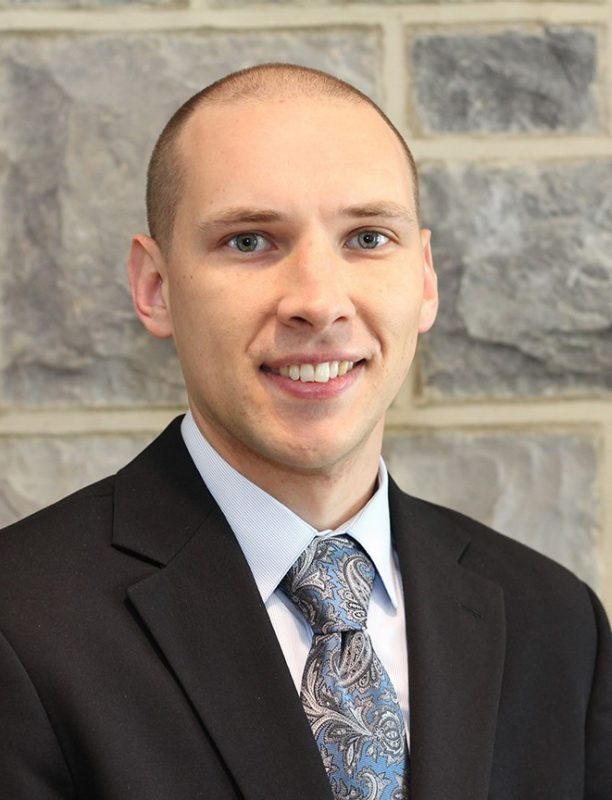
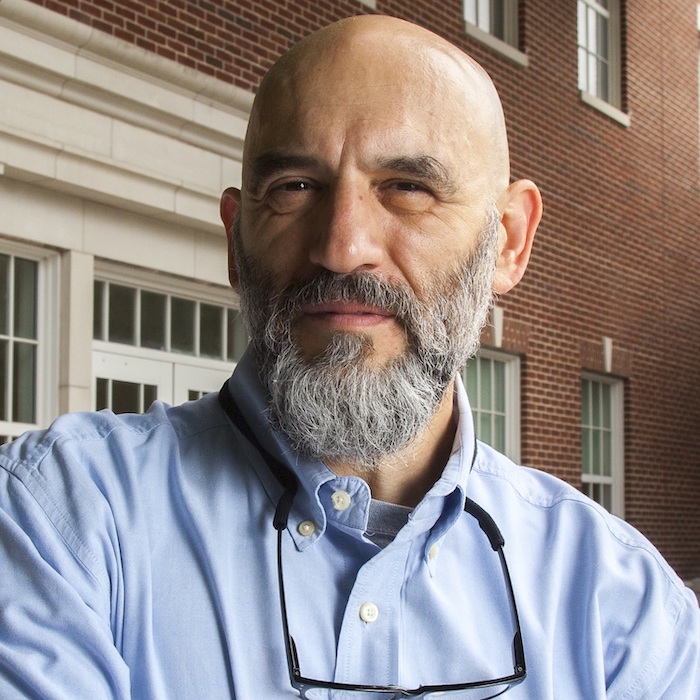
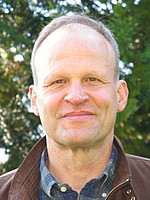
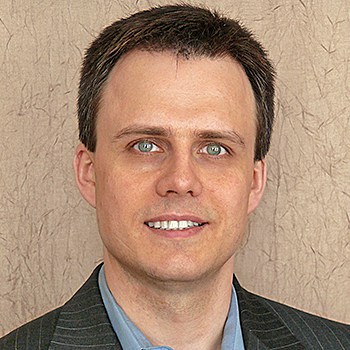
Jonathan Czuba is an Associate Professor in the Department of Biological Systems Engineering at Virginia Tech's College of Engineering. His research program integrates ecological engineering with fluvial geomorphology to address riverine ecosystem dynamics under anthropogenic and climatic pressures. Key Themes: Stream restoration, river network connectivity, ecohydraulics, and plastic pollution mitigation Methods: Coupling field measurements with computational models (HEC-RAS, Landlab) Collaborations: USGS, Indiana University, University of Minnesota Research Focus: Advances understanding of how sediment and nutrient fluxes interact with vegetation, aquatic biota, and human interventions across diverse river systems. Notable work includes quantifying floodplain connectivity, modeling post-wildfire sediment cascades, and developing tools for ecohydraulic assessments. Awards: 2023 UCOW Early Career Award 2023-2024 Engineering Teaching Excellence 2024 CALS Impactful Researcher of the Month Mentorship: Actively advises graduate/undergraduate researchers in Watershed Engineering, emphasizing fieldwork, modeling, and remote sensing. Collaborates with Kyle Strom (Civil Engineering) and Doug Edmonds (Indiana University).
K. Srihari is a Professor in the Department of Chemistry at the Indian Institute of Technology Kanpur. He has held academic positions at IIT Kanpur since 1997, advancing from Assistant Professor to Associate Professor (2003–2010), and then to Full Professor (2010–present). Previously, he was a Postdoctoral Researcher at Cornell University (1995–1996). Education: PhD, University of California, USA (1994) M.S., Villanova University (1989) Research Focus: His work centers on physical chemistry , specifically intramolecular vibrational energy redistribution (IVR) in molecules. He investigates classical/semiclassical dynamics, quantum eigenstates, nonlinear resonance networks, and dynamical tunneling to control molecular reactions. Key themes include energy flow pathways, resonance-assisted transport, and quantum-classical correspondence in molecular systems. Publication Trends: His articles (2005–2014) predominantly explore vibrational energy dynamics, quantum tunneling, and molecular phase-space behavior. Research integrates theoretical chemistry, quantum mechanics, and dynamical systems to decipher energy transport mechanisms in complex molecular structures. Awards: Chemical Research Society of India (CRSI) Bronze Medal (2015)
Sotiria Fotopoulou is a Lecturer in the School of Physics at the University of Bristol. Her research focuses on astrophysics, particularly in active galactic nuclei (AGN), quasars, galaxy clusters, and cosmic web structure. She contributes to the Euclid mission's scientific objectives through studies of photometric redshifts, galaxy evolution, and environmental effects. Current Project: Principal Investigator for 'Co-evolution or co-existence? Growth of supermassive black holes in next generation surveys' (2023-2024) Research Themes: Quasar census, slitless infrared spectroscopy for high-redshift objects, cosmic web reconstruction, intracluster light analysis, and gravitational lensing detection. Her work integrates Euclid data with machine learning techniques for galaxy morphology and photometric studies. Award: Recipient of Undergraduate Bursary Grant (2020)
Dr. Philip Carter is a Senior Research Associate at the School of Physics, University of Bristol. His work focuses on astrophysics, planetary science, and cosmochemistry, with a particular emphasis on giant impacts, exoplanet formation, and collisional processes in protoplanetary disks. Current affiliation: University of Bristol Academic rank: Researcher Research interests include the thermodynamics of planetary collisions, atmospheric loss in exoplanets, formation of chondritic mixtures via impact vaporization, and the role of debris disks in planet evolution. His work combines computational modeling with observational data analysis from surveys like SDSS and TESS. Recent publications (2023-2025) explore topics such as the IVANS model for chondrule formation, super-Mercury creation via impacts, and atmospheric loss mechanisms in Super-Earth collisions. These studies highlight his expertise in impact physics and planetary composition. He has contributed datasets to Harvard Dataverse, including replication data for "Did Earth eat its leftovers?" and "Colliding in the shadows of giants." Dr. Carter collaborates internationally, with research themes centered on protoplanet collisions and nebular shocks.
Patrick Aigner, M.Sc., is a Tutor at the Technical University of Munich , affiliated with the Professorship for Environmental Sensors and Modeling led by Prof. Jia Chen. His work focuses on urban greenhouse gas monitoring , particularly through automated measurement networks and emission inventory analysis . Research : Urban CO2/CH4 sensing, high-density sensor networks, spatial emission inventories Teaching : Tutor for Environmental Sensing and Modeling lectures and seminars Email : patrick.aigner@tum.de Research Areas include: Environmental Science : Urban climate impact assessment Atmospheric Modeling : Flux tower measurements, footprint analysis Climate Policy : Quantitative mapping of mitigation plans Air Quality Monitoring : CO/NOx co-emissions Publication Trends show collaboration across European cities (Munich, Zurich, Paris) with emphasis on high-density sensor networks , emission inventory methods , and climate verification frameworks . Key projects include ICOS Cities , MUCCnet , and SCOUT .
Leonardo Lanari is an Associate Professor at the Department of Computer, Control and Management Engineering (DIAG) of Sapienza University of Rome. His research focuses on robotics, particularly humanoid motion generation, model predictive control, and nonlinear control systems. He has contributed to advancements in gait stability, underactuated robotics, and remote robotic experiments through the REAL Lab. PhD in Systems Engineering from Sapienza University Visiting Scholar at Rensselaer Polytechnic Institute Research Interests Robotics (humanoid locomotion, flexible manipulators, underactuated systems), control theory (MPC, robust control), and large-scale system control. His work integrates geometric approaches with practical robotic implementations. Recent Article Trends Focus on model predictive control for humanoid stability, stair navigation, and cooperative transportation systems. 2025 studies emphasize feasibility-driven motion planning in complex environments. Scientific Awards 2020 IEEE Robotics and Automation Magazine Best Paper Award Teaching & Grants Teaches Control Systems and Multivariable Feedback Control at Sapienza. Has developed courses on underactuated robots and control problems in robotics. Involved in grants for healthcare AI platforms like CADUCEO and humanoid applications in aircraft manufacturing. Labs & Teams Membro del Robotics Lab at DIAG. Collaborates with international institutions including MIT, Rensselaer Polytechnic Institute, and Airbus on humanoid robotic projects.
Daniela Guericke is an Assistant Professor at the University of Twente in the Department of Industrial Engineering & Business Information Systems. Her research contributes to UN Sustainable Development Goals in Artificial Intelligence, Health, Energy, Climate, and Circular Economy. She specializes in modeling, simulation, optimization, and data science for energy systems and sustainable industry. Research Trends: Daniela's recent work focuses on Stochastic network optimization for district heating systems Multi-objective scheduling with energy tariffs Hydrogen railway infrastructure design Renewable energy community planning Demand response integration in large-scale energy systems Labs & Collaborations: She collaborates with the CITIES project (Centre for IT-Intelligent Energy Systems) and contributes to advancements in smart grids, energy efficiency, and circular economy frameworks.
Alessio Trivella is a Researcher specializing in Industrial Engineering & Business Information Systems , with a focus on optimization models for energy, transportation, and logistics. His work bridges academic research with industry applications, emphasizing mathematical programming, stochastic optimization, and sustainability. Research Interests: His expertise spans combinatorial optimization , dynamic programming , and network algorithms , addressing challenges in green hydrogen production , hydrogen railway systems , container loading , and renewable energy procurement . Key themes include uncertainty modeling , resource flow optimization , and system resilience . Scientific Contributions: Recent work (2023–2025) explores sustainable energy hubs , hydrogen infrastructure , retail planning , and railway automation , with publications in journals like Renewable Energy and Management Science . His research aligns with UN Sustainable Development Goals, particularly in energy sustainability and smart transport systems . Awards: Recognized for excellence with the Outstanding Reviewer Award OR Spectrum 2019 .
David Roueche serves as the Gottlieb Associate Professor of Structural Engineering within the Department of Civil and Environmental Engineering at Auburn University's Samuel Ginn College of Engineering. His research focuses on structural performance under extreme wind events, forensic engineering methodologies, and improving building resilience against hurricanes and tornadoes through interdisciplinary approaches. Dr. Roueche's academic foundation includes advanced degrees from the University of Florida, with complementary physics training: Ph.D. in Structural Engineering, University of Florida M.S. in Civil Engineering, University of Florida B.S. in Civil Engineering, University of Florida B.S. in Engineering Physics, Jacksonville University His primary research explores extreme wind loads on low-rise buildings , post-disaster field investigations , and performance-based wind engineering , with specialized expertise in light wood-frame structures and surge/flood modeling. He integrates engineering analysis with social science through survivor interviews to reconstruct tornado events and identify vulnerabilities in residential construction, particularly for mobile and manufactured housing in the Southeastern United States. Analysis of his recent publications reveals a dominant focus on post-disaster assessment frameworks, field data collection protocols, and performance-based evaluation methods for wind-affected structures. His work increasingly emphasizes interdisciplinary collaboration—combining engineering, social science, and geospatial technologies—to develop comprehensive disaster response systems and improve building codes. Key trends include standardization of forensic engineering practices through organizations like StEER and application of computational modeling to predict structural failures. Dr. Roueche's significant recognitions include: Ginn Faculty Achievement Fellow designation NSF CAREER Award (2020) for advancing post-windstorm assessment methodologies He directs substantial research funding including a $500,000 USDA grant for timber-steel composite research and leads the Auburn Mass Timber Collaborative—an interdisciplinary initiative uniting forestry, architecture, and engineering faculty. Through the Structural Engineering Emergency Response (StEER) network, he coordinates Field Assessment Structural Teams for disasters like Hurricane Ian and the 2022 Arabi tornado, developing standardized protocols adopted nationally for post-disaster evaluations. His mentoring extends to doctoral students in civil engineering, with recent success in securing competitive fellowships for advisees. As a core member of StEER, Dr. Roueche develops and implements field assessment protocols used in rapid disaster response. He leads FAST teams deploying UAVs, LiDAR, and ground surveys to document structural performance after hurricanes and tornadoes, with datasets informing FEMA guidelines and building code revisions. His work with the Auburn Mass Timber Collaborative advances sustainable construction methods through experimental testing of innovative structural systems.
Halit Uster is Professor of Operations Research & Engineering Management at SMU’s Lyle School of Engineering and Professor of Civil & Environmental Engineering (by courtesy). A 2025 IISE Fellow, he also serves as Fellow of SMU’s Hunt Institute for Engineering and Humanity, where he leads large-scale optimization research with strong societal impact. Education Ph.D. in Management Science/Systems – McMaster University, Canada M.A. in Business Administration (Production/Operations Management) – Hacettepe University, Turkey B.S. in Mechanical Engineering – Middle East Technical University, Turkey Research Interests Uster develops optimization models and efficient algorithms for the design and analysis of networked systems. His work spans: Electric-vehicle charging and wireless power-transfer networks Emergency logistics and disaster-preparedness planning Bio-energy and biomass supply-chain networks Closed-loop supply chains with recycling and remanufacturing Relay and multi-commodity transportation networks to mitigate driver shortages Wireless sensor networks for environmental monitoring Publication Trends Over the past decade Uster has published extensively in Transportation Science , IISE Transactions , Transportation Research Part E , and Annals of Operations Research . His recent articles collectively advance decomposition-based exact algorithms (notably Lagrangean and Benders schemes), bilevel and robust optimization, and stochastic modeling of supply and demand uncertainty, all applied to socially critical infrastructure systems. Scientific Awards & Honors IISE Fellow (2025) Caterpillar Teaching Excellence Award, Texas A&M University (2011) Eshbach Society Distinguished Visiting Scholar, Northwestern University (2009) Faculty Appreciation Awards, INFORMS Student Chapters (2004, 2009) Multiple research features in IE Magazine (2008, 2010, 2017) Daniel H. Wagner Prize Finalist (2008) Moving Spirit Award, INFORMS (2007) Outstanding Faculty Member – University of Alabama (1999-2000) NSERC Postgraduate Scholarship (1997-1999) Grants & Doctoral Advising Uster has secured over $2 million in funding from NSF, USDA and industry, including four NSF grants since 2015 focused on disaster-preparedness logistics, EV-charging infrastructure, and biomass supply chains. He has graduated 17 PhD students who now hold positions in academia (IIM Udaipur, ITESM Mexico, St. Mary’s University) and industry (ExxonMobil, Norfolk Southern, FedEx, Sabre, NetJets, JD.com, BNSF Railway, etc.). Professional Service & Editorial Roles He is Department Editor of IISE Transactions on Supply Chains and Logistics (2024–present) and Associate Editor of Transportation Science (2018–present), previously serving on the editorial boards of IISE Transactions on Scheduling and Logistics and Sustainability Analytics and Modelling . He has chaired or co-chaired numerous INFORMS committees and conferences, including the upcoming TSL 2026 meeting at MIT.
Professor Chengqing Wu is a distinguished academic in the School of Civil and Environmental Engineering at the University of Technology, Sydney (UTS). He serves as Professor of Structural Engineering with a research focus on blast-induced phenomena and advanced concrete technologies. His expertise spans structural response to blast loading, mitigation of blast effects, and the development of ultra-high performance concrete systems. Professor at University of Technology, Sydney Former Chair of Australian Chapter of International Association of Protective Structures (2013-2017) Associate Editor of ASCE Journal of Performance of Constructed Facilities Editorial Board Member of International Journal of Protective Structures Professor Wu's research interests center on structural engineering with emphasis on blast resistance, ultra-high performance concrete, geopolymer concrete, and structural response to extreme loading conditions. His work bridges theoretical analysis with practical applications, particularly in protective structures and extreme environment construction. His research group has made significant contributions to understanding material behavior under blast, impact, and extreme thermal conditions, with applications ranging from terrestrial infrastructure to potential lunar construction. Analysis of Professor Wu's recent publications reveals a strong focus on advanced concrete technologies for extreme environments. His research spans 3D-printed concrete, lunar and Martian construction materials, cryogenic performance of concrete, and blast-resistant structural systems. A notable trend is the increasing application of computational methods and machine learning techniques to predict structural response to explosions, alongside traditional experimental approaches. His work demonstrates a progression from fundamental material characterization to complex structural system analysis, with growing emphasis on sustainable construction and extraterrestrial applications. Author/co-author of over 200 international journal papers Editor of four conference proceedings Editor of two ASCE special issues Editor of two International Journal of Protective Structures special issues Professor Wu has successfully attracted over 4 million dollars in research funding from diverse sources including the Australian Research Council (ARC), Defence Science and Technology Organization (DSTO), and industry partners. His current projects include Eco-friendly Ultra-High Performance Rubberised Concrete, Decarbonised Infrastructure, Structural protective design on large capacity flywheel energy storage system, and Gas Explosion Resistance of Non-Cement Based High Performance Concrete. He actively supervises undergraduate honors students, coursework master's students, and research higher degree candidates, with several scholarships available for prospective postgraduates and research associates. Professor Wu leads research in protective infrastructure technology through the Joint Research Centre for Protective Infrastructure Technology and Environmental Green Bioprocess with Tianjin Chenjian University. His team operates the National Drop Weight Impact Testing Facility and contributes to the National Facility for Physical Blast Simulation. Current research directions include sustainable concrete technologies for extreme environments, blast-resistant structural systems, and innovative applications of concrete in space exploration contexts.
Prof. Dr. Thilo Streck is a Professor of Biogeophysics at the Institute of Soil Science and Land Evaluation, University of Hohenheim, Germany . He has served as Head of the Department of Biogeophysics since 2001 and was Head of the Institute of Soil Science and Land Evaluation (2002-2006) . Since 2023, he is the Research Director of the Computational Science Hub (CSH), University of Hohenheim . His research focuses on: Soil and environmental physics Measurement and modeling of terrestrial ecosystem processes Land surface processes (soil-plant-atmosphere exchange) Environmental fate of chemicals Regionalization and risk assessment Recent publications highlight his work in 2025 on trait-based microbial modeling , land-atmosphere feedback observatories , and climate change impacts on agricultural systems , with 2024 work on crop yield prediction , water demand modeling , and organic matter stabilization . Scientific honors include: Gips-Schüle Award 'Freedom for Research' (2016) Fritz Scheffer Award of the German Soil Science Society (1994) He has led major DFG research initiatives: Research Unit 1695 (2012-2019) : Agricultural Landscapes under Global Climate Change PAK 346 (2008-2011) : Structure and Functions of Agricultural Landscapes
Annalisa Tirella serves as Associate Professor in the Department of Industrial Engineering at the University of Trento, specializing in biomaterials and tissue engineering. Her research focuses on developing advanced 3D models for cancer microenvironments and regenerative medicine applications, with particular expertise in hydrogel engineering and bioprinting technologies. Her primary research interests include Tissue Engineering , Biomaterials Design , and Cancer Microenvironment Modeling , with emphasis on creating physiologically relevant in vitro systems. She investigates how mechanical properties of biomaterials influence cellular behavior in breast and prostate cancer models, develops sustainable biomaterials from circular economy sources, and engineers drug delivery systems using nano-in-micro technologies. Her TERM (Tissue Engineering and Regenerative Medicine) work bridges fundamental biophysical principles with clinical translation. Dr. Tirella teaches advanced courses including Biotechnology Engineering for the Department of Cellular, Computational and Integrative Biology, where she covers TERM applications, biomaterials characterization, and additive manufacturing techniques. Her educational focus emphasizes problem-solving skills for designing biomedical technologies and understanding cell-biomaterial interactions. Her recent publications (2023-2025) reveal strong trends in cancer microenvironment modeling (particularly breast and prostate cancers), hydrogel engineering with alginate and natural polymers, and advanced drug delivery systems . Key research directions include deciphering invasive cancer phenotypes through data-driven approaches, developing tumor-mimetic scaffolds with tunable mechanical properties, and creating sustainable biomaterials for precision medicine applications. The work consistently integrates biomechanical analysis with biological validation. Dr. Tirella actively develops innovative methodologies including microfluidic fabrication, response surface methodology for hydrogel optimization, and nano-in-micro encapsulation techniques. Her research has significant implications for understanding cancer metastasis mechanisms and developing targeted therapeutic approaches.
Joel Ruch is an Assistant Professor in the Department of Earth Sciences at the University of Geneva. His research focuses on volcano-tectonic processes, integrating deformation analysis using satellite imagery, drone mapping, and analogue modeling. He leads the Volcano Tectonic Laboratory and collaborates with institutions like KAUST University. Key projects include the TEMPO initiative studying multi-scale deformation, Southern Red Sea rifting dynamics, and caldera collapse mechanisms. His work bridges short-term volcanic activity with long-term tectonic processes, emphasizing interdisciplinary approaches. Ruch’s research spans global volcanic systems, including Iceland, Ethiopia, and the Galápagos. Ongoing projects explore rift zone dynamics, magma intrusion effects, and seismic activity at divergent boundaries. He has pioneered the use of high-resolution drone imagery for fault mapping and developed experimental models to simulate caldera collapse. His publications emphasize structural geology, magmatic processes, and geodetic monitoring. Despite no explicitly listed scientific awards, his contributions highlight innovative methodologies in volcanic hazard assessment and tectonic deformation analysis. He supervises two PhD students in Iceland and Hawaii, advancing studies on volcanic island formation and rift zone evolution. Grants include Swiss National Science Foundation funding for TEMPO and collaborations with KAUST on Red Sea rifting. Ruch’s lab focuses on interdisciplinary volcano-tectonic research, blending field observations with computational and experimental tools. Ongoing studies address caldera subsidence, dike-induced faulting, and the interplay between tectonic stress and magmatic activity.
Professor Maciek R. Antoniewicz is a faculty member in the Department of Chemical Engineering at the University of Michigan. He leads the Antoniewicz Laboratory for Metabolic Engineering and Systems Biology, which develops next-generation tools and techniques for analyzing, engineering and manipulating microbial and mammalian systems applied to specific problems in biotechnology and medicine. Dr. Antoniewicz's research focuses on metabolic engineering, biotechnology, cancer metabolism, and microbial communities. His laboratory makes use of modern techniques for cell culture, 13C metabolic flux analysis, mass spectrometry, molecular biology, bioinformatics and computational biology. Current research interests include elucidating syntrophic interactions in microbial communities, analysis of compartment-specific fluxes in mammalian cells, dynamic flux analysis, cancer metabolism, and engineering microbes for enhanced utilization of renewable substrates and production of value-added chemicals. His recent publications demonstrate a strong trend toward developing and applying metabolic flux analysis techniques across diverse biological systems, from microbial communities to cancer cells. The work spans fundamental methodology development to applied biotechnology problems, with particular emphasis on 13C metabolic flux analysis and systems-level understanding of cellular metabolism. Dr. Antoniewicz has received numerous prestigious awards including: Elected Fellow, American Institute for Medical and Biological Engineering (AIMBE), 2018 National Academy of Engineering (NAE) US-EU, Frontiers of Engineering Participant, 2017 Biotechnology and Bioengineering Daniel I.C. Wang Award, 2015 Gerard J. Mangone Best Young Scholar Award, 2012 NSF CAREER Award, 2011 DuPont Young Professor Award, 2008 James E. Bailey Young Investigator Award in Metabolic Engineering, 2008 Dr. Antoniewicz has advised numerous PhD and Master's students who have gone on to win awards and secure prestigious positions. His research has been supported by significant grants from NSF, DOE, and other agencies, including a recent $1.5M DoE grant to study microbiomes with Professors Lin and Allman. He has also received grants to study fatty acid metabolism and dipeptide metabolism in CHO cells. The Antoniewicz Laboratory maintains state-of-the-art facilities for both microbial and mammalian cell culture, including advanced mass spectrometry equipment for metabolic flux analysis. The laboratory is equipped with multiple bioreactor systems, cell culture facilities, and analytical instruments that support cutting-edge research in metabolic engineering and systems biology.