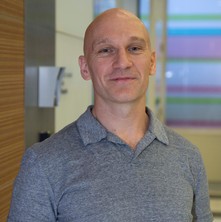
Associate Professor Adam Irwin is an NHMRC Emerging Leadership Fellow and Associate Professor in Infectious Diseases at the University of Queensland (UQ) and Queensland Children’s Hospital. He holds positions within the UQ Centre for Clinical Research, Faculty of Health, Medicine and Behavioural Sciences. His work focuses on early sepsis recognition, antimicrobial stewardship, and pediatric infectious diseases. Dr. Irwin completed his medical degree at the University of Birmingham and his PhD in 2016 from the University of Liverpool’s Institute of Infection and Global Health. He has led initiatives like the Queensland Paediatric Sepsis Program, recognized with a Global Sepsis Alliance Award and Queensland Health Excellence Awards. His research spans sepsis pathway implementation, antimicrobial resistance trends, and rapid diagnostic tools. Notable grants include NHMRC funding for studies on multi-drug resistant infections and Children’s Hospital Foundation support for genomics and antimicrobial stewardship projects. He supervises PhD candidates in areas like bloodstream infections and molecular diagnostics. Dr. Irwin collaborates across institutions, contributing to projects such as the RAPIDS Study Group and the PAEDS surveillance network. Awards include the NHMRC Emerging Leadership Fellowship and recognition for sepsis program excellence. His work emphasizes translating research into clinical practice, improving outcomes for critically ill children through evidence-based protocols and innovative diagnostics.
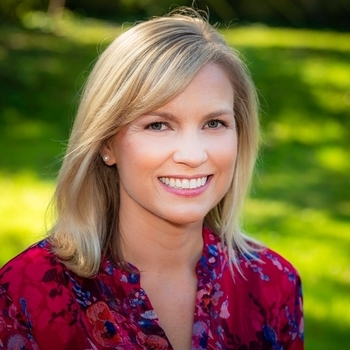
Calliope Dendrou is an Associate Professor in Clinical Pathology and Inflammation at the Kennedy Institute of Rheumatology (KIR), University of Oxford, leading the Immune Disease Multiomics Laboratory. She previously held a Wellcome & Royal Society Sir Henry Dale Fellowship at the University of Oxford’s Centre for Human Genetics before joining KIR in 2023. Her research focuses on immune disease mechanisms using multiomics approaches, including genomic profiling to identify therapeutic targets across tissues and immune-mediated diseases. She co-leads large-scale projects like the Oxford-J&J Cartography Consortium and the Chan Zuckerberg Initiative’s LEGACY Network, and teaches on the MSc in Genomic Medicine program. Educational Background: BSc (Biology, Imperial College London, 2005; Forbes Memorial Medal Winner); PhD in Infection & Immunity (University of Cambridge, 2010). Postdoctoral training at the Weatherall Institute of Molecular Medicine under Prof. Lars Fugger. Research interests include immunogenetics, cytokine signaling pathways, drug repositioning, and cross-disease pathophysiology. Her work integrates single-cell and spatial transcriptomics to dissect immune-cell interactions in diseases like rheumatoid arthritis, inflammatory bowel disease, and celiac disease. Recent articles highlight her contributions to understanding vaccine adjuvant responses, Th17 cell roles in spondyloarthritis, and immune-epithelial networks in celiac disease. Collaborations emphasize multi-omic data analysis (e.g., Panpipes pipeline) and translational studies toward precision medicine. Awards: Forbes Memorial Medal (BSc), Wellcome & Royal Society Sir Henry Dale Fellowship. Leadership roles include Equality, Diversity, and Inclusion Champion and 'Single-Cell & Spatial Omics for Precision Medicine' Module Lead. Lab & Teams: Immune Disease Multiomics Lab at KIR. Active in collaborative initiatives such as the LEGACY Network, focusing on large-scale immune profiling in ancestrally diverse populations.
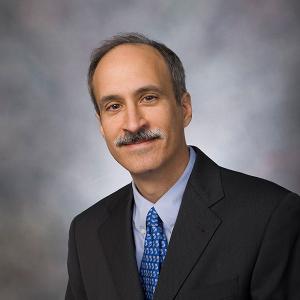
Kelly Arnold is an Associate Professor in the Department of Biomedical Engineering at the University of Michigan. Her research integrates systems engineering principles with immunology to investigate variability in immune responses across infection, vaccination, and injury, with a focus on computational modeling and clinical translation. Research Focus Systems-level immune response modeling Vaccination and antibody functionality Vaginal microbiome-host interactions Chronic lung disease progression Computational serology and proteomics Recent Work Her 2025 studies examine SARS-CoV-2 vaccination responses in cancer patients and computational frameworks for vaginal probiotics. Earlier works (2024-2007) span COPD progression, lupus fibrosis, HIV susceptibility, and tissue engineering for fertility preservation. Methodologies include proteomic profiling, network modeling, and microfluidic systems.
Professor Guy Williams is a leading academic at the University of Cambridge with a focus on imaging science and clinical neurosciences, affiliated with Downing College and the Wolfson Brain Imaging Centre . Holding a PhD in Physics from his initial Natural Sciences degree, he specializes in nuclear magnetic resonance (NMR) and MRI techniques for brain imaging. Education: BA, PhD in Physics His research centers on non-invasive imaging of brain structure and function, particularly in traumatic brain injury (TBI) and dementia. His work involves developing novel MRI pulse sequences and advanced data analysis algorithms, including AI-based diagnostic tools. He leads studies on white matter integrity post-trauma, longitudinal dementia assessment, and applications of MRI in disorders of consciousness and addiction. Recent publications highlight collaborations in traumatic brain injury outcomes, AI-guided dementia prediction, and neuroimaging of post-COVID cognitive deficits. His team's work on ultra-high field laminar fMRI and distortion correction methods has advanced clinical neuroscience applications. Key techniques include diffusion tensor imaging (DTI), 7 Tesla MRI, and positron emission tomography (PET/MR). His research spans from basic NMR physics to clinical translation, with a strong emphasis on multi-site studies and real-world diagnostic implementation.
JIANG Xingyu is Chair Professor and Head of the Department of Biomedical Engineering at the Southern University of Science and Technology (SUSTech) . Since 2018 he has led a multidisciplinary team developing advanced micro- and nano-scale tools for analytical chemistry, microfluidics and nanomedicine. Education Postdoctoral Research, Harvard University (2004–2005) Ph.D. in Chemistry, Harvard University (2004) B.S. in Chemistry, University of Chicago (1999) Research Interests Professor Jiang’s research integrates analytical chemistry , microfluidics , biomedical engineering and nanomedicine . His laboratory designs microfluidic chips for point-of-care diagnostics, engineers gold nanoclusters and nanoparticles for antimicrobial and anticancer therapy, and develops soft flexible bio-electronics for neural interfaces and wearable health monitoring. Across 400+ publications, recent work demonstrates a clear trend toward translational nanomedicine : point-of-care viral variant detection, nanoantibiotic strategies against multidrug-resistant bacteria, CRISPR delivery systems for cancer therapy, and conformal electronic tattoos for human-machine interfaces. Scientific Awards & Honours Fellow, American Institute for Medical and Biological Engineering (2020) Fellow, Royal Society of Chemistry (2016) Tencent Science Exploration Award (2019) Chief Scientist, National Key R&D Program (2019–) National Science Fund for Distinguished Young Scholars (2010) Young Investigator Award, Human Frontier Science Program (2007) Research Funding & Teams He currently directs the Nanoscience Laboratory at SUSTech, hosts National Key R&D Program projects as Chief Scientist, and serves on editorial boards of Advanced Healthcare Materials , Lab on a Chip , Nanoscale Horizons , Nanoscale and Nanoscale Advances . The group is actively recruiting post-docs, research professors and technicians across chemistry, materials, biology and medical engineering disciplines.
Ellis Owusu-Dabo, MB ChB, PhD, is a Professor and the Vice-Chancellor at Kwame Nkrumah University of Science and Technology (KNUST), Ghana. He is also an International Scholar affiliated with the Center for Global Health at the University of Pennsylvania. His work bridges academic leadership, research, and global health collaboration, with a strong focus on public health challenges in Africa. His research interests are centered on population genomics of type II diabetes and tuberculosis , particularly in low-resource settings. He has led and contributed to major multinational studies on infectious diseases such as typhoid and non-typhoidal Salmonella, as well as chronic conditions like hypertension and cardiovascular disease. His research integrates epidemiological, genetic, and immunological approaches to understand disease burden and improve health outcomes in African populations. His recent publications reflect a strong trend in infectious disease surveillance, non-communicable disease epidemiology, and digital health interventions . He has published in high-impact journals including The Lancet Infectious Diseases , PLoS One , and International Journal of Cardiology , often as part of large collaborative consortia such as the RODAM study and the Vacc-iNTS consortium. Scientific Contributions and Projects: Lead facilitator of the D43 grant between the University of Pennsylvania and KNUST Planned hosting of University of Pennsylvania students for global health training Involved in multinational typhoid surveillance across seven African countries Conducted national studies on multi-drug resistance in Ghana with support from the Global Fund and WHO As an academic leader and mentor, Prof. Owusu-Dabo is passionate about building research capacity in Africa and training the next generation of scientists to address local and global health challenges. He has secured research funding and led collaborative projects that integrate public health, genomics, and policy. Laboratories and Teams: While specific lab names are not mentioned, his work is associated with collaborative research teams including the Vacc-iNTS consortium and the RODAM study, which involve institutions across Europe, North America, and Africa. His leadership at KNUST positions him at the center of a growing network of global health researchers in Ghana.
Todd A. Alonzo is a Professor of Research in the Department of Preventive Medicine at the University of Southern California . As Group Statistician for the Children's Oncology Group , he focuses on statistical methods for biomarker analysis, medical diagnostic testing, and clinical trial design in pediatric acute myeloid leukemia (AML). Education: B.S. in Statistics, California State Polytechnic University (1994) MS and PhD in Biostatistics, University of Washington (1997, 2000) Research Interests include: Development of statistical frameworks for diagnostic accuracy Genomic and proteomic profiling in AML Pharmacogenomic score systems for chemotherapy response Non-inferiority trial design in low-event-rate settings Health disparities in pediatric oncology Scientific Awards : Fellow, American Statistical Association (2018) Outstanding Teacher Award, International Society for Magnetic Resonance in Medicine (2017) NIH Predoctoral Cardiovascular Biostatistics Training Grant (1995) ENAR Biometrics Society Distinguished Student Paper Award (1999) WNAR Biometrics Society Best Student Oral Presentation (1999) Leadership & Service includes editorial board memberships (Biometrics, Pediatric Blood & Cancer, Biometrical Journal), reviewer for 30+ scientific journals, and roles on multiple Data Safety and Monitoring Boards. He served as President of the International Biometric Society Western Northern America Region (WNAR) in 2009.
Yousif Shamoo is the Ralph and Dorothy Looney Professor of BioSciences at Rice University, where he has been a faculty member since 1998. He previously served as Vice Provost for Research (2014-2022) and Director of the Institute of Biosciences and Bioengineering (2008-2014). He holds a Ph.D. in Molecular Biophysics and Biochemistry from Yale University (1988). His research focuses on combating multi-drug resistant bacteria through experimental evolution and biophysical approaches. Key interests include: Evolutionary trajectories of antibiotic resistance in pathogens like Enterococcus and Acinetobacter Biochemical basis of adaptation using microfluidics, genomics, and structural biology Discovery of novel antimicrobial strategies targeting cell membrane stress pathways Microbial interactions in spatially structured environments Publications emphasize antimicrobial resistance mechanisms, evolutionary biophysics, and microfluidic technology development. Recent work explores daptomycin resistance pathways ( LiaFSR ), membrane lipid signaling, and high-throughput evolution platforms. Awards & Honors: AAAS Fellow (2024) Ralph and Dorothy Looney Professorship (2020) George R. Brown Award for Excellence in Teaching (2015) George R. Brown Superior Teaching Award (4×, 2009 onward) ASM Distinguished Lecturer (2011-2013) He leads an active research group funded by NIH and DoD, advising 15+ graduate students. Current projects integrate synthetic biology with Streptomyces-derived drug discovery and microfluidic biosurveillance platforms.
Kevin Wood was an Associate Professor of Physics and Biophysics at the University of Michigan. He held a dual PhD in Theoretical Physics and Physical Chemistry from the University of California-San Diego (2007), followed by postdoctoral research in Systems Biology (2008-2013) and Chemistry (2007-2008) at Harvard University. His research focused on applying theoretical physics principles to study antibiotic resistance, microbial ecology, and cancer biology. Wood's work emphasized understanding population dynamics in bacterial colonies, drug resistance evolution, and optimizing treatment strategies through mathematical modeling. Education: B.S. Chemical Physics, Centre College (2001) M.S. Biology, University of California-San Diego (2003) Ph.D. Physics and Ph.D. Physical Chemistry, University of California-San Diego (2007) Postdoctoral Fellowships: Harvard University (2007-2013) Wood's research interests included spatial evolution of drug resistance, collateral sensitivity in bacteria, and critical phenomena in cancer cell populations. His lab developed novel frameworks for predicting antibiotic efficacy and designing treatment sequences to combat resistance. Despite his untimely passing, he left a legacy of impactful contributions to biophysics and mentorship of students. Advising and Grants: Wood mentored numerous students but specific grants were not detailed. His Wood Lab was located in the Randall Laboratory and Homer A. Neal Lab at the University of Michigan.
Prof. Dr. med. Franz Lennard Ricklefs is a Senior Physician and Head of the Working Group at the Department of Neurosurgery, University of Hamburg Faculty of Medicine. He is a Medical Specialist in Neurosurgery with cross-disciplinary expertise in neuro-oncology, molecular pathology, and extracellular vesicle research. Affiliations: University Medical Center Hamburg-Eppendorf (UKE), European Liquid Biopsy Society (ELBS), International Consortium on Meningiomas (ICOM) Research Interests: His work focuses on neurosurgical oncology, particularly glioblastoma and meningioma pathobiology. He investigates DNA methylation patterns, extracellular vesicle biomarkers, and liquid biopsy implementation in clinical neuro-oncology. Additional interests include surgical outcomes for epilepsy and aneurysm management. Article Trends: Over the last decade, Dr. Ricklefs has published extensively on: Extracellular vesicle applications as liquid biopsy markers DNA methylation subclasses for glioblastoma and meningioma Multicenter surgical outcome benchmarking Immune evasion mechanisms in neuro-oncology Technological innovations in neurosurgical visualization Molecular characterization of rare CNS tumors Professional Contributions: He co-authored the MISEV2023 guidelines for extracellular vesicle studies and participates in international consensus reviews for meningioma classification. His collaborations span institutions across Europe and North America.
Neil F. Lobo is a Research Professor in the Department of Biological Sciences at the University of Notre Dame, where he has held progressive academic positions since 2004. His work lies at the intersection of medical entomology, infectious disease epidemiology, and public health policy, with a focus on mosquito-borne diseases such as malaria and dengue. He conducts field and laboratory research across multiple continents, collaborating with global health programs to inform vector control strategies. Ph.D. in Molecular Biology, University of Notre Dame (1995–2000) B.Sc., St. Joseph’s Arts and Science College, Bangalore, India (1990–1994) Dr. Lobo's research centers on understanding the biological and behavioral traits of Anopheles mosquitoes that influence malaria transmission. His lab investigates vector bionomics, species composition, insecticide resistance, and the impact of human behavior on disease spread. A major focus is residual transmission—malaria cases that occur despite existing interventions like bed nets and indoor spraying. His work emphasizes evidence-based decision-making for national malaria control programs. His recent publications span topics including spatial repellents, human exposure patterns, and malaria eradication strategies. Collectively, these studies reflect a strong commitment to operational research that bridges scientific discovery with real-world implementation. His work is published in high-impact journals such as The Lancet , Malaria Journal , and American Journal of Tropical Medicine and Hygiene , and often involves multi-institutional, international collaborations. Scientific awards and honors: No specific awards mentioned in the provided text. Dr. Lobo has advised numerous research projects and contributed to major global health initiatives, including collaborations with ministries of health in Africa and Southeast Asia. His lab supports operational research to evaluate intervention efficacy, vector surveillance, and transmission drivers. He has secured funding for long-term field studies in countries such as Indonesia, Kenya, Tanzania, Zambia, and Ethiopia, enabling data-driven policy recommendations for vector control. The Lobo Lab operates with a strong commitment to equity, inclusion, and anti-racism in science. It fosters an open, intersectional environment that values diverse perspectives to enhance scientific rigor and global applicability. The lab collaborates with academic institutions, NGOs, and public health agencies worldwide to advance health standards, particularly for populations disproportionately affected by preventable diseases.
Caroline Schauer is a Professor and Department Head in Materials Science and Engineering at Drexel University's College of Engineering. Holding the Margaret C. Burns Chair in Engineering, she has been tenured since 2010 and promoted to full professor in 2018. BS (1991), MS (1994), PhD (1997) in Chemistry from SUNY Stony Brook Postdoctoral fellowships at University of Twente, Tufts University, and Naval Research Laboratory Her research focuses on natural polymer processing , electrospun nanoyarns , biodegradable biomaterials , and concrete self-healing technologies . Recent work explores MICCP (microbially induced calcium carbonate precipitation) for sustainable infrastructure and collagen-based nanoyarns for tissue engineering. Key trends in her publications include bio-inspired fiber design, antimicrobial material development, and environmental applications. Notable contributions span smart textiles , wound healing dressings , and conductive polymer composites . Fellow, American Institute for Medical and Biological Engineering (AIMBE), 2021 ELATES Fellow, 2017-2018 Drexel Harold M. Myers Award for Distinguished Service, 2018 Drexel Fellowships Office Faculty Mentor Award, 2016 Schauer has secured funding from NSF , DOD , PA Innovation Fellowship , and the US Department of Education . She leads the Natural Materials and Polymer Processing Group and serves as President of the Fiber Society since 2023.
Horst A. von Recum, PhD, is the Executive Vice Chair of the Case School of Engineering and a Professor in the Department of Biomedical Engineering at Case Western Reserve University. He is also a member of the Cancer Imaging Program at the Case Comprehensive Cancer Center. His research focuses on developing novel platforms for molecular and cellular delivery, including affinity-based systems for controlled drug release and directed stem cell differentiation. Key applications include HIV therapies, wound healing, ocular disease treatments, and tissue engineering. His work emphasizes improving drug delivery precision through molecular interactions and enhancing stem cell viability for therapeutic use. Dr. von Recum’s research interests span drug delivery systems, biomaterials science, and regenerative medicine. His lab explores cyclodextrin polymers for sustained antibiotic release, affinity-driven drug refilling mechanisms, and engineering biocompatible materials to combat implant-related infections. Recently, his team has investigated microbiome interactions with neural implants and developed polymer-based solutions for localized chemotherapy. Notable contributions include advancements in PMMA bone cement composites for drug refillable depots, cyclodextrin hydrogels for controlled release, and affinity-based systems for anti-fibrotic treatments. His work bridges materials science with clinical applications, addressing challenges in orthopedic infections, neural interfaces, and cardiovascular regeneration. Scientific achievements include over 100 peer-reviewed publications. Research funding has supported projects on antimicrobial coatings, drug delivery mechanics, and stem cell differentiation. Dr. von Recum collaborates across disciplines to translate biomaterial innovations into clinical solutions.
Dr. Kiran T. Thakur serves as the Herbert Irving Associate Professor of Neurology at Columbia University Irving Medical Center and practices as an inpatient neurologist at NewYork-Presbyterian/CUIMC. Her clinical expertise spans neuroinfectious diseases, neuroimmunology, emergency neurology, and global health, with active clinical and research engagements across eight countries in Africa, Southeast Asia, and the Caribbean. She holds leadership roles including Neurology Clerkship Director at Perdana University Graduate School of Medicine (Malaysia) and serves as a neurology consultant for the World Health Organization. Her educational background includes an MD from Tufts University School of Medicine (2008), internship at Johns Hopkins Hospital's Osler Medical Service, neurology residency at Harvard's Brigham & Women's Hospital (where she served as chief resident), and fellowship in neuroinfectious disease/neuroimmunology at Johns Hopkins Hospital. She is additionally pursuing a Master of Science in clinical trials at the London School of Tropical Medicine and Hygiene. Dr. Thakur's research program focuses on improving detection and management of neuroinfectious diseases in hospital settings, with particular emphasis on vulnerable populations including HIV-positive individuals and immigrants. Her work integrates clinical, translational, and implementation science approaches to address cerebral malaria, tuberculous meningitis, Zika-related complications, and SARS-CoV-2 neurological outcomes. Current projects investigate novel diagnostics for infectious meningoencephalitis, risk factors for neuroinvasive infections, and therapeutic strategies for viral encephalitis. Analysis of her 15 most recent publications reveals consistent focus on neuroinfectious disease epidemiology (particularly in resource-limited settings), diagnostic challenges in immunocompromised patients, and global health implementation strategies. Her work prominently features Zika virus complications, tuberculous meningitis management, and CNS infections in travelers, reflecting her dual expertise in tropical medicine and neuroimmunology. Scientific recognition includes: Lewis P. Rowland Teaching Award (Columbia University, 2016) CDC Nakona Citation Award (2014) Dr. Thakur directs the NIH NINDS K23-funded study on pathogen identification in neurological infections (2018-2023) and leads Columbia's post-doctoral neuroinfectious disease fellowship for physician-scientists from low/middle-income countries. Her research program receives support from the NIH, World Federation of Neurology, and American Academy of Neurology, with implementation studies conducted in collaboration with WHO, PAHO, and CDC. The Thakur Laboratory at Columbia's Neurological Institute coordinates international research networks across Malawi, Vietnam, Bangladesh, Uganda, and the Dominican Republic. Her team conducts clinical trials on antimicrobial dosing, develops diagnostic algorithms for resource-limited settings, and implements training programs to build neuroinfectious disease capacity in underserved regions, with current emphasis on SARS-CoV-2 neurological sequelae and tropical disease management.
Vanessa Nomellini, MD, PhD is an Associate Professor in the Division of Burn, Trauma, Acute and Critical Care Surgery at UT Southwestern Medical Center. She joined UT Southwestern in 2023 as the director of research for her division and leader in the Critical Care Outcomes Research Translation (CORT) group. Education: Dr. Nomellini earned her MD and PhD in Cellular and Molecular Biochemistry from Loyola University. She completed her general surgery residency at the University of Wisconsin and Surgical Critical Care fellowship at the University of Pennsylvania. Research Interests: Her work focuses on immune dysfunction in critically ill patients, particularly sepsis and trauma-induced immunosuppression. She leads studies on immune recovery mechanisms and develops the ICU Recovery Program for long-term patient management. Her NIH-funded research (R35 NIGMS) investigates immune suppression through both animal models and human observational studies. Publications Trends: Her recent work emphasizes sepsis pathophysiology, coagulopathy management, and clinical improvements in critical care. Key areas include immunomodulatory therapies, biomarker utility, and optimizing ICU protocols. Scientific Awards: Recipient of NIGMS R35 grant (2019-current) Advising & Grants: Leads a multi-institutional research team and holds leadership roles in CORT. Her grants focus on translational immunology and critical care outcomes. Labs & Teams: Directs research at UT Southwestern's Critical Care Division, collaborating with Drs. Levi and Carlson in CORT initiatives.