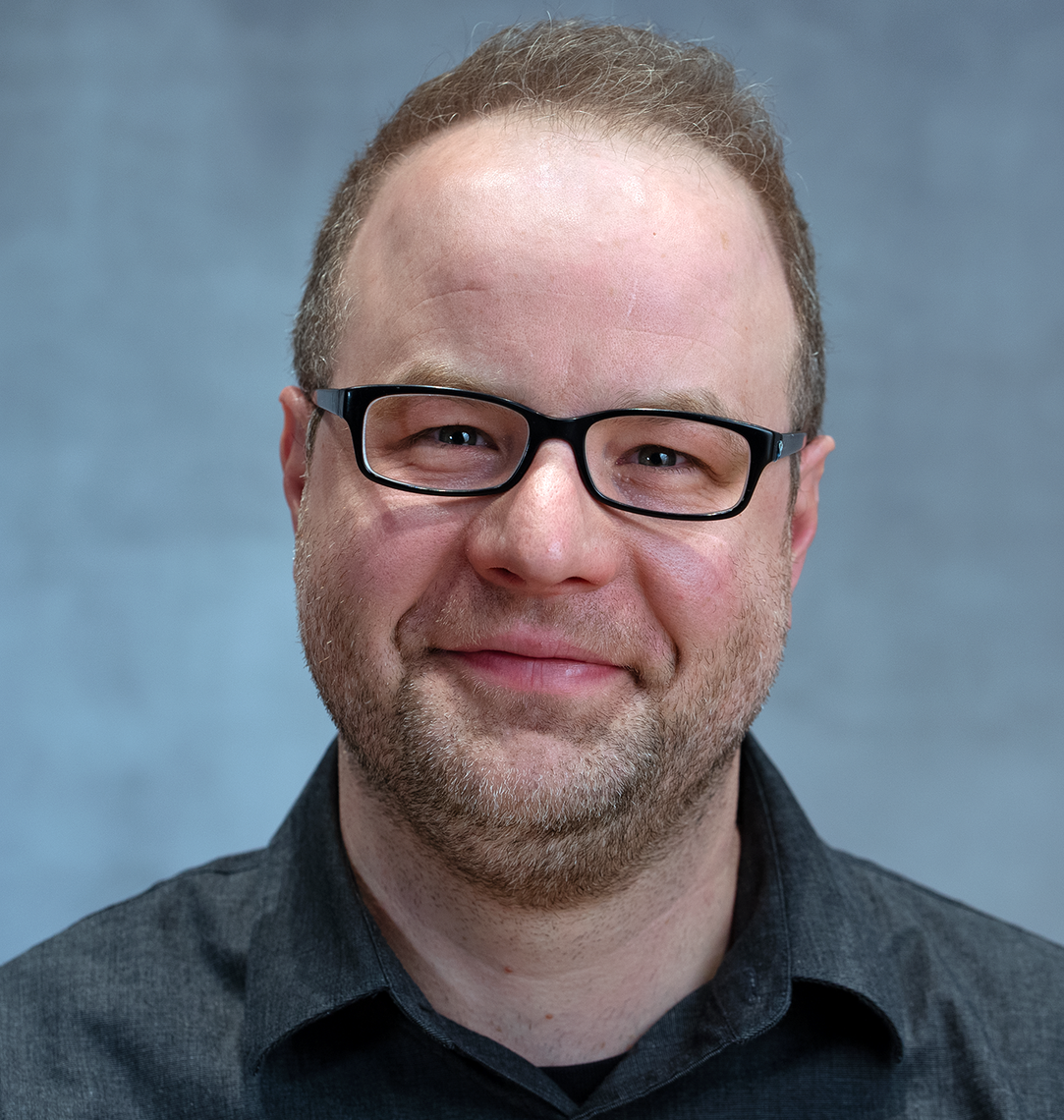
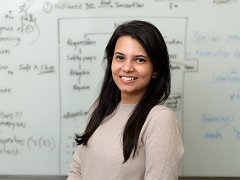
Lars Rønn Olsen serves as a Professor in the Department of Immunology and Microbiology within the Faculty of Health and Medical Sciences at the University of Copenhagen. He maintains dual affiliation with the Skin Immunology Research Center, where his work bridges experimental immunology and computational approaches to address complex immune challenges. His research concentrates on Immunology , Microbiology , and Computational Immunology , with specialized focus on vaccine response prediction. Recent work examines computational models for Bordetella pertussis vaccination immunity, integrating multi-omics data to forecast immune outcomes. This positions him at the intersection of theoretical immunology and practical vaccinology applications. Current research trends reveal strong emphasis on collaborative computational validation frameworks, as demonstrated by his 2025 PLOS Computational Biology publication involving 40+ international researchers. The work establishes standardized testing protocols for immune modeling, signaling growing interdisciplinary convergence in immunoinformatics. As a core member of the Skin Immunology Research Center, he contributes to investigations of cutaneous immune mechanisms, though specific lab structures or team compositions remain undocumented in available sources.
Caius Radu, M.D., is a full Professor in the Departments of Molecular and Medical Pharmacology and Surgery at the University of California, Los Angeles (UCLA). He also serves as Vice-Chairman of the Department of Molecular and Medical Pharmacology and as Co-Director of the Cancer Molecular Imaging, Nanotechnology, and Theranostics Research Program (CMINT) within the Jonsson Comprehensive Cancer Center. Education: M.D., University of Medicine, Craiova, Romania Postdoctoral training in immunology and cancer biology, University of Texas Southwestern Medical Center (Dallas) Postdoctoral training at UCLA under the mentorship of Dr. Owen Witte Research Interests: Dr. Radu's laboratory investigates the intersection of metabolic signaling , nucleotide metabolism , and immune networks in cancer, with a translational focus on molecular imaging and theranostic applications. Key efforts include elucidating novel mechanisms regulating nucleotide metabolism in pancreatic and prostate cancers, identifying actionable co-dependencies, and developing non-invasive imaging probes that predict therapeutic response. The group integrates rigorous pre-clinical mouse models with cutting-edge PET imaging to accelerate bench-to-bedside translation. Current projects revolve around STING pathway activation , PSMA-targeted radioligand therapy , CD73 adenosine blockade , mutant KRAS inhibition , and mRNA cancer vaccines . These multi-pronged strategies aim to overcome tumor immune evasion, enhance cytotoxic therapies, and personalize treatment selection. Recent Publication Trends: From 2020-2025, the Radu group has published extensively on synergistic combination therapies that pair immune checkpoint modulation with targeted metabolic inhibition. A dominant theme is leveraging nucleoside analog PET tracers (e.g., 18F-FAC, 18F-CFA) to visualize immune activation and metabolic stress in real time. Parallel studies dissect resistance mechanisms to PSMA-targeted alpha therapy and explore STING agonism as a strategy to sensitize otherwise refractory pancreatic and prostate tumors. Scientific Awards & Honors: While the provided text does not enumerate specific awards, Dr. Radu’s leadership roles at UCLA and the Jonsson Comprehensive Cancer Center, along with continuous high-impact publications, attest to sustained recognition in cancer research. Advising & Team: Dr. Radu mentors an active bench-to-bedside team comprising: Graduate Students: Amanda Creech, Hailey Lee Postdoctoral Scholar: Khalid Rashid Staff Research Associate: Weihang Zhao Lab Manager: Nanping Wu Laboratory & Core Affiliations: The Radu laboratory operates within the CMINT program at the Jonsson Comprehensive Cancer Center, with ready access to UCLA’s preclinical imaging cores, flow cytometry facilities, and translational pathology resources. Collaborative ties span the departments of Molecular and Medical Pharmacology, Surgery, Radiological Sciences, and the Institute for Molecular Medicine.
Justin A. Bosch is an Assistant Professor in the Department of Human Genetics at the University of Utah. His research focuses on inter-organ communication through blood-borne proteins, primarily using Drosophila as a model system with human-like organ systems. The Bosch Lab employs a multidisciplinary approach combining experimental and computational techniques to map protein origins and destinations in circulation. Research interests center on discovering novel circulating inter-organ factors that mediate communication between organ systems. Key areas include hormone signaling, protein trafficking mechanisms, and the functional characterization of blood proteomes. The lab develops innovative tools such as protein proximity labeling (TurboID), computational prediction of protein complexes (AlphaFold), and CRISPR-based genome engineering to overcome technical barriers in studying inter-organ communication. Analysis of recent publications reveals a strong focus on Drosophila genetics, proteomics, and CRISPR technologies. The research trajectory shows progression from foundational genetic tools development toward comprehensive mapping of inter-organ communication networks, with increasing integration of computational approaches and human disease relevance. The Bosch Lab maintains active funding and collaborations, including recent support from the U of U Health Philanthropic Partners Group for high-risk, high-reward projects. The lab has established critical infrastructure including a GPU node at the Center for High Performance Computing and utilizes the Cell Imaging Core for advanced microscopy. Current lab personnel include research technicians and undergraduate researchers working on projects related to characterizing candidate inter-organ factors, developing novel experimental tools, and investigating human missense variants in hormones and their receptors. The lab actively participates in academic symposia and retreats within the Department of Human Genetics and broader university community.
Daniel J Brat serves as Chair of the Department of Pathology and holds the Magerstadt Professorship at Northwestern University's Feinberg School of Medicine. He maintains dual professorial appointments in Pathology (Experimental Pathology) and Pathology (Neuropathology), leading significant research initiatives at the Robert H. Lurie Comprehensive Cancer Center. Dr. Brat's research focuses on the biological mechanisms underlying glioma progression, particularly glioblastoma (GBM). His laboratory investigates genetics, hypoxia, tumor microenvironment dynamics, and glioma stem cell behavior. Key research areas include asymmetric cell division regulation, hypoxia-induced microvascular hyperplasia, and the role of vaso-occlusion in tumor necrosis. His team employs patient-derived samples, mouse models, and Drosophila systems to elucidate fundamental cancer biology principles. Analysis of Dr. Brat's publication record reveals consistent research themes spanning molecular mechanisms of glioblastoma progression, with particular emphasis on tumor microenvironment interactions, stem cell regulation, and translational applications. His work demonstrates strong integration of basic science with clinical pathology, leveraging large datasets like TCGA while maintaining experimental validation through sophisticated in vivo models including intravital microscopy. Dr. Brat leads multiple clinical trials focused on pathology specimen collection and analysis, serving as principal investigator for the Pathology Core Facility and Breast Cancer Program tissue collection initiatives. His laboratory currently mentors a diverse team including graduate students, postdoctoral scholars, medical students, and undergraduates, with numerous former trainees now established in academic and clinical pathology positions. The Brat Lab, located in the Montgomery Ward Building at Northwestern's Chicago campus, maintains active research programs in glioblastoma progression mechanisms, asymmetric cell division in glioma stem cells, and in silico brain tumor research. The lab collaborates extensively with the Simpson Querrey Center for Neurogenetics, Simpson Querrey Institute for Epigenetics, and Center for Human Immunobiology, reflecting the interdisciplinary nature of modern cancer research.
T M Indra Mahlia , a Distinguished Professor at the School of Civil and Environmental Engineering , University of Technology Sydney (UTS), leads cutting-edge research in sustainable energy systems and environmental engineering. As a core member of the Centre for Technology in Water and Wastewater and the Centre for Advanced Modelling and Geospatial Information Systems , he bridges engineering innovation with practical climate solutions. PhD from University of Malaya (Kuala Lumpur, Malaysia) Fluency in English, Indonesian, Malay, and Achinese for peer review His research spans Techno-Economic Analysis , Circular Economy , and Water-Energy Nexus challenges, supported by over $5 million in grants. His work focuses on: Hydrogen energy systems optimization Advanced materials for energy storage Low-cost water purification technologies Sustainable biodiesel production Thermal management innovations As a Highly Cited Researcher (Clarivate Analytics, 2017-2022) and The Australian 's 2019/2025 Sustainable Energy Leader , he mentors future researchers - notably guiding two Highly Cited PhD students ( H.C. Ong and A.S. Silitonga ). His publications across 2024-2026 demonstrate technical advancements in: Hydrogen carrier systems Microalgae-derived lubricants High-entropy alloy corrosion resistance Artificial neural network optimization Phase change material thermal sinks Biohydrogen production pathways
Haakon Bryhni is a Research Professor at Simula Research Laboratory's Center for Resilient Networks and Applications, focusing on telecommunications infrastructure and network resilience. His work spans optical fiber sensing, Cloud-RAN architecture, 5G networks, and network security. Expertise in telecommunications and network infrastructure Contributions to optical fiber sensing and AI-driven network outage classification Active in public outreach and policy analysis for ICT resilience Recent research explores Sagnac loop sensing systems , Cloud-RAN integration , and cybersecurity preparedness in Norway. Collaborations include international conferences and publications in Optics & Laser Technology , Sensors , and IEEE journals. Contact: haakonbryhni@simula.no
Youhua Shi is a full Professor in the Faculty of Science and Engineering at Waseda University, Japan. He obtained his Doctor of Engineering from Waseda in 2005 and is an active member of IEICE, IPSJ, IEEE, and two Japanese academic societies. His research portfolio integrates trustworthy computing, hardware security of AI accelerators, energy-harvesting interface circuits for triboelectric nanogenerators, and low-power VLSI design-for-test methodologies. Education: Doctor of Engineering, Waseda University (2005) Graduate studies, Waseda University, Division of Engineering (completed 2005) Research Interests: Prof. Shi pursues trustworthy and secure silicon systems, spanning hardware Trojans in automated AI-accelerator flows, radiation-hardened latch design for soft-error resilience, and power-efficient CNN accelerators exploiting zero-gating and data-reuse techniques. Parallel work targets energy-autonomous IoT through advanced interface circuits for triboelectric nanogenerators, achieving record energy-per-cycle beyond the classical CMEO limit. Publication Trends: Recent articles (2024-2025) emphasize two thrusts: (i) security of AI/FPGA accelerators—proposing stealthy hardware-Trojan frameworks embedded within design-space-exploration flows that can misclassify up to 97% of inputs—and (ii) power electronics for triboelectric harvesters—introducing dual-output rectifiers and Bennet-doubler biasing that multiply output power >150× over conventional full-wave rectifiers, enabling battery-free IoT nodes. Scientific Awards: APCCAS Best Student Paper Award – 2020 IEEK Best Paper Award – 2012 Students & Collaboration: He has mentored numerous doctoral and master’s scholars, including Yirui Su, Chao Guo, Jinghao Ye, Lin Ye, Saki Tajima, and Masaru Oya, many of whom serve as first authors on his high-impact publications, indicating an active and productive advising role. Labs & Teams: While the text does not name a specific laboratory, his continued affiliation with Waseda University’s Faculty of Science and Engineering and his extensive project output imply he leads a research group focused on secure & energy-efficient VLSI systems, collaborating closely with colleagues such as Prof. Masao Yanagisawa and Prof. Nozomu Togawa.
Bing Qin is a Researcher specializing in computational linguistics, artificial intelligence, and multimodal learning. Their work focuses on enhancing large language models' capabilities in temporal knowledge graph forecasting, cross-lingual alignment, and safety mechanisms. Core Research Areas: Knowledge graphs, multimodal systems, reasoning frameworks Technical Innovations: Analogical replay, gain signal estimation, cross-modal attention intervention Recent Trends: 2025 publications emphasize training-free methods and preference alignment in LLMs
Andrea Boni is an Associate Professor in the Department of Information Engineering at the Faculty of Engineering, University of Parma, where he has been a faculty member since 1999. He leads the Analog IC Design research group and teaches core electronics courses including Analog Design, Amplifier Design, and Electronics 2 at both undergraduate and graduate levels. His research focuses on analog and mixed-signal integrated circuits, with emphasis on high-speed and ultra-low-power designs in CMOS and BiCMOS technologies. Key areas include Analog-to-Digital Converters (ADCs), low-voltage reference circuits, RF oscillators, frequency synthesizers, and their applications in wireless sensors, UWB radars, and RFID systems. The recent publications highlight a strong trend toward low-power, wireless, and intelligent sensing systems, particularly in structural health monitoring, precision agriculture, and food authenticity. These works reflect a convergence of analog circuit innovation with embedded intelligence and IoT applications. Dr. Boni serves on the technical committee of the Custom Integrated Circuits Conference and is a reviewer for IEEE Journal of Solid-State Circuits and IEEE Transactions on Circuits and Systems – II. He advises no listed students in the provided text and has not been awarded any scientific prizes mentioned. His group receives both public and private funding. He leads the Analog IC Design group, which has been active for over a decade in cutting-edge analog circuit research.
Jian Lin is an Associate Professor in the Department of Mechanical and Aerospace Engineering at the University of Missouri (MU), with courtesy appointments in Electrical Engineering & Computer Science (EECS) and Chemical Engineering (ChBME). He leads an interdisciplinary research group focused on advanced manufacturing and materials for biomedical and energy applications. His work is supported by major funding agencies including the National Science Foundation, National Institutes of Health, U.S. Department of Energy, and U.S. Department of Agriculture. Education: PhD in Mechanical Engineering, University of California, Riverside MS in Electrical Engineering, University of California, Riverside BS in Mechanical and Automation Engineering, Zhejiang University Dr. Lin's research spans three core areas: smart manufacturing powered by artificial intelligence , soft materials and 3D/4D printing , and biomanufacturing . His group explores innovative fabrication techniques such as humidity-assisted 3D printing, VPP sustainability, and direct integration of electronics into everyday objects. The lab also develops medical devices for vital sign monitoring and soft tissue regeneration. His recent publications highlight a strong trend toward interdisciplinary innovation , combining materials science, AI, robotics, and biomedical engineering. Themes include sustainable manufacturing, smart implants, wearable health sensors, and autonomous inspection systems—reflecting a convergence of engineering disciplines to solve real-world challenges in healthcare and energy. Scientific Awards and Honors: 2015 ORAU Ralph E. Powe Junior Faculty Enhancement Award 2016 Emerging Investigator, Journal of Materials Chemistry 2019 Dean William R. Kimel and Mila Kimel Faculty Fellow, College of Engineering, MU Dr. Lin actively advises graduate students and leads the Advanced Manufacturing Lab at MU. His research is funded by multiple federal grants, enabling high-impact projects in biomanufacturing, smart materials, and sustainable fabrication. He mentors students in cutting-edge research, many of whom contribute to publications and innovations featured in university news. Current initiatives include AI-driven manufacturing systems, 4D-printed medical implants, and wearable health technologies.
Roopsha Samanta is an Assistant Professor in the Department of Computer Science at Purdue University, where she leads the Purdue Formal Methods (PurForM) research group and is a core member of the Purdue Programming Languages (PurPL) group. She completed her PhD at the University of Texas at Austin in 2013 under the supervision of E. Allen Emerson and Vijay K. Garg, followed by postdoctoral research at IST Austria (2014-2016) with Thomas A. Henzinger. Her research focuses on developing foundational techniques at the intersection of formal methods and programming languages, with primary interests in: Program synthesis and repair using semantic guidance Modular verification of distributed systems Concurrency and synchronization synthesis Robustness analysis of I/O systems Her publication record shows consistent contributions across programming languages and formal methods venues, with recent emphasis on explainable program synthesis, bounded verification of distributed systems, and semantics-guided approaches to enhance synthesis robustness. Her work frequently appears in premier conferences including PLDI, POPL, OOPSLA, and CAV. Notable scientific recognitions include: NSF CAREER Award (2019) Amazon Research Award (2021) She actively advises graduate and undergraduate researchers in the PurForM group, with current students including Nouraldin Jaber, Christopher Wagner, and Yongwei Yuan. Her research is supported by grants from NSF and Amazon. Beyond research, she teaches courses on program reasoning (CS560) and neurosymbolic program synthesis (CS592), and serves on steering committees for VMW@CAV and DARS. She also co-edits the ACM SIGPLAN Blog on PL Perspectives.
Victor S. Dolk serves as an Assistant Professor in the Department of Mechanical Engineering at Eindhoven University of Technology (TU/e), actively contributing to the Heemels research group. His academic foundation includes a Master's thesis titled Mixing and switching completed in 2013 under M. Lauret's supervision at TU/e. Dolk's research centers on advanced control systems theory, with core expertise in event-triggered and time-triggered communication frameworks for multi-agent systems. His investigations address critical challenges in networked control environments including communication resource optimization, stability analysis under time-varying delays, resilience against denial-of-service attacks, and data-driven predictive control methodologies. Specific domains encompass linear parameter-varying (LPV) systems, complexity reduction in coupled mechanical problems, and certificates for stability analysis. Recent publications (2024-2025) demonstrate concentrated advancements in multi-agent communication resilience, digital implementation frameworks, and theoretical foundations for stability certificates in LPV systems. These works published in IEEE Transactions on Automatic Control and Automatica reveal strong emphasis on practical implementations of event-triggered mechanisms while maintaining analytical rigor. With 37 total research outputs and 1619 Scopus citations, Dolk has supervised 5 research projects or student theses. His ongoing work shows strategic focus on bridging theoretical control frameworks with real-world implementation constraints in resource-limited environments. As a core member of the Heemels research group at TU/e, Dolk collaborates extensively on networked control systems with international partners, contributing to the group's reputation in event-triggered control theory and applications.
Professor Jon Kerridge is a distinguished academic at the School of Computing, Edinburgh Napier University, where he has made significant contributions to parallel programming, software systems, and database applications. With a career spanning several decades, he has published extensively in the field of computer science and has supervised numerous PhD students. BSc, MSc, PhD Fellow of the British Computer Society (FBCS) Chartered IT Professional (CITP) Fellow of the Higher Education Academy (FHEA) Chartered Engineer (CEng) Professor Kerridge's research primarily focuses on parallel programming models, particularly through his work on the Groovy Parallel Patterns Library and Communicating Sequential Processes (CSP). His research spans multiple domains including software engineering, database systems, and interdisciplinary work in neuroscience related to dyslexia. He has also made significant contributions to pedestrian movement modeling and evolutionary algorithms. His publications demonstrate a consistent focus on practical software engineering solutions for parallel and distributed systems. The research trajectory shows progression from foundational work in computer architecture education in the 1980s through database systems in the 1990s-2000s to modern parallel programming frameworks. His interdisciplinary work connecting computer science with visual processing in dyslexia represents an innovative application of computational approaches to neuroscience problems. Fellow of the British Computer Society (FBCS) Chartered IT Professional (CITP) Fellow of the Higher Education Academy (FHEA) Chartered Engineer (CEng) Professor Kerridge has supervised several PhD students to completion, including Kevin Chalmers (Investigating communicating sequential processes for Java to support ubiquitous computing) and Robert Kukla (A software framework for the microscopic modelling of pedestrian movement). His research has been supported by Edinburgh Napier University funding, with applications ranging from healthcare systems to pedestrian flow optimization. He is a key member of the Centre for Algorithms, Visualisation and Evolving Systems at Edinburgh Napier University, where his work continues to influence both theoretical and applied aspects of computing.
Tim Triche, Jr., Ph.D., is an Associate Professor at the Van Andel Institute in the Department of Epigenetics . He earned his A.B. in chemistry from Cornell University , followed by an M.S. in biostatistics and a Ph.D. in statistical genetics from the University of Southern California . Before joining Van Andel in 2017, he was a postdoctoral fellow at USC's Norris Comprehensive Cancer Center focusing on cellular senescence in blood disorders. As a key member of The Cancer Genome Atlas Research Network since 2011 with over a dozen high-impact publications in Nature , Cell , and NEJM , Dr. Triche specializes in epigenetics , biostatistics , and computational biology . His lab develops innovative approaches for pediatric AML research, integrating next-generation sequencing with clinical trial design to improve patient outcomes. His work emphasizes statistical learning for patient stratification, molecular profiling of hematological cancers, and interpretable machine learning in biomedical contexts. He leads the Bioinformatics and Biostatistics Core as faculty advisor and maintains active collaborations across institutions. 2025 Nature Cancer study on developmental heterogeneity in cancer susceptibility 2024 NAR methods paper on BISCUIT multi-omics tools 2023 PLOS One validation of MAX regulation in pituitary adenomas 2022 Nature Metabolism obesity subtyping analysis Scientific contributions include: Chan Zuckerberg Initiative grant (2022) for biomedical computing NCI SPORE grant (2021) as co-recipient Key role in Pediatric AML molecular mapping (2017)
Thorsten Kamps is a Professor of Physics at Humboldt University of Berlin and Head of the Department of High-Brilliance Electron Beams at Helmholtz-Zentrum Berlin . He is also Deputy Project Manager for the Superconducting RF Electron Accelerator Laboratory SEALAB . Education: Graduate Physicist (Dipl.-Phys.) from TU Dortmund (formerly University of Dortmund), Doctor rerum naturalium (Dr. rer. nat.) from Humboldt University of Berlin Research Interests: Particle accelerator beam dynamics, diagnostics, superconducting radio-frequency photoinjectors (SRF photoinjectors), photocathode growth, instrumentation for bright electron beams, free-electron lasers, ultrafast scattering sources, and future trends of accelerator-driven light sources Expertise: Accelerator physics, beam physics of electron beams, photoinjectors, storage rings, electron beam diagnostics, free-electron lasers, and project management of large-scale accelerator projects Labs/Teams: Involved with SEALAB (Superconducting RF Electron Accelerator Laboratory), BERLinPro (Berlin Energy Recovery Linac Project), and collaborations with institutions like Royal Holloway University of London, DESY, and DELTA/University of Dortmund Publications Trends: Thorsten Kamps’ recent works focus on SRF photoinjectors, beam diagnostics, photocathode development, and thermal load studies. His research spans applications in ultrafast electron diffraction, laser-driven acceleration, and energy-recovery linacs, with collaborations across Europe and the US. Topics include interferometric beam monitoring, multi-alkali antimonide materials, and solenoid alignment for beam control. Teaching: Promotes education in accelerator physics through BSc and MSc courses, and supervises BSc, MSc, and PhD students. Develops practical experiments for internships in accelerator physics.