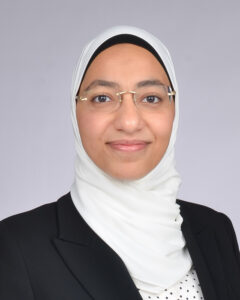
Ashkan Yousefpour is a Computer Scientist with a PhD from the University of Texas at Dallas , where he contributed to the FLOW project. He served as a Lecturer and research assistant at UT Dallas, while also working as a Visiting Researcher at UC Berkeley . His research spans Fog/Edge Computing , Federated Learning , Reinforcement Learning , and Distributed Systems . Current Role: AI Scientist at Meta Academic Affiliation: Department of Computer Science, University of Texas at Dallas Research Interests include: Minimizing IoT service delay through fog offloading Developing failure-resilient distributed neural networks (ResiliNet) Advancing privacy-preserving machine learning (Opacus, Papaya) Optimizing traffic flow with autonomous vehicles via reinforcement learning Advising : Supervised multiple graduate students including Ashish Patil , Harshavardhan Nalajala , and Brian Nguyen . Collaborated with researchers like Professor Alexandre Bayen (UC Berkeley) and Professor Cathy Wu (MIT) on traffic control frameworks such as Flow .
Bert de Vries is a Professor at the Signal Processing Systems Group at Eindhoven University of Technology (TU/e), where he has been employed since January 2012. He maintains a dual career, also working at GN Hearing in the hearing aids industry since April 1999, where he holds both research and managerial roles. His academic journey began at TU/e, where he earned his MSc in Electrical Engineering in 1986, followed by a PhD from the University of Florida in 1991. Between 1992 and 1999, he worked at Sarnoff Research Center in Princeton, NJ, contributing to diverse signal and image processing projects. Professor de Vries's research centers on Bayesian Machine Learning, with particular focus on the Free Energy Principle and its applications to engineering problems. His work bridges theoretical neuroscience with practical signal processing systems, especially in biomedical applications. He directs the BIASlab research team at TU/e, which develops probabilistic programming tools including RxInfer.jl, ForneyLab.jl, GraphPPL.jl, ReactiveMP.jl, and Rocket.jl. His research spans active inference, variational message passing, probabilistic programming, and Bayesian neural networks, with applications ranging from hearing aids to multi-agent systems. Analysis of his recent publications reveals a strong trend toward practical implementations of Bayesian inference frameworks, particularly through Julia-based probabilistic programming tools. His work shows increasing focus on active inference applications, message passing algorithms, and the intersection of Riemannian geometry with probabilistic modeling. The research demonstrates consistent progression from theoretical foundations toward real-world engineering applications, particularly in biomedical signal processing and autonomous systems. Professor de Vries teaches a graduate-level course on Bayesian Machine Learning at TU/e and actively contributes to open-source software development through his GitHub profile (bertdv), with recent activity as recent as August 2025. His research team has developed several influential probabilistic programming libraries that have gained significant attention in the machine learning community. The BIASlab research group continues to advance the state of the art in Bayesian inference methods with applications in hearing technology, robotics, and signal processing.
Douglas D. Hodson is a Professor of Computer Engineering at the Air Force Institute of Technology (AFIT), Wright-Patterson AFB, Ohio, affiliated with the Department of Systems and Engineering Management within the Graduate School of Engineering and Management. He holds a PhD in Computer Engineering from AFIT (2009), an MBA and MS in Electro-Optics from the University of Dayton, and a BS in Physics from Wright State University. His research focuses on computer engineering, software engineering, real-time distributed simulation, and quantum communications , with a strong emphasis on Quantum Key Distribution (QKD) systems, modeling and simulation (M&S), and Live-Virtual-Constructive (LVC) environments. His work integrates cybersecurity, network performance, and advanced simulation frameworks such as AFSIM and SwarmSim. His recent publications (2021–2022) reflect a trend toward secure distributed systems, AI-driven classification, fog modeling in military simulations, and opinion dynamics in social systems. These works span disciplines including cybersecurity, artificial intelligence, defense modeling, and environmental effects in multi-domain operations. Scientific Awards and Honors: IEEE Senior Member (2021) Outstanding Achievement Award, World Congress in CSCE (2018) SOCHE Faculty Excellence Award (2017) Harold Brown Award (2015) Multiple AFIT Civilian Category III Awards (2014, 2013) Dayton Area Graduate Studies Institute Scholar (2003–2007) Rev. Raymond A. Roesch, S.M., Award of Excellence, University of Dayton MBA (1998) Advising and Grants: Dr. Hodson has advised numerous graduate students, many of whom are co-authors on his publications. His research has been supported by AFIT, AETC, and collaborative defense-focused grants, particularly in quantum communications and simulation technologies. He has led or contributed to teams receiving Air Force Modeling and Simulation Team Awards and QKD Research Team Awards. Labs and Teams: He is a key contributor to the AFIT Quantum Communications and Modeling & Simulation research teams, working on projects involving AFSIM, QKD system modeling, decoy state protocols, and swarm UAV simulation. His lab environment fosters interdisciplinary collaboration in cybersecurity, physics, and software engineering.
Claire Dune is an Assistant Professor at the University of Toulon, affiliated with the COSMER Laboratory (Mechanical and Robotic Systems Design Laboratory). Her research focuses on robotics, computer vision, and underwater systems, with applications in environmental monitoring and human-robot interaction. She teaches computer science, numerical methods, image processing, and visual servoing. Institution: University of Toulon Laboratory: COSMER (Mechanical and Robotic Systems Design Laboratory) Academic Rank: Assistant Professor Email: claire.dune@univ-tln.fr Her research centers on perception for robot control, particularly in underwater robotics and computer vision. Key interests include visual servoing, SLAM, gesture recognition for diver-robot interaction, and autonomous capabilities in real-world marine environments. She applies deep learning and sensor fusion techniques to enhance underwater visual perception and navigation. The recent publications demonstrate a strong trend in underwater robotics, with focus areas including tether dynamics (catenary modeling), ROV localization using umbilicals and IMUs, long-term visual localization in deep-sea environments, and color restoration in underwater imagery. Her work bridges theory and real-world application, contributing datasets like 'Eiffel Tower' for benchmarking and advancing multi-agent SLAM systems. Claire Dune has contributed to leading journals such as IEEE Robotics and Automation Letters, Ocean Engineering, and The International Journal of Robotics Research. Her editorial and survey work highlights her leadership in the domain of deformable object manipulation. Retrieval of benthic habitat abundance and bathymetry from hyperspectral data (DESIS) in shallow waters ROV localization using ballasted umbilical equipped with IMUs MAM3SLAM: Towards underwater robust multi-agent visual SLAM Eiffel Tower: A Deep-Sea Underwater Dataset for Long-Term Visual Localization Challenges and Outlook in Robotic Manipulation of Deformable Objects Claire Dune actively collaborates with researchers such as Vincent Hugel, Juliette Drupt, and Andrew Comport. She has supervised or co-supervised numerous research projects and publications, particularly in underwater robotics and assistive technologies. Her work involves experimental robotics and system integration, often validated in real marine environments. She leads research in the COSMER laboratory focused on underwater robotics, including projects on tethered ROVs, diver-robot communication via gesture recognition, and environmental monitoring using visual and hyperspectral data. Her team develops practical solutions for marine science and offshore operations, emphasizing robustness and autonomy.
Dr. Shreyas S. Rao is an Associate Professor in the Department of Chemical and Biological Engineering at The University of Alabama, College of Engineering. He leads the Rao Laboratory, which is affiliated with the Polymers and Soft Materials Research Center. His research focuses on engineering 3D biomaterial scaffolds to model cancer microenvironments, particularly in metastatic breast cancer and brain metastases. Dr. Rao earned his Ph.D. and M.S. in Chemical Engineering from Ohio State University and a B.E. from R.V. College of Engineering, India. He joined The University of Alabama in 2015 after a postdoctoral position at the University of Michigan. His research interests lie at the intersection of biomaterials, cancer biology, and systems engineering. He develops hydrogel and porous scaffolds to mimic in vivo tissue conditions, enabling the study of tumor dormancy, drug resistance, and metastatic progression in physiologically relevant models. His lab integrates biomaterial design with systems biology to uncover mechanisms of therapeutic resistance and devise strategies to reprogram the tumor microenvironment. The recent publications from his lab highlight a strong focus on metastatic cancer, particularly brain metastasis in breast cancer, tumor dormancy, immune interactions, phage-based therapeutics, and biomimetic modeling. The work spans from fundamental biomaterial design to translational applications in drug screening and personalized medicine. CAREER Award, National Science Foundation, 2018 Grant recipient, Breast Cancer Research Foundation of Alabama, January 2024 Named 'Emerging Leader in Biological Engineering,' Journal of Biological Engineering, 2019 Reichhold-Shumaker Assistant Professorship, The University of Alabama, 2017 Ohio State College of Engineering’s Texnikoi Outstanding Alumni Award, 2024 National Academy of Inventors (NAI) Inductee, 2024 American Cancer Society Research Scholar Award METAvivor Early Career Investigator Award Dr. Rao has successfully advised numerous graduate and undergraduate students, many of whom have received national fellowships and awards. His research is supported by grants from the NSF, American Cancer Society, BCRFA, and METAvivor. He collaborates with researchers at institutions such as the University of Alabama at Birmingham, Ohio State University, and UNC/NCSU. The Rao Lab also engages in outreach, mentoring high school and undergraduate students through programs like Randall Research Scholars and REU. The Rao Laboratory operates within the Science and Engineering Complex and is part of a broader network of research centers including the Polymers and Soft Materials Research Center and the Integrative Center for Athletic and Sport Technology. The lab fosters interdisciplinary collaboration and innovation in bioengineering and cancer therapeutics.
Andrea Tosin is a Full Professor of Mathematical Physics at the Department of Mathematical Sciences "G. L. Lagrange" (DISMA), Politecnico di Torino. He serves as Coordinator of the Doctoral College of Mathematical Sciences and Deputy Coordinator of the Doctoral College of Pure and Applied Mathematics. His research bridges kinetic theory, transport equations, and applied mathematics with applications in multi-agent systems, traffic, social dynamics, and epidemiology. His research interests focus on: Kinetic theory and its applications to real-world systems Transport and diffusion equations in complex environments Modeling of vehicular traffic, crowd dynamics, and social behavior Epidemiological modeling with a focus on viral load and multi-scale dynamics Mathematical modeling of collective behavior in biological and social systems His recent publications demonstrate a consistent trend in developing and analyzing kinetic models for traffic flow, opinion dynamics, and epidemic spread, often incorporating uncertainty, network structures, and multi-population interactions. These works frequently involve rigorous mathematical derivations from microscopic models to macroscopic equations, with applications in safety, public health, and urban planning. His scientific awards include: SIMAI Biennial Award (2013) INDAM-SIMAI Award (2010) He actively supervises PhD students and postdoctoral researchers, including Martina Fraia, Emanuele Bernardi, Elisa Paparelli, and Mattia Sensi. He has secured significant research grants from national (PRIN, INdAM) and institutional (Politecnico di Torino, Google) sources. His research is supported by projects such as IMASED (Integrated Mathematical Approaches to Socio-Epidemiological Dynamics) and ANATOMY (A Unitary Mathematical Framework for Modelling Muscular Dystrophies). He also leads the "Modelli e Metodi della Fisica Matematica" research group at DISMA.
Prof. Rolf Findeisen is a Professor in the Department of Control and Cyber-Physical Systems (CCPS) at Technische Universität Darmstadt. His work focuses on advancing control theory and its applications in cyber-physical systems, autonomous systems, and energy storage systems. Key areas include model predictive control (MPC), battery management systems, machine learning integration into control frameworks, and optimization of crystallization processes. He leads research on safety-critical systems, data-driven control methods, and interdisciplinary applications in robotics and biotechnology. His research spans theoretical advancements in MPC stability, stochastic control, and Gaussian process modeling, alongside practical implementations in autonomous vehicles, lithium-ion battery systems, and bioprocess optimization. Notable contributions include frameworks like HILO-MPC for integrating machine learning with control systems, and methodologies for safe exploration in autonomous navigation. Prof. Findeisen's publications emphasize energy-efficient trajectory planning, fault detection in battery systems, and real-time optimization of manufacturing processes. His work bridges academic theory with industrial applications, addressing challenges in scalability, safety, and computational efficiency. His lab collaborates on national projects like IN-Fly-Tec and INFLIGHT, focusing on innovative flight control systems and sensor technologies. Current research trends include hybrid intelligent optimization, cybergenetic control of microbial systems, and safe reinforcement learning for control systems.
Philip Dames is an Associate Professor in the Department of Mechanical Engineering at the College of Engineering, Temple University, where he leads the Temple Robotics and Artificial Intelligence Lab (TRAIL). His research focuses on enabling robots to operate effectively in complex, real-world environments to meet societal needs. Research Interests: His work spans robotics, probabilistic reasoning, multi-robot systems, active sensing, mapping, and target tracking. He develops algorithms for distributed coordination, uncertainty-aware navigation, and semantic perception, with applications in autonomous systems and human-robot interaction. Publication Trends: His recent publications (2020–2025) appear in top robotics journals like IEEE Transactions on Robotics and Autonomous Robots . The research emphasizes probabilistic methods, deep reinforcement learning, large language models for planning, and real-time navigation in dynamic and uncertain environments, reflecting a strong trend toward intelligent, adaptive robotic systems. Scientific Awards: NSF CAREER Award Advising and Grants: While specific advisees are not listed, he leads a research lab and has secured competitive funding such as the NSF CAREER award. He mentors students through research in robotics and advises on projects related to autonomous navigation and multi-robot systems. Labs and Teams: He directs the Temple Robotics and Artificial Intelligence Lab (TRAIL), which focuses on developing advanced robotic capabilities through collaborative, interdisciplinary research in perception, planning, and control.
J.A. La Poutré is a Full Professor at Delft University of Technology and a Scientific Staff Member at CWI (Centrum Wiskunde & Informatica) in the Intelligent and Autonomous Systems group. He holds part-time positions and is involved in research on multi-agent systems and computational intelligence for smart energy systems, with a focus on market-based optimization and fairness in network congestion management. PhD in computer science (Utrecht University, 1991) MSc in mathematics (TU Eindhoven, 1986) His research spans algorithm design, game theory, and reinforcement learning applied to energy systems, particularly smart grids and market mechanisms. Recent publications address cybersecurity threats in power networks, auction-based energy trading, and AI integration in media sectors. The 2019–2025 publications highlight his work in combining game theory with smart grid optimization , covering topics such as topology attacks , demand-side bidding , and fair congestion management . Papers frequently involve reinforcement learning , metaheuristics , and market mechanisms . Scientific Awards : Best paper award at GECCO-2015 KNAW fellow (Utrecht University, 1991–1997) He has led funded projects like Computational Capacity Planning in Electricity Networks (STW program) and co-chairs the Commit2Data Energy division. La Poutré also serves as Vice President of ERCIM (European Research Consortium for Informatics and Mathematics).
Professor Hakan Temeltaş is affiliated with Istanbul Technical University , where he serves in the Department of Control and Automation Engineering . His research focuses on robotics, control systems, and autonomous technologies. He has contributed to advancements in motion planning, localization, and deep reinforcement learning for robotic systems. Research Interests: Robotics, Autonomous Systems, Control Engineering, Machine Learning Current Projects: Deep reinforcement learning for quadrupedal robots, localization frameworks, multi-agent systems His recent work includes autonomous exploration strategies using Rapidly-Exploring Random Trees (RRT), multi-stage localization for mobile robots, and quaternion-based orientation estimation in robot manipulators. He supervises projects involving adversarial attack mitigation and self-recovery mechanisms in quadrupedal robots. Publications highlight applications of deep reinforcement learning in robotics, with a focus on dynamic stability, sensor fusion, and simulation environments. His research outputs span conferences like IEEE RAAI and journals such as Robotica and Unmanned Systems . Scientific Awards : None explicitly mentioned in the provided data. As a principal investigator, he leads projects on ground reaction force balancing, autonomous navigation, and swarm robotics. His collaborations extend to simulation frameworks and real-time control systems for mobile robots.
Salma Emara is an Assistant Professor in the Department of Electrical and Computer Engineering at the University of Toronto within the Faculty of Applied Science & Engineering. Her academic journey includes a B.Sc. in Electronics and Communications Engineering from the American University in Cairo (2018) and a Ph.D. in Computer Engineering from the University of Toronto (2022), supervised by Professor Baochun Li. Her research spans two domains: (1) technical work in reinforcement learning for computer networking , including adaptive bitrate selection, edge caching, and congestion control; and (2) pedagogical work focused on debugging skill development for beginner programmers and leveraging natural language processing in engineering education . She emphasizes hands-on learning through in-class activities and problem-solving assignments. Publication trends reveal a focus on reinforcement learning in networking (2018–2023) and a parallel interest in educational technology (2024). Her recent work (e.g., TextCraft ) explores NLP-driven resource recommendation for textbooks, while earlier projects (e.g., Cascade , Pareto ) address network optimization through machine learning. Scientific awards include: Faculty of Applied Science & Engineering Early Career Teaching Award (2025) Departmental Teaching Awards (2022–2024) Shortlisted for TATP Teaching Assistant Excellence (2022)
Yiannis Karayiannidis is a Senior Researcher (equivalent to Associate Professor/Research) with the Division of Systems and Control (SYSCON), Department of Electrical Engineering at Chalmers University of Technology. He maintains a significant affiliation with the Department of Robotics, Perception and Learning at KTH Royal Institute of Technology, demonstrating his cross-institutional impact in the Swedish robotics community. Dr. Karayiannidis earned his Diploma in Engineering in 2004, followed by a Ph.D. in Engineering in 2009, and achieved Docent status in 2017. His academic journey has focused on robotics and control systems, establishing him as a leading researcher in these fields. His primary research interests span robot control, robotic manipulation in human-centered environments, dual arm manipulation, force control, robotic assembly, control of physical human-robot interaction, multi-agent robotic systems, adaptive control and nonlinear control systems. Dr. Karayiannidis has made significant contributions to the understanding of deformable object manipulation, contact-rich robotic tasks, and human-robot collaboration. His work bridges theoretical control systems with practical robotic applications, particularly in scenarios requiring precise physical interaction. Analysis of his recent publications reveals a strong focus on advanced manipulation techniques, particularly for deformable linear objects, and human-robot collaborative tasks. His research increasingly incorporates machine learning approaches, especially reinforcement learning, to address complex manipulation challenges. There is also a clear emphasis on practical applications in industrial settings, with several projects related to robotic assembly and cable routing. Dr. Karayiannidis serves as Associate Editor for the IEEE Robotics and Automation Letters, IEEE/RSJ International Conference on Intelligent Robots and Systems (IROS), and the European Control Conference. He is also the treasurer of the IEEE Robotics Chapter in Sweden and a WASP-affiliated researcher. He has served as Principal Investigator for multiple research projects including DARMA and DARMA_bridge (funded by WASP), CHROMA (funded by VR), and the H2020 SARAFun project. His current projects include "Learning & Understanding Human-Centered Robotic Manipulation Strategies" (2020-2025), "Computer Vision and Machine Learning for Robot Systems" (2019-2021), and "ViMCoR" (2019-2021) in collaboration with Volvo Group. Dr. Karayiannidis is actively involved in the robotics research community through his editorial roles and project leadership. His work connects theoretical control systems with practical robotic applications, particularly in industrial and human-robot collaborative settings.
Professor Steven Waslander is a leading authority in autonomous aerial and ground vehicle systems, currently affiliated with the University of Toronto Institute for Aerospace Studies (UTIAS) . He leads the "Resilient Autonomy" research theme and founded the Toronto Robotics and Artificial Intelligence Laboratory (TRAILab) , advancing robotics through work on localization, mapping, object detection, integrated planning and control, and multi-robot coordination. B.Sc.E. from Queen’s University (1998) M.S. and Ph.D. from Stanford University in Aeronautics and Astronautics (2002, 2007) His research spans autonomous drones, autonomous driving, UAVs, multi-agent control, and SLAM , with a focus on outdoor multi-vehicle platforms. He previously founded the Waterloo Autonomous Vehicle Laboratory (WAVELab) during his tenure at the University of Waterloo (2008–2018). At Stanford, he developed the pioneering STARMAC quadrotor platform. Scientific Awards : He has held roles at Pratt & Whitney Canada (1998–2001) and has contributed to advancements in robotics, computer vision, and distributed optimization . His work bridges aerospace engineering and artificial intelligence.
Prof. Dr.-Ing. Sergio Montenegro is a Professor of Aerospace Information Technology at Julius-Maximilians-University Würzburg, where he leads the Chair of Computer Science VIII. His academic journey includes a Bachelor's in Computer Science from Universidad del Valle de Guatemala (1978-1982), a Diploma from Technische Universität Berlin (1983-1985), and a Dr.-Ing. from TU Berlin (1989). Prior to joining academia, he held positions as a software developer (1979-1982), research coordinator at Fraunhofer Gesellschaft (1985-2007), and Head of Department at DLR (2007-2010). His research focuses on dependable distributed systems for aerospace applications, including satellite networks, real-time operating systems (RODOS), UAV swarm control, fault-tolerant architectures, and space mission software. Key projects span satellite formation flight (TET, AsteroidFinder), solar sail missions, distributed avionics (VIDANA), and medical IoT systems. Recent publications (2018) demonstrate strong emphasis on distributed spacecraft systems, UAV navigation, fault tolerance, and software engineering for space applications. Trends include miniaturized satellite technologies, decentralized control algorithms, real-time OS verification, and Java-based space systems. He leads research in distributed computing networks and UAV laboratories, supervising projects like VaMEx-LaOLA (Mars exploration) and ultra-wideband positioning systems. Though no awards are documented, he has coordinated over 100 projects including ESA and DLR missions.
Jonas Fredriksson is a Professor in the Mechatronics research group at the Department of Systems and Control Engineering, Chalmers University of Technology. His work focuses on electric/hybrid vehicles, vehicle dynamics, active safety systems, and optimization-based coordination of automated vehicles. Academic Rank: Professor Affiliation: Chalmers University of Technology Department: Systems and Control Engineering Email: jonas.fredriksson@chalmers.se Research Themes: Powertrain control and energy management for electric/hybrid vehicles Advanced control strategies for heavy articulated vehicles Autonomous driving in confined environments Battery thermal management and charging optimization Vehicle stability and safety systems using Newtonian mechanics Article Trends: Recent publications emphasize 1) optimization algorithms for electric vehicle coordination, 2) aerodynamic modeling under crosswind conditions, 3) stochastic approaches to longitudinal vehicle dynamics, and 4) robust control systems for articulated heavy vehicles. The work combines classical mechanics with modern machine learning techniques. Teaching & Leadership: Supervises doctoral students and leads research projects in mechatronics. Manages the master's program in Systems, Control and Mechatronics. Teaches courses in mechatronics and vehicle control systems.