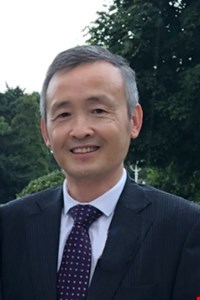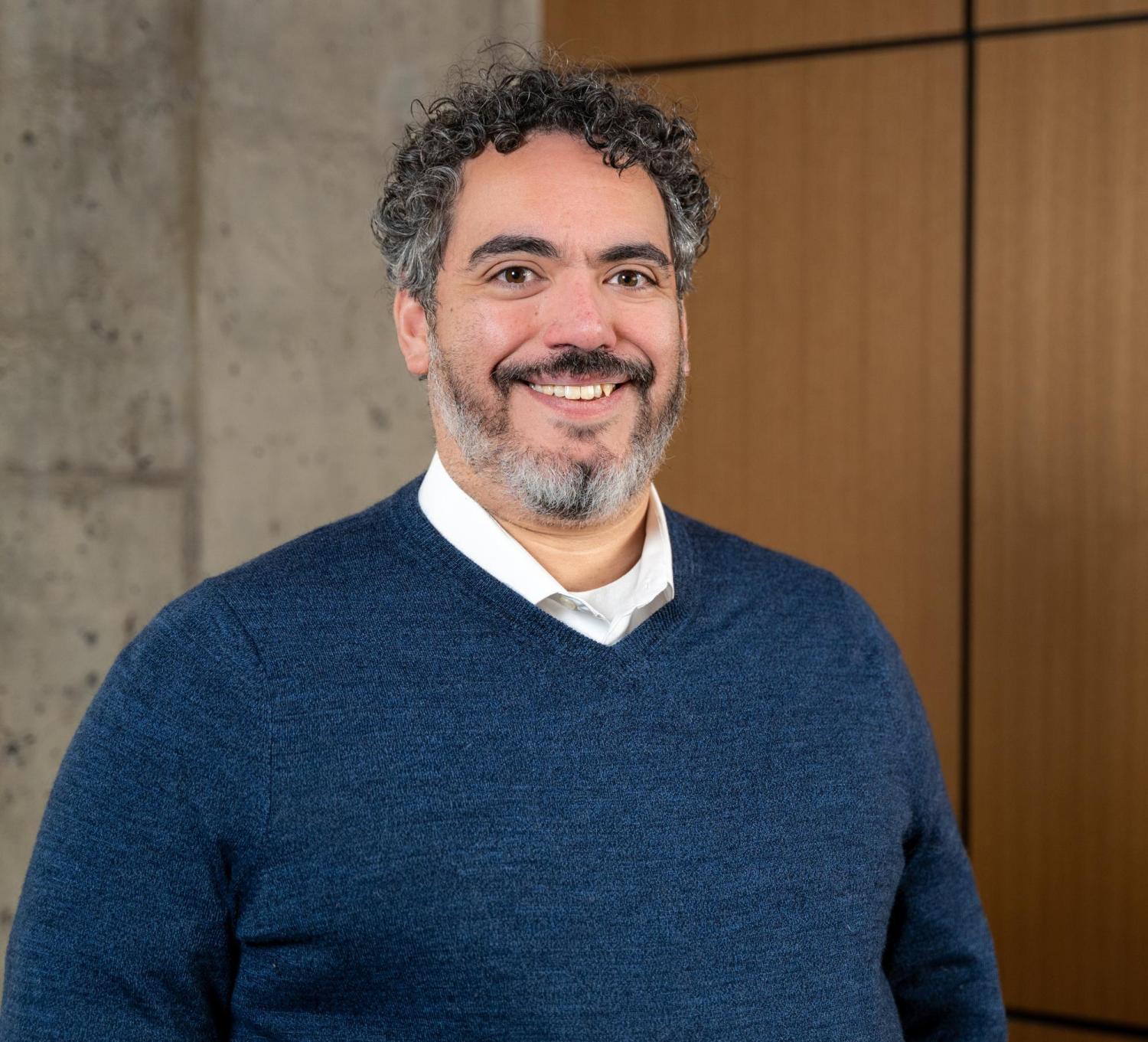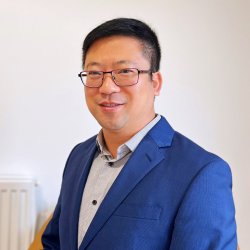
Dr. Lei Xing is a Lecturer in Digital Chemical Engineering at the University of Surrey, where he also serves as a Fellow of the Institute for Sustainability and the Institute for People-Centred AI. He joined the Department of Chemical and Process Engineering in September 2022, following postdoctoral research positions at Oxford University, Purdue University, and the University of Birmingham. Dr. Xing earned his PhD in Chemical and Process Engineering from Newcastle University. His academic journey has equipped him with expertise spanning chemical engineering, energy systems, and artificial intelligence, enabling his interdisciplinary research approach. His research focuses on sustainable industrial-agri-food systems through industrial decarbonization and AI-based digitalization within circular economy frameworks. Key areas include electrochemical energy conversion (fuel cells, electrolysers), carbon capture and utilisation, AI-enabled multi-criteria assessment, and model predictive control. He specializes in multi-physics and multi-phase flow modeling, multi-objective optimisation, and techno-economic analysis of renewable energy systems, with particular emphasis on practical applications for achieving Net Zero targets. Dr. Xing's recent publications demonstrate a strong integration of artificial intelligence with traditional chemical engineering approaches. Many studies develop digital twin models for electrochemical systems, optimize carbon capture processes, and advance sustainable hydrogen production technologies. His work consistently bridges theoretical modeling with practical engineering applications, incorporating life cycle assessment and techno-economic analysis to evaluate environmental and economic viability of energy solutions. Chartered Member of IChemE (MIChemE) Fellow of Higher Education (FHEA) Associate Editor for Fuel Cells and Frontiers in Energy Research Editorial Board Member for Energy and AI, CCST, and Energies Dr. Xing actively supervises multiple PhD students working on cutting-edge projects at the intersection of AI and sustainable energy systems. His research is supported by significant grants totaling over £1.2 million from EPSRC, Royal Society, Horizon Europe, and other funding bodies. These projects address critical challenges in decarbonizing hard-to-abate sectors, developing circular economy approaches for fertilizer production, and advancing CO2 electrolysis technologies. He leads research initiatives within the Sustainable Energy and Materials group at Surrey, collaborating with colleagues across chemistry, mechanical engineering, electrical engineering, and computer science disciplines. His work on the OLINWASTE project represents a major EU-funded effort to transform olive mill waste into valuable bioproducts, while his C-Cir project focuses on accelerating the commercial translation of CO2 electrolysers.