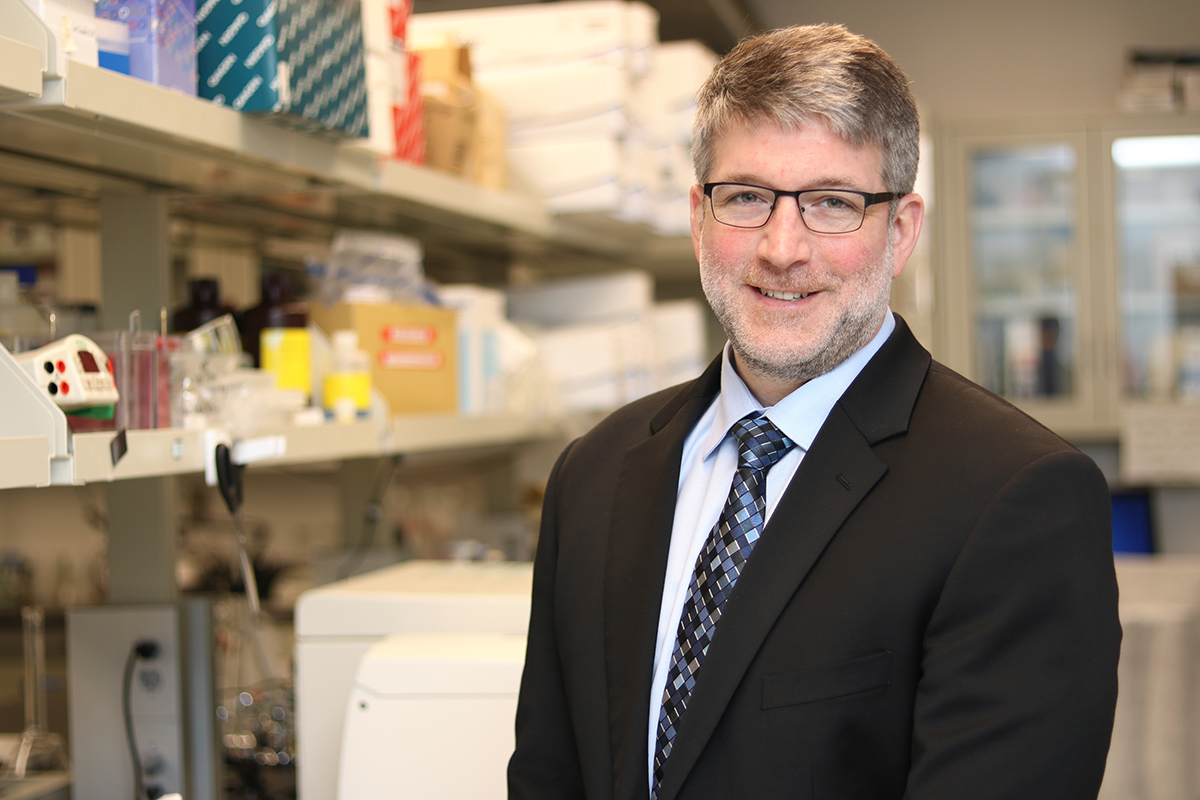
Steven T. Haller is an Associate Professor of Medicine at the University of Toledo College of Medicine and Life Sciences. He serves as Director of the Jacobson Center for Clinical and Translational Research and Co-Director of the Women & Philanthropy Genetic Analysis Center. His work focuses on molecular mechanisms of end-stage renal disease and health impacts of cyanotoxin exposure. Education : B.S. in Biology/Chemistry (2003), M.S. in Molecular Basis of Disease (2005), Ph.D. in Biomedical Sciences (2012) - all from University of Toledo/Medical University of Ohio. Research Interests center on CD40 receptor signaling in renal inflammation/fibrosis and cyanotoxin effects in vulnerable populations. His lab develops therapeutic inhibitors for renal disease and investigates toxin impacts on respiratory/liver systems. Scientific Awards include American Heart Association Postdoctoral Fellowship (2013-2015), European Society of Hypertension Travel Awards (2014), and Young Investigator Award finalist status (2014). Publications highlight CD40 disruption in renal disease models, Na/K-ATPase signaling mechanisms, and environmental toxin impacts across multiple organ systems (2022-2025). His work bridges clinical nephrology, molecular cardiology, and environmental health. Collaborations span cardiovascular medicine, genetic analysis, and environmental research centers. Funded by Abbott, Inc., he maintains transparency regarding clinical research independence.
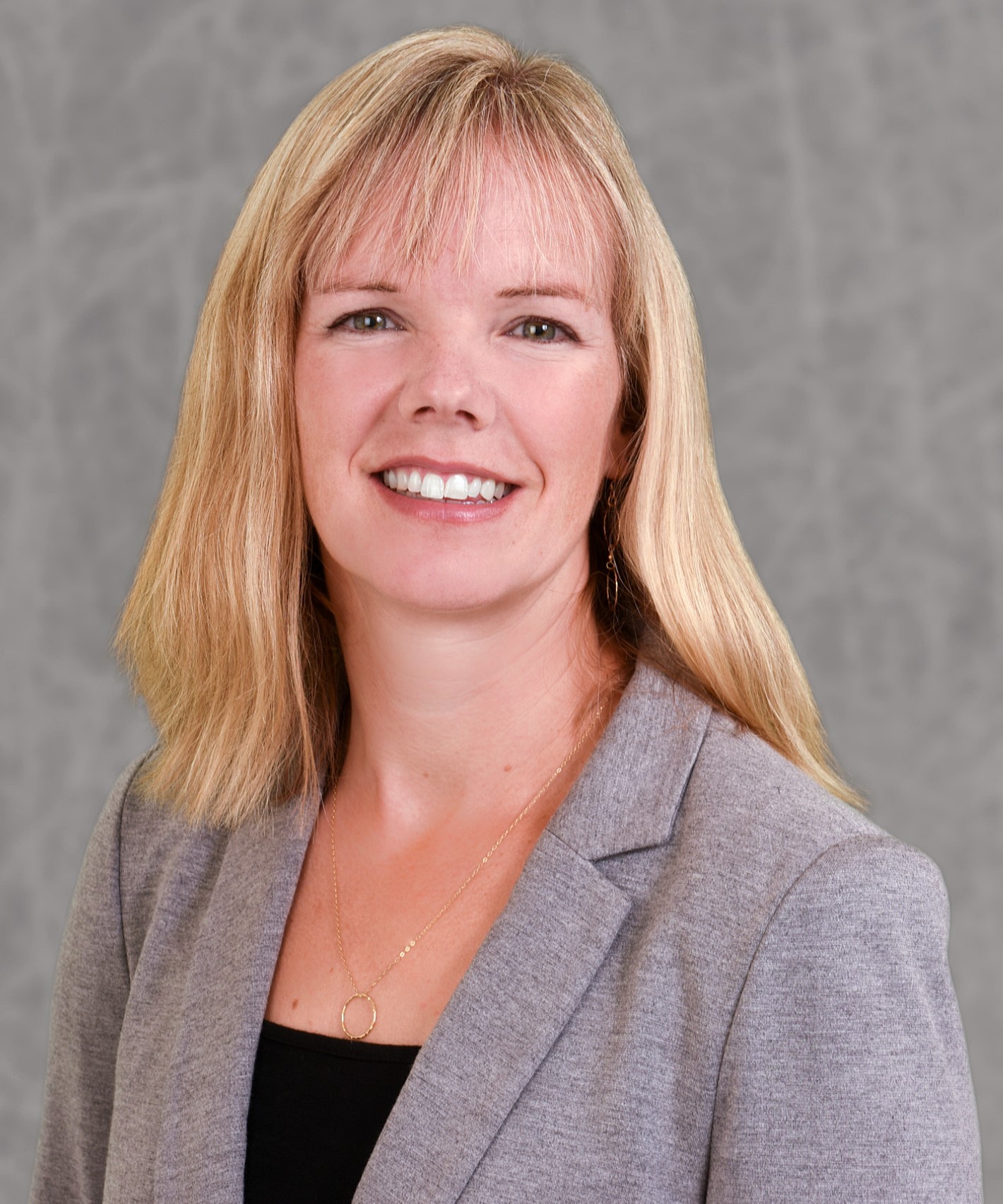
Erin Baker is an Associate Professor at the University of North Carolina at Chapel Hill's School of Medicine and Department of Chemistry. Her research focuses on environmental health, molecular biomarkers, and advanced analytical techniques including Ion Mobility Spectrometry (IMS) and Mass Spectrometry (MS). Education: B.S. in Chemistry (Montana State University), Ph.D. in Chemistry (University of California – Santa Barbara) Postdoctoral: Pacific Northwest National Laboratory Research Interests : Erin's group develops multidimensional separation methods (solid-phase extraction, liquid chromatography, IMS-MS) for high-throughput analysis of chemical exposures and their biological impacts. They integrate genomic, proteomic, and metabolomic data to study environmental perturbations in human health. Scientific Awards : 2024 Emerging Investigator 2023 Emerging Investigator Publications & Outreach : Erin's recent work includes PFAS environmental monitoring, lipidomics scoring systems, and IMS-MS method development. Her lab emphasizes community engagement, presenting internationally and collaborating on K-12 STEM initiatives.
Lorraine Iacovitti is a Professor in the Department of Neuroscience at Thomas Jefferson University, affiliated with the Vickie and Jack Farber Institute for Neuroscience and the Jefferson Stem Cell & Regenerative Neuroscience Center. Her research focuses on developing cell-based therapies for neurodegenerative disorders through stem cell differentiation studies. Her educational background includes: Post-Doctoral, Washington University-St. Louis, Anatomy & Neurobiology (1981) PhD in Neurobiology from Cornell University Medical College (1979) BS in Biology from Monmouth College (1973) Dr. Iacovitti's laboratory investigates dopamine neuron development to create molecular blueprints for treating Parkinson's disease. Using human embryonic stem cells and precursor cells, her team employs a multidisciplinary approach combining tissue culture, molecular engineering (qPCR, microarray, transfection), anatomical analysis (immunocytochemistry, confocal microscopy), biochemical assays (HPLC), stereotaxic surgery, and behavioral testing in rodent models. Current work focuses on inducing dopaminergic traits in stem cells and optimizing transplantation protocols for Parkinson's disease models. Recent publications demonstrate consistent translational focus on stem cell applications for neurological conditions, particularly stroke recovery and Parkinson's disease. Key themes include extracellular vesicle therapeutics, molecular pathways protecting dopaminergic neurons, and motor function restoration in animal models of ischemic injury. Dr. Iacovitti leads an active research laboratory within the Vickie and Jack Farber Institute for Neuroscience, utilizing advanced techniques including PET/SPECT imaging, arterial occlusion surgery, and comprehensive behavioral assessment. Her work bridges basic developmental neuroscience with preclinical cell therapy development for neurodegenerative conditions.
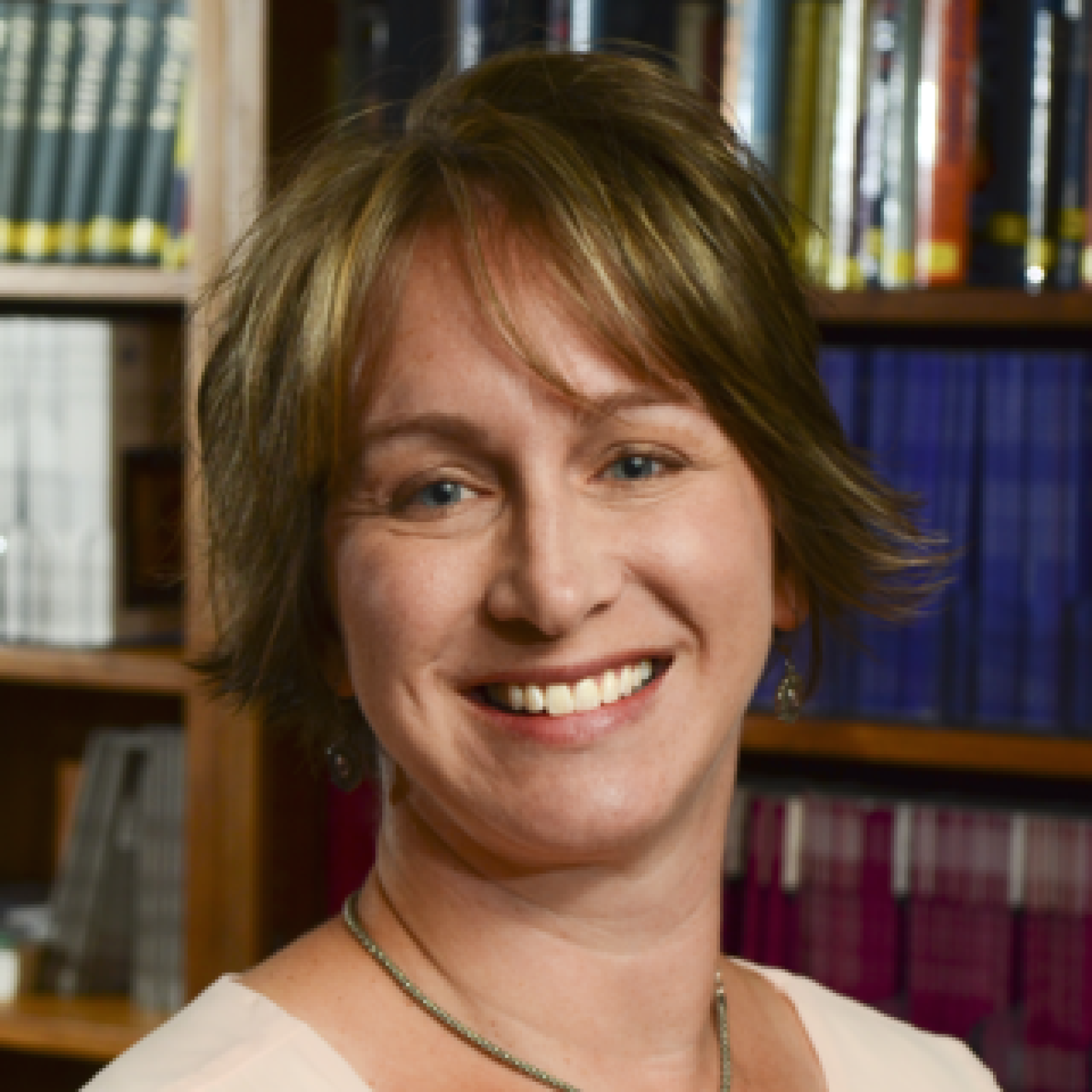
Marissa Ehringer is a Professor at the University of Colorado Boulder, holding dual appointments at the Institute for Behavioral Genetics and the Department of Integrative Physiology, where she serves as Chair. Her research focuses on identifying genetic mechanisms underlying substance use disorders and applying genomics and bioinformatics to behavioral genetics. Dr. Ehringer's research interests center on the genetic basis of alcohol, tobacco, and substance use behaviors. Her work employs mouse and rat models to investigate how genetic variations influence responses to substances like alcohol, nicotine, and opioids. She has pioneered research on the High and Low Activity mouse strains, examining anxiety-related behaviors and genetic factors. Her laboratory also explores the intersection of gut microbiome and substance use disorders, particularly with opioids. Dr. Ehringer leads multiple significant research projects including an NIDA U01 grant focused on opioid use disorder genetics, an NIH R21 examining glial expression in nicotine behaviors, and an AB Nexus grant studying the GCKR P446L variant's effect on alcohol behaviors. Her publications span top journals in genetics, neuroscience, and psychiatry, with recent work focusing on gene-microbiome interactions in addiction. Faculty Leadership Institute fellow (2022-2023) Outstanding Mentor by UROP (2020) Dr. Ehringer maintains an active mentoring program with numerous current and former students. Her lab includes predocs, master's students, and postdocs working on various aspects of behavioral genetics. She has secured substantial grant funding supporting her research program and has been recognized for her leadership, having been appointed Chair of the Department of Integrative Physiology in 2022 after being promoted to Full Professor. Her Genetics of Substance Abuse Laboratory employs a multidisciplinary approach combining behavioral testing, genomic analysis, and bioinformatics to unravel the complex genetic architecture of substance use disorders across different populations and model systems.
Lene Uhrbom is Professor of Molecular Brain Tumor Research at Uppsala University's Department of Immunology, Genetics and Pathology within the Faculty of Medicine. She leads the Neuro-oncology and Neurodegeneration Research Programme and maintains an active research group focused on glioblastoma mechanisms. Her team includes PhD students Veera Jokinen and Ines Neves, Master's student Ellen Rahmqvist, doctoral assistant Xi Lu, and research assistant Rebeca-Noemi Imbria. Her research centers on neuro-oncology with emphasis on glioblastoma stem cells, molecular mechanisms of tumorigenesis, and cell-of-origin studies. She investigates how epigenetic regulation, signaling pathways, and tumor microenvironment interactions drive glioma development and therapeutic resistance. Her work bridges basic molecular biology with translational applications for improved diagnostics and treatments. Analysis of her 15 most recent publications reveals a strong focus on molecular subtyping of glioblastoma, stem cell biology, and therapeutic targeting. Her research consistently explores how cellular lineage, epigenetic regulation, and microenvironmental factors create distinct tumor subgroups with different clinical outcomes. Recent work has expanded into vascular biology, immunotherapy, and advanced imaging techniques for tumor detection. Professor Uhrbom has received significant recognition for her work, with publications in high-impact journals including Nature Communications, Cancer Cell, and Journal of Clinical Investigation. Her research has been featured in multiple news outlets, cited in patents, and referenced in Wikipedia, demonstrating its broad scientific impact. Her laboratory maintains an extensive collection of patient-derived glioblastoma models and employs advanced techniques including single-cell sequencing, epigenetic profiling, and sophisticated mouse models. Current projects focus on developing targeted therapies based on molecular subtyping and improving drug delivery across the blood-brain barrier. She actively collaborates with clinical neuro-oncology teams to translate basic findings into potential therapeutic strategies.
Dr. Murugappan Ramanathan Jr. (Murray) is a Professor of Otolaryngology-Head and Neck Surgery and Professor of Neurological Surgery at Johns Hopkins University School of Medicine, serving as Vice Director of Clinical Operations for the Department of Otolaryngology–Head and Neck Surgery. He oversees care delivery across nine ambulatory clinics and five hospitals within Johns Hopkins Medicine, maintaining a high-volume clinical practice at Johns Hopkins Health Care and Surgery Center in Bethesda and Suburban Hospital. Education Undergraduate: Yale University Medical Degree: University of Texas Medical Branch at Galveston Residency: Johns Hopkins University School of Medicine, Otolaryngology-Head and Neck Surgery Fellowship: Johns Hopkins University School of Medicine, Advanced Endoscopic Sinus and Minimally Invasive Skull Base Surgery Research Focus Dr. Ramanathan's NIH-funded research pioneered the connection between air pollution (PM2.5) and chronic rhinosinusitis. His lab developed a novel mouse model demonstrating how pollutants induce eosinophilic inflammation and epithelial barrier dysfunction in sinonasal tissue. Key investigations center on Nrf2 antioxidant pathways as therapeutic targets and air pollution-induced epigenomic changes in sinonasal epithelium, bridging environmental health with molecular mechanisms of disease. Publication Trends His 110+ publications reveal consistent focus on environmental triggers of sinonasal disease, with recent work emphasizing Nrf2 pathway modulation to reverse pollutant-induced damage. Articles integrate molecular biology, immunology, and environmental health, establishing foundational knowledge for therapeutic interventions in chronic rhinosinusitis through epithelial barrier repair and inflammation control. Scientific Recognition Top Doctor honors from Washingtonian (2022-2024), Bethesda (2019-2025), Castle Connolly (2019-2025), and Northern Virginia Magazines (2022-2025) Prince Edmund Fowler Award for Outstanding Basic Science Thesis (Triological Society) American Rhinologic Society Basic Science Research Award Alpha Omega Alpha and Triological Society Fellow distinctions Directors Award from National Institute of Deafness and Communication Disorders Clinical Leadership and Mentorship As chair of the CORE Grants General Section for the American Academy of Otolaryngology–Head and Neck Surgery, Dr. Ramanathan evaluates national research proposals while mentoring trainees in his NIH-funded lab. His clinical operations leadership focuses on optimizing multidisciplinary care pathways through systematic process improvements across Johns Hopkins' ENT network. Research Infrastructure The Ramanathan Lab collaborates with Johns Hopkins Bloomberg School of Public Health using state-of-the-art air pollution exposure systems. This multidisciplinary team combines otolaryngology, public health, molecular biology, and immunology expertise to translate basic science discoveries about PM2.5 effects into clinical applications for sinonasal disease management.
John V. Brigande is an Associate Professor at the Oregon Hearing Research Center, Oregon Health & Science University. He began his academic career at Boston College where he earned his B.S. (1987), M.S. (1991), and Ph.D. (1997) in neuroscience and developmental neurobiology. His postdoctoral training included developmental genetics at the University of Texas at Austin (1998) and auditory development at Purdue University (2003). He joined the Oregon Hearing Research Center as an Assistant Professor in 2003 and was promoted to Associate Professor in 2009. Since 2011, he has been a key contributor to the Hearing Health Foundation's Hearing Restoration Project. Education: B.S., Boston College, 1987 M.S., Boston College, 1991 Ph.D., Boston College, 1997 Postdoctoral Fellowship, University of Texas at Austin, 1998 Postdoctoral Fellowship, Purdue University, 2003 Brigande's research focuses on mammalian inner ear development , employing experimental embryology, surgical techniques, and gene transfer methods to study developmental processes in vivo. His lab investigates cell fate decisions in otic progenitors using retroviral lineage analysis and develops fetal gene/drug therapies for congenital deafness. A major focus is translating developmental mechanisms into gene and cell therapies for hearing loss and balance disorders, with particular emphasis on hair cell regeneration strategies. His publications demonstrate a strong focus on translational approaches to hearing restoration , including gene therapy (CRISPR/Cas9, AAV vectors), antisense oligonucleotides for congenital disorders, and optimization of diagnostic techniques. Recent work explores primate models of Usher syndrome, fetal pharmacotherapy, and mitochondrial genetics, reflecting interdisciplinary collaboration across genetics, audiology, and developmental biology. Brigande leads a research laboratory within the Hearing Health Foundation's Hearing Restoration Project consortium, focused on developing mouse model systems to validate hair cell regeneration candidates. The lab utilizes techniques including transuterine microinjection, in vivo electroporation, and single-cell transcriptomics to advance therapeutic strategies for inner ear disorders.
Dr. Trevor J. McGill is a Research Assistant Professor at the Casey Eye Institute, Oregon Health & Science University (OHSU), School of Medicine. His research focuses on developing cell-based and gene therapies for retinal degenerative diseases using rodent and nonhuman primate models. His educational background includes: B.S. in 2002 from The University of Lethbridge MSc in 2004 from The University of Lethbridge Ph.D. in 2008 from The University of Lethbridge Dr. McGill's primary research interests include Retinitis Pigmentosa and Age-related Macular Degeneration. His lab employs both rodent and nonhuman primate models to translate cell-based and gene therapies into clinical trials for retinal degenerative diseases. His work spans gene therapy, stem cell therapy, and the development of preclinical models for diabetic retinopathy and other retinal conditions. Analysis of Dr. McGill's recent publications (2019-2025) reveals a strong focus on translational ophthalmology, particularly in stem cell and gene therapy for retinal degeneration. Key trends include the use of nonhuman primate models, development of gene augmentation therapies (e.g., for CNGB1-retinitis pigmentosa), and investigation of diabetic retinopathy mechanisms. His work also extends to immunology in transplantation and mitochondrial genetics. Dr. McGill leads a research laboratory at the Casey Eye Institute that utilizes advanced models of retinal degeneration. His team collaborates extensively with other researchers at OHSU and beyond, as evidenced by multi-institutional publications.
Shannon Kundey is an Associate Professor of Psychology and Department Chair at Hood College's Department of Psychology and Counseling. She serves as Co-Director of the Hood Honors Program and maintains an active research laboratory focused on comparative cognition. Dr. Kundey teaches undergraduate psychology courses and mentors students in research, with office hours available in both Tatem Arts Center and via Zoom. Dr. Kundey's educational background demonstrates her strong foundation in psychology and interdisciplinary training: Ph.D. in Experimental Psychology from Kent State University (2008) M.Phil. and M.S. in Psychology from Yale University (2004, 2003) B.A. in Psychology and Chemistry from Wesleyan College (2001) Dr. Kundey specializes in comparative cognition, exploring similarities and differences in how humans and nonhuman animals think and interact with their environments. Her research laboratory investigates cognitive processes across diverse species including humans, dogs, and salamanders, with particular focus on pattern learning, spatial navigation, and memory processes. She examines how animals use environmental features and geometric cues to navigate their surroundings, and how cognitive abilities might be affected by biological states such as brumation in amphibians. Analysis of Dr. Kundey's recent publications reveals a consistent focus on comparative cognition across species. Her work spans amphibians (particularly tiger salamanders), reptiles (leopard geckos), mammals (mice and dogs), and humans. A recurring theme is the investigation of how different species process spatial information and learn patterns, with particular attention to response learning versus feature-based navigation. Her research demonstrates methodological rigor in designing controlled experiments to isolate specific cognitive processes across diverse biological systems. While specific awards aren't detailed in the available information, Dr. Kundey's research has been published in respected journals including Animal Cognition, Behavioural Processes, and Learning & Motivation. Her work has contributed significantly to filling research gaps in amphibian and reptile cognition. She was invited to contribute a blog post for the Psychonomic Society's canine cognition digital event, highlighting her expertise in the field. Published in Animal Cognition (2014, 2016) Published in Behavioural Processes (2018, 2021) Published in Learning & Motivation (2019, 2021) Invited blog post for Psychonomic Society (2018) Dr. Kundey is known for her close mentorship of undergraduate students in research. Her Comparative Cognition Laboratory provides opportunities for students to participate in animal care and run experiments, with potential for course credit and authorship on publications. Students in her lab have co-authored multiple peer-reviewed publications, demonstrating her commitment to involving undergraduates in meaningful research. While specific grant information isn't provided in the text, her sustained research program across multiple species suggests successful funding support for her laboratory operations and student research positions. Mentored students including Chadbourne Allen, Aleyna Fitz, Maya Gonzalez, Justin McPherson, Roberto Millar, Anne Lessard, and Manika Panwar Provides opportunities for course credit and authorship Requires approximately three hours per week commitment from lab members Dr. Kundey directs the Comparative Cognition Laboratory at Hood College, which actively investigates cognitive processes across multiple species. The lab has conducted research on tiger salamanders, leopard geckos, dogs, and humans, creating a unique comparative approach within an undergraduate institution. The laboratory provides hands-on research experience for students interested in animal behavior and cognition, with opportunities to contribute to ongoing projects studying pattern learning, spatial navigation, and memory processes across species. The lab's work has helped fill important gaps in the literature regarding amphibian and reptile cognition.
Gregory J. Hannon is a distinguished Professor at Cold Spring Harbor Laboratory (CSHL) and an Investigator of the Howard Hughes Medical Institute, renowned as one of the world's foremost authorities on small RNA biology and RNA interference. His research has significantly advanced our understanding of gene regulation mechanisms with profound implications for cancer treatment and genome stability. Hannon's educational background includes training that led to his current position as a leading molecular biologist. His research focuses on the biological roles of small RNAs and the mechanisms by which they operate, with particular emphasis on germ cells (which have the most elaborate set of small RNA pathways) and cancer biology (especially breast and pancreatic cancer). His laboratory's groundbreaking work has identified and characterized major biogenesis and effector complexes for small interfering RNAs and microRNAs, including Dicer, RISC, and elements of the Microprocessor. More recently, his team has made significant discoveries regarding piwi-interacting RNAs (piRNAs) and their role in defending the genome from mobile genetic elements. Among his most significant publications are studies on the structure of human Argonaute protein, mechanisms of transposon defense in germ cells, and how breast tissue 'remembers' a first pregnancy through epigenetic changes. His research has consistently appeared in top-tier journals, with several publications recognized by Science as 'Breakthrough of the Year.' Elected to National Academy of Sciences (2012) NIH MERIT Award from National Institute of General Medical Sciences (2013) National Academy of Sciences Award in Molecular Biology (2007) Geoffrey Marshall Mentoring Award from Northeastern Association of Graduate Schools (2011) Howard Hughes Medical Institute Investigator Hannon has mentored 12 postdoctoral fellows and 17 graduate students, with exceptional outcomes including multiple prestigious awards for his trainees. Over 60% of his 200+ publications include graduate student co-authorship. His laboratory has developed innovative technologies including RNAi libraries targeting entire genomes and methods used in Neanderthal genome sequencing. He also serves as director of the Cancer Research UK Cambridge Institute, demonstrating his international leadership in cancer research.
Dr. Fen Long is a Researcher affiliated with the Professorship for Translational Nutrition Biology at ETH Zürich. Their work focuses on metabolic disorders, nutritional physiology, and molecular mechanisms underlying metabolic diseases. Key research interests include histone modifications, inflammation, and their roles in cardiovascular and metabolic pathologies. Dr. Long’s research integrates genomic approaches (e.g., single-nucleus transcriptomics) with biochemical studies to dissect mechanisms of obesity, insulin resistance, and vascular dysfunction. Recent studies highlight their expertise in epigenetic regulators like JMJD3 and SMYD3, linking histone modifications to fibrosis, inflammation, and autoimmune responses. They also investigate dietary interventions (e.g., low-carbohydrate diets) and pharmacological targets (e.g., histone methyltransferase inhibitors) in metabolic and cardiovascular contexts. Publications span metabolic signaling (e.g., glucagon, cAMP/PKA pathways), lipid metabolism (ATGL regulation), and cellular stress responses (unfolded protein response). Their work bridges basic molecular mechanisms to translational applications in therapies for metabolic-associated fatty liver disease, rheumatoid arthritis, and post-myocardial infarction recovery. No scientific awards or current advising roles are explicitly listed. Their research is conducted within the Translational Nutrition Biology group at ETH Zürich, leveraging interdisciplinary collaborations in systems biology and clinical translation.
Michiel Vermeulen is a Full Professor in Proteomics and Chromatin Biology at the Department of Molecular Biology, Radboud University Nijmegen, Netherlands. He previously held positions as Associate and Assistant Professor at University Medical Center Utrecht (2009-2014) and completed postdoctoral work at Max Planck Institute for Biochemistry (2005-2009) and a PhD at Radboud University (2000-2005). His research focuses on integrative omics approaches to study gene expression regulation in development and disease, particularly through chromatin interactions and post-translational modifications. Education: PhD in Molecular Biology, Radboud University Nijmegen (2000-2005) Postdoc in Proteomics & Signal Transduction, Max Planck Institute Munich (2005-2009) His work pioneers quantitative mass spectrometry technologies to analyze chromatin-associated proteins, including m6A RNA modifications and ubiquitin signaling. He has published 97 papers and received multiple accolades, including ERC Starting and Consolidator Grants, a VIDI award, and membership in the Oncode Institute. His lab leads collaborative studies on chromatin readers, DNA damage response, and transcriptional regulation. Scientific Awards: ERC Consolidator Grant (2017) ERC Starting Grant (2012) Vernieuwingsimpuls VIDI award (2009) Max Planck Institute Junior Research Award (2008) Van Nieuwenhoven Award for Best Master Student (2000) Oncode Institute Founding Member (2017) Vermeulen's lab collaborates internationally and mentors 6 PhD students, 6 postdocs, and technicians, emphasizing high-impact interdisciplinary research in chromatin biology and systems-level gene regulation.
Dr. Brian Feldman is a Professor of Pediatrics (Endocrinology) and Section Chief of Pediatric Endocrinology & Diabetes at Yale School of Medicine, Yale University. He holds the Walter L. Miller Endowed Chair and Distinguished Professorship in Pediatric Endocrinology. Dr. Feldman received his combined MD and PhD from Stanford University, completed residency at Harvard University/Children's Hospital Boston, and fellowship training at UCSF. His research program investigates molecular mechanisms of adipose tissue development and metabolism. Research Focus: Dr. Feldman's work examines steroid hormone signaling pathways regulating cell fate decisions, particularly glucocorticoid-mediated circadian control of metabolism and brown adipose tissue development. His laboratory studies: Adipocyte precursor populations and differentiation mechanisms KLF15 transcription factor networks in adipose maintenance Glucocorticoid receptor dynamics in metabolic disorders Autoregulatory pathways in adipose tissue development His 15 most recent publications demonstrate consistent focus on adipose biology, with methodologies spanning lineage tracing, metabolic profiling, molecular imaging, and preclinical models. Research trends include: Characterization of adipose progenitor populations (2023) Circadian regulation of adipogenesis (2017-2018) Novel diagnostic platforms (2019) Therapeutic targeting of glucocorticoid pathways (2020) Honors and Awards: Walter L. Miller Endowed Chair (UCSF) NIH Director's New Innovator Award Elected to American Association for Clinical Investigation Young Investigator Award (Society for Pediatric Research) Clinical Scholars Award (Pediatric Endocrine Society) Early Investigator Award (Endocrine Society) Dr. Feldman has mentored numerous trainees and received recognition for fostering physician-scientist careers. He leads research teams investigating adipose tissue biology and endocrine disorders.
Sabine Fischer is a Professor for Supramolecular and Cellular Simulations at the University of Würzburg’s Center for Computational and Theoretical Biology (CCTB). She holds a PhD in Mathematics from the University of Nottingham (2009) and completed postdoctoral research at the University of Cambridge (2009-2011) and the University of Frankfurt (2011-2017). Her work focuses on mathematical modeling and data-driven simulations of biological processes across subcellular, multicellular, and multi-tissue scales. Key research areas include agent-based modeling of parasite collective behavior (e.g., Project 7 of SPP 2332 PoP), cell-cell interactions, and morphological modeling with Blender. Her group develops tools for image analysis and applies methods ranging from classical statistics to machine learning. Education: Diploma in Mathematics, University of Würzburg PhD in Mathematical Biology, University of Nottingham (2009) Professional Experience: Postdoc, University of Cambridge (2009-2011) Postdoc, University of Frankfurt (2011-2017) Development Engineer, h.a.l.m. Elektronik GmbH (2017-2018) Professor, University of Würzburg (since 2018) Her research integrates experimental data with computational models to study processes like mouse blastocyst differentiation, tissue-level organization, and parasitic locomotion. Current projects emphasize agent-based modeling of Trypanosoma collective behavior and the development of open-source tools like VESNA for 3D vessel analysis.
Dr. Charles Bailey is a Senior Research Fellow at the University of Sydney's Central Clinical School, Department of Medicine, and an affiliated researcher at the Centenary Institute of Cancer Medicine & Cell Biology. His work focuses on cancer biology, epigenetics, and molecular mechanisms underlying genetic diseases. Dr. Bailey leads projects investigating CTCF protein functions in cancer, alternative splicing regulation, and therapeutic targeting of cancer-related pathways. Research Interests: Dr. Bailey's research spans cancer epigenetics (particularly CTCF and chromatin remodeling), gene therapy development, protein-protein interaction networks, and molecular mechanisms of tumor suppression. His work combines experimental models (mouse and cell cultures) with clinical data analysis to bridge basic science and translational medicine. Recent Directions: His articles from 2023 highlight clinical trials for novel cancer drug combinations (e.g., olaparib/durvalumab) and mechanisms of embryo development. Earlier work revealed critical roles for CTCF in genome regulation, while 2022 studies advanced understanding of NuRD complex interactions and lens development pathways. Grants & Awards: Recipient of multiple grants including Tour de Cure's Pioneering Research Awards (2023, 2022, 2021) and Cancer Council NSW support. Projects focus on exploiting genomic vulnerabilities in pancreatic/endometrial cancers and developing gene therapy delivery systems. Collaborations: Active collaborations across Sydney's medical research community, including work with Prof. John Rasko on gene therapy vectors and Prof. Michelle Semsarian on heart disease mechanisms.