Dr. Stephen Renaud is an Associate Professor in the Department of Anatomy and Cell Biology at Western University. He holds a PhD and B.Sc. from Queen's University. His research focuses on placental development and function, particularly the cellular and molecular mechanisms underlying trophoblast differentiation and maternal-fetal immune interactions. Key interests include OVO-like transcription factors, endogenous retroviral genes, and maternal immune tolerance. His work bridges basic science with public health implications, addressing complications like pre-eclampsia and fetal growth restriction. Publications emphasize placental biology, immunology, and developmental mechanisms, with contributions to journals like Placenta , Proceedings of the National Academy of Sciences , and Cellular and Molecular Life Sciences . No scientific awards are listed, but his research has been widely cited (h-index 28). He advises no listed students but maintains an active lab exploring placental biology. His office is in the Medical Sciences Building, Room 428, with contact via srenaud4@uwo.ca.
Wanfen Xiong, MD, PhD, is an Associate Professor specializing in General Surgery, with a focus on cardiovascular and vascular pathologies. Their research primarily investigates aortic aneurysms, Marfan syndrome, and inflammatory mechanisms in vascular diseases using mouse models and humanized systems. Xiong serves as Principal Investigator (PI) for two major projects exploring the role of smooth muscle cell phenotypic switches in aortic pathology associated with Marfan syndrome. With a strong publication record spanning over two decades, they have contributed significantly to understanding molecular pathways like Notch3 signaling and CD95L-mediated inflammation in cardiovascular disorders. Their work integrates immunology and molecular biology to develop therapeutic strategies for complex vascular conditions. Research interests include vascular biology, genetic disorders affecting the aorta, and translational approaches to inhibit aneurysm progression. Xiong's studies frequently utilize mouse models to simulate human pathologies, with recent emphasis on regulatory T cells and neuroinflammation in heart failure contexts. Their findings have been cited over 3,389 times, reflecting impactful contributions to cardiovascular research.
Daniela Carnevale is a Full Professor at Sapienza University of Rome, where she serves in the Department of Medical-Surgical Sciences and Biotechnologies within the Faculty of Medicine. She directs the Laboratory of Neuro and Cardiovascular Immunology at the Department of Molecular Medicine, based at IRCCS Neuromed in Pozzilli. Her academic career spans over a decade with a permanent position as Assistant Professor since 2012, progressing to her current role as Full Professor. Education: PhD in Neuroscience (2010) - Faculty of Medicine and Surgery, Catholic University of the Sacred Heart in Rome Professional qualification in Biology (2006) - Sapienza University of Rome Degree in Biological Sciences (2005) - Sapienza University of Rome, final mark 110/110 cum laude Daniela Carnevale's research primarily focuses on the intersection of cardiovascular medicine, neuroscience, and immunology. She investigates neuroimmune mechanisms in hypertension, exploring how the nervous and immune systems interact to influence blood pressure regulation and organ damage. Her work encompasses biotechnologies and translational approaches to understand arterial hypertension, chronic heart failure, Alzheimer's related dementias, and adaptive immune responses. She has pioneered research on brain-spleen communication pathways in hypertension, demonstrating how neural signals prime immune responses that contribute to cardiovascular pathology. Analysis of her recent publications reveals a strong emphasis on neuroimmune cardiovascular interfaces, with particular focus on hypertension-induced cognitive impairment, cerebrovascular remodeling, and organ damage mechanisms. Her work increasingly integrates advanced imaging techniques, genetic analyses, and immune profiling to uncover novel therapeutic targets for cardiovascular and neurodegenerative conditions. Scientific Awards: Fellow of the American Heart Association (FAHA) (2016) Council on Hypertension Mid Career Award for Research Excellence (2019) International Patent in medical technology (2010) Multiple research awards from the Italian Society of Arterial Hypertension Research Award from the Foundation "Roberto Cornelli" (2009) Professor Carnevale has secured significant research funding as Principal Investigator, including grants from Sapienza University, Istituto Pasteur-Fondazione Cenci Bolognetti, and the Italian Ministry of Health. She has supervised numerous PhD students, post-doctoral fellows, and undergraduate students across various biomedical programs. Her laboratory collaborates internationally with leading researchers from Harvard University, Vanderbilt University, University of Glasgow, and University of Munich. At IRCCS Neuromed, Professor Carnevale directs the Laboratory of Neuro and Cardiovascular Immunology, where her team investigates the cellular and molecular mechanisms underlying neuroimmune interactions in cardiovascular diseases. Her research facility includes advanced preclinical imaging capabilities, including a 7Tesla MRI for small animal research, which she secured through competitive grant funding.
Dr. Belinda Abbott is an Adjunct Associate Professor at La Trobe University's Department of Chemistry and Physics, affiliated with the La Trobe Institute of Molecular Science. She specializes in medicinal chemistry and synthetic organic chemistry, focusing on small molecule inhibitors for bacterial enzymes, malaria treatment, and neurodegenerative diseases. Current projects: Fragment-based drug design for antibacterial agents, cardiac arrhythmia therapies, and PKA inhibition in malaria Key collaborations: Australian Research Council-funded initiatives Research Focus: Her work spans Medicinal Chemistry , Organic Chemistry , and Biological Chemistry , emphasizing structure-activity relationships and lysine biosynthesis inhibition. Recent publications highlight advances in dual-target herbicides, allosteric enzyme inhibition, and antimalarial compounds. Professional Activities: Member of the Royal Australian Chemical Institute since 2007. Grant recipient for NMR infrastructure and peptide nucleic acid research (2007-2022). Teaching: Coordinates and teaches undergraduate/postgraduate courses in organic chemistry, medicinal chemistry, and honors chemistry programs.
Magdalena Zernicka-Goetz is a Bren Professor of Biology and Biological Engineering at the California Institute of Technology (Caltech), where she leads a lab focused on understanding early mammalian development. She holds a Ph.D. from the University of Warsaw (1993) and has held visiting roles at Caltech since 2018. Her research spans mouse and human embryo models, emphasizing cell lineage specification, self-organization of stem cells, and developmental mechanisms. Education: Ph.D., University of Warsaw, 1993 Research Interests: Her work explores how embryos self-organize from stem cells, focusing on mechanisms driving lineage allocation, morphogenesis, and the transition from totipotency to pluripotency. Key areas include synthetic embryo models, developmental clocks, and the role of signaling pathways (e.g., BMP4, PLC) in shaping embryonic patterns. Grant & Advising: Funded by NIH grants for projects like synthetic placenta systems and maternal-fetal interface studies. Advises over 15 graduate students and postdocs on topics ranging from stem cell engineering to IVF optimization. Labs & Collaborations: Her Caltech lab collaborates with the University of Cambridge and institutions globally, advancing embryo modeling technologies and ethical discourse on synthetic embryos.
Carl Richards is a Professor of Medicine at McMaster University and serves as Director of the McMaster Immunology Research Centre (MIRC) since 2014. He is one of 14 faculty members within MIRC, housed in state-of-the-art research facilities at the Michael DeGroote Centre for Learning and Discovery (MDCL). Dr. Richards earned his MSc (1984) and PhD (1987) in Medical Sciences from McMaster University, followed by postdoctoral training at Cambridge University as a Canadian Arthritis Society Scholar (1988-1990). He served two terms (2001-2009) as Associate Dean of Graduate Studies (Health Sciences), developing the MD/PhD program and BioMedical Engineering graduate programs. He was a member of McMaster Senate (2010-2016) and chaired the Senate Committee on Appointments (2013-15). His research focuses on immunology with special emphasis on cytokine biology, particularly Oncostatin M. His work spans inflammation, bone remodeling, pulmonary immunology, and macrophage biology. Analysis of his recent publications reveals consistent focus on Oncostatin M's role in inflammatory pathways, lung fibrosis, macrophage polarization, and cytokine networks, with increasing emphasis on molecular mechanisms and therapeutic targeting. Dr. Richards has served on national peer-reviewed granting agencies including CIHR operating grant panels as Scientific Officer, and as a grant panel member for the Heart and Stroke Foundation and the Arthritic Society, where he chairs the Strategic Operating Grant Panel. He is an active member of the Canadian Society of Immunology, International Cytokine Society, and Canadian Connective Tissue Society (where he served as President and is currently Past-President). He continues to instruct undergraduate and graduate courses in immunology, including Advanced Immunobiology, Discover Immunology Today, and Inquiry II: Cell Biology, demonstrating his ongoing commitment to education alongside his research activities.
Christian Wahl-Schott is a Professor at the Ludwig Maximilian University of Munich , leading the Cardiovascular Physiology and Pathophysiology group at the Biomedical Center Munich. His research spans ion channel mechanisms in cardiac, neurological, and metabolic diseases. Focus on HCN channels in cardiac pacemaking and autonomic regulation Endo-lysosomal ion channels in cholesterol homeostasis and viral pathogenesis Neural rhythms and epilepsy mechanisms Developed endo-lysosomal patch clamp and high-speed optical mapping Recent work explores the role of TPC2 and TRPML channels in Ebola virus entry and cardiac arrhythmia . Funded by the DFG and CRC 870 , his lab combines electrophysiology , optogenetics , and human organoid models . Key publications include: 2024: HCN4 channel regulation in sinoatrial node 2023: E-selectin and neutrophil inflammasome activation 2021: Heart-forming organoids for developmental studies 2020: cAMP-dependent pacemaker entrainment 2015: TPC channels as Ebola drug targets The lab maintains collaborations with institutions like the German Research Foundation and DZHK , and has developed Nature Protocols -cited methodologies in FRET microscopy and endo-lysosomal patch clamping .
Professor Denise Jackson is a faculty member in the Department of Health and Biomedical Sciences at RMIT University, Bundoora West campus. She serves as the Head of the Thrombosis and Vascular Biology laboratory and holds an honorary fellowship from the National Health and Medical Research Council (NHMRC). Her research focuses on thrombosis mechanisms, platelet biology, and immunoreceptor roles in infection and immunity. She coordinates courses such as MEDS1142 Medical Informatics, BUSM3220 Medical Laboratory Quality Systems, and ONPS2153 Medical Informatics and Laboratory Management. Research Interests: Professor Jackson’s work spans thrombosis, platelet function, mouse models of thrombus formation, and the molecular mechanisms of immunoreceptors in pathogens. Her team investigates tetraspanins’ role in blood clot regulation and signaling pathways in platelets. Key projects include studying tyrosine kinase inhibitors’ effects on haemostasis and exploring immunoreceptor crystal structures for drug design. Professional Involvement: She reviews grants for NHMRC, National Heart Foundation, and international bodies like the Wellcome Trust and NSF. She also serves as a reviewer for journals including Nature and Blood . Student Supervision: Principal supervisor of 12 Honours, 3 Masters, and 4 PhD students. Labs/Teams: Leads the Thrombosis and Vascular Biology lab, collaborating on drug development and thrombosis prevention strategies.
Miles De Blasio is a Research Fellow in Drug Discovery Biology at Monash Institute of Pharmaceutical Sciences (MIPS), Monash University. He also holds adjunct and honorary roles as an Adjunct Research Fellow in Pharmacology at MIPS, Honorary Research Collaborator at the Baker Heart and Diabetes Institute, and Honorary Research Fellow at Monash Clayton’s Department of Pharmacology. His research focuses on novel therapies for diabetic cardiomyopathy, leveraging pharmacological agents and cardiac-selective gene therapies targeting pathways like the hexosamine biosynthesis pathway and adiponectin signaling. De Blasio earned his PhD in 2004 from the University of Adelaide, studying diabetes and obesity origins in fetal growth-restricted sheep. He later worked at the University of Cambridge, exploring fetal leptin’s role in lung and heart development, before shifting to diabetic cardiomyopathy in 2015. Since 2020, he leads MIPS’ efforts to develop cardioprotective treatments. His research interests emphasize translational cardiology and metabolic disease, with a focus on sex-specific differences, preclinical models, and therapeutic interventions. Projects include developing mouse models for diabetic cardiomyopathy and investigating next-generation glucose-lowering therapies’ cardiac benefits. He has secured over $7 million in grants as a Chief Investigator and supervised 10 PhD and 15 Honours students. His work contributes to UN Sustainable Development Goals related to health and well-being. Key Awards: Novartis Junior Investigator Award (Finalist, 2001) Ross Wishart Award (Finalist, 2001) Second Place, IGF Down Under Symposia Oral Presentation (2006) Second Place, GH-IGF International Conference Oral Presentation (2004) New Investigator Award, PSANZ (2002) Advising & Grants: De Blasio has supervised numerous students and secured major funding through NHMRC grants and Diabetes Australia. His labs, including the Cardio-Metabolic Physiology Lab and co-headed Heart Failure Pharmacology Lab, drive interdisciplinary research in drug discovery and cardiac protection. Labs & Collaborations: He leads the Cardio-Metabolic Physiology Laboratory at MIPS, collaborating with institutions like the Baker Heart and Diabetes Institute. Research spans cellular/molecular cardiology, mitochondrial function, and gene therapy applications in diabetes-related heart failure.
Francis Alenghat is an Associate Professor in the Department of Medicine-Cardiology at the University of Chicago . His research bridges macrophage biology , inflammatory pathways , and cardiovascular disease , with a focus on atherosclerosis and integrin-mediated mechanotransduction. Dr. Alenghat combines clinical expertise in cardiovascular medicine with translational research to uncover mechanisms linking inflammation to cardiovascular health. Education: S.B. in Engineering (Harvard College), Ph.D. in Biophysics (Harvard Graduate School), M.D. (Harvard Medical School) Research Interests encompass: Macrophage polarization in atherosclerosis Integrin signaling and cytoskeletal dynamics Extracellular matrix biology in vascular disease AI-driven cardiovascular risk stratification tools Lipid-lowering therapies and plaque characterization Inflammatory biomarkers in heart failure His selected publications highlight work on mechanotransduction in macrophages (2021-2024) AI applications for cardiovascular diagnostics (2021) clinical trial data generalizability (2019) Scientific Awards include the Howard Hughes Predoctoral Fellowship, Thomas W. Smith Fellowship, and Fellow of the American College of Cardiology (FACC). Dr. Alenghat has secured NIH funding for projects like "Determinants of Regulatory Macrophage Function in Coronary Artery Disease" (R03HL154292, 2020-2022). His lab employs techniques such as mouse models of atherosclerosis immunohistochemistry quantitative confocal microscopy to investigate mechanistic links between inflammation and cardiovascular disease , mentoring future physicians-scientists toward improved clinical outcomes.
Dr Andrew Grierson is a Senior Lecturer in Neuroscience at the School of Medicine and Population Health, University of Sheffield, based at the Sheffield Institute for Translational Neuroscience (SITraN). His research focuses on molecular mechanisms of neurodegenerative diseases with translational applications. His educational background includes: PhD in Molecular Genetics from the University of Sheffield (1991-1994) BSc in Genetics from the University of Sheffield (1988-1991) Dr Grierson's work centers on axonal transport regulation in motor neurone disease (MND) and hereditary spastic paraplegia (HSP) , utilizing zebrafish and mouse models to investigate disease mechanisms and therapeutic interventions. Current projects include HDAC6 inhibition studies for CMT2A and HSP, C9ORF72 protein function analysis in ALS, and spastin gene replacement therapy development. His laboratory emphasizes preclinical translation with strong industry and charity partnerships. Analysis of his 15 most recent publications (2013-2022) reveals consistent focus on ALS/MND pathophysiology, with increasing emphasis on C9ORF72-related mechanisms , mitochondrial dysfunction , and therapeutic target validation . The work bridges basic molecular neuroscience and clinical applications, predominantly using in vivo models and translational biomarkers . Dr Grierson supervises multiple PhD students and collaborates with Pamela Shaw and Bob Johnston at Sheffield. His research group includes technicians Katie Adamson and Gary Shaw, operating within SITraN's specialized facilities for neurodegenerative disease research.
Dr. Rolf Brekken is a Professor at UT Southwestern Medical Center, where he serves as the Effie Marie Cain Research Scholar in Angiogenesis Research and Principal Investigator in the Hamon Center for Therapeutic Oncology Research. His laboratory investigates tumor-host interactions with a particular emphasis on extracellular matrix (ECM) and angiogenesis, focusing on pancreatic, breast, and lung tumors. Dr. Brekken received his Bachelor of Arts degree from Luther College in Decorah, Iowa and his PhD from UT Southwestern Graduate School of Biomedical Sciences. His graduate research focused on Vascular Endothelial Growth Factor (VEGF) as a target for therapy of solid tumors. He completed postdoctoral training in the Department of Vascular Biology at the Hope Heart Institute in Seattle, Washington. Dr. Brekken's research interests center on the tumor microenvironment, particularly pathways that drive epithelial plasticity and immune suppression. His laboratory studies how angiogenesis and ECM remodeling are key components of the metastatic cascade, with current projects focused on the function of matricellular proteins (e.g., SPARC and fibulin-5) as regulators of ECM remodeling and angiogenesis. Another major area of study is the development and evaluation of novel cancer therapies with a focus on anti-angiogenic strategies. Analysis of Dr. Brekken's recent publications (2017-2018) reveals a consistent focus on pancreatic cancer biology, particularly examining the tumor microenvironment, ECM remodeling, and angiogenesis. His work frequently investigates specific molecular targets including Axl receptor, discoidin domain receptors, and phosphatidylserine, with applications in both diagnostic approaches and therapeutic interventions. A notable trend is the exploration of combination therapies and mechanisms of resistance to anti-angiogenic treatments. Effie Marie Cain Research Scholar in Angiogenesis Research Dr. Brekken leads the Brekken Laboratory located in the Hamon Center for Therapeutic Oncology Research, where his team conducts robust modeling of pancreatic and breast cancer. His research has significant implications for understanding resistance mechanisms to anti-VEGF therapy and hypoxia-induced tumor progression. The laboratory's work spans from basic molecular mechanisms to preclinical therapeutic applications, with strong translational potential.
Margaret Izabella Chustecki is an Associate Clinical Professor at the Yale School of Medicine's Department of Internal Medicine. She obtained her MD from Warsaw Medical School (1988) and an MBA from the Yale School of Management (2009). Her clinical practice focuses on improving healthcare efficiency through quality programs achieving NCQA accreditation and implementing initiatives like Meaningful Use and PQRS. She coordinates medical education for trainees while maintaining an active clinical practice. Education: MD - Warsaw Medical School (1988), MBA - Yale School of Management (2009) Clinical Experience: Extensive inpatient/outpatient internal medicine, hospitalist service leadership Practice Management: Founded Internal Medicine of Greater New Haven in 2003 Her research interests center on cardiovascular disease management, diabetes therapies, and healthcare quality improvement. She has led over 30 clinical trials evaluating treatments for cardiovascular conditions, diabetes, COPD, migraines, and osteoarthritis. Key areas of investigation include statin efficacy, anticoagulant therapies, and novel diabetes medications. Dr. Chustecki's clinical trials portfolio demonstrates expertise in cardiology, endocrinology, and gastroenterology. Recent studies focus on residual cardiovascular risk reduction, type 2 diabetes combination therapies, and migraine treatment innovations. Her work bridges clinical practice improvements with rigorous evidence-based research. Teaching contributions include supervising Yale medical students, PA trainees, and residents in both hospital and ambulatory settings. She actively participates in medical education program development and interprofessional team coordination. Labs/Teams: Collaborates with Yale New Haven Hospital teams in clinical trial execution and quality improvement initiatives.
Manuel Salinas, Ph.D., is an Associate Professor in the Department of Engineering at Nova Southeastern University's College of Computing and Engineering. He teaches core and biomedical engineering courses while mentoring students in honors theses and independent research. Postdoctorate, Harvard Medical School (2015) Ph.D. and B.S., Florida International University His research focuses on biomechanics and thermal/fluid systems, particularly how hemodynamic forces influence vascular inflammation, tissue engineering, and disease mechanisms. He develops bioreactor models for atherosclerosis and vasculitis studies, exploring oscillatory shear stress effects on stem cell differentiation and valvulogenesis. Recent work includes computational and experimental studies on vascular erosion, aortic valve tissue engineering, and mechanical stress in periodontitis-related osteoclast differentiation. Key collaborators include researchers from Harvard Medical School and Florida International University. Scientific Awards: Outstanding PhD Graduate Award (CEC, 2015) FIU Academy of Leaders Induction (2014) NIH Fellowship (2010) Alpha Eta Mu Beta Induction (2009) Salinas serves as a research mentor and NSU CEC representative for ASEE. He has led 28 courses in biomedical engineering, biomechanics, and physiological systems modeling. Current projects include Oticon-funded reverse engineering education initiatives.
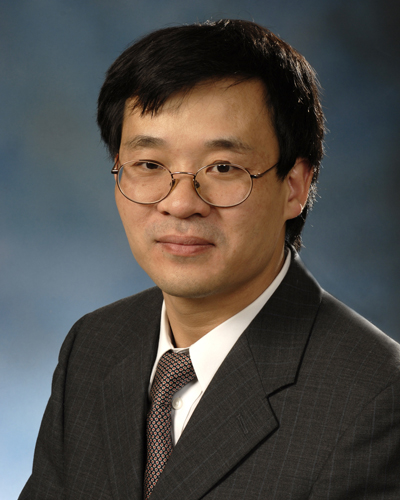
Dr. Peixin Yang is the Christopher R. Harman, MD Endowed Professor of Obstetrics, Gynecology, and Reproductive Sciences at the University of Maryland School of Medicine. He serves as Professor with tenure in the Department of Obstetrics, Gynecology and Reproductive Sciences and holds a secondary appointment in the Department of Biochemistry & Molecular Biology. Dr. Yang is the founding director of the Center for Birth Defect Research at the University of Maryland School of Medicine and leads multiple NIH-funded research projects totaling millions of dollars. Dr. Yang's educational background includes: B.S. in Animal Science from Zhejiang Agricultural University (1986-1990) M.S. in Animal Reproductive Sciences from Nanjing Agricultural University (1990-1993) Ph.D. in Biophysics from Tokyo University of Agriculture & Technology and Zhejiang University (1994-1999) Postdoctoral Research Associate at University of Nebraska Medical Center (1999-2002) BIRCWH scholar (NIH K12) at University of Maryland Baltimore (2008-2009) Dr. Yang has built an extensive research program focused on diabetic embryopathy, particularly examining how maternal diabetes induces neural tube defects (NTDs), congenital heart defects (CHDs), and kidney defects. His laboratory was the first to establish a mouse model of diabetic embryopathy and reveal the causal role of JNK1/2 in neural tube defects. He has made significant contributions to understanding the molecular mechanisms of cellular stress, endoplasmic reticulum stress, and autophagy in neural tube defect formation. Dr. Yang also investigates the effects of maternal obesity on placental function and has established the Maryland Maternal Health Research Center of Excellence. His recent work has expanded to include studies on SARS-CoV-2 infection in pregnancy and connections between insulin resistance signaling and Alzheimer's disease. Analysis of Dr. Yang's recent publications reveals a strong focus on the molecular mechanisms of diabetic embryopathy, with particular emphasis on epigenetic regulation, cellular stress signaling pathways, and placental function. His work consistently bridges basic science with clinical applications, developing potential therapeutic approaches for preventing birth defects. A significant portion of his recent research examines the intersection of maternal metabolic conditions (diabetes and obesity) with fetal development, while also expanding into novel areas like viral infections in pregnancy and connections to neurodegenerative diseases. Dr. Yang's notable scientific achievements include: The F. Clarke Fraser New Investigator Award from the Teratology Society (2013) BIRCWH scholar (NIH K12) (2008-2009) The Lalor foundation postdoctoral Fellowship (2002-2003) Dr. Yang currently directs a multi-million dollar NIH-funded research group with multiple active R01 grants. His current projects investigate the intersection of mTOR/p70S6K1 signaling and HIPPO-Yap tissue organizer in neurulation, heightened hypoxia and DNA methylation in heart defects of diabetic embryopathy, hyperglycemia-induced cardiac progenitor dysfunction, and epitranscriptomic alterations in diabetic embryopathy. He has developed a robust research program in maternal diabetes-induced heart defects, which was previously an understudied area. Dr. Yang is also leading efforts to establish the Maryland Maternal Health Research Center of Excellence, focusing on the adverse effects of obesity, placental accreta spectrum, and opioid use disorder. As the founding director of the Center for Birth Defect Research at the University of Maryland School of Medicine, Dr. Yang leads a multidisciplinary team of translational and clinical scientists. His laboratory has made original contributions to understanding the molecular mechanisms underlying maternal diabetes-induced structural birth defects. The team employs genetically modified mouse models, whole-embryo culture systems, and human placental studies to investigate the effects of metabolic conditions on fetal development. Dr. Yang's group has been instrumental in developing natural compounds as potential preventatives for diabetic embryopathy, including trehalose, epigallocatechin-3-gallate, and curcumin.