Andreas Bulling is a Professor at the Institute for Visualisation and Interactive Systems , University of Stuttgart, Germany. His research focuses on Human-Computer Interaction , Eye Tracking , and Computer Vision , with applications in Machine Learning , Virtual Reality , and Information Visualization . 2025 Publications: HOIGaze (Extended Reality), ChartQC (Data Visualization), HAIFAI (Human-AI Interaction), SummAct (Behavioral Summarization), Chartist (Chart Reading). 2024 Contributions: HumanEYEze (Multimodal AI), HOIMotion (3D Object Detection), MultiMediate'24 (Engagement Estimation), Unified Model of Saliency (Scanpath Prediction). His recent work explores gaze estimation , interactive behavior modeling , and privacy-preserving eye-tracking systems . Key subfields include Extended Reality , Neural Networks , and Behavioral Biometrics . While no explicit scientific awards are mentioned, his research has been widely cited (8,003 total citations) and downloaded (132,740 times). Andreas leads projects in Interactive Systems and collaborates with institutions such as Aalto University , KU Leuven , and National University of Singapore . His lab focuses on eye movement analysis , human motion forecasting , and task-driven input modeling .
Dr. Cassandra Sampaio Baptista is a Lecturer at the University of Glasgow's School of Psychology & Neuroscience. Her research focuses on brain plasticity in adulthood, particularly exploring how experiences like skill learning or rehabilitation influence structural and functional changes in the brain. She employs neuroimaging techniques such as fMRI neurofeedback and MRI to investigate mechanisms of myelin and white matter plasticity. Her work emphasizes translational applications, including stroke rehabilitation and promoting healthy aging. Key contributions include demonstrating myelin's role in motor learning and developing MRI protocols for white matter analysis. She collaborates on projects funded by the BIAL Foundation (2025–2026) and has supervised multiple postgraduate students. Recent publications highlight studies on oligodendrocyte dynamics, neurofeedback interventions for stroke survivors, and cross-species neuroscience approaches. While no specific awards are listed, her extensive publication record reflects her leadership in neuroplasticity research.
Marc V Fuccillo is an Associate Professor of Neuroscience at the Perelman School of Medicine, University of Pennsylvania, where he leads a research laboratory focused on understanding the neural circuit mechanisms underlying behavioral control. His work bridges molecular, synaptic, and behavioral approaches to investigate how striatal circuits regulate mouse behavior from simple motor patterns to complex goal-directed actions. Fuccillo holds dual appointments in the Neuroscience and Cell and Molecular Biology Graduate Groups at Penn and maintains an active laboratory investigating the synaptic and circuit basis of neuropsychiatric disorders. Education: B.A. in Molecular and Cellular Biology and Music Performance (Violin) from Brown University (1998) Ph.D. in Developmental Genetics from New York University School of Medicine (2007) M.D. from New York University School of Medicine (2008) Fuccillo's research centers on the synaptic and circuit mechanisms of behavioral control, with particular emphasis on striatal circuits. His laboratory employs a range of technologies including mouse genetics, in vitro electrophysiology, in vivo imaging, and quantitative behavioral analysis to explore how neural circuits of the striatum regulate behavior and how disruptions in these circuits contribute to neuropsychiatric disorders. His work has particularly focused on autism-associated abnormalities in behavioral control, examining how synaptic adhesion molecules like neuroligins and neurexins shape circuit function and behavior, with significant findings regarding D1 dopamine receptor positive medium spiny neurons in the nucleus accumbens. Analysis of Fuccillo's recent publications reveals a strong focus on striatal circuit function across multiple dimensions. His work spans molecular neuroscience (examining synaptic adhesion molecules), cellular physiology (studying specific neuron types in striatal circuits), systems neuroscience (mapping circuit connectivity), and behavioral neuroscience (quantifying motor learning and decision-making). A unifying theme is how disruptions in specific molecular pathways lead to circuit-level abnormalities that manifest as behavioral phenotypes relevant to neuropsychiatric disorders, with particular attention to autism, OCD, and schizophrenia models. Scientific Recognition: Publications in high-impact journals including Nature Neuroscience, Current Biology, Cell Reports, and Neuron Research supported by multiple NIH grants including NIMH F32, NIMH K01, and HHMI Gilliam Fellowship awards for lab members Fuccillo actively mentors a diverse group of trainees including postdoctoral fellows, graduate students, and undergraduates. His laboratory has produced numerous successful alumni who have gone on to faculty positions, medical residencies, and graduate programs at prestigious institutions. His mentoring approach emphasizes technical skill development across multiple neuroscience disciplines while fostering independent scientific thinking. Current research in his lab is supported by NIH funding focused on understanding the molecular architecture of striatal circuits and their role in behavioral control, with three major research directions exploring molecular logic of striatal circuits, circuit mechanisms of behavioral control, and striatal dysfunction in neuropsychiatric disease models. The Fuccillo Laboratory operates within the Department of Neuroscience at the University of Pennsylvania, with access to state-of-the-art facilities for molecular, electrophysiological, imaging, and behavioral neuroscience research. The lab maintains active collaborations with other neuroscience research groups at Penn and beyond, creating a rich intellectual environment for studying the neural basis of behavior. Current research directions include investigating whether there is a molecular logic to striatal circuit composition, how striatal circuits shape behavioral control, and what mouse models of autism, schizophrenia, and OCD can reveal about striatal circuit dysfunction in disease pathophysiology.
David S. Eisenberg is a Professor of Chemistry and Biochemistry and Biological Chemistry at the University of California, Los Angeles, where he also serves as Director of the UCLA-DOE Institute for Genomics and Proteomics and as an HHMI Investigator. His research focuses on protein interactions, particularly the structural basis for conversion of normal proteins to the amyloid state and conversion of prions to the infectious state. Dr. Eisenberg earned his undergraduate degree in biochemical sciences from Harvard College and his D.Phil. degree in theoretical chemistry from Oxford University on a Rhodes Scholarship. His postdoctoral research was on ice and water with Walter Kauzmann at Princeton and in protein crystallography with Richard Dickerson. He joined the UCLA faculty after his postdoctoral studies. Dr. Eisenberg and his research group focus on protein interactions in amyloid and prion diseases. These diseases involve protein aggregation where normal functional proteins convert to abnormal aggregated forms. Systemic amyloid diseases like dialysis-related amyloidosis result from fiber accumulation until organ failure, while neurodegenerative diseases like Alzheimer's, Parkinson's, ALS, and prion conditions appear to be caused by smaller oligomers. In 2005, his team determined the atomic-level structure for the amyloid fiber spine, revealing a 'steric zipper' of two parallel beta sheets packed across a dry interface. Since then, they've determined approximately 90 amyloid spines from 15 disease-related proteins. In 2010, they identified the structure of a toxic amyloid-related oligomer consisting of six anti-parallel beta strands forming a cylindrical barrel. His recent publications demonstrate continued innovation in amyloid research, with focus areas including structural prediction of amyloid formation, mechanisms of tau fibril disassembly in Alzheimer's disease, cryo-EM analysis of amyloid polymorphism, and structure-based design of inhibitors for amyloid toxicity. His work integrates computational, structural, and biochemical approaches to understand protein aggregation across multiple disease contexts. Dr. Eisenberg has received numerous prestigious awards and honors: National Academy of Sciences Member American Philosophical Society Member Institute of Medicine Member Howard Hughes Medical Institute Investigator Biophysical Society Emily M. Gray Award Harvard Westheimer Medal UCLA Seaborg Medal Technion - Israel Institute of Technology Harvey Prize in Human Health As Director of the UCLA-DOE Institute for Genomics and Proteomics and an HHMI Investigator, Dr. Eisenberg leads significant research initiatives in protein structure and aggregation. His laboratory combines X-ray crystallography, bioinformatics, and biochemical techniques to investigate protein interactions, with particular emphasis on amyloid-forming proteins and their role in disease. The Eisenberg Lab, located in Boyer Hall at UCLA, maintains an active research program investigating the structural basis of protein aggregation. The lab continues to build on its landmark discoveries of amyloid structures while exploring new frontiers in understanding protein misfolding diseases and developing potential therapeutic interventions.
Kevin M. Franks is an Associate Professor of Neurobiology at Duke University, where he investigates how the olfactory system forms neural representations of sensory environments. His work focuses on functional neural circuits in the olfactory bulb and piriform cortex, using techniques like in vivo recordings, optogenetics, and behavioral assays. His research explores Neural circuit dynamics and plasticity Odor coding mechanisms Role of recurrent circuitry Integration of sensory modalities Recent publications highlight his contributions to understanding cortical odor representations, developmental neural connectivity, and cross-modal interactions. Awards include the 2024 Don Tucker Finalist recognition. He teaches advanced neuroscience courses at Duke, including Neurobiology research and concepts in neuronal systems.
Dr. Sabine Krabbe is a Group Leader at the German Center for Neurodegenerative Diseases (DZNE) in Bonn, Germany, where she leads research on neural circuit mechanisms underlying adaptive learning and state-dependent decision-making. Her work integrates neuroscience, molecular biology, and behavioral approaches to understand how internal states influence behavior and how these processes are disrupted in neurological disorders. Dr. Krabbe's research focuses on the interactions between midbrain circuits of the substantia nigra and ventral tegmental area with their output structures such as the striatum and amygdala. She investigates how these networks integrate internal states with environmental cues to produce appropriate behavioral responses. Her laboratory employs state-of-the-art techniques including deep-brain calcium imaging at single-cell resolution in mice, opto- and pharmacogenetic manipulations, anatomical tracings, and molecular approaches to characterize neural circuit elements in detail. Her recent publications reveal significant insights into amygdala interneuron plasticity during fear learning, brain-wide representational drift in memory consolidation, and the molecular mechanisms underlying Parkinson's disease progression. Her work demonstrates how activity patterns within specific neural circuits change in early stages of neurodegenerative diseases and how this dysfunction contributes to cognitive deficits and emotional disturbances. Dr. Krabbe is actively involved in the neuroscience community, organizing the BonnBrain Conference 2026 and sharing research through social media platforms. She has established herself as an emerging leader in the field of systems neuroscience with a particular focus on the neural basis of emotional states and decision-making processes.
Stefano Fusi is an Associate Professor of Neuroscience at Columbia University's Vagelos College of Physicians and Surgeons, with joint affiliations at the Mortimer B. Zuckerman Mind Brain Behavior Institute and Kavli Institute. His laboratory focuses on computational modeling of neural circuits and neuromorphic engineering. Education PhD in Physics, Hebrew University of Jerusalem (1999) BS in Physics, Sapienza University of Rome (1992) Research Focus Fusi investigates how biological complexity supports neural computation through three primary domains: theoretical analysis of neural circuit dynamics, representational geometry in learning systems, and hardware implementations of brain-inspired algorithms. His work bridges machine learning, neurophysiology, and theoretical physics, emphasizing high-dimensional representations and memory optimization. Recent publications demonstrate consistent focus on neural coding principles across hippocampus, prefrontal cortex, and sensory systems, with innovations in modeling working memory, stress responses, and cross-species computational paradigms. Collaborations & Labs Leads an interdisciplinary laboratory collaborating with Columbia experimental neuroscientists, MIT engineers, and Stanford computational researchers to validate theoretical models. Current projects include neuromorphic hardware development and neural decoding of emotional states.
Professor Guy Williams is a leading academic at the University of Cambridge with a focus on imaging science and clinical neurosciences, affiliated with Downing College and the Wolfson Brain Imaging Centre . Holding a PhD in Physics from his initial Natural Sciences degree, he specializes in nuclear magnetic resonance (NMR) and MRI techniques for brain imaging. Education: BA, PhD in Physics His research centers on non-invasive imaging of brain structure and function, particularly in traumatic brain injury (TBI) and dementia. His work involves developing novel MRI pulse sequences and advanced data analysis algorithms, including AI-based diagnostic tools. He leads studies on white matter integrity post-trauma, longitudinal dementia assessment, and applications of MRI in disorders of consciousness and addiction. Recent publications highlight collaborations in traumatic brain injury outcomes, AI-guided dementia prediction, and neuroimaging of post-COVID cognitive deficits. His team's work on ultra-high field laminar fMRI and distortion correction methods has advanced clinical neuroscience applications. Key techniques include diffusion tensor imaging (DTI), 7 Tesla MRI, and positron emission tomography (PET/MR). His research spans from basic NMR physics to clinical translation, with a strong emphasis on multi-site studies and real-world diagnostic implementation.
Dr. Rachel Carmody is the Thomas D. Cabot Associate Professor of Human Evolutionary Biology at Harvard University, affiliated with the Faculty of Arts and Sciences. Her research focuses on energy metabolism, gut microbiome interactions, and their evolutionary implications. She leads the Nutritional & Microbial Ecology Lab, exploring how diet, genetics, and microbial communities influence human energy dynamics. Her work integrates evolutionary biology, physiology, and metagenomics to address questions about human uniqueness in digestion, maternal-offspring energy conflicts, and non-caloric dietary components. Office: Museum of Comparative Zoology 542; Email: carmody@fas.harvard.edu. Key research themes include gut microbiome-modulated obesity, placental hormone roles in pregnancy metabolism, and dietary digestibility frameworks. She also investigates evolutionary shifts in gut microbiota during human industrialization and animal domestication. Her lab employs mouse models, comparative studies, and multiomics approaches to dissect host-microbial interactions. Recent articles highlight microbiome effects on exercise-induced weight changes, antibiotic-induced obesity mechanisms, and cross-cultural dietary comparisons. While no awards are explicitly listed, her prolific publications reflect sustained impact in nutritional and evolutionary microbiology. No student advisees or grants are detailed in the provided text.
Preet Singh is a Professor and Associate Chair for Graduate Studies in the School of Materials Science and Engineering at Georgia Tech, with affiliations to the College of Engineering. His research focuses on corrosion science, electrochemistry, and environmental degradation of materials, particularly metals and alloys. Prior to joining Georgia Tech in 2003, he was a faculty member at the Institute of Paper Science and Technology (IPST), where he investigated corrosion issues in the pulp and paper industry. Professor Singh's work explores fundamental mechanisms of material degradation in industrial environments, aiming to develop mitigation strategies against environment-induced failures. Key research areas include corrosion fatigue, hydrogen embrittlement, stress corrosion cracking, and oxidation behavior. His group employs experimental approaches to study material reliability under varying chemical and mechanical conditions. Recent publications demonstrate interdisciplinary collaboration across oncology, agriculture, and energy systems, reflecting broad applications of materials science principles. Research trends show increased focus on biomedical materials and sustainable technologies alongside core corrosion studies. Professor Singh advises graduate students including Abdullah Alzubail, Yousif Al Rabie, Sai Shreeya, Yara, and Sean Li. He directs the Corrosion and Materials Reliability Laboratory (CMCRL), which partners with industry to solve practical engineering challenges related to material performance.
Istvan Mody is a Professor at the University of California, Los Angeles (UCLA) with appointments in the Department of Neurology and Department of Physiology . His research focuses on synaptic signaling in health and disease, including mechanisms of GABAergic transmission, calcium homeostasis, and their roles in neurological disorders such as epilepsy, Alzheimer's disease, Huntington's disease, stress, alcoholism, and postpartum depression. He utilizes advanced techniques like patch-clamp electrophysiology, neuroanatomical and immunohistochemical methods, and molecular biology in animal models and human brain tissue . Research Interests: Dr. Mody investigates the physiology, pharmacology, and pathology of synaptic transmission and extrasynaptic receptor activation , with a particular emphasis on GABA(A) receptors and their subunit-specific modulation. His work explores how disruptions in excitation-inhibition balance contribute to neurological diseases, including mechanisms of tonic inhibition , calcium signaling , and neurosteroid interactions . He also studies the effects of chronic stress and hormonal fluctuations on neural excitability and behavior. Publications Trends: Recent studies highlight his work on gamma oscillations in Alzheimer's models, microglial dynamics , and rehabilitation strategies for stroke. His lab develops optical tools like dqGEVI for neuronal activity monitoring and investigates human brain organoids to model network dysfunction in epilepsy and intellectual disability. Laboratory Location: 635 Charles Young Dr S, Los Angeles, CA 90095, United States.
Hang Lu is an Associate Professor in the Department of Communication and Media at the University of Michigan's College of Literature, Science, and the Arts. He specializes in science, health, environmental, and risk communication (ComSHER), with a focus on media psychology. His research explores audience responses to media messages about sensitive topics and strategies to enhance message effectiveness. Lu holds a Ph.D. in Communication from Cornell University (2018), along with advanced degrees from Cornell, Marquette University, and Central South University in China. He directs the Media and Risk (MaR) Lab and previously served as a postdoctoral fellow at the Annenberg Public Policy Center. His research spans four main areas: 1) emotion dynamics in media responses, 2) predictors of information behaviors, 3) media effects on stigmatization, and 4) AI applications in sensitive domains. He has published in journals like Journal of Communication , Risk Analysis , and Public Understanding of Science , earning multiple top paper awards. As Vice Chair of the Environmental Communication Division at the International Communication Association, Lu contributes to interdisciplinary dialogue. His work addresses critical societal issues such as climate change communication, vaccination hesitancy, and emerging technology ethics.
Prof. Ilse Dewachter is the head of the Biomed Neuroscience research group at Hasselt University (UHasselt), specializing in Alzheimer’s therapy and prevention for over 25 years. Her work focuses on multi-targeted therapies targeting tau, inflammation, and ApoE, alongside pioneering research into disease prevention via blood-based biomarkers. Recent studies explore a protective APOE3ch mutation that halted Alzheimer’s progression in a patient, offering hope for new treatments. Research Interests: - Alzheimer’s disease mechanisms (Abeta, tau, inflammation) - Multi-target therapies and biomarker development - Neurodegenerative disease prevention strategies - Genetic mutations impacting disease progression Articles Overview: Her most recent work (2025-2022) addresses neuroinflammation, tau propagation models, and AI-driven neuroimaging. Key themes include APOE genetics, blood-brain barrier dynamics, and exercise impacts on cognition. Funding & Grants: Current projects require significant investment for advanced biomarker equipment and clinical trials. A notable €300,000 grant funded research on brain lipid metabolism’s role in Alzheimer’s. Labs & Teams: Leads the BIOMED Neuroscience group at UHasselt, collaborating internationally on preclinical models and drug development.
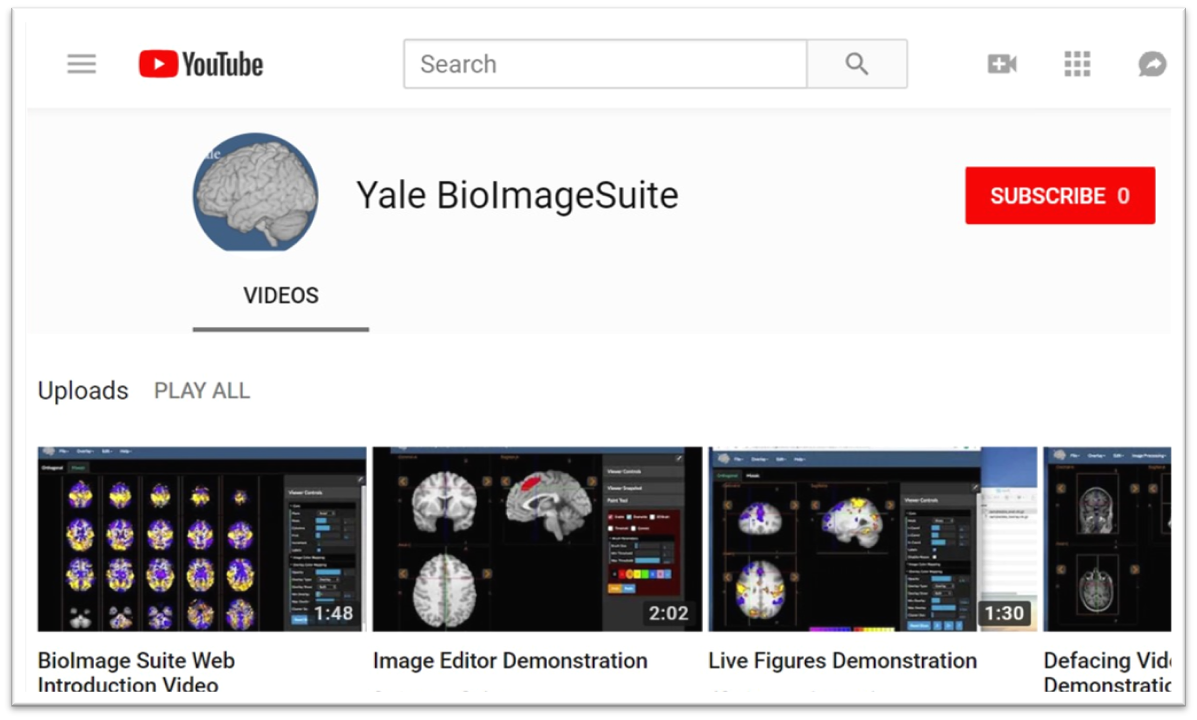
Xenophon Papademetris is a Professor of Biomedical Informatics & Data Science and Radiology & Biomedical Imaging at Yale School of Medicine. He serves as Associate Director of Biomedical Imaging Data Sciences at Yale Biomedical Imaging Institute and directs the Medical Software and Medical Artificial Intelligence Certificate Program. PhD in Electrical and Information Sciences from Yale University (2000) BA from Cambridge University (1994) Postdoctoral Fellowship at Yale University (2002) His research focuses on medical image analysis, machine learning, and biomedical software development. He has developed tools like BioImage Suite Web and contributed to standards committees at the Association for the Advancement of Medical Instrumentation (AAMI). His work spans modalities including MRI, CT, PET, and optical imaging. Recent publications emphasize neuroimaging analysis, explainable AI in healthcare, and multimodal data integration across species. He leads NIH-funded research under the BRAIN Initiative (R24 MH114805) and has authored a textbook on Medical Software published by Cambridge University Press. IEEE Senior Member Yale Brown-Coxe Postdoctoral Fellowship Harding Bliss Prize for Excellence in Engineering He directs the BioImage Suite Project, creating web-based image analysis tools using JavaScript and WebAssembly. His teaching includes both academic courses and a Coursera program on Medical Software with over 14,000 enrollments.
Dr. Tim Halim is a Sir Henry Dale Fellow and Junior Group Leader at the Cancer Research UK Cambridge Institute (CRUK Cambridge Institute), University of Cambridge. His primary research program focuses on pancreatic cancer, with thoracic cancer as a secondary research focus within the CRUK Cambridge Centre's structured research programs. Dr. Halim's research expertise lies at the intersection of cancer biology and immunology, with particular emphasis on innate lymphoid cells (especially ILC2) and regulatory T cells within the tumor microenvironment. His work investigates how these immune cell populations interact with cancer cells and influence tumor progression, metastasis, and response to therapy. His research has significant implications for developing novel immunotherapeutic approaches for pancreatic and thoracic cancers. His publication record demonstrates a consistent focus on the role of innate lymphoid cells in cancer, with recent work examining IL-33 and ILC2 in pancreatic cancer, cross-talk between ILC2 and regulatory T cells, and the influence of innate lymphoid cells on pancreatic stromal composition. His research employs advanced techniques including in vivo labeling, single-cell analysis, and fate-mapping approaches to understand immune cell behavior in cancer contexts. Dr. Halim has been awarded the prestigious Sir Henry Dale Fellowship, a joint fellowship from the Royal Society and Wellcome Trust that supports early-career researchers of outstanding promise working at the interface of basic and clinical science.