Simon Mills is Professor of Ethnomusicology in Durham University's Department of Music, specializing in Korean shaman music and ritual performance traditions. His research combines ethnographic fieldwork with musical analysis of Korean ritual practices. Key research domains: Korean shaman ritual music Instrumental performance traditions Music's role in healing practices Musical transcription methodologies Publications extensively document Korean musical heritage, including studies of Buddhist temple chanting, shamanic artistry, and folk traditions. Recent work focuses on performance style transmission and cultural preservation. Supervises five doctoral students researching Asian music traditions. Maintains active performance practice on Korean percussion instruments including changgo drum and tanso flute.
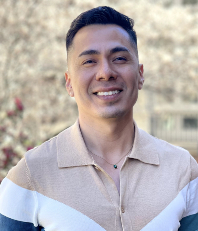
Jorge Sánchez Cruz is an Assistant Professor in the Literature Department at the University of California, San Diego. Their research focuses on 19th-21st century Latin American literature and culture, particularly examining Indigenous, queer, and undocumented voices in Mexico. They hold academic appointments previously at Harvard, University of Pennsylvania, and Northwestern University. Education: Details not specified here, but holds terminal degree appropriate for academic rank. Affiliations: Arts & Humanities Division at UC San Diego Research interests include queer theory, decolonial thought, and Indigenous studies, with a focus on how marginalized communities reimagine survival and creativity through art and activism. Current projects explore AIDS narratives in 1980s/90s Mexico/Chile and contemporary Oaxacan decolonial movements. Publications include Aesthetics of Repair manuscript and co-edited Teoría Queer/Cuir en México . Recent articles analyze queer mourning, food sovereignty, and trans* visibility in border contexts. Awards: Mellon Foundation, ACLS, Harvard's David Rockefeller Center, and Penn's CRFQTS grants. Grants: Multiple institutional supports for research/pedagogy. Teaching emphasizes interdisciplinary approaches to gender, colonialism, and cultural production. Active in collaborative projects linking academic work with community-based initiatives.
Jessica Meyer is a Professor of British Social and Cultural History at the School of History within the University of Leeds' Faculty of Arts, Humanities and Cultures. She specializes in intersections of gender history (particularly masculinity), First World War studies, medical history, disability history, and cultural analysis of war and popular media. Education: BA (Liberal Arts) from Yale University, MPhil in European Studies, PhD in Modern History from the University of Cambridge Research Focus : Her work examines how warfare and medical practices shaped gender identities, particularly British masculinity, during and after the First World War. She has authored two monographs: Men of War (Palgrave Macmillan) and An Equal Burden (Oxford University Press, open access). Current Projects : Researching post-WWI social reintegration, disability pensions, domestic care provision, and gender dynamics in Britain. Past projects include Men, Women and Care (ERC-funded) and Masculinity and Medical Care (Wellcome Trust-funded). Teaching & Supervision : Offers undergraduate courses and supervises postgraduate research in modern British history, gender studies, war history, and popular culture.
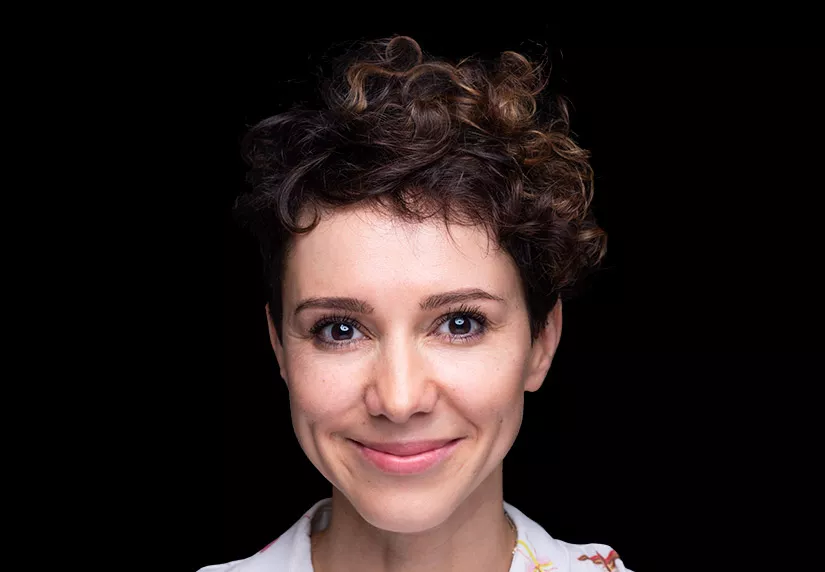
Dr. Paulina Grzęda is an Assistant Professor at SWPS University of Social Sciences and Humanities, Warsaw, affiliated with the Faculty of Humanities and Department of English Studies within the Institute of Humanities. She serves as the Student Organization Coordinator for the Department of English Studies and coordinator of the Business Communication specialization since 2024. PhD from University of Warsaw Research fellowships at University of Cambridge Research fellowships at SOAS, University of London Dr. Grzęda's research primarily focuses on trauma and its representations in film and literature, with particular emphasis on post-apartheid South African contexts. Her work explores alternative perceptions of time in postcolonial cultures and contemporary mental health crises, including the opioid crisis in the United States. She investigates the connections between literature and psychotherapy, examining how narrative forms can serve as therapeutic tools for processing collective trauma. Her cultural studies approach integrates multilingual perspectives from her expertise in English, Spanish, and French literature. Her publication record demonstrates consistent engagement with trauma theory, postcolonial literature, and temporal conceptualizations. The articles reveal a progression from focused analyses of South African literary responses to apartheid towards broader examinations of mental health crises and temporal perceptions in postcolonial contexts. Her work consistently bridges literary analysis with psychological and cultural theory, creating interdisciplinary connections between trauma studies, cultural anthropology, and narrative theory. As an educator, Dr. Grzęda teaches courses on trauma in film and literature, cross-cultural psychology, communication, PR, and practical English. She also applies her academic expertise through certified coaching practice specializing in cross-cultural, relationship, and ADHD coaching. Her professional background includes significant experience in the cultural sector as Operations Director of three film festivals, demonstrating practical application of her academic interests.
Kat Richards (they/them) serves as Assistant Professor of Art Practice in Printmaking at Portland State University's Schnitzer School of Art + Art History + Design, maintaining office hours Tuesdays and Thursdays from 12:00-1:00 pm. Contact is available via katr@pdx.edu at SH 151. Education: Masters of Fine Art in Printmaking, Tyler School of Art, Temple University Richards' research centers on print media as a vehicle for exploring queerness, personal narratives, and archival practices. Their practice fuses traditional printmaking with digital technology to investigate fragmented queer bodies, community protection, and nourishment. Key methodologies include monoprint stenciling, digital replication of analog processes, and participatory projects that activate viewer engagement with themes of identity, grief, and political resistance. The work consistently interrogates the relationship between physical embodiment and reproductive technologies through a trans-queer lens. Recent works (2023-2025) demonstrate intensified exploration of LGBTQIA+ archives through watercolor, gouache, and mixed media. Series like Daily Button Diary transform everyday objects into archival portals, while public installations such as Good Grief merge poetry with community participation. Technical diversity spans monoprint, etching, risograph, and sculptural button installations, unified by consistent engagement with queer symbolism and political commentary. The Color Play series particularly exemplifies the integration of historical queer imagery with contemporary practice. Scientific Awards: No scientific awards or fellowships were mentioned in available documentation Advising and Grants: The provided materials contain no information regarding graduate students advised, research grants, or funded projects. Richards' professional activities focus on creative production and exhibition rather than traditional academic advising structures. Labs and Teams: Richards has participated in residencies at Anderson Ranch Art Center, Vermont Studio Center, The Queer Material Labs, and Women’s Studio Workshop. These engagements involve collaborative printmaking environments, particularly noted in the University of Nebraska Printmaking Department collaboration for Butterfly Cliches are True . No permanent lab affiliation or research team is documented beyond these temporary artistic collaborations.
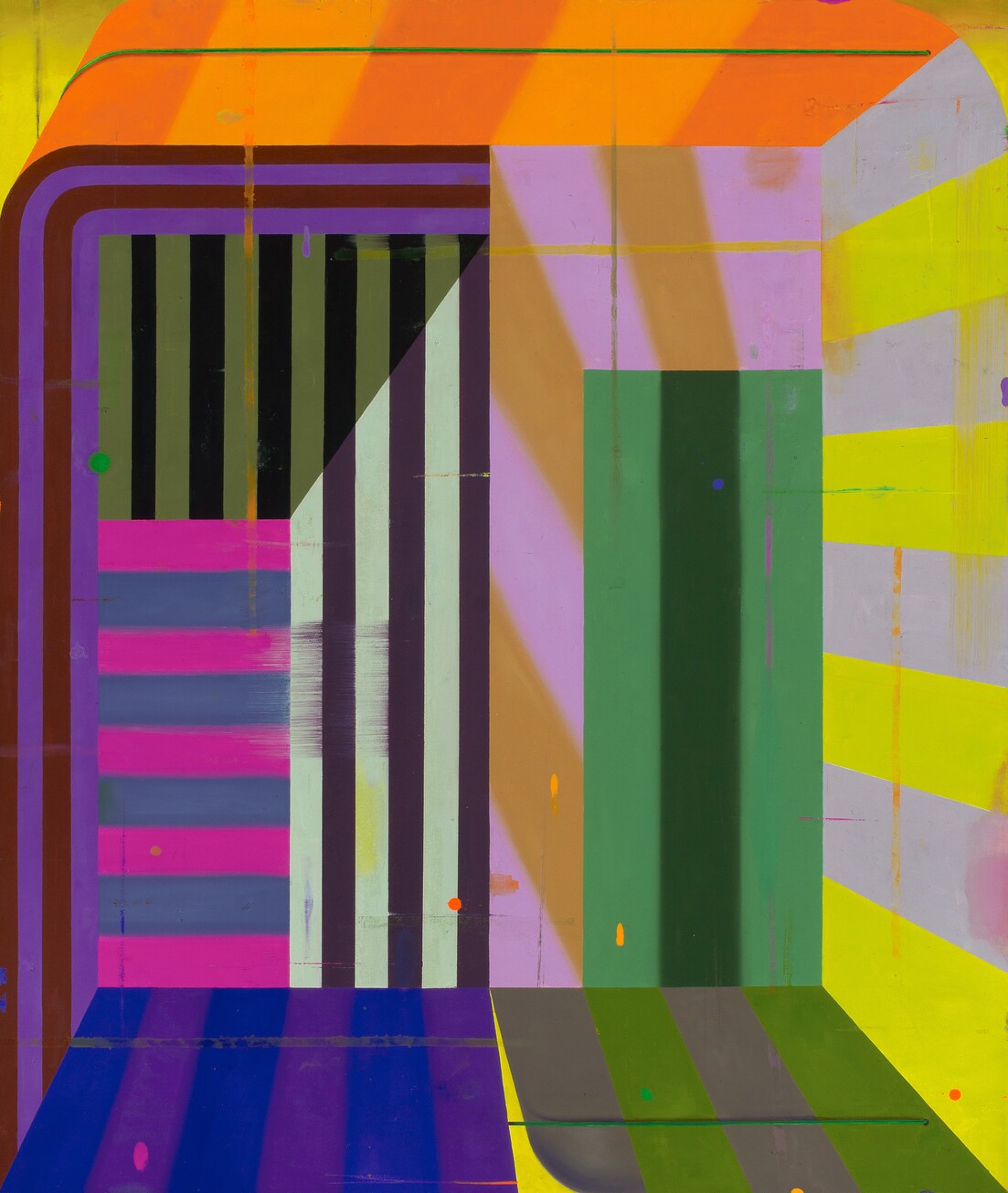
Deborah Zlotsky is a Professor of Experimental and Foundational Studies at the Rhode Island School of Design (RISD), where she teaches within the Faculty of Liberal Arts. Her academic career bridges rigorous studio practice with theoretical exploration of history, memory, and identity. She received her BA in History of Art from Yale University and MFA in Painting and Drawing from the University of Connecticut. Zlotsky's research focuses on how historical narratives press against contemporary consciousness through abstract visual language. Her work explores geometric abstraction as metaphor, particularly examining stripes as timelines that build patterns while suggesting societal cycles and marginalization. She investigates how abstraction provides sensory experiences for understanding the complex relationship between past and present, with specific attention to Jewish cultural identity and historical trauma. Her recent artistic output shows consistent thematic development across painting series from 2021-2024, with recurring motifs including chai symbols (representing life), shiva references (Jewish mourning), and diaspora concepts. Technical innovations include trompe l'oeil elements like stitched threads, air holes, and fleshy textures that disrupt geometric precision, creating visual metaphors for historical disruption and memory fragmentation. Guggenheim Fellowship (2019) New York Foundation for the Arts Fellowships (2012, 2018) Residencies at MacDowell Colony, Yaddo, Bogliasco Foundation, and Bemis Center Works in collections including RISD Museum, Borusan Contemporary Art Collection, and Waldorf Astoria Zlotsky maintains an active exhibition schedule with recent solo shows at McKenzie Fine Art, Markel Fine Arts, and Robischon Gallery. Her work connects studio practice with academic inquiry through residencies that function as research opportunities, and her teaching at RISD directly informs her exploration of foundational visual concepts. She continues to develop her investigation into how geometric abstraction can simultaneously represent historical weight and visual beauty.
Shirley Samuels is the Thomas and Dorothy Litwin Professor of American Studies and Picket Family Chair of Literatures in English at Cornell University's College of Arts and Sciences. A distinguished scholar of 19th-century American literature and culture, she has shaped feminist criticism, Civil War studies, and transatlantic discourse. Her academic journey began at UC Berkeley with a PhD in English (1986). Key research areas include: American literature and culture 18th- and 19th-century fiction Gender, race, and sentimentality Civil War iconography Visual culture and mobility narratives Notable trends across her publications reveal sustained engagement with racial trauma , gendered political discourse , visual representation , and transatlantic cultural exchange . Her work bridges literary analysis with historical memory. Scientific honors include: Mellon Humanities Grant American Council of Learned Societies Fellowship Phi Beta Kappa Multiple research grants from Society for the Humanities Public Voices Project Fellow
Ronald K. Rittgers is a Professor of Reformation Studies, History of Christianity, and History at Duke University’s Divinity School and Trinity College of Arts & Sciences. He joined Duke in 2021 after holding roles at Valparaiso University, Yale University, and Harvard University. His research focuses on Reformation-era theology, spirituality, and the interplay between religion and culture in early modern Europe. Rittgers earned a Ph.D. in History from Harvard University (1998), an M.T.S. from Regent College (Canada, 1992), and dual B.A.s from Wheaton College (1987). His work challenges traditional narratives of the Reformation’s role in secularization, emphasizing Scripture’s sacramental role in Protestant spirituality. Key publications include The Reformation of the Keys (2009) and A Widower’s Lament (2021), exploring themes of suffering, mysticism, and lay piety. He has held prestigious fellowships at the Herzog August Bibliothek and National Endowment for the Humanities. Rittgers teaches courses on Reformation history, early modern Christianity, and Lutheran theology. His leadership roles include Chair of the Historical Division at Duke Divinity School and editor of the Reformation and Renaissance Review . Current projects include a book on early Protestant views of Scripture as an enchanted medium of divine encounter.
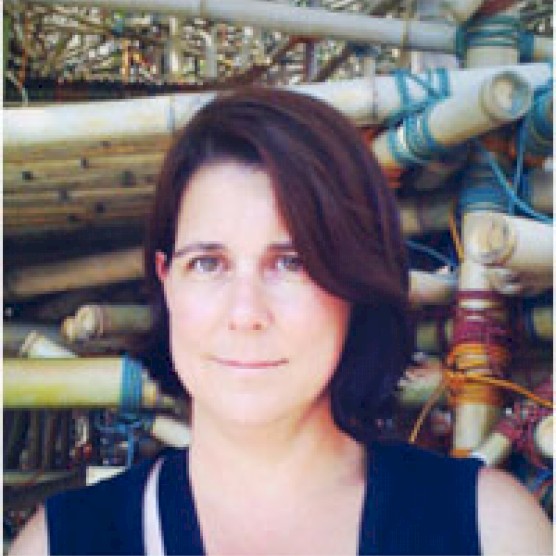
Bethany Leighanne Taylor is an Associate Professor of Drawing and Interdisciplinary Studio Art at the University of Florida, affiliated with the School of Art + Art History and the Workshop for Art Research and Practice (WARP). She holds a BFA from the University of Southern California and an MFA from the University of Colorado at Boulder. Her interdisciplinary work spans drawing, sculpture, digital media, and installation, addressing themes of politics, ecology, gender studies, and environmental disaster. Education: BFA in Studio Art (USC, 1991), MFA in Painting and Drawing (University of Colorado, 1994). Research focuses on violence, war, and ecological collapse, often through material experiments like crocheted nylon, recycled plastics, and fiber-based installations. Recent exhibitions include solo shows at the Smithsonian National Museum of Natural History (2021-22) and collaborative projects like Drifting Cabinets: Gulf Biodiversity (2018-21). Her work critiques overconsumption and environmental harm through historical tapestry aesthetics and contemporary media. Recent articles explore plastic pollution, water crises, and climate change, using installations to visualize ecological unraveling. Awards include the 2021 Smithsonian exhibition, multiple University of Florida research awards, and a King County Arts Commission grant (1997). Grants include 2025 Spring/Summer Research Incentive Award and 2021 Provost’s Professorship. Collaborative projects include the SOIL Artist-Run Gallery (founded 1995), featured in Soil: 1995-2005 (2005). Key labs/teams: WARP (interdisciplinary studio) and residencies at Nelimarkka Museum (Finland, 2012) and Greywood Arts (Ireland, 2019).
Eylul Ceren Demir serves as an Assistant Professor in the Department of Psychology at Adiyaman University's Faculty of Arts and Sciences, where she also holds the position of Vice Chair of Department since November 2023. She concurrently serves as a Visiting Professor at Middle East Technical University (METU) teaching Qualitative Research in Clinical Psychology (Fall 2023-Spring 2025) and taught Psychological Assessment at Ufuk University in Fall 2023. Her educational background includes an Integrated Doctorate in Clinical Psychology from Middle East Technical University (2018-2023) with a dissertation titled 'When the boundaries exceed: Thematic Analysis of Anorexia Nervosa in Lacanian Psychoanalysis,' a Master's degree in Psychology from Dokuz Eylul University (2016-2018), and a Bachelor's degree in Psychology from Çankaya University with 3.91/4.00 CGPA (2013-2016). Dr. Demir's research focuses primarily on Lacanian psychoanalysis, clinical psychology, and psychopathology, with particular expertise in eating disorders, trauma, suicide prevention, and qualitative research methods. Her work bridges theoretical psychoanalytic concepts with clinical applications, especially in understanding anorexia nervosa, post-disaster psychological trauma, and the therapeutic process. She has developed specialized knowledge in analyzing cinematic characters through psychoanalytic frameworks and examining cultural aspects of mourning and loss. Her publication record demonstrates a clear trajectory from foundational psychoanalytic concepts (2020-2021) toward increasingly specialized clinical applications (2022-2025), with recent work focusing on earthquake trauma, anorexia nervosa from Lacanian perspectives, and therapist development. Her articles consistently integrate psychoanalytic theory with empirical clinical observations, creating a distinctive methodological approach that combines qualitative analysis with Lacanian conceptual frameworks. As an academic leader, Dr. Demir serves as Editor for AYNA Clinical Psychology Journal (since 2022) and Field Editor for Adiyaman Social Sciences Journal (since 2024). She has supervised numerous graduate theses at METU and currently co-advises multiple doctoral students working on topics including neurodivergence in creative industries, OCD experiences, non-suicidal self-injury, and martyr letter analysis. Her clinical work through the AYNA Clinical Psychology Support Unit at METU (2020-2023) involved providing psychotherapy supervision to graduate students and coordinating clinical training processes. She has conducted nearly 1000 hours of therapy sessions with children, adolescents, and adults using psychoanalytic approaches. Dr. Demir remains active in the Freud-Lacan Psychoanalytic Association (since 2018) and serves on Turkey's Science Academy Psychology Terminology Working Group (since 2023).
Dr. Lauren Miller-Lewis is a Lecturer in Positive Psychology at CQUniversity Australia, affiliated with the School of Health, Medical and Applied Sciences under the College of Psychology. She holds a B.Psych (Hons) and PhD from Flinders University (2004). Her career includes a NHMRC Postdoctoral Fellowship at the University of Adelaide and roles at Flinders University’s Research Centre for Palliative Care, Death and Dying. She joined CQUni in 2019. Her research focuses on lifespan developmental psychology, mental health resilience, and end-of-life care. Key areas include mortality acceptance, death coping, and palliative care innovation. She teaches in the Graduate Certificate/Diploma/Master of Applied Positive Psychology programs. Publications emphasize palliative care resources (e.g., CarerHelp Toolkit), death doula roles, and pandemic impacts on grief. She is a member of the Cluster for Resilience and Wellbeing (CReW) and supervises students in clinical and developmental psychology. Her work bridges theory and practice, emphasizing person-centered bio-psycho-social approaches to healthcare.
Honor Ford-Smith is an Associate Professor at York University's Faculty of Environmental and Urban Change, specializing in performance studies, decolonial practices, and environmental justice. She holds a PhD in Education from the University of Toronto and has conducted extensive research at the intersection of art, politics, and social movements in the Global Caribbean and Black diaspora. Her research focuses on how performance creates spaces for marginalized voices through collaborative, community-based practices. Current projects include Oral History, Music Making and Food Justice (Carswell Family Foundation) and Taking Liberty: Decolonization and Performance (funded by Brown University/York University). Past initiatives include studies on memory and urban violence in Jamaica (SSHRC-funded). Teaching includes undergraduate courses on environmental arts and graduate workshops on decolonial performance. Publications span journals like Small Axe and Caribbean Quarterly , with edited volumes including Jamaican Plays: A Postcolonial Anthology . Awards: Otto Rene Castillo Award (Sistren Theatre Collective), Best Film/Video Documentary (Honor Bound). Grants: SSHRC partnerships totaling over $5M for arts and social change initiatives. Her work integrates activist organizing with academic research, emphasizing transnational collaborations and decolonizing methodologies.
Kerstin Storm is a Full Professor of Sinology and Director of the Institute for Sinology and East Asian Studies at the University of Münster since October 2022. She is also co-founder and spokesperson of the Asia Center at Faculty 09 of the University of Münster since May 2024. Previously, she served as Head of the BMBF project "Variety and Variability of Indigenous Perceptions of Age and Aging in Chinese Poetry" at the University of Trier from 2020-2022. Her academic career includes positions as Assistant Professor at the University of Münster (2013-2017) and Deputy Professor of Chinese Intellectual History and Confucianism at the University of Trier (2017-2018). 2022: Habilitation in Sinology, University of Trier 2008-2014: PhD in Sinology, University of Münster 1999-2005: MA in Sinology, Political Science, and Economic Policy, University of Münster 2001-2002: Chinese language and cultural studies at National Taiwan Normal University Professor Storm's research focuses on decision-making processes and forms of argumentation in the Tang dynasty (618-907), age and aging in premodern China, traditional Chinese poetry, Chinese legal history, concepts of childhood in premodern China, and narrative forms in premodern Chinese prose. Her work bridges historical, literary, and legal studies of imperial China, with particular attention to social structures, age hierarchies, and narrative techniques in historical documents. Through her leadership in the Cluster of Excellence on Transcultural Entanglement and Disentanglement and the Digital Humanities Research Cloud, she has expanded her research into digital methodologies for analyzing historical Chinese texts. Her scholarly output demonstrates consistent engagement with the intersection of law and literature in Tang dynasty China, with increasing attention to transcultural knowledge transfer in later works. The articles reflect methodological diversity, combining philological analysis of classical texts with comparative historical approaches. Recent publications show growing interest in missionary knowledge transfer in 19th-20th century China, indicating an expansion of her research scope beyond the imperial period. 2012: JSPS Postdoctoral Fellowship from Alexander von Humboldt Foundation & Japan Society for the Promotion of Science 2011: Doctoral Scholarship from University of Münster 2001: DAAD Full Scholarship for Chinese language studies at National Taiwan Normal University Professor Storm has supervised doctoral research including Lisa Natascha Kerl's dissertation on missionary knowledge transfer in China. She has received research funding through the BMBF project on indigenous perceptions of age in Chinese poetry (2020-2022) and previously held a Humboldt-JSPS postdoctoral fellowship for research at Kyoto University (2012-2013). Her current research includes leadership of project A3-35 "News from China?" within the Cluster of Excellence. She serves on review panels for the German Research Foundation (DFG) and German Academic Exchange Service (DAAD), demonstrating her active role in shaping research funding in her field. As co-founder and spokesperson of the Asia Center at the University of Münster since 2024 and member of the Center for Digital Humanities since 2022, Professor Storm leads interdisciplinary initiatives connecting sinological research with broader area studies and digital methodologies. Her role as chairwoman of the German Association for Chinese Studies (DVCS) since 2024 further demonstrates her leadership in the academic community.
Dr. Clodagh Tait is a Lecturer in the Faculty of Arts at Mary Immaculate College (MIC), Limerick. She holds a BA and PhD from the National University of Ireland (NUI). Her work focuses on Early Modern Irish history, with particular emphasis on gender, religion, and cultural practices. Dr. Tait’s research explores topics such as death rituals, folklore, and social dynamics in Ireland from the 16th to 18th centuries. She is the author of Death, Burial and Commemoration in Ireland, 1550-1650 (2002/2015) and co-editor of Religion and Politics in Urban Ireland (2016) and Age of Atrocity: Violent Death in Early Modern Ireland (2007/2010). Her recent publications include analyses of transatlantic ghostlore, maternal supernatural narratives, and material cultures of magic. Dr. Tait has contributed to multiple peer-reviewed journals and edited collections, including Irish Historical Studies , which she has edited since 2021. Her research methodologies draw on parish records, wills, and folklore archives to reconstruct lived experiences and cultural practices. Though no formal awards are listed, her extensive publication record and editorial roles highlight her scholarly impact. She currently teaches in the Faculty of Arts and maintains an active research agenda with ongoing projects on Irish social history and gender studies.
C. Lynn Carr is a Professor of Sociology at Seton Hall University, specializing in contemporary identity formations with a focus on religion, gender, and sexuality. She holds a Ph.D. and teaches courses on sociological topics ranging from qualitative methods to American societal structures. Her research examines how individuals navigate religious practices within multicultural contexts, particularly in Jewish Reconstructionist communities and Afro-Cuban Lukumi traditions. Carr has authored two major books: Facing Death Together: Shiva in a Jewish Reconstructionist Community (2023) and A Year in White: Cultural Newcomers to Lukumi and Santería in the U.S. (2016), which explore mourning rituals and religious boundary-crossing respectively. Her scholarly work spans three decades, addressing intersections between gender, sexuality, and identity through qualitative methodologies. Carr has reviewed over 20 books for venues like Reading Religion and H-Net , critically engaging topics such as modern Jewish identity, Orthodox Jewish conversion, and Afro-Caribbean religious practices. Awards include the prestigious Jack Shand Research Grant. Carr’s teaching portfolio includes courses on deviance, race/ethnicity, and social inequalities. While no lab affiliations are explicitly noted, her fieldwork-based research demonstrates deep engagement with community ethnography. Her work consistently bridges theoretical frameworks from social constructionism to emotion sociology with empirical case studies.