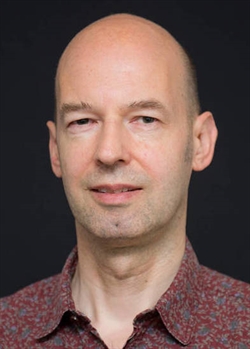
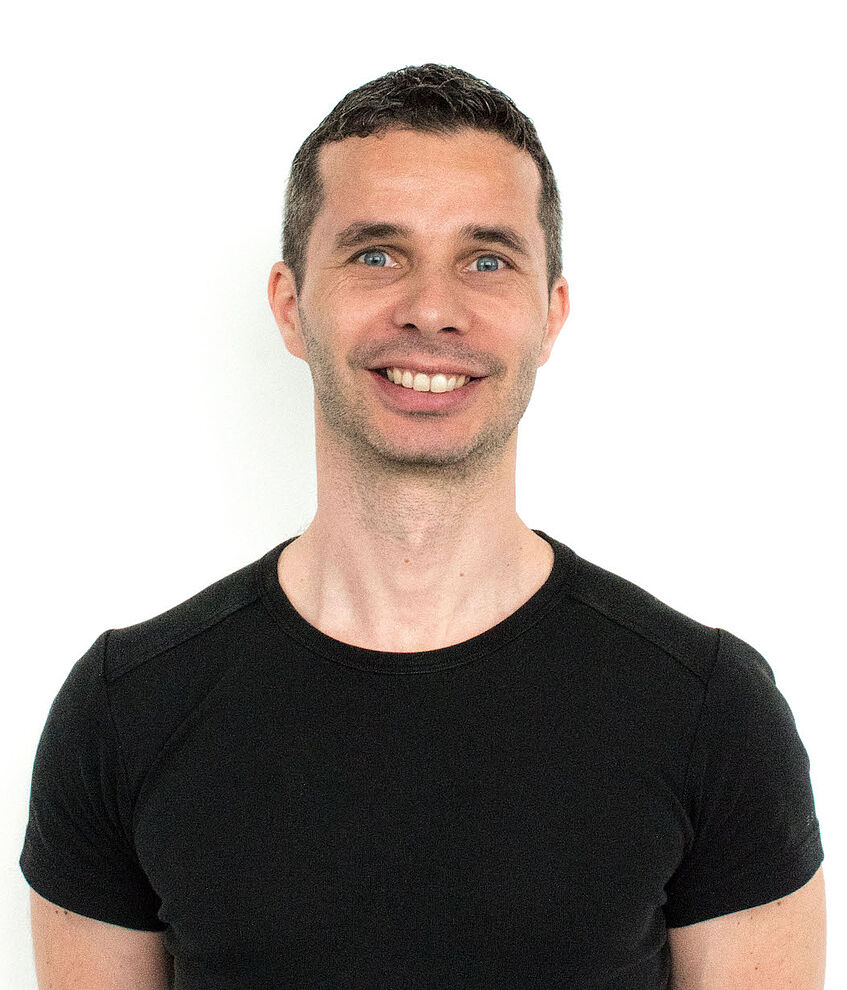
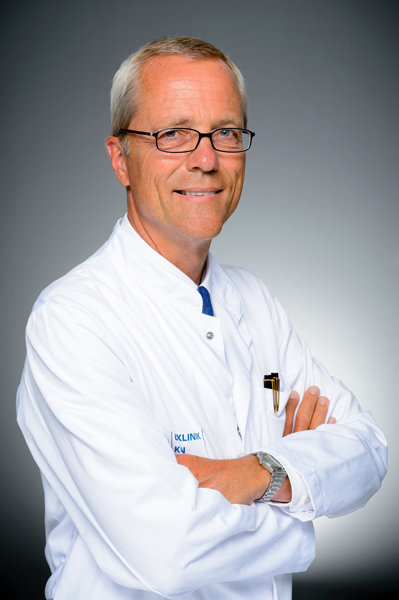
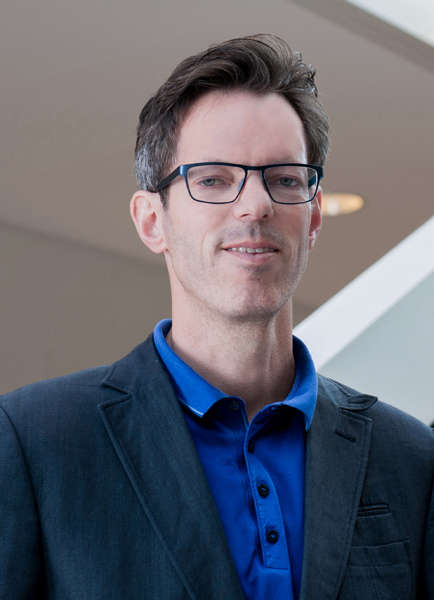
Erich Schröger is a Professor for Cognitive and Biological Psychology at the University of Leipzig , with a career spanning over three decades. His research intersects psychophysiology and cognitive neuroscience , focusing on attention, perception, memory, and auditory processing. Bakkalaureat in Philosophy (Hochschule für Philosophie München, 1982) Diplom in Psychology (LMU Munich, 1986) Dr. phil. in Psychology (LMU Munich, 1991) Habilitation in Psychology (LMU Munich, 1996) His research explores auditory cognitive neuroscience , including predictive processing, neural oscillations, and event-related brain potentials. He has pioneered studies on auditory scene analysis and the neural mechanisms underlying attentional control and memory encoding. Scientific awards include the Werner Heisenberg Medal (2022) and the Distinguished Scientific Award for an Early Career Contribution to Psychophysiology (1996) . He has also received the Reinhart-Koselleck Grant (DFG, 2009) and held leadership roles in the German Research Foundation (DFG) and the Alexander von Humboldt Foundation. Erich Schröger has served as an editor for Psychophysiology , International Journal of Psychophysiology , and Brain Research , advising over 70 journals and 38 scientific organizations. His work has been cited >24,000 times (Google Scholar h-index: 57).
Sven Bestmann is a Professor in Movement Neuroscience at University College London (UCL), holding a Chair since 2016. His work spans the integration of non-invasive brain stimulation (NIBS) with fMRI and Magnetoencephalography (MEG) , focusing on motor control , action selection , and stroke research. He pioneered computational neurostimulation to mechanistically predict NIBS outcomes and co-developed OP-MEG , a wearable neuroimaging technology. Education : PhD in Neurological Studies (2004) under Profs Jens Frahm and John Rothwell, joint UCL-University of Goettingen program Research Highlights : Combining NIBS with fMRI to target cortico-subcortical networks in humans Advancing laminar-resolved MEG for precise neurophysiological measurements Formulating mechanistic models of decision-making and therapeutic NIBS Scientific Awards : ERC Starter Grant (2011) BBSRC David Phillips Research Fellowship (2008) Leadership & Advocacy : Vice-Chair of the Young Academy of Europe (2015–2017) Co-founder of the BrainBox Initiative , promoting innovation in brain stimulation Technological Impact : His OP-MEG work enables neuroimaging during natural movement, transforming human neurophysiology research.
Bastiaan Bloem is Professor of Movement Disorder Neurology at Radboud University Medical Center's Department of Neurology in Nijmegen, The Netherlands. He serves as Secretary-elect of the International Parkinson and Movement Disorder Society and member of the Michael J Fox Foundation's Executive Advisory Board. Founder of both the Parkinson Centre Nijmegen (ParC) and nationwide ParkinsonNet healthcare network, his work integrates clinical practice with systemic innovation. Education: Medical Degree, Leiden University Medical Centre (1993, with honors) PhD (1994) Movement Disorders Fellowship, The Parkinson's Institute, California Clinical Fellowship, MRC Human Movement Unit, Queen Square, London (2000-2001) His research centers on cerebral compensatory mechanisms for gait/balance in Parkinson's disease and healthcare innovation for patient-centered collaborative care. The ParkinsonNet model—connecting 70 Dutch professional networks—demonstrates evidence-based quality improvement with significant cost reduction. He emphasizes clinical observations in single patients as valuable research contributions. With over 675 publications (510+ peer-reviewed), his scholarly output reveals consistent focus on movement disorder mechanisms and care delivery systems. Key trends include freezing of gait pathophysiology, cerebral compensation strategies, and scalable healthcare innovations. His work bridges clinical neurology, rehabilitation science, and health policy with exceptional translational impact. Scientific Awards: Hippocrates Prize (1992) National Healthcare Hero (2011) Citizen of Year for Nijmegen (2012) Value Based Health Care Award (2015) Koninklijke Hollandsche Maatschappij der Wetenschappen membership (2018) Tom Isaacs Memorial Award (2018) His ParkinsonNet initiative has secured recognition as a national center of excellence since 2005 and attracted major funding through awards like the Value Based Health Care Prize. As former ZonMw board member (2009-2017) and current Michael J Fox Foundation advisor, he shapes research priorities in movement disorders. The IMPACT trial demonstrates his commitment to evidence-based multidisciplinary care models. He directs the Parkinson Centre Nijmegen (ParC) and leads Radboudumc's 'Disorders of Movement' research theme. ParkinsonNet—his signature innovation—operates as a nationwide network of 70 specialized professional teams covering all Netherlands. His laboratory environment emphasizes translational research connecting basic gait mechanics with real-world care delivery.
Ole Kiehn is a distinguished Professor in Integrative Neuroscience at the Department of Neuroscience, University of Copenhagen, and Professor in Neuroscience at Karolinska Institutet, Sweden. His career spans over three decades with significant contributions to understanding the neural basis of movement. He leads the Kiehn Lab which focuses on the molecular, cellular, and network organization of locomotor circuits in mammals. Education: 2002: Docent, Karolinska Institutet, Sweden 1990: Doctor of Science from University of Copenhagen, Denmark 1985: M.D. from University of Copenhagen, Denmark Kiehn's research centers on cellular and systems neurophysiology applied to the motor system, with particular focus on elucidating the networks underlying locomotion in rodents. His work bridges the gap between neuronal circuit organization and behavior, investigating how spinal locomotor circuits are activated and controlled by descending command signals. Recent work has focused on the functional organization of key neuronal elements for limbed locomotion in mammals: rhythm generation, coordination of flexors and extensors, and left/right coordination. His research has strong translational potential for developing therapies for movement disorders caused by trauma or disease. Analysis of Kiehn's recent publications reveals consistent focus on the neural circuitry controlling locomotion. His work spans multiple levels of analysis from molecular and cellular mechanisms to systems-level organization of motor circuits. A significant theme is the modular organization of locomotor networks, with studies examining specific neuronal populations that control different aspects of movement. His research increasingly integrates advanced techniques like optogenetics, chemogenetics, and transcriptomics to dissect the complex neural circuits underlying movement. Scientific Awards: 2024: Novo Nordic Foundation's Laureate program award 2022: The Brain Prize 2021: Kirsten and Freddy Johansen's preclinical prize 2019: Lundbeck Foundation's Professorship award 2017: Novo Nordic Foundation's Laureate program award 2015: European Research Council Advanced Grant 2014: Member of the European Molecular Biology Organization (EMBO) 2012: Member of The Royal Swedish Academy of Sciences Kiehn has supervised over 10 PhD students and more than 25 postdocs throughout his career. His research has been supported by numerous prestigious grants including multiple European Research Council Advanced Grants, Novo Nordisk Foundation Laureate grants, and Lundbeck Foundation Professorship grants. He has served in leadership roles including as Vice Chair of Research at the Department of Neuroscience, UCPH, and as President Elect for the Federation of European Neuroscience Societies (FENS). The Kiehn Lab, located at the University of Copenhagen, is a leading center for research on locomotor circuitry. The lab employs a broad experimental repertoire including production of transgenic mouse lines, genetically driven tracing, mRNA sequencing, in vitro and in vivo electrophysiology, optogenetics, and advanced behavioral analyses. Current research focuses on understanding the molecular, cellular, and network diversification of locomotor circuitries in mammals, with applications to movement disorders and spinal cord injury.
Sonja Kotz is a Professor and Chair in Neuropsychology and Translational Cognitive Neuroscience at Maastricht University's Faculty of Psychology and Neuroscience. She also leads the Department of Neuropsychology & Psychopharmacology. Her career includes roles as a Research Professor at the Max Planck Institute for Human Cognitive and Brain Sciences (1996-2016), Head of Department at the University of Manchester (2013-2015), and academic leadership across Europe and the US. She holds honorary professorships at Universities of Lisbon, Leipzig, and Manchester. Education: Habilitation in Psychology (Leipzig University, 2006), PhD in Psychology (Tufts University, 1996), and MA equivalent in Psycholinguistics (Tübingen University, 1986). Her research focuses on neuroimaging integration, cognitive/affective neuroscience, and translational approaches to brain-rhythm interactions. Research interests emphasize rhythm processing across species, auditory-motor coupling, and body-brain dynamics. Recent work explores temporal regularity perception in macaques and humans, multisensory speech integration, and clinical applications of resting-state EEG analysis. Awards include the Max Planck Minerva Award (2007-2012) and MERA-ILCB Fellowship (2024). Professional roles include presidency of the Society for Neurobiology of Language (2019-2020) and the European Society for Cognitive and Affective Neuroscience (2014-2018). She leads the BAND-Lab (Brain, Auditory Neuroscience, and Development) and sits on editorial boards of NeuroImage , Cortex , and Frontiers journals. Current projects involve cross-species synchronization studies and translational cognitive neuroscience.
Ardi Roelofs is a Full Professor at the School of Psychology at Radboud University, Nijmegen, the Netherlands, where he has held this position since 2013. He is also a Principal Investigator at the Centre for Cognition of the Donders Institute for Brain, Cognition and Behaviour, and a Research Associate of the Max Planck Institute for Psycholinguistics in Nijmegen. His academic career spans over three decades, with previous positions including Associate Professor at Radboud University (2009-2013), Senior researcher at Nijmegen Institute for Cognition and Information, and various roles at the Max Planck Institute for Psycholinguistics. Roelofs earned his Bachelor's, Master's, and PhD degrees (all with highest distinction) in Experimental Psychology from Radboud University. Following a postdoctoral year at MIT's Department of Brain and Cognitive Sciences (1992-1993), he held positions at the Max Planck Institute for Psycholinguistics and the University of Exeter before returning to Radboud University. His research focuses on the neurocognitive mechanisms of language and its relationship with other cognitive abilities, particularly attention. Roelofs leads the Attention and Language Performance laboratory , which examines basic language performance including word production, comprehension, repetition, and reading. His work spans healthy bilingual adults, typically developing children, children with language impairment, and adults with aphasia due to stroke or neurodegenerative disease. A central aspect of his research involves computational modeling, particularly through the WEAVER++ model and its neurocognitive extension WEAVER++/ARC, which synthesizes behavioral psycholinguistic, functional neuroimaging, tractographic, and aphasiological evidence. Analysis of Roelofs' 15 most recent publications reveals a strong focus on the intersection of language production, cognitive control, and attentional mechanisms. His work spans theoretical modeling, electrophysiological studies, clinical applications for aphasia, and developmental aspects of language processing. A consistent theme is the examination of how attentional processes influence language production across different populations and contexts, with significant contributions to understanding bilingual language control, semantic interference effects, and executive functions in speech production. 2003 VICI grant: Flagship grant from Netherlands Organisation for Scientific Research (NWO), awarded to top 10% of researchers 1993 Erasmus Prize for dissertation "Lemma Retrieval in Speaking: A theory, computer simulations, and empirical data" 1992 NWO TALENT grant for postdoctoral fellowship at MIT Multiple cum laude distinctions for all academic degrees (BSc, MSc, PhD) Roelofs has coordinated numerous research projects, including the NWO VICI project "Goal-referenced control of verbal and nonverbal actions" (2004-2009) and multiple PhD projects under the NWO "Language in Interaction" consortium. He served as Director of the Master of Cognitive Neuroscience Program at Radboud University from 2013-2018. His laboratory, the Attention and Language Performance laboratory, collaborates with several institutions including the Max Planck Institute for Psycholinguistics, Royal Dutch Kentalis, the Radboudumc Alzheimer Centre and Parkinson Centre, and the Sint Maartenskliniek. Notable outputs from his lab include the screening test SYDBAT-NL and therapy app SimpTell for aphasia. Since 2019, Roelofs has been gradually reducing his teaching and research activities due to incurable cancer, though he continues to contribute to the field.
Steven Laureys is a Belgian-Canadian neurologist and neuroscientist holding the Canada Excellence Research Chair in Neuroplasticity at the CERVO Brain Centre (Laval University, Canada) since 2024. He also maintains positions as Professor at Laval University's Faculty of Medicine and Research Director at the Belgian National Fund for Scientific Research (FNRS). A pioneer in consciousness studies, Laureys established the Coma Science Group (2006) and GIGA Consciousness Unit (2014) at the University of Liège, Belgium, before co-founding the Hangzhou International Consciousness Institute (2015) and BRAIN-NM Neuromodulation Clinics (2023). MD, PhD, Vrije Universiteit Brussel (1993) M.Sc. in Pharmaceutical Sciences, VU Brussels (1998) PhD in Neurology of Consciousness, University of Liège (2000) His research focuses on clinical and cognitive neuroscience , particularly disorders of consciousness (coma, vegetative states, locked-in syndrome), neuroplasticity, and neuromodulation therapies. Using multimodal neuroimaging (PET, fMRI, EEG), he investigates brain dynamics during anesthesia, sleep, and meditation while developing novel diagnostic tools and rehabilitation strategies for brain-injured patients. Scientific Trends across his 450+ publications reveal extensive work on EEG microstate analysis (2025), thalamic firing patterns (2025), and neurostimulation techniques (taVNS, tDCS) for consciousness disorders. His team's 2024-2025 studies emphasize AI-driven consciousness mechanisms, cross-cultural end-of-life decision-making, and z-drug paradoxical effects. Scientific Recognition includes: 2004 - ASSC William James Prize 2017 - Francqui Prize (Belgium's highest scientific honor) 2024 - Canada Excellence Research Chair ($32M award) 2024 - Health 2.0 Outstanding Leadership Award As Editor-in-Chief of Brain Connectivity (2024), he advances interdisciplinary dialogue between neuroimaging, neurology, and computational science. His translational work bridges basic neuroscience with clinical applications, including co-founding international neuromodulation clinics and leading multicenter trials in traumatic brain injury rehabilitation.
Peter Gröpel is a Professor at the University of Vienna with affiliations in the Center for Sports Science and University Sports and the Institute of Sport and Exercise Science . His work bridges sport psychology, performance optimization under pressure, and health-related behavioral interventions. Education: Habilitation (Technical University of Munich, 2018), PhD (University of Trnava, 2007), Dr. rer. nat. (University of Osnabrück, 2005) Dr. Gröpel's research focuses on self-regulation mechanisms in high-stress environments, motivation dynamics , and well-being optimization across sports, medical emergencies, and workplace settings. His publications demonstrate expertise in eye-tracking analysis and performance metrics for critical interventions. Recent publications cluster around stress mitigation in medical simulations, cognitive interventions for musicians and athletes, and exercise-based cognitive enhancement in youth populations. Collaborative work with Yale and Medical University of Vienna highlights cross-institutional research efforts. Scientific Awards: 2019 – Dual Research Prizes (Pediatrics) from Society for Neonatology and Society for Simulation in Healthcare 2012 – Poster Award (European Conference on Personality) Dr. Gröpel has secured multiple grants including Erasmus Sport funding (2025-2026) and Austrian Research Promotion Agency support (2021-2022). His professional activities include postgraduate program lecturing and leadership roles in sports psychology community initiatives.
Gereon Fink is a distinguished Professor of Neurology at the Medical Faculty of the University of Cologne, serving as Head of the Department of Neurology at University Hospital Cologne since 2006. He concurrently directs the Institute of Neuroscience and Medicine, Cognitive Neuroscience (INM-3) at Research Centre Jülich since 2005. His leadership extends to being Dean of the Medical Faculty at the University of Cologne (2019-present) and a member of the Senate of the Deutsche Forschungsgemeinschaft (DFG) since 2017. Dr. Fink earned his medical degree from the University of Cologne in 1989, followed by formative research experiences: Research Fellow at Max-Planck Institute of Neurological Research, Cologne Otto-Hahn Award recipient (1992) enabling research with Prof. Richard Frackowiak at MRC Cyclotron Unit, London Research Fellow with Prof. Ray Dolan at Institute of Neurology, Queen Square, London (1995-1997) Board Certification in 1998 and habilitation in Düsseldorf A pioneering clinician-scientist, Dr. Fink's research revolutionized understanding of stroke recovery by demonstrating that neurological deficits stem not only from lesions but also from dysfunction in remote brain regions. His work established that these network disturbances can be addressed through neuromodulatory techniques like transcranial magnetic stimulation, significantly advancing knowledge of cerebral plasticity. His research spans cognitive neurology, stroke rehabilitation, higher cognition, and brain connectivity, maintaining a strong translational focus that bridges laboratory discoveries with clinical applications. His teams at University Hospital Cologne and Research Centre Jülich have produced groundbreaking insights into neural network architecture and recovery mechanisms. Analysis of Dr. Fink's publication record reveals consistent leadership in brain connectivity research across neurological conditions. His work demonstrates an evolving trajectory from fundamental cognitive processes (as seen in his 1996 Nature paper on visual attention) to sophisticated network approaches in stroke, Alzheimer's, and Parkinson's disease. The consistent publication in premier journals like Nature, Science, and Brain underscores his research's high impact and methodological rigor, with particular emphasis on translational applications of connectivity findings. Dr. Fink's exceptional contributions have been recognized with numerous prestigious awards: Max-Delbrück-Prize, University of Cologne (2015) Neurorehabilitation Award of the Fürst Donnersmarck Foundation (2009) Pette-Award of the German Neurological Society (2004) Science Award Northrhine-Westfalia (2003) Otto-Hahn Award of the Max-Planck-Society (1992) His leadership extends to professional societies as former President of both the German Neurological Society (2017-2018) and German Society for Clinical Neurophysiology (2011-2012). As principal investigator, Dr. Fink has secured substantial research funding, directing the Collaborative Research Centre 1451 since 2021 and previously leading DFG Clinical Research Groups KFO 219 (2010-2016) and KFO 112 (2002-2006). His Google Scholar metrics (h-index 129, 73,876 citations as of 2021) reflect his significant scholarly impact. His research teams at Research Centre Jülich and University Hospital Cologne maintain an integrated approach that combines advanced neuroimaging with clinical neurology to develop novel therapeutic approaches for neurological disorders. Dr. Fink's laboratories represent a unique integration of clinical and research environments, where findings from basic neuroscience directly inform patient care. His teams specialize in functional neuroimaging, network analysis, and neuromodulation techniques, creating a comprehensive pipeline from discovery to therapeutic application. This translational ecosystem has established Cologne as a leading center for cognitive neurology and stroke rehabilitation research in Europe.
Harold Bekkering is a Professor of Cognitive Psychology at Radboud University Nijmegen and a Principal Investigator at the Donders Centre for Cognition and the Donders Institute for Brain, Cognition and Behaviour. He has held visiting positions at Harvard University and previously worked at the University of Groningen, the Max Planck Institute, and Washington University. His research bridges neuroscience, robotics, artificial intelligence, and psychology. Education: Ph.D. from University of Maastricht (1994) Research interests focus on human learning mechanisms, particularly the interplay between social interactions , motivation , and memory systems . Key areas include: Social Interaction: Cognitive processes enabling coordinated agent interactions Embodied Cognition: Impact of sensorimotor experiences on language and number processing Intention and Action: Influence of motives and conceptual knowledge on sensorimotor control His work employs EEG, fMRI, TMS and contributes to social robotics and neuro-education . Recent publications emphasize predictive coding and action understanding . Scientific awards include: VICI grant (2005) TOP grant (2012) Gravitation Award (2012) Election to the Royal Netherlands Academy of Arts and Sciences (2016) Grants include €27M for the Language in Interaction program and €6M for Joint Action System Technology. He also contributes to education policy and pedagogical innovation through advisory roles.
Marina Bentivoglio is a Full Professor of Histology at the University of Verona's Medical Faculty since 1994 and serves as Director of the Doctoral School of 'Science Engineering Medicine' (2010-present). Her career spans neuroscience, neuroinflammation, and neuroimmunology with significant contributions to understanding neural-immune interactions and brain aging. Education: M.D. (1974, summa cum laude, Catholic University of Rome); Board in Neurology (1978, University of Rome) Her research focuses on diencephalic circuit organization, neuroinflammatory signaling, and molecular mechanisms of neurological disorders, with historical insights into neuroscience developments. Publications reveal expertise in neurodegenerative diseases, CNS infections, and imaging techniques. Scientific honors include the Camillo Golgi Prize (1983), SINS Prize (1985), Beaumont-Bonelli Fellowship (1994-1996), and memberships in prestigious academies: Instituto Lombardo (2007+), Academy of Sciences of Bologna (2008+), and Academia Europaea (2009+).
Arnaud Echard serves as CNRS Research Director 1st class and Head of the Membrane Traffic and Cell Division Laboratory at Institut Pasteur, Paris, while holding a Full Professor position at École Polytechnique since 2018. His leadership extends to major scientific bodies including the Scientific Council of Institut Pasteur (President 2021-2023) and the French Society for Cell Biology (President 2015-2018). His research focuses on the molecular mechanisms of cell division, particularly cytokinesis, membrane trafficking, and cytoskeleton dynamics. Key discoveries include the role of Rab GTPases in cytokinesis, ESCRT machinery function, actin oxidation control in abscission, and membrane remodeling processes. His work bridges fundamental cell biology with implications for viral restriction and developmental disorders. Echard's publication record demonstrates consistent contributions to high-impact journals including Nature Communications, Science Advances, and Current Biology, with recurring themes in membrane-cytoskeleton interactions during cell division. His research shows evolutionary conservation of division mechanisms across model systems. Gustave Roussy Prize from French Academy of Sciences (2018) Georges Zermati Prize from Foundation of France (2017) IXCore foundation Prize (2016) Dr. ST Huang-Chan Memorial medal, University of Hong-Kong (2015) 3 CNRS Excellence Awards (2012-2023) As educator, he has taught Molecular Biology and Physics of Membranes courses at École Polytechnique for 250+ students annually since 2006. His academic service includes editorial roles for Cells & Development and Biology of the Cell, plus scientific advisory positions at the Institute for Integrative Biology of the Cell and Institut Curie.
Yeongmi Kim is a Professor at MCI Management Center Innsbruck, Austria, specializing in rehabilitation engineering, medical robotics, and haptics. Her work focuses on developing assistive technologies for neurological rehabilitation, sensory-motor training, and surgical training systems. She has led multiple projects involving portable rehabilitation devices, haptic interfaces, and robotic systems for stroke survivors and individuals with visual impairments. Education: Advanced training in biomedical engineering and robotics, with postdoctoral research at ETH Zurich. Research Interests: Rehabilitation robotics for upper limb recovery Haptic feedback systems for medical training Assistive technologies for mobility-impaired individuals Her research trends emphasize low-cost, user-centric solutions for home-based rehabilitation and surgical training systems. Recent work includes solar-tracking robotics and wearable haptic devices for gait balance. Awards: Best Fellow Paper Award (Physiatry '24), IEEE WorldHaptics Best Poster Finalist (2017). Advising: Supervised 50+ theses on topics like robotic exoskeletons, VR training systems, and sensor integration for rehabilitation. Labs/Teams: Active in robotics and biomedical engineering groups at MCI, collaborating on EU-funded projects.
Helen Lindner is a Senior Lecturer in Occupational Therapy at Örebro University (Sweden), with academic qualifications including BSc Pharmacology (University College London), MSc Medical Informatics (University of London), BSc Occupational Therapy (Örebro University), and a PhD in Medical Sciences (Örebro University). She specializes in cognitive rehabilitation for patients with mild-to-severe cognitive impairments and conducts clinical work at Region Örebro County's Adult Habilitation Centre, focusing on autism spectrum disorders. Her primary research areas involve cognitive function analysis in individuals with multiple disabilities and the learning processes associated with multifunctional prosthetic hands. She employs eye-tracking technology and motion analysis to study attention, visuospatial skills, and cognitive load. Key collaborations include projects with Kobe Gakuin University (Japan), Harvard Medical School (USA), and the University of Cambridge (UK). Notable research contributions include studies on prosthetic hand usability, the ACMC assessment tool, and the integration of eye-tracking into clinical practice. Her work has been presented at global conferences such as the World Congress of Occupational Therapists (Paris, 2022) and the International Conference on Music Perception and Cognition (2021). Lindner coordinates a BSc course on occupational therapy for patients with cognitive/psychiatric/neurodevelopmental disorders and teaches pharmacology's role in occupational therapy interventions. She is affiliated with the WellCET research group focused on wellbeing promotion through care environments and technologies.
Gabriella Bottini is a Full Professor of Cognitive Neuroscience at the University of Pavia's Department of Brain and Behavioral Sciences and Director of the Cognitive Neuropsychology Center at ASST Grande Ospedale Metropolitano Niguarda in Milan. She serves as Delegate with responsibility for the University's Third Mission activities and coordinates the PhD program in 'Psychology, Neuroscience and Data Science' at the University of Pavia. Her research focuses on neuropsychological disorders associated with brain lesions and neurodegenerative diseases, with particular expertise in graceful ageing and dementia, cognition in drug resistant epilepsy, physiological and pathological body representation, human vestibular system, motor awareness, and neurolaw. Bottini pioneered groundbreaking work mapping central vestibular projections (published in Nature, 1995) and defining the anatomical bases of anosognosia for hemiplegia (published in Science, 2001), demonstrating that action awareness is implemented in the same network responsible for the primary function being monitored. Analysis of her recent publications reveals a consistent research trajectory examining body representation, interoception, and risk processing. Her work increasingly integrates cognitive neuroscience with clinical applications, particularly in epilepsy, dementia, and rehabilitation following stroke. She employs diverse methodologies including intracranial electrical stimulation, rTMS, and neuroimaging to investigate the neural correlates of consciousness and body awareness. Her scientific recognition includes: Coordinator of the Italian constituency of the International Neuropsychological Symposium (INS) Coordinator of the Scientific Advisory Board of Neuropsychology of Epilepsy study group of LICE President of the European Association for Neuroscience and Law (2016-2019) Member of multiple scientific advisory boards including NeuroMi and SINdem With over 170 peer-reviewed publications and an H-index of 36, Professor Bottini serves as a reviewer for numerous journals and funding agencies. She has been invited to speak at more than 200 national and international scientific meetings, including prestigious venues such as the Ecole Normale Supérieure in Paris and the University of Geneva. Her TEDx talk on the interplay between Neuroscience and Art demonstrates her commitment to science communication and interdisciplinary approaches. She leads the Cognitive Neuropsychology Center at Niguarda Hospital, where her team investigates the neural basis of body representation disorders and develops innovative approaches to rehabilitation following brain injury.