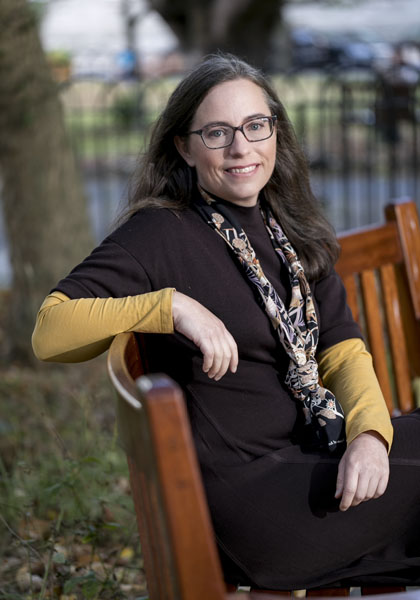
Mette Kalager is a Professor at the Department of Health Management and Health Economics within the Faculty of Medicine at the University of Oslo. Her research focuses on cancer epidemiology, colorectal cancer screening, and health economics, with extensive contributions to understanding overdiagnosis in cancer screening and optimizing colonoscopy practices. She maintains an active research program with numerous high-impact publications in leading medical journals. Her primary research interests center on cancer screening effectiveness, particularly in colorectal cancer prevention. Dr. Kalager's work explores the balance between benefits and harms of screening programs, with special attention to overdiagnosis and the development of risk prediction models. She has made significant contributions to understanding the relationship between adenoma detection rates and subsequent cancer risk, as well as the impact of artificial intelligence on colonoscopy quality. Her research portfolio demonstrates a consistent focus on evidence-based approaches to cancer prevention and healthcare decision making. Analysis of her recent publications reveals a strong emphasis on methodological approaches to evaluating cancer screening programs, with increasing integration of artificial intelligence applications in endoscopy. Her work spans epidemiological modeling, clinical trials, systematic reviews, and health policy analysis, consistently addressing critical questions about the effectiveness and efficiency of cancer prevention strategies. The research demonstrates a trajectory toward more personalized approaches to cancer screening based on individual risk assessment. Dr. Kalager leads or participates in multiple significant research projects including COLONIZE (focusing on Clostridioides difficile infection treatment), EPoS (European Polyp Surveillance), EndoBRAIN International, I-SCAN (Scandinavian study on IBD and cancer), NordICC (Nordic-European study on colorectal cancer prevention), and several others addressing gastrointestinal diseases, cancer risk, and healthcare interventions. Her collaborative approach is evident through extensive co-authorship with researchers across Europe and beyond.