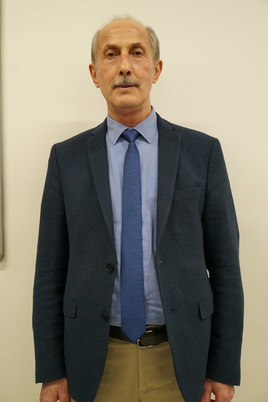
Ravi Dhar is the George Rogers Clark Professor at the Yale School of Management and holds an affiliated appointment as a Professor of Psychology at Yale University. He serves as Director of the Center for Customer Insights , focusing on consumer behavior, branding, and marketing strategy through psychological and economic frameworks. Ph.D. in Marketing, University of California at Berkeley (1992) MS, University of California at Berkeley (1990) MBA, Indian Institute of Management (1987) BTech, Indian Institute of Technology (1986) His research examines preference formation, self-regulation, and the interplay of conflicting goals in consumer decisions. Recent work explores sustainability, mobile commerce, and how guilt paradoxically enhances consumer pleasure. He has published over 50 articles and advised Fortune 100 companies across industries. Key trends in his publications include behavioral economics , eco-conscious consumption , and technology-mediated decisions . His studies address choice overload, goal systems, and the psychological drivers of indulgence versus self-control. Distinguished Scientific Contribution Award (Society for Consumer Psychology, 2012) Yale SOM Alumni Teaching Award (2012) William O'Dell Award Finalist (2004, 2008, 2012) AMA Doctoral Consortium Fellow (1991) Dhar consults firms on customer insights and has held visiting roles at HEC Paris , Erasmus University , and Stanford/NYU . He edits top journals like Journal of Consumer Research and Marketing Science , shaping academic and industry discourse.
Iona Cheng is a Professor in the Department of Epidemiology and Biostatistics at the University of California, San Francisco (UCSF), where she conducts groundbreaking research in cancer epidemiology. She serves as co-Investigator of the SEER Greater Bay Area Cancer Registry and is Principal Investigator of multiple NIH- and foundation-funded projects examining genetics, lifestyle factors, and neighborhood characteristics in relation to cancer risk. Dr. Cheng has developed an extensive research program focused on racial/ethnic differences in cancer risk and leads population-based cancer surveillance studies that document variations in cancer incidence and mortality patterns across diverse racial and ethnic groups. University of California, Davis, BS, 1990–1994, Physiology Yale University, MPH, 1999–2001, Chronic Disease Epidemiology University of Southern California, PhD, 2001–2005, Epidemiology University of California, San Francisco, Postdoc, 2006–2008, Genetic and Molecular Epidemiology Dr. Cheng's research spans multiple disciplines within cancer epidemiology, with particular emphasis on understanding how environmental exposures, genetic factors, and social determinants interact to influence cancer risk and outcomes across different racial and ethnic populations. Her work frequently examines the impact of air pollution, endocrine-disrupting chemicals, and neighborhood characteristics on cancer development and survival. She has made significant contributions to understanding cancer disparities among Asian American, Native Hawaiian, and Pacific Islander populations, bringing attention to the unique cancer risks and outcomes within these understudied groups. Her research often leverages the Multiethnic Cohort Study, one of the largest prospective studies of cancer incidence and mortality across diverse racial/ethnic populations. Analysis of Dr. Cheng's recent publications reveals a consistent focus on environmental and social determinants of cancer risk across multiple organ sites. Her work demonstrates a sophisticated integration of epidemiological methods with environmental exposure assessment, genetic analysis, and health disparities research. Many of her studies examine the intersection of environmental exposures and racial/ethnic disparities in cancer outcomes, particularly regarding breast cancer, lung cancer, and other malignancies. She has published extensively on the impact of air pollution on cancer risk and survival, as well as the effects of endocrine-disrupting chemicals like bisphenol A, parabens, and phthalates. American Association for Cancer Research Scholar-in-Training Award (2007) National Institutes of Health Loan Repayment Award (2007) National Institutes of Health Loan Repayment Renewal Award (2009) American Association for Cancer Research Faculty Scholar Award (2011) National Institutes of Health Loan Repayment Renewal Award (2011) National Institutes of Health Loan Repayment Renewal Award (2013) American Journal of Epidemiology/Society of Epidemiology Research Top 10 manuscripts (2014) Cancer Prevention Institute of California Mentoring Award (2015) American Society of Human Genetics Top poster As Principal Investigator of multiple NIH-funded projects, Dr. Cheng oversees substantial research grants focused on cancer epidemiology and health disparities. Her work often involves large interdisciplinary collaborations with researchers across multiple institutions, including the Multiethnic Cohort Study which follows over 200,000 participants from diverse racial/ethnic backgrounds. She has demonstrated leadership in mentoring junior researchers, particularly those from underrepresented backgrounds in science, as evidenced by her Cancer Prevention Institute of California Mentoring Award. Her research program integrates data from cancer registries, electronic health records, and geospatial information to provide comprehensive insights into cancer patterns and risk factors. Dr. Cheng's research is closely connected to the UCSF Helen Diller Family Comprehensive Cancer Center and leverages collaborations with Lawrence Berkeley National Laboratory, which provides advanced technological resources for cancer research. Her work benefits from access to extensive cohort data, sophisticated exposure assessment methods, and interdisciplinary expertise in genetics, environmental science, and computational biology available through these institutional partnerships. She frequently collaborates with researchers studying the genetic and environmental determinants of cancer across multiple organ systems, contributing to a more comprehensive understanding of cancer etiology and prevention strategies.
Gustavo Nader, Ph.D., is a Professor of Kinesiology at The Pennsylvania State University's College of Health and Human Development, where he holds the Dorothy Foehr Huck and J. Loyd Huck Endowed Chair in Molecular, Cellular and Integrative Physiology. His research laboratory at 101 Noll Lab focuses on molecular mechanisms of skeletal muscle adaptation, employing human, animal, and cellular models to investigate ribosome biogenesis, transcriptional regulation, and muscle growth control in contexts ranging from exercise hypertrophy to cancer cachexia. Dr. Nader's research examines fundamental processes including: Ribosome biogenesis and its role in muscle growth regulation Epigenetic control of RNA Polymerase I activity Molecular pathways in mechanical overload-induced hypertrophy Tumor-induced muscle wasting mechanisms Biomimicry approaches inspired by hibernator physiology His work spans exercise physiology, cancer biology, and environmental stress responses. Analysis of his 15 most recent publications (2015-2025) reveals predominant themes in muscle hypertrophy mechanisms, cancer cachexia pathophysiology, ribosomal function analysis, and environmental stress impacts on muscle. His work consistently integrates molecular techniques with physiological models across species. Notable scientific recognitions include: Dorothy Foehr Huck and J. Loyd Huck Chair appointment (2024) Huck Institutes Leadership Fellowship (2025-2026) Dr. Nader leads an active research team investigating muscle plasticity, with current projects funded through the Huck Institutes of the Life Sciences. He collaborates extensively through Penn State's Integrative and Biomedical Physiology graduate program and Center for Cellular Dynamics.
John Eastwood is a **Clinical Professor** affiliated with the **University of Sydney** (School of Public Health) and holds adjunct roles at UNSW Sydney and Griffith University. He specializes in **public health, child health policy, and integrated care**, with a focus on vulnerable populations. His current roles include Director of Community Paediatrics at Sydney Local Health District, Director of the Early Years Research Group, and leader of the Healthy Homes and Neighborhoods Integrated Care Initiative. **Education**: PhD, MBChB (Medicine), DCH (Diploma of Child Health), and multiple other credentials in public health and health management. **Research Interests** include: - Sector capacity building - Trans-generational health transmission - Integrated care models for children and families - Maternal and child health equity **Grants & Projects**: Secured $29M in government funding for initiatives like Aboriginal home visiting programs, perinatal coordination, and place-based interventions in disadvantaged communities. Recent work includes a $1.5M grant (2015-17) for integrated care for vulnerable families. **Professional Activities**: Executive member of the International Society for Social Paediatrics, chairs NSW Regional Committee of the Australasian Faculty of Public Health Medicine (AFPHM), and advises the WHO on child health. **Research Collaborations**: Leads the Sydney-based Early Years Research Group (affiliated with multiple universities) conducting projects such as EMR data linkage studies, refugee child longitudinal studies, and evaluations of integrated care programs.
Dr. Jannah Baker is a Research Fellow at the Sydney School of Public Health, University of Sydney. She holds a PhD in Statistics specializing in Bayesian spatiotemporal modelling of chronic diseases, alongside dual postgraduate diplomas in Public Health and Statistics. Her clinical background includes five years as a practicing physician. Her research focuses on cancer prevention (breast, endometrial, melanoma), spatiotemporal disease modeling, health economics, and clinical trial design. She has led projects on sepsis detection systems, diabetes management, and surgical outcomes analysis. Notable contributions include a seminal systematic review on fertility-sparing endometrial cancer treatments referenced in international guidelines. Jannah has attracted $6M+ in collaborative funding and oversees grants such as the 2023 NHMRC-funded ROADMAP trial and a Department of Health-funded study on pediatric sepsis management. Her work spans 50+ peer-reviewed articles across journals like Journal of Medical Internet Research and PLOS One . Professional activities include clinical trials statistics, health economics analysis, and implementation science lectures. She has mentored multiple research teams and maintains an ORCID profile (0000-0002-2208-6584).
Dr. Samuel Cheng is an Associate Professor at the Gallogly College of Engineering , University of Oklahoma , specializing in Electrical and Computer Engineering . He holds a Ph.D. in Electrical Engineering from Texas A&M University (2004), preceded by M.S. and M.Phil. degrees from the University of Hawaii and Hong Kong University of Science and Technology. Education: B.S. (University of Hong Kong, 1995), M.Phil. (HKUST, 1997), M.S. (University of Hawaii, 2000), Ph.D. (Texas A&M, 2004) Professional Experience: Senior Research Engineer at Advanced Digital Imaging Research (2004-2005), prior internships at Microsoft Asia and Panasonic Technologies His research focuses on Information Theory , Signal and Image Processing , and Pattern Recognition , with applications in remote sensing, urbanization analysis, and disaster monitoring. His publications span topics including urban impervious surface mapping , nighttime light analysis , and machine learning for environmental data . His work often integrates multi-source datasets (e.g., Landsat, LiDAR, social media) for spatiotemporal modeling. Technical Expertise: Spectral unmixing, machine learning, thermal remote sensing, GIS integration Key Applications: Power outage detection, vegetation-crime correlation, PM2.5 estimation, smart meter data fusion Dr. Cheng holds three US patents in digital watermarking and is affiliated with IEEE, Sigma Xi, and AAAS. His recent articles demonstrate a trend toward leveraging AI for remote sensing challenges and analyzing urbanization impacts on ecosystems.
Dr. Dominik Büeler is a Researcher at ETH Zurich's Institute for Atmospheric and Climate Science and staff member of the Center for Climate Systems Modeling (C2SM). His work bridges atmospheric dynamics with practical climate services, focusing on subseasonal prediction systems and their societal applications in Europe. Research Focus: Büeler's work centers on subseasonal-to-seasonal prediction, with emphasis on weather regime dynamics, extratropical cyclone behavior, and stratosphere-troposphere interactions. His research integrates large ensemble modeling, forecast verification, and climate impact assessment, particularly for European weather extremes. Recent projects examine heatwave mortality prediction, energy meteorology applications, and the role of moist processes in atmospheric blocking. Analysis of his publication record since 2021 reveals consistent advancement in subseasonal forecasting methodology, with growing emphasis on societal applications including public health (heat-related mortality) and energy sectors. His work increasingly connects fundamental atmospheric processes with operational forecasting systems, leveraging collaborations through the Subseasonal-to-Seasonal Prediction Project. Affiliations: Center for Climate Systems Modeling (C2SM) - Core Research Staff ETH Zurich Institute for Atmospheric and Climate Science MeteoSwiss Collaborator (Energy Meteorology) Büeler contributes to multidisciplinary teams developing climate services, with recent work supporting Swiss operational forecasting systems. His research group within C2SM focuses on improving subseasonal predictability through advanced diagnostics of model biases and atmospheric processes.
Dr. Daniel Carrión is an Assistant Professor of Epidemiology at the Yale School of Public Health, Department of Environmental Health Sciences. His work bridges climate science , energy transitions , and health equity , focusing on structural inequality’s role in exposure and health disparities. Education: PhD in Environmental Health Sciences (Columbia University, 2019); MPH in Environmental Health Sciences (New York Medical College, 2011); BA in Environmental Studies (Ithaca College, 2008). His research examines how home and neighborhood environments serve as intervention points for climate and health equity . Recent studies include modeling heat vulnerability in U.S. housing, geospatial analysis of lead water lines, and clean cooking interventions in Ghana. Articles span climate change , air pollution , and social determinants , with methodological focus on exposure science and case-crossover designs . Scientific honors include: Senior Fellow, Agents of Change in Environmental Justice (2022) Fellow, New York Academy of Medicine (2022) Senior Fellow, Environmental Leadership Program (2019) He contributes to community service as a member of the New York State Minority Health Council (2016–present) and the International Society for Environmental Epidemiology (2018–present). His work integrates satellite data , machine learning , and policy evaluation to address energy insecurity , racial segregation , and climate justice .
Melinda Yates, PhD, serves as Associate Professor in the Department of Pathology and Laboratory Medicine at the UNC School of Medicine, University of North Carolina at Chapel Hill. She is a UNC Lineberger Comprehensive Cancer Center member and holds leadership roles including Program Director for the Graduate Certificate in Women’s Health, Research Associate Director for the Graduate Program in Translational Medicine, and Faculty Advisor for the Women’s Health Multidisciplinary Consortium. Her research focuses on endometrial cancer—an understudied disease with rising incidence and mortality—investigating earliest molecular changes during cancer development related to obesity and hereditary DNA mismatch repair defects (Lynch syndrome). The Yates lab employs preclinical tools including rodent models, organoids, novel cell lines, and spatial biology platforms to study endometrial premalignancy in clinical specimens. Their work aims to define mechanisms by which environmental factors (obesity, hormones, social determinants of health) influence cancer development and disparities. Dr. Yates' research program ultimately targets cancer interception through pharmacologic agents to prevent, block, or reverse endometrial cancer development and improve women's health outcomes. Key focus areas include molecular therapeutics for cancer prevention and translational applications of spatial biology. Her notable recognitions include: President’s Faculty Excellence Award in Cancer Prevention or Outreach (MD Anderson Cancer Center, 2022) Faculty Recognition Award (UT MD Anderson/UTHealth Graduate School, 2022) Faculty Educator of the Quarter (UT MD Anderson Cancer Center, 2020) Faculty Recognition Award (UT MD Anderson/UTHealth Graduate School, 2019) As Program Director for the Graduate Certificate in Women’s Health and Research Associate Director for the Translational Medicine Graduate Program, she shapes educational initiatives while leading the Women’s Health Multidisciplinary Consortium to advance interdisciplinary collaboration. Her lab maintains extensive preclinical resources including specialized rodent models and organoid systems for endometrial cancer research.
Pamela Y. Collins is a Bloomberg Centennial Professor and Chair of the Department of Mental Health at the Johns Hopkins Bloomberg School of Public Health. She holds an affiliate professorship at the University of Washington's Department of Psychiatry and Behavioral Sciences. Her work bridges global mental health, HIV care, and stigma reduction. She leads initiatives in low-resource settings, including integrating mental health into HIV programs and developing scalable interventions like the WHO-UNICEF EQUIP initiative. Her research focuses on marginalized populations, including adolescents in urban environments and communities affected by conflict. Education: MD from Cornell University Medical College (1991), MPH from Columbia University (1997), BA from Purdue University (1986). She has held leadership roles at the National Institute of Mental Health (NIMH) and global health organizations like I-TECH. She chairs the American Psychiatric Association’s Council on International Psychiatry and co-chairs the Connecting Climate Minds initiative. Research Interests: Global mental health systems, HIV/mental health integration, stigma reduction, adolescent mental health in urban contexts, and culturally adapted interventions. She pioneered studies on mHealth in Ghana’s prayer camps and co-led the MindKind study on youth data governance. Awards: Over 20 honors including the NIH Merit Award, NIMH Director’s Awards, and the Jeanne Spurlock Minority Fellowship. Her work emphasizes equity and capacity-building in global health. Grants/Advising: Principal investigator on NIH-funded projects like the Kenya adolescent HIV-mental health trial and co-investigator on Ghana’s mHealth/nurse intervention. She advises on climate change and mental health linkages through her role with the Lancet Commission on Adolescent Health. Labs/Teams: Leads the Johns Hopkins Mental Health Department’s global initiatives, collaborating with WHO, UNICEF, and institutions in Kenya, Ghana, and India. Her teams include interdisciplinary experts in implementation science and digital health.
Dr. Robert French is a Senior Research Fellow at Cardiff University's School of Social Sciences. His work focuses on the intersection of health, education, and social policy, with a particular emphasis on data linkage methodologies to address disparities in healthcare and educational outcomes. He leads projects such as the ADR UK-funded initiative to establish frameworks for linking child health and education datasets in England and Wales. Key research interests include educational attainment dynamics, health inequalities among LGBTQ+ populations, and the impact of chronic conditions like diabetes on academic performance. His recent work explores factors influencing Special Educational Needs identification in Wales and the long-term outcomes of Graves' disease therapies. French's publications span epidemiology, public health, and social sciences, with methodological expertise in multilevel modeling and data integration. He collaborates with institutions like NHS Digital, the Royal College of Paediatrics and Child Health, and universities across Europe to advance evidence-based policymaking. His current projects include analyzing prescribing costs for diabetes treatments in Wales and examining cardiovascular risks linked to Graves' disease. French is also involved in public engagement, including workshops with Diabetes UK to inform ethical data usage frameworks. He holds leadership roles in multidisciplinary research teams and has secured grants from ADR UK and Wellcome Trust. His office is located at the University Hospital of Wales, Cardiff, reflecting his clinical and academic collaborations.
Elliott Green is a Professor of Development Studies at the London School of Economics (LSE), where he holds a joint appointment in the Department of International Development. He earned a BA from Princeton University and an MSc and PhD from LSE, focusing on nationalism, ethnicity, and African development. His research integrates political science, economics, and sociology, with a focus on ethnic politics, African development trajectories, and national identity formation. Key areas include the political demography of modern Africa, patronage systems, and the impact of industrialization on ethnic assimilation. Green is the author of Industrialization and Assimilation: Understanding Ethnic Change in the Modern World (Cambridge University Press, 2022), which explores how industrialization reshapes ethnic identities. His work has appeared in top journals like the British Journal of Political Science , World Development , and Journal of Development Studies . He currently co-directs the MSc Development Management program and teaches the course 'Democracy and Development' at LSE. His research spans Sub-Saharan Africa, with fieldwork in Uganda, Tanzania, and Botswana. Notable contributions include analyzing ethno-regional favoritism in public goods provision and the role of urbanization in identity transformation. Green serves on editorial boards of prestigious journals and is active in professional organizations like the American Political Science Association. His recent work emphasizes the intersection of demographic trends, political systems, and long-term development outcomes. In addition to academia, Green contributes to public discourse through op-eds and media commentary on issues like immigration, nationalism, and global development challenges. His interdisciplinary approach bridges theoretical scholarship with real-world policy implications, making him a leading voice in African studies and development research.
Edward R. Morrison is the Charles Evans Gerber Professor of Law at Columbia University's Columbia Law School, where he has been a full-time faculty member since 2003. His academic rank is Professor, specializing in corporate finance, bankruptcy law, and law and economics. He holds a Ph.D. in economics (University of Chicago, 2003), J.D. (University of Chicago Law School, 2000), M.A. in economics (University of Chicago, 1997), and B.S. (University of Utah, 1994). Morrison’s research focuses on corporate reorganization, consumer bankruptcy, and systemic market risk regulation. Notable work includes studies on racial disparities in Chapter 13 filings, valuation disputes in bankruptcies, and the link between financial distress and mortality. He co-edits the Journal of Legal Studies and directs Columbia’s Executive LL.M. Program. His teaching portfolio includes Contracts, Bankruptcy Law, and Corporate Finance. He co-directs the Richard Paul Richman Center for Business, Law, and Public Policy. Awards include the Willis L.M. Reese Prize (2018) for teaching excellence and the John Wesley Steen Law Review Writing Prize (2012). Morrison’s work is supported by the National Science Foundation and Pew Charitable Trusts. He previously served as Paul H. and Theo Leffmann Professor of Commercial Law at the University of Chicago (2013–2014) and has held roles on the Supreme Court’s Advisory Committee on Bankruptcy Rules and as associate editor of the American Law & Economics Review .
Nezir KÖSE is a Professor and currently serves as the Dean of the Faculty of Economics and Administrative Sciences at Beykent University. He has previously held academic positions at Istanbul Gelişim University and Gazi University, where he advanced from Research Assistant to full Professor. His academic career spans over three decades, with continuous contributions in teaching, research, and administrative leadership. Beykent University – Faculty of Economics and Administrative Sciences (2020–Present) Istanbul Gelişim University – Faculty of Economics, Administrative and Social Sciences (2017–2020) Gazi University – Faculty of Economics and Administrative Sciences (1990–2017) Education: Doctorate, Institute of Social Sciences, Gazi University (1992–1998) Degree, Faculty of Economics and Administrative Sciences, Gazi University (1990–1992) Licence, Faculty of Science, Gazi University (1985–1989) His primary research interests include Econometrics , Macroeconomics , Financial Economics , Time Series Analysis , and Energy and Environmental Economics . He has made significant contributions to the analysis of inflation, exchange rate volatility, foreign direct investment, oil price impacts, and financial stability, with a regional focus on Turkey and emerging markets. His recent publications (2023–2025) reflect a dynamic research agenda involving cryptocurrency markets , climate change economics , machine learning applications , and nonlinear macroeconomic modeling . His work frequently employs advanced econometric techniques such as panel data analysis, VAR/SVAR models, GARCH models, and time-varying parameter estimation. Scientific Awards: No awards mentioned in the provided text. Nezir KÖSE has supervised numerous graduate students, including PhD candidates who have completed theses on topics such as foreign direct investment, financial stability, oil price effects, and inflation uncertainty. He has also contributed to academic grants and collaborative research projects, particularly in energy and financial economics. He teaches core courses including Econometrics I & II , Time Series Analysis , and Nonparametric Statistics , demonstrating a strong commitment to pedagogy. He has authored several textbooks in econometrics and statistics, enhancing educational resources in Turkish academia. There is no indication of lab or team leadership, but his collaborative publications suggest active participation in research groups.
Mariam Zachariah serves as a Research Fellow at the Centre for Environmental Policy within the Faculty of Natural Sciences at Imperial College London. She is a core contributor to World Weather Attribution (WWA), an international scientific collaboration conducting rapid climate change attribution analyses for extreme weather events globally. Her work bridges climate science, vulnerability assessment, and policy-relevant research. Her educational foundation includes a PhD from the Indian Institute of Technology Bombay (IITB), where she investigated climate impacts on Indian agriculture. This research focused on drought and extreme temperature effects on crop yields in major agrarian regions, recognizing agriculture's critical role in India's climate-vulnerable economy. Zachariah's research centers on near-real-time attribution of extreme events to quantify human-induced climate change influences. Her expertise spans climate modeling, statistical analysis of extreme weather, and integrating vulnerability frameworks to assess compound impacts on communities. She examines how climate change interacts with socioeconomic factors to exacerbate disasters, particularly in agricultural systems and flood-prone regions worldwide. Analysis of her recent publications reveals a dominant focus on rapid attribution of droughts, floods, and heatwaves across diverse global contexts - from the Horn of Africa to Central Europe and South America. These studies consistently demonstrate climate change as a significant amplifier of event severity, while emphasizing how pre-existing vulnerabilities determine actual impacts. Her work increasingly addresses compound hazards and the intersection of climate change with infrastructure failures and land management. As a key member of the World Weather Attribution initiative, Zachariah collaborates with climate scientists, social scientists, and vulnerability experts in a unique operational framework that delivers scientific assessments within days of extreme events. This work directly informs policymakers, media, and affected communities about climate change's role in contemporary disasters.