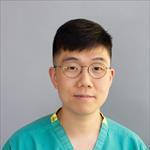
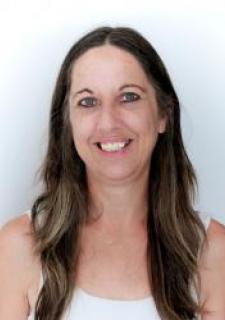
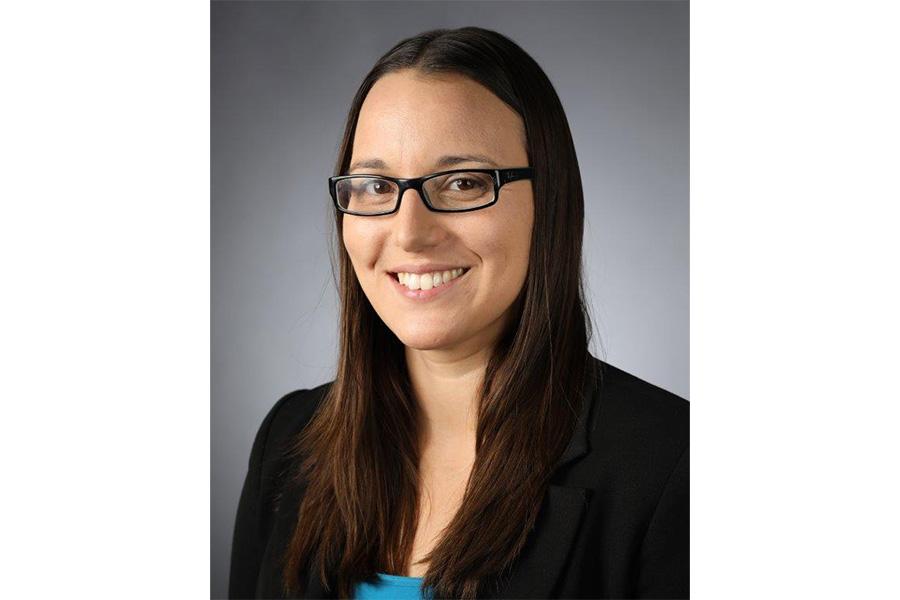
Anthal Smits is an Associate Professor at the Department of Biomedical Engineering , Eindhoven University of Technology, leading the ImmunoRegeneration Group . His research focuses on immunomodulation for in situ tissue regeneration, particularly in cardiovascular applications such as heart valves and blood vessels. He is affiliated with the Institute for Complex Molecular Systems (ICMS) and actively contributes to international consortia like NWO Gravitation and NWO Summit . BSc & MSc in Biomedical Engineering, TU/e (2004, 2008) PhD in Biomedical Engineering, TU/e (2014) under Prof. Frank Baaijens His interdisciplinary work bridges tissue engineering , mechanobiology , immunology , and materials science , with recent articles emphasizing biomaterial standardization , calcification mechanisms , and macrophage dynamics . A 2021 ERC Starting Grant supports his macrophage mechanobiology research. Editorial Board: Tissue Engineering Parts A, B, C , Frontiers in Cardiovascular Medicine Professional Affiliations: NBTE , TERMIS EU Chapter , Heart Valve Society
Ujjwal Neogi is a Senior Lecturer and Docent at Karolinska Institutet, where he leads The Systems Virology Lab within the Department of Laboratory Medicine. His research focuses on understanding viral pathogenesis through the lens of immunometabolism and systems biology. He also holds teaching positions at both Karolinska Institutet and Manipal Institute of Virology in India. Dr. Neogi earned his PhD from the Department of Medicine, Huddinge, Karolinska Institutet in 2013 and was awarded Docent status in 2018. His academic journey reflects a strong foundation in medical virology and immunology. Neogi's research program centers on the metabolic rewiring that occurs during RNA virus infections, particularly focusing on HIV, SARS-CoV-2, Crimean-Congo hemorrhagic fever virus (CCHF), Japanese encephalitis virus (JEV), and Dengue viruses. His lab pioneered systems biology approaches to fingerprint metabolic changes during viral infection and develop novel functional cure strategies by engineering the metabolic state of immune cells. A significant portion of his work examines inflamm-aging in people living with HIV on successful therapy. His publication record shows a strong focus on multi-omics approaches to understand host-pathogen interactions, with particular emphasis on metabolic reprogramming during viral infections. Recent work has expanded to include studies on long-term complications of successful HIV therapy, neurological impacts of viral infections, and the role of gut microbiome in immune development and disease progression. Dr. Neogi actively supervises doctoral students and postdoctoral fellows, and teaches across multiple levels including bachelor's, master's, and doctoral programs. His courses cover molecular and clinical virology, emerging and re-emerging infectious diseases, systems biology in infectious diseases, and diagnostic virology. The Systems Virology Lab operates as part of Karolinska Institutet's Department of Laboratory Medicine and collaborates with multiple research teams including those studying immuno-metabolic reprogramming, innate immune responses, stem cell and organoid models, and the Systems Infection Biology facility which provides advanced bioinformatics analysis services.
Giuseppe Faraco is an Assistant Professor of Neuroscience at the Brain and Mind Research Institute, Weill Cornell Medical College. His research focuses on neurovascular dysfunction, cognitive impairment, and the interplay between hypertension, immune responses, and brain health. Education: Ph.D. and M.D. from University of Florence Faculty of Medicine and Surgery. Research interests center on neurovascular biology, dietary impacts on brain function, and immune-mediated cognitive decline. His work explores hypertension, tau phosphorylation, gut-brain axis, and blood-brain barrier dynamics in neurodegenerative diseases. Recent publications highlight mechanisms linking hypertension, inflammation, and cognitive dysfunction, with a focus on endothelial-immune crosstalk and dietary factors. Grants include funding from Cure Alzheimer’s Fund and National Institute of Neurological Disorders & Stroke to study hypertension, neurovascular dysregulation, and gut immunity.
Prof. dr. Debbie van Baarle is a leading academic at the University of Groningen's Faculty of Medical Sciences , heading the Translational Immunology Groningen (TRIGR) group. Her work bridges immunology , vaccinology , and public health with a focus on viral infection immune responses and aging-related immunosenescence . Current research priorities include: HLA-restricted T cell responses to viral pathogens Gut microbiome influence on vaccine efficacy Cytomegalovirus aging studies Population-level immune correlates for protection Recent publications highlight her expertise in COVID-19 vaccine immunology , transplant recipient immunity , and cross-disciplinary aging research . She directs the VITAL consortium (IMI H2020) studying vaccines in aging populations and has contributed to mRNA vaccine immune profiling in immunocompromised patients. Key immunology themes : Antigen-presentation dynamics T cell receptor repertoire analysis Population immunity modeling Vaccine response biomarkers Microbiome-immune interactions HLA polymorphism studies
Matt Neville serves as the Oxford Biobank Scientific Coordinator within the Oxford Centre for Diabetes, Endocrinology and Metabolism (OCDEM) at the University of Oxford's Medical Sciences Division. His primary responsibilities include curation of the Oxford Biobank resources, facilitation of translational research studies, and management of biobank operations. As a Lecturer, he supervises DPhil students and contributes to the Experimental and Translational Therapeutics MSc program. His research focuses on the genetic determinants of body fat function and distribution and their impact on obesity-related health consequences. Neville employs genomic, epigenomic, and metabolomic approaches to investigate adipose tissue biology, metabolic disorders, and Type II diabetes pathogenesis. His work leverages large-scale biobank resources including Oxford Biobank and UK Biobank for translational studies. Analysis of his 15 most recent publications reveals a consistent emphasis on genetic architecture of metabolic traits , with particular attention to adipose tissue biology, obesity genetics, and biomarker discovery. His research integrates multi-omic approaches (genomics, epigenomics, proteomics) to understand context-specific molecular mechanisms in metabolic diseases, with strong translational applications for risk prediction and personalized medicine. Neville holds critical operational roles including Person Designated for the OCDEM HTA license and serves as the RDM OCDEM EDI Champion. His academic journey began with a DPhil in human molecular genetics from Oxford in 2000, followed by industry R&D experience, and a postdoctoral position with Prof Fredrik Karpe since 2003 investigating adipose tissue genetics.
Dr. Anja Baumann is a researcher in the Faculty of Life Sciences, Department of Nutritional Sciences, with an active research profile spanning from 2017 to 2025. She has published 33 peer-reviewed articles with consistent output across recent years, including multiple publications in 2025. Her work primarily focuses on the intersection of nutrition, liver metabolism, and gut health. Dr. Baumann's research interests center on nonalcoholic fatty liver disease (NAFLD) , fructose metabolism , alcohol-related liver conditions , and the gut-liver axis . Her fingerprint shows significant contributions to understanding intestinal flora, small intestine function, and inflammation pathways in metabolic disorders. She investigates how dietary components like fructose impact liver health and how natural compounds might serve as therapeutic interventions. Analysis of her publication trends reveals a strong focus on nutritional interventions for liver diseases , with particular attention to how dietary patterns influence metabolic health. Her recent work examines melatonin supplementation for alcohol-related liver disease, honokiol's effects on fructose-induced hepatic fat accumulation, and the role of intestinal NO-homeostasis in liver disease development. Dr. Baumann actively participates in scientific conferences, with multiple presentations in 2025 including work on young adult binge drinking effects, different alcoholic beverages' impacts, and intestinal therapeutic targets. Her collaborative network appears to be centered around colleagues like Ina Bergheim, with whom she frequently publishes. Her research contributes to several UN Sustainable Development Goals, particularly those related to health and well-being, with implications for addressing metabolic disorders through nutritional science.
Dr. Michael Lee is an Assistant Professor of Medicine in the School of Medicine at the University of California, San Francisco (UCSF), specializing in pulmonary vascular diseases with a particular focus on pulmonary hypertension related to schistosomiasis and connective tissue disorders. His research integrates metabolomics, immunology, and vascular biology to uncover disease mechanisms and identify novel therapeutic targets. Dr. Lee completed his medical training at New York University, earning his MD in 2013, followed by Internal Medicine Residency (2016) and service as Chief Resident (2017). He further specialized through a Pulmonary Sciences and Critical Care Medicine Fellowship at the University of Colorado, completed in 2020. His research program centers on the metabolic underpinnings of pulmonary hypertension, with significant contributions to understanding the roles of macrophages, T cells, and metabolic dysregulation in disease pathogenesis. Dr. Lee's work has established important connections between parasitic infections, autoimmune disorders, and pulmonary vascular pathology, with increasing emphasis on metabolomics approaches to study transpulmonary gradients and cellular metabolism. Analysis of Dr. Lee's publication record reveals a sophisticated research trajectory focused on the intersection of pulmonary hypertension with infectious diseases (particularly schistosomiasis), connective tissue disorders, and metabolic pathways. His recent work demonstrates methodological sophistication through metabolomics integration and has expanded into exercise physiology applications and novel therapeutic approaches for pulmonary hypertension. Fulbright U.S. Scholar (2022-2023) NIH K08 Career Development Award recipient (2023-2028) U.S. Department of Defense grant recipient (2022-2025) CHEST Foundation Research Grant recipient (2021-2022) Dr. Lee serves as Principal Investigator on multiple significant research projects totaling millions in funding. His NIH K08 award investigates hypoxia inducible factor-1-dependent glycolysis in lung interstitial macrophages related to schistosomiasis-induced pulmonary hypertension. He also leads a Fulbright U.S. Scholar project on transpulmonary metabolomics in systemic sclerosis-associated pulmonary arterial hypertension and a Department of Defense project examining dysregulated pulmonary vascular metabolism. His research has established important connections between parasitic infections, autoimmune disorders, and pulmonary vascular disease. Dr. Lee collaborates extensively with the Graham laboratory at UCSF and maintains international research partnerships in Ethiopia and Zambia studying schistosomiasis-associated pulmonary hypertension. His work involves multidisciplinary teams including immunologists, metabolomics specialists, and clinicians specializing in pulmonary vascular diseases. He is actively involved in the Division of Pulmonary and Critical Care Medicine at UCSF, contributing to both clinical care and research initiatives focused on rare pulmonary vascular disorders.
Clett Erridge is a Senior Lecturer in Immunology at Anglia Ruskin University (ARU), affiliated with the Medical Technology Research Centre, School of Life Sciences, and Faculty of Science and Engineering. His research focuses on molecular mechanisms linking inflammation to lipid metabolism, particularly in coronary artery disease, and novel approaches to enhance macrophage phagocytosis of tumor cells. He holds a BSc (Molecular Biology, 1997) and PhD (Molecular Immunology, 2003) from the University of Edinburgh. Postdoctoral research at Strathclyde and Leicester Universities explored oxidised lipids' impact on innate immunity and lipid metabolism. Current work addresses innate immune signaling in metabolic disease and cancer immunotherapy. Research interests include: mechanisms connecting pattern-recognition receptors to lipid metabolism; microbiota-derived regulators of immunity; and therapeutic strategies to boost macrophage-mediated tumor cell clearance. He supervises PhD students in macrophage lipid metabolism, atherosclerosis, and cancer immunotherapy drug development. Teaching responsibilities include MSc Laboratory Techniques module leadership, and contributions to courses like Clinical Immunology and Metabolism and its Control. Major grants include a £123,000 Oncobiopharm-sponsored study (2018-19) on therapeutic antibodies targeting annexin pathways, and a £54,000 Iraq-funded PhD studentship (2013-2016) on diet's role in atherosclerosis. Over £1M in research funding secured across 12 grants since 2003. Awarded Fellow of the Higher Education Academy and serves as Associate Editor for Frontiers in Immunology . Active in professional societies including the British Atherosclerosis Society and British Society for Cardiovascular Research. Key publications from 2003-2020 explore TLR signaling in atherosclerosis, dietary endotoxins' inflammatory effects, and macrophage foam cell formation mechanisms. Media engagements include BBC Radio Cambridgeshire and Medicalresearch.com interviews.
Jenny Schelin is a Senior Lecturer at Lund University's Faculty of Engineering (LTH), holding dual appointments at the Division of Biotechnology and Applied Microbiology within the Department of Chemistry and the Academic Development Unit. She also serves as Programme Director for the Pharmaceutical Technology Master's program and is a Profile Area Member for LTH's Food and Bio initiative. Her research focuses on food safety and food-borne virulence, particularly examining how pathogens like Staphylococcus aureus survive and produce toxins in food matrices and production environments. With expertise in microbial cultivation, detection methods, and risk analysis, her work targets increasing food safety while reducing waste in circular food systems. Recent publications demonstrate strong interdisciplinary connections between microbiology, packaging engineering, and sustainable agriculture. Her 15 most recent publications (2016-2024) reveal consistent focus areas: food safety risk assessment (43% of fingerprint), Staphylococcus aureus research (78%), and food waste reduction (66%). The work spans from fundamental microbiology to applied engineering solutions, with growing emphasis on sustainable packaging and circular food production systems since 2020. Lecturer of the year 2021 Teacher of the year 2019 Excellent Teaching Practitioner (ETP) 2014 Pedagogic Prize from Student Union (TLTH) 2012 As Educational Developer and Programme Director, she coordinates courses in packaging materials and the Erasmus Mundus Master in Food Innovation and Product Design. She chairs Sweden's National Network for Food Microbiology and serves as secretary for 'Livsmedelskollegiet', maintaining active national collaborations with food companies and international research partnerships. Current projects include FORCE (Center for Food Resilience), Siametics (sialic acid derivatives research), and Fermented Food innovation environments.
Prof. Noel G McElvaney is Head of the School of Medicine and Professor of Medicine at the Royal College of Surgeons in Ireland (RCSI). He holds a medical degree from University College Dublin (1982). His research focuses on cystic fibrosis (CF), alpha-1 antitrypsin deficiency (AATD), lung inflammation, and protease regulation. He has led translational research initiatives, including early clinical trials of therapies like Lomucin and AAT augmentation. In 2001, he founded the Alpha One Foundation of Ireland and established Europe’s first AATD detection program. Prof. McElvaney has secured extensive funding from organizations like HRB, SFI, and industry partners. His work bridges clinical practice and research, emphasizing gene therapy, lung defense mechanisms, and drug development. He has been awarded the HRB Impact Award (2021-2022) and holds leadership roles in medical councils and societies. His lab collaborations include Beaumont Hospital and global networks like the European Alpha-1 Research Collaboration (EARCO). Research interests include: protease-antiprotease balance in lungs, bronchial epithelium signaling, innate immunity, and CF/AATD therapies. He has supervised multiple research projects and mentored students in areas like CF microbiota and estrogen effects. His recent grants fund studies on COPD microbiome diversity, circadian rhythms in lung disease, and longitudinal biomarker analyses in AATD.
Professor Irene Athanassakis is a faculty member at the Biology Department of the University of Crete. She holds a PhD in Biochemistry, Molecular Biology, Cellular and Developmental Biology from the University of Alberta (1988). Her research focuses on immunology, reproductive biology, and cancer diagnosis, with particular emphasis on MHC molecule regulation, T cell activation, and nonlinear optical imaging techniques. She leads a laboratory in the Biology building (Office: Γ 125, Lab: Ε 130) and has contributed extensively to understanding immune tolerance mechanisms and developing implantable vaccine technologies. Key research areas include soluble MHC antigens' role in immune modulation, diagnostic applications of third/harmonic generation microscopy for cancer grading, and the interplay between L-carnitine and endometriosis. Her work bridges molecular immunology with biomedical engineering, addressing clinical challenges in autoimmune diseases and cancer. Recent research trends highlight her contributions to SARS-CoV-2 immunogenicity studies, implantable vaccine design using laser-structured scaffolds, and machine learning-based analysis of biological samples. These studies underscore her interdisciplinary approach to solving complex biomedical problems. No scientific awards are explicitly listed in the provided materials. She advises no listed PhD/Master’s students but collaborates widely across disciplines. Her lab's activities include developing novel diagnostic tools and immunotherapeutic strategies, reflecting her commitment to translational research.
Samantha Pauls is an Assistant Professor in the College of Pharmacy at the University of Manitoba's Rady Faculty of Health Sciences. Her research examines links between innate immune cell activation and metabolic states, particularly in obesity, type 2 diabetes, and cardiovascular disease contexts within the Molecular Biotherapeutics research theme. Her laboratory investigates two primary questions: 1) How metabolic states of monocytes and macrophages influence disease progression, and 2) How pharmacological and dietary interventions can restore health through immune-metabolic pathway modulation. Research employs molecular biology techniques, bioenergetic profiling, and lipidomics to analyze immune cell function. Dr. Pauls' publication record demonstrates expertise in fatty acid immunology, with studies comparing effects of different omega-3 sources on macrophage function, oxylipin profiles, and metabolic outcomes. Her work appears in journals including BMC Health Services Research and Scientific Reports. With cross-disciplinary training in biochemistry and medical genetics, she mentors graduate students exploring immune-metabolic relationships and maintains affiliations with the Canadian Centre for Agri-Food Research in Health and Medicine. Current projects focus on pharmacologic modulation of monocyte bioenergetics in metabolic disorders.
Dr Amy Prosser is a Research Fellow at the UWA Medical School, specializing in solid organ transplantation immunology. Her work focuses on tissue-resident lymphocytes' roles in transplantation, infection, and cancer, aiming to improve patient outcomes. She completed her PhD at The University of Western Australia (2022) and has contributed to over 70 publications, including peer-reviewed articles and conference presentations. Her research collaborates with PathWest, Sir Charles Gairdner Hospital, and Telethon Kids Institute. Education: PhD in Immunology (UWA, 2022), BSc(Hons) in Biotechnology (Murdoch University, 2006). Awards: Honourable mention on the Dean’s List (PhD work), competitive awards for presentations and science communication. Grants: Leading three active projects including identifying immune response proteins and devising transplant tolerance strategies. Peer Review: Actively reviews for journals like Nature Communications and Scientific Reports . Key Collaborations: Cross-institutional partnerships in Perth, integrating clinical and research teams to advance transplantation science.
Professor Allison Abendroth is a faculty member at the University of Sydney, affiliated with the Central Clinical School and the Department of Infectious Diseases and Immunology. She holds the academic rank of Professor and leads the VZV Research Laboratory, the only lab in Australia dedicated to studying Varicella-Zoster Virus (VZV) immunobiology and pathogenesis. Her research focuses on herpesvirus immune evasion mechanisms, particularly VZV and cytomegalovirus (CMV), with a focus on antigen presentation, neuronal infection, and host-pathogen interactions. Abendroth completed her B.Sc (Hons) and PhD at the University of Adelaide/IMVS as a Dawes Scholar, followed by postdoctoral work at Stanford University under Prof. Ann Arvin. She has held roles as Sesqui Lecturer in Immunology and Honours Coordinator, while teaching senior immunology courses. Her work spans viral modulation of MHC molecules, cytokine regulation, and immune cell dysfunction. Key research interests include VZV’s impact on MR1 antigen presentation, MAIT cell suppression, and mechanisms of herpesvirus-induced apoptosis inhibition. She has contributed to studies on CMV latency in stem cell transplant recipients and the role of cytokines in viral reactivation. Her team uses models of neuronal infection and human ganglia studies to understand VZV neuropathogenesis. Abendroth has secured grants from NHMRC and other bodies for projects on viral immune evasion, latency, and host responses. The VZV Research Lab develops models for studying herpesvirus infection in neurons and immune cells, aiming to identify therapeutic targets for VZV-related diseases like herpes zoster and post-herpetic neuralgia.
Dr. Mohamed El Mohtadi is a Senior Lecturer in Microbiology at Edge Hill University (since 2020). He holds a PhD in Life Sciences from Manchester Metropolitan University (2019) and completed a PGCE in Higher Education Teaching. His research focuses on host-pathogen interactions and developing strategies to enhance innate immune responses against bacterial infections, particularly involving sex-steroid hormones and wound biofilms. Education: PhD in Life Sciences (Manchester Metropolitan University, 2019); Postdoctoral Fellowships at Manchester Metropolitan University (2019-2020). Current roles include Programme Leader for BSc Biology, Biomedical Science, and Biotechnology programmes. Research interests include: Age-related immune dysfunction and wound healing Role of estrogen in microbial pathogenesis Poloxamer surfactants in biofilm disruption Macrophage/neutrophil phagocytic mechanisms Teaching modules include Immunology, Medical Microbiology, and Research Methods. He has secured BBSRC FTMA Fellowship funding (2020) collaborating with 5D Health Protection Group. Current research involves investigating antimicrobial strategies using biomaterial coatings and sex hormone influences on immune cells. Collaborations include work with Manchester Metropolitan University and 5D Health Protection Group. He is accepting PhD students focusing on host-pathogen dynamics and innate immunity stimulation strategies.