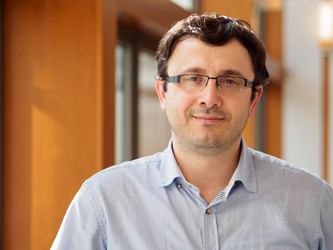
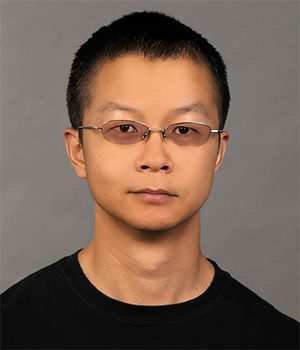
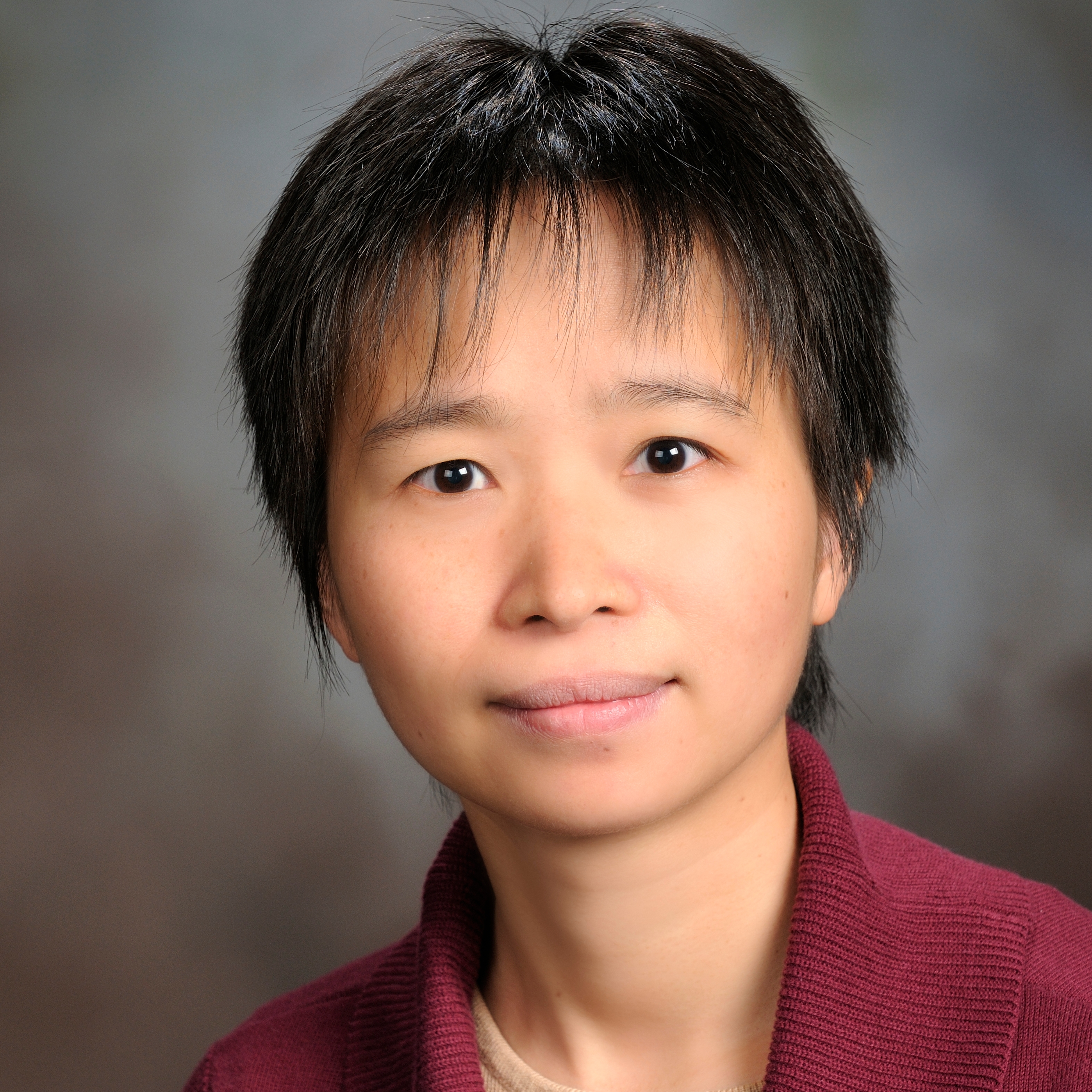
Ahmet Yildiz serves as Professor of Biochemistry, Biophysics and Structural Biology and of Physics at the University of California, Berkeley, leading an active research laboratory in Stanley Hall focused on the biophysical mechanisms of intracellular transport. Research interests center on motor protein dynamics, particularly dynein and kinesin function along cytoskeletal tracks. The Yildiz Laboratory employs integrated approaches including single-molecule fluorescence imaging, optical trapping, and cryo-electron microscopy to investigate how motors achieve processive movement, generate force in crowded cytoplasmic environments, and are regulated by adaptor proteins and microtubule-associated proteins (MAPs). Key projects examine dynein activation by Lis1/NudE, bidirectional transport reconstitution for mitochondrial cargo, and the "MAP code" hypothesis governing motor recruitment. Recent publications (2023-2025) demonstrate consistent focus on structural-mechanistic insights into dynein-dynactin complexes and regulatory mechanisms, with emerging connections to neurodegenerative disease pathways through neuronal transport studies. The work bridges quantitative biophysics with cellular physiology through advanced in vitro reconstitution techniques. The laboratory operates within UC Berkeley's collaborative research ecosystem, utilizing specialized facilities for high-resolution structural biology and single-molecule analysis to advance fundamental understanding of cellular organization principles.
Susan Compton is a Senior Research Scientist in Comparative Medicine at Yale University's Yale School of Medicine, where she also serves as Director of Molecular and Serological Diagnostics. Her research focuses on viral infections in rodents, including coronaviruses, parvoviruses, and zoonotic pathogens. She holds a PhD from the Uniformed Services University (1988) and a BS in Biology from Bucknell University (1981). Compton's work emphasizes diagnostic methodologies, viral transmission dynamics, and the development of animal models for infectious diseases. Notable contributions include studies on SARS-CoV-2 transmission modeling using rat coronaviruses and investigations into mucormycosis in immunodeficient rodents. She has authored over 25 peer-reviewed publications and holds awards such as the Pravin N. Bhatt Scientific Investigator Award (2019). Her lab, the Virology Diagnostic Lab, contributes to health monitoring of laboratory animals and pathogen detection. Compton collaborates with researchers like Caroline Zeiss and Brent Vander Wyk on projects addressing viral zoonoses and pandemic-to-endemic disease transitions.
Hosna Jabbari serves as Associate Professor in Biomedical Engineering and cross-appointed in Electrical and Computer Engineering at the University of Alberta's Faculty of Engineering, directing the Computational Biology Research and Analytics Laboratory (COBRA Lab) focused on RNA-centric diagnostics and therapeutics development. Education: BSc in Computer Science, University of Victoria MSc in Computer Science - Bioinformatics, University of British Columbia PhD in Computer Science - Bioinformatics, University of British Columbia Research Focus: Dr. Jabbari pioneers RNA structure-function characterization through computational biology to decode disease mechanisms. Her work integrates transcriptomics , RNA-RNA/protein interaction analysis , and aging research with advanced machine learning and quantum computing approaches, emphasizing explainable AI for medical applications in RNA therapy development. Publication Trends: Recent work (2018-2024) demonstrates sustained innovation in RNA pseudoknot prediction algorithms applied to viral pathogenesis (notably SARS-CoV-2) and therapeutic design, with increasing integration of quantum computing and AI methodologies reflecting her interdisciplinary trajectory in computational genomics. Advising & Grants: Actively recruiting undergraduate researchers for funded projects including non-DNA life research, AI-driven vaccine development (comparative analysis and self-amplifying RNA platforms), and aging studies. She instructs BME 415/615 (Bioinformatics Algorithms) and MED 621 (Grant Writing), providing hands-on research training and grant preparation mentorship. Laboratory: As COBRA Lab Director, she leads a globally connected research network advancing RNA bioinformatics through algorithm development, fostering collaborations across virology, aging research, and therapeutic design domains.
Paul O'Callaghan is a Researcher at Uppsala University's Department of Medical Cell Biology within the Faculty of Medicine. His work spans multiple disciplines at the intersection of cell biology, neuroscience, and biomedical engineering. Based at the BMC campus in Uppsala, he maintains an active research program with publications spanning from 2008 to the present, demonstrating sustained scholarly productivity. Dr. O'Callaghan's research interests focus on cellular mechanisms relevant to neurodegenerative diseases, particularly Alzheimer's disease, with emphasis on amyloid-beta pathology, heparan sulfate proteoglycans, and glial cell biology. His recent work has expanded into biomedical engineering applications including bioprinting, microfluidics, and biomaterials for neural applications. His publication record reveals a trajectory from fundamental cell biology toward translational applications, with consistent focus on cellular signaling mechanisms. O'Callaghan's recent publications (2021-2024) demonstrate a shift toward more engineering-focused approaches to biological problems, including 3D bioprinting, microfluidic cell culture systems, and biomaterial testing. His work maintains strong connections to both fundamental cell biology questions and potential clinical applications, particularly in neurodegenerative disease and cancer research. He leads his own research group within the Department of Medical Cell Biology, collaborating extensively with colleagues across Uppsala University including Johan Kreuger, Olle Eriksson, and other researchers in related fields. His work appears in high-impact journals across cell biology, neuroscience, and biomaterials disciplines.
Hongquan Zhang serves as an Associate Professor in the Department of Laboratory Medicine & Pathology at the Faculty of Medicine & Dentistry, University of Alberta. His research program develops cutting-edge bioanalytical tools for ultrasensitive and point-of-care detection of biological targets, with a particular focus on infectious disease diagnostics. Education: Ph.D., University of Alberta (2009) M.Sc., Northwest University, Xi'an, China (1999) B.Sc., Northwest University, Xi'an, China (1997) Dr. Zhang's research explores binding-induced DNA assembly to create innovative diagnostic platforms. His laboratory specializes in developing fluorescent nanosensors for real-time detection in cellular environments, constructing target-triggered DNA nanomachines, and engineering novel affinity ligands through manipulation of functional nucleic acids. His work has made significant contributions to CRISPR-based diagnostics, particularly for SARS-CoV-2 detection, where his team has developed multiple point-of-care testing approaches that integrate nucleic acid amplification with CRISPR technology. Analysis of Dr. Zhang's recent publications reveals a strong research trajectory focused on integrating DNA nanotechnology with CRISPR systems to create streamlined diagnostic platforms. His work consistently addresses the challenge of moving complex molecular diagnostics from laboratory settings to point-of-care applications, with particular emphasis on sample preparation, signal amplification, and visual readout systems that eliminate the need for sophisticated equipment. The interdisciplinary nature of his research bridges chemistry, molecular biology, nanotechnology, and clinical medicine. Teaching: LABMP 551: Laboratory Research Methods LABMP 552: NSERC CREATE Course
Flora Meilleur serves as a Neutron Scattering Scientist at Oak Ridge National Laboratory (ORNL) working on the IMAGINE and MaNDi diffractometers (HFIR CG-4D and SNS BL-11B), and holds a joint appointment as Associate Professor in the Biochemistry Department at North Carolina State University since 2007. She joined ORNL in 2005 after completing her PhD and has been instrumental in developing neutron scattering capabilities for structural biology research. Dr. Meilleur earned her Ph.D. in Structural Biology from the European Molecular Biology Laboratory (EMBL) and Université Grenoble Alpes (Grenoble, France) in 2004. Prior to joining ORNL, she served as an instrument scientist at the Institut Laue Langevin (ILL) on the LADI diffractometer. She was promoted to Associate Professor at NCSU in 2015 and established a university consortium that secured NSF funding to build the IMAGINE instrument at HFIR in 2009, serving as lead scientist for this project from 2009-2017. Her research focuses on applying neutron scattering techniques to understand enzymatic mechanisms, particularly in cellulose-degrading enzymes including lytic polysaccharide monooxygenases. She leads projects on cellulose deconstruction for biofuel production, nylon depolymerization, and enzyme immobilization in biopolymer matrices. Her laboratory employs a multidisciplinary approach combining X-ray and neutron diffraction and scattering, DFT calculations, and isotopic labeling techniques to study protein structure, dynamics, and function. Current research includes characterizing nylon hydrolases in collaboration with Dr. Josh Michener and studying biopolymer matrices as part of the BIG collaboration funded by the Novo Nordisk Foundation. Analysis of Dr. Meilleur's recent publications reveals a consistent focus on advancing neutron scattering methodologies for structural biology, with particular emphasis on enzymatic mechanisms in biomass degradation. Her work spans fundamental method development (beamline instrumentation, sample environments) to biological applications (viral proteins, polymer-degrading enzymes). A notable trend is the expansion of neutron techniques to study challenging biological questions, including time-resolved studies and complex enzyme systems, with increasing applications to viral research as evidenced by her SARS-CoV-2 related publications. 2013 ORNL Significant Event Award (Team award for construction and commissioning of CG4-D beamline and IMAGINE instrument; Role: Science lead) Dr. Meilleur has mentored numerous graduate students and post-doctoral fellows who utilize small angle X-ray/neutron scattering, X-ray/neutron crystallography, and computational methods in their research. She serves as Editor for the Journal of Applied Crystallography (2015-present) and was appointed as a main editor in 2021. She also mentors for the IUCr Early Career Board (2025-present) and previously served as Secretary of the Neutron Scattering Society of America (2019-2022). She has organized and led the annual 'Neutrons in Structural Biology' workshop at ORNL since 2010, fostering community development in this specialized field. Dr. Meilleur leads the Meilleur lab at NC State which focuses on structural enzymology using neutron scattering techniques. Her laboratory collaborates extensively with researchers at ORNL's High Flux Isotope Reactor and Spallation Neutron Source facilities. She has served on multiple professional committees including the SNS/HFIR user committee (SHUG) from 2007-2009 and as a member-at-large of the NSSA between 2008-2012, demonstrating sustained leadership in the neutron scattering community.
Professor Denise Jackson is a faculty member in the Department of Health and Biomedical Sciences at RMIT University, Bundoora West campus. She serves as the Head of the Thrombosis and Vascular Biology laboratory and holds an honorary fellowship from the National Health and Medical Research Council (NHMRC). Her research focuses on thrombosis mechanisms, platelet biology, and immunoreceptor roles in infection and immunity. She coordinates courses such as MEDS1142 Medical Informatics, BUSM3220 Medical Laboratory Quality Systems, and ONPS2153 Medical Informatics and Laboratory Management. Research Interests: Professor Jackson’s work spans thrombosis, platelet function, mouse models of thrombus formation, and the molecular mechanisms of immunoreceptors in pathogens. Her team investigates tetraspanins’ role in blood clot regulation and signaling pathways in platelets. Key projects include studying tyrosine kinase inhibitors’ effects on haemostasis and exploring immunoreceptor crystal structures for drug design. Professional Involvement: She reviews grants for NHMRC, National Heart Foundation, and international bodies like the Wellcome Trust and NSF. She also serves as a reviewer for journals including Nature and Blood . Student Supervision: Principal supervisor of 12 Honours, 3 Masters, and 4 PhD students. Labs/Teams: Leads the Thrombosis and Vascular Biology lab, collaborating on drug development and thrombosis prevention strategies.
Sangwon Lee is an Assistant Professor of Pharmacology at Yale University’s Yale School of Medicine. He holds primary appointments in Pharmacology and affiliations with the Biochemistry, Quantitative Biology, Biophysics and Structural Biology (BQBS) program, Janeway Society, and Molecular Medicine department. His academic journey includes a PhD in Chemistry and Biochemistry from the University of California, San Diego (2007), and earlier degrees from Konkuk University (MS 1998, BS 1996). Dr. Lee’s research focuses on structural biology and molecular mechanisms of FGF signaling pathways, particularly the role of β-Klotho and α-Klotho co-receptors in endocrine regulation. He designs novel protein-based inhibitors targeting oncogenic receptors and explores therapeutic applications of FGF pathway modulation. His work bridges computational protein engineering, cryo-EM structural analysis, and translational medicine. Key research trends include isoform-specific FGFR inhibition, structural oncology of KIT mutants, and bivalent interactions in FGF ligand systems. His lab collaborates extensively on projects involving designed oligomeric assemblies for vascular differentiation and drug delivery. Current efforts emphasize translating structural insights into therapeutic strategies for cancer and metabolic disorders. Dr. Lee’s academic contributions include leadership in the Yale Combined Program in the Biological and Biomedical Sciences (BBS), mentoring trainees, and serving on committees for academic promotion and interdisciplinary research. His laboratory is located at Sterling Hall of Medicine, Room 395F.
Professor Jane Hanrahan is a leading academic in the School of Pharmacy at the University of Sydney, where she holds the rank of Professor in Pharmaceutical Sciences. She has served on the University of Sydney Academic Board since 2002 and chairs the Undergraduate Studies Committee, with prior roles in the Therapeutic Goods Administration Advisory Committee on Prescription Medicines (2013). Her career spans postdoctoral research at Cardiff (1996-97), lectureships in Pharmacology (1997-2002), and progressive promotions to Professor (2014). Education: BSc (Hons), University of Sydney PhD, University of Warwick (UK) Graduate Diploma in Educational Studies (Higher Education) Her research focuses on GABA receptors in anxiety, sleep disorders, schizophrenia, epilepsy, and learning/memory, with an emphasis on synthesizing conformationally restrained GABA analogues and exploring natural products from traditional herbal medicines. Key themes include neuropharmacology, medicinal chemistry, and mental health. Recent publications highlight trends in GABA receptor modulation (11/15 articles), traditional medicine analysis (4/15), and clinical pharmacy applications (4/15). Notable collaborations include work with Chebib, Johnston, and Collins on receptor-specific drug design. Grants and Committees: NHMRC Project Grants (2005-2014) on GABA receptors and neuroprotection Chair of Academic Board Undergraduate Studies Committee Member of Therapeutic Goods Administration Advisory Committee
Bo Chen is an Associate Professor in the Department of Physics at the University of Central Florida (UCF), part of the College of Sciences. He earned his PhD in Physics from Northwestern University in 2007 and held research positions at the NIH before joining UCF in 2011. His research focuses on structural characterization of biomacromolecular assemblies using NMR, TEM, and computational modeling, particularly HIV capsid proteins and antimicrobial peptides. Education: PhD in Physics, Northwestern University (2007). Research Interests: Solid-state NMR techniques, self-assembly mechanisms of viral capsids, nano particle catalysis, and antimicrobial peptide dynamics. His lab develops novel coarse-grain models and integrates experimental and computational approaches to study biomolecular systems. Awards: 2012 UCF Inhouse Award, 2013 AFOSR Young Investigator Award, 2016 COS Dean’s Rising Star Award, and 2020 Mid-Career Refreshment Award. Labs/Teams: Leads the Bo Chen NMR Lab at UCF, focusing on interdisciplinary approaches to structural biology and biophysics. Current students include Tyrone Thames (PhD), with notable alumni like Xin Qiao and Jaekyun Jeon.
Jonathan Todd is a Professor of Environmental Microbiology at the University of East Anglia, affiliated with the School of Biological Sciences and the Wolfson Centre for Advanced Environmental Microbiology. His research focuses on microbial contributions to biogeochemical cycles, particularly the sulfur cycle and metal regulation in microbes. He leads a lab investigating dimethylsulphoniopropionate (DMSP) catabolism in marine organisms and its climatic implications, as well as iron/metal homeostasis mechanisms in alpha-proteobacteria. Education: PhD in Microbiology from University of East Anglia (2000-2004). Career highlights include RCUK fellowships (2008-2013) and NERC/BBSRC-funded projects on microbial sulfur metabolism, iron regulation, and marine microbial ecology. Research interests span molecular mechanisms of DMSP synthesis/breakdown, microbial adaptation to environmental signals, and metal transport systems. Current projects include DMSP catabolism's role in climate regulation, algal DMSP synthesis, and marine bacterial metal acquisition. Collaborations extend to institutions like the Marine Biological Association and Norwich Research Park. Teaching responsibilities include modules in molecular biology, plant-microbe interactions, and genomics. His lab emphasizes collaborative, interdisciplinary approaches using molecular genetics, genomics, and metabolomics. Notable achievements include discovering six Ddd enzymes for DMSP degradation and identifying novel regulators like Irr/RirA in microbial iron homeostasis.
Prof. Tanja Weil is a Director at the Max Planck Institute for Polymer Research, recognized for her groundbreaking research at the intersection of polymer chemistry and biomedical applications. She received the prestigious Karl Ziegler Award in 2023 for her work on supramolecular polymers in living cells, particularly their role in disrupting cancer cell structures. Her research focuses on designing synthetic materials that interface with biological systems, with applications in targeted drug delivery, cancer therapy, and imaging technologies. Notably, her studies on light-responsive peptide nanostructures and fluorescent nanodiamond sensors highlight her expertise in merging materials science with life sciences. Her scientific contributions span polymer synthesis, nanomedicine, and diagnostic tools, with recent breakthroughs in intracellular assembly dynamics and metallodrug development. Awards include the Karl Ziegler Award (50,000€ + gold medal), acknowledging her dual impact on fundamental science and translational medicine. Collaborations with international teams are evident in symposia like the CRC1066 on tumor immunotherapy, underscoring her role in fostering interdisciplinary research. Awards: Karl Ziegler Award (2023) Key Research Areas: Peptide nanostructures in cancer, bioorthogonal chemistry, nanodiamond quantum sensors. Lab/Team: Department Weil at Max Planck Institute, leading projects on synthetic biology and biomedical nanomaterials.
Zhou Ying is an Associate Professor of Geophysics at Virginia Tech's College of Science, Department of Geosciences. Her research focuses on understanding seismic heterogeneities in the Earth's interior through finite-frequency wave propagation theory and diffractional tomography. Ph.D. in Geophysics from Princeton University (2005) Her research interests include: Seismic Wave Propagation in Heterogeneous Media Global and Computational Seismology Finite-Frequency Seismic Tomography 3-D Anelasticity (Q) Structure in the Mantle Seismic Anisotropy in the Upper Mantle and Transition Zone Core-Diffracted Waves and Core-Mantle Boundary Structure Signal Processing and Array Data Analysis Zhou's 15 most recent publications span seismology, geophysics, and unexpected interdisciplinary topics like molecular biology. Most studies focus on mantle discontinuities, finite-frequency tomography, and outer core dynamics, with specific attention to 410-km/660-km discontinuities and surface-wave sensitivity kernels. Current graduate advisee: Zhen Guo (Ph.D. candidate in Geophysics). Former advisees include Youyi Ruan (Ph.D. 2012), Kui Liu (Ph.D. 2014), Kai Deng (MS 2014), and Jing Xue (MS 2014). She teaches undergraduate courses in Physical Geology and Earthquake Seismology, and graduate courses in Theoretical Seismology, Advanced Seismology, and Seismic Data Analysis.
Dr. Rachel Atkinson is a Research Fellow at the Wicking Dementia Research and Education Centre, University of Tasmania. She specializes in neurodegenerative diseases, focusing on mechanisms underlying cell degeneration in ALS and frontotemporal dementia. Her work includes investigating protective responses to cold stress and metabolic alterations in motor neuron disease. She holds the MNDRA Bill Gole Fellowship (2024-2026) and collaborates internationally on projects exploring therapeutic targets like HDAC6 inhibition and leptin repurposing. Education: Bachelor of Biotechnology and Medical Research (University of Tasmania, 2010-2012) Bachelor of Biotechnology and Medical Research with Honours (2013) PhD in FTLD/ALS Proteins (2014-2018) Research Interests: Dr. Atkinson’s research centers on axon degeneration, neurofilament biology, and protective pathways in neurodegenerative diseases. She employs viral techniques, stem cell models, and mouse studies to dissect cellular mechanisms. Key areas include cold shock pathways, metabolic modulation, and protein mislocalization in ALS/FTD. Key Findings: Her work has identified roles for SARM1 and HDAC6 in axonal pathology, and demonstrated synergistic effects of leptin and pioglitazone in Alzheimer’s models. Recent studies explore cold stress as a therapeutic avenue for ALS. Awards: MNDRA Bill Gole Fellowship (2024-2026) Grants & Supervision: Leads over $1.4M in grants, including projects on axon degeneration mechanisms and gene-environment interactions in ALS. Supervises four PhD students and teaches dementia care and neuroscience courses. Labs & Collaborations: Part of the Wicking Centre, collaborating with Spain and UK groups on metabolic and therapeutic research.
Alessandra Pesce is an Associate Professor at the Department of Physics (DIFI) of the University of Genoa, Italy. Her research focuses on structural biology of globins, protein aggregation, and cold-adapted enzymes, with applications in life sciences, environmental monitoring, and cultural heritage preservation. She teaches Applied Physics and Biophysics at both undergraduate and graduate levels in Physics and Biological Sciences. Her work spans from atomic-level characterization of protein crystals using Atomic Force Microscopy to large-scale ecological projects like the LIFE+ WHALESAFE initiative for sperm whale conservation through acoustic monitoring. Email: alessandra.pesce@unige.it Phone: +39 010 33 56243 Research Interests: Structural characterization of hexa-coordinated globins in marine organisms Thermodynamic and kinetic analysis of truncated hemoglobins in pathogenic bacteria Quaternary structure adaptations in Antarctic enzymes Development of acoustic monitoring systems for marine mammal conservation Protein aggregation mechanisms in amyloid-related diseases Publication Trends: Over 15 years, her research demonstrates expertise in combining X-ray crystallography with biophysical techniques to study globin family proteins across diverse species (from nematodes to whales). Key themes include heme reactivity modulation, ligand diffusion pathways, and structure-function relationships in extremophile proteins, with recent emphasis on marine conservation technology.