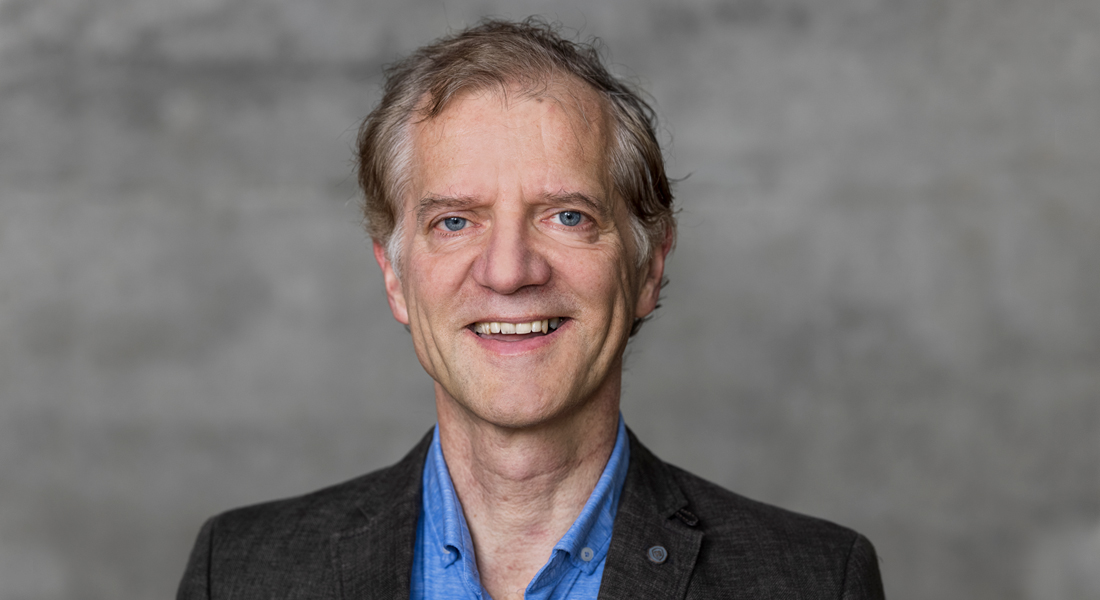
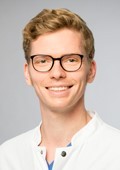
Dr. Gregor Schuhknecht is a Researcher and incoming Max-Planck Research Group Leader at the Max Planck Institute for Brain Research in Frankfurt, Germany. Starting December 2025, he will lead the Brain Algorithms and Circuits Group, focusing on computational neuroscience and neuronal circuitry in larval zebrafish. His work bridges experimental and computational approaches to understand brain algorithms enabling flexible behaviors. Education PhD in Neuroscience (2014–2019), Institute for Neuroinformatics, University of Zurich and ETH Zurich MSc in Biology (Neuroscience) (2012–2019), ETH Zurich BSc in Biosciences (2009–2012), Heidelberg University His research investigates how synaptic circuitry implements computational algorithms for sensorimotor processing, evidence accumulation, and behavior. Experimental approaches include functional imaging, optogenetics, connectomics, and computational modeling. The group will explore neuronal circuits across scales, from synapse to behavior, with a focus on biophysical properties and dynamic environmental adaptation. Recent publications highlight correlative light/electron microscopy, developmental activity-free circuit formation, and neocortical synapse analysis. Scientific Awards Meselson Prize (2024) Aspirational Neuroscience Award (2023) Best Publication Award (2021) Swiss National Science Foundation Fellowships (2021, 2019, 2018) Gregor Schuhknecht's lab will welcome graduate and postdoctoral researchers starting December 2025, focusing on experimental and computational systems neuroscience. He previously collaborated with Harvard University's Department of Molecular and Cellular Biology and the Department of Moritz Helmstaedter for connectomic analyses.
Max Planck Institute for Biological IntelligenceGermany
Maude Baldwin is the Director of the Evolution of Sensory and Physiological Systems department at the Max Planck Institute for Biological Intelligence. Her research focuses on the molecular and physiological mechanisms underlying sensory receptor evolution in vertebrates, particularly in birds. Education : Ph.D. from Harvard University (Department of Organismic and Evolutionary Biology, 2007-2014); B.A. from New York University (Gallatin School of Individualized Study, 2005). Research Interests include: Evolution of taste receptors, such as the repurposing of savory receptors for sweet detection in hummingbirds. Convergent evolution in sensory systems across vertebrates. Integrative approaches combining molecular methods, cell culture, and behavioral studies. Impact of dietary shifts on ecological and physiological adaptations. Publication Trends reveal a focus on comparative genomics , protein evolution , and sensory system adaptation , with specific attention to bird taste receptors , gene loss , and echolocation genetics . Labs & Teams : Baldwin leads a multidisciplinary team at the Max Planck Institute, recruiting researchers in comparative genomics , organoid technology , and vertebrate natural history . The group investigates sensory-diet coevolution and physiological trade-offs.
Professor Matthias Mann is a world-leading scientist serving as Director of the Proteomics and Signal Transduction department at the Max Planck Institute of Biochemistry in Martinsried, Germany, and Director of the Proteomics department at the Novo Nordisk Foundation Center for Protein Research, Faculty of Health Sciences, University of Copenhagen, Denmark. With an h-index exceeding 277 and over 350,000 citations, he is recognized as the highest cited German researcher and one of the most influential scientists globally in proteomics. His educational background includes: Ph.D. in Chemical Engineering from Yale University (1988) Master's Degree in Physics from Georg August University Göttingen (1984) Bachelor's of Arts in Mathematics from Georg August University Göttingen (1982) Professor Mann's research focuses on advancing mass spectrometry-based proteomics to understand biological systems at the protein level. His work spans technological developments in mass spectrometry, bioinformatics and computational analysis, signal transduction and posttranslational modifications, and clinical proteomics applications for disease diagnosis and treatment. The Mann lab has pioneered groundbreaking methods like SILAC for quantitative proteomics and MaxQuant for proteome data analysis. Their vision is to translate proteomics knowledge into clinical practice for predictive, diagnostic, and preventive medicine, with recent work focusing on AI-guided platforms for analyzing proteomes from minimal tissue samples. Analysis of Professor Mann's recent publications reveals a strong trend toward clinical applications of proteomics, particularly in cancer research, metabolic diseases, and neurodegenerative disorders. His work increasingly integrates spatial proteomics, single-cell resolution techniques, and artificial intelligence approaches to uncover disease mechanisms and identify potential biomarkers, with a clear shift from basic technology development toward direct clinical applications and personalized medicine. Professor Mann has received numerous prestigious awards throughout his career: 2025: Elected member of the American National Academy of Sciences 2024: Dr. H.P. Heineken Award for Biochemistry and Biophysics 2023: Otto Warburg Medal 2019: Nominated member of the Bavarian Academy of Sciences 2013: Elected member of Leopoldina German National Academy of Sciences 2012: Körber European Science Award, Louis-Jeantet Foundation Prize for Medicine, Ernst Schering Prize, and Leibniz Prize Professor Mann leads a highly collaborative research team involved in multiple international networks including the Bill & Melinda Gates Foundation, Michael J. Fox Foundation for Parkinson's Research, CLINSPECT-M, and Munich Heart Alliance. His lab has mentored numerous successful researchers, with several former postdocs receiving prestigious ERC Starting Grants. The Mann group has developed innovative clinical proteomics pipelines for analyzing archived tissue specimens and body fluids, aiming to identify protein markers for early detection of diseases such as diabetes and cancer. The Mann lab operates across two major research centers with state-of-the-art mass spectrometry facilities. Their Clinical Knowledge Graph platform integrates multi-omics data with extensive metadata, creating an ecosystem for machine learning applications in proteomics. Current research focuses on developing highly sensitive methods that can profile thousands of proteins from minimal cell samples, enabling the identification of critical disease-related proteins and supporting the development of individualized therapies.
Helmholtz Association of German Research CentersGermany
Dr. Sabine Krabbe is a Group Leader at the German Center for Neurodegenerative Diseases (DZNE) in Bonn, Germany, where she leads research on neural circuit mechanisms underlying adaptive learning and state-dependent decision-making. Her work integrates neuroscience, molecular biology, and behavioral approaches to understand how internal states influence behavior and how these processes are disrupted in neurological disorders. Dr. Krabbe's research focuses on the interactions between midbrain circuits of the substantia nigra and ventral tegmental area with their output structures such as the striatum and amygdala. She investigates how these networks integrate internal states with environmental cues to produce appropriate behavioral responses. Her laboratory employs state-of-the-art techniques including deep-brain calcium imaging at single-cell resolution in mice, opto- and pharmacogenetic manipulations, anatomical tracings, and molecular approaches to characterize neural circuit elements in detail. Her recent publications reveal significant insights into amygdala interneuron plasticity during fear learning, brain-wide representational drift in memory consolidation, and the molecular mechanisms underlying Parkinson's disease progression. Her work demonstrates how activity patterns within specific neural circuits change in early stages of neurodegenerative diseases and how this dysfunction contributes to cognitive deficits and emotional disturbances. Dr. Krabbe is actively involved in the neuroscience community, organizing the BonnBrain Conference 2026 and sharing research through social media platforms. She has established herself as an emerging leader in the field of systems neuroscience with a particular focus on the neural basis of emotional states and decision-making processes.
Konstantinos Anastassiadis is a Professor at the Center for Molecular and Cellular Bioengineering (CMCB) of Dresden University of Technology , leading the Stem Cell Engineering group at the Biotechnology Center (BIOTEC) . His research focuses on unraveling molecular pathways regulating stem cell self-renewal and lineage commitment, with a strong emphasis on genetic engineering tool development and epigenetic mechanisms during cellular reprogramming. The lab utilizes mouse and human embryonic stem cells, neural stem cells, mesenchymal stromal cells, and induced pluripotent stem cells (iPSCs) in their investigations. Core Research Areas: Molecular regulation of stem cell fate Epigenetic mechanisms (e.g., UTX/UTY histone demethylases) Genetic engineering tool development (Flp, Dre, Vika recombinases, CRISPR protocols) Conditional immortalization systems for rare cell expansion Publications highlight his contributions to understanding: Role of histone methyltransferases (MLL1, MLL2, Setd1b) in hematopoiesis and cancer Epigenetic regulation during mouse development and spermatogenesis Genetic tools for protein tagging, transposon-mediated BAC transgenesis Interactions between stem cells and niche microenvironments Transcriptional and mechanical markers during reprogramming Collaborations span immunology , developmental biology , and bioinformatics . The lab actively participates in teaching activities at CMCB and maintains a focus on translational applications of stem cell research.
Leibniz Institute for Zoo and Wildlife ResearchGermany
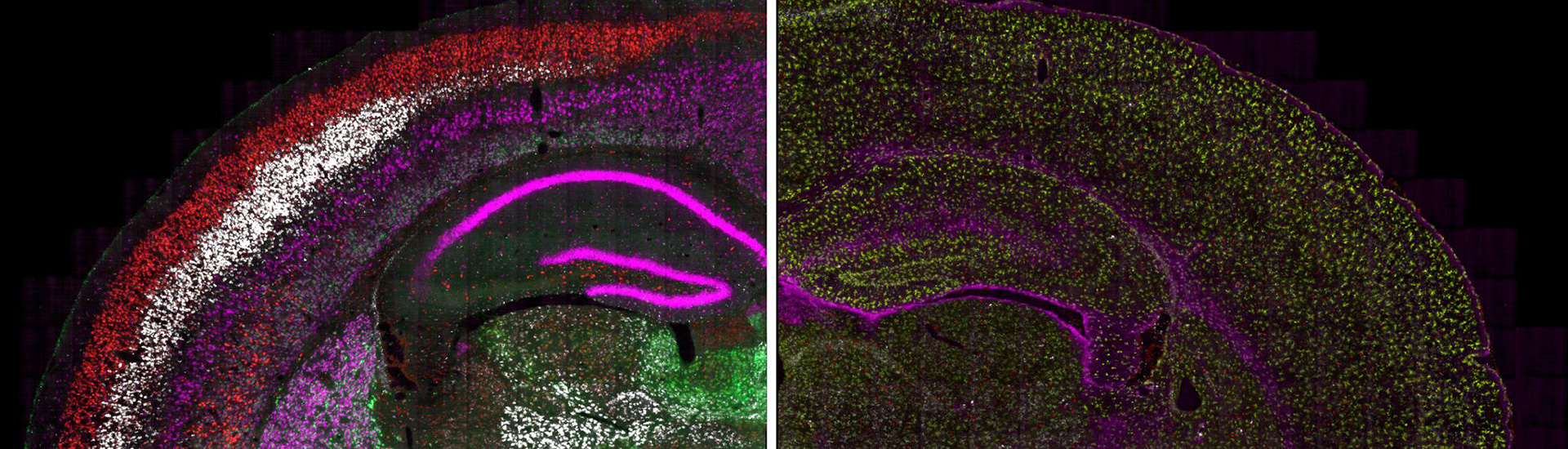
Omer Bayraktar is a Group Leader at the Wellcome Sanger Institute , leading research in the Cellular Genomics Programme. His work focuses on decoding human brain cellular diversity using spatial transcriptomics , imaging , and functional screening to study neural complexity in health and disease. Bayraktar's educational background includes a PhD from HHMI under Chris Doe, investigating neural diversity development in Drosophila , followed by postdoctoral work at University of California, San Francisco and University of Cambridge as a Life Sciences Research Foundation Fellow. He developed a spatial transcriptomic pipeline during his postdoc to analyze astrocyte heterogeneity in the cerebral cortex. His research explores neural cell type mapping , glial-neuronal interactions , and cellular pathways in neurodevelopmental disorders . Recent publications emphasize 3D tissue mapping , multi-omic integration , and computational tools like Cell2fate and WebAtlas. His work bridges neurogenetics and computational biology to advance understanding of human tissue ecosystems. Bayraktar's lab collaborates with the Human Cell Atlas initiative and develops technologies such as automated histology pipelines and highly-multiplexed smFISH for molecular cell typing. His team also investigates glia-based therapies and astrocyte functional heterogeneity in neurodevelopmental contexts. Key scientific contributions include: Discovering astrocyte layer patterns independent of neuronal laminae Developing cell2location for spatial cell mapping Characterizing Drosophila neural stem cell models with human relevance Notable awards include the Life Sciences Research Foundation Fellowship during his postdoctoral training. His current group includes a PhD student , Senior Data Scientists , and Bioinformaticians .
Prof. Dr. Peter Falkai is a Professor and Chair at the Department of Psychiatry and Psychotherapy, LMU University of Munich. He leads regular members of the Munich Cluster for Neuroscience (MCN) and Graduate School of Neuroscience (GSN), with affiliations to the Medical Faculty and various research groups, including the Psychotherapy and Social Neuroscience Research Unit and Center for Neurostimulation (CNS LMU). Primary research focus: Molecular & Developmental Neuroscience Secondary research focus: Behavioral & Cognitive Neuroscience Tertiary research focus: Cellular & Systems Neuroscience His research explores the neurobiological origins of psychotic disorders like schizophrenia, utilizing functional imaging, gene expression analysis in human post-mortem tissue, and lifestyle interventions. He coordinates cross-diagnosis studies, including EU-FP7 PRONIA, and collaborates on neurostimulation, addiction medicine, and precision psychiatry. Prof. Falkai served as President of the German Society for Psychiatry, Psychotherapy and Neurology (DGPPN) from 2010–2012 and on the European Psychiatric Association (EPA) Council of National Societies. He oversees clinical operations, including private wards, outpatient clinics, and specialized units for autism, bipolar disorders, and addiction medicine.
Prof. Dr. Robert Blick is a faculty member at the University of Hamburg , leading the Institute for Nanostructure and Solid State Physics under the Faculty of Mathematics, Informatics, and Natural Sciences. He serves as Director of the Center for Hybrid Nanostructures (CHyN) and Head of the Board of Examiners of Nano-Science. Research Focus: Atomic Layer Deposition (ALD), quantum dots, superconducting thin films, biomaterials, and nanomechanical devices. Key Collaborations: Deutsches Elektronen-Synchrotron (DESY), molecular-beam epitaxy groups, Forschungslabor Mikroelektronik Deutschland. His academic contributions span nanoscience, materials growth, and biomedical applications. Current funding includes support from the Deutsche Forschungsgemeinschaft (DFG), Exzellenzcluster CUI, and the Joachim Herz Foundation. The CHyN research group operates a state-of-the-art clean room facility for electron-beam and focused-ion-beam lithography, enabling 8nm feature definition on 6-inch wafers. Applications of his work include memristor technology, quantum devices, and advanced biosensors. His PhD students include Ahmed Alshaikh, Kristian Deneke, Daniel Hensel, Marianna Brede, Daniel Schmidt, Malte Siegmund, and Jan Stelzner. Senior researchers Dr. Stefanie Haugg and Dr. Robert Zierold contribute to materials growth and atomic layer deposition.
Dr. Serena Ding is a Max Planck Research Group Leader at the Max Planck Institute of Animal Behavior, where she heads the Genes and Behavior department. She leads an interdisciplinary team studying the mechanisms and evolution of collective behaviors in nematodes through genetic, neuronal, and behavioral approaches. Education: PhD in C. elegans Developmental Cell Biology, University of Oxford (2011-2016) Postdoc in C. elegans Quantitative Behavior, Imperial College London (2016-2021) B.Sc. in Biology, University of Richmond (2007-2011) Research Focus: Dr. Ding investigates fascinating collective phenomena in nematodes including towering (collective dispersal), wurmuration (density-dependent swarming), and strain-specific aggregation behaviors. Her lab combines molecular biology, neuroscience, evolutionary biology, and complex systems modeling to understand both proximate mechanisms and ultimate evolutionary drivers of these behaviors across wild nematode strains. Publication Trends: Her research emphasizes quantitative behavioral analysis and innovative imaging methodologies, as exemplified by her 2020 work developing bioluminescence-based tracking of C. elegans foraging patterns. This aligns with her group's focus on high-throughput phenotyping of natural genetic variations in behavior. Team Leadership: Dr. Ding mentors a diverse research team including: 2 postdoctoral researchers (Daniela Perez, Assaf Pertzelan) 3 doctoral students (Narcís Font Massot, Youn Jae Kang, Gopika Ranjith) 1 master's student (Iris Bernstein) 1 technical assistant (Ryan Greenway)
Prof. Stephan J. Sigrist is a Full Professor of Genetics at the Institute of Biology, Free University of Berlin. His lab focuses on synaptic active zone architecture, neuroplasticity, and aging-related neurodegeneration. He leads the Collaborative Research Center 958 on Membrane Scaffolding and co-directs NeuroCure, a DFG Cluster of Excellence at Charité. Education: PhD in Molecular Genetics (1997) and Habilitation (2005) from the University of Göttingen. Positions: Einstein Professor (2014–present), Spokesperson CRC 958 (2012–present), and Co-Director NeuroCure (2009–present). Research explores presynaptic mechanisms using Drosophila and mouse models, combined with STED microscopy. Key contributions include discoveries of Bruchpilot's role in active zones and spermidine's protective effects against age-related synapse decline. Grants: Over €6 million in funding, including DFG CRCs, Einstein Foundation, and ERC Advanced Grant (2025). Awards: Einstein Professorship, Best Habilitation Award, EMBO/HFSP Fellowships. Collaborations span structural biology (e.g., Stefan Hell), neurophysiology (David DiGregorio), and aging research (Frank Madeo).
University Medical Center Hamburg-EppendorfGermany
Prof. Dr. med. Franz Lennard Ricklefs is a Senior Physician and Head of the Working Group at the Department of Neurosurgery, University of Hamburg Faculty of Medicine. He is a Medical Specialist in Neurosurgery with cross-disciplinary expertise in neuro-oncology, molecular pathology, and extracellular vesicle research. Affiliations: University Medical Center Hamburg-Eppendorf (UKE), European Liquid Biopsy Society (ELBS), International Consortium on Meningiomas (ICOM) Research Interests: His work focuses on neurosurgical oncology, particularly glioblastoma and meningioma pathobiology. He investigates DNA methylation patterns, extracellular vesicle biomarkers, and liquid biopsy implementation in clinical neuro-oncology. Additional interests include surgical outcomes for epilepsy and aneurysm management. Article Trends: Over the last decade, Dr. Ricklefs has published extensively on: Extracellular vesicle applications as liquid biopsy markers DNA methylation subclasses for glioblastoma and meningioma Multicenter surgical outcome benchmarking Immune evasion mechanisms in neuro-oncology Technological innovations in neurosurgical visualization Molecular characterization of rare CNS tumors Professional Contributions: He co-authored the MISEV2023 guidelines for extracellular vesicle studies and participates in international consensus reviews for meningioma classification. His collaborations span institutions across Europe and North America.
Professor Moritz Rossner serves as Head of the Department of Molecular and Behavioral Neurobiology at the Department of Psychiatry and Psychotherapy, Faculty of Medicine, Ludwig-Maximilians-Universität München (LMU). His research integrates molecular and behavioral approaches to understand the neurobiological underpinnings of psychiatric disorders, particularly schizophrenia and bipolar disorder. Rossner's research interests focus on molecular neurobiology and behavioral analysis using mouse models. His laboratory employs advanced techniques including mouse genetics , behavioral phenotyping , biosensors , next-generation sequencing , and transcriptomics to investigate psychiatric risk genes and pathways. His work bridges cellular and molecular mechanisms with behavioral outcomes, particularly in schizophrenia and bipolar disorder research. Analysis of Rossner's 15 most recent publications (2025) reveals a strong focus on precision psychiatry , neuroimaging biomarkers , and genetic mechanisms underlying psychiatric disorders. His research increasingly incorporates multimodal approaches combining neuroimaging, genomics, and clinical phenotyping to develop biologically informed diagnostic and treatment frameworks. Key themes include blood-brain barrier dysfunction in schizophrenia, inflammatory contributions to symptom severity, and pathway-specific polygenic scores for treatment prediction. Rossner leads the Molecular & Behavioural Neurobiology working group at LMU's Department of Psychiatry and Psychotherapy, which includes specialized units like the Mouse Behavioral Unit. His research program appears well-funded through multiple collaborative projects focused on understanding the molecular basis of psychiatric disorders and developing novel therapeutic approaches.
University Medical Center Hamburg-EppendorfGermany
Dr. Timur Alexander Yorgan is a prominent researcher at the Department of Osteology and Biomechanics at University Medical Center Hamburg-Eppendorf (UKE). Holding a Dr. rer. nat. degree, he has established himself as a leading figure in bone biology with over 60 publications spanning from 2013 to 2025. His research is deeply integrated with key institutional research areas including the Hamburg Center of Neuroscience and immunology research networks at UKE. Dr. Yorgan's research focuses on skeletal development, bone remodeling, and genetic bone disorders, with particular emphasis on Wnt signaling pathways and their role in bone homeostasis. His work spans multiple approaches from molecular genetics to translational studies, investigating osteoblast and osteocyte biology, genetic mechanisms underlying disorders like osteogenesis imperfecta, and the effects of various mutations on skeletal integrity. Recent research has expanded into the gut-bone axis, mechanobiology of bone cells, and neuro-immune interactions affecting bone metabolism. Analysis of Dr. Yorgan's publication record reveals a consistent trajectory of high-impact research in bone biology. His work increasingly explores interdisciplinary connections between bone metabolism and other physiological systems, with growing emphasis on translational approaches for therapeutic interventions. The research demonstrates sophisticated use of mouse models and molecular techniques to unravel complex bone disorders and identify potential treatment targets. Dr. Yorgan appears to be actively involved in collaborative research across multiple institutions, as evidenced by his extensive publication record with numerous co-authors from various departments and institutions. His work is frequently published in high-impact journals including Journal of Bone and Mineral Research, Nature Communications, and Bone Research. The Department of Osteology and Biomechanics at UKE, where Dr. Yorgan is based, is part of a vibrant research ecosystem that includes the Hamburg Center of Neuroscience and other key research networks focusing on immunology, oncology, and cardiovascular research. This collaborative environment enables interdisciplinary approaches to understanding skeletal disorders and developing novel therapeutic strategies.
Max Planck Institute for the History of ScienceGermany
Prof. Dr. Petra Schwille is a Director at the Max Planck Institute of Biochemistry and former C4 Professor of Biophysics at Dresden University of Technology . Her work spans molecular and cellular biophysics, synthetic biology, and single-molecule techniques. Academic disciplines: Natural sciences, biological sciences, physical sciences Key roles: Editorial Board member (Nature Methods, Biophysical Journal), Governing Council of Biophysical Society Research Focus includes membrane biophysics, protein interactions, and microfluidic systems. Her publications emphasize Fluorescence Correlation Spectroscopy (FCS) , receptor-ligand dynamics, and self-organization in bacterial cell division. Developed in vitro models for spatial regulation in cells Explored calmodulin availability and morphogen gradient formation Scientific Recognition includes prestigious awards like the Gottfried Wilhelm Leibniz Prize (2010) and the Biofuture grant (1998) . Max Planck Fellow (2005) Young Investigator Award (2003) Leadership & Service involves roles such as Dean of Studies for Nanobiophysics at TU Dresden and Vice Dean of the Dresden International Graduate School for Biomedicine and Bioengineering (DIGS-BB) . She also contributes to editorial and advisory boards in biophysics and science policy.
Dennis Nestvogel is a Research Group Leader at the Max Planck Institute of Psychiatry in Munich, Germany, where he leads research in the department of Neural Dynamics and Behavior. His work focuses on understanding how behavioral states such as arousal, attention, and stress modulate sensory processing and decision-making in the brain. Research Interests: Dr. Nestvogel's research centers on thalamocortical network dynamics, brain oscillations, and state-dependent neural activity. He investigates how these processes influence sensory-guided behavior and how their disruption contributes to psychiatric disorders including schizophrenia, ADHD, and PTSD. His approach integrates in vivo intracellular recordings, high-density neural recordings, optogenetics, and mouse behavioral paradigms. Publication Trends: His recent publications reveal a strong focus on the neural mechanisms underlying waking states, sensory processing, and cortical dynamics. Themes include alpha oscillations, synaptic regulation, neuromodulation, and the impact of genetic mutations on stress sensitivity in psychiatric conditions. His work bridges molecular, systems, and cognitive neuroscience. Scientific Contributions: Investigating how behavioral states gate sensory input in the cortex Elucidating the role of thalamocortical circuits in arousal and attention Linking synaptic proteins like CAPS-1 to sensory adaptation Exploring genetic underpinnings of stress sensitivity in bipolar disorder Advising and Grants: While no students are listed, Dr. Nestvogel leads an independent research group, indicating leadership in mentoring junior scientists and managing research projects. His affiliation with the Max Planck Institute suggests access to substantial institutional funding and collaborative resources. Labs and Teams: He heads the research group within the Neural Dynamics and Behavior unit at the Max Planck Institute of Psychiatry, collaborating closely with leading neuroscientists such as David A. McCormick. His lab utilizes cutting-edge techniques to probe brain function in awake, behaving animals.