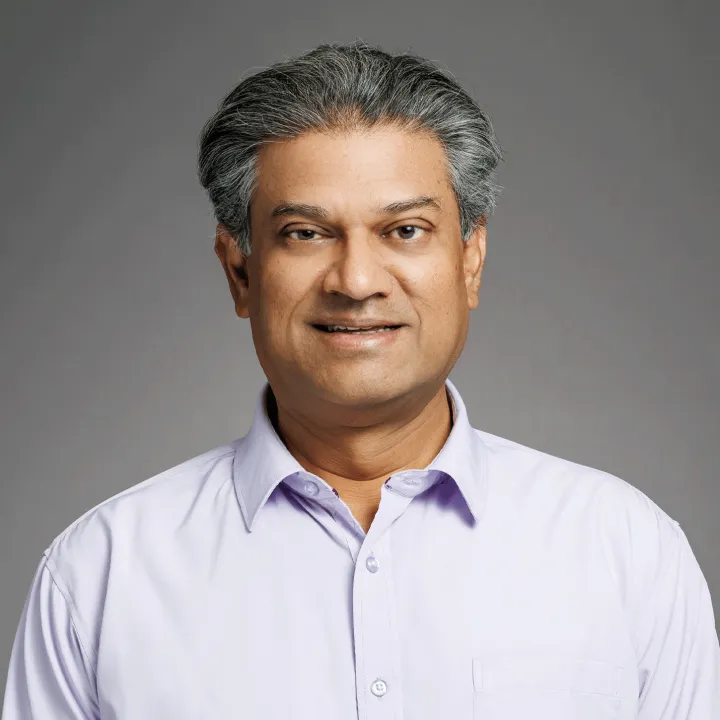
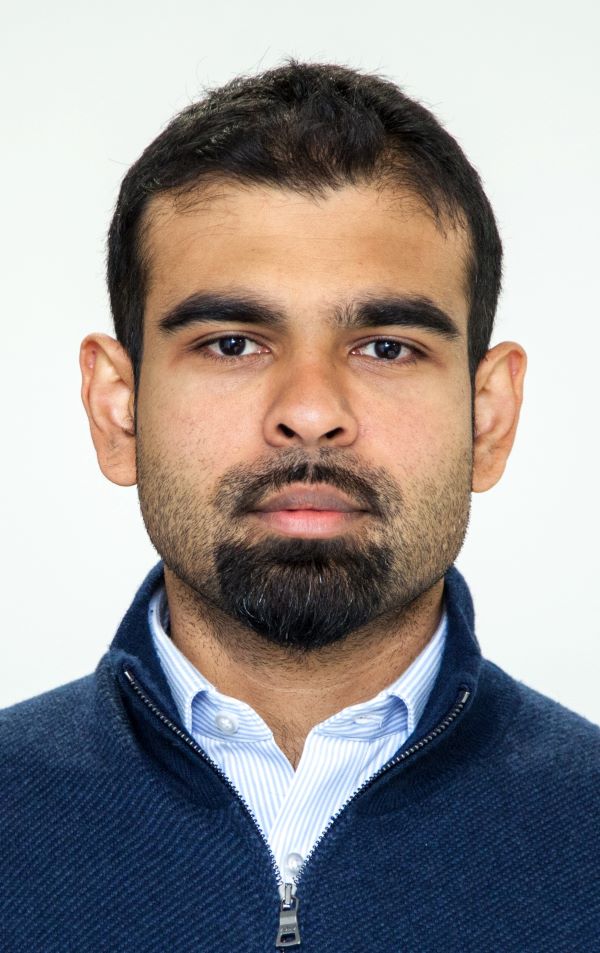
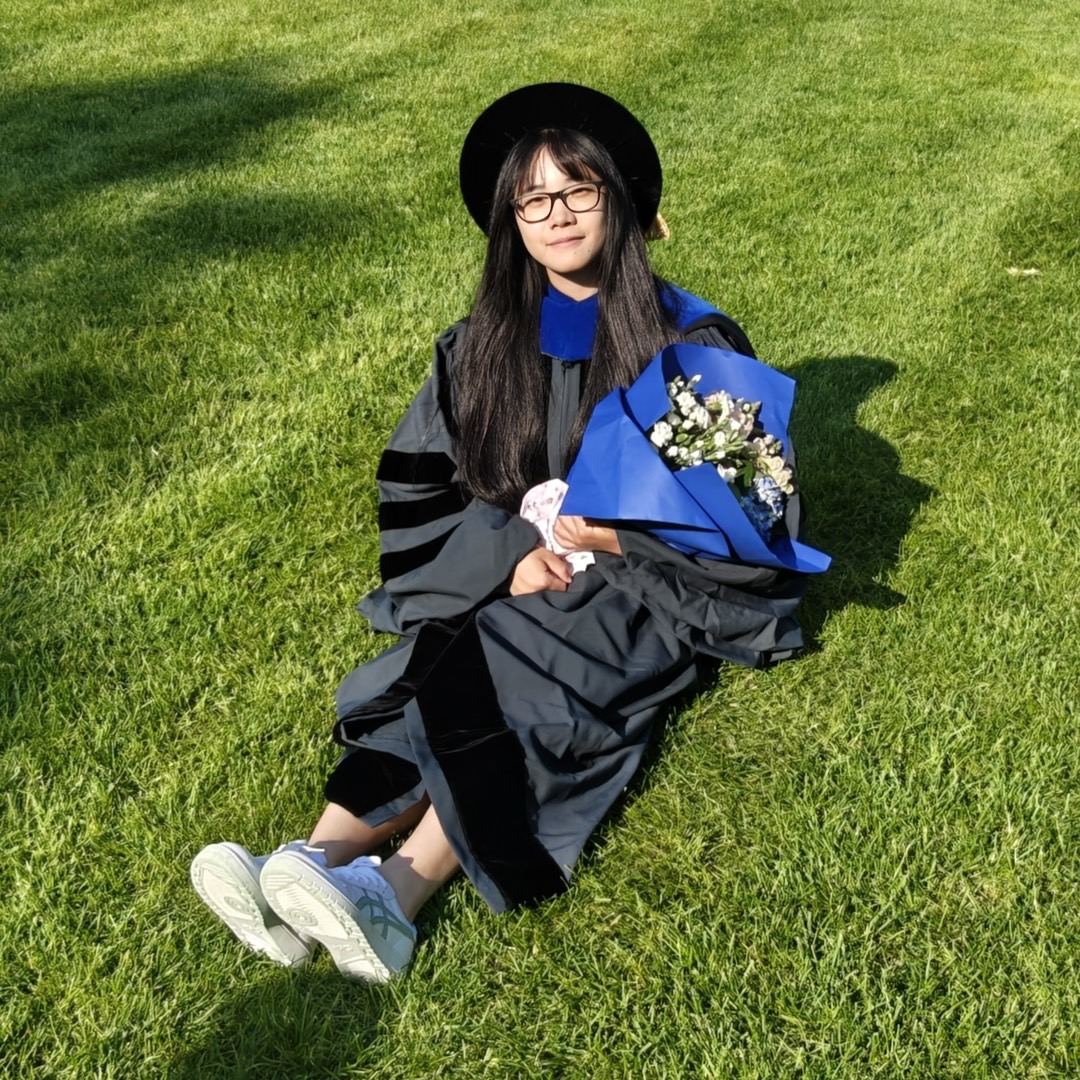
D.S. Fahmeed Hyder is a Professor of Biomedical Engineering at Yale University, with additional appointments in Radiology & Biomedical Imaging. He holds a Ph.D. from Yale University and leads the Hyder Lab, which focuses on advancing quantitative and translational imaging technologies using magnetic resonance methods to study brain function and dysfunction at the laminar level. His research integrates multidisciplinary approaches, including molecular imaging, neurophysiology, and material science. Research Interests: Neurovascular and neurometabolic coupling mechanisms Molecular imaging probes for disease diagnostics Functional MRI (fMRI) and metabolic imaging in health and disease Imaging applications for Alzheimer’s, stroke, and cancer Publications: Dr. Hyder’s recent work emphasizes cutting-edge imaging techniques, such as pH-sensitive biosensors, high-resolution fMRI, and multimodal optical imaging. His research highlights include studies on neurovascular dysfunction in Alzheimer’s models, therapeutic interventions for brain injury, and molecular imaging of tumor microenvironments. Awards: Niels Lassen Award (2003), for cerebral blood flow research Early Career Faculty Award (1998), NSF & NIH Pilot Awards from JDRF & Yale-UCL Collaborative (2008, 2013) Labs/Teams: The Hyder Lab collaborates with institutions like UCL and the James S. McDonnell Foundation, advancing translational imaging solutions for clinical applications.
Dr. Shakir Jiffri is a Lecturer in Aerospace Engineering at Swansea University's School of Aerospace, Civil, Electrical and Mechanical Engineering. His research focuses on Linear and Nonlinear Structural Dynamics, Aeroelasticity, and Active Control methods, particularly in flutter suppression and non-smooth systems. He has contributed to experimental studies on feedback linearisation and nonlinear control strategies, with applications in aeroelastic systems and robotics. Teaches modules including Strength of Materials, Engineering Mechanics, and Aerospace Control. Supervised PhD and MSc students in active control methodologies and inertial amplifier concepts. Research interests include: Aeroelasticity, Nonlinear Control, and Structural Dynamics. Recent work addresses composite panel optimization and vibration control in robotic systems. His publications span journals like Journal of Guidance, Control, and Dynamics and Mechanical Systems and Signal Processing, emphasizing experimental validation of control strategies.
Luyang Zhao is an incoming tenure-track Assistant Professor in the Department of Electrical and Computer Engineering at Clemson University (starting August 2025). He earned his PhD in Computer Science and double undergraduate degrees in Computer Science and Mathematics from Dartmouth College and the University of Minnesota respectively. Academic Affiliation : Clemson University (Assistant Professor) Education : PhD in Computer Science (Dartmouth College), BS in Computer Science & Mathematics (University of Minnesota) His research focuses on Robotics , particularly soft robotics, modular systems, and bio-inspired designs. Key areas include: Large Language Models for robotic design automation Modular tensegrity systems for self-assembling structures Swarm coordination strategies Multi-environment adaptability (land/aquatic/aerial) Simulation tool integration for design optimization Recent publications highlight his work on SoftSnap modular platforms, LLM-driven swarm intelligence, and bioinspired dolphin robots. He received the Neukom Outstanding Graduate Research Prize for his contributions. Industry Experience : Research internships at Amazon Robotics and TuSimple Mentorship : Advised 6+ graduate/undergraduate researchers Open-Source Contributions : Developed SoftSnap platform for rapid prototyping Academic Service : Workshop co-organization (IROS 2023), peer reviewing (RA-L, ICRA, IROS, RoboSoft, BioRob)
M'hamed Chahma serves as Full Professor in the Department of Chemistry and Biochemistry at Laurentian University's School of Natural Sciences, Sudbury, Canada. Appointed Associate Professor in 2006 and promoted to Full Professor in 2013, he maintains an active research laboratory in F-522 of the Science Building with ongoing projects through 2025. His educational background includes: Bachelor in Chemistry from University Cadi Ayyad/Ibn-Zohr (Agadir, Morocco) MSc (DEA) in Electrochemistry from Denis Diderot University (Paris 7, France)/ESPCI PhD in Electrochemistry from Denis Diderot University (Paris 7, France)/ESPCI Dr. Chahma's research bridges physical organic chemistry and surface science, specializing in chiral conducting surfaces for biomolecule detection. His group develops electrode interfaces using amino acid-functionalized oligo/polythiophenes via electropolymerization, creating stable chiral electrodes capable of enantioselective recognition through hydrogen bonding interactions. Current investigations focus on radical-polymer hybrids combining nitroxide/verdazyl radicals with conducting polymers for energy storage applications where radical incorporation modulates electronic and optical properties. Analysis of his 2010-2025 publications reveals consistent innovation in chiral electroanalysis and radical-functionalized materials, with significant contributions to electrochemical biosensors (particularly for amino acids and oligonucleotides) and fundamental studies of electron transfer in modified interfaces. Key journals include New Journal of Chemistry, Journal of Organic Chemistry, and Chemical Reviews. His scientific recognition includes: Undergraduate scholarship Graduate scholarship Dr. Chahma teaches undergraduate and graduate courses while mentoring student researchers, and previously served four years on NSERC-RTI application evaluation committees. His laboratory employs cyclic voltammetry, ATR-FTIR, and electrochemical synthesis to characterize chiral electrode interfaces and radical-polymer systems, with ongoing work focused on optimizing capacitive response for biomolecular recognition and exploring verdazyl radical applications in energy storage devices.
Muhammed Said Boybay is an Associate Professor at the Department of Electrical and Electronics Engineering, Faculty of Engineering, Iğdır University. His academic journey includes a PhD in Electrical and Computer Engineering from the University of Waterloo (2004-2009), with a thesis on 'Sensitivity Enhancement of Near Field Probes Using Negative Materials', and a Bachelor's degree from Bilkent University's Electrical and Electronics Engineering program (2000-2004). His research focuses on microwave engineering, metamaterials, microfluidics, and sensing technologies. He has pioneered work on microwave-based microfluidic systems, metamaterial sensors for material characterization, and non-destructive evaluation techniques using resonant structures. His contributions include developing high-throughput sensing methods for individual droplets in microfluidic devices and integrating microwave heaters for thermo-capillary mixing. Boybay has authored over 20 peer-reviewed articles, with recent work emphasizing hydrogen sensing via palladium-based resonators and beam steering using dispersive superstrates. He has supervised three graduate students, including doctoral candidate Gürkan Yeşilöz and master's graduates Hasan Önder Yılmaz and Ayşegül Musul. He has held administrative roles such as Head of the Department of Electrical and Electronics Engineering at Iğdır University and Deputy Dean at International Antalya University. His teaching spans undergraduate courses like Electromagnetic Field Theory and graduate modules in Antenna Engineering and RF Design. Notably, he contributed a chapter on 'Microwave in Microfluidics' to the 2nd Edition of the Encyclopedia of Microfluidics and Nanofluidics .
Professor James S. Cotton is a faculty member in the Department of Mechanical Engineering at McMaster University , specializing in Thermo-Fluid Sciences with a focus on energy sustainability and thermal management. Current research explores thermal energy harvesting , non-thermal plasma flue gas cleaning , and smart electrohydrodynamic heat exchangers . Active in community energy planning as a member of the Burlington Climate Action Plan (2019-2021) and Green Venture board (2016-2021). Research spans both fundamental and applied domains, including two-phase flow , electrohydrodynamic heat transfer modulation , and flow accelerated corrosion analysis. His work integrates modeling and experimental validation for real-world thermal systems. Scientific Contributions: Developed two novel patents for advanced thermal management and soot removal systems during his industrial career at Dana Corp. (until 2007). Current projects involve community energy corridors and next-generation sustainable energy solutions , including the 2025 Hamilton Energy Harvesting Study . Active mentor in graduate education, teaching courses like MECH ENG 4O04: Sustainable Energy Systems and MECH ENG 708: Two Phase Flow and Heat Transfer .
Christian Freund is Professor of Protein Biochemistry at the Institute for Chemistry & Biochemistry, Freie Universität Berlin, holding this W2 professorship since 2011. He serves as Coordinator of the FU Berlin-UCSF Collaborative Initiative and Founding Member/Vice-chair of the DFG Collaborative Research Centre SFB/TRR 186 on Molecular Switches in Cellular Signal Transmission, leading interdisciplinary research across Berlin and Heidelberg institutions. His academic foundation includes Chemistry studies at Heinrich-Heine-Universität Düsseldorf (1983-1986) and Ludwig-Maximilians-Universität München (1986-1989), followed by a PhD in Structural Biology at the Max-Planck-Institute of Biochemistry (1994) and Habilitation in Biochemistry at Freie Universität Berlin (2005). Freund's research integrates structural biology, biophysics, and immunology to investigate molecular mechanisms of antigen presentation and cellular signaling. His work centers on MHC class II dynamics, protein conformational switches, and nanoscale organization of signaling complexes, employing NMR spectroscopy, quantitative proteomics, and molecular engineering to dissect immune recognition pathways and neuronal signaling mechanisms. Analysis of his 2010-2019 publications reveals consistent focus on MHC-mediated antigen presentation (60% of works), with significant contributions to understanding peptide exchange dynamics and HLA-DM editing functions. Secondary research streams explore synaptic protein networks (25%) and T cell signaling machinery (15%), demonstrating methodological breadth across structural biology, proteomics, and cell biological approaches. His scientific recognition includes: Biofuture award from the German Ministry of Education and Research (1999) Swiss National Funds Post-doctoral Scholarship (1997) Innovationswettbewerb Medizintechnik grant (2009) As research group leader at Leibniz-Institute of Molecular Pharmacology (2000-2011) and current FU Berlin professor, Freund has secured major collaborative funding through DFG SFB/TRR 186 and the UCSF partnership. His mentorship spans postdoctoral fellows at Harvard/Dana-Farber and Leibniz-Institute, with current supervision of graduate students in the Berlin biochemistry program. Freund directs a research group within FU Berlin's Institute for Chemistry & Biochemistry, operating as core component of SFB/TRR 186. His laboratory maintains active collaborations with UCSF's QBI (Nevan Krogan) and Heidelberg-based structural biology teams, utilizing advanced NMR, cryo-EM, and single-molecule imaging facilities across the Berlin-Heidelberg research alliance.
Dr. Stella Pytharouli is a Senior Lecturer in Civil and Environmental Engineering at the University of Strathclyde. With over 20 years of expertise in structural and ground deformation monitoring/analysis, her research focuses on subsurface characterization and slope instability early warning systems through microseismic monitoring, geodetic technologies, and machine learning integration. MEng (2002) - University of Patras MSc (2004) - University of Patras PhD (2007) - University of Patras Her research combines advanced signal processing with geodetic monitoring (terrestrial/aerial) to develop AI-driven solutions for UK landslide sites. Key areas include: Microseismic monitoring of weak seismic events Geometric and kinematic analysis of ground deformations Integration of geotechnical data with machine learning Climate change impact on slope stability Low-cost sensor development for environmental monitoring Recent publications highlight her work on AI-based seismic classification models, tiltmeter applications, and 3D reconstruction techniques. Her group includes 4 PhD students and 1 postdoc. Scientific recognitions include: Geophysical Research Letters front cover selection (2011) EOS Research Spotlight (2019) Lampadarios Prize from Academy of Athens (2009) TOPCON Award for young researchers (2008) As Director of Postgraduate Research (2020-present), she supervises PhD students and teaches land surveying modules. Current projects address slope stability analysis, climate change correlations, and seismic data automation.
Vanessa Miemietz is a Professor of Pure Mathematics at the University of East Anglia , based in the School of Engineering, Mathematics and Physics. Her research focuses on representation theory, homological algebra, and categorification, with specializations in 2-representation theory and algebraic structures related to finite-dimensional algebras and algebraic groups. Education: PhD in Mathematics (Dr.rer.nat), University of Stuttgart (2002–2005) Diploma in Mathematics (Dipl.Math), University of Stuttgart (1997–2001) Research Interests: Structural properties of representation categories, categorification phenomena, and applications of homological algebra in Lie-theoretic contexts. She actively explores connections between algebraic groups and finite-dimensional algebra representations, with a focus on advancing 2-representation theory frameworks. Projects & Grants: Lead on 2-representation theory projects funded by EPSRC (2019–2023, 2025–2028) Hosted LMS Prospects in Mathematics Meeting (2021) Collaborative grants with Dr. R. Laugwitz and Dr. Jyun-Ao Lin Editorial Roles: Editorial Board Member, Applied Categorical Structures (2023–present) Editorial Board Member, Communications in Algebra (2021–present) Supervision & Mentoring: Supervises PhD students in representation theory of algebraic groups and homological algebra. Open to discussing projects beyond listed opportunities and securing funding alternatives.
Fredrik Marks is a Researcher at the Institute of Algebra and Number Theory at the University of Stuttgart. He holds a PhD in Mathematics from the University of Stuttgart (2011-2014) and completed his Habilitation in Mathematics there in 2022. His research focuses on algebra, representation theory, homological algebra, category theory, and silting/tilting theory. Marks has coordinated the DFG-funded Network on Silting Theory since 2021 and led a Baden-Württemberg Stiftung postdoctoral grant (2020-2024). He has organized numerous conferences, including the 2019 Two Weeks of Silting conference and the 2022 Silting Theory, Algebras and Representations workshop. His teaching portfolio includes courses such as Fachdidaktik 2 , Algebra 2 , and seminars on tilting theory and polynomials over finite fields. His publications explore advanced topics like universal localisations, torsion classes, and functorial approaches to triangulated categories. Awards include a DAAD PRIME fellowship (2015-2016) and ongoing DFG/DFG support for collaborative research.
Professor Ben Quash is the inaugural Professor of Christianity and the Arts at King’s College London, part of the Department of Theology & Religious Studies. He holds a dual academic background in English Literature and Theology, with a PhD focusing on Hans Urs von Balthasar’s theological dramatic theory. Previously, he served as Dean and Fellow at Peterhouse, Cambridge, and Academic Director of the Cambridge Inter-Faith Programme (2004-2007). His research bridges Christian theology, the arts, and interfaith dialogue, emphasizing how visual, literary, and musical forms engage biblical and theological themes. Key roles include founding and directing the Centre for Arts & the Sacred (ASK) and leading the Visual Commentary on Scripture project. He teaches undergraduate and postgraduate modules on theology, art, and liturgy, including courses like Salvation and the City and Art as a Theological Medium . His work explores modernity’s impact on theology, the role of liturgy in shaping ethics, and the intersection of art with scriptural interpretation. Professor Quash’s media engagements include BBC broadcasts on topics like sacred spaces, Christian art’s legacy, and theological aesthetics. He has authored/co-edited over 60 publications, including Theology, Modernity and the Visual Arts (2024) and Visualising a Sacred City: London, Art and Religion (2016). Awards include the King’s Award for Excellence and Innovation in the Arts (2012).
Idun Reiten is a Professor of Mathematics at the Norwegian University of Science and Technology (NTNU), where she has been a faculty member since 1974. Born on January 1, 1942, she earned her Master's degree in Mathematics from the University of Oslo (1968) and her Ph.D. from the University of Illinois (1971), advised by Robert Fossum. Her research focuses on representation theory of algebras, tilting theory, and cluster algebras, with over 130 publications and a seminal book co-authored with Maurice Auslander and Sverre Smalø, *Representation Theory of Artin Algebras* (1995). Key academic roles and recognitions include: Elected to the Royal Swedish Society of Science and Letters (2007) Recipient of the Humboldt Research Prize (2005), Möbius Prize (2007), and Fridtjof Nansen Award (2009) Delivered the 2010 Emmy Noether Lecture at the International Congress of Mathematicians Member of the Norwegian Academy of Science and Letters Research.com Leader in Mathematics for Norway (2024, 2025) Her research contributions include foundational work in tilting theory, cluster-tilted algebras, and the study of Cohen-Macaulay modules. Her work bridges algebra, combinatorics, and geometry, with applications in categorical structures and representation theory.
Rick Dobrowsky is a Professor and Director of the Graduate Program in Neuroscience at the University of Kansas School of Pharmacy , Department of Pharmacology & Toxicology. His research focuses on diabetic peripheral neuropathy, molecular chaperones, and sphingolipid signaling in neuronal degeneration. Location: Malott Hall, Room 5064, Lawrence, KS Contact: dobrowsky@ku.edu | 785-864-3531 Research Overview : The Dobrowsky Lab investigates how hyperglycemia alters neurotrophin signaling and mitochondrial proteomes in diabetic neuropathy. Key projects include: Hyperglycemia and IGF-1 signaling effects on superoxide generation Neuregulinism's role in segmental demyelination Development of HSP90 inhibitors for neuroprotection Publications (15 Most Recent): 2025: PERK signaling and Cemdomespib therapy in Charcot-Marie-Tooth disease 2024: Demyelination progression in R75W-Connexin 32 models 2023: Biphenyl amides as HSP90/HSP70 modulators 2022: Cyclohexyl noviomimetics and mitochondrial function 2021: HSP70/thioredoxin interactions in diabetic neurons 2020: HSP90 inhibition and c-Jun proteasomal clearance 2019: Mitochondrial superoxide reduction with KU-596 2018: HSP70 targeting for demyelination 2016: Cemdomespib and neurotrophin receptor dynamics 2015: Molecular chaperones and mitochondrial bioenergetics 2014: KU-32 and heat shock protein mechanisms 2013: Neuregulin-1 isoforms in diabetic neuropathy 2012: C-terminal HSP90 inhibitors in sensory neuron protection 2011: Mitochondrial proteome changes in diabetes 2010: P35/CDK5 in beta-amyloid toxicity
Professor Daniel Gryko leads a prominent research group at the Institute of Organic Chemistry, Polish Academy of Sciences, specializing in advanced functional dyes and photochemistry. His work bridges fundamental organic synthesis with practical applications in bioimaging, molecular electronics, and nanomaterials. With over 150 publications and numerous high-impact grants, including an ERC Advanced Grant and multiple Horizon Europe projects, Gryko has established himself as a leader in the field of novel chromophore design. Gryko's research focuses on developing innovative fluorescent dyes with exceptional photophysical properties, particularly exploring fluorescence of nitroaromatics, two-photon absorption phenomena, and excited-state intramolecular proton transfer (ESIPT). His group specializes in several key structural platforms including corroles, diketopyrrolopyrroles, pyrrolo[3,2-b]pyrroles, dipyrrolonaphthyridinediones, porphyrins, and coumarins. Recent work has centered on creating strongly emitting helicenes, quadrupolar dyes with unique symmetry-breaking properties, and developing specialized fluorophores for super-resolution microscopy applications. Analysis of Gryko's recent publications reveals a strong emphasis on molecular design strategies for controlling photophysical behavior. His group frequently employs π-expansion techniques, heteroatom doping, and strategic substitution patterns to tune emission properties. A significant portion of their work focuses on overcoming traditional limitations in fluorophore design, such as the non-fluorescence of nitroaromatics, through innovative molecular architectures. Gryko has received prestigious recognition including an ERC Advanced Grant for the ARCHIMEDES project targeting NIR-II emission efficiency, multiple Horizon Europe grants, and the TEAM grant from the Foundation for Polish Science supporting development of fluorescent probes for super-resolution microscopy. His group's work has resulted in numerous publications in top-tier journals including Journal of the American Chemical Society , Chemical Science , and Angewandte Chemie . Professor Gryko actively mentors a diverse research team including PhD students, postdoctoral researchers, and collaborators worldwide. His group has secured substantial funding including Horizon Europe grants for PhotoBrane and APACE projects, ERC funding, and multiple Polish National Science Centre grants. Current projects focus on developing novel fluorescent probes for super-resolution microscopy, creating bio-mimetic sunlight-pumped lasers, and designing photo-switchable membranes for molecular separation. The Gryko group operates a well-equipped laboratory focused on organic synthesis and photophysical characterization. Their work spans from fundamental molecular design to practical applications in bioimaging and materials science. Recent expansions of their research program include development of probes for detecting SARS-CoV-2 proteases, demonstrating the group's ability to pivot toward addressing pressing societal challenges.
Dr. Margaret Alexander is an Assistant Professor in the Department of Medical Microbiology and Immunology at the University of Wisconsin-Madison, where she leads a research laboratory focused on the interactions between diet, the gut microbiota, and the immune system in autoimmune diseases. She began her independent career at UW-Madison in January 2024 after completing postdoctoral training at UCSF. Her educational background includes: B.S. in Biology from Carleton College Ph.D. from the University of Utah under Dr. Ryan O'Connell, studying immune cell communication Postdoctoral work at UCSF with Dr. Peter Turnbaugh on microbiota-immune interactions in autoimmunity Dr. Alexander's research centers on decoding mechanistic interactions between diet, microbiota, and immune responses using mouse models, gnotobiotics, anaerobic microbiology, and sequencing . Her lab investigates how dietary components shape microbial metabolism and immune function, with particular focus on Th17 cell regulation, microbial enzyme activity, and metabolite-mediated host responses in conditions like inflammatory bowel disease and rheumatoid arthritis. This work bridges fundamental microbiology with translational applications for autoimmune disease treatment. Analysis of her recent publications reveals three dominant trends: (1) Identification of specific microbial metabolites (e.g., lactate, polyphenol derivatives) that modulate immune pathways; (2) Development of precision tools for microbiome manipulation including phage-delivered CRISPR; and (3) Investigation of dietary interventions (ketogenic diets, prebiotics) as therapeutic strategies. Her work consistently connects microbial metabolic capabilities to host immune outcomes in autoimmunity. Her scientific contributions have been recognized through prestigious awards: T32 fellowship F32 fellowship K99/R00 career development award Dr. Alexander mentors a diverse research team using a philosophy emphasizing collaboration, creativity, and clear communication . She currently advises two Ph.D. students (Wenxuan Dong and Gillian Hughes) and supervises postdoctoral scholars, with structured mentoring through weekly 1:1 meetings and annual planning sessions. Her lab has secured significant grant funding including NIH K99/R00 support for her diet-microbiome-immune axis research. The Alexander Lab operates within the Microbial Sciences Building at UW-Madison as a dynamic interdisciplinary team comprising postdoctoral scholars, graduate students, a research specialist, and undergraduate researchers. They employ integrated approaches spanning microbial ecology, immunology, and systems biology to unravel complex host-microbe-diet interactions, with ongoing projects focused on microbial enzyme characterization, therapeutic dietary strategies, and microbiome-based biomarkers for autoimmune disease progression.