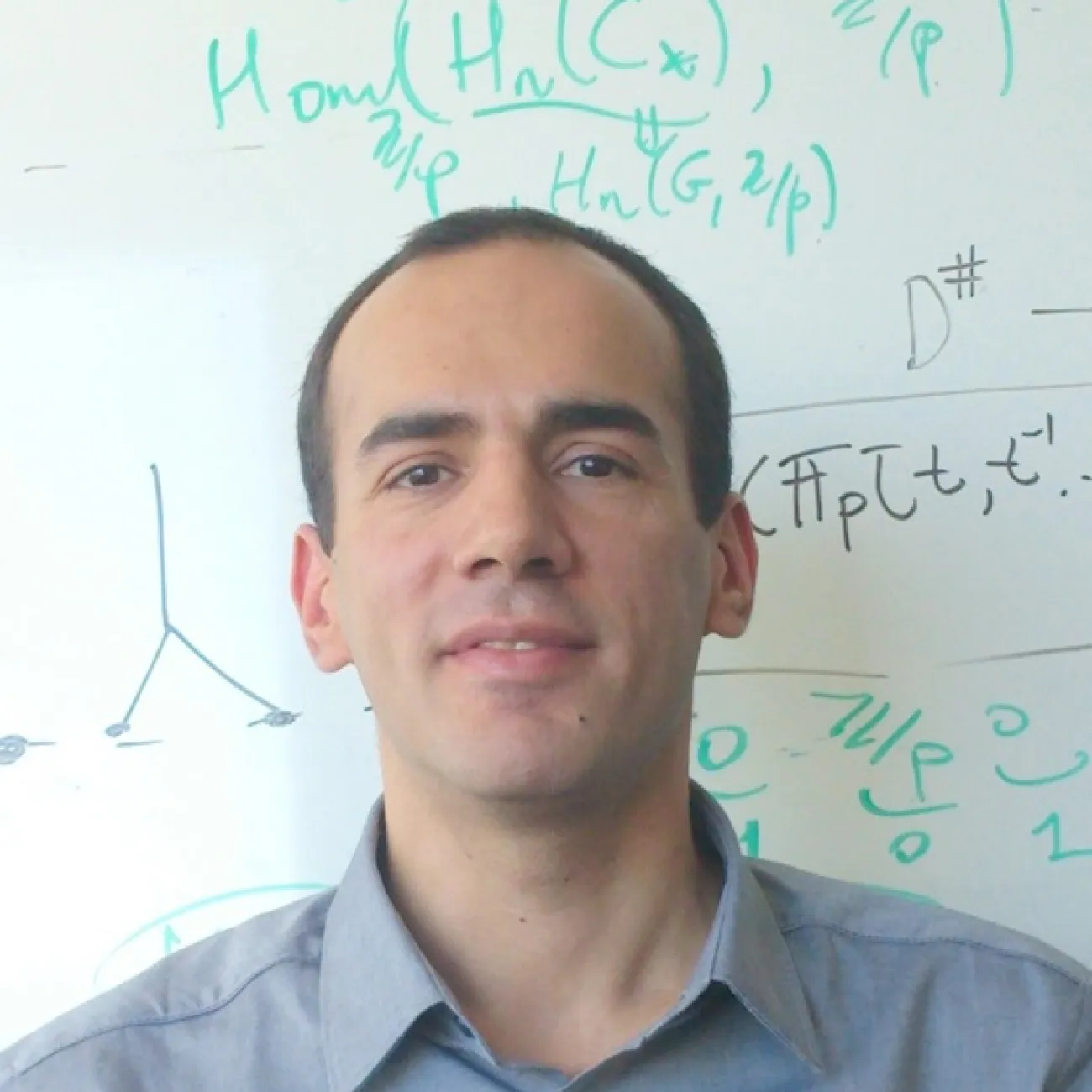
Osamu Iyama is a Professor at the Graduate School of Mathematical Sciences, University of Tokyo. He leads research in algebra and representation theory while mentoring PhD and Master's students. Previously affiliated with Nagoya University, he maintains editorial roles for Mathematische Zeitschrift , Nagoya Mathematical Journal , and other journals. His research focuses on representation theory of orders, categorical structures (module categories, derived categories, cluster categories), and applications to cluster algebras and noncommutative resolutions of singularities. Key areas include higher-dimensional Auslander-Reiten theory, tilting theory, and Cohen-Macaulay representations. His recent publications (2016–2020) explore triangulated categories, noncommutative resolutions, Auslander-Gorenstein algebras, and combinatorial aspects of representation theory, demonstrating consistent innovation in homological algebra and singularity theory. Awards and honors: 2019 Inoue Prize for Science 2011 JSPS Prize 2010 Spring Prize of the Mathematical Society of Japan 2008 Algebra Prize of the Mathematical Society of Japan 2007 ICRA Award 2001 Takebe Katahiro Prize He leads an active research group, organizes international conferences (e.g., Oberwolfach workshops, China-Japan-Korea symposia), and directs the Tokyo-Nagoya algebra seminar.
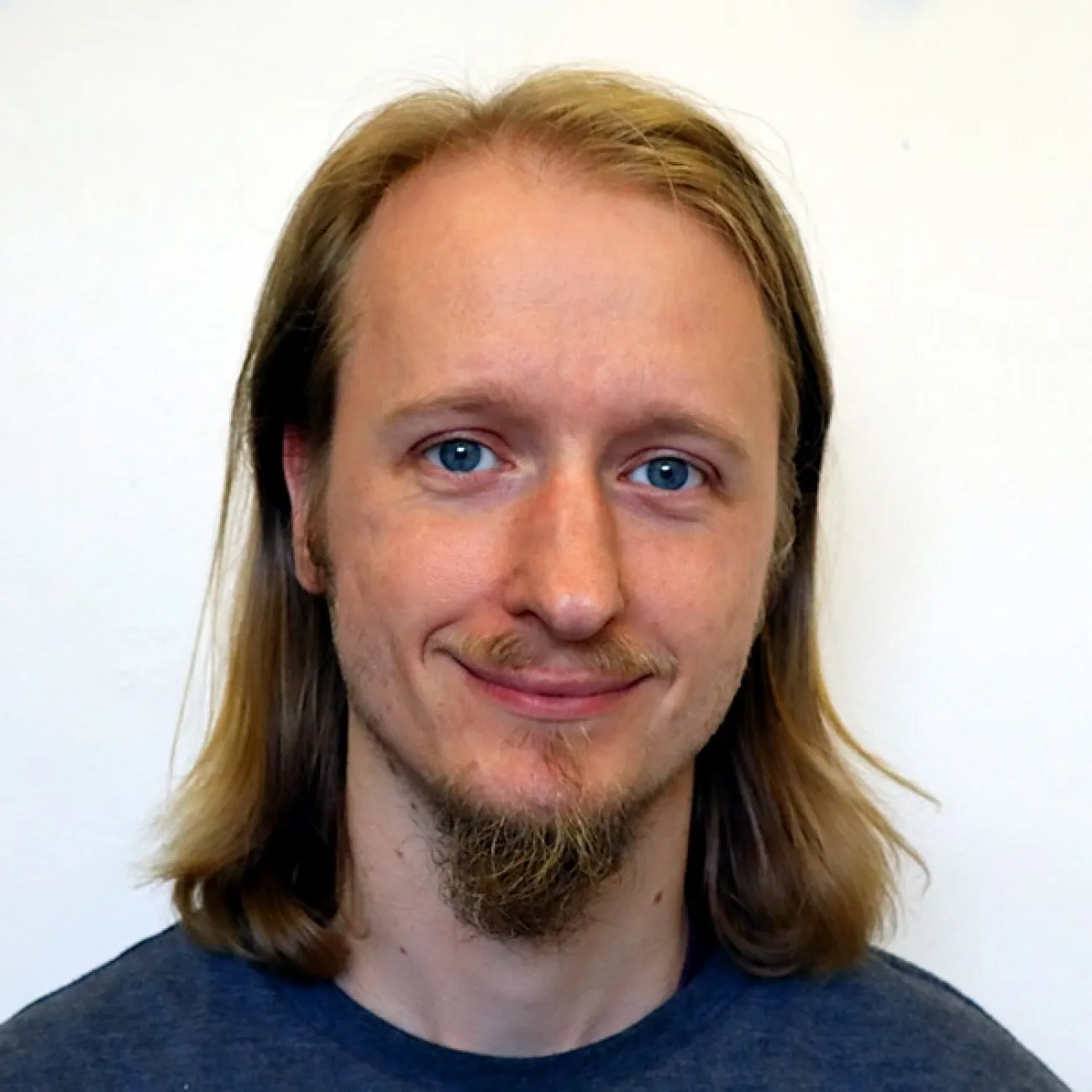
Nansen Petrosyan is a Professor at the University of Southampton's Mathematical Sciences department. He serves as the Programme Lead for single honours programmes in Mathematics. His academic career includes a position as a lecturer at the University of Southampton since 2013, following a postdoctoral fellowship with the Flemish Science Foundation (FWO) at the University of Leuven, Belgium. Professor Petrosyan's research focuses on: Geometric Group Theory Topology Algebra Geometry His current research explores group theoretic Dehn fillings, L^2-Betti numbers, L-infinity cohomology, cohomological characterizations of non-positive curvature, and splittings of groups. His work demonstrates a strong connection between geometric structures and algebraic properties of groups. Professor Petrosyan's recent publications show a consistent focus on geometric aspects of group theory and topology, with particular emphasis on theoretical investigations in manifold theory and geometric structures. His research output has been consistently strong over the past decade with multiple publications in high-impact journals. His scientific achievements have been recognized with: The Emil Artin Junior Prize in Mathematics (2008) Professor Petrosyan is actively involved in academic supervision and currently mentors PhD students Briony Helen Eldridge and Harry Margaret John Iveson in the Mathematical Sciences program. He has secured research funding including an EPSRC First Grant project. Within the department, he teaches the fourth year module Hyperbolic Geometry and Foundation Year Mathematics B, demonstrating his commitment to both advanced and foundational mathematical education.
Professor Robert Mokaya OBE FRS is Provost and Deputy Vice-Chancellor at the University of Sheffield, joining in 2024 after serving as Pro Vice-Chancellor for Global Engagement at the University of Nottingham. As Professor of Materials Chemistry within the School of Mathematical and Physical Sciences, he leads significant research in porous materials for energy applications. His distinguished academic career spans over three decades with major contributions to materials chemistry and sustainable energy solutions. Mokaya received his B.Sc. in Chemistry from the University of Nairobi (1988) followed by a Ph.D. from the University of Cambridge (1992). His academic journey includes a Research Fellowship at Trinity College, Cambridge (1992), an EPSRC Advanced Fellowship (1996), and progressive appointments at Nottingham University culminating in Professor of Materials Chemistry (2008). His research focuses on the design, synthesis and characterization of novel porous materials with applications in hydrogen storage, CO2 capture, and sustainable energy. His work particularly emphasizes templated porous solids, zeolite templated carbons, and mesoporous molecular sieves. Mokaya's research group has pioneered approaches to optimize porosity in carbon materials for enhanced gas storage capacity. Mokaya's extensive publication record demonstrates consistent leadership in porous materials research with recent work emphasizing practical applications for sustainable energy storage solutions. His articles show a clear progression from fundamental materials characterization to applied energy storage technologies, with particular emphasis on optimizing pore structures for specific gas storage requirements. OBE (2022) for services to the Chemical Sciences Fellow of the Royal Society (FRS) (2023) Royal Society Wolfson Research Merit Award holder (2017-2022) President-Elect of the Royal Society of Chemistry (2024-2026) Mokaya has secured significant research funding supporting his work on sustainable materials for energy applications. His leadership extends to capacity building in porous materials research globally, with particular focus on developing nations. He has supervised numerous PhD students and postdoctoral researchers who have gone on to establish their own research programs in materials science. His research laboratory focuses on the synthesis and characterization of advanced porous materials, with specialized equipment for gas sorption analysis, materials synthesis, and electrochemical characterization. Mokaya leads international collaborations focused on sustainable energy materials, with particular emphasis on creating practical solutions for clean energy storage challenges.
Felix Langfeldt is an Associate Professor and Doctoral Programme Director at the Institute of Sound and Vibration Research (ISVR), part of the Faculty of Engineering and Physical Sciences at the University of Southampton . His work focuses on developing active and passive acoustic metamaterials for low-frequency noise reduction in transport systems and living spaces. Research Interests : Acoustic Metamaterials Low-Frequency Sound Insulation Aircraft Cabin Noise Control Vibro-acoustics of Lightweight Structures Analytical Modeling of Multi-layered Partitions Teaching Roles : Module Lead for Electroacoustics (ISVR6137) since 2022/23 Module Lead for Active Control of Sound and Vibration (ISVR6139) since 2024/25 Lecturer for Theoretical and Computational Acoustics (ISVR3073/6148) since 2023/24 Academic Background : BEng, MSc in Aeronautical Engineering (2012) PhD (2018) on Membrane-type acoustic metamaterials for aircraft noise shields Industry Collaborations : Airbus, 3M. Professional Timeline : 2021: Visiting Academic at ISVR 2022: Lecturer appointment 2023: Doctoral Programme Director 2024: Promoted to Associate Professor
Dr Walter Wojciech M. Kozlowski is an Adjunct Associate Professor at the School of Mathematics and Statistics of the University of New South Wales . He has been actively engaged in research in functional analysis, fixed point theory, and their applications since the 1980s. Additionally, he is a professional in Information and Communication Technology, serving as Head of Architecture at Telstra Network Cloud and elected Technology Co-Lead of the Common NFVI Telco Taskforce (CNTT) in 2019. Research Interests: Dr Kozlowski specializes in functional analysis , fixed point theory , and modular function spaces . His work explores the convergence of iterative processes, nonlinear operator theory, and applications in Banach spaces. Recent Publications: His 2024 studies focus on implicit iterative processes, modular versions of fixed point theorems, and convergence analysis. Earlier works (2013-2017) examine nonlinear differential equations, pointwise Lipschitzian mappings, and common fixed points in modular spaces. Scientific Awards: Fulbright Scholar
Professor Kenneth T. V. Grattan serves as the Royal Academy of Engineering/George Daniels Professor of Scientific Instrumentation at the School of Engineering, City, University of London. He has held this prestigious position since October 1, 1983, demonstrating a long-standing commitment to advancing scientific instrumentation and sensor technologies. Professor Grattan's research spans multiple domains within optical sensing and instrumentation. His primary research interests include: Optical fibre sensors for various physical and chemical parameter measurements Laser-based sensing systems and photonics technologies Instrumentation design for industrial and biomedical applications Advanced signal processing techniques for sensor data interpretation Novel materials integration in sensor development His recent publication record demonstrates a strong focus on developing sophisticated optical sensor systems with practical applications. Professor Grattan's work shows consistent innovation in fiber Bragg grating technology, interferometric sensing approaches, and microfluidic integration. His research group has made significant contributions to dual-parameter sensing systems, environmental monitoring solutions, and biomedical sensing applications. The trend in his recent publications indicates increasing interdisciplinary collaboration, particularly with biomedical researchers and industrial partners to translate laboratory innovations into practical measurement systems. As the George Daniels Professor of Scientific Instrumentation, Professor Grattan holds one of the most prestigious named chairs in the field, supported by the Royal Academy of Engineering. This position recognizes his significant contributions to advancing measurement science and instrumentation technology. Professor Grattan has supervised numerous PhD students and research associates throughout his career, though specific names are not detailed in the available information. His research has been supported by various funding bodies and industrial partnerships, enabling the development of cutting-edge sensor technologies with real-world applications. His laboratory at City, University of London focuses on developing next-generation optical sensor systems, with particular emphasis on making measurements in challenging environments. The research group maintains strong connections with industry partners to ensure practical relevance of their developments.
Alessio Accardi, Ph.D., is a Professor of Physiology and Biophysics in Anesthesiology at Cornell University. He also holds secondary appointments in the Department of Physiology and Biophysics and Department of Biochemistry. His research focuses on understanding the structural and functional mechanisms of ion channels and transporters, particularly the CLC protein family, which is implicated in human diseases like Bartter’s syndrome. Primary Appointment: Department of Anesthesiology Secondary Appointments: Department of Physiology and Biophysics, Department of Biochemistry Techniques: Cryo-Electron Microscopy, X-ray Crystallography, Electrophysiology His lab uncovers biophysical mechanisms of ion movement across cellular membranes, bridging active and passive transport proteins. Recent work highlights the dual nature of CLC proteins as both ion channels and transporters, challenging previous assumptions. The lab employs a multidisciplinary approach, combining structural biology with functional assays in synthetic lipid bilayers. Their research has direct implications for understanding ion channelopathies and developing targeted therapies. Recent publications explore lipid scrambling mechanisms in TMEM16 proteins, pH-dependent activation in CLC transporters, and voltage-gated channel modulation by anesthetics. These studies utilize Cryo-EM and crystallography to reveal molecular insights. Contacts: ala2022@med.cornell.edu | Accardi Lab Website
Amit Kuber is an Associate Professor in the Department of Mathematics & Statistics at Indian Institute of Technology Kanpur . He specializes in representation theory of associative algebras, order theory, and K-theory of model-theoretic structures, with a growing portfolio of high-impact publications and teaching accolades. Education PhD (2011-14) – University of Manchester, UK (Thesis: "K-theory of theories of modules and algebraic varieties"; Supervisor: Prof. Mike Prest) Master of Advanced Studies/Part III of Mathematical Tripos (2010-11) – University of Cambridge, UK M.Sc. (2008-10) – University of Pune B.Sc. (2006-08) – Garware College, Pune Research Interests & Focus Kuber's work lies at the intersection of algebra, model theory, and combinatorics. He explores combinatorial aspects of the representation theory of bound quivers , arithmetic properties of linear orders, and Grothendieck rings arising from model-theoretic structures. His research often bridges abstract categorical frameworks with concrete combinatorial problems, yielding insights into both tame and wild representation types. Scientific Awards & Honors Gopal Das Bhandari Memorial Distinguished Teacher Award (2023) Excellence-in-Teaching Award (2022) Sushila and Kantilal Mehta Award (2019) Eduard Čech Institute Post-doctoral Fellowship (2016) University of Manchester Overseas Students Scholarship (2011-14) Cambridge Commonwealth Trust Scholarship (2010-11) NBHM M.Sc. Scholarship (2008-10) Lt. Padmabhushan A. Garware & Lt. R.G. Kunte Memorial Awards for First Rank in B.Sc. Mathematics (Pune University) Professional Experience & Grants After completing his PhD, Kuber held post-doctoral positions at Masaryk University, Brno (2014-15) and the Second University of Naples, Caserta (2016). While explicit grant details are not provided, his continuous appointment at IIT Kanpur and multiple teaching awards indicate sustained institutional support for his research and pedagogical initiatives. Extracurricular Interests Beyond academia, Kuber engages in Indian classical and light music (vocal, harmonium, tabla) and poem writing .
Lisa A. Cassis serves as Vice President of Research and Professor of Pharmacology and Nutritional Sciences at the University of Kentucky. She holds multiple leadership positions including Co-Director of the Division of Nutritional Sciences and Graduate Faculty in Nutritional Sciences. Dr. Cassis is affiliated with several research centers including the Saha Cardiovascular Research Center, Saha Aortic Center, and serves as an MD/PhD Program Mentor. Dr. Cassis's research program has focused for over three decades on the renin-angiotensin system (RAS) in metabolic and cardiovascular diseases. Her laboratory made the seminal discovery in 1988 that adipocytes express high levels of angiotensinogen, establishing the concept of an adipocyte RAS. In 1999, in collaboration with Dr. Alan Daugherty, her team demonstrated that infusion of angiotensin II to hyperlipidemic mice increases atherosclerosis and causes abdominal aortic aneurysms (AAAs), with their 2000 publication in The Journal of Clinical Investigation becoming highly influential (over 500 citations). Current research emphasizes mechanisms for sex differences in AAA formation and PCB-induced diabetes, particularly examining adipocyte aryl hydrocarbon receptors as mediators of inflammation and insulin resistance. Her work has been continuously NIH-funded since 1988. Analysis of Dr. Cassis's recent publications reveals a strong focus on sex differences in vascular pathologies, particularly abdominal aortic aneurysms. Her research integrates molecular mechanisms with physiological outcomes, emphasizing adipose tissue's role in cardiovascular disease. Recent work explores novel therapeutic targets including serotonin receptors and mitochondrial dynamics in aortic disease progression. The publications demonstrate a progression from foundational mechanistic work to translational applications, with increasing use of advanced techniques like single-cell transcriptomics. 1986 National Research Service Award Postdoctoral Fellowship 1991 IBM Supercomputer Competition, First Place 1992 Research Career Development Award, NIHLBI 2012 Women's Mentor of the Year, Council on Arteriosclerosis, Thrombosis, and Vascular Biology, American Heart Association 2012 Mentor of the year, Center for Clinical and Translational Sciences, University of Kentucky 2012 Council for High Blood Pressure Research Harriett Dustan Award for Excellence in Hypertension Research Dr. Cassis has extensive experience administering major research programs including Director of a multidisciplinary graduate center focused on nutritional scientists, Chair of the Department of Nutritional Sciences, Chair of the Department of Molecular and Biomedical Pharmacology, Director of an NIH T32 on Nutrition and Oxidative Stress, and Director of the Phase II NIH Center of Biomedical Research Excellence on Obesity and Cardiovascular Diseases (COCVD). She has served in numerous leadership roles including as Project Director of a University of Kentucky Superfund Basic Science Research Program focused on polychlorinated biphenyls (PCBs). Dr. Cassis leads the Saha Cardiovascular Research Center and Saha Aortic Center at the University of Kentucky, where her laboratory investigates the intersection of metabolic and cardiovascular diseases. Her team combines molecular, cellular, and physiological approaches to study sex differences in vascular pathologies, with particular emphasis on abdominal aortic aneurysms and the role of adipose tissue in cardiovascular disease.
Dr. Sven Mackenbach serves as a Postdoctoral Researcher and Senior Engineer at RWTH Aachen University's Institute of Construction Management, Digital Engineering and Robotics in Construction (ICoM) since January 2023. Holding a doctorate in circular construction from the same institution, he leads the development of the "Circular Construction" research area, oversees multidisciplinary projects, and teaches Sustainable Construction Management to engineering students. His academic credentials include: PhD in Circular Construction, RWTH Aachen University (2023) Mackenbach's research integrates circular economy principles with digital construction technologies, focusing on strategic management frameworks for sustainable building practices. His expertise spans modular construction methods, BIM-based sustainability assessment, and digital twinning applications for infrastructure management. He bridges theoretical research with practical implementation through sustainability consulting for construction stakeholders, addressing real-world challenges in resource efficiency and regulatory compliance. His publication portfolio reveals a decisive shift toward data-driven circular construction solutions, with increasing emphasis on BIM-ontology integration for deconstruction planning, public participation systems, and sewer infrastructure management. Recent works demonstrate sophisticated methodological approaches to quantify ecological, economic, and social sustainability metrics without specialized expertise. As a scientific supervisor, Mackenbach mentors research assistants in project execution while contributing to curriculum development through his specialized course instruction. His leadership in research project coordination indicates substantial grant management experience, though specific funding sources aren't detailed in available materials. Within ICoM's collaborative environment, he contributes to cross-disciplinary teams advancing digital engineering and robotics applications in construction, particularly through the KaSyTwin sewer management project and BIPV facade digitalization initiatives.
Amar Al-Bassam is a researcher at the Institute of High Frequency Engineering at RWTH Aachen University. His work focuses on antenna engineering, particularly in the development of periodic leaky-wave antennas for radar and millimeter-wave applications. He has contributed to advancements in grating lobe mitigation, polarization engineering, and beamforming techniques. Below are his research interests and key contributions: Antenna Design for Radar and Communication Systems Microwave Engineering and Electromagnetic Theory Millimeter-Wave Technology and Waveguide Analysis His recent publications emphasize seamless beam scanning, symmetry-based optimizations, and dielectric material applications. No scientific awards or advisees are explicitly mentioned in the available data.
Sharmili Edwin Thanarajah is a researcher at the Goethe University Frankfurt , affiliated with the Faculty of Medicine and the Department of Psychiatry, Psychosomatics and Psychotherapy . Her work focuses on the intersection of peripheral metabolism, brain signaling, and mental health, utilizing advanced neuroimaging and intervention studies. Research Interests Impact of dietary factors on brain function Metabolism-neurocircuitry interactions Neuromodulation via vagus nerve stimulation Intranasal insulin's effects on cognition Translational psychiatry Key Publications Her research spans multidisciplinary areas including: Modulating midbrain activity through metabolic interventions Anti-inflammatory effects of vagus nerve stimulation Linking reward processing to habitual dietary patterns Neuroimaging-based studies of eating behavior Clinical applications of neuromodulation techniques Methods & Expertise She employs functional MRI , structural MRI , and intervention studies to explore these domains, with recent work addressing emotional processing and metabolic influences on mental health.
Milena Parent is a Full Professor at the Telfer School of Management, University of Ottawa, specializing in sport governance and strategy. She holds a PhD from the University of Alberta and serves as Director of the IOC-funded MEMOS program, mentoring future sport leaders globally. Education: B.Sc. (Hon.) and M.A. from University of Ottawa; Ph.D. from University of Alberta Roles: Director of MEMOS (English), Project & Event Management Module Lead, Canadian Sport Policy Work Group Member Research Interests: Her work explores organization theory, strategic management, and governance in non-profits and major events like the Olympics. She examines board dynamics, digital transformation, and social value assessment for residents. Grants: Funded by SSHRC, Canadian Heritage, Canadian Armed Forces, and Sport Information Resource Centre for projects on sport governance, safe sport practices, and event sustainability. Publications: Co-author of Managing Major Sports Events (Routledge, 2021) and Strategic Management in Sport (Routledge, 2019). Her 2024 articles focus on board decision-making, digital change, and Olympic governance. Professional Contributions: Serves on the board of Canadian Fitness and Lifestyle Research Institute and contributes to sport policy monitoring. Certified B2B copywriter for technical content.
Dr. Belinda Abbott is an Adjunct Associate Professor at La Trobe University's Department of Chemistry and Physics, affiliated with the La Trobe Institute of Molecular Science. She specializes in medicinal chemistry and synthetic organic chemistry, focusing on small molecule inhibitors for bacterial enzymes, malaria treatment, and neurodegenerative diseases. Current projects: Fragment-based drug design for antibacterial agents, cardiac arrhythmia therapies, and PKA inhibition in malaria Key collaborations: Australian Research Council-funded initiatives Research Focus: Her work spans Medicinal Chemistry , Organic Chemistry , and Biological Chemistry , emphasizing structure-activity relationships and lysine biosynthesis inhibition. Recent publications highlight advances in dual-target herbicides, allosteric enzyme inhibition, and antimalarial compounds. Professional Activities: Member of the Royal Australian Chemical Institute since 2007. Grant recipient for NMR infrastructure and peptide nucleic acid research (2007-2022). Teaching: Coordinates and teaches undergraduate/postgraduate courses in organic chemistry, medicinal chemistry, and honors chemistry programs.
Jon Andoni Duñabeitia is a Full Professor at the School of Languages and Education of Universidad Nebrija in Madrid. He serves as Director of the Centro de Investigación Nebrija en Cognición (CINC) and the International Chair in Cognitive Health . With an h-index of 43 (Scopus), he has published 170+ articles across psycholinguistics, multilingualism, cognitive training, and virtual reality applications in education. His research examines how language processing interacts with cognitive load, emotional modulation, and technological innovation. Principal Investigator for 8+ projects funded by Spanish Government, Basque Government, BBVA Foundation Associate Editor and Editorial Board Member of high-impact journals Recognized among Spain's top 3% scientists across all disciplines Recent publications span topics including: Second-language reading dynamics in VR environments Multilingual cognitive interactions in neurological conditions Emoji/typographic effects on word processing Computerized cognitive assessment and training systems He actively contributes to scientific meetings as invited speaker across Europe, Asia, and Americas. His work bridges basic research in psycholinguistics with applied technologies for cognitive health.