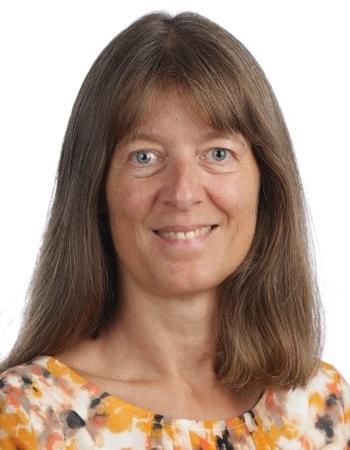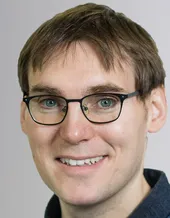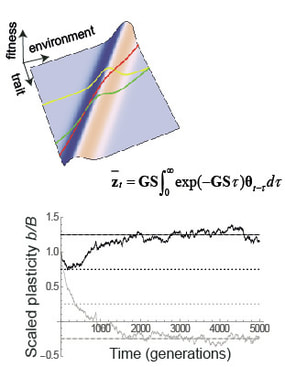
Luis-Miguel CHEVIN is a CNRS Research Director at the Centre d'Écologie Fonctionnelle et Évolutive (CEFE) in Montpellier, France, where he leads research in evolutionary and behavioral ecology, focusing on adaptation to changing environments. He is affiliated with the Genetics and Evolutionary Ecology group within the Department of Evolutionary and Behavioral Ecology. His work integrates theoretical modeling, experimental evolution using the microalga Dunaliella salina , and analysis of natural populations. His research interests include adaptive evolution, phenotypic plasticity, eco-evolutionary dynamics, evolutionary rescue, and the genetics of adaptation. He investigates how organisms adapt to fluctuating environments, combining quantitative genetics, population modeling, and empirical studies. His work spans molecular, physiological, and population levels, with a strong emphasis on predicting evolutionary responses under environmental change. The recent publications highlight a consistent focus on phenotypic plasticity, environmental predictability, experimental evolution, and the demographic consequences of adaptation. Themes include multi-level plasticity, programmed cell death in unicellular organisms, fluctuating selection, and genotype-phenotype mapping. His work increasingly integrates omics data with evolutionary theory. ERC Starting Grant (FluctEvol, 2016–2021) Newton International Fellow, Imperial College London (2009–2011) Selected by Faculty of 1000 (2010, 2013, 2016) He advises multiple postdoctoral researchers and students, and leads or participates in funded projects such as ComplexAdapt (2022–2024), InterAdapt (2021–2022), and previously ContempEvol (2011–2015) and EvolMarin (2015–2018). He is also the head of the French network GDR PlasPhen (2019–2023) and served as Associate Editor for Evolution (2016–2018). His lab combines theoretical and experimental approaches to study adaptation in real and simulated environments.