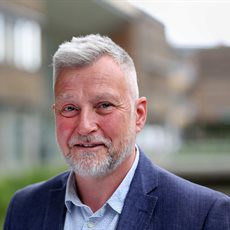
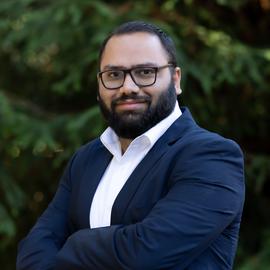
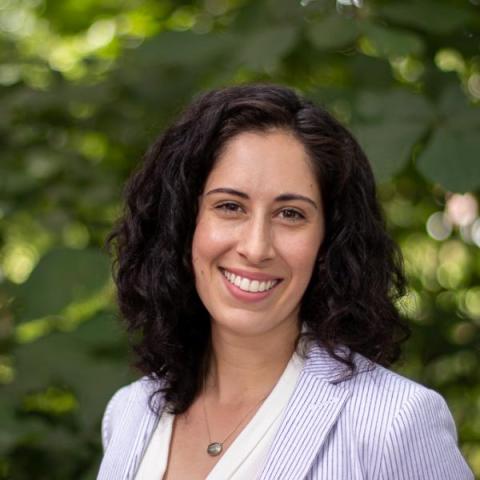
Scott McCabe is a Professor of Marketing at Birmingham Business School, University of Birmingham. He earned his PhD from the University of Derby in 2001, focusing on visitor motivations in the Peak District National Park, and holds an MA in Leisure and Tourism Studies from the University of North London (1993) and an HND in Leisure Studies from the University of Salford (1991). Current co-editor in Chief of the Annals of Tourism Research Editorial board member of Tourism Management Elected fellow of the International Academy for the Study of Tourism (2019+) His research spans social tourism , responsible tourism , tourist emotions , and socio-linguistic methodology , with significant work on wellbeing outcomes from supported holidays for disadvantaged families. He has contributed to Annals of Tourism Research , Journal of Travel Research , and other top-tier journals. Recent publications address topics like qualitative research sampling , tourism theory , dark tourism motivations , and smart destination engagement . His work combines tourism policy critique , consumer behavior analysis , and methodological innovation . Scientific awards include fellowships and leadership roles in international tourism research committees. He has served as VP for the International Sociological Association's Tourism Research Committee and co-chairs the Academy of Marketing's Tourism Marketing SIG.
Pia Vogel is a Professor in the Department of Biological Sciences at Southern Methodist University (SMU), where she leads research on nucleotide-binding proteins using Electron Spin Resonance spectroscopy and molecular modeling. Her work focuses on elucidating structural mechanisms in ATP synthase, multidrug resistance transporters, and calcium channels with biomedical applications in cancer therapy and neurodegenerative diseases. Education: Ph.D., University of Kaiserlautern Dr. Vogel's research program investigates three interconnected domains: the rotary mechanics of FoF1-ATP synthase (particularly the external stalk subunit b-dimer), the structural basis of multidrug resistance in P-glycoprotein and MRPs, and ATP-regulated calcium release via ryanodine receptors. Her laboratory employs site-specific spin labeling, ESR spectroscopy, and computational modeling to resolve protein dynamics and interactions at molecular resolution, contributing to understanding energy transduction in ATP synthase and mechanisms of drug resistance. Analysis of her 15 most recent publications (2020-2025) reveals a dominant focus on developing and characterizing P-glycoprotein and BCRP inhibitors to overcome chemotherapy resistance in cancer. These studies integrate computational screening, ATPase assays, and cell-based models to evaluate inhibitor efficacy, with emerging applications in Alzheimer's research through amyloid-β transport studies. The work demonstrates consistent methodological synergy between biophysical characterization and therapeutic development. Dr. Vogel maintains an active research group supported by sustained funding, evidenced by continuous publication output and laboratory infrastructure. Her team employs multidisciplinary approaches spanning biophysics, biochemistry, and computational biology to address fundamental questions in membrane protein function. Her laboratory facilities in DLSB 221 include specialized Electron Spin Resonance instrumentation and dual Linux computing clusters for molecular dynamics simulations. The research environment supports collaborative projects extending her work into cancer therapeutics and neurodegenerative disease mechanisms through partnerships with clinical and computational researchers.
Dr. Martin Stürzlinger is a Part-Time Professor for Digital Archiving at the Department of Information Sciences, University of Applied Sciences Potsdam. He also operates his consulting firm Archiversum, advising organizations on long-term information storage (www.archiversum.com). His work bridges academic research with practical applications in digital preservation. Research Interests: Dr. Stürzlinger specializes in digital archiving, focusing on the OAIS model, life-cycle management, and archival description standards like Records in Contexts (RiC). His research addresses organizational challenges in digital preservation, legal compliance (e.g., GDPR), and metadata design for accessibility. Recent Publications: His selected works explore OAIS implementation, the impact of GDPR on private archives, and the evolution of archival description standards. These contributions highlight trends in digital preservation, emphasizing interoperability, sustainability, and cross-institutional collaboration. Collaboration & Standards: He actively contributes to international working groups, including ICA-EGAD (Archival Description) and nestor's certification standards for digital archives. His efforts in standardization include the Austrian implementation of ISAD(G) and ISDIAH, as well as Swiss guidelines for electronic records management. Teaching & Outreach: Dr. Stürzlinger has lectured extensively, including courses on archive management at BFI Vienna and IT applications in archives at the University of Vienna. He has delivered over 40 lectures globally, addressing topics like cost estimation for digital archiving and the role of corporate archives in business efficiency.
Professor Brett Hayes is a distinguished cognitive psychologist at the University of New South Wales, serving in the School of Psychology. He is the founding Director of the Sydney Thinking and Reasoning (STAR) Laboratory, which he has led for over 15 years, securing more than $4 million in competitive research funding. Professor Hayes has previously held the position of Head of the School of Psychology and served as a member of the Australian Research Council (ARC) College of Experts. His research expertise spans reasoning, concept learning, memory, and developmental changes in these cognitive processes. Professor Hayes employs both experimental investigation and computational modeling in his work, with a particular focus on applying fundamental cognitive research to practical problems in forensic and clinical decision-making, early childhood education, and climate change science communication. His research has significant interdisciplinary applications across psychology, education, and environmental science. Professor Hayes has published extensively in top cognitive science journals, with his most recent work focusing on inductive reasoning, sampling assumptions, learning traps, and consensus perception. His research demonstrates consistent innovation in understanding how people process information, make decisions under uncertainty, and develop reasoning abilities across the lifespan. His scientific contributions include numerous journal articles, book chapters, and co-authored textbooks on developmental psychology. Professor Hayes has also contributed to teaching through courses such as PSYC3341 Developmental Psychology (which he chairs), PSYC3221 Cognitive Science, and PSYC2061 Developmental and Social Psychology. Professor Hayes maintains an active research program with ongoing collaborations across multiple institutions, as evidenced by his numerous co-authored publications. His laboratory continues to advance our understanding of human cognition through rigorous experimental work and theoretical development.
Joakim Westerlund is a Professor in the Department of Economics at Lund University's School of Economics and Management. With over 134 research outputs and 33 academic activities, his work focuses on econometrics, particularly panel data analysis, structural breaks, and estimation theory. He has contributed to the development of econometric methods for the New Keynesian Phillips Curve and common correlated effects models. Active Wallenberg Academy Fellowship (2019-2028) Supervised 11 doctoral theses and bachelor/master projects Peer-review panel member and journal editor His research aligns with UN Sustainable Development Goals in Economics and Econometrics, with significant contributions to panel unit root testing, interactive effects models, and Stata-based econometric methods. Westerlund received the prestigious Journal of Applied Econometrics Distinguished Author award in 2018. Current PhD supervisees include Christina Maschmann (2023-2028), Tilman Bretschneider (2023-2028), Pelle Almgren (2022-2027), and Shayan Meskinimood (2021-2026).
Nicola Nicolici is a Professor in the Department of Electrical and Computer Engineering at McMaster University. His research focuses on methods and algorithms for the design of digital integrated circuits and systems, with significant contributions in manufacturing test, post-silicon validation and debug. His work has expanded to include embedded systems, low-energy computing, and custom hardware-accelerated computing systems. Professor Nicolici's research interests span multiple areas of digital system design and validation. His early work focused on manufacturing test methodologies and power-aware testing strategies for integrated circuits. More recently, he has made significant contributions to post-silicon validation techniques, including constrained-random stimuli generation, trace signal selection, and bit-flip detection. His research has evolved to address emerging challenges in embedded computing systems, low-energy design, and specialized hardware acceleration for various applications including deep neural networks and signal processing. His recent publications reveal a strong trend toward hardware acceleration for specialized computing tasks. The research spans matrix multiplication algorithms (Strassen and Karatsuba), memory system optimization (DDR5 calibration), FPGA-based radar processing, and neural network acceleration. His work consistently bridges theoretical algorithm development with practical hardware implementation considerations, particularly focusing on precision analysis, fault tolerance, and energy efficiency. The research demonstrates a clear progression from traditional digital circuit testing to more complex system-level validation and acceleration techniques. Professor Nicolici has been actively involved in teaching courses related to system-on-chip design and test, digital systems, and embedded systems. His teaching portfolio includes advanced courses such as System-on-Chip (SOC) Design and Test and Digital Systems Design , reflecting his expertise in the field. While specific grant information isn't detailed in the provided text, his extensive publication record suggests ongoing research funding support. His research has contributed significantly to the fields of digital circuit testing, post-silicon validation, and hardware acceleration. The work has practical applications in semiconductor manufacturing, embedded systems design, and specialized computing architectures. His recent focus on neural network acceleration and memory system optimization reflects the evolving landscape of computer architecture research.
Hassan Z. Ashtiani is an Associate Professor in the Department of Computing and Software within the Faculty of Engineering at McMaster University. His academic profile shows consistent engagement in both teaching and research activities, with evidence of active participation in major machine learning conferences and journals through 2025. Dr. Ashtiani's research focuses on the theoretical foundations of machine learning, with particular expertise in privacy-preserving algorithms, Gaussian mixture models, and adversarial robustness. His work bridges statistical learning theory with practical algorithm design, often addressing fundamental questions about sample complexity and computational efficiency in learning systems. A significant portion of his recent work explores the intersection of differential privacy with statistical learning, developing methods for private density estimation and distribution learning. Analysis of his publication record reveals a strong trend toward increasingly sophisticated theoretical frameworks for private and robust learning. His work consistently appears in top-tier venues including NeurIPS, ICML, COLT, and ALT, with recent contributions extending into agnostic private density estimation and robust learning with tolerance. The research demonstrates progression from foundational work on nearest neighbor search and clustering algorithms toward more complex problems in private learning of high-dimensional distributions. Dr. Ashtiani teaches across multiple levels of computer science education, including undergraduate courses in Automata and Computability (COMPSCI 2AC3) and Principles of Programming (COMPSCI 2S03), as well as graduate-level courses such as Fundamentals of Machine Learning (COMPSCI 4ML3) and Theoretical Foundations of Unsupervised Learning (CAS 775). His teaching portfolio shows consistent involvement in machine learning education since at least 2019, with evidence of teaching multiple sections each academic year. His scholarly impact is reflected in mentions across 3 news outlets, reference in 1 policy source, engagement from 7 X users, and 90 readers on Mendeley, suggesting growing recognition of his contributions to theoretical machine learning.
Bertrand Jean-Claude serves as a Senior Scientist at the Research Institute of the McGill University Health Centre (RI-MUHC) at the Glen site and holds a Professorship in the Department of Medicine within McGill University's Faculty of Medicine and Health Sciences. His primary affiliation lies with the Metabolic Disorders and Complications Program under the Centre for Translational Biology. His research centers on innovative anticancer drug development, specifically focusing on the design and synthesis of multitargeted drug candidates engineered to simultaneously block multiple pathways in tumor cells. Key methodologies include kinase inhibitor development , molecular modeling , and pharmacokinetic analysis of combi-drugs—hybrid molecules designed for dual mechanisms of action such as EGFR receptor inhibition coupled with DNA damage. His publication history reveals consistent contributions to molecular oncology, with recent work emphasizing EGFR and DNA repair pathway dual targeting Fluorescence-based drug distribution tracking Overcoming P-glycoprotein-mediated drug resistance Stable combi-molecule fragmentation mechanisms His work bridges medicinal chemistry and translational cancer research, aiming to develop more effective tumor-selective therapies. Jean-Claude maintains active laboratory operations within the RI-MUHC's Centre for Translational Biology, where his team investigates combi-targeting strategies for oncology applications. His research program receives support through institutional frameworks of McGill University and the RI-MUHC, with emphasis on translating molecular discoveries into preclinical therapeutic candidates.
Sainyam Galhotra is an Assistant Professor in the Department of Computer Science at Cornell University. His research focuses on developing data science tools for effective and responsible analytics, leveraging techniques from causal inference, data management, theoretical computer science, machine learning, and human-computer interaction to address challenges in trustworthy system design including robustness, explainability, and fairness. Education: Postdoc: University of Chicago PhD: University of Massachusetts Amherst (supervised by Barna Saha) BTech: Indian Institute of Technology Delhi (IIT Delhi) (supervised by Prof. Amitabha Bagchi) Research Interests: Dr. Galhotra's research spans several interconnected areas in data science and artificial intelligence. His work primarily focuses on Responsible Data Science , where he develops methods to ensure that data-driven systems operate fairly and transparently. Within this broad area, his specific interests include: Causal Inference techniques for understanding cause-effect relationships in complex data Algorithmic Fairness approaches to mitigate bias in machine learning systems Explainable AI methods that make black-box models more interpretable Data Management systems for efficient and reliable data processing Entity Resolution techniques for integrating data from multiple sources Trustworthy System Design that addresses robustness, explainability, and fairness His recent publications demonstrate a clear trend toward developing frameworks that combine causal reasoning with practical data management systems, particularly focusing on how to make data-driven decisions more transparent and equitable. The intersection of database systems with fairness considerations appears to be a particularly active area of his research. Scientific Awards: Rising Star in Data Science at the Data Science Institute, UChicago (Oct 2021) Computing Innovation Fellowship Award Recipient (by CRA, CCC and NSF) (Apr 2021) DAAD AInet Fellow (Feb 2021) ACM SIGMOD Entity Resolution Programming Contest – Top 5 finalist (May 2020) Most reproducible paper award in SIGMOD 2018 and 2019 (Jun 2019) First recipient of Krithi Ramamritham Computer Science Scholarship (Jun 2019) Best paper award in SIGSOFT FSE 2017 (May 2017) Dr. Galhotra is actively seeking students to collaborate with on his research projects. His work has been supported by various fellowships and awards, including the prestigious Computing Innovation Fellowship. He has mentored several students through his research projects, with a focus on developing the next generation of data scientists who can build responsible and trustworthy systems. His research group appears to focus on the intersection of database systems and responsible AI, developing tools like HypeR for causal reasoning, Ver for view discovery, and Nexus for correlation discovery in spatio-temporal data. This work suggests a cohesive research agenda centered around making data systems more transparent, fair, and user-friendly.
Professor Heinrich Liechtenstein is a full professor in the Department of Financial Management at IESE Business School. He teaches in MBA and executive education programs, specializing in entrepreneurial venture financing, wealth management, and entrepreneurial family governance. His academic work bridges theoretical research with practical application in the finance industry. His educational background includes: Ph.D. in Economics and Business Administration from the University of Vienna MBA from IESE Business School, University of Navarra B.Sc. in Economics and Business Administration from Karl-Franzens-Universität Graz European Financial Analyst (CEFA) certification Professor Liechtenstein's research focuses on private equity, venture capital, and family wealth management. His work examines operational value creation in private equity, investment impact, and governance structures for entrepreneurial families. He has developed country attractiveness indices for venture capital and private equity investments, providing valuable tools for institutional investors evaluating global opportunities. His publication record shows a consistent focus on practical finance applications, with particular emphasis on family offices, venture capital fund selection criteria, and country-level investment climates. His research often involves collaboration with practitioners and addresses real-world challenges faced by investors and family businesses. Professor Liechtenstein brings significant practical experience to his academic work, having served at Liechtenstein Global Trust working with high-net-worth individuals, advised families at Boston Consulting Group, and founded and sold two successful companies. He currently serves on the boards of several family foundations.
Jeffrey L. Krichmar is a Professor in the Department of Cognitive Sciences and Department of Computer Science at the University of California, Irvine. His academic journey includes a B.S. in Computer Science from the University of Massachusetts Amherst (1983), an M.S. in Computer Science from The George Washington University (1991), and a Ph.D. in Computational Sciences and Informatics from George Mason University (1997). Prior to UCI, he served as Assistant Professor at George Mason University (1997-1999) and Senior Fellow at The Neurosciences Institute (1999-2007). University of California, Irvine (2007-present) George Mason University (1997-1999) The Neurosciences Institute (1999-2007) His research focuses on neurorobotics , exploring how embodied cognition and biologically plausible neural models can enhance robotic systems. Key areas include spiking neural networks , neuromodulation , path planning , and interactive tactile robots for therapeutic applications. His work bridges neuroscience , robotics , and cognitive science , with applications in autonomous vehicles , neuroprosthetics , and AI explainability . Recent publications emphasize spiking neural networks for navigation , neuromodulated attention , and neuromorphic hardware integration. The development of CARLsim, a GPU-accelerated spiking neural network simulator now in version 6.0, represents a major technical contribution. His team's work on socially assistive robots like CARL-SJR targets therapeutic applications for autism and ADHD. Scientific Awards IJCNN 2020 Best Paper Award Finalist for Best Student Paper at IJCNN 2018 Best Paper Award at IEEE IJCNN 2009 Grants include National Science Foundation funding for neural models of decision-making (2009). His lab (Cognitive Anteater Robotics Laboratory) develops systems that use large-scale brain simulations for autonomous behavior , with applications in adaptive robotics , sensorimotor learning , and neuroethology . Current projects explore neuromodulatory influences on attention systems and cognitive flexibility .
Adrienne Wood is an Assistant Professor in the Department of Psychology at the University of Virginia. Her research lab, Emotion and Behavior Lab, investigates social connections through multimodal approaches including mobile sensing, social network analysis, and behavioral economics. She holds a Ph.D. from the University of Wisconsin-Madison and a B.A. from Colorado College. Wood's research examines how people form and maintain social ties across cultural divides, addressing loneliness through analysis of nonverbal behavior, emotion contagion, and network dynamics. Her work emphasizes: Behavioral mechanisms of connection (laughter, synchrony) Social network formation in diverse communities Cross-cultural relationship building She employs innovative methodologies like acoustic analysis and agent-based modeling. Her recent publications (2023-2025) demonstrate strong focus on: Emotional communication in evolving relationships Cultural influences on social competence Crisis impacts on behavior Nonverbal synchronization mechanisms Longitudinal analysis of social interactions No scientific awards are mentioned in the source material. Wood leads the Emotion and Behavior Lab, studying verbal/nonverbal behaviors underlying social bonds. Her team explores: Real-world interaction patterns Diverse community integration Computational social science approaches
Trond Vidar Hansen is a Professor at the Department of Pharmacy, University of Oslo , and leads the LIPCHEM research group . He collaborates with institutions including the University of Bergen and Vestlandets Innovasjonsselskap through the VITADEL project, which recently received NOK 5,000,000 in verification support from the Research Council of Norway. His research focuses on the synthesis and biological evaluation of specialized pro-resolving lipid mediators derived from omega-3 fatty acids, with applications in inflammation resolution, neuroinflammation, and drug development. University : University of Oslo Department : Department of Pharmacy Research Group : LIPCHEM Collaborations : University of Bergen, Vestlandets Innovasjonsselskap Research Interests : H Hansen's work centers on the organic synthesis of bioactive lipid derivatives, particularly pro-resolving mediators from omega-3 polyunsaturated fatty acids. His team investigates their roles in inflammatory disease models , neuroinflammation , and PPAR receptor activation , aiming to develop therapeutic agents for conditions like chronic pain, diabetes, and neurodegenerative disorders. The research integrates stereoselective chemistry , biochemical profiling , and pharmacological evaluation to validate these mediators' clinical potential. Recent Awards : 2025: NOK 2,000,000 verification support from Research Council of Norway 2025: Co-leader of NOK 5,000,000 VITADEL project Publications : His articles (2015–2024) reveal a focus on stereoselective synthesis of resolvins, protectins, and maresins, with applications in anti-inflammatory and neuroprotective therapies . Key subfields include omega-3 metabolite profiling , PPAR agonist design , and biosynthetic pathway elucidation , often utilizing human cell models and mouse disease models . Collaborative projects emphasize commercialization of academic research and translational medicine .
Qixuan Chen, PhD, is an Associate Professor of Biostatistics at Columbia University Mailman School of Public Health. She obtained her PhD from the University of Michigan in 2009, with dual expertise in biostatistics and survey sampling. Education: BA in Economics (Nankai University), MS in Applied Statistics (Bowling Green State University), PhD in Biostatistics (University of Michigan) Her research focuses on advanced statistical methods for complex surveys, causal inference, and handling missing data. Key contributions include developing Bayesian predictive inference frameworks using machine learning and regularized regression for integrating administrative records with survey samples. Recent publications emphasize environmental health applications, including measurement error correction for immunoassays and variable selection in multiply imputed data. Her work bridges biostatistics with computational methods for data integration. Scientific Awards: NIEHS Career Development Award, Teaching Award, Calderone Research Prize, Bryant Scholarship, Hutzinger Award She actively contributes to public health through dashboards like the New York City Neighborhoods COVID-19 tracker and PRIME radiology diagnostics platform. Grants such as R01ES035784 support her ongoing work in exposure-response analysis.
Byron Boots is the Amazon Professor of Machine Learning in the Paul G. Allen School of Computer Science and Engineering at the University of Washington, where he directs the UW Robot Learning Laboratory. He also serves as a Principal Research Scientist in the Seattle Robotics Lab at NVIDIA Research and co-chairs the IEEE Robotics and Automation Society Technical Committee on Robot Learning. Dr. Boots received his Ph.D. from the Machine Learning Department in the School of Computer Science at Carnegie Mellon University, where he was a member of the Sense, Learn, Act (SELECT) Lab co-directed by Carlos Guestrin and his advisor Geoff Gordon. Prior to joining the University of Washington faculty, he was an Assistant Professor in the School of Interactive Computing within the College of Computing at Georgia Tech, and before that, he completed a post-doc in the Robotics and State Estimation Lab directed by Dieter Fox at the University of Washington. Professor Boots' research focuses on the intersection of machine learning, artificial intelligence, and robotics, with particular emphasis on developing theory and systems that tightly integrate perception, learning, and control. His work spans computer vision, state estimation, localization and mapping, high-speed navigation, motion planning, and robotic manipulation. His group develops algorithms drawing from deep learning and neural networks, nonparametric statistics, graphical models, nonconvex optimization, quantum physics, online learning, reinforcement learning, and optimal control. The research demonstrates a strong theoretical foundation while maintaining practical relevance to real-world robotic systems. His recent publications reveal a clear trend toward integrating advanced machine learning techniques with robotics, particularly in model predictive control, motion planning, and learning-based approaches to robot control. His work shows increasing focus on developing theoretically grounded methods that can handle the complex, nonlinear dynamics of real-world robotic systems while maintaining computational efficiency. The publications span top venues including ICRA, CoRL, IROS, and NeurIPS, demonstrating broad impact across multiple subfields of robotics and AI. Finalist for Best Systems Paper at Conference on Robot Learning (CoRL-2021) Multiple papers selected for oral presentations at top robotics conferences Work recognized for theoretical contributions and practical applications in robot learning As director of the UW Robot Learning Laboratory, Boots leads a vibrant research group focused on fundamental and applied research in robot learning. The lab maintains strong collaborations with NVIDIA Research and has produced numerous high-impact publications that bridge theory and practice. Professor Boots teaches courses in autonomous robotics, machine learning, and reinforcement learning, contributing to both undergraduate and graduate education at the University of Washington.