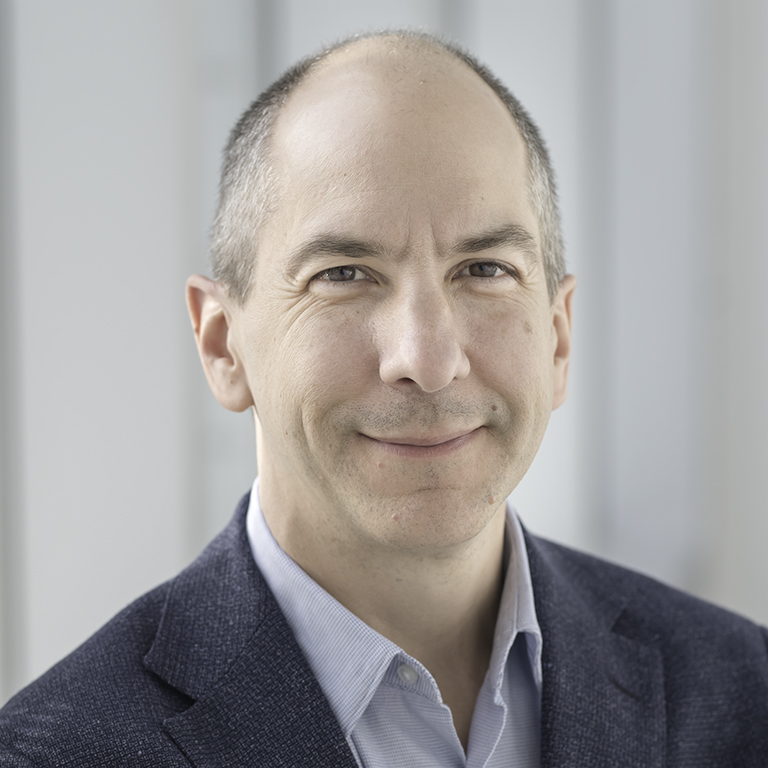
Dr. Martin George Von Mohrenschildt is an Associate Professor in the Department of Computing and Software at McMaster University's Faculty of Engineering. He actively contributes to interdisciplinary research spanning control theory, autonomous systems, biomedical signal processing, and cognitive neuroscience. His academic work focuses on Hybrid control systems for robotics and autonomous vehicles Neural correlates of multisensory integration in human perception Wavelet and model-free approaches to mechanical systems analysis Sensor fusion techniques for autonomous driving Human factors in transportation and virtual reality training Recent publications (2025-2024) highlight Domain adaptation for electric motor vibration analysis Multi-sensor autonomous driving datasets (CMHT) Wavelet-based damping estimation in dynamic systems EMG biofeedback applications for muscle interventions Landmark-specific route navigation in simulated environments Dr. Von Mohrenschildt has maintained continuous teaching engagement since 2017, delivering graduate courses in Time Series Analysis (CAS 748), Intelligent Control (MECHTRON 6AX3/4AX3), Signals and Systems (SFWRENG 3MX3), and Advanced Computing Topics (CAS 781).
David Buckeridge is a Professor in the Department of Epidemiology, Biostatistics and Occupational Health at McGill University's Faculty of Medicine and Health Sciences. He serves as a Senior Scientist at the Research Institute of the McGill University Health Centre (RI-MUHC), where he is affiliated with both the Metabolic Disorders and Complications Program and the Centre for Outcomes Research and Evaluation (CORE). Additionally, he is associated with the Department of Medicine, Division of Clinical Epidemiology at the MUHC. Dr. Buckeridge's research focuses on the informatics of public health surveillance, particularly the development and evaluation of methods for surveillance systems that use clinical and administrative data. His work includes the development of statistical methods for outbreak detection and the use of simulation modeling to evaluate surveillance systems. His research interests span public health, medical informatics, biosurveillance, epidemiology, and the application of machine learning to health surveillance. His publication record shows consistent contributions to the field, with recent work focusing on SARS-CoV-2 serosurveillance, machine learning applications in public health, opioid risk assessment, and frameworks for evaluating public health surveillance systems. His research demonstrates a strong emphasis on methodological rigor and practical applications for improving population health monitoring. Dr. Buckeridge has been actively involved in developing tools and frameworks for public health surveillance, including the SeroTracker global dashboard for SARS-CoV-2 seroprevalence and knowledge-based platforms for population health data integration and analysis. His work bridges the gap between theoretical methodology development and practical public health applications.
Richard Kremer, MD, PhD , is Professor of Medicine in the Department of Medicine, Division of Biochemistry , Faculty of Medicine and Health Sciences at McGill University , and Senior Scientist at the Research Institute of the McGill University Health Centre (RI-MUHC) . He also serves as Director of the Bone and Mineral Unit , Academic Director of the Division of Medical Biochemistry , and Co-Director of the Liquid Biopsy Centre . Born in Paris, Dr Kremer earned his MD and PhD from Pierre et Marie Curie University before completing formal training in Endocrinology and Laboratory Medicine. His work bridges bench-to-bedside research on calcium-regulating hormones. Research Focus Mechanisms by which 1,25-dihydroxyvitamin D 3 controls cell growth, differentiation and fat accumulation in bone, muscle and cancer. Oncogenic roles of parathyroid hormone-related protein (PTHrP) in breast and pancreatic cancer initiation, progression and skeletal metastasis. Liquid-biopsy technologies for capturing and characterising circulating tumour cells (CTCs) to predict and monitor bone metastasis in breast and prostate cancer. Dr Kremer’s translational studies have produced patented monoclonal antibody therapies targeting PTHrP and innovative apheresis-based CTC isolation platforms now operational at the RI-MUHC Liquid Biopsy Centre. Scientific Awards & Honors Chercheur National Award – Fonds de recherche du Québec – Santé Founding Co-Chair, Bone Strength Working Group, American Society for Bone and Mineral Research (ASBMR) Leadership roles on grant review panels for CIHR, NIH and NCI Research Facilities & Teams Dr Kremer leads the Bone and Mineral Unit at the MUHC Glen site, housing state-of-the-art histomorphometry, micro-CT and molecular imaging capabilities. Through the Liquid Biopsy Centre he collaborates with bioengineers, oncologists and bioinformaticians to advance precision oncology.
Jennifer Landry, MD, M.Sc., is an Associate Investigator at the Research Institute of the McGill University Health Centre (RI-MUHC) and an Associate Professor in the Department of Medicine at McGill University's Faculty of Medicine and Health Sciences. She specializes in translational research related to respiratory diseases, particularly focusing on the long-term outcomes of preterm birth and bronchopulmonary dysplasia. Affiliation: RI-MUHC (Glen site) Academic Rank: Associate Professor, Department of Medicine Her research investigates: The natural history of bronchopulmonary dysplasia Quality of life in adults born preterm Healthcare utilization patterns in chronic respiratory conditions Environmental triggers in respiratory diseases Recent publications analyze: Molecular markers in cystic fibrosis exacerbations Cardiopulmonary responses to exercise in preterm survivors Vaccine-related thrombotic complications 3D-printed medical robotics applications Dr. Landry's work bridges clinical research with technological innovation in respiratory medicine.
Kevin Schwartzman, MD MPH is a Senior Scientist at the Research Institute of the McGill University Health Centre (RI-MUHC) and a Professor in the Department of Medicine, Faculty of Medicine and Health Sciences at McGill University. He is affiliated with the Translational Research in Respiratory Diseases Program and the Centre for Outcomes Research and Evaluation at RI-MUHC, as well as the Department of Medicine, Division of Respiratory Medicine at the McGill University Health Centre (MUHC). Dr. Schwartzman's research primarily focuses on tuberculosis care and prevention, with particular expertise in epidemiology, public health, respiratory disease, health economics, and digital adherence technologies. His work centers on designing more effective and cost-effective interventions for tuberculosis, using predictions based on current knowledge of benefits, costs, and impacts including those on patients' quality of life. A significant portion of his current research focuses on potential tuberculosis prevention strategies for migrants to Canada using computer simulation techniques, while also considering the ethical dimensions of these strategies. His research initiative "Tuberculosis in Canada: Modeling to Inform Elimination" demonstrates his commitment to addressing tuberculosis elimination in the Canadian context. Dr. Schwartzman's scholarly output reveals a strong emphasis on cost-effectiveness analyses, mathematical modeling of disease transmission and intervention impact, and evaluation of digital health technologies for tuberculosis management. His recent publications (2023-2025) show increasing focus on digital adherence technologies, implementation science frameworks like RE-AIM, and the specific challenges of tuberculosis control in migrant populations and other high-risk groups within low-incidence settings. His work bridges clinical medicine, public health, and health economics to address practical challenges in tuberculosis elimination. Dr. Schwartzman has made significant contributions to advancing knowledge in tuberculosis prevention and care, particularly through his work on the cost-effectiveness of various intervention strategies, his exploration of innovative approaches to tuberculosis control in migrant populations, and his leadership in evaluating digital adherence technologies for tuberculosis treatment. His research has direct implications for public health policy and resource allocation decisions in tuberculosis control programs.
Patricia Fontela, MD, PhD is a Scientist at the Research Institute of the McGill University Health Centre (RI-MUHC) and an Associate Professor in the Department of Pediatrics, Faculty of Medicine and Health Sciences at McGill University. She is affiliated with the Child Health and Human Development Program and the Centre for Outcomes Research and Evaluation (CORE) at RI-MUHC, with clinical responsibilities in the Department of Pediatrics, Division of Pediatric Critical Care at the McGill University Health Centre. Her research focuses on optimizing antibiotic use in critically ill children to reduce bacterial resistance in pediatric intensive care units (PICUs). She studies the clinical utility of infection biomarkers to personalize antibiotic use and develop evidence-based decision-support tools for when to start and stop antibiotics for critically ill children. Her work addresses the major problems of antibiotic overuse and bacterial resistance in PICUs by developing objective criteria to guide antimicrobial use and personalize treatment duration. Analysis of her publication record reveals a strong trajectory in pediatric critical care research, with increasing focus on biomarker utilization for antibiotic stewardship. Her most recent work has expanded into broader pandemic research, including contributions to large international COVID-19 studies through the ISARIC Clinical Characterisation Group. She has published extensively on procalcitonin and C-reactive protein as tools to guide antibiotic therapy in critically ill children. Dr. Fontela maintains active collaborations with researchers across Canada and internationally, particularly through her involvement with the RI-MUHC's Centre for Outcomes Research and Evaluation. Her work bridges clinical practice and outcomes research to improve evidence-based decision-making in pediatric critical care settings.
Dr. Isabelle Malhamé is a Scientist at the RI-MUHC Glen site and an Assistant Professor in the Department of Medicine, Faculty of Medicine and Health Sciences, at McGill University. Her research program specializes in maternal health, focusing on reducing severe maternal morbidity and mortality related to cardiovascular and thromboembolic complications. Cardiovascular Health in Obstetrics Risk Prediction Model Development Quality Improvement Initiatives Thromboembolic Disorder Management Dr. Malhamé's work integrates epidemiology, clinical decision-making, and health system evaluation to address critical gaps in obstetric care. Her recent publications highlight advancements in diagnosing pulmonary embolism during pregnancy, understanding hypertensive disorders, and developing risk assessment tools for preeclampsia and peripartum cardiomyopathy. Current research trends demonstrate her commitment to: Cardiovascular Complications in Pregnancy Clinical Guideline Development Pharmacologic Interventions Pandemic Obstetric Response Healthcare Policy Analysis Predictive Modeling for Maternal Risk Her collaborative approach spans disciplines including: Pulmonology Cardiology Pharmacology Epidemiology Clinical Research Health Services
Giovanni Ferrara is a Professor of Medicine and Director of the Division of Pulmonary Medicine at the University of Alberta, leading the division since February 2019. He serves as medical lead for the Digital Health Unit, established to advance applied digital health research and clinical trials in respiratory care. His research focuses on: Idiopathic Pulmonary Fibrosis (IPF) and Interstitial Lung Disease (ILD) pathophysiology Tuberculosis healthcare delivery challenges Digital health integration via wearables and big data analytics Climate change impacts on respiratory health, especially wildfire smoke Evidence-based medicine and patient-centered outcomes Real-world disease monitoring beyond traditional clinical visits Recent publications (2024-2025) emphasize IPF/ILD management through antifibrotic treatments, oxygen therapy optimization, and digital endpoints, while addressing tuberculosis disruptions during pandemics and environmental health risks. Key trends include leveraging wearable technology for continuous monitoring and analyzing air pollution as a leading mortality risk factor. Dr. Ferrara supervises a PhD student at Karolinska Institutet and a post-doctoral researcher in big data analytics at the University of Alberta, focusing on wildfire smoke exposures. His clinical trials on digital monitoring and leadership in scientific study groups demonstrate active grant-driven research. He founded the University of Alberta's Digital Health Unit, coordinating multidisciplinary teams of computing scientists, data analysts, and physicians to develop adaptive strategies for respiratory disease management amid climate change challenges.
Vicente Gonzalez-Moret serves as Professor and Tier 1 Canada Research Chair in Digital Lean Construction within the Faculty of Engineering's Civil and Environmental Engineering Department at the University of Alberta. Appointed in October 2022, he rapidly secured over CAN$3.9 million in research funding during his first nine months and established the Infrastructure Human Tech Lab (IHT-Lab), pioneering commercialization-focused student research. Previously, he spent over 12 years at the University of Auckland where he founded the CAD$1.0 million Smart Digital Lab and currently holds an Honorary Academic position. His educational background includes: PhD in Construction Engineering and Management (Pontificia Universidad Catolica de Chile, 2008) ME in Construction Engineering and Management (Pontificia Universidad Catolica de Chile, 2004) BE (Hons) in Construction Engineering (Universidad de Valparaiso, Chile, 1999) Gonzalez-Moret's research pioneers the Lean Construction 4.0 concept at the intersection of Construction Engineering and Management with Computer Science. His work extensively applies extended reality technologies, digital twinning, AI, BIM, and serious games to construction engineering, safety, and evacuation problems. With over CAN$64 million secured in research and teaching grants - including the largest corporate sponsorship in University of Auckland history - his research demonstrates exceptional industry impact and technological innovation. His 15 most recent publications reveal a strong focus on digital transformation in construction, with recurring themes in lean-digital integration, socio-technical systems, and practical implementation frameworks. Key areas include digital twin applications for offsite construction, ethical AI deployment, blockchain governance, and immersive VR for production planning - all advancing his foundational Lean Construction 4.0 paradigm. Scientific recognition includes: Tier 1 Canada Research Chair (2022) Editorship of the seminal 'Lean Construction 4.0' book (Routledge, 2022) Associate Editor roles (Advanced Engineering Informatics, Lean Construction Journal) Leadership in international organizations (Former General Secretary, International Group for Lean Construction) As an educator, he has supervised completion of 88 BE(Hons) projects, 7 Master's theses, 15 PhD theses, and 2 postdoctoral fellows. Currently supervising 8 PhD and 1 MSc students, he founded Alberta's first ASCE student chapter. His grant portfolio includes major industry partnerships and leadership in the Infrastructure Human Tech Lab, which develops commercially viable student research. Additional leadership roles span Lean Design and Construction Canada (Founding Board) and indigenous advocacy (Bent Arrow Board).
Pierre Mertiny is a Professor in the Department of Mechanical Engineering at the University of Alberta , with a dual appointment as Associate Dean (Undergraduate Programs) in the Faculty of Engineering. His research focuses on advanced polymer composites and energy storage systems , particularly in filament-winding manufacturing and structural health monitoring . Dr. Mertiny specializes in: Mechanical behavior of composite materials Damage mechanisms and failure prediction Nanocomposite formulation Adhesively bonded joints Flywheel energy storage design His recent publications emphasize machine learning integration in composite design, microwave processing of graphene composites, and additive manufacturing optimization. Research projects often target energy sector applications like piping systems and storage flywheels. Scientific honors include: Fellow of ASME (2019) Vargo Teaching Chair (2016-2019) SAE Ralph R. Teetor Award (2012) Summit Award (APEGA) (2015) He leads the Advanced Composite Materials Engineering Group and has held visiting professorships at Technical University Munich.
Stevan S. Dubljevic is a full Professor in the Chemical and Materials Engineering Department at the University of Alberta's Faculty of Engineering. His research spans process systems engineering with applications in semiconductor manufacturing, biomedical systems, and energy infrastructure. Education Background: Ph.D. (2005) - Henry Samueli School of Engineering and Applied Science, University of California, Los Angeles (UCLA) M.S. (2001) - Texas A&M University B.Sc. (1997) - Belgrade University, Serbia Professor Dubljevic's research focuses on model predictive control of distributed parameter systems, with significant contributions in crystal growth processes (Czochralski, Bridgman, zone refining), cardiac electrophysiological modeling, pipeline water network monitoring using autonomous robots, and renewable energy systems integration. His work bridges theoretical control systems with industrial applications in semiconductor manufacturing, oil/gas processing, and biomedical engineering. Key Scientific Recognition: American Heart Association Post-doctoral Grant Award recipient (2007-2009) O. Hugo Schuck Award for Applications (2007) He serves as program coordinator for AIChE Annual Meetings (2014) and reviews for leading journals including IEEE Transactions on Automatic Control and Automatica. His teaching portfolio includes advanced process control courses (CHE 472, 573, 576) covering modeling dynamics, digital signal processing, and model predictive control. The DPS Lab (dpslab.org) drives his research in industrial process optimization and control system synthesis.
Jinfeng Liu is a Professor in the Department of Chemical and Materials Engineering at the University of Alberta's Faculty of Engineering. His research focuses on integrating advanced control strategies, machine learning, and data analytics to optimize chemical processes and irrigation systems. BS and MS in Control Science and Engineering from Zhejiang University (2003, 2006) PhD in Chemical Engineering from the University of California, Los Angeles (2011) Research Interests: Process Control and Systems Engineering Model Predictive Control Optimal Control with Machine Learning Data Analytics and Applied Machine Learning System Identification Irrigation Engineering Teaching: Courses include CH E 358 - Process Data Analytics and Machine Learning, and CH E 446 - Process Dynamics and Control. Research Goal: Development of techniques enabling sustainable smart plant operations through integration of physical processes, computations, and communication.
Caroline Duchaine is a Full Professor in the Department of Biochemistry, Microbiology and Bioinformatics at Université Laval, affiliated with the Faculty of Science and Engineering. She holds a Ph.D. in Computer Engineering from École Polytechnique de Montréal (2007) and completed postdoctoral training at Mount Sinai School of Medicine (2007–2011). Her research focuses on environmental microbiology, occupational health, and the One Health approach, particularly studying bioaerosols, antibiotic resistance genes, and respiratory diseases. She has received the Teaching Star award multiple times (2003, 2005, 2009, 2012–2016, 2021, 2025). Her work addresses bioaerosol dynamics in healthcare, agricultural, and industrial settings, emphasizing airborne pathogen transmission and mitigation strategies. She leads projects on antimicrobial resistance genes in environmental matrices and the impact of bioaerosols on human and animal health. Her lab develops innovative sampling techniques and evaluates filtration efficiency of protective equipment. Education: B.Eng. (2002), M.Sc.A. (2004), Ph.D. (2007) in Computer Engineering, École Polytechnique de Montréal Postdoctoral Fellowship: Iyengar Lab & Systems Biology Center, Mount Sinai School of Medicine (2007–2011) Teaching: Courses include bioaerosols, microbial cultivation, and seminars in microbiology Key research areas include: Environmental hygiene and occupational safety One Health interdisciplinary approaches Bioaerosol characterization in farming and healthcare Antibiotic resistance gene dispersion mechanisms Her 15+ recent articles (2024–2025) span: Wastewater treatment plant bioaerosol risk assessment Masks' filtration efficiency against viral aerosols Manure-spreading impacts on antibiotic resistance emissions Lichen-associated antibiotic resistance genes Advises over 20 graduate students and supervises postdocs like Florent Rossi. Active in lab design (e.g., wind tunnels for filtration testing) and policy-oriented studies on indoor air quality in Arctic communities and schools.
Dr. Abbas Mamudu is an Assistant Professor in the Department of Petroleum Engineering at Memorial University of Newfoundland. He holds a B.Eng. and M.Eng. from the University of Benin (2007, 2014) and a PhD from Memorial University (2022, GPA 4.0). His expertise spans Safety and Risk Engineering, Green Energy, and Enhanced Oil Recovery. Prior to joining Memorial, he worked as Quality Control Manager at Schneider & Schroeder Services Limited, addressing process safety and risk challenges, and served as a Postdoctoral Fellow in Process Engineering at Memorial. His research focuses on CO2 sequestration, reservoir simulation, and AI-driven risk mitigation. Key areas include offshore hydrocarbon reservoir utilization, dynamic risk modeling, and sustainable energy practices. His work integrates advanced technologies like AI and 4IR frameworks to enhance operational safety and efficiency. Education: B.Eng. in Petroleum Engineering, University of Benin (2007) M.Eng. in Petroleum Engineering, University of Benin (2014) PhD in Petroleum Engineering, Memorial University (2022) Dr. Mamudu has published extensively in top-tier journals, with a focus on CO2 storage, reservoir dynamics, and safety engineering. His awards include the Best Regional Research Paper (Society of Petroleum Engineer) and the School of Graduate Studies’ Fellowship from Memorial University. Awards: Best Regional Research Paper (M.Sc Division), Society of Petroleum Engineer Fellow of the School of Graduate Studies’ Award, Memorial University His advisory experience includes leading research projects at the University of Benin and mentoring students in reservoir simulation and EOR techniques. His work bridges academic research and industrial applications, emphasizing practical solutions for energy sector challenges.
Jean-François Cordeau is a Professor at HEC Montréal, holding the Chair in Logistics and Transportation. He is affiliated with the Interuniversity Research Centre on Enterprise Networks, Logistics and Transportation (CIRRELT) and the Group for Research on Decision Analysis (GERAD). His expertise spans Logistics, Transportation, Combinatorial Optimization, and Mathematical Decomposition. Education: M.Sc. in Operational Research from HEC Montréal and Ph.D. in Engineering Mathematics from Polytechnique Montréal. Research focuses on logistics networks, transportation optimization, and stochastic modeling. Notable contributions include work on vehicle routing, hub network design, and supply chain planning. Recent publications address facility location under uncertainty, electric vehicle routing, and crowd-shipping optimization. Recipient of the Best Application Paper at the 10th IFAC Conference (2022) for a case study on optimizing routes for COVID-19 testers. Supervised 17 graduate students in recent years, including 3 PhD graduates and 14 MSc projects in logistics optimization and supply chain management. Teaches courses such as Optimization of Logistics and Transportation Networks and Planning and Control of Logistics Systems . Active in industry collaborations, contributing to maritime logistics, railway operations, and intermodal transportation solutions.