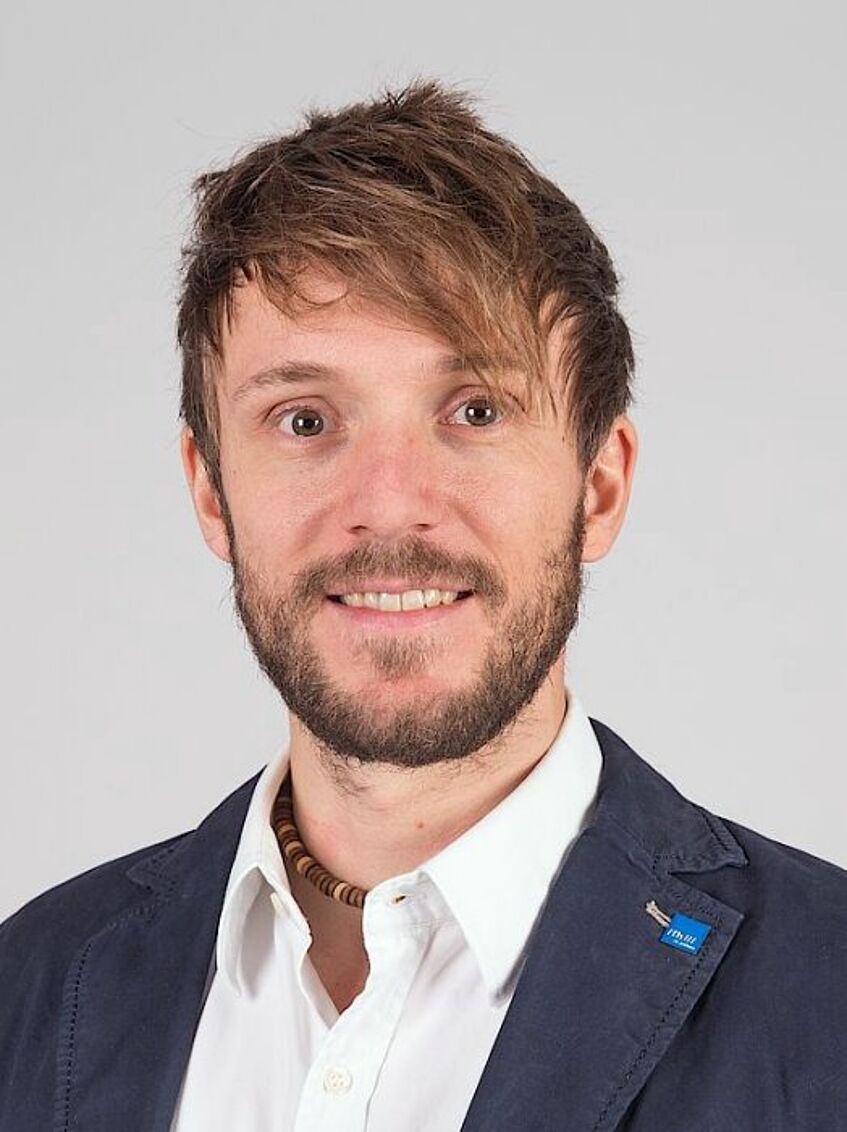
Matthias Meier is a Full Professor at the Institute of Biochemistry, University of Leipzig, and Principal Investigator at Helmholtz Pioneer Campus, Helmholtz Zentrum München. His research focuses on advancing microfluidic organ-on-chip technology for single-cell and whole-organ disease modeling. Education: PhD in Biophysics (University of Basel, 2006) Research Interests: Dr. Meier's work bridges bioengineering and metabolic disorders, using organ-on-chip platforms to study stem cell differentiation, pancreatic/adipose tissue interactions, and dynamic microenvironmental signals. His lab integrates microfluidics with hiPSC-derived organoids for obesity and diabetes research. Publication Trends: Recent studies emphasize organ-on-chip systems, single-cell analysis , and stem cell engineering , with applications in cardiovascular disease modeling, spatial transcriptomics, and bioelectronic monitoring. Scientific Awards: Feodor-Lynen Postdoctoral Fellowship (2008) Emmy-Noether Fellowship (2012-2018) ERC Consolidator Grant (2017) Advising & Grants: He has led independent research groups with major grants, focusing on energy imbalance mechanisms and patient-specific organoid models for metabolic disease therapies. Labs & Teams: The Matthias Meier Lab develops microfluidic platforms to control chemical, architectural, and mechanical cues for hiPSC differentiation, emphasizing spatial protein profiling and organoid assembly.
Brian Horsak is a Privatdozent (equivalent to Associate Professor) at the University of Vienna, affiliated with the Department of Sport and Human Movement Science within the Faculty of Sports Sciences. He serves as a member of the PI Panel/Supervisors for the Sport Science program at the Vienna Doctoral School of Pharmaceutical, Nutritional and Sport Sciences (VDS PhaNuSpo). His research group is located at the St. Pölten University of Applied Sciences with strong collaboration to the Centre for Sport Science and University Sports at the University of Vienna. Dr. Horsak's primary research interests focus on clinical (gait) biomechanics and interdisciplinary approaches between therapy and technology. His work is dedicated to understanding musculoskeletal loading of the lower extremities during locomotion and exercise, and developing assistive technologies such as machine learning algorithms and virtual reality applications to support patients and therapists during rehabilitation. Specific areas include: Clinical gait analysis and biomechanics Musculoskeletal loading in lower extremities Patellofemoral instability and joint biomechanics Machine learning applications for gait classification Virtual reality for rehabilitation Biomechanics of obesity and pediatric movement disorders 3D motion capture and markerless technology His recent publications demonstrate a strong trend toward integrating advanced computational methods with clinical biomechanics. Over the past five years, his work has increasingly focused on smartphone-based motion capture systems, deep learning applications for gait analysis, and virtual reality environments. His research bridges engineering technology and clinical rehabilitation, with particular attention to knee biomechanics, patellofemoral disorders, and movement analysis in pediatric obesity. Dr. Horsak teaches courses including 'Methods and Concepts of Biomechanics and Sports Informatics' and serves as supervisor for PhD students Bernhard Dumphart and Mark Simonlehner. His research group maintains strong collaborations with the St. Pölten University of Applied Sciences and appears to be involved in multiple interdisciplinary projects combining sports science, engineering, and clinical rehabilitation.
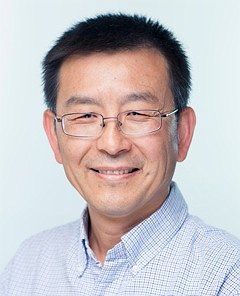
Jingling Xue is a Scientia Professor at the School of Computer Science and Engineering at the University of New South Wales (UNSW) in Sydney, Australia. As an IEEE Fellow of the Computer Society, he leads the Programming Languages and Compilers research group, focusing on practical applications of compiler optimization and program analysis techniques. His work bridges theoretical foundations with real-world software systems, particularly in developing open-source tools for large-scale program analysis. Professor Xue received his B.Eng and M.Eng degrees from Tsinghua University in 1984 and 1987, respectively, followed by a PhD from the University of Edinburgh in 1992. His academic journey has established him as a leading figure in programming languages and compiler technology. Xue's research spans programming languages, compiler technology, and program analysis with emphasis on practical relevance. His current projects include compiler techniques for improving parallelism and locality, pointer/alias analysis for million-line-scale programs, and static/dynamic analysis for detecting bugs and security vulnerabilities in real-world applications like web browsers and Android apps. His group actively develops open-source tools to support scientific replicability and reproducibility in these areas. His recent publications demonstrate a strong focus on applying program analysis techniques to modern challenges including AI compilers, homomorphic encryption, security vulnerability detection, and graph processing systems. The work shows evolution from traditional compiler optimization to addressing emerging domains like privacy-preserving computation and deep learning systems while maintaining rigorous theoretical foundations. Scientific Awards: Best Paper Award at CGO'13 Best Paper Award at CGO'16 Distinguished Paper Award at ECOOP'16 Distinguished Paper Award at ICSE'18 Distinguished Paper Award at ISSTA'19 Distinguished Paper Award at ASE'19 Distinguished Artifact Award at ISSTA'23 Best Artifact Award at FSE'23 Distinguished Paper Award at ASE'23 Test-of-Time Award at CGO'21 Professor Xue has successfully supervised 30 PhD students to completion, many of whom now work as professors or researchers in academia and industry. He has served as Program Chair for major conferences including LCTES'13, CC'18, CGO'20, and General Chair for LCTES'20. His group currently focuses on memory safety in Rust, smart contract analysis, AI compilers, compilation for privacy-preserving computation, and adversarial attacks in deep learning. The Programming Languages and Compilers group maintains strong connections with industry partners, translating theoretical advances into practical tools for real-world software development challenges. Their work on pointer analysis, memory safety, and compiler optimizations continues to influence both academic research and industrial practice.
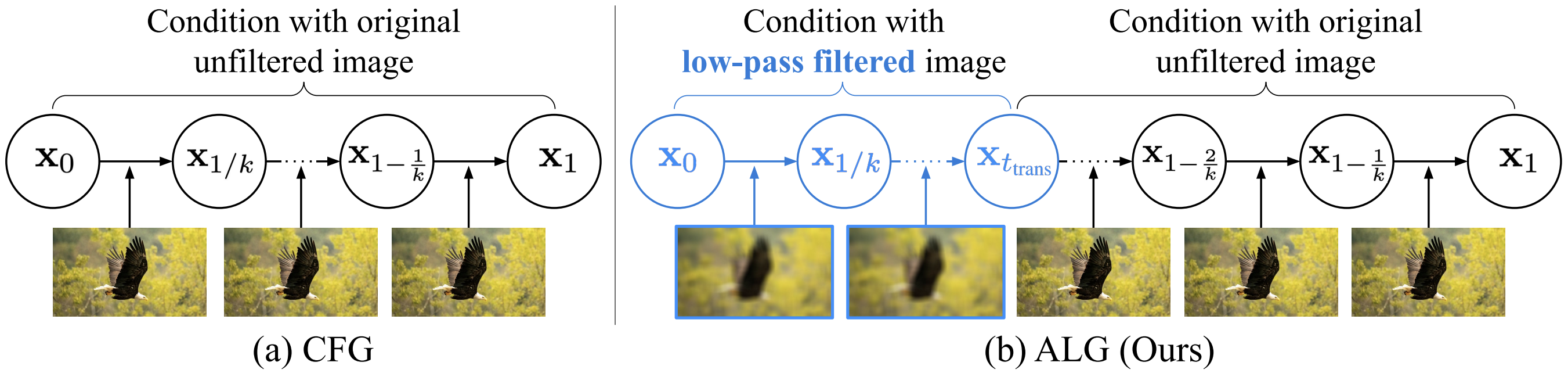
Kimin Lee is an assistant professor at the Graduate School of AI at Korea Advanced Institute of Science and Technology (KAIST), where he focuses on developing safe and capable decision-making agents. His research spans multiple aspects of artificial intelligence with a strong emphasis on safety and reliability. Dr. Lee completed his educational journey at KAIST, earning a Ph.D. in Electrical Engineering with a focus on Machine/Deep Learning (2015-2020), advised by Professor Jinwoo Shin. He also holds a Master's degree in Electrical Engineering (Wireless Communication Networks, 2013-2015) and a Bachelor's degree in Electrical Engineering (2009-2013), both from KAIST. His primary research interests include: Physical AI - developing AI systems that can interact safely and effectively with the physical world Alignment - particularly reinforcement learning from human feedback (RLHF) and scalable oversight techniques Monitoring - safety evaluation frameworks and benchmarking for AI systems LLM Agents - enhancing the capabilities and safety of large language model-based agents Dr. Lee's recent publications reveal a strong trajectory toward addressing critical challenges in AI safety. His work consistently bridges theoretical advances with practical applications, particularly in the areas of reinforcement learning, computer vision, and natural language processing. A notable trend in his research is the development of methods to evaluate and enhance the safety of AI systems, especially large language models and diffusion models, while maintaining or improving their capabilities. As an active member of the academic community, Dr. Lee serves as an area chair for major conferences including NeurIPS, ICLR, and ICML, and regularly reviews for top-tier AI venues. He has also organized workshops focused on safe and trustworthy AI agents. Dr. Lee's research group at KAIST appears to focus on AI safety and decision-making, with research projects spanning from theoretical foundations to practical implementations of safe AI systems. His collaborative work with institutions like UC Berkeley and Google Research demonstrates the interdisciplinary nature of his research approach.
Prof. Dr. Peter Kerkhof is a Full Professor of Social Media at Vrije Universiteit Amsterdam's Department of Communication Science and serves as Vice Dean of Education at the Faculty of Social Sciences. He holds a PhD (1997) in Social Psychology from VU Amsterdam. His research focuses on social media's impact on organizational and individual interactions, emphasizing how online environments shape perceptions of brands, policies, and health behaviors. He has held key administrative roles, including Chair of Communication Science (2010–2018) and membership in the Kansspelauthoriteit advisory board. Education: PhD in Social Psychology (VU Amsterdam, 1997) Administrative Roles: Vice Dean of Education, Chair of Communication Science, Faculty Board Member His research spans social media's role in health communication (e.g., blood donation campaigns), psychological effects of FOMO, and corporate reputation management. He has published in journals like Journal of Computer-Mediated Communication and Human Communication Research . Awards include the Best Faculty Paper in Public Relations (2016) and the Bob Heath Award (2015). Recent articles explore topics like blood donation engagement via Facebook, longitudinal studies on FOMO and well-being, and patient support groups on social media. His work bridges communication science with practical applications in health, marketing, and digital ethics. Scientific Awards: Best Faculty Paper in Public Relations (2016), Bob Heath Award (2015) Grants/Activities: Supervised 11 PhD theses, engaged in media outreach (e.g., commentary on social media trends) He is affiliated with the Network Institute and the Communication Choices, Content and Consequences (CCCC) research group, contributing to interdisciplinary projects on digital communication and societal resilience.
Gail Patricelli is a Professor in the Department of Evolution and Ecology at the University of California, Davis. Her research focuses on animal communication, sexual selection, and the impacts of anthropogenic activities like noise pollution on wildlife behavior and ecology. She employs innovative methods such as robotics, acoustic monitoring, and ecological observatory networks to study species like greater sage-grouse (Centrocercus urophasianus) and satin bowerbirds (Ptilonorhynchus violaceus). Her work bridges evolutionary biology, behavioral ecology, and conservation, with particular attention to how environmental changes affect mating systems and population dynamics. Patricelli’s research has examined how sage-grouse lekking behavior responds to habitat structure, social networks, and experimental noise pollution. She has pioneered the use of robotic females to study courtship negotiation and signal complexity in birds. Her studies on the physiological and behavioral effects of traffic noise on nestlings have advanced understanding of anthropogenic stressors in free-living populations. She also investigates the role of acoustic directionality and signal evolution in avian communication. Her lab’s interdisciplinary approach integrates field observations, experimental manipulations, and computational modeling to address questions in behavioral ecology. Key themes include sexual selection mechanisms, the evolution of communication systems, and conservation implications of human environmental impacts. Patricelli is affiliated with the Patricelli Lab at UCDavis and maintains an active research program supported by grants focused on biodiversity monitoring and sagebrush ecosystem management.
Dr. Christine Gerber is a Research Fellow at the WZB Berlin Social Science Center, specializing in the sociology of work and digitalization. She leads research in the group 'Globalization, Work, and Production,' focusing on platform work, labor processes, and Industry 4.0. Her recent projects include 'Generative AI in the world of work (GENKIA)' (2024–2026) and 'Automation, digitization and virtualization in the world of work during the pandemic' (2021–2023). Education: M.A. in International Relations (Free University Berlin/Humboldt University Berlin/University of Potsdam, 2011–2014); B.A. in Liberal Arts and Sciences (University College Maastricht/Santiago de Chile, 2007–2010). Dissertation: 'Platform work and the future of work' (defended January 2023). Research interests include digitalization's impact on labor, precarious work dynamics, and the transformation of work processes through algorithmic systems. Key topics: platform economy, wearable technologies in manufacturing, and post-pandemic labor market shifts. Collaborations: Extensive co-authorship with Martin Krzywdzinski and colleagues on digital labor studies. Key publications address AI's role in workplace change, pandemic-driven digitalization trends, and comparative analyses of platform work in Germany and the U.S. Her work bridges social theory and empirical research, emphasizing policy implications for digital labor markets. Current projects explore generative AI's societal impact and labor control mechanisms in crowdwork platforms.
Lance Storm is a Researcher at the School of Psychology within the Faculty of Health and Medical Sciences at the University of Adelaide. He specializes in anomalistic psychology, focusing on research methodologies and statistical analyses to explore normal and paranormal phenomena. Storm is Chief Editor of the Australian Journal of Parapsychology and holds committee positions with the Australian Institute of Parapsychological Research. His work spans parapsychology, Jungian psychology, gambling behavior, and theories of perception. Storm has led numerous research projects, including investigations into imagery cultivation’s effects on mood and psi performance, and the phenomenology of altered states. He has secured grants totaling over AU$600,000 from institutions like the Bial Foundation and the Cardigan Fund. His research often employs meta-analytic approaches, analyzing decades of psi studies to assess methodologies like the Ganzfeld and forced-choice designs. Teaching experience includes lecturing on motivation, emotion, and perception. Storm’s publications span peer-reviewed journals such as Psychological Bulletin and Journal of Parapsychology , with key works addressing synchronicity, the sheep-goat effect, and the psychology of spiritual emergency. He advocates for rigorous empirical inquiry into parapsychological phenomena while critiquing methodological challenges in the field. Professional activities include editorial roles, grant review, and supervision of Honours, Masters, and PhD students. His work bridges theoretical perspectives with empirical research, exploring intersections between consciousness studies, existential psychology, and anomalous experiences.
Prof. Dr. Florent Thouvenin holds the Chair for Information and Communications Law at the University of Zurich's Faculty of Law. He specializes in legal aspects of digital technologies, including Intellectual Property, Internet Law, AI regulation, and Data Protection. His academic work addresses challenges posed by emerging technologies to existing legal frameworks, with a focus on Swiss and EU law. Affiliations: Center for Information Technology, Society, and Law (ITSL); Swiss Forum for Communications Law (SF-FS) Courses Taught: Internet Law, Artificial Intelligence: Technology and Law, Intellectual Property Law, License Agreement Antitrust Law Winter School: Co-organizes an annual cross-continental program 'Law and Technology – a cross-continental perspective' with the University of New South Wales, Sydney. Research Interests: Regulatory challenges of AI, digital privacy, technology governance, cybersecurity, and innovation policy. His work bridges legal theory and practical implementation, emphasizing interdisciplinary collaboration between law, computer science, and ethics.
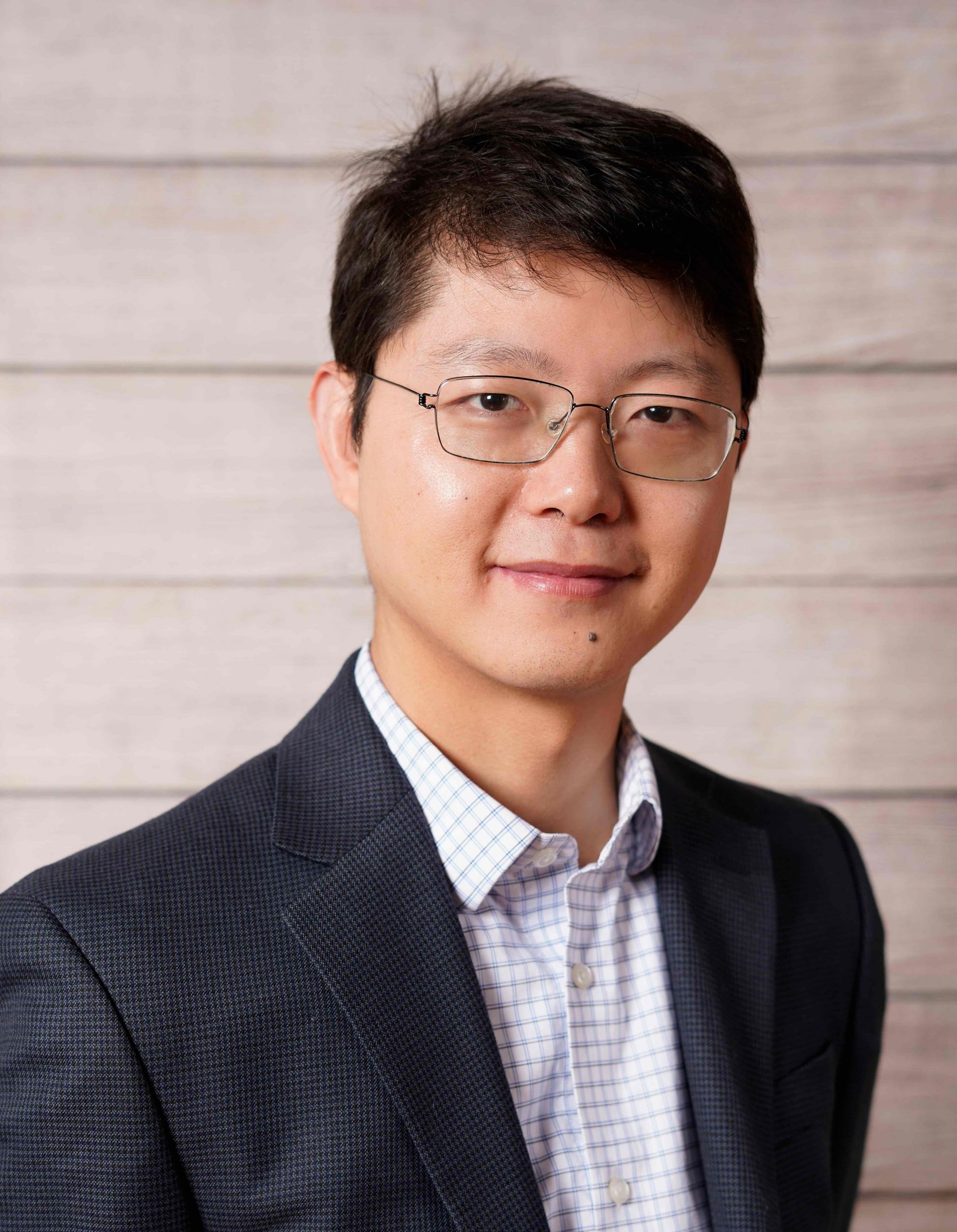
Zhengwu Zhang is an Associate Professor in the Department of Statistics and Operations Research at the University of North Carolina at Chapel Hill. His research focuses on developing statistical and machine learning methods for analyzing high-dimensional neuroimaging data, particularly structural and functional brain connectomics. He leads the UNC Education Program of Intelligence and Connectomics (EPIC), an interdisciplinary initiative training students in brain network analysis. His work addresses challenges in large-scale neuroimaging datasets, including computational efficiency and reproducibility. Zhang completed his Ph.D. in Statistics at Florida State University under Anuj Srivastava. His funding includes NIH grants for CRCNS, structural connectome analysis, and personalized cognitive training. He serves as an Associate Editor for the Journal of the American Statistical Association (Reproducibility). Key contributions include tools like the Surface-Based Connectivity Integration (SBCI) GitHub repository for brain network analysis pipelines. His awards include the 2022 UNC Junior Faculty Development Award and the Oak Ridge Powe Award. Teaching roles include courses on data science, machine learning, and statistical consulting. His research spans brain network dynamics, genetic contributions to connectome structure, and applications of deep learning in neuroscience.
George Dasoulas is a Postdoctoral Researcher at Harvard University's Department of Biomedical Informatics, affiliated with the Zitnik Lab. He holds a PhD in Computer Science from École polytechnique in Paris, France, and previously worked at Huawei Technologies France. His research focuses on graph machine learning, particularly in biomedical applications and telecommunications, with contributions to graph neural networks (GNNs), attention mechanisms, and topological deep learning. Education: Ph.D., Computer Science (DaSciM group, LIX, École polytechnique); Diploma in Electrical & Computer Engineering (National Technical University of Athens). His work includes developing Lipschitz-normalized attention layers, parametrized graph shift operators, and modularity-aware graph autoencoders. He has been recognized with the 2022 Wojcicki and Troper Fellowship from Harvard's Data Science Initiative. Key Research Themes: Graph Representation Learning, Topological Neural Networks, Equivariant Learning, Multimodal Learning Applications: Biomedical Informatics, Telecommunications, Sustainable AI His articles emphasize scalable GNN architectures, graph-based unlearning strategies, and multimodal protein phenotyping. He has contributed to open-source projects like LipschitzNorm and PGSO, and actively publishes in top conferences (ICML, ICLR, NeurIPS).
Chris Roth is a Professor of Economics and Management at the University of Cologne, where he leads research at the intersection of psychology, economics, and political economy. He serves as Co-Editor of the Journal of the European Economic Association and holds a prestigious ERC Starting Grant for his project 'VIRAL Narratives,' which examines how economic narratives spread and influence beliefs through large-scale experiments combining qualitative and quantitative methods. His research focuses on three primary domains: Psychology and Economics (studying cognitive biases in decision-making), Political Economy (analyzing activism and policy perceptions), and Macro-expectations (investigating how households and firms form economic beliefs). His work employs innovative field experiments and survey methodologies to explore real-world behaviors. Recent publications (2022-2025) demonstrate strong trends in narrative economics, expectation formation, and political behavior research. Key themes include: 1) How stories and statistics shape memory and beliefs, 2) Field experiments in labor/housing markets, 3) Information processing in policy contexts, and 4) Behavioral drivers of political activism. Over 80% of recent articles use experimental methods across 15+ countries. Scientific Awards: ERC Starting Grant: VIRAL (101160770) - European Research Council (2021-present) He leads the ERC-funded 'VIRAL Narratives' project and has developed open resources for researchers including doctoral course materials, experimental design guides, and methodological frameworks. No student advising details or lab information is provided in available texts.
Nicholas Port is a Professor at the Indiana University School of Optometry, where he has served since 2005. He holds a Ph.D. in Neuroscience from the University of Minnesota (1997) and completed postdoctoral training at the National Eye Institute's Laboratory for Sensorimotor Research. His research focuses on concussion/mTBI effects, athlete concussion epidemiology, neurobiology of brain injury, and human eye movement development. He is a key contributor to the NCAA-DoD CARE Consortium, advancing concussion assessment tools like VOMS and SCAT3. Education: Ph.D. in Neuroscience, University of Minnesota, 1997 Postdoctoral Training: National Eye Institute, 1997–2005 Research Interests: Concussion diagnosis and management in athletes Neurobiological mechanisms of TBI Developmental oculomotor systems Epidemiology of sports-related injuries His publications emphasize clinical and neuroimaging approaches to understanding concussion outcomes and athlete brain health. He teaches courses on ocular motility, biomedical systems, and neurobiology of concussion. His work bridges optometry, neuroscience, and sports medicine to address pressing health challenges in athletics. Advising & Grants: As a graduate faculty member with PhD committee leadership, Dr. Port mentors students in optometry and neuroscience. His research leverages interdisciplinary collaborations, such as the CARE Consortium’s large-scale athlete studies. Labs/Teams: Active in IU School of Optometry’s research programs, contributing to sensorimotor and vision science initiatives.
Daniel Hanus is a Researcher at the Max Planck Institute for Evolutionary Anthropology in the Department of Comparative Cultural Psychology . He coordinates the Wolfgang Köhler Primate Research Center and Global Primate Study Network, with over 15 years of experience in African chimpanzee sanctuaries. His work spans Physical cognition Causal understanding Visual illusions Numerical competence Meta-cognition research in human and non-human primates. As an International Primatological Society member and ad hoc reviewer for journals like Animal Behaviour and Science , he contributes to methodological advancements. He teaches at the University of Leipzig and has held visiting positions at Free University Berlin and University of Tübingen. Hanus's research combines fieldwork at chimpanzee sanctuaries with controlled experiments to explore cognitive evolution. His 2025 publications in Nature Communications and Animal Behaviour examine neural precursors of language and social attention mechanisms, while 2023 work in Nature Ecology & Evolution reveals cognitive stability across primate development. 2009 Poster Competition Winner, Workshop on Cognition and Evolution, Rovereto 2003 Poster Competition Winner, German Primatological Society, Leipzig He coordinates research collaborations with Chimfunshi (Zambia) Tacugama (Sierra Leone) LCRP (Liberia) sanctuaries and maintains active research stays at Ngamba Island (Uganda) and Tchimpounga (Congo). Fluency in German, English, and French supports cross-cultural research initiatives.
Anna Goldenberg is an Associate Professor in Computer Science at the University of Toronto and Senior Scientist in the Genetics & Genome Biology Program at The Hospital for Sick Children (SickKids). She holds the Varma Family Chair in Biomedical Informatics & AI and CIFAR AI Chair. Her roles include Co-chair of SickKids' AI in Medicine Initiative and Associate Research Director, Health at Vector Institute. Goldenberg's research focuses on developing machine learning methods for healthcare applications, including disease mechanisms, risk prediction systems, and responsible AI deployment. Affiliations: SickKids Research Institute, University of Toronto, Vector Institute Education: PhD from Carnegie Mellon University, Postdoc in Computational Biology Research Interests: Machine learning for healthcare, biomedical informatics, precision medicine, and overcoming AI challenges like rare event prediction and model explainability. Her lab emphasizes ethical AI integration into clinical workflows. Publications: Over 119 peer-reviewed articles spanning AI in medicine, genomics, and clinical prediction systems. Recent work includes early cancer detection via cell-free DNA and AI-driven pediatric urology management. Awards: Early Researcher Award, CIFAR AI Chair, Canadian Research Chair in Computational Medicine Grants: Multiple NIH, CIHR, and industry-funded projects totaling ~$20M, including grants for AI in cardiac arrest prediction, pediatric asthma modeling, and cancer detection via federated learning. Labs/Teams: Leads Goldenberg Lab at SickKids focusing on clinical AI systems and responsible innovation in healthcare technology.