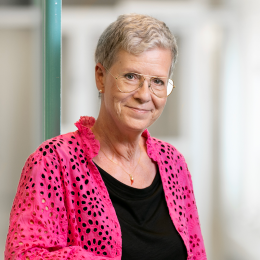
Hana Dobsicek Trefna is an Associate Professor at Chalmers University of Technology, working within the Biomedical Electromagnetics research group in the Department of Electrical Engineering. Her academic career has focused on developing microwave-based technologies for cancer treatment, with particular expertise in hyperthermia systems for deep-seated tumors. Dr. Dobsicek Trefna's research interests center around microwave hyperthermia treatment systems, with significant contributions in UWB antenna design, electromagnetic field focusing algorithms, and treatment planning for deep tumors. Her work spans both theoretical development and clinical implementation, with special focus areas including head and neck tumor treatment, pediatric brain tumor applications, and quality assurance methodologies for hyperthermia devices. She has pioneered approaches to time-reversal focusing, multi-frequency heating, and hot-spot management in deep tissue heating applications. Analysis of her recent publications reveals a strong emphasis on practical clinical implementation of hyperthermia systems, with increasing focus on pediatric applications and quality assurance protocols. Her work bridges engineering innovation with clinical oncology needs, particularly in developing standardized procedures and validation methods for hyperthermia devices. Her research shows consistent progression from fundamental electromagnetic principles to clinical implementation challenges. Fokuserad mikrovågs hypertermi: för minskade långsiktiga effekter av strålning av barn med hjärntumörer (2022-2025, funded by Vetenskapsrådet) Creation of advanced cancer treatment planning to boost the effect of Radiotherapy by combining with hyperthermia (HYPERBOOST, 2020-2024, EU-funded) Multiple projects on hyperthermia for pediatric brain tumors (funded by Barncancerfonden) Kliniskt hypertermisystem för bättre cancerbehandling i hals och huvud (2017-2018, VINNOVA-funded) Dr. Dobsicek Trefna leads the Biomedical Electromagnetics research group, which focuses on developing microwave-based diagnostic and therapeutic systems. Her team works closely with clinical partners to translate engineering innovations into practical cancer treatment solutions, with particular emphasis on systems for treating deep-seated tumors and pediatric applications where conventional treatments have significant side effects.