معرفی
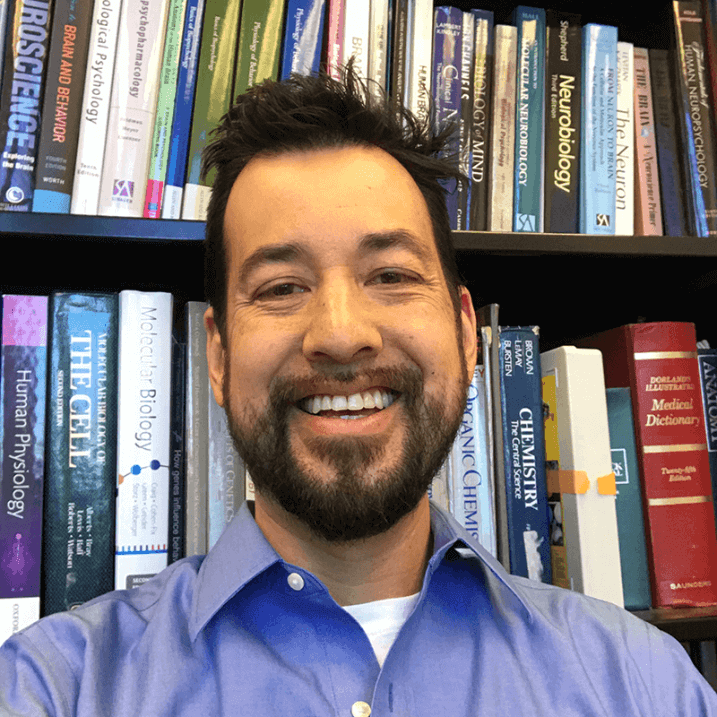
Andreas Frick is an Associate Professor at Uppsala University with dual appointments in the Department of Medical Sciences (Experimental Cognitive and Affective Neuroscience) and the Department of Psychology (Emotion Psychology). His research focuses on understanding the neurobiological and psychological mechanisms underlying fear and anxiety disorders, particularly social anxiety disorder, with the goal of improving treatments for affected individuals.
Dr. Frick's primary research interests include cognitive neuroscience, affective neuroscience, anxiety disorders, neuroimaging techniques (particularly PET and fMRI), and psychopharmacology. His work investigates how brain networks and neurotransmitters contribute to normal and pathological fear responses. His academic merits include earning a PhD and achieving the Swedish academic title of Docent, which is roughly equivalent to Associate Professor in the US system.
His recent publication record shows a strong emphasis on fear conditioning and extinction mechanisms, neuroimaging biomarkers for anxiety disorders, the neurochemical basis of anxiety (particularly involving serotonin and dopamine systems), and the effects of substances like caffeine on anxiety. His research spans both basic neuroscience investigations and clinical applications, often using advanced neuroimaging techniques to bridge molecular mechanisms and clinical symptoms.
Dr. Frick has received significant attention for his work, with several publications picked up by numerous news outlets and referenced in Wikipedia pages. His groundbreaking research on fear memory reconsolidation was featured by 119 news outlets and referenced in 4 Wikipedia pages, indicating substantial impact in both scientific and public spheres.
His collaborative work extends across multiple institutions and disciplines, working with researchers in psychiatry, psychology, neuroscience, and radiology. He frequently employs multimodal approaches combining behavioral assessments, neuroimaging, and psychopharmacological interventions to understand anxiety disorders from multiple perspectives. His work has practical implications for developing more targeted treatments for anxiety disorders based on individual neurobiological profiles.