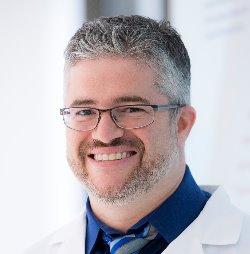
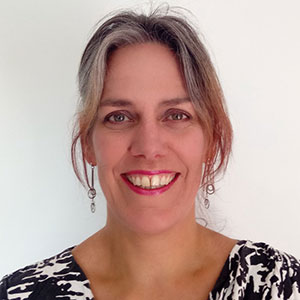
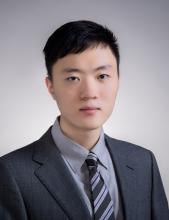
Riccardo Strobino is an Associate Professor at Tufts University in the School of Arts and Sciences, holding joint appointments in Classical Studies and Philosophy. His research bridges medieval Latin and Arabic philosophical traditions, focusing on logic, epistemology, and metaphysics. He has made significant contributions to understanding Avicenna's theory of science and the interplay with Aristotelian frameworks. PhD, Philosophy, Scuola Normale Superiore di Pisa (2009) MSc, Economics (Organization), Università L. Bocconi, Milano (2004) MA, Philosophy, Università degli Studi di Milano (2003) Strobino's work explores the development of logic in medieval Latin and Arabic traditions, with a focus on Avicenna and Aristotle. His publications examine topics like epistemic contexts, causal demonstration, and the hierarchy of scientific knowledge. His recent articles highlight trends in medieval logic, Avicenna's influence on scientific methodology, and the evolution of epistemic theories from Arabic to Latin traditions. Key themes include logical consequence, certainty conditions, and the metaphysical underpinnings of scientific reasoning. Scientific Awards: E. Bocca Prize (2009) Sine quibus non: Arabic Philosophy of Science and the Impact of Medieval and Renaissance Latin Translations (Harvard University, 2017-2018) Strobino has held post-doctoral fellowships at Ruhr-Universität Bochum and University of Cambridge (Clare Hall College), and his editorial work includes co-editing essays on medieval logic and metaphysics of relations.
Fraser Macbride is a Professor and Chair of Logic and Metaphysics at The University of Manchester. He holds a PhD from King's College London and a BA from the University of Cambridge. His research focuses on metaphysics, philosophy of mathematics, philosophy of language, and the history of analytic philosophy. He has authored works such as On the Genealogy of Universals and edited the Monist . His current projects explore metaphysical issues related to relatedness and the history of late analytic philosophy. He has received the Philip Leverhulme Prize and fellowships from AHRC, the British Academy, and others. Macbride has supervised students on topics like meta-ontology, essentialism, and neo-Fregeanism, currently advising Oliver Spinney on Bradley's problem of unity. His teaching includes the Philosophy of Language course. Research interests span meta-ontology, truth-making, universals, structuralism, and the works of Frege, Russell, and Wittgenstein. Macbride has contributed to projects like the AHRC-funded ‘Age of Metaphysical Revolution’ and collaborates on studies of David Lewis and analytic philosophy’s development.
Rick Grush is a Professor of Philosophy at the University of California, San Diego (UCSD). His primary affiliation is with the Department of Philosophy, though his research intersects with cognitive science, neuroscience, and interdisciplinary studies. His research focuses on perception, temporal experience, representation theory, enactivism, and neurophilosophical questions. Notable themes include crossmodal perception, agency theory, and the philosophical analysis of sensory integration. He critiques and synthesizes theories from both analytic philosophy and cognitive science, often engaging with empirical research in neuroscience. Grush’s recent work explores the temporal structure of perceptual experience, agency’s role in perception, and the philosophical implications of enactivist frameworks. His publications consistently bridge gaps between abstract philosophical concepts and concrete scientific methodologies, emphasizing interdisciplinary dialogue. Though no academic awards or grants are explicitly noted in the provided materials, his prolific output from 2016 to 2023 demonstrates sustained engagement with cutting-edge debates in philosophy of mind and cognitive science.
Puneet Plaha is an Associate Professor and Consultant Neuro-Oncology Surgeon at the University of Oxford, based at the John Radcliffe Oxford University Hospitals since August 2012. He serves as Lead of the Oxford Neuro-oncology Multidisciplinary Team (MDT) and Lead for the Thames Valley Cancer Network for Brain Tumours, while chairing the Neuro-oncology section of the Society of British Neurological Surgeons. His educational qualifications include MBBS, MS, MD, FRCS, and FRCS (SN), reflecting extensive surgical and neurological training. Plaha's research centers on minimally invasive endoscopic techniques for brain tumor resection and advanced brain imaging to develop individualized treatments. He pioneered Oxford's Awake Surgery Brain Tumor Programme using intraoperative stimulation for supramaximal tumor resection. His work investigates neural network interactions with tumors, novel surgical modalities for safer procedures, immunotherapy applications, and clinical trials for brain cancer. Analysis of his 15 most recent publications (2023-2004) reveals dominant themes in glioblastoma treatment optimization, awake surgery refinement, and diffusion tractography applications. Key trends include immunotherapy integration (Ipi-Glio trial), pandemic impact on neuro-oncology care, and ultra-high-definition intraoperative imaging for low-grade glioma resection. As Chief Investigator for the UK NIHR-funded FUTURE-GB trial, Plaha leads multi-center glioblastoma research. His group also develops fast-track recovery protocols after minimally invasive tumor surgery and investigates neural network preservation during resection. No formal advisees are listed in available materials. He directs the Oxford Surgical Neuro-Oncology Research Group, which integrates clinical practice with translational research on tumor-immune interactions and surgical innovation, maintaining close collaboration with the Thames Valley Cancer Network for brain tumor management.
Drew Nobile serves as Associate Professor of Music Theory at the University of Oregon's School of Music and Dance. His academic appointments include previous faculty positions at the University of Chicago (2013–15) and Brooklyn College (2010–13). He earned his Ph.D. in Music Theory from CUNY Graduate Center in 2014, with additional degrees from University of Washington (M.A., 2009) and Brown University (Sc.B. in Mathematics and Music, 2007). Nobile specializes in the theory and analysis of popular music, with research focusing on rock and pop song structure, harmonic function, voice leading, and the relationship between vocal delivery and formal design. His work bridges traditional music theory with popular music studies, particularly examining how timbre, texture, and lyrical narrative interact with harmonic structures to create formal teleology in popular songs. He advocates for expanding music theory curricula beyond traditional Western art music canons. His publications include the award-winning monograph Form as Harmony in Rock Music (Oxford University Press, 2020), which received the Society for Music Theory's Emerging Scholar Award. Current research includes his NEH-funded second book project Voicing Form in Rock and Pop, 1991–2020 , analyzing vocal delivery's structural role in contemporary popular music. His articles appear in leading journals including Music Theory Spectrum , Journal of Music Theory , and Music Theory Online , where he serves as Associate Editor since November 2022. National Endowment for the Humanities Summer Stipend (2022) Society for Music Theory Emerging Scholar Book Award (2021) Adam Krims Award, SMT Popular Music Interest Group (2017) Oregon Humanities Center Faculty Research Fellowship (2022 & 2016) UO Faculty Research Award (2022 & 2017) Nobile is a dedicated pedagogue who has overhauled the first-year theory curriculum to be more inclusive regarding both repertoire and teaching methodologies. He implements progressive techniques such as ungrading, universal design, and peer instruction. His scholarly work demonstrates how structural listening reveals essential features of popular music that challenge simplistic notions about the genre's musical complexity.
Aaron Griffith is a Professor of Philosophy at William & Mary's College of Arts & Sciences. He holds a Ph.D. from the University of California, Irvine (2013), with a dissertation focused on truth-making. Before joining W&M, he served as a Lecturer in Philosophy at Central Michigan University. His research bridges metaphysics, social ontology, and Kantian philosophy, addressing topics like truth-making, systemic oppression, and the nature of time. Education: Ph.D. in Philosophy, University of California, Irvine, 2013 Dissertation: 'Truth-Making' His work interrogates foundational questions in metaphysics such as how truths are grounded, the ontological status of social categories like race and gender, and the implications of temporal theories for ethics. Recent publications emphasize intersections between metaphysics and social justice, including analyses of systemic racism and the ontology of oppression. Griffith's scholarship also engages Kant's Critique of Pure Reason , applying its insights to contemporary debates in epistemology and metaphysics. His approach combines analytical rigor with critical social theory, exploring how ontological frameworks shape ethical and political discourse. His Truth and Social Reality: A Metaphysical Inquiry (2025) synthesizes decades of work on truth-making and social construction, arguing for an integrated metaphysical framework accounting for both natural and socially constructed realities.
Professor Christopher Hughes is a prominent academic in the Department of Philosophy at King's College London, affiliated with the Faculty of Arts & Humanities. He holds a BA from Wesleyan University and a PhD from the University of Pittsburgh, and previously taught at Cornell University before joining King's College. His research focuses on metaphysics, philosophical logic, medieval philosophy (particularly Thomas Aquinas, Augustine, Anselm, and Ockham), and philosophy of religion, with a particular emphasis on divine simplicity, personal identity, and theological consistency. He supervises undergraduate and postgraduate dissertations on topics within his research areas and teaches modules such as 'Introduction to Metaphysics,' 'Medieval Philosophy,' and 'Philosophy of Religion' at both undergraduate and postgraduate levels. His research explores core metaphysical questions about identity, time, and modality, alongside theological inquiries into divine attributes, foreknowledge, and the Trinity. Notable publications include works on Aquinas' metaphysics, Augustine's free will debates, and Anselm's ontological argument. He has contributed to interdisciplinary projects like the 'Persistence, fission and quantum physics' initiative. His work bridges analytic philosophy with medieval theological traditions, emphasizing the foundational role of metaphysics across philosophical disciplines. Recent publications highlight themes such as divine simplicity, personal identity, and the compatibility of theological doctrines with metaphysical principles. His scholarship demonstrates a rigorous engagement with both historical and contemporary philosophical debates, maintaining a commitment to addressing foundational questions in philosophy through systematic analysis.
Dr. Adam Sachs is an Associate Professor of Surgery in the Division of Neurosurgery at the University of Ottawa's Faculty of Medicine, where he also serves as an Assistant Professor at the Brain and Mind Research Institute. Additionally, he is an Adjunct Professor of Systems and Computer Engineering at Carleton University. Dr. Sachs is a Neurosurgeon at The Ottawa Hospital and serves as the Director of Neuromodulation and Functional Neurosurgery. Dr. Sachs completed his Bachelor of Science at McGill University in physiology and math, and a Master of Science at York University in applied mathematics researching mechanisms of human edge detection. During his neurosurgery residency at the University of Ottawa he participated in the Clinical Investigator program, performing neurophysiology and brain computer interface research in non-human primates. He was a Clinical Instructor in Functional and Spine neurosurgery at Stanford University from 2010 to 2012. His research focuses on using brain-computer interface (BCI) technology to help individuals with movement disorders. His work explores how real-time feedback of brain signals can enable participants to control external effectors such as robotic arms or virtual reality objects. This approach shows potential for inducing plasticity that provides symptom recovery for conditions like Parkinson's Disease, focal dystonia, and essential tremor, as well as offering communication channels for individuals with severe disabilities. Dr. Sachs' research spans neuroscience, neurosurgery, and engineering disciplines, with particular emphasis on neural signal processing, brain-computer interfaces, and neuromodulation techniques. His publication record demonstrates expertise in prefrontal cortex function, neural decoding, and the development of practical BCI systems that bridge clinical applications with fundamental neuroscience research. Associate Professor of Surgery, Division of Neurosurgery, University of Ottawa Assistant Professor, Brain and Mind Research Institute, University of Ottawa Adjunct Professor, Systems and Computer Engineering, Carleton University Director of Neuromodulation and Functional Neurosurgery, The Ottawa Hospital Associate Scientist, Neurosciences, Ottawa Hospital Research Institute Dr. Sachs supervises graduate students including Alireza Rouzitalab and Min Wah Leung, and leads the Sachs Lab which focuses on innovative approaches to neurorehabilitation and brain-computer interfaces. His research has significant clinical implications for treating movement disorders and restoring function to individuals with neurological disabilities.
Sophie Allen is a Lecturer in Philosophy at Keele University's School of Social Sciences. She holds a PhD from the University of London and has taught at prestigious institutions including Oxford University (2002-2015) and University College London. Her research focuses on metaphysics, philosophy of science, and philosophical methodology, with a particular interest in properties, causation, modalities, and the relationship between metaphysics and science. She is the author of A Critical Introduction to Properties (2016) and currently explores disagreement in metaphysical discourse. Education: Bachelor's degree from Glasgow University PhD from University of London (thesis: 'Metaphysics of Mental Causation') Research Interests: Metaphysical realism and its alternatives Scientific realism and kinds in natural/social sciences Explanation of consciousness and theories of meaning Meta-metaphysical issues like interpretation and methodology Teaching: Offers courses in Continental Philosophy, Ancient Philosophy, Philosophy of Science (Year 2), Philosophy of Language (Year 3), and Philosophy of Social Science (MRes). Supervises PhD topics in metaphysics, philosophy of science/mind/language. Professional Experience: Previously Supernumerary Fellow at Harris Manchester College (Oxford), Lecturer at St Peter’s College (Oxford), and Royal Institute of Philosophy researcher.
Hanoch Ben-Yami is a Professor of Philosophy at Central European University (CEU) in Vienna. He holds a PhD from Tel Aviv University (1995). His research focuses on logic, philosophy of language, philosophy of mind, and the history of philosophy, particularly on Descartes and Wittgenstein. His work explores formal systems like the Quantified Argument Calculus (Quarc) and addresses topics such as the philosophy of space-time, animal mentality, and the semantics of natural language. Education: PhD in Philosophy, Tel Aviv University, 1995 Research Interests: Formal logic and its applications, including Quarc and substitutional semantics Philosophy of language, focusing on quantification, reference, and vagueness Philosophy of mind and animal cognition Space-time theories, special relativity, and quantum mechanics Historical philosophy, especially Descartes' representational theory and Wittgenstein's later work Key Contributions: Advancements in formal logic systems, including Quarc's completeness proofs Analysis of open texture and Wittgensteinian concepts Critiques of traditional model-theoretic semantics Explorations of philosophical concepts in Descartes and Wittgenstein Labs/Teams: While no specific labs or teams are mentioned, his collaborative works (e.g., with Edi Pavlović, Hongkai Yin) highlight interdisciplinary research in formal philosophy.
Professor Pekka Väyrynen is a Professor of Moral Philosophy and Deputy Head of School (Philosophy/HPS) at the University of Leeds, School of Philosophy, Religion and History of Science. He holds a PhD from Cornell University and previously served as an Assistant Professor at UC Davis. His research focuses on metaethics, value theory, and the semantics of normative language, supported by grants from the AHRC and EU Seventh Framework Programme. He supervises PhD students and teaches in moral philosophy. Education: PhD in Philosophy, Cornell University (2002) MA in Philosophy, Cornell University M Soc Sci in Practical Philosophy, University of Helsinki Research Interests: Metaethics, practical reason, normative ethics, philosophy of language, metaphysics, and epistemology. He explores topics like normative explanation, moral principles, and the nature of ethical discourse. His recent work emphasizes explanatory pluralism in normative ethics and the metaphysics of moral properties. Service and Roles: Associate Editor of Ethics Section Editor for Ergo: An Open Access Journal of Philosophy Output Assessor for the Philosophy Sub-Panel of REF2021 Advising & Grants: Supervises PhD students (e.g., Sam Mason, Bart Smith-Johnson, Tiago Carneiro) and supports postdoctoral research. His grants include AHRC and EU funding for metaethical projects. He actively mentors students in metaethics and normative theory. Labs & Collaborations: Member of the Centre for Aesthetic, Moral and Political Philosophy and the Centre for Theoretical Philosophy at Leeds, fostering interdisciplinary research in ethics and related fields.
Dr. Ziyu Liu is a Leverhulme Early Career Fellow and Affiliated Lecturer at the University of Cambridge Faculty of Law. He is affiliated with Churchill College and specializes in legal philosophy and jurisprudence. His educational background includes a Ph.D. in Law from the University of Cambridge (2023), an LLM from Cambridge (2017), a JD from the University of Hong Kong (2016), and a BA (Hons.) from the University of Toronto (2014). Liu's research focuses on general jurisprudence with particular interests in methodological pragmatism, philosophy of language, and essentialist legal theory. His work critically examines foundational concepts in legal philosophy through analytical and pragmatic frameworks. Publications explore H.L.A. Hart's pragmatism, essentialist theories of law, and metaphysical foundations of jurisprudence. His research engages with contemporary debates in analytical philosophy as applied to legal theory. No information about teaching, awards, or student supervision was provided.
Maria Grazia Vaccaro is a Researcher at the Department of Law, Economics and Sociology (DiGES) of the University of Chieti-Pescara. Her legal research focuses on topics such as Imputability, Wiretaps, and Testimony. Concurrently, her scientific publications reveal interdisciplinary interests in Radiation Oncology, Neurology, and Medical Physics. She has contributed to advancements in brachytherapy techniques involving 3D-printed devices, dosimetric strategies for cancer treatment, and neuroimaging studies of neurological disorders like essential tremor and Parkinson’s disease. Her work bridges clinical research with technological innovation, particularly in medical device design and radiation therapy optimization. Despite her legal affiliation, her extensive publications indicate a primary focus on biomedical research, spanning topics from gut-brain axis interactions to neuroplasticity mechanisms. No scientific awards or formal advisees are explicitly mentioned in the provided materials.
Elliot Jokl is a Researcher in the Division of Diabetes, Endocrinology & Gastroenterology. His work focuses on understanding fibrogenic mechanisms in liver diseases, particularly nonalcoholic fatty liver disease (NAFLD) and liver fibrosis. He employs spatial transcriptomics, single-cell RNA sequencing, and multi-omic approaches to study gene regulatory networks and cellular interactions in disease progression. Research interests include the role of SOX9 in myofibroblast activation, circadian rhythm disruption's impact on fibrosis, and the mechanotransduction pathways governing fibroblast behavior. His recent studies explore biomarkers for cystic fibrosis-related liver disease and therapeutic targets for fibrosis using novel spatial and genomic techniques. Notable projects include leading an initiative to identify early biomarkers of hepatocellular carcinoma using high-definition spatial transcriptomics (2025–2026). Collaborations span immunology, genetics, and computational biology to address fibrotic diseases across organs including liver, kidney, and lung. Key findings include SOX9's essential role in hepatic granuloma integrity during schistosomiasis, circadian disruption accelerating fibrosis progression in NAFLD, and PAK1-dependent mechanotransduction pathways in fibroblast nuclear adaptation. His work bridges basic science and clinical applications to improve diagnostics and therapeutic strategies for fibrotic disorders.
Professor Panagiotis Demestichas serves as a faculty member in the Department of Digital Systems at the University of Piraeus, where he has been a Professor since April 2012. He heads the Laboratory of "Telecommunication Networks and Integrated Services" and has held significant leadership positions including Chair of the Department of Digital Systems from 2011 to 2015. His academic journey began with Bachelor's and Doctoral degrees in Electrical Engineering from the National Technical University of Athens. Professor Demestichas' educational background includes: Bachelor's Degree in Electrical Engineering, National Technical University of Athens Doctoral Degree in Electrical Engineering, National Technical University of Athens His research spans the forefront of telecommunications and network technologies, with particular expertise in 5G and emerging 6G systems. Professor Demestichas focuses on smart/cognitive/autonomic management and convergence of ICT infrastructures, SDN/NFV technologies, cognitive radio networks, and cloud and Internet of Things solutions. His work addresses critical challenges in spectrum management, network architecture design for beyond 5G systems, and the integration of artificial intelligence into network management frameworks. His research has significant implications for vertical industries including transportation, manufacturing, and smart cities, where reliable high-speed connectivity is essential. Professor Demestichas' publication record demonstrates a consistent focus on next-generation network technologies, with recent work emphasizing 6G architecture, sustainable network design, and industry-specific applications of advanced telecommunications. His research trajectory shows a clear evolution from 5G foundational work toward pioneering 6G concepts, with increasing emphasis on AI integration, sustainability, and cross-industry applications. The collaborative nature of his research is evident through participation in major European projects. Throughout his career, Professor Demestichas has held leadership positions in numerous significant research initiatives including: Project Coordinator of the OneFIT project (2010-2012) Technical Manager of the E3 project (2008-2009) Chairman of WWRF working groups, most notably the WGC "Communication Architectures and Technologies" (2004-2015) Technical Programme Committee Chair for the European Conference on Networks and Communications (EUCNC 2016) Active participation in European research programs including RACE II, ACTS, BRITE/EURAM, EURET, IST/FP5, IST/FP6, and ICT/FP7 As an educator, Professor Demestichas has made substantial contributions to academic development. He has supervised ten completed PhD theses and currently guides three additional doctoral candidates. He teaches Computer Networks I & II at the undergraduate level and has contributed to the development of research capacity through his leadership roles. His laboratory's research activities are partly funded by the European Union under Horizon 2020, reflecting the significance and impact of his work in the international research community. Professor Demestichas leads the Laboratory "Telecommunication Networks and Integrated Services" (http://tns.ds.unipi.gr), which serves as a hub for advanced research in telecommunications. The laboratory focuses on cutting-edge projects related to 5G/6G technologies, network virtualization, and intelligent network management. Through this laboratory, Professor Demestichas fosters collaboration between academia and industry, particularly in the areas of vertical industry applications of advanced networking technologies.