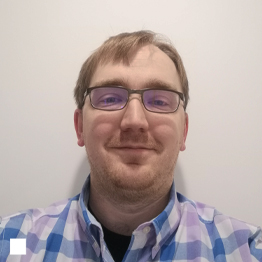
Dr. Matt Bonney is a Lecturer in Space Engineering at Swansea University, affiliated with the School of Aerospace, Civil, Electrical and Mechanical Engineering. He holds a position in the Department of Aerospace Engineering and is actively involved in postgraduate supervision. His research focuses on digital twin technology, nonlinear structural dynamics, mechanical joint modeling, seismic reliability, and uncertainty quantification, with recent emphasis on digital twin security and thermo-mechanical coupling in assembled structures. Dr. Bonney's expertise spans multi-physics joint modeling and multi-disciplinary development of digital twins, with international collaborations. He teaches modules such as 'Advanced Space Systems' (EG-M334) and 'Aerospace Systems' (EGA220), emphasizing space system design, orbital mechanics, and cyber-physical security. His research highlights include the development of a Python Flask-based digital twin operational platform, contextualization of information in digital twin processes, and experimental studies on frictional interfaces. His work on uncertainty quantification and seismic reliability has applications in nuclear reactor systems and civil engineering structures. Dr. Bonney currently supervises a PhD student focusing on nonlinearities in thermal-mechanical joints. His research outputs include over 30 peer-reviewed publications, with contributions to journals like Mechanical Systems and Signal Processing and Data-Centric Engineering .
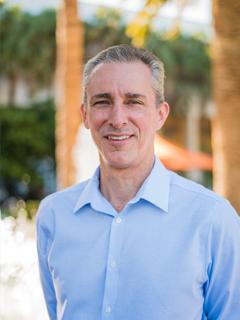
Kevin A Jacobs is a Professor in the Department of Kinesiology and Sports Sciences at the University of Miami's School of Education & Human Development. His research focuses on exercise physiology, metabolic disorders, spinal cord injury management, and biomechanics. Key areas include postprandial lipemia in spinal cord injury patients, musculoskeletal modeling for gait analysis, and ischemic preconditioning effects on muscle oxygenation. He has contributed to peer-reviewed journals such as the Journal of Biomechanics and Frontiers in Physiology . His work bridges clinical and applied research, addressing metabolic and biomechanical challenges in populations with mobility impairments. Research Interests: Spinal Cord Injury Metabolism, Exercise Physiology, Biomechanical Modeling, Clinical Nutrition, Muscle Oxygenation, and Rehabilitation Science. Publications highlight innovative methods like markerless motion capture and stable isotope tracers to study metabolic and biomechanical responses in chronic SCI and healthy populations. His studies emphasize practical applications for improving exercise protocols and clinical outcomes in mobility-restricted individuals. Grants and collaborations are implied through multi-institutional authorships, but explicit grant details are not provided. He advises on studies involving upper-body exercise modalities and postprandial metabolism. His lab work involves interdisciplinary approaches, leveraging engineering and clinical expertise to advance rehabilitation science.
Joost Batenburg is a Professor at Leiden Institute of Advanced Computer Science (LIACS) , with a chair in Imaging and Visualization . He is affiliated with the Centrum Wiskunde & Informatica (CWI) and serves as Program Director for the interdisciplinary Society, Artificial Intelligence and Life Sciences (SAILS) initiative. His research focuses on tomographic image processing and reconstruction , where he has published over 80 journal articles and 60 conference papers. Current projects include Universal Three-dimensiOnal Passport for process Individualization in Agriculture (UTOPIA) and Center for Optimal, Real-Time Machine Studies of the Explosive Universe (CORTEX) , both funded by NWO grants. He leads the FleX-Ray Lab , a custom CT system integrated with advanced data processing algorithms. His research spans discrete tomography , real-time imaging pipelines , and AI-enhanced reconstruction methods , with applications in industrial inspection, agricultural analysis, and cultural heritage conservation. Recent articles demonstrate novel approaches to: Single-shot dynamic object tomography using level-set methods and motion modeling X-ray scattering quantification for defect detection in real-time systems Cross-modal image registration between CT scans and physical photographs Auto-differentiation in CT workflows combining classical and machine learning algorithms Scientific Awards: Dutch Award for ICT Research (2018) C.J. Kok Prize (2007) Philips Mathematics Prize (2006) He has supervised numerous PhD candidates including Mary Go, Eani Lachmansingh, and Zhichao Zhong, while maintaining editorial roles at IEEE Transactions on Computational Imaging and Journal of Mathematical Imaging and Vision . His work bridges theoretical mathematics with practical applications in agriculture, industry, and art conservation.
Adrien Depeursinge is a Professor at HES-SO Valais-Wallis - Haute Ecole de Gestion, affiliated with the School of Economics and Services and the Management Information Systems department. His research focuses on radiomics, personalized medicine via image-based analysis, and clinical workflow optimization. He leads the development of the QuantImage platform, a physician-centered web-based tool for radiomics research, and contributes to radiomics standardization efforts through initiatives like the Image Biomarker Standardization Initiative (IBSI). His work emphasizes machine learning applications in healthcare, including tumor segmentation, biomarker extraction, and improving diagnostic accuracy through computational models. Key research themes include: 1) Radiomics – developing quantitative imaging features for cancer diagnosis/prognosis; 2) Medical Imaging Analysis – advancing texture-based models, multi-modal fusion, and automated lesion detection; 3) Physician-AI Collaboration – designing user-centric tools for clinical integration. His contributions span neuro-oncology (brain metastases), head-and-neck cancer, and multiple sclerosis imaging. Publications emphasize methodological advancements (e.g., kernel optimization in CNNs, steerable detectors) and clinical validation (e.g., reproducibility of radiomics features across imaging protocols). He collaborates with institutions like the University Hospital of Lausanne (CHUV) and international teams on projects like the HECKTOR challenge for PET/CT tumor segmentation. His work bridges technical innovation with clinical impact, aiming to translate radiomics into actionable clinical tools. QuantImage v2, his flagship tool, enables no-code development of machine learning models using clinical imaging data. Research also includes phantom-based validation of radiomics features and addressing challenges in feature stability across imaging modalities. Current projects explore improving contour quality for radiomics studies and optimizing AI explainability in medical decision-making.
Prof. Julijana Gjorgjieva is a tenured W3 Professor of Computational Neuroscience at the School of Life Sciences Weihenstephan, Technical University of Munich (TUM). She leads an independent research group at the Max Planck Institute for Brain Research and is affiliated with the Bernstein Center for Computational Neuroscience. Her research focuses on the principles governing neural circuit development, balancing learning plasticity with functional stability through computational and theoretical approaches. Key interests include synaptic organization, energy-efficient neural computation, and evolutionary optimality principles. Education & Career: B.Sc. Mathematics, Harvey Mudd College (2006) M.A.St. in Applied Mathematics, University of Cambridge (2007) Ph.D. Applied Mathematics, University of Cambridge (2011) Postdoctoral Fellowships: Harvard University (2011-2014), Brandeis University (2014-2016) Max Planck Research Group Leader (2016-2022) W2/W3 Professor at TUM since 2016 Research Interests: Computational neuroscience, theoretical modeling of neural circuits, synaptic plasticity mechanisms, homeostatic regulation, and the interplay of development and evolution in shaping brain architecture. She employs mathematical frameworks to study how circuits achieve robustness while enabling adaptive learning. Awards: Heinz Maier-Leibnitz Prize (2022) Eric Kandel Young Neuroscientist Prize (2021) ERC Starting Grant (2018) Multiple postdoctoral and early-career fellowships Grants & Funding: Includes DFG Collaborative Research Center on Neural Homeostasis, HFSP grants, and EU Horizon 2020 initiatives. Active in mentoring and promoting computational neuroscience through programs like Neuromatch Academy. Labs & Collaborations: Leads a multidisciplinary lab integrating experimental and theoretical approaches. Collaborates with institutions such as the Max Planck Society and international computational neuroscience networks.
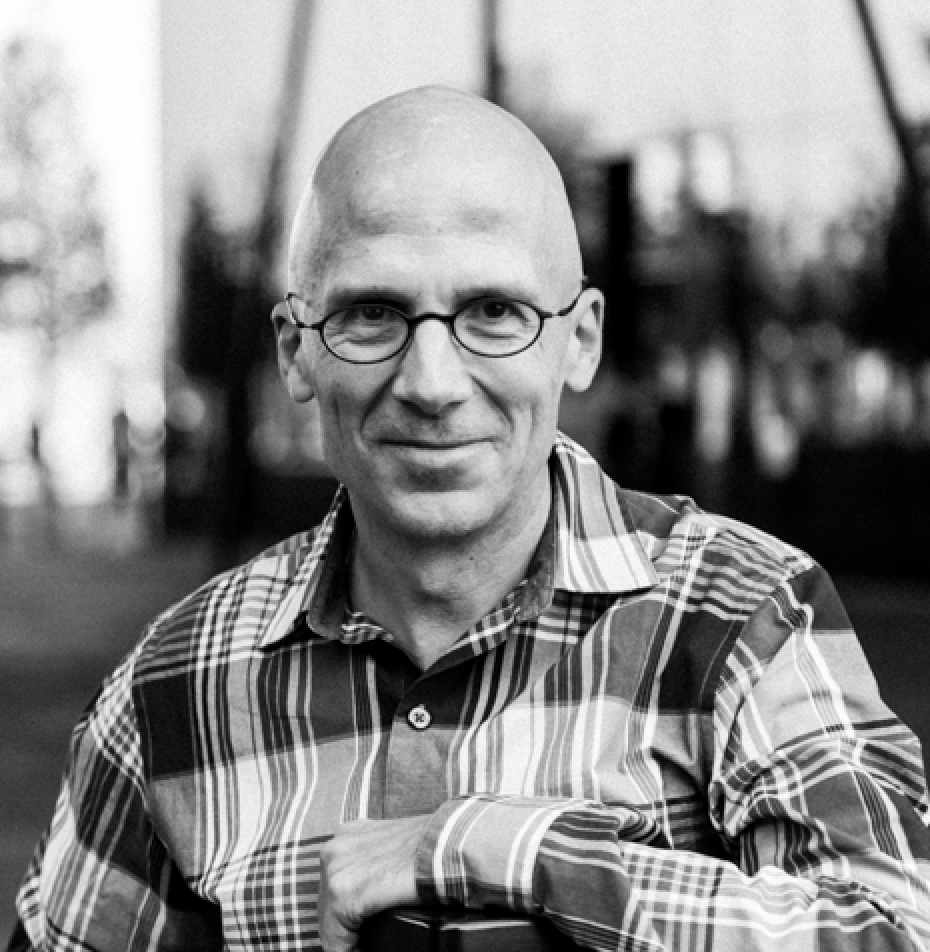
Prof. Christoph Benzmüller is a Full Professor at the University of Bamberg (Chair for AI Systems Engineering) and an adjunct professor at Freie Universität Berlin's Department of Mathematics and Computer Science. He is a leading researcher in automated reasoning, computational metaphysics, and formal logic systems. His work focuses on integrating higher-order logic into AI to achieve transparent and ethically grounded systems. Research Interests: His research spans automated theorem proving, formal ontologies, and normative reasoning in AI. Notably, he has formalized Gödel's ontological argument using computational methods and developed the Leo theorem provers for higher-order logic. He emphasizes the use of symbolic reasoning for ethical and legal AI frameworks. Grants & Projects: He leads projects like PetraKIP (AI portfolios for teacher education) and NFDIxCS (National Research Data Infrastructure). His work is funded by DFG, EPSRC, and the Volkswagen Foundation. He also collaborates with institutions globally, including Stanford and Cambridge. Awards: Recipient of the Central Teaching Award (FU Berlin) for his Computational Metaphysics course and a DFG Heisenberg Fellowship. His research on Gödel's argument gained international media attention. Education: Studied at Saarland University, where he earned his PhD (1999) and habilitation (2006).曾是专业长跑运动员,后转向学术研究。
Dr. Francesca Delogu is a Scientific Associate at Saarland University's Department of Linguistics and Language Technology. Her research focuses on the cognitive and neural bases of online language understanding, particularly expectation-based mechanisms, event/script knowledge, pragmatic inferences, and reference processes. Specializes in ERP (Event-Related Potentials) and eye tracking methodologies Collaborates extensively with Prof. Matthew W. Crocker and Dr. Herbert Brouwer Her work examines how extra-linguistic knowledge influences semantic integration and lexical retrieval, with applications in computational linguistics and language technology. She has taught courses on experimental methods in psycholinguistic research since 2012. Key research trends include the functional dissociation of ERP components (N400/P600) in language comprehension, rational redundancy in referential expressions, and the role of discourse context in expectation generation. Her publications span journals like Language, Cognition and Neuroscience , Cognitive Science , and Brain Research .
Grace K.M. Wong is a Senior Lecturer at the NUS Business School, National University of Singapore (NUS), specializing in Real Estate. She holds a B.Sc. (Estate Management) (Honours) and an M.Sc. (Property & Maintenance Management) from NUS, alongside an MPhil and PhD in Housing Economics from the University of Cambridge, UK. Educated at NUS and University of Cambridge Teaching since 1989 Specializes in housing economics and urban policy Advocates student-centric pedagogy Dr. Wong's research spans housing markets, economics and policies; elderly housing; property management; and quality of life issues. Her pedagogical approach emphasizes active learning , scenario thinking , and metacognitive development . She has contributed to journals like Urban Design International and Journal of Cleaner Production , focusing on sustainable housing solutions and SME energy adoption. Notable scientific awards include multiple NUS Annual Teaching Excellence Awards and recognition from the Centre for Development of Teaching and Learning. She served as Vice-Chair of the NUS Teaching Academy Executive Council (2020-2022) and was a Fellow (2014-2023). Her teaching philosophy prioritizes lifelong learning and adapting to diverse student modalities (visual, auditory, kinesthetic).
Wei Gao is an Associate Professor at the Swanson School of Engineering, University of Pittsburgh. His research focuses on the design, deployment, analysis and measurement of on-device AI architectures and algorithms on mobile, embedded and networked systems. He has strong interests in unveiling analytical principles underneath practical AI deployment problems, and designing systems based on these principles. The developed AI and system solutions are widely applied to various application scenarios, including Internet of Things, edge computing and smart health. Dr. Gao received his PhD from Pennsylvania State University in 2012 and his B.E. from the University of Science and Technology of China in 2005. Dr. Gao's research spans across Cyber-Physical Systems , Infrastructure Security , High Performance Computing , and the Distributed Governance of Information . His work particularly emphasizes on-device AI architectures and algorithms for mobile and embedded systems. He explores how to deploy AI efficiently on resource-constrained devices, with applications in Internet of Things, edge computing, and smart health. His research aims to bridge theoretical principles with practical system implementations, focusing on creating efficient, secure, and reliable AI solutions for real-world deployment scenarios. His recent work has increasingly focused on bringing Large Language Models to edge devices while maintaining performance and security. Analysis of Dr. Gao's recent publications (2021-2025) reveals a strong focus on on-device AI, particularly around Large Language Models for resource-constrained environments. His work addresses critical challenges including model personalization, security against illegal adaptation, sparse activation techniques, and physics-grounded generation. Much of his research targets making AI more efficient, secure, and practical for deployment on edge devices with limited computational resources, while also exploring applications in health monitoring and power systems. Dr. Gao has received significant recognition for his research, including: NSF Faculty Early Career Development (CAREER) Award (2016) Dr. Gao mentors numerous graduate students who contribute to his research in mobile computing, embedded systems, and on-device AI. His research has been supported by various grants, most notably the NSF CAREER award, enabling his team to explore innovative approaches to mobile and embedded AI systems. His lab investigates how to optimize AI for resource-constrained environments while maintaining performance and security, with particular focus on balancing computational efficiency with model accuracy. Dr. Gao leads a research group focused on mobile and embedded AI systems, with particular emphasis on making AI practical for deployment on everyday devices. His team explores novel techniques for model compression, efficient inference, and secure deployment of AI models on edge devices, with applications ranging from health monitoring to smart infrastructure.
Brooke Foucault Welles is a Professor in the College of Arts, Media and Design at Northeastern University, where she also serves as Interim Dean and Director of the Network Science PhD program. Her research focuses on how social networks and communication technologies shape power dynamics, particularly in contexts of marginalization and social justice. PhD in Media, Technology and Society from Northwestern University MS and BS in Communication from Cornell University Her research spans multiple domains including: Network science of AI and social systems Digital activism and social movement dynamics Health information and (mis)information flows Open source community structures Race/ethnicity in digital contexts Computational social science methodologies Recent publications focus on attention dynamics in social networks, hate speech protection mechanisms, and open-source software sustainability. Her work has been supported by grants from the NSF, NULab, and Chan Zuckerberg Initiative. Awards include: McGannon Book Award (2021) for #HashtagActivism Best Paper Honorable Mention at CSCW 2019 She leads the Communication Media and Marginalization Lab (CoMM Lab) which includes PhD students and postdocs from diverse disciplines. Her advising approach emphasizes interdisciplinary collaboration and methodological training in both quantitative and qualitative approaches.
Zhenyu Yang is a Lecturer and Postdoctoral Researcher at École Polytechnique Fédérale de Lausanne (EPFL), affiliated with the College of Engineering through the Department of Civil Engineering and the Urban Transport Systems Laboratory (LUTS) . He holds a PhD in Industrial System Engineering from the National University of Singapore (2022), an M.Eng from Beijing Jiaotong University, and a Diploma in Transportation Engineering from Huazhong University of Science and Technology. PhD, Industrial System Engineering, National University of Singapore (2022) M.Eng, Beijing Jiaotong University Diploma, Transportation Engineering, Huazhong University of Science and Technology His research focuses on urban transportation network modeling , travel demand management , and traffic information provision , with a strong emphasis on handling uncertainty and optimizing shared mobility systems. Recent work explores reinforcement learning applications, vehicle-drone cooperative delivery , and dynamic incident-responsive traffic systems . His publications highlight advancements in ridesourcing algorithms , congestion pricing , and multi-modal transport regulation . As a lecturer, he teaches Transportation Economics , covering demand-supply dynamics, welfare analysis, and environmental policy in transport systems. He is affiliated with EPFL's Urban Transport Systems Laboratory (LUTS) and contributes to the SGC-ENS teaching unit.
Prof. Dr. Hannes Taubenböck holds the Chair of Global Urbanization and Remote Sensing at the Julius-Maximilians University of Würzburg (Faculty of Philosophy, Institute of Geography and Geology) since 2022 and collaborates with the German Aerospace Center (DLR). His research bridges remote sensing with urban geography, focusing on: Global urbanization patterns and structural analysis Informal settlements (slums/refugee camps) Climate change and natural hazard vulnerability Migration dynamics via remote sensing and social media He obtained his PhD (2008) and habilitation (2019) at JMU Würzburg, preceded by geography studies at LMU Munich (1999-2004). His recent publications analyze: Climate impacts on African agriculture Urban permeability and walkability Border region disparities Heat exposure modeling Methodologically, he specializes in: Deep learning for earth observation Multi-modal data fusion Urban pattern classification Building stock analysis His work informs policy applications in: EU cohesion programs Disaster risk reduction Environmental justice Urban sustainability
Amar U. Kishan, MD , a tenure Professor at the David Geffen School of Medicine, UCLA , serves as Executive Vice Chair for the Department of Radiation Oncology and as Chief of the Genitourinary Service since 2019. His clinical expertise focuses on radiation treatment of prostate and bladder cancers , with pioneering work in stereotactic body radiation therapy (SBRT) and image-guided radiotherapy . Dr. Kishan graduated magna cum laude from Harvard Medical School after dual BA degrees at UC Berkeley in Molecular and Cell Biology and Public Health, followed by residency at UCLA and internship at Scripps Mercy Hospital . Education : Harvard Medical School (MD, 2012), UC Berkeley (BA in Molecular/Cell Biology & Public Health) Awards : Leonard Tow Humanism in Medicine (2021), UCLA Exceptional Physician (2024), Super Doctors® Rising Stars (2020-2024) Dr. Kishan leads translational research connecting radiation oncology with genitourinary cancer biology. His 310+ publications in journals like JAMA , Lancet Oncology , and European Urology emphasize radiation technology innovations , including MRI-guided SBRT and adaptive radiation therapy. Key trials he spearheads include ILLUSION (CT-guided SBRT) and HEATWAVE (apalutamide + SBRT). Major funding sources include National Institutes of Health , Department of Defense , and Prostate Cancer Foundation . His work has redefined prostate cancer treatment paradigms , demonstrating that high-dose radiation can match surgery in aggression cases, while multi-modal approaches improve survival rates. Dr. Kishan also contributes to re-irradiation protocols and radioresistance proteogenomics , advancing precision oncology. Key Grants : NIH, DoD, PCF, ASTRO Clinical Trials : ILLUSION, HEATWAVE, PET imaging-based radiation targeting
Tetsuya Sakai is a Professor at the School of Fundamental Science and Engineering within Waseda University's Faculty of Science and Engineering. His work focuses on information access, retrieval, and natural language processing, with a particular emphasis on evaluation frameworks for search systems. Affiliations: Waseda University (Faculty of Science and Engineering, School of Fundamental Science and Engineering) Academic Rank: Professor Research Interests : Dr. Sakai's research spans four key areas: (1) Information Access —designing systems for direct and immediate information delivery, (2) Search Evaluation —developing metrics like Height-Biased Gain and hierarchical intent-based diversity measures, (3) Fairness in IR —pioneering frameworks for group fairness in conversational search, and (4) Statistical Reform —advocating Bayesian methods and robust experimental design. His work also addresses privacy inconsistencies in mobile apps and cognitive biases in LLMs. Scientific Awards : Notable recognitions include induction into the SIGIR Academy (2023) , ACM Distinguished Member (2018) , ACM Senior Member (2016) , and multiple DEIM/FIT/CSS Best Paper Awards . He has received teaching honors like the Waseda Presidential Teaching Award (2016) and WASEDA e-Teaching Award (2018) . Article Trends : Recent publications highlight: Advancements in LLM-assisted relevance assessments and hallucination diagnostics for tool-augmented models Conversational search fairness through multi-level evaluation frameworks and group diversity metrics Innovations in 3D medical reconstruction from clinical data and multimodal uncertainty modeling Statistical rigor via randomization tests , credible intervals , and topic set design Privacy analysis in mobile app descriptions and cognitive bias studies in search interaction
Professor Richard Allen holds the position of Professor of Cognitive Psychology at the University of Leeds, School of Psychology. He joined the university in 2008 as a Lecturer, became Associate Professor in 2015, and was promoted to full Professor in 2025. His academic journey includes a BSc and PhD in Psychology from the University of York, followed by postdoctoral research at the University of Bristol and University of York with renowned psychologists Alan Baddeley and Graham Hitch. He is an Associate Editor of Psychonomic Bulletin & Review (2019–2024) and previously served at Memory (2013–2019). He organized the 4th International Conference on Working Memory (2024) and is involved in international memory conferences. His research focuses on memory function across populations, including mechanisms of binding in working memory, attentional control, and aging. Key projects include ESRC-funded work on cognitive ageing and ARC-funded studies on cognitive offloading in children. He leads the Working Memory and Cognition (WoMCog) and Psychology of Ageing at Leeds (PAL) research groups, and his work is supported by grants from ESRC, ARC, and others. He has supervised over 20 PhD students and teaches at all levels in the School of Psychology. Research interests emphasize memory binding, attention-memory interactions, and applications to education/clinical settings. His work explores how information is encoded, maintained, and retrieved across modalities, with a focus on lifespan development and neurodegenerative conditions. Recent studies include detecting long-term forgetting in epilepsy and improving memory strategies for older adults. He has pioneered concepts like 'visuospatial bootstrapping' and 'strategic prioritization' in memory research.