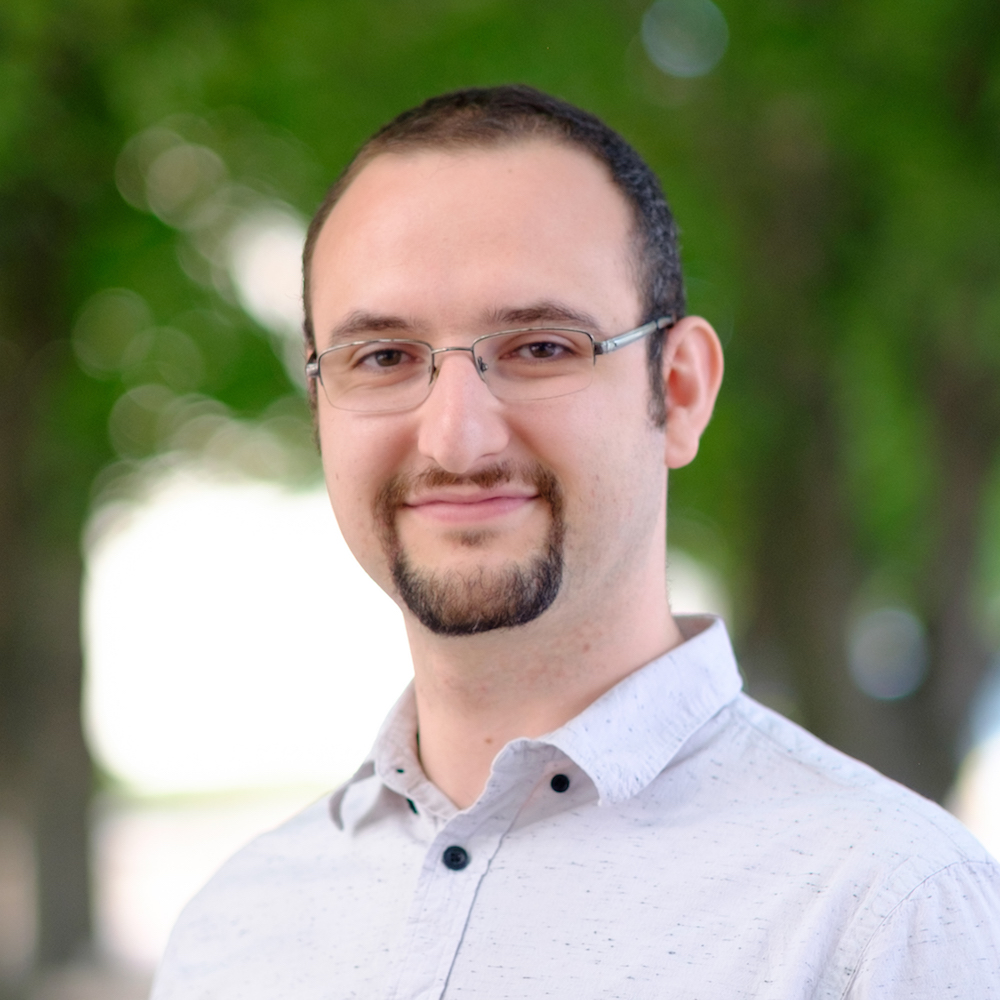
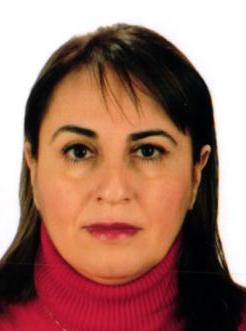
Onur Varol is an Assistant Professor at Sabanci University's Computer Science Department and leads the VIRAL Lab, which focuses on computational social science, network science, and machine learning. He has affiliations with the Center of Excellence for Data Analytics. His research spans social bot detection, misinformation analysis, and online behavior modeling.
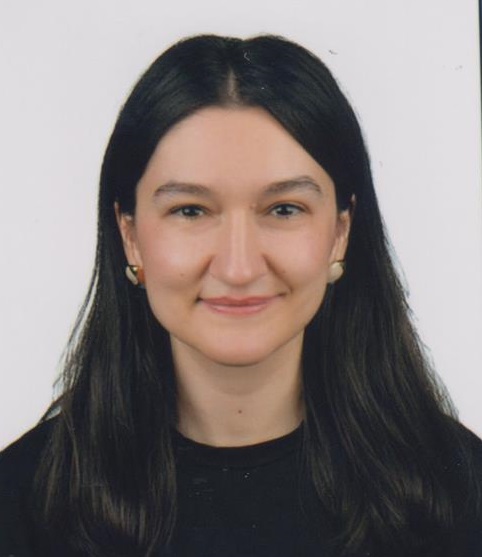
Tuğba Dalyan is an Associate Professor in the Department of Computer Engineering at Istanbul Bilgi University, Faculty of Engineering and Natural Sciences. She holds a Ph.D. in Computer Engineering from Yıldız Technical University (2014), an MSc from Kocaeli University (2007), and dual BSc degrees in Mathematics and Computer Science and Business Administration (Minor) from Istanbul Bilgi University (2003). She has been a faculty member since 2016 and previously served as a Teaching Staff member and Research Assistant at the same institution. Her research focuses on Natural Language Processing , Machine Learning , Deep Learning , Text Mining , Data Science , and Big Data Analytics . Her work spans computational linguistics, sentiment analysis, author profiling, machine translation, and smart systems. She has led and contributed to numerous research projects, particularly in AI-driven urban solutions and health technologies. The most recent publications show a strong trend in Turkish NLP, zero-shot classification, multimodal AI (image captioning), emotional robotics, and decision support systems using fuzzy logic. Her work combines theoretical rigor with practical applications in smart cities, education, and healthcare. Best Paper Award , CICLing 2012 TÜBİTAK 2209-A student project awards (2022–2024) Horizon2020 Eşik Üstü Ödülü , MIMOSCSA 2024 TÜBİTAK 2242 competition: 2nd and 3rd place (2016, 2018) She has advised numerous student research projects, many of which have received national recognition. She has directed multiple TÜBİTAK and institutional research grants, including projects on smart homes, blockchain crowdfunding, mental health, and AI for social polarization. Her leadership roles include Head of Department, Vice Dean, and Director of Graduate Programs. Tuğba Dalyan leads research in AI and NLP with a strong emphasis on Turkish language technologies. She is involved in interdisciplinary teams working on emotional robots, smart city platforms, and citizen science ecosystems. Her lab activities focus on neural networks, text analysis, and intelligent systems development.
Yasemin Bayyurt is a **Professor** in the **Department of Foreign Language Education** at **Boğaziçi University**, Istanbul. She holds a Ph.D. in English-Linguistics Research from Lancaster University (1997). Her academic leadership roles include serving as **Dean of the Faculty of Education (2020–2022)** and **Head of the Department of Foreign Language Education (2006–2012)**. She specializes in **Applied Linguistics**, with a focus on English as a Lingua Franca (ELF), English Medium Instruction (EMI), and sociolinguistics. **Education**: Ph.D., Lancaster University, 1997 (English-Linguistics) M.A., Lancaster University, 1992 (Language Studies) B.A., Boğaziçi University, 1989 (Foreign Language Education) **Research Interests**: Sociolinguistics (multilingualism, linguistic landscape, ELF) Second/Foreign Language Pedagogy (CLIL, disciplinary literacies) Technology in Education (blended learning, mobile-assisted language learning) Neurolinguistics (recent focus on neurotechnology in language teaching) Global Englishes (World Englishes, EIL) **Awards**: Multiple awards including Boğaziçi University Academic Support Award (2009–2014), TÜBİTAK Career Projects support (2005–2009), and international grants (e.g., Erasmus+ projects). **Grants/Projects**: Coordinated major projects including the ENRICH Erasmus+ initiative (ELF-aware teacher education) and M-LARG (mobile learning for at-risk youth). She leads research on EMI practices in Turkish higher education and ELF pedagogy. **Labs/Teams**: Active in the **Boğaziçi University English Language Education Policies Commission** and international networks like the **COST Action CA21114 (CLIL Network)**.
Prof. Dr. Metin Işık is a distinguished Professor at Sakarya University's Faculty of Communication, Department of Public Relations and Advertising. With a career spanning over 25 years, he has held academic positions at several prominent Turkish universities including Yalova University, Inonu University, and Erciyes University. His academic journey began as a Research Assistant at Selcuk University and progressed through Assistant Professor and Associate Professor ranks before achieving full Professor status. His educational background includes a Doctorate in Advertising and Promotion from Selcuk University's Institute of Social Sciences (1998-2002), a Master's in Journalism from Gazi University's Institute of Social Sciences (1995-1998), and a Bachelor's degree in Public Relations and Publicity from Gazi University's Faculty of Communication (1990-1994). Doctorate: Selcuk University, Institute of Social Sciences/Advertising and Promotion (1998-2002) Master's: Gazi University, Institute of Social Sciences/Journalism (1995-1998) Bachelor's: Gazi University, Faculty of Communication/Department of Public Relations and Publicity (1990-1994) Prof. Işık's research interests center around public relations theory, digital communication, political communication, and city branding. His work explores the intersection of traditional communication practices with emerging digital platforms, examining how organizations and cities can effectively manage their reputation in the digital age. He has made significant contributions to understanding body language in business settings and the role of communication in political campaigns. His extensive publication record reveals a consistent focus on communication theory and practice, with recent work emphasizing digital transformation in media and public relations. His research demonstrates strong interdisciplinary connections between communication studies, political science, and sociology, particularly examining how communication strategies influence public perception and organizational success. The analysis of his 15 most recent publications shows a clear evolution toward digital communication topics, reflecting broader trends in the field. Prof. Işık has supervised numerous master's theses throughout his career, mentoring the next generation of communication professionals. His teaching portfolio includes courses such as Health Communication, Body Language in Business Life, Political Communication Campaigns, and Critical Communication Theories, demonstrating his comprehensive expertise across multiple communication subfields. He has also been actively involved in various academic service roles, including editorial board memberships and conference organization. His professional activities extend beyond academia through numerous consulting engagements with government institutions, healthcare organizations, and private sector companies seeking expertise in communication strategy and public relations.
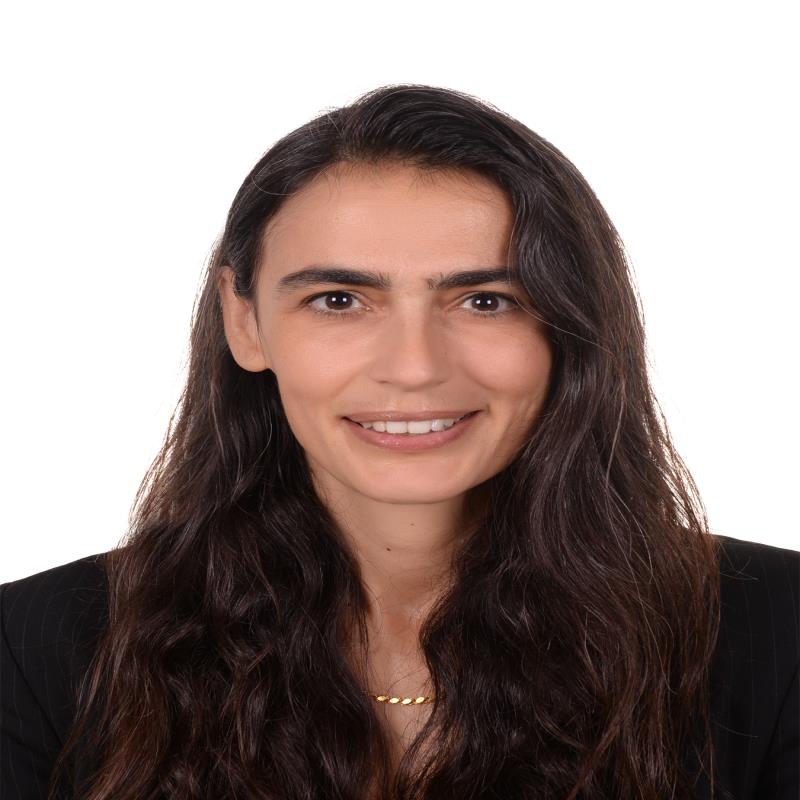
Assoc. Prof. Dr. Nesrin AKINCI ÇÖTOK serves as an Associate Professor at Sakarya University's Faculty of Communication, Department of Journalism since 2018, following prior appointments as Assistant Professor in both the Faculty of Communication (2014-2018) and Faculty of Education (2011-2014). PhD in Sociology (2010), Sakarya University: Thesis on Turkish students in German education within multiculturalism debates MA in Primary Education (2006), Sakarya University: Research on education in industrial-to-information society transition MA in Philosophy Group Teaching (2004), Sakarya University Licence in Sociology (2003), Dumlupinar University Her research spans Journalism, New Media, Social Media, Cultural Studies, Sociology, and Gender Studies with emphasis on media ethics, social change, and digital culture. Current work examines social media's impact on marital relationships, gender-based violence representation, digital literacy, and cross-cultural adaptation of international students through Turkey Scholarships Program. Recent publications (2024-2025) reveal strong interdisciplinary trends combining communication studies with psychology and sociology, particularly in digital media ethics, gender dynamics, and cultural consumption patterns. Key themes include algorithmic influence on news consumption, ethical violations in violence reporting, and semiotic analysis of influencer marketing. Ministry of Family and Social Policies Award for violence against women prevention initiatives (2020) Supervises doctoral research on television drama viewership motivations and marital communication in digital age, plus master's theses on women's daily life experiences, health news consumption, and social media activism. Leads ongoing TÜBİTAK projects on elderly news consumption practices and international student adaptation, while coordinating COST initiatives on digital mental health for youth.
Hulya Yalcin is an Assistant Professor in the Department of Mechanical Engineering at Istanbul Technical University. Her research focuses on artificial intelligence applications in robotics, computer vision, and precision agriculture. She leads projects in musculoskeletal modeling, plant phenology monitoring, and assistive technologies for elderly care. Her work contributes to UN Sustainable Development Goals related to innovation, health, and sustainable agriculture. Key projects include using deep learning for crop yield estimation and developing exergaming systems to improve elderly health. She has authored 52 research outputs and secured funding for initiatives like AISENSE (EU-funded exergames) and plant classification via computer vision. Publications span robotics control, medical engineering, and agricultural informatics. Notable contributions include knee orthosis gait learning via deep reinforcement learning and low-resource Turkish speech recognition improvements. As Principal Investigator, she manages projects on plant classification using CNNs, drone-based depth mapping, and multimodal assisted living systems. Her research bridges AI with practical applications in healthcare, agriculture, and robotics.
Arzu Atasoy serves as Associate Professor in the Department of Turkish and Social Sciences Education at Gaziantep University's Faculty of Education since 2024, following progressive academic appointments including Doctor Lecturer (2020-2024) and Research Assistant positions at both Gaziantep and Hatay Mustafa Kemal Universities. Her academic credentials feature a Doctorate in Turkish Education from Hatay Mustafa Kemal University (2015-2019), Master's degree in Turkish Education from Mustafa Kemal University (2013-2015), and Bachelor's in Turkish Language Teaching from Erciyes University (2008-2011). Professor Atasoy's research centers on writing education with specialized focus on writing alienation phenomena, AI-assisted text evaluation, and sociocultural dimensions of writing development. Her methodological repertoire combines mixed-methods designs with bibliometric analyses to investigate writing instruction across Turkish educational contexts. Recent publications demonstrate accelerating integration of artificial intelligence in language assessment, particularly through ChatGPT applications for student text evaluation, alongside systematic reviews mapping writing education research evolution. Her scholarly recognition includes: TÜBİTAK 2211-E Direct Domestic PhD Scholarship TÜBİTAK 2210-A General Domestic Master's Scholarship She actively supervises master's research including completed studies on Turkish teachers' writing practices and ongoing projects analyzing AI-generated texts and developing mobile writing applications. Her extensive teaching portfolio spans undergraduate Creative Writing and Turkish Language courses through graduate-level Writing Education Research Design seminars across all academic levels.
Dr. Gülsüm Çiğdem Çavdaroğlu Akkoç is a full-time Assistant Professor in the Information Technologies Department at Işık University's Faculty of Economics, Administrative and Social Sciences. She holds a multidisciplinary background with degrees in Mathematics Engineering, Geomatics Engineering, and Turkish Language & Literature. Education Ph.D. in Photogrammetry Engineering – Yıldız Technical University (2006–2013) M.S. in Photogrammetry Engineering – Yıldız Technical University (2003–2006) B.S. in Mathematics Engineering – Yıldız Technical University (1998–2003) B.A. in Turkish Language & Literature – Anadolu University (2016–2020) Research Interests Dr. Akkoç's research spans remote sensing , GIS , and machine learning , with applications in environmental monitoring, urban mobility, and health informatics. Her work leverages satellite imagery, mobile data, and AI to address challenges such as wildfire detection, air pollution tracking, and disease diagnosis. She actively integrates spatial data with AI to support smart city development and sustainable resource management. Scientific Awards First Prize – Mobilya Ar-Ge Proje Pazarı (2013), Entrepreneurship Category Supervision & Projects She has supervised four master's theses and led several EU and national projects including: BEE-OPTECH4Honey : Optimizing beekeeping routes using ICT TOP4HoneyChain : A sustainable smart honey value chain platform Open Data Platform for Precision Agriculture Labs & Teams Dr. Akkoç collaborates with interdisciplinary research teams in the fields of AI, geospatial technologies, and agricultural informatics. Her lab activities include developing machine learning models for real-world applications in health, environment, and urban systems.
Coşkun Soysal serves as an Assistant Professor in the Department of International Relations at Gaziantep University's Faculty of Economics and Administrative Sciences since 2022, following prior research assistant positions at the same institution (2017-2022) and Middle East Technical University (2008-2017), including a research stint at EHESS in France (2014). His academic foundation includes a PhD (2020) and MA (2010) in International Relations from Middle East Technical University, and a BA (2007) from Dokuz Eylul University. PhD in International Relations (2020), Middle East Technical University MA in International Relations (2010), Middle East Technical University BA in International Relations (2007), Dokuz Eylul University Dr. Soysal's research centers on International Relations theory with specialized focus on Turkish Foreign Policy, Middle East Studies, and contemporary challenges to global order. His work critically examines hegemony under multipolarity, great power competition, and post-truth phenomena in international politics, often employing historical materialist frameworks. Recent publications analyze Greek-Turkish relations, democratization narratives in the Arab world, and Turkey's strategic positioning amid geopolitical shifts. His scholarly output reveals consistent engagement with evolving international structures, particularly the tension between neoliberal hegemony and emerging multipolarity. Geographically concentrated on Turkey and the Middle East, his work bridges theoretical innovation with regional case studies, increasingly addressing contemporary crises like the Russia-Ukraine war through structural lenses. The methodological diversity spans historical analysis, discourse critique, and comparative theoretical assessment. Dr. Soysal has supervised two master's theses to completion in 2025, covering historical migration studies and language acquisition among Syrian refugees. His research funding includes participation as investigator in the Erasmus+ project 'Social Education on the Move' (2020-2023) and a national study on development-nationalism dynamics in 1960s Turkey and Egypt. Current administrative roles include Department Head (2024-present) and Erasmus Coordinator (2023-present), reflecting institutional leadership beyond core academic duties.
Assoc. Prof. Bilge Cam Aktaş is an Associate Professor at Anadolu University, Faculty of Education, Department of Educational Sciences . Her work centers on curriculum development, teacher training, multicultural education, and educational technology . PhD in Curriculum and Instruction (2013, Anadolu University) MA in Classroom Education (2006, Eskişehir Osmangazi University) BA in Basic Education (2004, Eskişehir Osmangazi University) Her research explores: Evaluation of multicultural teacher competencies Impact of pandemic-era distance learning (EBA platform) Relationships between teaching styles, emotional intelligence, and self-efficacy Curriculum continuity from preschool to primary education Teacher induction programs and professional integration Recent publications address blended teacher training models , social studies curriculum analysis , and student resistance behaviors . She has supervised 6 theses, including studies on refugee education and pandemic English instruction. Currently, she serves on the publication committee of Anadolu Journal of Educational Sciences International and contributes to Anadolu University Faculty of Education Journal as assistant editor.
Dr. Muhammed Akif YENİKAYA is an Assistant Professor (Dr. Öğretim Üyesi) at Kafkas University's Faculty of Economics and Administrative Sciences, Department of Management Information Systems. Since 2020, he has held roles including Research Assistant (2020-present), Assistant Director of the Research and Application Center (2022-2024), and Director of the Research and Application Center (2024-present). He advises the Kafkas University Techno Informatics Club. Education PhD in Computer Engineering, Maltepe University (2019-2022) MSc in Computer Engineering, İzmir University of Economics (2016-2018) MSc in Occupational Health and Safety, Kafkas University (2024) Bachelor's in Management Information Systems, Anadolu University (2019-2022) Bachelor's in Western Languages and Literatures, Kafkas University (2022) Associate Degree in Graphic Design, Istanbul University (2022) Research Focus Yenikaya's research integrates artificial intelligence with practical applications across healthcare, agriculture, energy, and management. His work emphasizes deep learning models for medical diagnostics (e.g., retinal and X-ray analysis), sustainable agriculture via IoT-based hydroponic systems, and AI-driven waste management. He also explores organizational digital transformation, technology adoption, and digital leadership strategies in business contexts. Publications Overview His 24 publications demonstrate a strong focus on AI/ML applications in healthcare (e.g., diabetic retinopathy detection, skin cancer diagnosis), sustainable technology (hydroponics, energy efficiency), and digital leadership. Recent work shows increased emphasis on convolutional neural networks and cross-disciplinary solutions for environmental and industrial challenges. Awards and Grants UBYT-2024 Award from TÜBİTAK (2024) Project: Hydroponic Home Agricultural Production System (2023-2025, Project Lead) Project: Digital Content and AR Applications for Climate Change Education (2024, Trainer) Teaching and Advising Teaches courses including Artificial Intelligence , Database Systems , and Mobile Programming at undergraduate/graduate levels. Advises MSc student Rafet Doğrukartal on a QR-code-based inventory management system (2025).
Assoc. Prof. FİDEL ÇAKMAK is an academic at the Department of Foreign Language Education, Faculty of Education, Alanya Alaaddin Keykubat University. His academic journey includes roles as a lecturer and associate professor at institutions like Mersin University and Alanya Alaaddin Keykubat University. He holds a Doctorate from Boğaziçi University (2014) and has extensive experience in teacher training and curriculum development. His research focuses on mobile-assisted language learning (MALL), artificial intelligence (AI) in education, affective factors in language learning, and digital pedagogy. Notable projects include developing in-service training programs for educators and investigating the impact of AI on teacher well-being. He has also contributed to international journals like ReCALL and Computers in Human Behavior Reports . Prof. Çakmak has served on editorial boards, including CALL-EJ and Language and Technology , and is a member of organizations like EUROCALL and TESOL. His work emphasizes integrating technology with traditional teaching methods to enhance language acquisition and teacher effectiveness.
Ömer Delialioglu is a Professor at the Department of Computer Education and Instructional Technology, Faculty of Education, Middle East Technical University (METU). He holds a PhD in Computer Education from METU (2004), and has served in academic and managerial roles since 1998, including Head of Department and Rector's Advisor. His research focuses on educational technology, mobile learning, and technology integration in teaching. He has supervised 27 theses and published over 70 articles in peer-reviewed journals and conferences. Notable projects include developing AAC applications for autism and cybersecurity training programs. His work emphasizes innovative teaching methods and the impact of technology on learning outcomes. Education: PhD (Computer Education, METU, 2004), MEd (Science Education, METU, 1996), BEd (Physics Teaching, METU, 1993) Research Areas: Social Sciences, Education Technology, STEM Education Grants: Led projects on disaster resilience, cybersecurity, and mobile learning tools His articles explore topics like AR in early education, m-learning engagement, and online learning platforms. He actively participates in academic leadership roles and international conferences.
Assoc. Prof. Mevlüt Gülmez is a faculty member at Akdeniz University, Faculty of Education, Turkish and Social Sciences Education Department . He holds a Doctorate in New Turkish Language from Selçuk University (2013) and has been actively contributing to Turkish language education since 2000. 2007-2013: Doctorate in New Turkish Language, Selçuk University 2000-2004: Postgraduate in Turkish Language and Literature, Selçuk University 1996-2000: Undergraduate in Turkish Language and Literature, Selçuk University His research focuses on Language Pedagogy, Philology, and Turkish Language History , with significant work on: Textbook Analysis through Bloom's Taxonomy Augmented Reality Applications in Reading Comprehension Second Language Acquisition for Turkish Historical Linguistics of Turkish Disability-Inclusive Language Education Comparative Dialect Studies Recent publications include studies on 2024 AR-based Reading Comprehension , 2023 Derebucak Folk Healing Practices , and 2022 Argumentation Pedagogy . He has supervised 11 graduate theses and participated in 4 funded projects related to international student mobility and dialect documentation.
BİRSEN BAGÇECİ is a Professor at the Department of Educational Sciences within the Faculty of Education at Gaziantep University, Turkey. With a career spanning over three decades, she has held roles including Okutman (Lecturer, 1992–2007), Yardımcı Doçent (Assistant Professor, 2007–2014), Doçent (Associate Professor, 2014–2019), and Profesör (Professor, 2019–present). She has also served in administrative roles such as Head of Department and Vocational School Director . Education PhD in Educational Sciences, Gaziantep University (2002) MSc in English Language Teaching, Gaziantep University (1993) BSc in English Teaching, Gazi University (1990) Her research focuses on educational technology , teacher professional development , curriculum design , and constructivist learning . She has led projects like the ERASMUS Teaching Staff Mobility Program, developed STEAM education standards, and explored STEM integration in teacher training. A prolific author, she has co-written books such as Examining the Relationship Between English Teachers’ Professionalization Levels and Professional Learning (2024) and The Writing Journey 1–2 (2016). Her work addresses topics like authentic assessment , critical thinking , and STEM education . She has advised over 20 doctoral and master’s theses, including studies on Syrian students’ integration and digital applications in education. While no explicit scientific awards are listed, her contributions to curriculum analysis and teacher training remain significant.