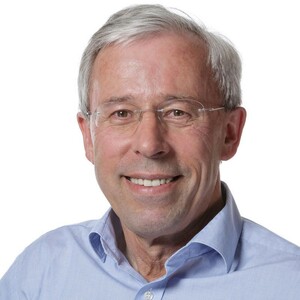
Peter Zoller is a Professor of theoretical physics at the University of Innsbruck and Scientific Director at IQOQI Innsbruck (Austrian Academy of Sciences). His research focuses on quantum optics, many-body quantum physics, and quantum information science, with a strong emphasis on quantum simulation of gauge theories and atomic systems. He has trained 34 PhD students and hosted 57 postdoctoral researchers, fostering collaborations between theory and experiment. His group, the Zoller Group, explores quantum phenomena such as lattice gauge theories, entanglement dynamics, and topological order using advanced quantum simulation techniques. Key research interests include atomic physics, quantum gases, and applications of quantum technologies to high-energy physics problems. Recent work addresses string breaking in quantum simulators, entanglement Hamiltonians, and scalable architectures for fermionic quantum processors. Collaborations span institutions like Harvard, MIT, and the University of Innsbruck’s experimental teams. His contributions bridge foundational physics with cutting-edge quantum technologies, aiming to solve problems inaccessible to classical methods.
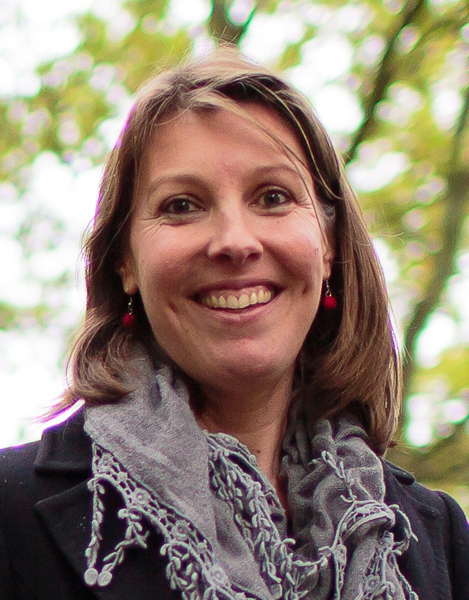
Annemie Bogaerts is a Full Professor at the University of Antwerp since 2014 and head of the PLASMANT research group , which she established independently after her supervisor's retirement. The group now has 37 members including 2 professors, 15 postdocs, 18 PhD students, and 2 technical coworkers. Academic Career: Lecturer (2004-2007), Senior Lecturer (2008-2011), Francqui Distinguished Research Professor (2013-2016), Full Professor (2012-now) Current Leadership Roles: Chair of Department of Chemistry, Head of PLASMANT group Research Focus : Computer modeling of plasmas, plasma-surface interactions, plasma catalysis for CO 2 conversion into value-added chemicals. Her work combines experimental and computational approaches to develop sustainable plasma-based chemical processes. Scientific Achievements : Over 400 peer-reviewed publications (H-index 52 in Web of Science, 64 in Google Scholar) 11,000+ citations (16,000+ in Google Scholar) 20+ major scientific awards including: Winter Plasma Award 2009 for laser ablation modeling Lester W. Strock Award 2008 for plasma/surface modeling Academia Europaea member since 2011 Koninklijke Vlaamse Academie member since 2012 Academic Service : Editor of Spectrochimica Acta Part B , guest editor for 10 special issues including 'Plasma & Cancer', Chair of International Symposium on Plasma Chemistry (2015), and active in university governance through multiple commissions.
Sabine Seidel is a full Professor at the Institute of Crop Production, Department of Agrarwissenschaften, University of Natural Resources and Life Sciences, Vienna (BOKU). Her research integrates plant modeling, sustainable agriculture, and digital farming to enhance climate-resilient and resource-efficient crop systems. Her research interests focus on the development and testing of innovative, diverse (organic) cultivation systems, particularly mixed cropping and intercropping. She investigates ecosystem services such as yield and greenhouse gas emissions through measurements and modeling. Her work emphasizes the interactions between genotype, environment, and management (G×E×M), especially concerning water, nitrogen, and root dynamics. She also explores root growth responses to nutrient deficiency and drought stress, and leads initiatives in digital farming, including AI tools for pollinator detection and digital twin development in agriculture. Analysis of her recent publications (2024–2025) reveals a strong trend in interdisciplinary research combining field experiments with advanced modeling. Her work spans agroecosystem modeling, intercropping systems (especially wheat and faba bean), soil-crop interactions, and the application of AI and machine learning in agriculture. She frequently contributes to multi-model studies and calibration protocols, emphasizing model accuracy and validation. Her research is highly collaborative, involving teams across Germany and Austria. Root:shoot ratio under conservation tillage Phenotypic plasticity in winter wheat Resource acquisition in intercropping Digital crop growth simulation using GANs Soil carbon sequestration and organic matter dynamics She has been actively involved in the PhenoRob Cluster of Excellence as a junior research group leader (2020–2025), focusing on optimizing plant mixtures through field experiments and modeling. Prior to this, she conducted postdoctoral research on subsoil management at the University of Bonn. Her work bridges ecology, plant science, soil science, and digital technologies. She earned her doctorate on plant modeling and irrigation from the Technical University of Dresden and studied agricultural sciences at the Technical University of Munich. She is based in Vienna and maintains an active presence in knowledge transfer, with media contributions in print and online outlets discussing sustainable farming practices.
Theresa Scharl-Hirsch is a Senior Scientist and Deputy Scientific Director at the Core Facility Bioinformatics, University of Natural Resources and Life Sciences, Vienna (BOKU). She holds concurrent appointments at the Institute of Statistics, BOKU, and has extensive experience in bioprocess modeling, machine learning, and statistical computing. Her work bridges biochemical engineering with advanced data science methodologies. Her research focuses on real-time monitoring of biopharmaceutical processes, clustering of high-dimensional data (particularly RNA sequencing), and application of explainable machine learning techniques. She has developed statistical models for process optimization and quality prediction in antibody capture and protein purification, with a strong emphasis on industrial implementations using R programming. Key trends in her publications include three-way data analysis, matrix-variate Gaussian mixture models, and permutation-based variable importance methods for deep learning architectures. Her work spans bioprocess engineering, bioinformatics, and industrial data science applications.
Markus Haltmeier is a Professor in the Department of Mathematics at the University of Innsbruck. His research focuses on inverse problems, image reconstruction, and deep learning with applications in medical imaging, photoacoustics, and computational mathematics. He leads a group dedicated to advancing theoretical and practical solutions for challenges in non-destructive testing and medical diagnostics. His work integrates mathematical analysis with machine learning, addressing issues such as high-resolution imaging in scattering media and automated segmentation of cardiac structures. Key research areas include regularization techniques for inverse problems, self-supervised learning approaches for limited data scenarios, and computational methods for photoacoustic tomography. His contributions span both theoretical developments (e.g., inversion formulas for Radon transforms) and applied solutions (e.g., algorithms for cylinder liner wear assessment and myocardial infarct segmentation). Publications highlight advancements in neural network-based regularization, 3D medical image synthesis, and unsupervised learning frameworks for segmentation and registration. His research emphasizes bridging the gap between mathematical theory and real-world applications in healthcare and engineering.
Univ.-Prof. Christos N. Likos is a world-leading researcher at the University of Vienna , holding the chair in Multiscale Computational Physics since 2010. Affiliated with the Faculty of Physics and directing the Computational and Soft Matter Physics group, he bridges scales from microscopic to macroscopic in soft matter systems. Education: Dipl.-Ing. in Electrical Engineering (NTUA Athens), M.Sc. & Ph.D. in Physics (Cornell University) Honors: Fellow of the Royal Society of Chemistry (2013), University of Vienna Teaching Award (2025), Outstanding Referee Award (2009) His research in Soft Condensed Matter focuses on polymers, colloids, and biomolecular systems through coarse-graining , density functional theory , and Monte Carlo simulations . Key collaborations include institutions in Rome, Heraklion, San Sebastian, and Princeton. His work reveals principles of self-organization, non-equilibrium phenomena, and responsive material design with applications in cosmetics, nanotechnology, and biophysics. Recent publications highlight active matter , topological polymers , and electric field-responsive microgels . The group trains 18 current students (Ph.D., M.Sc., B.Sc.) and maintains partnerships with experimental teams across Europe. As Associate Editor of Soft Matter and member of Journal of Colloid and Interface Science Open editorial board, he shapes scientific discourse in his field. Teaching excellence is a hallmark, with courses on Advanced Statistical Physics and Soft Matter Principles . His group website details ongoing projects, while lab facilities in Vienna's Kolingasse campus enable interdisciplinary research.
Sofia Kantorovich is a Professor at the University of Vienna, serving as Deputy Head of both the Research Platform MMM (Mathematics-Magnetism-Materials) and Computational and Soft Matter Physics group. Her departmental affiliation is with Computational and Soft Matter Physics at Kolingasse 14-16, 1090 Wien (Room 03.22). She actively teaches undergraduate and graduate courses including Linear Algebra for Computational Science, Analysis for Computational Science, and seminars on soft matter physics through the 2025 academic year. Her research centers on computational modeling of magnetic soft matter systems, with emphasis on ferrofluids, magnetic nanoparticles, nanogels, and supracolloidal polymers. She investigates how external magnetic fields influence structural properties, self-assembly dynamics, rheological behavior, and transport phenomena in complex magnetic fluids. Key applications include drug delivery systems, responsive materials design, and magnetic composites engineering, employing molecular dynamics simulations and theoretical analysis to uncover fundamental mechanisms. Analysis of her 2023-2025 publications reveals consistent focus on field-responsive dynamics in magnetic colloidal systems. Her work frequently examines coarsening phenomena in ferrogranulate networks, morphology-dependent responses in magnetic nanogels, and filamentous structure behavior under applied fields. These studies demonstrate how particle shape, concentration gradients, and interaction potentials govern macroscopic properties in magnetic soft matter. No scientific awards are documented in the available sources. Information regarding graduate student advising and grant funding details is not provided in the current materials. Professor Kantorovich leads research within the Computational and Soft Matter Physics group and co-directs the interdisciplinary MMM platform, which integrates mathematical modeling, magnetic theory, and materials science to advance understanding of complex magnetic systems and their technological applications.
Robert Peharz is an Assistant Professor at Graz University of Technology, where he leads research at the Institute of Machine Learning and Neural Computation. His work focuses on probabilistic machine learning, with particular emphasis on tractable probabilistic models, causality, and neurosymbolic AI. Education and Career PhD from TU Graz (Austria) in 2015 Postdoc at Medical University of Graz Postdoc and Marie-Curie Individual Fellow at University of Cambridge (2017-2019) Assistant Professor at Eindhoven University of Technology (2019-2021) Current: Assistant Professor at Graz University of Technology Research Interests Peharz's research spans multiple areas of artificial intelligence with a focus on making probabilistic reasoning both theoretically sound and practically efficient. His work addresses fundamental challenges in tractable probabilistic inference and learning, probabilistic circuits as a unified framework for deep generative models, Bayesian causal inference, and neurosymbolic AI combining sub-symbolic and symbolic approaches. His research has applications in cybersecurity, healthcare, and energy systems. Research Projects VENTUS (2024-present): Physics-informed, probabilistic and causal machine learning for wind energy systems NEO DNA (2023-present): DNA-based data storage systems using computer vision and probabilistic ML VanillaFlow (2023-present): AI-guided development of novel vanillin-based molecules for redox flow batteries Bilateral AI : Cluster of Excellence focused on Broad AI combining sub-symbolic and symbolic AI approaches Awards and Recognition Finalist for TUG's Excellent Teaching Award (2023) for all 3 of his courses Marie-Curie Individual Fellow at University of Cambridge Academic Service Peharz is actively involved in the academic community through conference organization and reviewing: Area Chair: UAI (2022), ECML/PKDD (2022) Senior Committee Member: UAI (2021), IJCAI (2019, 2020) Reviewer for major conferences including ICML, NeurIPS, AAAI, IJCAI-ECAI Teaching and Mentorship Peharz supervises multiple PhD students working on diverse projects at the intersection of machine learning, causality, and neurosymbolic AI. His current advisees include Sepideh Adamiat, Irina Dobrianski, Johannes Exenberger, Giacomo Di Gobbi, Tim d'Hondt, Christian Toth, and Thomas Wedenig. Previous students include Alvaro Correia, Martin Trapp, and David Montalvan.
Bettina Grün is an Associate Professor and Deputy Head of the Institute for Statistics and Mathematics at Vienna University of Economics and Business (WU). Her research focuses on Bayesian mixture models, cluster analysis, and applying statistical methods to sustainability, tourism, and environmental studies. She has led multiple research projects, including studies on environmental behavior in tourism and advanced text modeling in economics. Grün holds a PhD in Technical Mathematics from TU Wien (2006) and a Habilitation in Statistics from Johannes Kepler University Linz (2012). She has authored over 150 publications in top journals like Journal of Environmental Management and Expert Systems with Applications . Her work emphasizes practical applications, such as reducing hotel waste through behavioral interventions and developing R packages like movMF and circlus for statistical clustering. Grün has received awards including the AIEST Best Contribution Award (2019) and the MRS Silver Medal (2016). Grün teaches courses on statistical modeling and leads projects like Analysis of Central Bank Communication (2022–2026) and Environmentally Friendly Behavior in Tourism (2019–2024).
Andrey Kuznetsov is a researcher at the Faculty of Physics, specializing in Computational Physics and Soft Matter Physics. His work focuses on magnetic materials and their dynamic properties, particularly nanoparticles and ferrofluids. Fields of Interest: Magnetic Anisotropy, Nanoparticle Self-Assembly, Dipole-Dipole Interactions, Soft Matter Systems His research explores field-controlled mass transport mechanisms in magnetic soft matter, leveraging computational models and experimental validations. Recent projects include studies on multi-core particles and binary superparamagnetic mixtures, highlighting intergrain interactions and magnetic susceptibility effects. Publications and collaborations reflect cutting-edge work in applied magnetic fields and their influence on nanoscale material behavior. Active presentations at scientific conferences demonstrate ongoing contributions to the field.
Prof. Dongheui Lee is a Full Professor at TU Wien's Institute of Computer Technology, Faculty of Electrical Engineering and Information Technology, and leads the Human-centered Assistive Robotics Group at the German Aerospace Center (DLR). She holds a PhD from the University of Tokyo (2007) and has held academic roles at Technical University of Munich (TUM), the University of Tokyo, and KIST. Her research focuses on human-robot interaction, assistive robotics, and machine learning applications in robotics. Education: PhD, Information Science and Technology, University of Tokyo, 2007 MS, Kyung Hee University, 2003 Research Interests: Her work spans human motion understanding, assistive robotics, human-robot collaboration, and control systems. Key areas include robotic balance assistance, motion imitation, and safety-aware robotics. She has pioneered methods for light touch support in human-robot interaction and developed frameworks for dynamic task execution. Recent Trends in Publications: Recent work emphasizes variable stiffness control, motion retargeting, and multimodal anomaly detection. Publications highlight advancements in assistive robotics, human motion prediction, and reinforcement learning for locomotion. Articles often integrate robotics with machine learning to improve safety and adaptability in human-robot systems. Awards: Carl von Linde Fellowship (TUM Institute for Advanced Study, 2011) Helmholtz professorship prize (2015) Best Intelligence Paper Award (2024) Projects & Grants: Leads projects like LunarAssembly (robotic assembly on the Moon) and INVERSE (interactive robots through reasoning). Funded initiatives include EU Horizon, BMBF, and industry collaborations. Coordinates teams for projects like PERSEO (service-oriented robotics) and SOLAR (body representation studies). Labs/Teams: Directs the Human-centered Assistive Robotics Group at DLR and collaborates with TU Wien's Autonomous Systems unit. Her teams focus on real-world applications in healthcare, manufacturing, and human-centered robotics.
Signe Kjelstrup is a Full Professor at the Department of Chemistry, Norwegian University of Science and Technology (NTNU), and holds a part-time professorship at TU Delft. She has held visiting positions at the University of Barcelona, University of Kyoto, University of Leiden, and Medical College of Ohio. Her career includes roles as Assistant Professor at the University of Rochester and NTNU. Her research focuses on non-equilibrium thermodynamics , energy optimization , and transport phenomena . Key areas include: Heat and mass transfer in biological, chemical, and energy systems Molecular dynamics simulations of ion pumps and membrane transport Thermodynamic efficiency in industrial processes and renewable energy Interfacial phenomena and phase equilibria Recent publications (2011-2012) emphasize molecular-scale thermodynamics , with applications in hydrogen purification, clathrate hydrates for energy storage, and biological ion pumps. Work frequently combines theoretical modeling with molecular simulations to analyze energy conversion and transport. Awards and honors: Nansen Foundation Award (1980) Honorary professorships in China, Japan, and Spain Major grants from Research Council of Norway Memberships in Norwegian Academy of Technology, Royal Norwegian Society of Science, and Norwegian Academy of Sciences She leads research on non-equilibrium thermodynamics at NTNU and collaborates internationally on projects involving sustainable energy and membrane technology.
Aad van der Vaart is a distinguished Professor of Statistics at Delft University of Technology (since 2021). Previously, he held Full Professorships at Leiden University (2012–2021) and Vrije Universiteit Amsterdam (1996–2012). His research focuses on foundational statistical theory and applications, including high-dimensional statistics, Bayesian methods, inverse problems, and genomics. He has made seminal contributions to nonparametric Bayesian inference, empirical processes, and semiparametric theory. Van der Vaart has authored influential textbooks such as Asymptotic Statistics (1998) and Fundamentals of Nonparametric Bayesian Inference (2017, with S. Ghosal). His work bridges theoretical rigor and practical applications, with over 34,830 citations (Google Scholar, 2023) and an H-index of 60. Key honors include the Spinoza Prize (2015, Netherlands’ highest science award), DeGroot Prize (2020), and membership in the Royal Netherlands Academy of Sciences. His academic journey includes roles such as Miller Fellow at UC Berkeley (2000), visiting positions at leading universities, and leadership in statistical societies. His research group actively explores modern challenges in statistical theory and methodology, including causal inference, adaptive estimation, and large-scale data analysis. Notable grants include an ERC Advanced Grant (2012) for Bayesian inverse problems. Collaborations span academia and industry, emphasizing interdisciplinary impact. While specific lab affiliations are not explicitly stated, his work is rooted in foundational mathematical statistics with broad applicability.
Franco Gianturco is a distinguished Senior Research Professor at the University of Innsbruck's Department of Ion Physics and Applied Physics, with a secondary affiliation at University of Rome "La Sapienza". With a career spanning over five decades since receiving his Laurea in Chemistry from the University of Bologna in 1961 and his D. Phil. in Applied Mathematics from Oxford University in 1967, he has established himself as a leading figure in quantum chemistry and molecular physics. His research interests span an impressive breadth of theoretical and computational chemistry, focusing on elementary processes in molecular gases, both neutral and ionized. He specializes in computational modeling of energy transfers in molecular discharges, nonequilibrium behavior in molecular mixtures, and quantum/classical treatments of molecular inelastic cross sections. His work extends to electronic structure calculations, potential energy surfaces for protonation and ionization, quantum modeling of rare gas clusters, microsolvation in helium droplets, and molecular processes at ultralow energies relevant to astrophysics. His research bridges fundamental quantum mechanics with applications in interstellar chemistry, radiation damage, and ultracold molecular systems. Gianturco's recent publications (2020-2021) reveal a strong focus on rotational and vibrational dynamics of molecular ions in cold environments, particularly examining collisions involving CN-, C2H-, HeH+, and OH- with helium and other buffer gases. His work demonstrates sophisticated quantum dynamical calculations applied to problems in interstellar chemistry, cold ion trap physics, and early universe chemical processes. The consistent theme across these publications is the precise quantum mechanical treatment of state-to-state transitions in molecular systems under extreme conditions. Humboldt Research Prize (1991) Fellow of the American Physical Society (1988) Fellow of the New York Academy of Sciences (1989) Fellow of the Institute of Physics (U.K.) (1994) Fellow of the European Physical Society (2005) Fellow of the Royal Society of Chemistry (U.K.) (2008) Fellow of the Academia Europea (London) (2009) Fellow of the Acadèmie de Stalinslas (France) (2014) Research Prize of the Max-Planck Society for Chemical Physics (1995) P.O. Lowdin Lecture (1996) MOLEC Award (1998) Throughout his career, Gianturco has coordinated numerous European research networks and COST projects, served on editorial boards of major physics and chemistry journals including Editor-in-Chief of Europhysics Letters and European Journal of Physics D, and held leadership positions in international scientific organizations such as Chairman of the Division of Atomic and Molecular Physics of the European Physical Society. His research has been supported by extensive funding from European and Italian research agencies, with over 590 publications to his name. His work is conducted within the Molecular Systems research group at the Department of Ion Physics and Applied Physics at the University of Innsbruck, where he collaborates with an international team of researchers investigating quantum phenomena in molecular systems under extreme conditions. His theoretical approaches provide critical insights for experimental groups working with cold ion traps, helium nanodroplets, and interstellar chemistry simulations.
Francesca Ferlaino is a Professor and Research Director at the University of Innsbruck and the Austrian Academy of Sciences' IQOQI. She leads the Ferlaino Lab - Dipolar Quantum Gases, focusing on ultracold dipolar quantum gases of erbium and dysprosium atoms. Her work explores phases like supersolids, quantum simulations, and exotic phenomena in strongly interacting systems. Her research group operates three labs: the Erbium Lab (first Bose-Einstein condensation of erbium), the Er-Dy Lab (quantum mixtures under microscopy), and the T-REQs Lab (optical tweezer arrays for Rydberg physics), supported by a Theory Group predicting dipolar phenomena. Key achievements include observing vortices in dipolar supersolids, which were highlighted in Quanta Magazine , and receiving the 'Austrian of the Year 2024' award in research. Her team studies quantum fluctuations, phase transitions, and applications to quantum simulation, with recent focus on optical tweezer arrays and light-assisted collisions in lanthanides. Awards: Austrian of the Year 2024 (Research) Advising: PhD students (e.g., Eva Casotti, Daniel Schneider Grün) and postdocs (e.g., Arina Tashchilina) Grants: Part of the Cluster of Excellence for Quantum Sciences in Innsbruck Labs/Teams: Ferlaino Lab (Institute of Experimental Physics & IQOQI), part of the Innsbruck Center for Ultracold Atoms and Quantum Gases. Collaborations include theoretical groups and international conferences organized (e.g., ECAMP 2025).