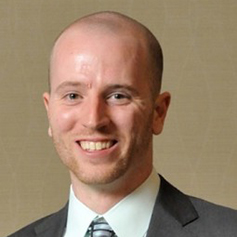
William Lubell is a Full Professor in the Department of Chemistry within the Faculty of Arts and Science at the University of Montreal. He leads an active research laboratory focused on peptide-based drug discovery, with affiliations at the GRUM (Groupe de recherche universitaire sur le médicament) and CCVC (Centre en chimie verte et catalyse). His work bridges synthetic organic chemistry and biomedical applications, particularly in inflammation modulation and neurodegenerative disease. His research interests center on bioorganic and medicinal chemistry approaches to peptide mimicry, specializing in constrained amino acids, azapeptides, and heterocyclic scaffolds. Key areas include CD36 receptor modulation for atherosclerosis and macular degeneration, interleukin-1 receptor targeting for preterm birth prevention, and amyloid-beta oligomer detection for early Alzheimer's diagnosis. His lab develops sustainable synthesis methods while exploring peptide conformational control. Analysis of his 15 most recent publications reveals a strong trend toward therapeutic applications of modified peptides in inflammation-related pathologies (73%), neurodegenerative disease diagnostics (13%), and sustainable synthesis methodologies (14%). The work emphasizes receptor-specific modulation through conformational constraint, with significant focus on CD36 and IL-1 pathways. Dr. Lubell has secured major funding from CIHR, NSERC, and FRQNT for projects including 'Peptide-Based Discovery by Strategic Mimicry' (2025-2031), 'Interleukin-1 Receptor Modulating Therapy for Macular Degeneration' (2023-2028), and 'Biodiversity of Peptides for Human Health' (2025-2028). He has supervised over 40 graduate students since 1996, with recent PhD completions in azapeptide synthesis and inflammation modulation. His laboratory operates within the CCVC green chemistry initiative and collaborates extensively with medical researchers at the University of Montreal Health Center. Current projects include developing PET tracers for amyloid detection and peptide modulators for ischemic eye diseases, reflecting his translational research approach from bench to bedside.