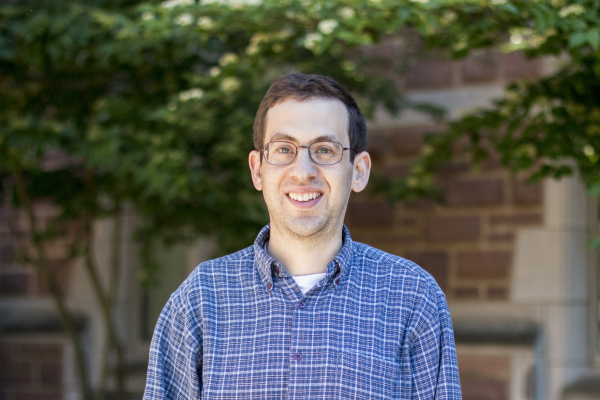
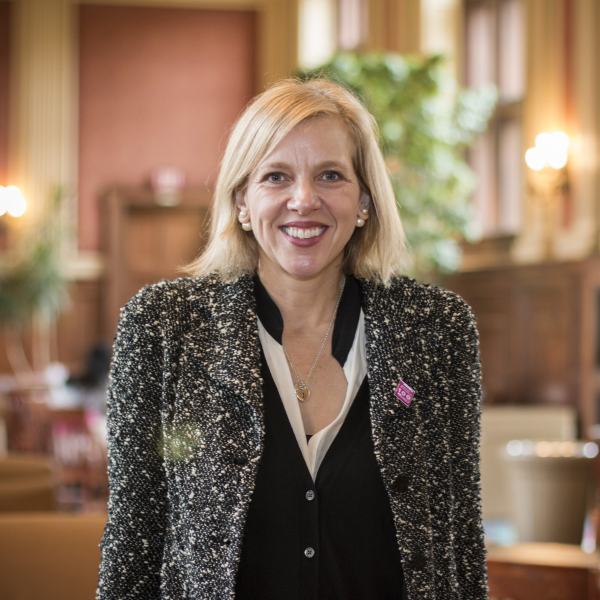
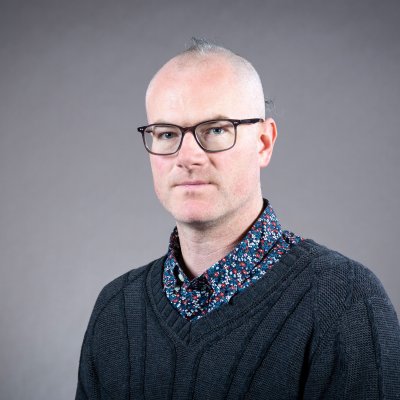
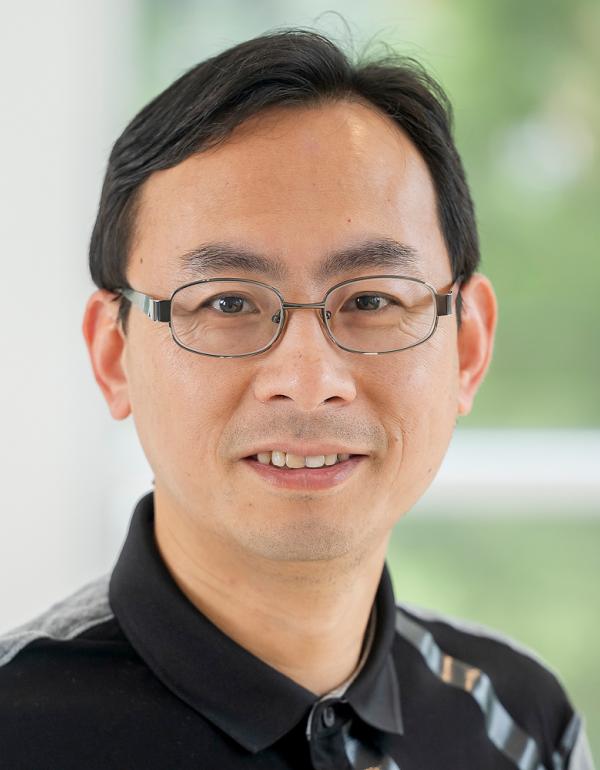
Jonathan Weinstein is a Professor of Economics and Director of Graduate Studies in the Department of Economics at Washington University in St. Louis. He holds a PhD from the Massachusetts Institute of Technology (MIT). His research focuses on microeconomic theory and game theory, with particular emphasis on strategic behavior, incomplete information, and Bayesian inference. Notable recent contributions include works on 'Direct Complementarity' and 'Reputation without Commitment.' He serves on committees such as the Master Program Management Committee and the PhD Committee. His research explores topics like rationalizability in infinite games, the impact of risk attitudes on strategic interactions, and the integration of Bayesian methods with classical hypothesis testing. His work bridges theoretical rigor and practical applications in economic decision-making under uncertainty. Education: PhD in Economics from MIT Committees: Master Program Management Committee, PhD Committee Recent Papers: 'On a Mistranslation of a Mistake about Minimax' (2022), 'The Effect of Changes in Risk Attitude on Strategic Behavior' (2016) Contact: j.weinstein@wustl.edu | Office: Seigle Hall 382
Kelly Washbourne is a Professor of Spanish at Kent State University, specializing in translation and intercultural communication. He has taught at prestigious institutions including Amherst College, Penn State, and Middlebury College, and actively engages in community-oriented language programs and international service missions in Central America. Ph.D., University of Massachusetts Amherst M.A., Middlebury Institute of International Studies His research spans translation theory, linguistic human rights, and pedagogical innovation. Recent initiatives focus on cosmopolitan competence and community-based internships, while his scholarship explores translation's role in cultural preservation, poetic experimentation, and ethical practices. Washbourne's recent publications examine anti-poetic textual features, spectral metaphors in translation, and the ontological transformation of translators. His work bridges literary translation, technical discourse, and critical pedagogy, often addressing political dimensions of translation in marginalized communities. Collaborations with Feng Wang, Yingmei Liu, and interdisciplinary teams highlight his commitment to theoretical and applied translation studies. He is currently developing projects on language for the professions and cross-cultural competence in global contexts.
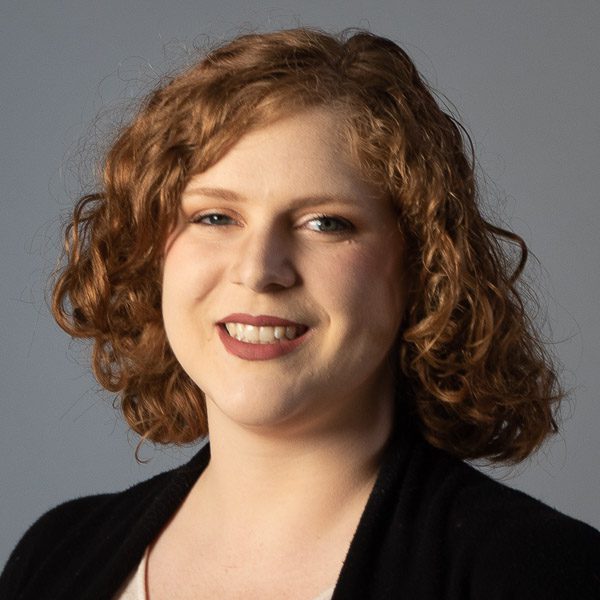
Stephanie Kirk is a Professor of Spanish, Comparative Literature, and Women, Gender, and Sexuality Studies at Washington University in St. Louis, and Director of the Center for the Humanities. She holds a PhD in Spanish and Portuguese from New York University. Her research focuses on the literature and culture of colonial Latin America, emphasizing gender studies and religion. She has authored two books, edited two volumes, and is currently preparing a translation of Carlos de Sigüenza y Góngora's Paraíso occidental . She serves as editor of the Revista de Estudios Hispánicos . Her work explores themes such as gender politics in colonial Mexico, religious practices, and Indigenous resistance through translation. Recent contributions include a co-edited special issue of Colonial Latin American Review on 'motivated mistranslation,' examining how Indigenous communities used language to resist colonization. Dr. Kirk has led initiatives at the Center for the Humanities to support humanities research, graduate education, and community engagement, aligning with Arts & Sciences' strategic goals on diversity, equity, and inclusion. Her scholarship bridges colonial studies, gender theory, and interdisciplinary methodologies.
Sophia Terazawa is a Visiting Assistant Professor at Virginia Tech's Department of English. A Vietnamese-Japanese poet and performer, she has authored the novel Tetra Nova (2025) and poetry collections Winter Phoenix (2021), Anon (2023), with Oracular Maladies forthcoming (2026). Her work explores ghosts, cultural hybridity, and linguistic experimentation. MFA, University of Arizona BA, Ithaca College Her research focuses on multilingual poetry , hybrid forms , and performance art , blending Vietnamese-Japanese heritage with contemporary poetics. Creative works include cross-disciplinary collaborations like the poetry-ballet crossover Deixis (2025) and editorship of the Wilding Our Damage project. Recent publications span poetry journals ( Mantis , DREGINALD ), critical essays on mistranslation, and her novel Tetra Nova which interrogates border ethics through operatic structure. Themes of trauma, identity, and cultural synthesis recur across her work. Eric Hoffer Book Award Finalist (2024) Sturm Award for Creative Arts (2023) Tomaž Šalamun Prize (2018) She teaches courses in poetry , hybrid forms , and creative writing , and has led community workshops on tarot-poetry and Halloween-themed writing. Professional activities include co-organizing the Mahmoud Darwish marathon reading and judging the MAYDAY Micro-Chapbook Prize.
Beth Ann Lazazzera is a Professor and Department Chair of the Life Sciences Core Curriculum Program at the University of California Los Angeles (UCLA), within the College of Letters and Science and the Department of Microbiology, Immunology, and Molecular Genetics (MIMG). She has been a faculty member at UCLA since 1999, contributing significantly to both research and teaching in the life sciences. Dr. Lazazzera earned her B.S. in Microbiology from the University of Massachusetts, Amherst in 1989, followed by a Ph.D. in Bacteriology from the University of Wisconsin, Madison in 1995. She completed her postdoctoral training in Microbiology at the Massachusetts Institute of Technology in 1999. Her research focuses on bacterial social behavior and evolution, particularly on how Gram-positive bacteria communicate using peptide signals and form biofilms. Her laboratory has identified key mechanisms of bacterial communication and biofilm formation, and is currently collaborating on developing methods to disrupt biofilms on orthopedic devices. A significant finding from her work shows that disruptions in translational quality control pathways lead to higher mutation rates, which contributes to increased antibiotic resistance development. Her research spans molecular microbiology, bacterial genetics, and the intersection of translation fidelity with bacterial social behaviors. Analysis of her recent publications reveals a strong focus on biofilm research, translational quality control, and bacterial communication systems. Her work connects fundamental molecular mechanisms with potential clinical applications, particularly in combating bacterial infections and antibiotic resistance. The research spans from basic molecular studies in model organisms like Bacillus subtilis to applied research on pathogens like Staphylococcus aureus and Vibrio cholerae. Dr. Lazazzera has received numerous scientific awards throughout her career, including: National Institutes of Health Predoctoral Fellowship (1990-1993) Herman Smythe Award from the University of Wisconsin, Madison (1994) Damon Runyon-Walter Winchell Foundation Postdoctoral Fellowship (1996-1999) Damon Runyon-Walter Winchell Foundation Alternate for Scholar Award (2000) She has secured significant research funding, including NIH, NSF, and Army Research Office grants. Her current research projects include studying electromagnetic field effects on biofilms, translational quality control in microbial systems, and peptide signaling mechanisms in bacteria. As an educator, she has taught 'Introduction to Microbiology' (MIMG101) from 2001-2018 and the introductory biology course LS7A, 'Cell and Molecular Biology' since 2019. She has held leadership roles as past Vice Chair of Undergraduate Education in MIMG, past-Chair of the Academic Senate Undergraduate Council, and is currently the Chair of the Life Science Education Department.
Dr. Joel M. Hoffman is a linguist, translator, and author specializing in ancient texts. He holds a PhD in Linguistics from the University of Maryland and has taught at Brandeis University and Hebrew Union College-Jewish Institute of Religion. His research focuses on applying modern translation techniques to ancient languages, particularly Hebrew and Biblical texts. Dr. Hoffman is renowned for his work on the history of Hebrew, biblical translations, and uncovering omitted ancient scriptures. Education: Brandeis University (summa cum laude, Phi Beta Kappa), University of Maryland (PhD in Linguistics). He has also studied at the Technion in Haifa, Israel. Research Interests: Ancient languages, biblical exegesis, translation theory, religious history, and the intersection of linguistics with cultural preservation. His books include In the Beginning , And God Said , and The Bible's Cutting Room Floor . Awards: National Jewish Book Award for My People's Prayer Book series. He has spoken globally on six continents, addressing topics like ancient wisdom’s relevance to modern life, the Dead Sea Scrolls, and biblical mistranslations. Publications: Chief translator for multiple religious texts, including the My People's Prayer Book series. His essays appear in over 20 volumes, and he contributes to media outlets like the Jerusalem Post and Huffington Post.
Douglas Luman is an Assistant Professor of Computer Science at Allegheny College, where he integrates computational methods with poetic and artistic practice. He is affiliated with the Department of Computer Science within the College of Liberal Arts and Sciences. Luman is also a co-founder of the book arts press Container, art director at Stillhouse Press, and head researcher at appliedpoetics.org, a digital platform for experimental writing tools. MFA, George Mason University BS, Bradley University His research lies at the intersection of computer science and the humanities, focusing on computational poetics, materiality of language, and the ideological undercurrents in architectural and political texts. He explores how algorithmic constraints, procedural generation, and digital tools can reshape creative decision-making and poetic expression. His work interrogates how fascist rhetoric persists in contemporary language and design, particularly through projects like Rationalism , a computational mistranslation of mid-20th century fascist architectural writing. His recent publications include Rationalism (2021) and The F Text (2017), along with excerpts such as "A Theory of Ruin Value" and "PREFAB," which demonstrate his use of computational methods to deconstruct and reframe historical and ideological texts. These works reflect a consistent engagement with themes of constraint, materiality, political memory, and the transformative power of language through digital mediation. Luman has not been explicitly mentioned as receiving formal scientific awards, but his publications and interviews in literary and digital humanities circles indicate scholarly and artistic recognition. His teaching includes courses such as Computational Constraint and Art Direction, reflecting his interdisciplinary approach. As an active faculty member, he advises students and leads research initiatives through appliedpoetics.org, where he develops software tools that support writers in exploring constrained creativity. His work exemplifies the growing field of digital humanities, where code becomes a medium for literary and cultural critique. He is involved in multiple creative and research teams, including the editorial and design team at Stillhouse Press and the collaborative project Container. His future work is likely to continue exploring the convergence of artificial intelligence, poetic practice, and ideological analysis, particularly in how digital tools can surface hidden patterns in language and power structures.
Rachel Galvin is an Associate Professor in the Department of English at the University of Chicago's Division of the Humanities, specializing in transnational poetry and poetics across English, Spanish, and French. Her interdisciplinary work bridges literary scholarship, creative practice, and translation studies while maintaining affiliations with the Center for Latin American Studies, Center for the Study of Race Politics and Culture, and Committee on Creative Writing. Her educational background includes a PhD from Princeton University (2010), followed by prestigious fellowships at the Newberry Library (NEH/Andrew W. Mellon) and Johns Hopkins University (Andrew W. Mellon Postdoctoral Fellowship). These experiences shaped her focus on diaspora studies and hemispheric literary exchange. Galvin's research explores how poetic form engages with political crises, particularly examining civilian perspectives on war, multilingual identity construction, and cross-cultural translation practices. Her work reveals how formal constraints in movements like Oulipo intersect with socio-political critique, while her hemispheric approach challenges national literary boundaries through studies of U.S. Latino/a poetry and trans-American literary networks. Key methodologies include archival analysis of periodical culture and comparative textual studies of poetic recycling. Her publications demonstrate consistent engagement with modernist legacies and contemporary poetic innovation, particularly in how poets navigate mediated war experiences and construct belonging through linguistic hybridity. The recurring themes across her work include ethical witnessing, transcultural poetics, and the political dimensions of formal experimentation. John N. Serio Award for best article in Wallace Stevens Journal (2013) Scott Moncrieff Prize for French Translation (2014) Boston Globe recognition as best poetry book of the year (2014) Galvin actively mentors emerging scholars through her role as Associate Literature Editor for ASAP/Journal and has secured significant research support through Mellon and NEH fellowships. Her collaborative projects include the OuTransPo international translation collective, which fosters creative cross-linguistic exchange through constraint-based methodologies. Current initiatives center on Hemispheric Poetics , examining identity construction through literary relationality and political critique across the Americas.
Dr. Jo Marie Bacusmo is an Instructional Assistant Professor in the Department of Microbiology and Cell Science at the University of Florida. Specializing in General Microbiology, Bioinformatics, and International Studies, her teaching emphasizes critical thinking and active student participation. Her research focuses on tRNA modifications in bacteria, particularly their roles in translational fidelity and environmental adaptation. Key areas include Streptococcus mutans and Escherichia coli studies, exploring how tRNA modifications influence gene expression, protein synthesis, and bacterial physiology. Her recent work (2024–2025) examines environmental and nutritional controls over tRNA modifications, synergistic genetic defects, and ribosome pausing effects. Earlier studies (2017–2020) utilized RNA-Seq and genomic approaches to map small RNA landscapes and analyze mutant phenotypes in yeast and bacteria. She has contributed to understanding the biosynthesis of nucleosides like t6A and their impact on cellular processes. Dr. Bacusmo’s publications span microbiology, bioinformatics, and molecular biology, reflecting her interdisciplinary expertise. She is based in the Microbiology Building at the University of Florida, where she actively engages in teaching and research.
Ian Ross Singleton is a Lecturer in the Writing & Critical Inquiry Program at the University at Albany. He holds an MFA from Emerson College and a BA from the University of Michigan. Singleton serves as the nonfiction editor of Asymptote and authored the novel Two Big Differences . Education MFA, Emerson College BA, University of Michigan Research Interests Singleton's research spans un-grading, social justice in rhetoric/composition and first-year writing, translingual instruction, demotic poetics, Southern Gothic and new Southern writing, female and political activist protagonists, multilingual (English, German, Russian, Yiddish) fiction and poetry, transnational literature, language studies (diglossia/heteroglossia), interlingual jokes, translation/mistranslation, ordinary language philosophy, and regional gangster narratives in Odessa, Detroit, and Southern Ontario Gothic traditions. Instruction He teaches courses focused on writing, reading, and academic inquiry, emphasizing literacy and critical engagement.
Dr. Félix do Carmo is a Senior Lecturer in Translation and Natural Language Processing at the University of Surrey's Centre for Translation Studies, part of the School of Arts, Humanities and Creative Industries. He holds a PhD from the University of Porto and has over two decades of industry experience as a translator, reviser, and translation company owner. His research focuses on automation of translation processes, post-editing of machine translation, and human-computer interaction in translation workflows. Key projects include the KAITER initiative exploring interactive translation editing systems and the ADAPT Centre post-doctoral work on translation technology. Teaching responsibilities include leading modules on 'Translation as Human-Computer Interaction' and 'Professional Translation Practice II'. He actively collaborates with industry partners and has published extensively on machine translation evaluation, emotion translation challenges, and translation process research. His work bridges theoretical translation studies with practical applications of AI and NLP technologies. Research highlights include studies on MT quality estimation for user-generated content, emotion-loaded text translation challenges, and the ethical implications of translation workflow automation. He co-authored the influential book 'Conducting Research in Translation Technologies' and has contributed to international conferences such as the Machine Translation Summit. Current projects emphasize improving translator-machine collaboration through intelligent tools and exploring GenAI integration in translation education. Dr. do Carmo's academic affiliations extend to the Surrey Institute for People-Centred Artificial Intelligence (PAI) and he maintains strong connections with the translation industry through consultancy and conference organizing. His work consistently emphasizes real-world applicability of research findings, fostering innovation while addressing labor and ethical considerations in an increasingly automated translation landscape.
Dr. Lexie Kuzmishin Nagy is an Assistant Professor of Biochemistry at Earlham College, contributing to the Department of Biology, Department of Chemistry, and Biochemistry major. Her research focuses on bacterial mechanisms for maintaining and editing proteins under stress, particularly via aminoacyl-tRNAs. She investigates trans-editing proteins in bacteria like E. coli and Rhodopseudomonas palustris , emphasizing protein structure-function relationships and quality control processes. Beyond technical research, she explores societal implications of biotechnology, such as genetic testing's impact on healthcare and identity. Dr. Nagy holds a Ph.D. in Biochemistry from The Ohio State University and a B.A. in Biochemistry & Molecular Biology from The College of Wooster. She completed an NIH IRACDA Postdoctoral Fellowship at Emory University. Professional memberships include the American Chemical Society (ACS), American Society for Biochemistry and Molecular Biology (ASBMB), and RNA Society, reflecting her commitment to interdisciplinary science and education. Her research interests span structural biology, microbiology, and translational fidelity. Recent work highlights the structural basis of trans-editing enzymes and antibiotic interactions with tmRNA pathways. She also advocates for equity in academia through initiatives addressing race and diversity. Though no formal advisees are listed, Dr. Nagy invites collaborative research opportunities. Her work is supported by grants from the NIH IRACDA program and institutional resources at Earlham College.
Prof. Dr. Marina Andrazashvili is a distinguished academic and Chair of German Philology at the Department of German Philology, Faculty of Humanities, Ivane Javakhishvili Tbilisi State University, Georgia. She delivered a lecture at the Institut für Deutsche Sprache (IDS) Mannheim on September 6, 2023, highlighting her active engagement in international linguistic discourse. She earned her doctorate in 1986 from Ivane Javakhishvili State University of Tbilisi and Lomonosov University of Moscow with a thesis on Negation and Negation Problems in German . In 2006, she completed her habilitation and was appointed full professor. Her academic journey reflects deep expertise in German linguistics and interdisciplinary research. Her research interests include grammar theory, contrastive linguistics, sociolinguistics, psycholinguistics, translation theory and didactics, lexicography, and onomastics—particularly name transfer. She has published approximately 60 works and co-edited numerous publications, with major contributions such as her four-volume Grammar of the German Language and the 2023 two-volume Toponyms of Germany . Her recent scholarly output centers on German toponyms, language policy, and cross-linguistic transfer challenges—especially for non-Latin script languages like Georgian. Her 2023 lecture at IDS explored the linguistic and cultural implications of translating German toponyms into Georgian, emphasizing the need to bypass intermediary languages and correct mistranslations through systematic analysis. Marina Andrazashvili has received multiple research grants from prestigious organizations including DAAD, KAAD, and the Fritz Thyssen Foundation. She currently leads significant research initiatives, such as the analysis of audio recordings of Caucasian prisoners of war from World War I in collaboration with Dr. Heike Liebau of ZMO Berlin, and an individual project on Germanic onomastics initiated in 2023. She supervises master’s and doctoral theses and teaches core subjects including German morphology, syntax (BA), modern syntactic theories (MA), German sociolinguistics, psycholinguistics, and translation studies. Her work bridges theoretical linguistics with practical applications in education and lexicography. She is actively involved in international academic networks and frequently presents at conferences abroad, contributing to the global dialogue on linguistic standardization, name transfer, and Germanic philology.
Chelsea C. Harry is Professor of Philosophy at Southern Connecticut State University (SCSU), serving as Faculty Advisor for Phi Sigma Tau. Her work bridges historical scholarship with urgent contemporary issues in environmental ethics and non-human animal studies, emphasizing sustainability and canon expansion. Education: B.A. in Philosophy (minor: Religion), George Washington University, 2003 M.A. in Comparative East-West Philosophy (with distinction), University of Hawai'i at Manoa, 2005 Ph.D. in Philosophy, Duquesne University, 2013 Her research centers on natural philosophy across eras—from Aristotle’s biology to Schelling’s environmental thought—with groundbreaking work on Sappho as a philosopher of time. She interrogates classical concepts of flourishing (εὐβίοτος) to address modern ecological crises, arguing that ancient frameworks offer vital tools for rethinking human-nonhuman relationships. Her scholarship consistently challenges disciplinary boundaries through comparative analysis of Greek, German, and Eastern philosophies. Harry’s publications reveal a sustained focus on temporality and ethics, evolving from Aristotle’s physics to contemporary animal welfare. Recent work examines mistranslations in Aristotelian biology (2025) and Sappho’s philosophical contributions, demonstrating how philological precision informs ethical frameworks for sustainability. Her monograph Chronos in Aristotle’s Physics (2015) established her as a leading voice in reinterpreting classical time concepts. Selected Honors: Ancient Philosophy Fellow, Center for Canon Expansion and Change (UMN), 2025 APA Berry Fund Grant for “Philosophy in the Schools New Haven,” 2022 Southern Strong Award, 2020 Connecticut Regents Research Awards (System & Campus), 2018 Visiting Scientist, University of Kassel (2018-19) Visiting Fellow, Aristotle University of Thessaloniki, 2014 As founder of Philosophy in the Schools New Haven , Harry directs a major community outreach initiative bringing philosophical inquiry to public schools, funded by the APA Berry Grant. Her grant portfolio includes Connecticut Board of Regents awards supporting cross-institutional collaborations on animal ethics. She advises Phi Sigma Tau while developing curricula that integrate classical philosophy with climate justice. Harry leads international research teams including the University of Kassel’s human-animal relationship working group and the Interdisciplinary Centre for Aristotle Studies in Thessaloniki. Her “Thriving in Context” project with the Academy for Media Arts Cologne examines octopus cognition through Aristotelian frameworks, demonstrating applied philosophy in interdisciplinary science contexts.
Jiqiang (Lanny) Ling is an Associate Professor at the University of Maryland, affiliated with the College of Computer, Mathematical, and Natural Sciences and the Department of Cell Biology and Molecular Genetics. He holds a Ph.D. from The Ohio State University (2008). His research focuses on understanding the molecular basis of protein synthesis defects and their roles in bacterial-host interactions, antibiotic resistance, and human diseases such as neurodegeneration. Ling's laboratory employs biochemical, genetic, and omics approaches to study translational fidelity, phenotypic heterogeneity in bacterial populations, and disease mechanisms linked to aminoacyl-tRNA synthetases and ribosomal proteins. Key projects include investigating how translational errors affect bacterial pathogenicity, antibiotic tolerance, and stress responses, as well as exploring the impact of translational defects in eukaryotic models for human diseases. He teaches courses on Microbial Physiology and Gene Expression , and his work has been supported by grants from the NIH (e.g., R21 AI142396, R01 AI139492) and other funding bodies. His lab is located in the Microbiology Building, where they conduct cutting-edge research on translational biology and host-pathogen interactions. Recent publications highlight his contributions to understanding stop-codon readthrough regulation, streptomycin resistance mechanisms, and the role of translational fidelity in Salmonella pathogenesis. Collaborative efforts include the development of the AARS Online database for aminoacyl-tRNA synthetases and innovative methods for bacterial burden quantification (BBQ).