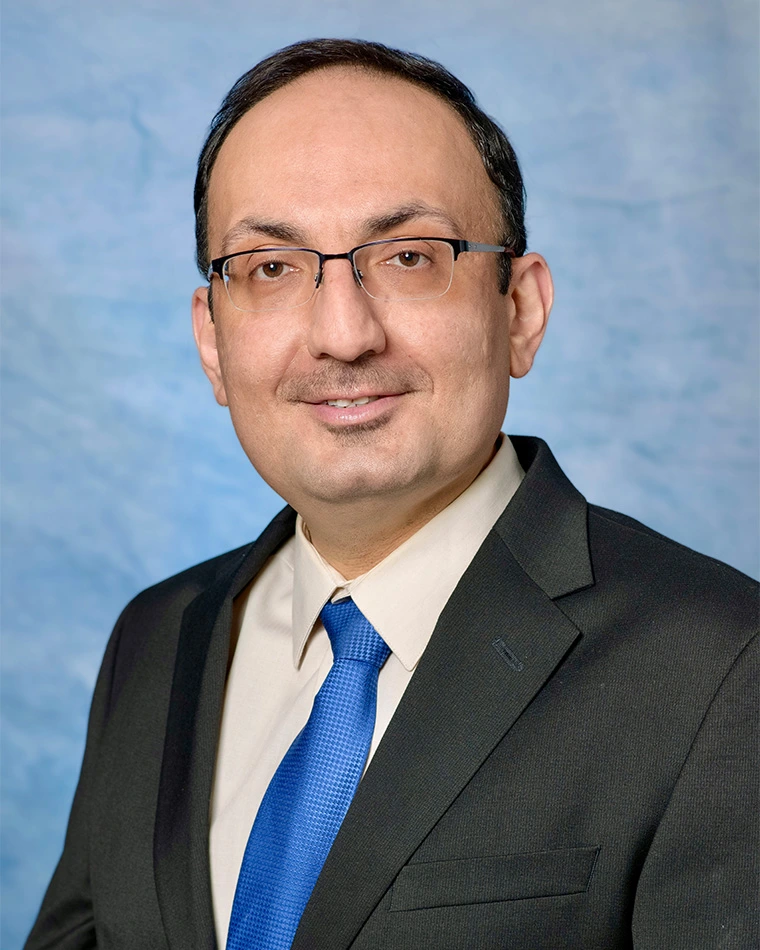
Jay Raman serves as Professor and Chair of the Department of Urology and Professor in the Department of Surgery at Penn State College of Medicine, with additional affiliation at the Penn State Cancer Institute where he contributes to cancer control research. His clinical and academic leadership spans urologic oncology, surgical innovation, and healthcare policy initiatives. Dr. Raman's research centers on Transitional Cell Carcinoma (bladder cancer) and Upper Tract Urothelial Carcinoma , with extensive work on nephroureterectomy outcomes, local ablation techniques, and renal preservation strategies. He actively investigates prostate cancer diagnostics , comparing transperineal versus transrectal biopsy approaches, while addressing systemic barriers in surgical training through analyses of residency application fees and workforce diversity. His 2025 publications reveal a dual focus: advancing surgical precision in upper tract urothelial carcinoma management and critiquing structural inequities in surgical education. Key studies compare renal outcomes between local ablation and radical nephroureterectomy while examining how application costs hinder healthcare workforce diversity, demonstrating his commitment to both clinical innovation and equitable medical training.
Gregory D. Hager is the Mandell Bellmore Professor of Computer Science at Johns Hopkins University, with joint appointments in Electrical and Computer Engineering, Mechanical Engineering, and the Department of Surgery at the School of Medicine. He serves as the head of the NSF's Computer and Information Science and Engineering Directorate (as of 2024) and is the founding director of the Johns Hopkins Malone Center for Engineering in Healthcare. Previously, he chaired the Department of Computer Science from 2010-2015 and served as deputy director of the NSF Engineering Research Center for Computer-Integrated Surgical Systems and Technology. Hager's research focuses on collaborative and vision-based robotics, time-series analysis of image data, and medical applications of image analysis and robotics. His work spans surgical robotics, human-machine collaboration, and computer vision with applications in healthcare. As director of the Computational Interaction and Robotics Lab (CIRL), he investigates dynamic spatial interaction at the intersection of imaging, robotics, and human-computer interaction. His research has led to real-world applications in surgical training, medical imaging, diagnostics, and computer-enhanced interventional medicine. Hager's publications demonstrate consistent advancement in surgical data science, with recent work focusing on 3D reconstruction from endoscopic video, surgical skill assessment using AI, and robotic assistance in neurosurgery. His research trajectory shows increasing integration of deep learning with surgical robotics, particularly in real-time guidance systems and objective skill assessment metrics. IEEE Fellow MICCAI Fellow ACM Fellow AIMBE Fellow AAAS Fellow MICCAI Best Paper Award (2006) Fulbright Junior Faculty Award (1988) Morris Ruben Outstanding Dissertation Award (1988) Hager has advised numerous PhD students who have become leaders in computer vision and medical robotics. His lab has secured significant research funding, including NSF Engineering Research Center support. He co-founded two successful startups: Clear Guide Medical (ultrasound-guided procedures) and Ready Robotics (industrial robot usability). As chair of the Computing Community Consortium and member of the International Federation of Robotics Research board, he has shaped national research agendas in computing and robotics. Hager leads the Computational Interaction and Robotics Lab (CIRL), which is associated with the NSF Engineering Research Center for Computer-Integrated Surgical Systems and Technology (ERC-CISST) and the Laboratory for Computational Sensing and Robotics (LCSR). His team collaborates extensively with clinicians at Johns Hopkins Hospital to translate robotics research into clinical practice.
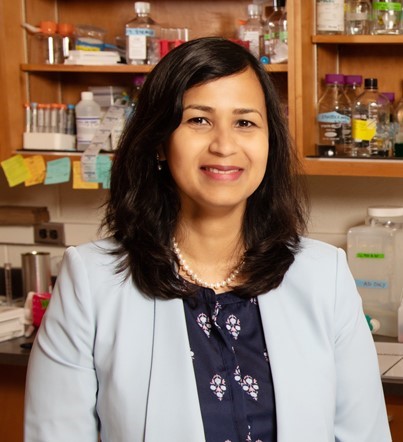
Aditi Das is a Full Professor in the School of Chemistry and Biochemistry at the Georgia Institute of Technology, College of Sciences. She leads the Das Laboratory, which focuses on the biochemistry and chemical biology of lipids, particularly studying cytochrome P450 enzymes and their role in lipid metabolism, endocannabinoid systems, and inflammatory pathways. Her educational background includes: B.Sc. in Chemistry from St. Stephen's College M.Sc. in Chemistry from Indian Institute of Technology, Kanpur (I.I.T) Ph.D. in Chemistry from Princeton University Postdoctoral research at Northwestern University (NSF-NSEC fellow) and Beckman Institute for Advanced Science and Technology, University of Illinois UC Professor Das's research interests center around understanding the physiological role of lipids in sustaining homeostasis and their implications in disease states such as neurodegenerative disorders, cancer, and cardiovascular diseases. Her laboratory specializes in: Enzymology of cytochrome P450s, particularly CYP2J2 epoxygenase Metabolism of ω-3 and ω-6 fatty acids and their derivatives Minor cannabinoid metabolism by cytochrome P450 enzymes Discovery of novel anti-inflammatory lipid metabolites and endocannabinoids Mechanistic studies of membrane proteins using nanodisc technology Her work bridges biochemistry, chemical biology, and pharmacology to uncover novel therapeutic targets related to lipid signaling pathways. Analysis of Professor Das's recent publications (2023-2025) reveals a strong focus on cannabinoid metabolism by cytochrome P450 enzymes, with particular emphasis on how these metabolic processes generate bioactive compounds that interact with the endocannabinoid system. Her research increasingly explores the therapeutic potential of omega-3 derived endocannabinoid epoxides in inflammatory and neurodegenerative conditions. The use of nanodisc technology for studying membrane proteins in near-native environments remains a consistent methodological thread throughout her work, enabling detailed mechanistic insights into enzyme function. Professor Das has received numerous prestigious awards recognizing her research excellence and teaching: 2024 NIH Outstanding Researcher Award (MIRA R35) for established investigators 2024 Vasser Woolley Faculty Fellowship 2023 Plenary Lecture at the International Society of the Study of Xenobiotics (ISSX) 2021 E.L.R. Stokstad Award 2019-2021 List of Teachers Ranked as Excellent 2019 Eicosanoid Research Foundation Young Investigator Award 2019 Zoetis Research Excellence Award 2019 Mary Swartz Rose Young Investigator Award 2015 National Scientist Development Award from the American Heart Association 2022 El Sohly Award from the American Chemical Society Professor Das actively mentors a diverse group of students and postdoctoral researchers, with several former lab members now holding faculty positions or working at prestigious institutions. Her laboratory has secured significant funding from NIH, NSF, and other sources to support research on lipid metabolism, cannabinoid pharmacology, and membrane protein biochemistry. Notable grants include an NIH R35 Outstanding Investigator Award (MIRA), an NIH R21 grant from NIDA, and multiple collaborative grants with other research groups. The Das Laboratory operates within the Petit Institute of Bioengineering and Biosciences (IBB) at Georgia Tech, utilizing state-of-the-art facilities for biochemical and biophysical studies. The lab specializes in nanodisc technology to study membrane proteins in near-native environments, with particular expertise in cytochrome P450 enzymes and their interactions with lipid substrates. Recent work has expanded into collaborative projects involving lipidomics, structural biology, and translational applications of lipid signaling research.
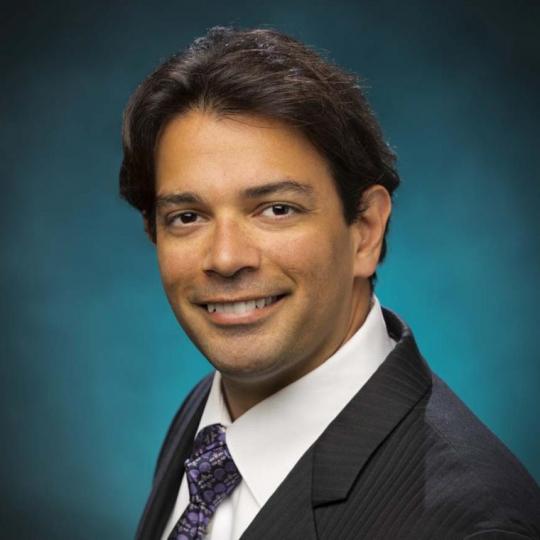
Zion Zibly, MD, MBA is an Associate Professor in the Department of Neurosurgery at Yale School of Medicine . He holds multiple leadership roles including Director of the Center of Neuromodulation , Director of the Center of Neurosurgical Cancer Pain , and Head of Stereotactic & Functional Neurosurgery and the Focused Ultrasound Institute . Previously served as Chair of Neurosurgery at Sheba Medical Center after graduating from Technion’s Faculty of Medicine (MD) and Coller School of Management (MBA). Research Interests: Specializes in Neuromodulation for movement disorders (Parkinson’s, tremors, dystonia), Deep Brain Stimulation , Gene Therapy for pediatric neurodegenerative conditions, Oncological Neurosurgery , and Neurological Pain Management . Combines Functional Neurosurgery with Focused Ultrasound technology. Scientific Contributions: Participated in pioneering Alzheimer’s brain stimulator procedures and Gene Therapy applications. Active member of the North American Association of Functional Neurosurgery and Israeli Neurosurgical Society . Clinical Expertise: Implantation of electrostimulators for Parkinson’s and essential tremor, treatment of Benign/Malignant CNS Tumors , and management of Neurological Pain Conditions . Affiliated with Yale Cancer Center and Center for Brain & Mind Health .
Xiaoyao Fan is an Assistant Professor of Engineering at Dartmouth College, specializing in image guidance systems for neurosurgery and spine surgery. His work focuses on improving intraoperative imaging accuracy through computational modeling, stereovision, and ultrasound technologies. He collaborates with the Center for Surgical Innovation (CSI) at Dartmouth-Hitchcock Medical Center (DHMC) and has contributed to over 400 surgical cases involving real-time imaging and feedback systems. Education: B.E. in Electrical Engineering, Tsinghua University (2007) Ph.D. in Biomedical Engineering, Dartmouth College (2012) Research Interests: His research emphasizes minimizing surgical errors via real-time brain deformation compensation, spine motion correction, and intraoperative imaging systems. Techniques include stereovision, 3D ultrasound, and machine learning for image registration and navigation. Key applications include open and minimally invasive neurosurgical procedures. Publications: His work spans stereovision systems for spinal surgery, brain shift compensation algorithms, and intraoperative ultrasound registration. Recent contributions address human feasibility and porcine model validation of surgical navigation tools. Grants & Labs: Collaborates with Medtronic on integrating updated imaging into navigation systems. Active in the CSI DHMC lab, focusing on clinical translation of real-time imaging solutions. Teaches ENGS 111: Digital Image Processing. Labs & Teams: Works within Dartmouth’s engineering and medical collaboration networks, advancing surgical precision through interdisciplinary research.
Ehsan Azimi is an Assistant Professor in the Department of Electrical and Computer Engineering and the Department of Computer Science at the University of Arizona, where he is also a member of the Graduate Faculty. His research bridges human-AI interactive systems, extended reality, robotics, and human-centered design, with a strong focus on medical applications. His research interests lie in creating synergistic human-AI systems that enhance medical procedures through advanced technologies. Key areas include extended reality for surgical navigation , robotics in minimally invasive surgery , and intelligent user interfaces . His work has led to innovations in smart glasses calibration, intraocular robotic snakes, needle steering, and digital twins for surgical training, all aimed at improving precision, safety, and learning in medicine. The recent articles highlight a consistent trend in medical robotics , augmented reality in surgery , and human-robot collaboration . These works span from hardware development to AI-driven interfaces, emphasizing real-time interaction, user experience, and clinical applicability across disciplines like ophthalmology, otology, and surgical education. Scientific Awards: Siebel Scholar Provost Postdoctoral Fellowship Link Fellowship Ehsan actively mentors students and scholars in research projects, indicating a strong commitment to academic advising. While specific grant details are not listed, his patented technologies and publication record suggest successful funding and translational research outcomes. His work has been featured in Engineering Magazine and other media, reflecting its impact and innovation. His research is conducted within an interdisciplinary lab environment focused on human-centered AI and medical robotics, integrating expertise from computer science, engineering, and clinical medicine to develop next-generation surgical and training systems.
Michel Versluis is a Full Professor at the University of Twente, Netherlands, specializing in Physical and Medical Acoustics within the Physics of Fluids group. His work focuses on microbubbles and microdroplets for medical imaging and therapy, as well as microfluidic applications in medicine and nanotechnology. University of Twente, Physics of Fluids group His research bridges physics and biomedical engineering, with publications in high-impact journals like PNAS and IEEE Transactions. Recent work emphasizes ultrasound-driven microbubble dynamics, additive manufacturing of flow phantoms, and deep learning for super-resolution imaging. 2025 publications: vascular phantoms, PROTEUS simulator, acoustic microbubble control 2024 innovations: 3D-printed medical devices, immunogenic cell death optimization Contact: m.versluis@utwente.nl
Devin Amin, MD, is an Associate Professor in the Department of Surgery at Southern Illinois University School of Medicine and serves as the Program Director for the Neurosurgery Residency Program. He is a board-certified neurosurgeon specializing in advanced surgical techniques for pituitary and skull base disorders. University of Pittsburgh, MD Carnegie Mellon University, PhD in Biomedical Engineering University of Pittsburgh, Residency in Neurological Surgery Dr. Amin's clinical expertise lies in endoscopic pituitary and skull base surgery , while his research focuses on Image Guided Surgery and minimally invasive approaches. His work bridges engineering innovation with clinical applications in neurosurgery. The articles related to Dr. Amin highlight advancements in skull base surgery , including hands-on training initiatives and groundbreaking transorbital procedures in central Illinois. These works emphasize trends in minimally invasive techniques , neurosurgical education , and interdisciplinary collaboration . Excellence in Medical Teaching Award (2012, 2013, 2014, 2016, 2017, 2022) As Program Director for Neurosurgery Residency, Dr. Amin oversees training programs and contributes to surgical education. His clinical practice involves cutting-edge procedures like transorbital skull base surgery, reflecting his commitment to advancing neurosurgical techniques.
Francesco Maisano, MD , is Full Professor of Cardiac Surgery at Vita-Salute San Raffaele University (Milan) since 2021, where he also serves as Director of the Cardiac Surgery Clinic and of the Valve Center at IRCCS San Raffaele Hospital. From 2014 to 2020 he held the Chair of Cardiac Surgery and directed the Department at University Hospital Zurich. Education & Training 1990 – MD, Catholic University of Rome 1994 – Clinical Fellowship, University of Alabama at Birmingham 1995 – Specialization in Cardiac Surgery, La Sapienza University of Rome Research Interests Professor Maisano’s work centres on innovative therapies for heart-valve disease, spanning surgical reconstruction, catheter-based interventions (TAVI, MitraClip, transcatheter tricuspid devices), and hybrid approaches. He leads translational programmes in biomedical engineering, multimodality cardiac imaging, and artificial-intelligence-guided interventions, with emphasis on the multidisciplinary “Heart Team” model for complex cardiovascular disease. His recent publications (2024-2025) demonstrate intense activity in transcatheter mitral and tricuspid repair, long-term durability of surgical mitral repair, AI-driven procedural guidance, and renal protection strategies during mechanical circulatory support. A dominant theme is translating imaging innovations and device concepts into first-in-human studies and large-scale registries. Scientific Awards & Recognitions European Society of Cardiology Silver Medal (2018) ICI Lifetime Achievement in Research & Teaching (2018) ICI Best Technology Parade Presentation (2010) C. Walton Lillehei Young Investigator Award (1999) Leadership & Grants He directs multiple postgraduate programmes, including Certificate of Advanced Studies (CAS) tracks at the University of Zurich in multimodality imaging, aortic valve, and mitral–tricuspid interventions. He is principal investigator on investigator-initiated grants, coordinates industry-partnered device trials, and mentors numerous doctoral and post-doctoral researchers. His team has filed >24 patents and spun off several cardiovascular start-ups. Labs & Teams At IRCCS San Raffaele he leads the Valve Science Center , a multidisciplinary hub integrating cardiac surgeons, interventional cardiologists, imaging specialists, biomedical engineers, and data scientists focused on next-generation valve repair/replacement technologies and personalised cardiovascular medicine.
Chao Liu is a Research Scientist at CNRS (French National Center for Scientific Research) since 2008, affiliated with the DEXTER team and the Department of Robotics, LIRMM at University of Montpellier, France. He earned his Ph.D. in Electrical & Electronic Engineering from Nanyang Technological University, Singapore (2006). Current research focuses on surgical robotics , haptics , teleoperation , and nonlinear control theory with applications in computer vision. His work addresses challenges in robotic-assisted telesurgery, including: Stable and transparent human-robot interaction through wave variable compensators and passivity filters Physiological motion compensation using spatio-temporal LSTM and dual Kalman filters EMG-based motion recognition for surgical skill assessment 3D soft-tissue reconstruction with stereo-endoscopes and deep learning Dr. Liu leads European and French projects like: TS2RT (CNRS-funded): Safer teleoperation with motion compensation ROBACUS (ANR-funded): Needle positioning with MPC control HaTUMoCo (CNRS-funded): Haptic teleoperation with uncertainty handling ARAKNES (EU-funded): Microrobotic systems for endoluminal surgery Scientific honors include Senior Member of IEEE and Member of Sigma Xi . He supervises Ph.D. and Master's students working on topics such as concentric tube robot optimization, haptic teleoperation, and EMG-based force estimation. Dr. Liu serves on IEEE Technical Committees for Telerobotics and Haptics , and as Technical Editor of IEEE/ASME Transactions on Mechatronics.
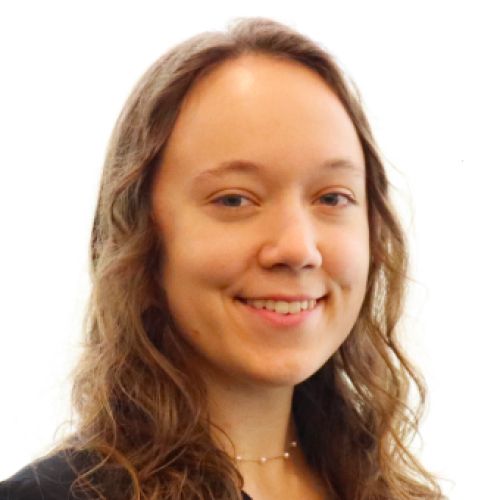
Dr. Joanna Deaton Bertram is an Assistant Professor in the Thomas Lord Department of Mechanical Engineering and Materials Science at Duke University’s Pratt School of Engineering. She concurrently holds an Assistant Professor appointment in Surgery, underscoring her interdisciplinary commitment to advancing medical robotics. Dr. Bertram leads a research laboratory devoted to the design, modeling, and control of robotic systems for surgical and interventional applications, working closely with Duke’s clinical and engineering communities. Education Ph.D. in Robotics, Georgia Institute of Technology, 2024 M.S. in Mechanical Engineering, Georgia Institute of Technology, 2024 B.S. in Biomedical Engineering, Georgia Institute of Technology, 2018 Research Interests Dr. Bertram’s research program is centered on medical robotics , with particular emphasis on continuum robotics and image-guided interventions . Her work integrates novel mechanical design with advanced control algorithms and smart materials to create robotic systems capable of navigating complex anatomical pathways. A hallmark of her approach is the incorporation of real-time fiber-optic shape and force sensing (using Fiber Bragg Grating technology) to provide surgeons with unprecedented feedback during procedures. Application domains include steerable needles for brachytherapy , robotic guidewires for endovascular surgery , and pediatric neuroendoscopy . Publication Themes Across more than fifteen peer-reviewed articles, Dr. Bertram has systematically advanced the state of the art in surgical robotics , fiber-optic sensing , and robotic system modeling . Her 2024 tutorial on Nitinol and Tungsten tendon attachment techniques provides practical guidance for building highly articulated continuum robots, while her 2023 series on the COAST guidewire robot demonstrates model-based design and simultaneous shape/force sensing for large-deflection medical devices. Earlier work explored 3D-printed patient-specific robotic tools and carbon-nanotube flexible sensors, illustrating a trajectory from fundamental sensor research to full robotic system integration. Scientific Recognition & Collaboration Although no major external awards are explicitly listed, Dr. Bertram’s publications in top-tier venues such as IEEE Robotics and Automation Letters , IEEE Transactions on Medical Robotics and Bionics , and IEEE/ASME Transactions on Mechatronics attest to strong peer recognition. She actively invites motivated graduate students, post-docs, and research staff to join her lab, fostering an open and interdisciplinary environment. Advising & Grants Dr. Bertram’s lab is presently recruiting trainees at all levels. While specific funded grants are not enumerated, her dual departmental appointments and extensive publication record suggest active federal or foundation support. Prospective students and collaborators are encouraged to contact her directly at joanna.d.bertram@duke.edu . Laboratory & Teams Dr. Bertram directs a laboratory within Duke University’s Pratt School of Engineering that collaborates closely with clinicians in the School of Medicine. The group focuses on rapid prototyping of medical devices, in-vitro and ex-vivo validation, and translation of robotic technologies to the operating room.
Professor Emanuele (Manuel) Trucco is the NRP Chair of Computational Vision in the Department of Computing, School of Science and Engineering, at the University of Dundee. He holds additional roles as an Honorary Clinical Researcher at NHS Tayside and formerly served as an Adjunct Professor at the Chinese Academy of Sciences from 2018 to 2021. He earned his MSc and PhD in Electronic Engineering from the University of Genoa, Italy, in 1984 and 1990, respectively. His research focuses on medical image and data analysis, particularly in retinal imaging, using machine and deep learning techniques. He is co-director of VAMPIRE, a major international initiative in retinal image analysis, which supports biomarker studies in cardiovascular disease, diabetes, dementia, and neurodegenerative disorders. His recent work includes AI-driven tools for predicting dementia from brain scans and cardiovascular risk from retinal images. The latest publications reflect strong trends in applying deep learning to retinal and brain imaging for early disease detection, with themes centered on AI in healthcare, precision medicine, and non-invasive diagnostics. FRSA (Fellow of the Royal Society of Arts) FIAPR (Fellow of the International Association for Pattern Recognition) Professor Trucco has led and co-led significant research projects funded by EPSRC, NIHR, and EU programs. He has supervised PhD students through industry-sponsored studentships (e.g., OPTOS, NIDEK, Toshiba) and collaborated with institutions such as the Universities of Edinburgh and Liverpool. His research is supported by extensive industrial partnerships including Canon Medical, Epipole plc, and NIDEK. He is a key member of the UK Biobank Eye and Vision Consortium and co-director of the VAMPIRE initiative, a collaborative effort between the Universities of Dundee and Edinburgh focused on retinal image analysis. His work also involves participation in major research networks such as the Academic Health Science Partnership in Tayside.
Trenton R. Foster, M.D., is an Associate Professor of Surgery at Mayo Clinic College of Medicine, serving as a Consultant in the Division of Endocrine Surgery within the Department of Surgery. He holds multiple leadership positions including Associate Program Director for the General Surgery Residency Program and Associate Director of Student Clerkships Programs. Dr. Foster is also the Physician Lead for the Collaborative Endocrine Surgery Quality Improvement Program (CESQIP) and serves on several important committees including the Clinical Competency Committee and the Department of Surgery Equity, Inclusion, and Diversity Committee. Dr. Foster's research focuses on optimizing surgical management of endocrine disorders, with particular emphasis on determining appropriate surgical extent for thyroid cancer, improving preoperative localization for parathyroid disease, and refining diagnostic approaches for adrenal tumors. His work utilizes national and institutional databases to understand disease behavior and improve patient outcomes through evidence-based practice. Analysis of Dr. Foster's recent publications (2023-2025) reveals a strong focus on clinical outcomes research across the spectrum of endocrine surgery. His work addresses critical questions regarding optimal surgical approaches for thyroid, parathyroid, and adrenal conditions, with particular attention to minimally invasive techniques, long-term outcomes, and quality improvement initiatives. The research demonstrates expertise in analyzing complex surgical datasets to derive practical clinical insights that directly impact patient care. His scientific achievements include: 2025 Focused Practice Designation in Adult Complex Thyroid and Parathyroid Surgery from the American Board of Surgery 2019 Dennis Wasson, M.D. Award for Outstanding Graduating Chief Resident from Yale University Multiple research awards from 2015-2016 including the SVS Foundation Resident Research Prize and Department of Surgery Best Basic Science Research Award at Yale Golden Key National Honor Society membership during undergraduate studies Dr. Foster actively mentors residents and medical students through his roles in the General Surgery Residency Program and student clerkships. He collaborates extensively with colleagues in endocrinology, radiology, and pathology to provide comprehensive, multidisciplinary care for patients with endocrine disorders. His research directly informs clinical practice, leading to improved preoperative evaluation, optimized surgical approaches, and enhanced postoperative care protocols while maintaining safety and effectiveness.
Pratip K. Bhattacharya, Ph.D. , is an Associate Professor in the Department of Cancer Systems Imaging and the Department of Imaging Physics at The University of Texas MD Anderson Cancer Center, with a joint appointment in the Graduate School of Biomedical Sciences at The University of Texas Health Science Center. He is a principal investigator leading the Bhattacharya Laboratory, dedicated to advancing magnetic resonance imaging (MRI) through hyperpolarization techniques for applications in cancer and cardiovascular diseases. His research focuses on developing real-time metabolic and molecular imaging methods using hyperpolarized 13 C and 15 N-labeled compounds and silicon nanoparticles. These innovative probes significantly enhance MRI sensitivity, enabling non-invasive assessment of tissue metabolism and targeted imaging. His lab's work spans three primary areas: real-time metabolic MR imaging, targeted molecular MR imaging with functionalized silicon nanoparticles, and high-resolution MR metabolomics. These efforts are aimed at improving disease diagnosis and therapy monitoring. Analysis of his recent publications reveals a strong and consistent focus on hyperpolarized MRI, particularly using silicon particles and metabolic tracers like succinate, to visualize cancer metabolism and cardiovascular conditions in vivo. His research integrates physics, chemistry, and biomedical engineering to create novel imaging tools with direct clinical translational potential. PHIP Hyperpolarization Dynamic Nuclear Polarization (DNP) Hyperpolarized Silicon Nanoparticles Real-Time Metabolic Imaging Cancer and Cardiovascular Imaging Theranostic Applications Dr. Bhattacharya actively mentors graduate students and postdoctoral fellows, including Saleh Ramezani, Jose Enriquez, Dontrey Bourgeois, and Kang-Lin Hsieh. He collaborates closely with physician-scientists, radiologists, and oncologists to ensure his imaging science innovations address critical clinical needs. His laboratory is supported by grant funding, facilitating the development of cutting-edge imaging technologies. The Bhattacharya Laboratory is a key component of the Division of Diagnostic Imaging at MD Anderson, fostering a collaborative environment for interdisciplinary research. The lab focuses on translating fundamental discoveries in hyperpolarization physics into practical tools for improving cancer care.
Benoit Rosa is currently a CNRS Researcher within the Robotics, Data science, and Healthcare technologies Team at the ICube Laboratory, University of Strasbourg. Previously, he was a Research Fellow at the Pediatric Cardiac Bioengineering Lab, Boston Children's Hospital, Harvard Medical School (2015-2016), and a postdoctoral fellow in the Robot Assisted Surgery group at the Mechanical Engineering department of KU Leuven, Belgium (2013-2015). He received his Ph.D. in 2013 from Pierre & Marie Curie University (now Sorbonne University) under the supervision of Pr. Guillaume Morel and Pr. Jerome Szewczyk. His PhD was awarded the best PhD thesis award by the CNRS research group on robotics for 2013. Prior to his PhD, he obtained an Engineering Degree (equivalent to a Master's) from Ecole Centrale Paris. Rosa's research focuses on surgical robotics and image-guided control, with particular expertise in the design and control of miniature, distally-actuated and flexible systems for minimally invasive surgery. His work spans from mechatronic design of minimally invasive surgical devices to advanced control algorithms for surgical robots. Key areas include continuum robotics, visual servo control, surgical tool segmentation, and OCT-guided interventions. His research has significant applications in cardiac surgery, endomicroscopy, and various minimally invasive procedures, with a strong emphasis on translating theoretical robotics into practical clinical solutions. His recent publications demonstrate a growing trend toward applying deep learning techniques to enhance surgical robotics, with focus on autonomous systems that improve precision and reduce surgeon cognitive load while addressing challenges in medical imaging and surgical navigation. Scientific Awards: Best PhD thesis award by the CNRS research group on robotics (2013) Rosa has led multiple significant research projects including Image-based tracking of continuum robots (ongoing), Robot-assisted endomicroscopy (2010-2013), Beating heart intracardiac cardioscopy-guided interventions (2015-2019), and Intuitive control of active catheters (2014-2015). His work has resulted in numerous patents and collaborations with leading medical institutions worldwide, securing research funding for advancing surgical robotics technology. He actively participates in the academic community through invited talks and workshops, and maintains strong collaborations with institutions including Harvard Medical School, KU Leuven, and various French research entities, bridging theoretical robotics with practical clinical applications across multiple medical specialties.