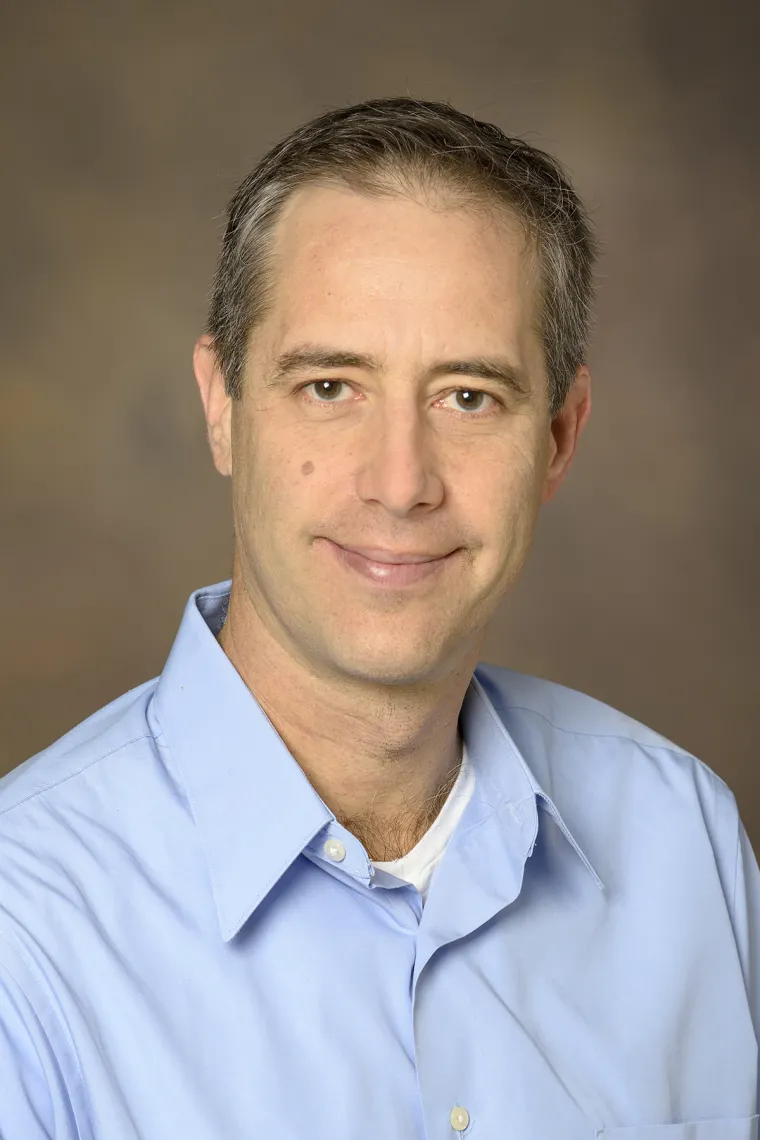
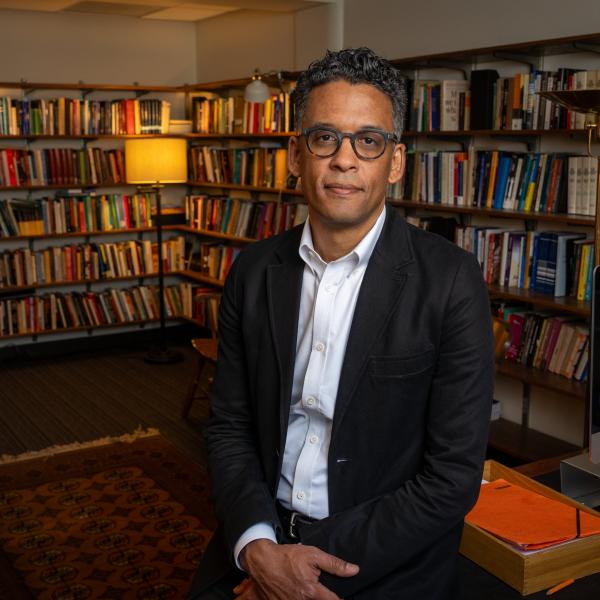
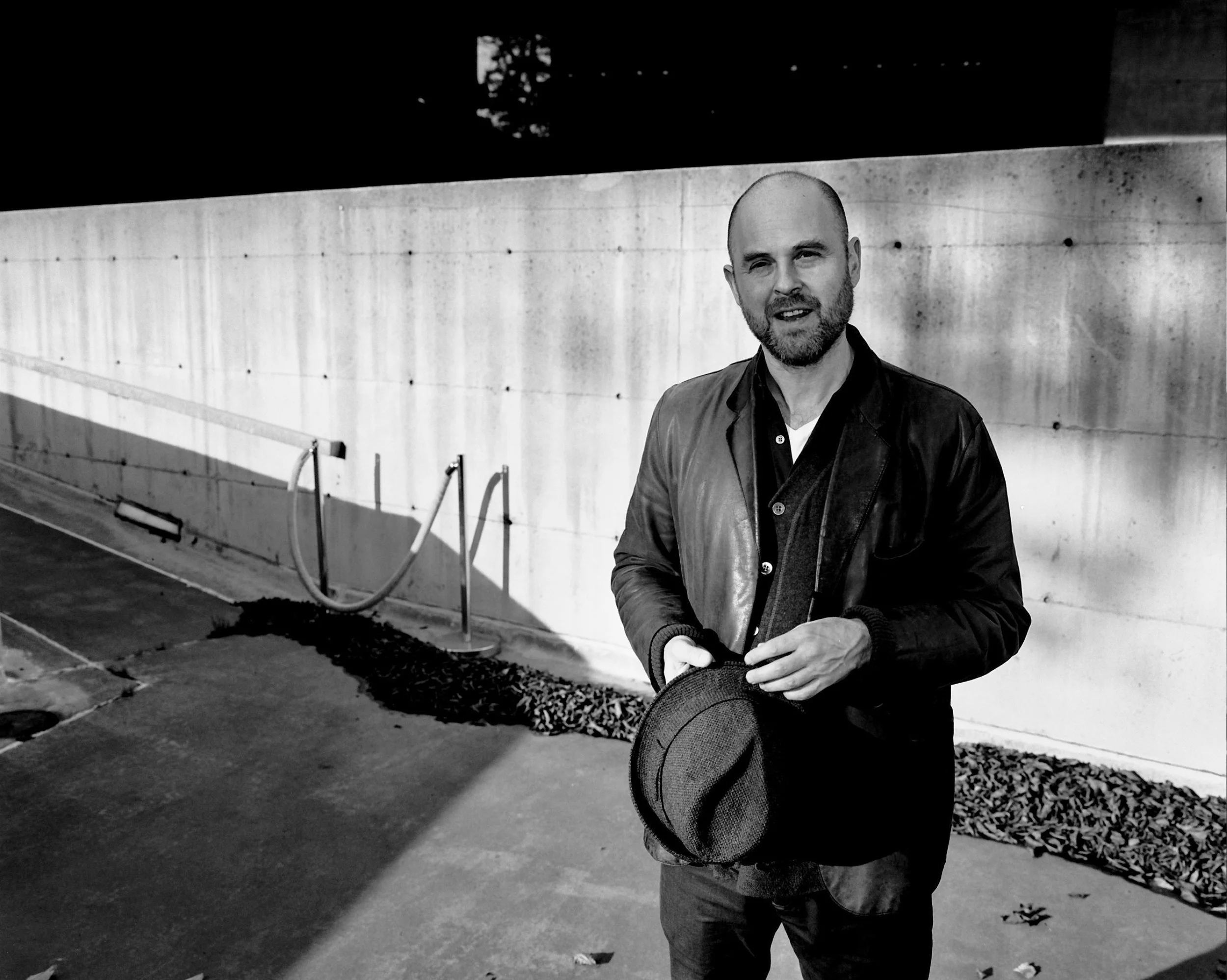
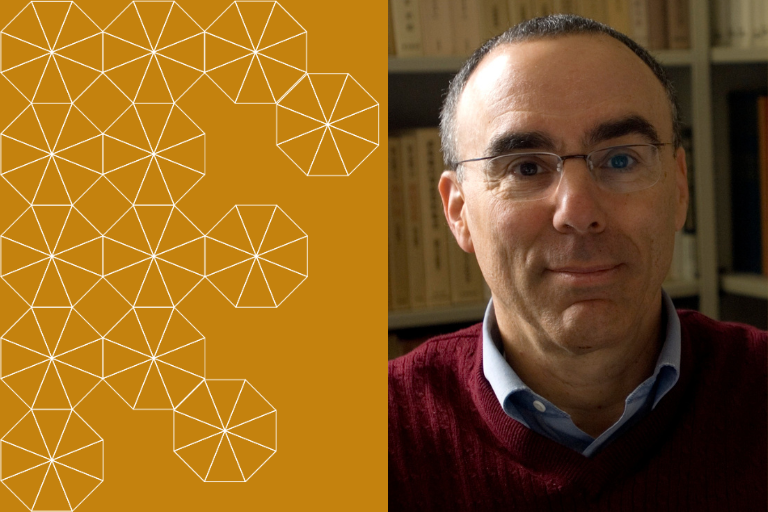
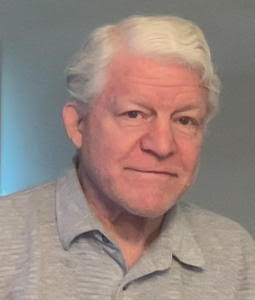
Michael Kremer is a University Professor in Economics at the University of Chicago, holding positions in the Kenneth C. Griffin Department of Economics, the College, and the Harris School of Public Policy. He is the 2019 Nobel Laureate in Economic Sciences for pioneering experimental methods to address global poverty. Kremer earned his Ph.D. from Harvard University in 1992 and has been affiliated with the University of Chicago since 2020. His research focuses on development economics, field experiments, and policies impacting education, health, water, and agriculture in developing countries. He directs the Development Innovation Lab and leads the Development Economics Center at Chicago, emphasizing evidence-based solutions to poverty. Kremer’s work combines rigorous academic inquiry with practical policy applications, bridging theoretical economics and real-world interventions. Awarded the MacArthur Fellowship in 1997 and a Fellow of the American Academy of Arts and Sciences since 2003, Kremer’s contributions have shaped modern development economics. He has collaborated extensively with institutions worldwide, advocating for randomized controlled trials (RCTs) to evaluate social programs. His interdisciplinary approach integrates insights from economics, public policy, and experimental methods, fostering global partnerships to combat poverty effectively.
Brett Welch is an Assistant Professor and Biostatistician at the University of Houston with dual appointments in the Department of Communication Sciences and Disorders and the Department of Psychological, Health, and Learning Sciences within the College of Liberal Arts and Social Sciences. Dr. Welch's educational background includes: Ph.D. in Communication Science and Disorders from the University of Pittsburgh M.S. in Communication Sciences and Disorders from the University of Texas Rio Grande Valley B.S. in Linguistics from the University of Texas at Austin B.A. in Communication Sciences and Disorders – Speech-Language Pathology from the University of Texas at Austin Dr. Welch's research sits at the intersection of psychology and communication. He seeks to understand how psychological processes like personality and psychopathology influence communication behaviors, and conversely, how communication behaviors impact psycho-social well-being. His work leverages quantitative methods, cross-sectional studies, and intensive longitudinal designs to interrogate the dynamic interplay between psychological processes and voice and communication behaviors. This research aims to advance understanding of functional voice disorders, improve assessment of psychopathology, and promote well-being for people with and without communication disorders. Dr. Welch has received several notable awards: Honors Council of Academic Programs in Communication Sciences and Disorders PhD Scholarship (2024) New Century Scholars Doctoral Scholarship from the American Speech-Language-Hearing Foundation (2023) New Investigator Forum from The Voice Foundation (2021) As an academic, Dr. Welch serves as an ad hoc peer reviewer for various scientific journals in speech-language pathology and psychology. He is also a mentor in the Students to Empowered Professional Mentoring Program and a member of the American Speech-Language-Hearing Association. His teaching includes Special Problems: Introduction to Quantitative Modeling (COMD 8398). Dr. Welch maintains an active research program focused on the intersection of psychology and communication, with particular emphasis on voice disorders and their psychological correlates. His work combines biostatistical approaches with clinical insights to advance understanding in this specialized field.
Mark Baker is a Professor of Linguistics and Cognitive Science at Rutgers University. His work focuses on comparative syntax, linguistic universals, semantic roles, and the study of Amerindian and African languages. He holds the title of Distinguished Professor and maintains an office in Scott Hall. As of 2021, his office hours were by appointment due to sabbatical leave. His research interests include syntactic diversity, its limits, and patterns across languages. Notable themes in his work involve logophoric pronouns, switch-reference mechanisms, and the relationship between case systems and agreement structures. He has contributed to discussions on language typology, formal syntax, and the cognitive foundations of linguistic structures. Baker teaches advanced syntax courses and has published extensively on topics ranging from Panoan languages to theoretical models in generative grammar. His recent articles explore syntactic variation, morphosyntactic alignment, and interdisciplinary connections between linguistics and cognitive science. He serves on editorial boards and has reviewed for journals such as Journal of East Asian Linguistics and Yearbook of Corpus Linguistics and Pragmatics . His work bridges formal linguistic theory with empirical cross-linguistic analysis, emphasizing the interplay between universal grammatical principles and lineage-specific traits.
Mathew Thomson is a Professor of History at the University of Warwick, specifically within the Department of History under the Faculty of Arts. He holds a BA in History from University College London (1987) and a D.Phil. from the University of Oxford (1992). His research focuses on the cultural and social history of medicine, eugenics, and psychological practices in 20th-century Britain. He has been a Wellcome University Award Holder at the University of Sheffield (1993-1998) and has held roles such as Lecturer and Reader at Warwick (1998-2015) before his current professorship. Thomson's teaching includes undergraduate modules like 'The Cultural History of the NHS' and 'Eugenics Lecture,' as well as postgraduate courses on medical humanities. His publications, including books like *The Problem of Mental Deficiency* (1998) and *Psychological Subjects* (2006), explore themes of mental health policy, eugenics, and the intersection of psychology with societal structures. His recent work examines the NHS's cultural representation and post-war childhood landscapes. He has contributed to public engagement through BBC documentaries (e.g., *The NHS: A People's History*), museum consultations (V&A Museum of Childhood), and policy initiatives like the British Academy Childhood Policy Programme. His research on mental deficiency policies, wartime mental health, and the history of psychological practices underscores his interdisciplinary approach to societal and medical history.
Barbara Gail Montero is the Rev. John A. O’Brien Professor of Philosophy at the University of Notre Dame, where she holds a faculty position in the Department of Philosophy within the College of Arts and Letters. She earned her BA from the University of California, Berkeley, and her PhD from the University of Chicago. Her research focuses on two core areas: the metaphysical relationship between mind and body, and the role of consciousness in expert action. Notably, she explores how physicalism interacts with abstract entities and how athletes defy skill plateaus through orthogonal models of attention and automaticity. Her key publications include Continuous Improvement: Intertwining Mind and Body in Athletic Expertise (2022, co-authored), A Very Short Introduction: Philosophy of Mind (2021), and Thought in Action: Expertise and the Conscious Mind (2016). She has also published influential papers on pain memory gaps, expertise-induced amnesia, and critiques of flow-state theories. Montero’s interdisciplinary work bridges philosophy with dance performance, as seen in collaborations like Curved Spacetimes: Where Friedrich Nietzsche Meets Virginia Woolf . Her teaching spans philosophy of mind, logic, and science, emphasizing neural plasticity and conscious engagement in expertise.
Shlomi Sher is an Associate Professor of Psychological Science at Pomona College , where he has been affiliated since 2012. His research bridges the interplay between rational and psychological levels of analysis in decision-making, and explores scientific approaches to consciousness and the mind-body problem. Education : PhD and MA from Princeton University, BA from Harvard University Research Focus : Examines framing effects, context effects, and preference reversals through interdisciplinary lenses combining psychology, economics, and neuroscience Key Themes : Challenges assumptions about rationality in economic models, investigates philosophical problems in neuroscience research His publications span topics such as rational arbitrariness in choice , neural correlates of consciousness , and comparative emotion studies . Sher teaches courses in Cognitive Psychology , Research Design , and Consciousness Studies .
Alex Moran is an Assistant Professor at Bilkent University starting Fall 2025. He holds a PhD from the University of Cambridge (2019), a BPhil from Oxford (2014), and a BA from University College London (2012). His research focuses on metaphysics, philosophy of mind, meta-ethics, and the history of philosophy. He has held fellowships including the Leverhulme Early Career Fellowship (Oxford, 2019-2022), IRC Research Fellowship (Trinity College Dublin, 2022-2023), and SNSF Research Fellowship (Université de Fribourg, 2023-2025). He is also a Research Associate at Stockholm University for his project on contingent grounding and the mind-body problem. Education: PhD, University of Cambridge (2019) BPhil, University of Oxford (2014) BA, University College London (2012) Research interests include metaphysical grounding, perceptual experience (naïve realism), physicalism, and early analytic philosophy. His current projects explore contingent grounding physicalism and the disclosive nature of sensory experience, with a book under contract with Oxford University Press. He also writes popular philosophy, including a trade book In Praise of Mischief (Reaktion Press). Awards include the Leverhulme Early Career Fellowship and recognition in the Philosophy of Memory Essay Prize (runner-up, 2022). His work appears in journals like Australasian Journal of Philosophy , Philosophical Studies , and Inquiry . Beyond academia, he publishes poetry and is working on a novel, while engaging in music and boxing.
Russell S. Witte, PhD, is a Professor at the University of Arizona, jointly appointed in the departments of Medical Imaging, Optical Sciences, Biomedical Engineering, Surgery, and Neurosurgery. He is also a Professor at the BIO5 Institute and leads the Experimental Ultrasound & Neural Imaging Lab (EUNIL). His interdisciplinary work bridges physics, engineering, and medicine to develop innovative imaging technologies for diagnosing and treating neurological, cardiac, and oncological conditions. Education: PhD, Arizona State University, 2002 MS, Arizona State University, 2000 BS (Honors), Physics, University of Arizona, 1993 Dr. Witte's research centers on hybrid imaging modalities that combine ultrasound with light, microwaves, and electrical signals. His lab pioneers techniques such as photoacoustic imaging, acoustoelectric imaging, and elasticity mapping to visualize tissue function and mechanics deep within the body. These methods have transformative potential in functional brain imaging, cardiac electrophysiology, and early cancer detection. He is particularly interested in leveraging nanotechnology and smart contrast agents to enhance imaging specificity and therapeutic efficacy. His research program reflects a strong trend toward multimodal, physics-driven biomedical imaging, with applications spanning neuroscience, cardiology, and oncology. By integrating principles from biomedical engineering, optics, and applied mathematics, his work aims to bridge the gap between fundamental science and clinical translation. Scientific Affiliations and Memberships: Arizona Cancer Center Sarver Heart Center School of Mind, Brain, and Behavior Neuroscience Graduate Interdisciplinary Program Applied Mathematics Graduate Interdisciplinary Program Biomedical Engineering Graduate Interdisciplinary Program Dr. Witte is deeply committed to training the next generation of interdisciplinary scientists. He actively mentors students and encourages collaboration across engineering, medicine, and industry. His lab fosters a creative environment for dreamers, problem solvers, and innovators aiming to make transformative discoveries at the intersection of physics and medicine. He has established strong collaborative networks across the Colleges of Engineering, Optical Sciences, and Medicine, facilitating translational research with real-world clinical impact. Dr. Witte leads the Experimental Ultrasound & Neural Imaging Lab (EUNIL), a multidisciplinary research team dedicated to developing and refining cutting-edge imaging technologies. The lab focuses on translating novel physical principles into practical tools for disease diagnosis and treatment monitoring, particularly in chronic tendon disorders, arrhythmias, and breast cancer.
Anton Ford is an Associate Professor of Philosophy and Deputy Dean of the Humanities Division at the University of Chicago, where he has been a faculty member since 2007. His academic home is the Department of Philosophy within the Division of the Humanities, and he maintains an active teaching and research profile spanning practical philosophy, ethics, and political theory. Dr. Ford's educational background includes: PhD in Philosophy from the University of Pittsburgh (2008) BA from Harvard University (1999) His research centers on Practical Philosophy, explicitly encompassing Action Theory, Ethics, and Political Philosophy, with deep engagement in the works of Anscombe, Aristotle, and Marx. Ford investigates the metaphysical and normative dimensions of human agency, intentionality, and political compromise, blending historical analysis with contemporary philosophical rigor. His scholarship demonstrates how practical reasoning operates across moral, political, and epistemic domains. Analysis of Ford's publications (2010-2018) reveals consistent thematic focus on agency and action theory, particularly through Anscombian frameworks, while progressively expanding into political philosophy and ancient thought. His work shows increasing interdisciplinary reach, connecting metaphysical questions about intention to concrete political problems like compromise and justice. The editorial project on Anscombe's Intention underscores his role in shaping contemporary action theory discourse. Dr. Ford has not received major scientific awards, prizes, or fellowships as documented in available sources. His professional recognition derives primarily from scholarly contributions and institutional leadership. As Deputy Dean of the Humanities Division, Ford provides administrative leadership while mentoring graduate students in the Philosophy PhD program. Though specific advisees aren't listed, his course offerings and publication record indicate active research supervision. His editorial work and sustained publication output suggest successful grant support for scholarly activities, though specific funding sources aren't detailed. Within the Division of the Humanities, Ford contributes to research ecosystems through departmental leadership and association with Practical Philosophy and Ancient Philosophy research clusters. His administrative role as Deputy Dean positions him to influence collaborative initiatives across humanities disciplines at the University of Chicago.
Alva Noë is a Professor of Philosophy at the University of California, Berkeley. His research bridges the philosophy of mind, cognitive science, and aesthetics, emphasizing the embodied and interactive nature of perception and consciousness. B.A., Columbia B.Phil., Oxford Ph.D., Harvard His work explores the interplay between art, philosophy, and human cognition, arguing that consciousness is not confined to the brain but arises from bodily and environmental engagement. Recent projects include studies on love, AI, and pictoriality. Alva's publications span interdisciplinary themes, integrating philosophy with cognitive science and art theory. Notable works include The Entanglement (2023), which examines how art and philosophy shape human identity, and Action in Perception (2004), a foundational text on embodied cognition. No scientific awards or patents are explicitly mentioned in the provided text.
Yuval Noah Harari is a historian, philosopher, and lecturer at the Department of History at the Hebrew University of Jerusalem. Born in Haifa, Israel in 1976, he received his PhD from the University of Oxford in 2002. He is best known as the author of the internationally acclaimed books Sapiens: A Brief History of Humankind (2014), Homo Deus: A Brief History of Tomorrow (2016), 21 Lessons for the 21st Century (2018), Nexus: A Brief History of Information Networks from the Stone Age to Artificial Intelligence , and the Unstoppable Us children's series. Harari's research focuses on macro-historical questions including the relationship between history and biology, the essential difference between Homo sapiens and other animals, justice in history, historical directionality, human happiness throughout history, and the ethical questions raised by science and technology in the 21st century. His work bridges history, biology, philosophy, and economics, taking both macro and micro perspectives to understand not only what happened and why, but also how it felt for individuals. His books have sold over 45 million copies in 65 languages, with Sapiens alone selling 25 million copies since its publication. He is considered one of the world's most influential public intellectuals today. Harari has given keynote speeches at major international forums including the World Economic Forum in Davos and has presented as a digital avatar in a TED talk. Sapiens spent 96 consecutive weeks in the top 3 of the Sunday Times bestseller list Co-founded Sapienship, an international social impact company focused on education and storytelling, with his husband Itzik Yahav Regularly speaks at major international events on topics of technology, history, and the future of humanity Harari's recent work focuses on the challenges of the information age, particularly the crisis of truth and trust in an era of disinformation and artificial intelligence. He explores how humans can navigate the complex ethical questions raised by emerging technologies while maintaining democratic values and human dignity.
Robert Sharf is the D.H. Chen Distinguished Professor of Buddhist Studies in the Department of East Asian Languages and Cultures at the University of California, Berkeley . He also serves as Chair of the Numata Center for Buddhist Studies and Head Graduate Advisor for the Group in Buddhist Studies . With a PhD in Buddhist Studies from the University of Michigan (1995), he previously taught at McMaster University (1989-1995) and the University of Michigan (1995-2003). Research Interests: Medieval Chinese Buddhism (especially Chan) Japanese Buddhism Buddhist Art and Archaeology Ritual Studies Buddhist Modernism Philosophical Paradoxes Methodology in Religious Studies Critical Buddhist Discourse Publications & Collaborations: Author of Coming to Terms with Chinese Buddhism: A Reading of the Treasure Store Treatise (2002) Co-editor of Living Images: Japanese Buddhist Icons in Context (2001) Co-author of What Can’t Be Said: Contradiction and Paradox in East Asian Thought (2021) Co-author of How to Lose Yourself: An Ancient Guide to Letting Go (2025) Editor of Chinese translations of his works: Xiafu Chanxue zixuan ji and Xiafu Mijiao Yanjiu zixuan ji (2022) Academic Leadership: Director of the Group in Buddhist Studies Director of Religious Studies Chair of the Center for Buddhist Studies
K. T. Falvey is an Associate Professor in the Department of Philosophy at the University of California, Santa Barbara. His research focuses on critiques of Cartesian dualism, emphasizing the social and normative foundations of intentional discourse. He challenges materialist frameworks that retain Cartesian assumptions about the mind's isolation from external reality. Education: PhD in Philosophy from the University of Minnesota. Research Interests: Philosophy of Mind and Language, epistemic authority of first-person perspectives, normativity in intentional states, and the legacy of Wittgenstein/Sellars/Putnam traditions. Falvey argues that intentional discourse functions interpretively within social practices rather than as a 'folk science' of behavior. Publications span 1994-2023, with recurring themes in semantic externalism, self-knowledge, and anti-individualism. His work often engages with skeptical challenges through normative frameworks. No awards listed. No advising/grants information available in provided text. Office located in South Hall 5709 with MWTh 1-2 office hours.
Oliver Davies is a Professor specializing in contemporary theology, theology and continental philosophy, medieval theology, religion and literature, and mysticism. His research contributes to United Nations Sustainable Development Goals related to peace, justice, and strong institutions. His scholarly work centers on Pneumatology (Holy Spirit studies), medieval theological traditions—particularly Meister Eckhart's thought—and intersections between theology, neuroscience, and Eastern philosophies like Confucianism. Key themes include ethical universalism, transformational theology, and the relationship between spirit, body, and textual interpretation in religious contexts. Davies' recent publications (2013-2015) reveal consistent engagement with Pentecostal theology, medieval mysticism, and interdisciplinary approaches bridging neuroscience with theological anthropology. His work demonstrates recurring methodological patterns: historical analysis of theological concepts, comparative religious studies, and application of continental philosophy to contemporary spiritual questions. He has supervised 21 research students and secured significant funding including a John Templeton Foundation grant for World Theology: Theology for All (2016) and multiple Arts and Humanities Research Council projects investigating Meister Eckhart's role at 14th-century Parisian and Erfurt universities. His collaborative project Translating Cultures, Transforming Societies (2014-2016) involved cross-institutional partnerships across Europe.
F. Thomas Burke is a Professor in the Department of Philosophy at the University of South Carolina's McCausland College of Arts and Sciences. He specializes in classical American pragmatism and its interdisciplinary applications in contemporary philosophy, cognitive science, and mathematical logic. Education: Ph.D., Stanford University (1992) M.A., University of New Mexico (1984) B.A., University of New Mexico (1972) His research focuses on the works of Charles Peirce, William James, and John Dewey, particularly their contributions to logic, ethics, and democratic theory. Recent publications explore the intersection of pragmatism with cognitive science, neurophilosophy, and legal philosophy, emphasizing logic as a functional tool for democratic problem-solving.