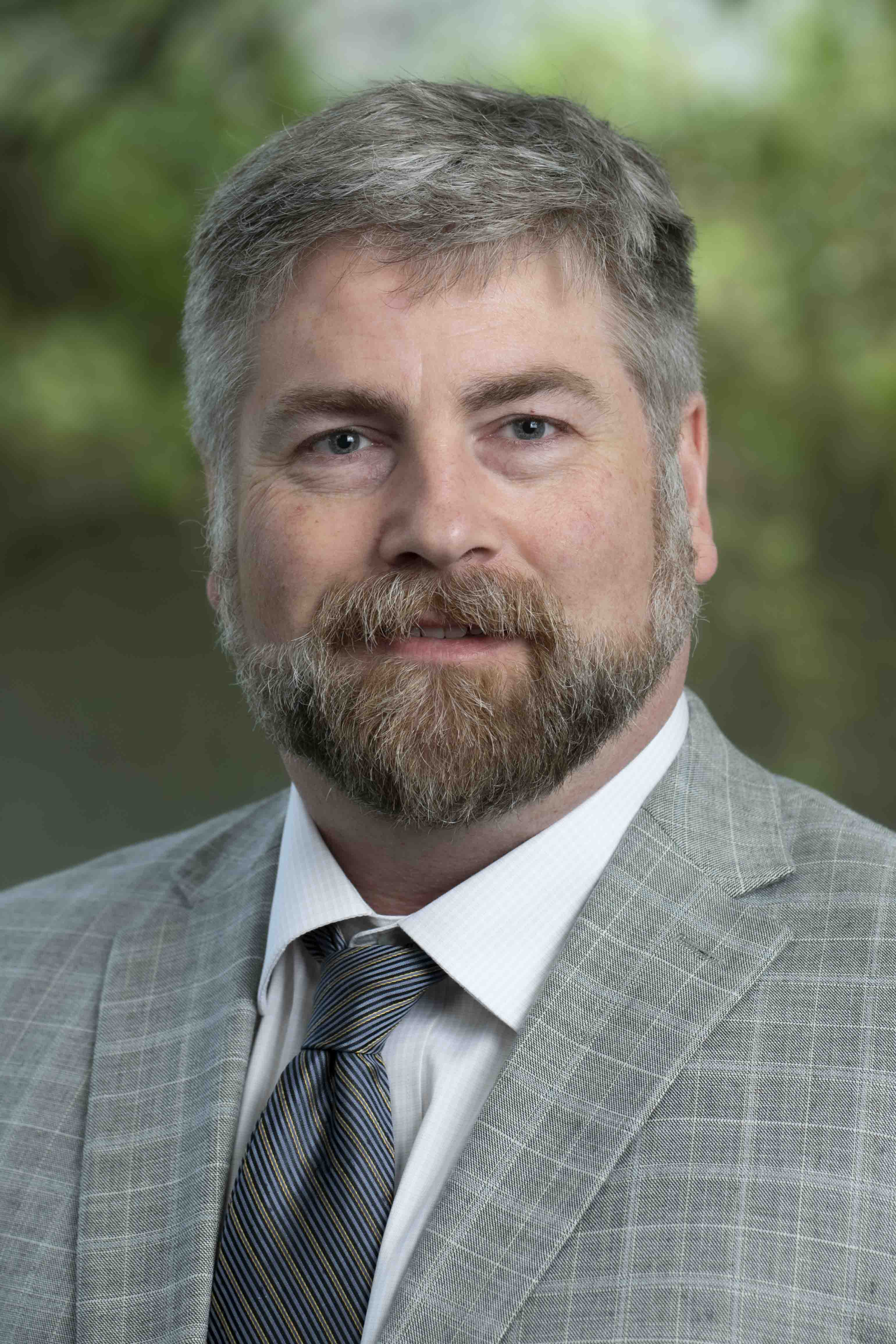
Prof. Dr. Oliver Krüger is a behavioral ecologist and evolutionary biologist at Bielefeld University 's Faculty of Biology , where he leads the Department of Animal Behaviour since 2013. His research spans avian and marine mammal systems, focusing on life history strategies, parasite-host interactions, and environmental adaptation. Education: Biology studies at Bielefeld University (1994-1996) MSc in Oxford (1996-1997) PhD at Bielefeld University with Fritz Trillmich and Jan Lindström (1998-2000) Research Themes: Behavioral ecology, evolutionary biology, and population dynamics across tropical and temperate ecosystems. Key projects include NC³ (Niche Choice/Construction) and studies on Galápagos sea lions, common buzzards, and pinniped species. Scientific Leadership: Spokesperson, SFB TRR 212 "NC³" (2018-2025) Advisory Board member: German Ornithologists Union, IUCN SSC pinniped group, German Primate Centre Peer review roles: Humboldt Foundation, DFG, HFSP, NSF Awards: Leopoldina Prize (2001) Niko Tinbergen Award (2008) DFG Heisenberg Professorship (2010-2015)
Gregory Keller is the Dean of the School of Science and Health and Professor of Biology at Gordon College. He holds a Ph.D. in Ecology with a Conservation Biology emphasis from The Pennsylvania State University, an M.A. from The College of William and Mary, and a B.S. from Alma College. He joined Gordon College in 2007 after serving as an Assistant Professor of Wildlife Ecology at Eastern New Mexico University. B.S.: Alma College M.A.: The College of William and Mary Ph.D.: The Pennsylvania State University (Ecology with Conservation Biology Emphasis) Dr. Keller's research centers on conservation biology, habitat use, and the effects of human-altered landscapes on wildlife, particularly birds and small mammals. His work spans multiple ecosystems in Belize, Massachusetts, New Hampshire, and Iceland. He employs Geographic Information Systems (GIS) and field studies to analyze migratory bird behavior, forest fragmentation, climate change impacts, and Lyme disease vectors. His research integrates landscape ecology with practical conservation strategies. His recent scholarly and public writings, such as 'Denizens of the Autumn Air' and 'Corridors of Abundance,' reflect a strong commitment to science communication and ecological awareness. These works, along with news features on his fieldwork, highlight his role in mentoring students and advancing conservation science. Fulbright Scholarship recipient Dr. Keller actively involves undergraduate students in research, guiding projects on warbler ecology, bat habitat use, sea ducks, and shorebird distribution. He teaches key courses including Conservation Biology, Landscape Ecology & GIS, Environmental Science, and Field Ornithology. His lab focuses on field-based ecological studies in human-dominated landscapes, with ongoing collaborations in international and local ecosystems.
Rachael Bay is an Associate Professor in the Department of Evolution and Ecology at the University of California, Davis. She investigates how human-induced environmental changes intersect with evolutionary processes, focusing on climate change impacts across diverse species. Education: B.S. in Marine Science/Biology, University of Miami (2008) M.Sc. in Biology, Dalhousie University (2010) Ph.D. in Biology, Stanford University (2015) Her research combines ecological experiments, physiological studies, and large-scale genomic analysis to explore evolutionary responses to anthropogenic stressors. Key areas include climate adaptation in migratory birds, coral resilience, and conservation genomics. Recent publications highlight genomic shifts linked to climate change, thermal tolerance mechanisms in corals, and migratory behavior dynamics. Her work emphasizes using evolutionary insights for proactive conservation strategies. Scientific Awards: Packard Fellowship (2021) Sloan Fellowship (2019) UC Davis Top Safety Award (2022) Bay is affiliated with the Center for Population Biology and graduate groups in Integrative Genetics & Genomics and Population Biology. She leads the Bay Lab, which focuses on eco-evolutionary dynamics in marine and avian systems.
David Manuel Bozzini is a Full Professor at the University of Fribourg , affiliated with the Faculty of Letters and Human Sciences within the Department of Social Sciences . He also serves as a Lecturer in the Department of Computer Science (Faculty of Science and Medicine), indicating interdisciplinary expertise. Joined University: 2017 Research Focus: Bozzini's work examines state surveillance mechanisms in militarized contexts, particularly in Eritrea and its diaspora. His research spans political anthropology, digital security, and cryptography, analyzing how insecurity is socially constructed and resisted through both traditional and technological means. Publications: His recent works explore: Ethnographic analysis of surveillance practices Digital repression in authoritarian regimes Political mobilization among exiles Technological resistance strategies Contact: Email: david.bozzini@unifr.ch Phone: +41 26 300 7840
Gretchen Daily is the Bing Professor of Environmental Science and a Professor in the Department of Biology at Stanford University. She serves as Senior Fellow at the Woods Institute for the Environment and by courtesy at the Freeman Spogli Institute for International Studies. Her work focuses on integrating natural science and economics to advance sustainability, particularly through the Natural Capital Project, which she co-founded and directs. Academic Appointments Professor, Biology Senior Fellow, Woods Institute for the Environment Senior Fellow (By courtesy), Freeman Spogli Institute for International Studies Administrative Roles Director, Natural Capital Project (2005–Present) Director, Center for Conservation Biology (2010–Present) Research Interests: Daily's scholarship centers on land use , biodiversity dynamics , and ecosystem services . Her work spans tropical conservation, sustainable agriculture, urban ecology, and policy innovation through natural capital accounting. Key themes include quantifying nature's contributions to people, climate-biodiversity synergies, and equity in environmental governance. Scientific Awards: Fellow, American Association for the Advancement of Science Fellow, American Philosophical Society (2008) Fellow, US National Academy of Sciences (2005) Fellow, American Academy of Arts and Sciences (2003) Faculty Fellow, Stanford Center for Innovation in Global Health (2021) Faculty Affiliate, Stanford Center on China's Economy and Institutions (2021) Daily's advising and collaborative research spans graduate mentorship, interdisciplinary projects, and global policy applications. She leads teams at the Natural Capital Project and Woods Institute , focusing on scalable solutions for ecosystem service valuation and sustainable development.
Dr. Henry Streby is an Associate Professor of Ecology in the Department of Environmental Sciences at the University of Toledo, where he leads the Streby Lab. He also holds an appointment as Adjunct Assistant Professor and is recognized as a Fellow of the American Ornithological Society. Education: Ph.D. in Ecology from University of Minnesota Research Focus: Dr. Streby's research spans avian ecology , wildlife ecology , evolutionary biology , and quantitative science . His work particularly emphasizes organismal ecology with applications to conservation and management of migratory songbirds. Key research areas include: Migratory connectivity and seasonal interactions Conservation biology of declining songbird populations Behavioral ecology of breeding and migratory birds Quantitative methods in wildlife research Effects of environmental change on bird populations Research Impact: Dr. Streby's work has significantly advanced understanding of songbird migration, particularly in Vermivora warblers and golden-winged warblers. His 2015 Current Biology paper on tornado avoidance behavior in songbirds received extensive international media coverage and reached the 99th percentile of all articles tracked by Altmetric. His recent research continues to explore migratory connectivity, hybridization patterns, and conservation strategies for North American migratory birds. Awards and Recognition: 2021 President's Award for Excellence in Scholarly Activity (University of Toledo) Elected Fellow of the American Ornithological Society (2021) 2013 Cooper Ornithological Society Young Professional Award Multiple best presentation awards at professional conferences Student Mentorship and Lab: Dr. Streby has successfully mentored numerous graduate students who have gone on to prestigious positions. Notable former students include: Gunnar Kramer (PhD 2021) - now Assistant Professor at Iowa State University Silas Fischer - recipient of multiple awards and fellowships Sean Peterson - pursued PhD at UC Berkeley Kyle Pagel - Environmental Scientist with California Department of Fish and Wildlife Annie Lindsay - active in migration research The Streby Lab continues to be highly productive, with ongoing research on Gray Vireos, migration ecology, and conservation applications. The lab maintains active field sites and collaborates extensively with other institutions and agencies.
Dr. Colin Garroway is an Associate Professor in the Department of Biological Sciences at the University of Manitoba, Faculty of Science. His research focuses on understanding how population-level processes influence biodiversity at genetic, population, and species levels. He employs interdisciplinary approaches, including genomics, ecological modeling, and data synthesis, to address challenges in conservation and climate change impacts. His work often targets systems undergoing significant environmental changes, such as urbanized areas and Arctic ecosystems. Dr. Garroway teaches advanced courses in Evolutionary Genetics and Evolutionary Biology. His research emphasizes the interplay between human-driven environmental changes—such as urbanization and climate warming—and their effects on genetic diversity, species distribution, and adaptation. He leads the Garroway Lab, which collaborates on global projects like biodiversity assessments in protected areas and epigenetic studies in wildlife. Key research themes include: biodiversity conservation, climate adaptation genetics, urban evolution, and the genetic consequences of human activities. His work integrates field studies, genomic analyses, and computational models to provide actionable insights for conservation strategies.
Yong Chen is a Professor at the School of Marine and Atmospheric Sciences (SoMAS), Stony Brook University. He specializes in fisheries ecology, stock assessment, and climate change impacts on marine ecosystems. His research focuses on optimizing monitoring programs, evaluating fisheries management strategies, and understanding ecosystem dynamics under climate change. Education: Ph.D. from the University of Toronto (1995) Research Interests: Dr. Chen’s work addresses critical challenges in fisheries management, including stock assessment methodologies, climate-driven shifts in species distribution, and the integration of ecological and socio-economic factors into conservation strategies. His studies often involve advanced modeling techniques such as Ecopath with Ecosim and habitat suitability analysis. Key Themes in Publications: Recent articles highlight his focus on hybrid management strategies for mixed fisheries, climate impacts on species phenology and connectivity, and the efficacy of marine protected areas. He emphasizes data integration challenges and the development of decision support tools for sustainable fisheries. Grants and Advising: No specific grants or advisees are listed here. However, his research has likely involved collaborations with international fisheries organizations and government agencies. Labs/Teams: A lab site is referenced in his profile, though the specific team structure or ongoing projects are not detailed in the provided text.
Professor Stephen Willis is a faculty member at Durham University , serving as Director of Research in the Department of Biosciences. His work bridges climate change ecology, conservation biology, and species distribution modeling, with extensive collaborations across academic (Universities of York, Leeds, Copenhagen) and non-academic institutions (RSPB, BirdLife International, NERC). He employs spatially explicit models, GIS, and remote-sensed data to analyze environmental change impacts on ecosystems, biodiversity, and range shifts in native/invasive species. Continental-scale protected area networks Trans-Saharan migratory birds Alpine ungulate population dynamics Deer-biodiversity interactions His recent research (2025-2023) focuses on wildlife hunting practices in Southeast Asia, acoustic monitoring innovations for waders, bias mitigation in ecoacoustic studies, protected area expansion for migratory birds, and systematic conservation status mapping. Earlier projects (2022-2010) examined carbon stock modeling, vulture foraging ranges, malaria risk projections, and climate-phenology mismatches. Supervision : He currently mentors PhD students in biodiversity monitoring, climate adaptation, and wildlife ecology, while past advisees completed research on topics like vulture land-use patterns, Rift Valley bird distributions, and butterfly range shifts. Collaborative networks span 15+ institutions globally.
Walter Jetz is a Professor of Ecology and Evolutionary Biology and the School of the Environment at Yale University, where he directs the Center for Biodiversity and Global Change. He chairs the E.O. Wilson Biodiversity Foundation and co-chairs the GEO BON Species Population Working Group. His work focuses on biodiversity science, conservation, and global change ecology. Education: D.Phil. in Zoology (University of Oxford, 2002), M.Sc. in Integrative Bioscience (Oxford, 1997) Research interests include macroecology, species distribution modeling, and conservation science across spatial scales. His group develops tools like Map of Life , Wildlife Insights , and Half-Earth Project to address biodiversity monitoring and area-based conservation. Current projects explore climate change impacts on tropical ecosystems, movement ecology, and machine learning applications in biodiversity science. Recent publications focus on niche scaling, climate change vulnerability, deep learning for species distribution, and mountain biodiversity monitoring. Awards include being an ISI Highly Cited Researcher since 2014. Over 30 former students hold faculty positions globally. The lab promotes diversity, equity, and inclusion in science and collaborates with NASA, Microsoft, and the Gordon and Betty Moore Foundation.
Cameron Ainsworth is a Professor at the University of South Florida’s College of Marine Science , specializing in biological oceanography and fisheries ecosystem modeling . His research focuses on how human activities and climate change affect marine ecosystems, with an emphasis on developing tools for ecosystem-based management. He leads the Fisheries and Ecosystem Ecology Lab , where he and his students use advanced modeling techniques to assess marine food webs, population dynamics, and environmental policy outcomes. Education: Ph.D. in Oceanography, University of British Columbia (2006) Research Interests: Dr. Ainsworth’s work integrates ecosystem modeling , fisheries management , and climate impact assessment . His lab uses statistical and numerical models to simulate marine ecosystems, evaluate the effects of oil spills, and inform marine protected area design. A major focus is the Gulf of Mexico , where he collaborates with NOAA and regional agencies to support Integrated Ecosystem Assessments . Scientific Awards: Sloan Research Fellowship (2013) – awarded for outstanding early-career contributions to marine science Lab and Team: Dr. Ainsworth leads the Fisheries and Ecosystem Ecology Lab at USF, which includes graduate students and postdocs working on projects related to oil spill recovery, marine restoration, and fisheries management. The lab is actively involved in NOAA-funded initiatives and Gulf-wide ecosystem assessments.
Mary Gallagher is Professor of French and Francophone Studies at University College Dublin, affiliated with the School of Languages, Cultures and Linguistics. She has held significant academic appointments at UCD since 1991, progressing from Lecturer to full Professor, and has served as a Visiting Professor in France, China, and Tunisia. Her scholarly leadership includes founding roles in the Association for the Study of Caribbean and African Literature in French (ASCALF) and the Irish Association of French and Francophone Studies (ADEFFI), where she was president from 2006 to 2008. She led the PRTLI-funded 'World Writing in French' research programme and has coordinated multiple Erasmus+ partnerships with institutions in the French Caribbean, Tunisia, and Vietnam. Education: BA in French and German, Trinity College Dublin DEA in French Literature, Université de Paris VII (Denis Diderot) Doctorat ès Lettres, Université de Paris VIII (Vincennes-Saint-Denis), supervised by Henri Meschonnic, viva chaired by Édouard Glissant Higher Diploma in Mediation and Diploma in Arbitration Law and Procedure, University College Dublin Her research focuses on postcolonial Francophone literature, Caribbean studies, Creole identity, migration, and ethical dimensions of writing. She has published extensively on Saint-John Perse, Lafcadio Hearn, and Paul Morand, with a recent emphasis on Holocaust testimony through her critical edition of Paul Léon’s letters from Drancy. Her work bridges literary scholarship, cultural critique, and historical recovery, often engaging with themes of displacement, memory, and transcultural dialogue. The 15 most recent publications illustrate a sustained engagement with global Francophone narratives, from Caribbean poetics and Creole hybridity to Shoah testimony and critiques of academic corporatism. Her scholarship reveals a trajectory from regional Caribbean studies to broader global and ethical concerns, emphasizing literary witness, intercultural translation, and the responsibilities of the intellectual in an age of globalization. Scientific Recognition and Editorial Roles: Editor of 22 issues of the biennial journal of ASCALF Editorial Board member, Journal of French and Francophone Philosophy (US) Editorial Board member, Forum Poetiki (Poland) Editorial committee roles for monograph series at Palgrave, Gallimard, Brill, and Peter Lang As an advisor and grant leader, she has supervised major research programmes and cross-institutional collaborations. She has not advised named students in the provided texts but has mentored through programme leadership and editorial guidance. She convened UCD’s Asia-Pacific Research Forum (2018–2022), now a formal Research Centre. Her work continues to shape interdisciplinary approaches to Francophone and postcolonial studies. Research Groups and Collaborations: Founder, Association of Francophone Postcolonial Studies (formerly ASCALF) President, Irish Association of French and Francophone Studies (ADEFFI, 2006–2008) Convenor, UCD Cross-College Asia-Pacific Research Forum (2018–2022) Initiator of Erasmus+ partnerships with Université des Antilles, Université de Tunis, and Université Nationale du Vietnam Developing an all-island Irish research group on Former French Island Colonies
David A. Aborn is a Professor in the Department of Biology, Geology, and Environmental Science at the University of Tennessee-Chattanooga (UTC). His primary research focuses on bird migration, urban ecology, and conservation, particularly studying stopover biology, habitat selection in urban environments, and the effects of urbanization on avian populations. He holds a PhD in Biological Science from the University of Southern Mississippi (1996), an MS in Zoology from Clemson University (1989), and a BS in Zoology from Clemson University (1985). His work integrates field studies, telemetry, and citizen science to address ecological questions. Dr. Aborn’s research projects include assessing urban greenspaces as stopover sites for migratory birds, studying overwintering Sandhill Cranes, and investigating the breeding biology of Tree Swallows. He has received grants totaling over $595,000 from organizations like the National Science Foundation and the Tennessee Wildlife Resources Agency. His publications span 40+ articles in journals such as Nature Ecology and Evolution , Wilson Journal of Ornithology , and Southeastern Naturalist , with a focus on avian behavior, habitat use, and conservation challenges. Key research trends in his articles include urban birdstopover dynamics, stress physiology in migratory species, and invasive species impacts. He serves on committees for UTC’s Environmental Task Force, Reappointment, and Promotion. As a certified Master Bird Bander (USGS), he actively engages in public outreach through roles like Chattanooga Audubon Society board member and frequent guest lectures at local schools and organizations. Dr. Aborn advises the UTC Wildlife Zoology Club and coordinates graduate programs in Environmental Science. His work bridges academic research with applied conservation, emphasizing the role of urban ecosystems in avian survival and biodiversity preservation.
Patrick Walsh is a Professor of Chemistry at the University of Pennsylvania, where he has maintained an active research program since 2000. His work spans multiple areas of organic chemistry with a particular emphasis on developing new catalytic methodologies. Professor Walsh's research focuses on asymmetric catalysis, organometallic chemistry, and synthetic methodology development. His group has made significant contributions to the fields of C-H activation, ligand design, and transition metal catalysis, particularly with palladium and nickel systems. His work often bridges fundamental mechanistic understanding with practical synthetic applications, resulting in numerous high-impact publications across top chemistry journals. Analysis of his recent publications reveals a strong trend toward developing novel catalytic systems for C-C and C-heteroatom bond formation. His group has pioneered methods for C-H functionalization, transition metal-free catalysis, and the development of new chiral ligands for asymmetric synthesis. The research spans both fundamental mechanistic studies and practical synthetic applications, demonstrating Walsh's ability to connect theory with practical synthesis. Professor Walsh has mentored numerous graduate students and postdoctoral researchers throughout his career, many of whom have gone on to successful careers in academia and industry. His collaborative approach is evident in the extensive co-authorship network visible across his publication record, which includes collaborations with researchers across multiple institutions.
David Kurz is a Visiting Assistant Professor in Environmental Studies at Boston College. He holds a PhD in Environmental Science, Policy, and Management from UC Berkeley, an MPhil in Zoology from the University of Cambridge, and an AB in Ecology & Evolutionary Biology from Princeton University. His interdisciplinary research focuses on the human dimensions of wildlife conservation, climate policy, and socio-ecological systems. Dr. Kurz explores how climate change, urbanization, and land-use shifts impact ecosystems and human communities. Key research projects include studying bearded pig distributions in Borneo, cultural implications of lobster die-offs in the Long Island Sound, and equity in urban green space access. His work bridges natural and social sciences to address challenges in biodiversity conservation and climate resilience. Recent publications highlight topics like wildfire biodiversity overlaps in California, socio-ecological dynamics in Malaysian Borneo, and the impacts of the COVID-19 pandemic on wildlife. He emphasizes mentorship, guiding students toward real-world problem-solving and engaged scholarship. Dr. Kurz’s teaching and research align with Boston College’s commitment to environmental justice and interdisciplinary collaboration.