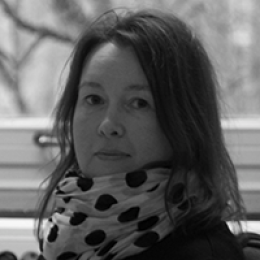
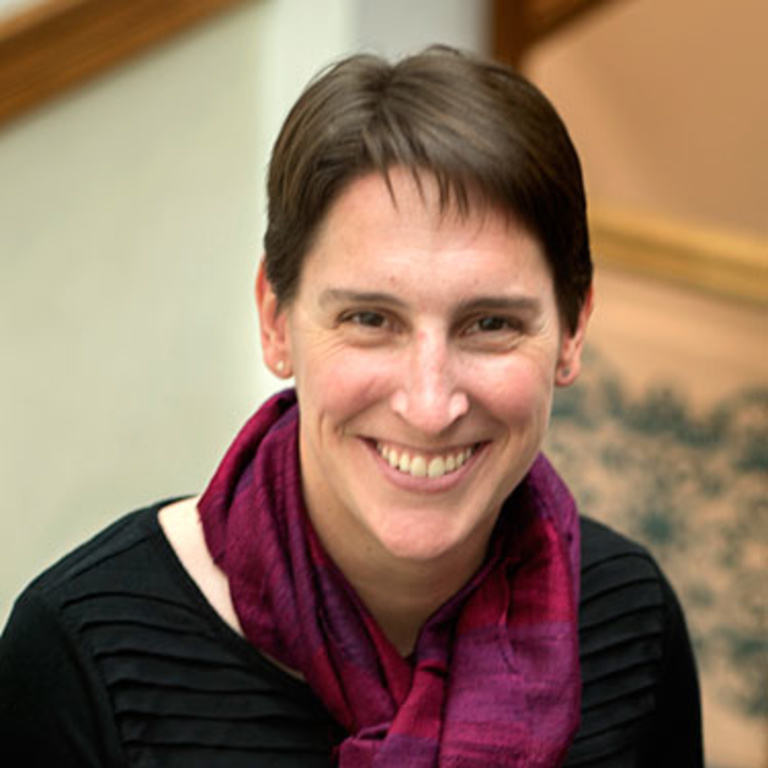
Nick Virgilio is a Full Professor in the Department of Chemical Engineering at Polytechnique Montréal . His research focuses on soft matter interfaces, polymer blends, and advanced hydrogel systems for biomedical and catalytic applications. Director, Research Laboratory on Surfaces, Interfaces and Soft Matter Member, Research Center for High-Performance Polymer and Composite Systems (CREPEC) Research interests include interfacial phenomena in multiphase systems, self-assembly of soft materials, nanoparticle-hydrogel composites, Pickering emulsions, and polymer microstructure engineering. Scientific awards include the 2010 Canadian Macromolecular Science Thesis Prize and the 2004 Polytechnique Montréal Master's Thesis Award. Recent publications highlight his work in macroporous hydrogels for cancer cell capture, nanoparticle synthesis in soft matrices, and interfacial control of polymer blends. His studies frequently appear in high-impact journals like ACS Applied Materials & Interfaces , Green Chemistry , and Macromolecules . Students under his supervision have explored topics from biofilm mechanics to lunar environment polymer systems across 4 PhD and 6 Master’s theses completed or ongoing.
Prof. Dr. Susan Thieme is a full Professor of Geography and Critical Sustainability Studies at the Faculty of Science, University of Bern , serving as Executive Director of the Institute of Geography since 2023. She founded the mLAB and co-directs the Global Science Film Festival , blending academia with artistic and digital practices. PhD in Human Geography (2005), Habilitation (2012), both at University of Zurich 2017–present: Full Professor at University of Bern 2015–2017: Professor at Freie Universität Berlin Her research spans critical sustainability studies , im/mobility , and transdisciplinary knowledge co-production , emphasizing social justice and emancipatory frameworks . Current projects like EcoArtLab integrate climate science with artistic methods. Her publications reveal a focus on migration infrastructures , healthcare labor , and transdisciplinary education . She supervises PhD candidates in themes of art-climate collaborations , healthcare cooperatives , and education for sustainability . Scientific outreach includes hosting the FameLab science communication competition and co-creating MOOCs on transdisciplinarity. She advises organizations like HELVETAS and Swiss Development Cooperation .
Wim Van Lancker is an Associate Professor in Social Work and Social Policy at KU Leuven's Faculty of Social Sciences, specifically within the Education Policy, Sociology department. He is affiliated with the Centre for Sociological Research (CESO) and holds multiple leadership positions including programme director of POC Sociologie and membership on the Council of the Faculty of Social Sciences. Van Lancker is also active in several research institutes including KIES – KU Leuven Institute for Energy and Society and L-C&Y - KU Leuven Child & Youth Institute. His research focuses on the welfare state, examining the interaction between the design of, public attitudes towards, and outcomes of social policies and social work interventions. Van Lancker's work spans critical contemporary issues including poverty, inequality, family policy, social investment, climate transition impacts, and welfare state measurement. His research employs diverse methodologies from qualitative inquiries to advanced regression methods and randomized controlled trials, addressing challenges such as climate change, migration, digitalization, and aging populations. Van Lancker has published extensively in top-tier journals including American Sociological Review, Journal of European Social Policy, and Social Science Research. His publications reveal a consistent focus on comparative welfare state analysis, with particular attention to poverty measurement, family policy effects, and social inequality patterns across European countries. World's Top 2% scientists (Stanford University) Member of the Young Academy of the Royal Flemish Academy of Belgium for Science and Arts Co-editor of The Palgrave Handbook of Family Policy Recipient of European Research Council funding for the rEUsilience project Van Lancker actively supervises students and contributes to policy debates through frequent media appearances and parliamentary testimony. He leads numerous research projects funded through Horizon Europe, national research councils, and institutional grants, with a current focus on understanding poverty cycles, climate transition social impacts, and welfare system responsiveness. His work bridges academic research with practical policy applications, notably through the Permanente Vorming Armoede & Participatie educational program for poverty policy professionals. As part of the rEUsilience project consortium, Van Lancker contributes to developing innovative measurement tools for family resilience across European welfare states. His work with the Herman Deleeck Centre for Social Policy and other European research networks demonstrates his commitment to comparative analysis of social policy effectiveness across different institutional contexts.
Alyssa Garcia is an Assistant Professor of Instruction in Gender and Sexuality Studies and a Weinberg College Adviser at Northwestern University. She earned her BA in Cross-Cultural Psychology from Brown University and her PhD in Anthropology from the University of Illinois, Urbana-Champaign. Department: Gender and Sexuality Studies College: Weinberg College of Arts & Sciences Email: alyssadgarcia@northwestern.edu Office: 1908 Sheridan Rd. 104 Her research focuses on the intersections of race, gender, and sexuality in Cuba through analyses of sex-work discourses and state regulation of black female bodies. Key projects include her manuscript Moral Discourses, Regulated Bodies: Sex, the State, and Subjectivity in Cuba , which traces historical ethnographies of bodily control. Fields of Interest: Latin American & Caribbean Studies, Ethnic-Latina/o Studies, Intersectionality, Critical Race Theory, Feminist Ethnography, Applied Anthropology
Mara Gibson is an Associate Professor of Composition at Louisiana State University (LSU) School of Music, where she serves as area coordinator with tenure. Originally from Charlottesville, VA, Dr. Gibson completed her Ph.D. at SUNY Buffalo after graduating from Bennington College. She has also studied at London College of Music, L'École des Beaux-Arts in Fontainebleau, France, and the International Music Institute at Darmstadt, Germany. Dr. Gibson's creative work spans contemporary composition with emphasis on cross-disciplinary collaborations. Her music has been described as "shocking, gripping and thought-provoking... conjuring a flurry of emotions" (PARMA Recordings). She is a regular collaborator with choreographers, visual artists, writers, and filmmakers, with notable projects including the ArtSounds initiative which ran for 11 years at UMKC. Her recent compositions demonstrate consistent innovation in technique and interdisciplinary approaches. Works like Escher Keys (2021), a bassoon concerto inspired by M.C. Escher, and Galetea's Dream (2021/23), a staged song cycle, showcase her ability to merge visual art concepts with musical expression. Her compositions often draw inspiration from poetry, visual arts, and natural phenomena, resulting in works that are both technically sophisticated and emotionally resonant. Dr. Gibson has received numerous prestigious awards including: LSU Provost Fund for Innovation in Research ($7,500 for "The Devil's Dream" opera, 2024) GRAMMY nomination eligibility for "Unseen World" album (2024) ATLAS grant through Louisiana Board of Regents ($32,000 for bassoon concerto project, 2021) MacDowell Colony Fellowship (2016) Virginia Center for the Arts residency (2015) Yale University Distinguished Music Educator Award (2015) As an educator, Dr. Gibson has significantly expanded the composition program at LSU, more than doubling its size since her arrival. She founded the Constantinides New Music Ensemble, which debuted at Carnegie Hall in April 2022. Previously, at UMKC Conservatory of Music and Dance, she coordinated undergraduate composition and tripled enrollment in the program. She is currently working on her first opera, "The Devil's Dream," based on Lee Smith's novel and inspired by the country music powerhouse Carter family.
Raffaele Cadin is a Full Professor at the Department of Political Science, Sapienza University of Rome. He teaches courses in International Law, International Organizations, and International Economic and Development Law, with classes held in person and online. His research focuses on international law, human rights, UN Security Council dynamics, climate change, migration, and anti-corruption frameworks. Recent publications analyze the intersection of human rights and UN mechanisms, including Italy's foreign policy, Security Council practices, and gender-based violence in Afghanistan. He supervises up to 15 bachelor's and 10 master's theses annually, with over 30 theses defended yearly since 2017-2018. Office hours are held on Tuesdays and Fridays, with contact via email at Raffaele.Cadin@uniroma1.it.
Paul Kingsley, Ph.D. is a Research Assistant Professor (Part-Time) in the Department of Pediatrics, Hematology and Oncology at the University of Rochester School of Medicine and Dentistry. His academic credentials include a Ph.D. and M.S. in Developmental Biology from the University of Rochester (1992, 1987) and a B.A. in Biology from Reed College (1982), followed by a Cancer Center Fellowship in Hematopoiesis at the University of Rochester School of Medicine and Dentistry (1992-1994). Dr. Kingsley's research focuses on: Embryonic Hematopoiesis Erythroid Differentiation Ontogeny of Hematopoietic Progenitors Erythroid Precursor Self Renewal His laboratory employs diverse approaches including subtractive hybridization, degenerate PCR, genechip technology (Affymetrix), and in situ hybridization to investigate blood formation in mammalian embryos. His work examines how hematopoiesis initiates in the yolk sac, migrates to the fetal liver, and finally homes to the bone marrow at the end of gestation. Dr. Kingsley's publication record demonstrates consistent focus on molecular mechanisms of blood cell development, with recent work emphasizing erythroid maturation, hematopoietic stem cell regulation, and chromatin dynamics during erythropoiesis. His research spans from fundamental developmental biology to potential clinical applications in blood disorders and radiation protection. Key research contributions include: Mechanisms of erythroblast enucleation and maturation Regulation of hematopoietic stem cell specification and migration Chromatin remodeling during late-stage erythropoiesis Mitochondrial iron metabolism in heme synthesis Developmental origins of immune cell lineages Effects of radiation on hematopoietic recovery Dr. Kingsley has maintained a productive research career with extensive collaboration, particularly with Dr. James Palis, resulting in numerous high-impact publications in journals such as Nature, Science, Blood, and The EMBO Journal.
I-Wei Chen serves as a Professor and the Skirkanich Professor of Innovation in the Department of Materials Science & Engineering at the University of Pennsylvania's School of Engineering and Applied Science. His extensive research portfolio spans ceramics, polymers, and electronic materials with a particular focus on nanomaterial applications. Chen's research interests encompass magnetic and fluorescent smart colloids for molecular imaging (primarily MRI), nanograin ceramics related to multilayer ceramic capacitors (MLCC), sintering and dielectric/ferroelectric properties of barium titanate, and thin film nanometallic electronic devices for resistance random access memory (RRAM). He also investigates energy materials including zirconia, thermoelectrics, and transparent electrodes. His work bridges fundamental materials science with practical applications in electronics, energy storage, and biomedical engineering. Analysis of his recent publications reveals a strong focus on nanocrystalline materials, solid electrolytes, and advanced energy storage systems. His research demonstrates consistent innovation in ceramic processing techniques, particularly in two-step sintering methods, while expanding into biomedical applications like pH-sensitive nanoparticle drug delivery systems. The interdisciplinary nature of his work connects traditional ceramics research with cutting-edge applications in electronics, energy, and medicine. Scientific Awards: Sosman Award of the American Ceramic Society (2006) Edward C. Henry Award, Electronic Division, American Ceramic Society (1999) Humboldt Prize (1997) Ross Coffin Purdy Award, American Ceramic Society (1994) Fellow, American Ceramic Society (1991) Professor Chen has secured significant research funding including NSF grants for nanograin BaTiO3 ceramics research (2009-2012), DOD funding for breast tumor targeting and prostate tumor imaging projects (2010-2013), and DOE support for electric-loading enhanced kinetics in oxide ceramics (2011-2014). His laboratory in the LRSM Building at Penn is equipped with advanced materials characterization tools including atomic force microscopy, sintering equipment, and various analytical instruments. His research group operates within the Laboratory for Research on the Structure of Matter at Penn, utilizing extensive facilities for materials synthesis, characterization, and testing. Current projects focus on nanometallic resistance switching memory devices, advanced ceramic processing techniques, and theranostic nanoparticle platforms for cancer treatment.
Scarlett Lin Gomez is Professor and Vice Chair of Faculty Development in the Department of Epidemiology and Biostatistics at the University of California San Francisco (UCSF) School of Medicine. She serves as Co-Leader of the Cancer Control Program for the UCSF Helen Diller Family Comprehensive Cancer Center and Director of the Greater Bay Area Cancer Registry, part of the NCI SEER Program. Her research centers on structural and social drivers of health disparities, with pioneering work on Asian American, Native Hawaiian, and Pacific Islander cancer patterns. She developed the California Neighborhoods Data System to evaluate neighborhood environment impacts on disease outcomes and leads the Female Asian Never Smokers (FANS) Study investigating lung cancer etiology. Key funding includes multiple NIH R01 grants focused on ovarian cancer disparities, breast cancer prognosis in Asian populations, and lung cancer in never-smokers. Racial/Ethnic Disparities in Ovarian Cancer Treatment (R01CA243188) Insights from Asian Populations into Breast Cancer Prognosis (R01CA241125) Lung Cancer Etiology Among Asian American Female Never Smokers (R01MD014859) Cancer Registry for Understanding Survivorship Experiences (R01CA241128) Dr. Gomez has received numerous honors including the 2024 AACR Distinguished Lectureship on Cancer Health Disparities and the 2022 ASPO Joseph F. Fraumeni, Jr. Award. Her recent publications analyze neighborhood redlining effects, immigrant health patterns, and cancer disparities across diverse populations using innovative registry linkages and multiethnic cohort studies. As an active AACR leader, she co-chaired the 2024 Cancer Disparities Progress Report and serves on editorial boards for Cancer Epidemiology, Biomarkers & Prevention . Her work fundamentally advances understanding of how structural racism, immigration status, and neighborhood environments shape cancer outcomes across underrepresented populations.
Petra Lindfors is a Professor of Psychology, specializing in work and organizational psychology, at the Department of Psychology, Stockholm University. She has held this position since December 2013 and is actively involved in multiple research projects focusing on stress, health, and well-being across various contexts including workplaces, educational settings, and home environments. Her academic journey began with her thesis defense in 2002, which focused on stress, health, and well-being among teleworking women and men as part of the Boundless Work project. She was accepted as an associate professor in psychology at the Faculty of Social Sciences, Stockholm University, in September 2006, and was hired as a lecturer at the Department of Psychology in July 2007. Throughout her career, she has maintained active research collaborations at both the Department of Psychology and the Centre for Health Equity Studies (CHESS) at Stockholm University/Karolinska Institutet. Lindfors' research interests span multiple dimensions of work and organizational psychology. Her primary focus is on self-reported and objective aspects of stress, health, and well-being among adults and young people across various contexts. She has developed significant expertise in workplace interventions related to harmful substance use, work-life balance, gender differences in work environments, and mental health promotion. Her work often examines how organizational structures and policies affect individual health outcomes, with particular attention to vulnerable populations and gender differences. Analysis of her recent publications reveals strong thematic consistency centered on occupational health psychology. Her research employs both variable-oriented and person-oriented approaches to examine job insecurity, work-home interference, stress responses, and health outcomes. A notable trend is her increasing focus on methodological innovation, particularly in studying workplace interventions and mental health among young adults. Her work bridges theoretical organizational psychology with practical workplace applications, often resulting in concrete recommendations for employers and policymakers. Two-year post-doc scholarship from the Anna Ahlström and Ellen Terserus Foundation (2005) Associate editor for the Nordic Journal of Working Life Studies (since 2021) Member of the Quality Council for the Swedish Work Environment Authority (2019-2022) As an academic supervisor, Lindfors has mentored an impressive number of doctoral students, with completions spanning from 2008 to the projected 2025 graduation of Anna S Tanimoto. She has served as main supervisor for numerous successful academics who have gone on to professorial positions, including Ulrica von Thiele Schwarz at Mälardalen University College. Her supervisory approach appears comprehensive, extending beyond thesis completion to postdoctoral mentorship and career development. Regarding research funding, she has secured significant grants from AFA Försäkring for projects examining organizational interventions for health-promoting work, and has been involved with Stockholm Stress Center, a FORTE-financed interdisciplinary research center. Her work demonstrates sustained success in attracting competitive research funding across multiple domains of occupational health. Lindfors leads the research group 'Harmful use in the workplace – prevention and intervention,' which addresses critical issues related to alcohol, drug, and gambling problems in professional settings. She has also been instrumental in shaping the Department of Psychology's strategic direction, serving as chairman of the board of the Stockholm University Department of Psychology (SUPK) from 2016-2024 and currently as a regular member of the Department's board for 2024-2026. Her collaborative approach is evident in her involvement with multiple interdisciplinary projects, including those examining natural environments, cognitive abilities in military contexts, and school environments' impact on youth mental health.
Carlo Bianco is a Fixed-term Tenure-Track Assistant Professor at Politecnico di Torino within the Department of Environment, Land and Infrastructure Engineering (DIATI) . His work spans Sanitary and Environmental Engineering with a focus on Groundwater Remediation using Nanotechnologies and Colloid Transport mechanisms. Research Highlights: Developing Nanoremediation techniques for Contaminated Aquifers Investigating Non-Exhaust Traffic Emissions in Poros Media Designing Eco-Friendly Formulations to reduce Pesticide Volatility Advancing Adsorption Models for VOC Mixtures in water treatment Scientific Contributions: Co-inventor of Advanced Oxidation-Reduction Systems for water contaminant removal Pioneering Electrochemical Remediation via Subsurface Currents Patents on Zero-Valent Metal Synthesis and Colloid Deposition Control Teaching Roles: Course Instructor for Nanotechnologies in Remediation (PhD, Civil and Environmental Engineering) Collaborator in Groundwater Engineering courses across multiple academic years Lecturer in Life Cycle Assessment for Sustainable Industry
Elise Pizzi is an Associate Professor of Political Science at the University of Iowa, affiliated with the College of Liberal Arts and Sciences. She holds a PhD from the University of Colorado Boulder (2015) and focuses on public goods provision in developing countries, particularly the local politics of drinking water in rural China. Her research also explores ethnic identity, natural resource governance, and civil conflict. She has received prestigious grants including the Fulbright and FLAS awards. Her research interests include analyzing how geographic conditions and ethnic identity influence policy outcomes, with recent work on disaster response in Peru and Syria/Turkey, migration under China’s hukou system, and climate adaptation strategies in the US. She has published widely on topics ranging from conflict dynamics to policy diffusion during global crises like the pandemic. Elise’s awards reflect her commitment to interdisciplinary research, particularly in understudied regions. Her work bridges comparative politics with policy analysis, emphasizing practical implications for governance in resource-scarce environments. She has contributed to debates on how institutions shape migration decisions and disaster recovery effectiveness. Education: PhD in Political Science, University of Colorado Boulder, 2015 Key Research Themes: Natural disaster policy responses and conflict links Ethnic identity’s role in political participation Climate adaptation strategies in rural areas Grants & Awards: Fulbright Grant Foreign Language and Area Studies (FLAS) Grants Her recent publications highlight cross-regional analysis, from Peruvian disaster governance to labor migration in China, demonstrating a global comparative perspective. Elise’s work often integrates spatial analysis and institutional theory to explain disparities in public service delivery and conflict dynamics.
Rey Koslowski is Professor of International Relations at the University at Albany, State University of New York, specializing in international migration, border security, and European integration. Previously faculty at Rutgers University-Newark, his research examines the intersection of technology, security, and human mobility across transnational contexts. His scholarly contributions appear in leading journals including International Organization , Journal of Common Market Studies , and Journal of Ethnic and Migration Studies . Professor Koslowski's research program critically analyzes migration governance through multiple lenses: the socio-economic impacts of citizenship policies, technological innovations in border control (particularly drone surveillance), and comparative frameworks for selective migration systems. His work emphasizes the tension between security imperatives and human rights within evolving international regimes, with significant attention to transatlantic cooperation and Asian policy models. Recent scholarship increasingly addresses the geopolitical dimensions of talent competition and the role of non-state actors in border management. His publication trajectory since 2016 reveals three dominant analytical strands: (1) technological transformation of border security infrastructure, (2) causal analysis of citizenship access and socio-economic outcomes, and (3) institutional design for global mobility governance. This research consistently bridges theoretical innovation with policy relevance, examining both European integration processes and emerging Asian approaches to migration management. Professional recognition includes: German Marshall Fund Fellowship Woodrow Wilson International Center for Scholars Fellowship Princeton University Center of International Studies Fellowship Georgetown University Center for German and European Studies Fellowship Major research funding has been secured from the John D. and Catherine T. MacArthur Foundation and National Science Foundation. While specific student mentorship details are not documented in source materials, his extensive publication record in edited volumes and co-authored works indicates substantive collaborative research leadership. Koslowski's book Migrants and Citizens: Demographic Change in the European States System (Cornell University Press, 2000) established foundational frameworks for understanding migration-state interactions in political demography.
Gertrud Haidvogl serves as Associate Professor at the University of Natural Resources and Life Sciences, Vienna (BOKU), affiliated with the Institute of Hydrobiology and Water Management (IHYAM) and Institute of Social Ecology (iISEC). Her research bridges environmental history and aquatic ecology to examine long-term socio-ecological transformations in river systems, with special focus on the Danube River Basin. She holds teaching authorization in Historical Aquatic Ecology and Environmental History and maintains active scholarly output through 2025. Her research interests encompass historical ecology of rivers, socio-ecological river dynamics, and human-river coevolution. She investigates how industrialization, urbanization, and infrastructure projects have altered river connectivity, fish migration, and floodplain ecosystems over centuries. Her interdisciplinary methodology integrates archival research, archaeological data, ecological modeling, and policy analysis to reconstruct historical baselines and inform contemporary river restoration. Key themes include longitudinal connectivity disruption, biodiversity loss in freshwater systems, and the evolution of flood control paradigms. Analysis of her 2022-2025 publications reveals increasing emphasis on policy-relevant research, particularly regarding EU Nature Restoration Law implementation and transboundary river management. Her work consistently applies historical perspectives to establish ecological reference conditions while addressing contemporary challenges like climate change adaptation and free-flowing river restoration. The interdisciplinary nature of her scholarship is evident in collaborations spanning environmental history, ecology, hydrology, and social sciences. Dr. Haidvogl actively participates in the FWF Doctoral Program "Industrialized River Landscapes" under the HR21 Doctoral School, indicating her role in supervising doctoral candidates and securing competitive research funding. Her collaborations with the International Association for Danube Research (IAD) demonstrate engagement in transnational research networks addressing basin-scale challenges. While specific grant details aren't provided, her leadership in major interdisciplinary programs reflects substantial research funding. Embedded within BOKU's Hydrobiology and Water Management group, she contributes to interdisciplinary teams developing tools like the River Network Toolkit (RivTool) and iPODfish framework for historical fish occurrence reconstruction. Her work frequently involves partnerships with historians, ecologists, and policymakers to address complex river management challenges in urbanizing landscapes.
Maria Luisa Savo Sardaro is a Researcher at Northwestern University, holding a PhD in Genetics from Tuscia University (Italy). She also serves as an Assistant Professor in Food Microbiology at San Raffaele University in Rome and completed a Postdoctoral Research Fellowship at Parma University. Her research focuses on the impact of fermented and non-fermented foods on gut microbiota composition, particularly linking microbiota evolution to human health outcomes. She specializes in molecular biology and microbiological techniques for pathogen and fermentative bacteria identification, with an emphasis on probiotic and prebiotic applications in food systems. Education: PhD in Genetics, Tuscia University (Italy) Postdoctoral Fellowship, Parma University Research Interests: Maria Luisa investigates microbial dynamics in fermented foods, gut microbiota interactions, and their implications for health. Her work integrates molecular diagnostics, metagenomics, and food science to advance understanding of probiotic efficacy and fermentation processes. Current projects include studying microbiome diversity in animal populations and developing rapid screening methods for beneficial bacterial strains. Publications: Over 13 peer-reviewed articles since 2016, covering topics like microbial community analysis, fermentation optimization, and prebiotic effects. Her work bridges fundamental microbiology with applied food science, addressing both ecological and clinical questions. Grants and Advising: No specific grants or advising roles listed in the provided text. She collaborates with institutions globally on microbiology and food safety initiatives. Labs/Teams: Affiliated with Northwestern’s Anthropology department research groups, though her primary lab work occurs at Parma University and San Raffaele University. Active member of interdisciplinary teams studying food microbiology and human health intersections.