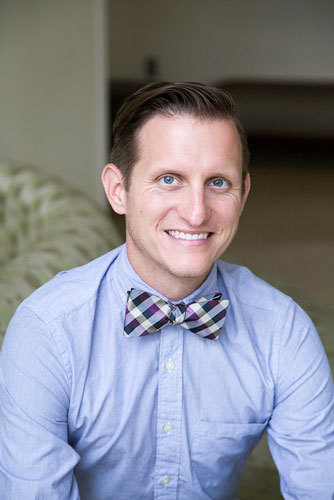
Brian Hanley is a Reader in Sport and Exercise Biomechanics at Leeds Beckett University , affiliated with the Carnegie School of Sport and Centre for Sports Performance . He lectures on biomechanics of health, sports injury, and human gait. Education: Applied Physiology, Carlow Institute of Technology First-class Honours in Sport and Exercise Science, Leeds Metropolitan University PhD, Leeds Beckett University (Biomechanical Analysis of Elite Race Walking) First-class Honours in Psychology, Open University Brian's research focuses on track and field athletics , with emphasis on biomechanics of technique, pacing strategies, athlete development, sports technology, and training methods. He specializes in distance running and race walking , particularly analyzing real-world data from elite competitions. His recent publications explore diverse topics including gait parameter validity, footstrike patterns, pacing optimization in 400m/1500m events, kinematic differences in 10,000m runners, and the impact of super shoes on marathon performance. These studies highlight his expertise in translating lab-based findings to field applications. Brian serves as an external consultant for European Athletics on high-performance development programs and collaborates with elite athletes globally. His work bridges academic research with practical coaching applications, notably through the Centre for Human Performance at Leeds Beckett.
Ivaylo Lazarov is an Associate Professor at the Vasil Levski National Sports Academy within the Faculty of Pedagogy , Department of Athletics . He holds a PhD in anthropology of middle-distance runners and has been active in both academic and athletic roles since 2001. His work spans pedagogy, coaching, and research in athletics. Education: Bachelor's and Master's degrees from Vasil Levski National Sports Academy in 'Sport for High Achievements' Pedagogical Activity: Teaches courses on running techniques, training control, athletics in education, and kinesitherapy Research Focus: Functional diagnostics, sports training control, youth athletics, and conditioning methods Publications: Authored 36 scientific works including two monographs (2019) on sports training management and adolescent athlete challenges Coaching Achievements: Produced national champions and Balkan Championship prizewinners in sprint, hurdles, and jumping disciplines
Professor Teodora Mihaylova Davidova is a distinguished academic at the University of Veliko Tarnovo, where she serves in the Department of Theory and Methods of Physical Education within the Faculty of Education. With her academic credentials including 'Prof. Dr. Habil,' she has established herself as a leading expert in physical education and psycho-physical training. Her research interests span multiple areas of physical education, with particular focus on psycho-physical readiness for action in non-standard situations, military triathlon, adapted physical education for children with special needs, and the integration of tourism activities as training methods. Professor Davidova has developed comprehensive theoretical frameworks for understanding how physical and psychological preparedness interact in critical situations. Her scholarly output demonstrates consistent contribution to the field, with numerous publications examining the cognitive, volitional, and physical components of readiness. Her work on middle and long-distance running as a means to develop volitional structure, and her research on physical education for pregnant women and children with special educational needs highlight her diverse research portfolio. Professor Davidova has also contributed significantly to educational methodology, particularly in the teaching of athletics exercises in school settings and the optimization of distance learning for physical education disciplines. Her recent work addresses contemporary challenges in physical education, including digital learning environments and specialized training approaches. As an educator, she has developed comprehensive guides for psycho-physical preparation through game and tourism activities, and has extensively researched military triathlon in Bulgaria, documenting its history and development. Her work bridges theoretical understanding with practical applications across various physical education contexts.
Phil Hayes is an Assistant Professor in the Sport Exercise and Rehabilitation Department at Northumbria University, where he has been the longest serving member of the sport science staff since joining in 1991. He currently serves as admissions tutor and has previously held the position of Programme Leader for 14 years. Dr. Hayes is a BASES accredited Sport and Exercise Scientist and Chartered Scientist with extensive experience in sports physiology. PhD in Sports Science (awarded October 9, 2015) MSc in Sports Science (Education) (awarded August 31, 1989) Dr. Hayes' research focuses on enhancing sport performance, particularly in middle and long-distance running. His primary interests include the effect of fatigue on running gait (especially the role of muscle strength), aerobic interval training, quantifying training loads, and the relative age effect. His work combines laboratory-based research with practical applications in elite sports settings. Analysis of his recent publications (2020-2025) reveals a strong focus on running biomechanics, training methodology, and coaching practices. His research increasingly incorporates advanced statistical methods like multilevel functional regression models to analyze complex movement patterns. There's a clear trend toward interdisciplinary work combining physiology, biomechanics, and coaching science to optimize athletic performance. BASES accredited Sport and Exercise Scientist Chartered Scientist UK Athletics Level 4 middle-distance running coach BASES Accredited Physiologist Former accredited anthropometrist with ISAK Dr. Hayes supervises PhD students including Sherveen Riazati (researching fatigue effects on running gait) and Arran Parmar (investigating acute responses to aerobic interval training). He has provided sport science support for Premier League football teams, professional cricket teams, and international runners, including athletes involved in Dame Kelly Holmes' 'On Camp with Kelly' scheme. His applied work extends to coaching, where he serves as a UK Athletics Level 4 middle-distance running coach for a local athletics club, having coached multiple GB age-group teams. His research group focuses on Optimising Human Performance, with particular expertise in velocity, strength, fatigue, and muscle strength applications in sports contexts.
Laurent Chapelle is a Doctor-assistant in the Department of Movement and Sport Sciences at the Faculty of Physical Education and Physiotherapy, Vrije Universiteit Brussel (VUB). His research primarily focuses on sports asymmetry, particularly in tennis players, examining both morphological and functional aspects across upper and lower extremities. He also investigates hydration status in athletes and body composition analysis using various methods including bioelectrical impedance. Chapelle's research interests center around sports biomechanics and performance analysis, with particular emphasis on inter-limb asymmetry in tennis players. His work explores how asymmetries develop over time in youth athletes, their relationship with performance metrics, and implications for injury prevention. He employs longitudinal study designs to track changes in asymmetry patterns as athletes mature, contributing significantly to understanding sport-specific adaptations. His publication record shows a clear trend toward increasingly sophisticated analysis of asymmetry in sports contexts, with recent work focusing on longitudinal patterns in tennis players, relationships between asymmetry and performance, and methodological approaches to measuring body composition. The research spans both upper and lower extremity asymmetries across multiple sports, with tennis being the primary focus. Gaston Beunen VBSW price for young promising researchers (2021) Public Young Investigator Award PhD student (2023) Chapelle actively supervises master's students, with numerous theses completed under his guidance focusing on topics like upper extremity asymmetry in tennis players, validation of body composition measurement techniques, and functional asymmetry in various sports. His research is supported through collaborations with other prominent researchers including Joachim D'Hondt, Eva D'Hondt, and Peter Clarys. He has presented his findings at numerous conferences and workshops, and his work has been featured in media discussing hydration in athletes and sports performance. Chapelle maintains active research labs focused on sports biomechanics and performance analysis, with datasets specifically related to asymmetry in tennis players, hydration studies, and body composition analysis. His research team continues to expand longitudinal tracking of youth athletes through talent identification programs.
Joachim D'Hondt is a Researcher at the Vrije Universiteit Brussel (VUB) , affiliated with the Faculty of Physical Education and Physical Therapy and the Movement and Nutrition for Health and Performance department. His research focuses on inter-limb asymmetry , physical performance , and talent development in youth athletes, particularly tennis players. He has contributed to longitudinal studies analyzing biomechanical adaptations in youth sports and has presented findings at international conferences. His work often employs systematic reviews and comparative methodologies to assess body composition, fatigue protocols, and performance metrics. Scientific Awards: Gaston Beunen VBSW Price for Young Promising Researchers FWO Short Stay Travel Grants (2023, 2024) Public Young Investigator Award (2023)
Senior Lecturer Petar Peev is affiliated with the Vasil Levski National Sports Academy , where he works in the Faculty of Pedagogy under the Department of Athletics . His expertise spans sports training methodologies and motor quality development. Education: PhD in Athletics (2017) Master's degree (2011-2012) Bachelor's degree (2007-2011) Research Focus: Specializes in conditioning training methodology, speed endurance development in youth athletes, and training control systems for team sports. His work combines theoretical pedagogy with practical athletic coaching applications. Publications: Authored 23 scientific works, including two textbooks on motor quality assessment and training monitoring in adolescent football players. Coaching Activity: Serves as a Football Conditioning Coach for PFC Levski – Sofia since 2017, achieving a Bulgarian Football Cup Final and multiple league podium finishes. Technical Skills: Proficient in IBM SPSS v19, Microsoft Office, and B2-level English communication.
Martin Blok Stensvig serves as an Assistant Lecturer in the Department of Nutrition, Exercise and Sports at the University of Copenhagen, contributing to academic instruction and research in sports science. His institutional affiliation places him within Denmark's premier research environment for human movement and performance studies. His research concentrates on Sports Science and Exercise Physiology, with specialized focus on biomechanical and physiological determinants of running performance. Investigations into running economy among elite athletes form the core of his scholarly work, examining how metabolic efficiency, gait mechanics, and training adaptations influence competitive outcomes in middle- and long-distance events. This research bridges laboratory analysis with practical athletic applications. Stensvig's 2021 publication in Physiological Reports represents his primary scholarly contribution, analyzing multifactorial influences on running economy. The work demonstrates methodological rigor through biomechanical measurements and physiological testing, attracting significant academic attention with 72 Mendeley readers and Wikipedia citation. Research trends indicate strong emphasis on translational sports science with direct implications for athletic training protocols. No formal scientific awards were documented in available sources. Information regarding student supervision and research grants remains unavailable in the current institutional profile, though his collaborative publication suggests active engagement in departmental research networks.
Kazue Harada is an Assistant Professor of Japanese at Miami University's Department of German, Russian, Asian, and Middle Eastern Languages & Cultures (GRAMELAC). She specializes in modern Japanese literature, with a focus on women's science fiction and gender studies. Her research explores themes of posthumanism, reproductive futurism, and queer family models within speculative narratives. Dr. Harada earned her bachelor's degree from a women's university in Hiroshima, followed by a master's in Vancouver and a PhD at Washington University in St. Louis (2015). She teaches Japanese language and civilization courses, emphasizing communicative competence and cultural sensitivity. Her current projects include expanding her dissertation on Japanese women's science fiction into a book and mentoring students in interdisciplinary research. Research Interests: Gender representation in speculative fiction Posthuman bodies and kinship systems Ecocritical analyses of disaster narratives Queer family models in futurist literature Her work bridges literary analysis with sociopolitical critique, challenging traditional gender norms in science fiction genres. Teaching: Focuses on immersive language learning and culturally sensitive discussions in topics like manga, anime, and fan fiction. She incorporates student perspectives to contextualize Japanese culture through modern media. Personal: Enjoys long-distance running, marathon training, and mindfulness meditation via Miami University's wellness programs. These activities provide balance to her academic pursuits.
Sushant Ranadive is an Associate Professor in the Department of Kinesiology at the University of Maryland, affiliated with the School of Public Health and the Center on Aging. His research focuses on cardiovascular physiology, particularly studying mechanisms underlying hypertension disparities in postmenopausal women, racial differences, and the role of sex hormones in vascular health. He holds a Ph.D. in Kinesiology from the University of Illinois at Urbana-Champaign, an MS in Exercise Physiology from the University of Illinois at Chicago, and a BS in Occupational Therapy from Seth G.S. Medical College and KEM Hospital. Dr. Ranadive’s work examines how acute inflammation, hormonal fluctuations (e.g., estrogen), and exercise interventions impact vascular function, blood pressure regulation, and cardiac health across genders and ethnicities. His studies include investigations into firefighters’ cardiovascular responses during extreme exertion and the effects of oral contraceptives on vascular function in women. He has explored racial disparities in conditions like calcific aortic valve stenosis and the role of microRNAs in vascular inflammation. His research also addresses social determinants of health, such as in-group colorism’s effects on vascular function in Black emerging adults, and the interplay between sleep quality, inflammation, and arterial health in populations like those with multiple sclerosis. He has contributed to preclinical and clinical studies evaluating novel therapeutic strategies for cardiovascular diseases. Dr. Ranadive’s articles highlight trends in exercise-induced vascular adaptations, the role of nitric oxide in endothelial function, and the impact of fitness levels on mitigating inflammation-driven cardiovascular risks. His work frequently bridges basic science and clinical applications, aiming to inform preventive and therapeutic strategies for hypertension and related conditions.
Tim McKenzie is a Master Teacher and Teaching Professor in the UABTeach program at the University of Alabama at Birmingham. He holds an EdS in Teacher Leadership from the University of Montevallo and degrees in Elementary Education from UAB. His career includes middle school mathematics teaching, serving as a mathematics coach at Irondale Middle School, and roles on the Continuous Improvement Leadership Team and Jefferson County Math Curriculum Committee. He also contributed to the Greater Birmingham Math Partnership and taught at Helena Middle School while participating in the Shelby County Technology Academy. Roles: Mathematics Educator, Curriculum Developer, Teacher Mentor Key Affiliations: UABTeach, Continuous Improvement Leadership Team Research interests focus on improving mathematics education practices, teacher training, and curriculum innovation in K-12 settings. His awards reflect recognition for both teaching excellence and graduate academic achievement. Awards include the 2011 2nd Mile Teacher Award and the 2015 Outstanding Graduate Student Award from the University of Montevallo. He advises on educational initiatives and has contributed to local and regional mathematics education programs. Personal interests include long-distance running (completing an ultra-marathon) and outdoor activities like hiking and organic gardening.
Assistant Professor Ganka Ivanova is affiliated with the Faculty of Pedagogy, Department of Athletics. She specializes in athletics instruction for students at the university level and has trained state and student champions in middle and long-distance running, race walking, and cross-country running. Role: Assistant Professor Department: Athletics Key Contributions: Athletics coaching, sports pedagogy, and scientific publications in athletics training.
Prof. Edward Mleczko is a distinguished professor at the Academy of Physical Education in Krakow, where he serves as Vice-Rector for Science since 2008 and Deputy Director of the Institute of Sport since 2012. Previously, he was Head of the Department of Theory and Methodology of Athletics (1994-2012) and Vice-Dean for Part-time Studies (2005-2008). He also holds a professorship at Świętokrzyska University in Kielce since 1994 and has periodically taught at other institutions including the College of Business and Entrepreneurship in Ostrowiec Świętokrzyski, the State Higher Vocational School in Tarnów, and the Podhale State Higher Vocational School in Nowy Targ. His educational background includes: Graduated from Faculty of Polish Philology, Jagiellonian University (1971) Graduated from Faculty of Physical Education, Academy of Physical Education in Krakow (1980) Doctoral degree in Physical Education with distinction (1985) Habilitation (postdoctoral degree) in Physical Education Sciences (1992) Professor title in Physical Culture Sciences awarded by the President of Poland (2002) Prof. Mleczko's research focuses on the optimization of sports training systems, particularly in competitive sports with emphasis on recruitment and selection. His work extensively examines physical activity's role in health improvement across different life stages, physical fitness from a health perspective, and genetic/environmental factors influencing children's and adolescents' development. His approach integrates anthropomotorics - the study of human movement - with practical applications for athletic training and physical education. He has made significant contributions to understanding the relationship between environmental factors (including pollution) and physical development. His recent publications demonstrate a continued focus on the relationship between environmental factors and physical development, training methodology for young athletes, and the theoretical foundations of motor skills. The research spans multiple sports disciplines but maintains a consistent thread of examining how physical, genetic, and environmental factors interact to shape athletic performance and development. His work shows particular attention to longitudinal studies of youth development and the impact of urbanization on physical characteristics. Prof. Mleczko has received significant recognition for his work, most notably being awarded the title of professor by the President of the Republic of Poland in 2002 for his scientific achievements. He has also been an elected member of the Committee for Rehabilitation, Physical Culture and Social Integration of the Polish Academy of Sciences since 2004. As an educator, he has supervised four doctoral dissertations and over 200 master's and bachelor's theses. He has served as a reviewer for numerous academic degrees at Polish and international universities. His editorial work as Editor-in-Chief of "Antropomotoryka" and on the editorial boards of "Journal of Human Kinetics", "Human Movement" and "Wydawnictwo Naukowe AWF" in Krakow has helped shape the field's scholarly discourse. He has been a member of the International Association of Sport Kinetics (IASK) since 1989. His practical experience as a former competitive athlete (national team long-distance runner, six-time Polish champion, European Championships participant) and coach (KS Cracovia, AZS AWF in Kraków, Polish University Middle and Long-Distance Running Team) provides valuable real-world context for his academic work.
Dr. Waclaw Mirek is a Professor in the Department of Sport Sciences at the Faculty of Physical Education and Sport of the University School of Physical Education in Krakow. His academic career has focused on the theoretical and practical aspects of sports training, with particular expertise in endurance running and race walking. Dr. Mirek's research spans multiple domains of sports science, with his primary contributions in race walking biomechanics, training methodology, and physiological assessment. His work has significantly advanced understanding of optimal training structures for endurance events, particularly 50km race walking. He has conducted extensive research on the relationship between training loads and performance outcomes, analyzing both kinematic parameters and physiological markers like lactate threshold. His publication record shows a consistent focus on applied sports science, with recent work examining tactical approaches in major international competitions, biomechanical analysis of elite race walkers, and the influence of environmental factors on training effectiveness. Dr. Mirek's research bridges theoretical sports science with practical coaching applications, making his work valuable to both academics and practitioners in the field. Dr. Mirek has maintained a productive research collaboration network, frequently working with Edward Mleczko, Wiesław Chwała, and other colleagues at the University School of Physical Education in Krakow. His contributions to sports pedagogy through teaching methodologies for athletics have provided practical frameworks for coaches and physical education professionals.