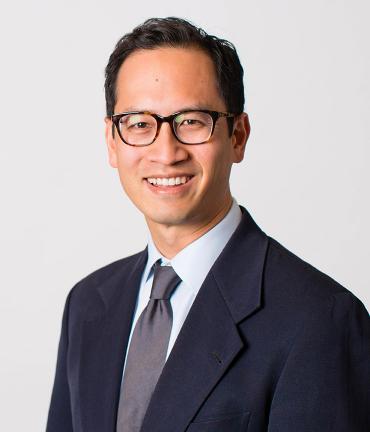
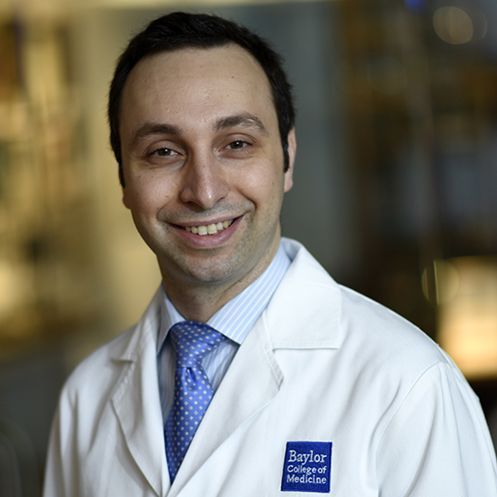
Michael W. Jenkins is a Professor of Biomedical Engineering at the Case Western Reserve University School of Medicine and a member of the Cancer Imaging Program at the Case Comprehensive Cancer Center. His research focuses on developing biomedical optics tools for studying congenital heart disease and peripheral nervous system disorders. Key techniques include optical coherence tomography (OCT), light-sheet microscopy, and infrared neuromodulation. The Jenkins Lab specializes in advancing 3D imaging modalities for real-time tissue analysis, aiming to reduce surgical delays and improve diagnostic accuracy. Research interests include rapid 3D tissue visualization to replace traditional frozen-section pathology, optical pacing of cardiac tissues, and corneal nerve imaging. His work bridges engineering and medicine, with applications in ophthalmology, cardiology, and neurology. Recent innovations include label-free microscopy techniques (e.g., MUSE imaging) and AI-driven segmentation tools for neural anatomy analysis. Publications highlight advancements in corneal crosslinking assessment, vagus nerve microanatomy characterization, and cardiac tissue imaging. The lab collaborates with industry to translate optical tools into clinical settings, emphasizing precision and real-time diagnostics. Teaching and mentorship are integral to his role, fostering interdisciplinary training in biomedical optics. Ongoing projects address unmet clinical needs in neural modulation therapies and regenerative medicine through optical platforms.
Brend Jonker is a researcher at Erasmus MC specializing in Oral and Maxillofacial Surgery. His work bridges clinical practice with biomedical research, focusing on improving outcomes for oral cancer patients and advancing prosthetic solutions for craniofacial reconstruction. Primary Affiliation: Erasmus MC, Oral and Maxillofacial Surgery Research Interests span oral cancer survivorship, radiation therapy optimization, and innovative biomaterial applications. His work includes: Evaluating long-term quality of life post-microvascular tongue reconstruction Comparing bone graft materials for maxillary sinus augmentation Developing predictive assays for oral mucosal radiation toxicity Creating 3D-printed temporomandibular joint prostheses with graded material properties Scientific Contributions include clinical trials and translational research in: Postoperative radiotherapy for high-risk oral cavity cancer Biomechanical modeling of joint replacements Retrospective cohort analyses of tumor control
Sevim Ayça Seyyar is an Assistant Professor at the Department of Ophthalmology, Faculty of Medicine, Gaziantep University . She specializes in vitreoretinal surgery, choroidal imaging, and diabetic eye complications. Education: Medical specialization, Gaziantep University (2014-2018); Medical degree, Kocaeli University (2007-2013) Research Interests: Diabetic retinopathy, macular hole surgery, OCT angiography, familial mediterranean fever ocular effects, and retinal vascular density assessment Her recent publications focus on vitamin D implications in meibomian gland dysfunction, choroidal vascularity in autoimmune disorders, and novel intraocular surgical techniques . She has pioneered methods reducing postoperative positioning requirements. Scientific Contributions : Co-authored book chapter: Current Approaches to Vitreoretinal Interface Diseases (2024) Published 46 national/international articles, including in Graefe's Archive and Retina journals Participated in 22 international/national research initiatives, including the RBS-AMD-III study She has taught 51 undergraduate courses at Gaziantep University, including systemic diseases and ocular manifestations , pediatric ophthalmology , and uveitis , while advising multiple postgraduate theses.
Emily Funk, MD is an Assistant Professor in the Department of Otolaryngology - Head and Neck Surgery at University of California San Diego School of Medicine, specializing in the Division of Head and Neck Oncology and Surgery. She is a fellowship-trained head and neck oncologic surgeon and microvascular reconstructive surgeon with expertise in advanced surgical techniques for head and neck cancers. Her educational background includes: Head and Neck Oncologic Surgery and Microvascular Reconstructive Surgery Fellowship, Thomas Jefferson University Hospital (2023-2024) Otolaryngology – Head and Neck Surgery Residency, University of California San Diego (2017-2023) MD, Penn State College of Medicine (2013-2017) Dr. Funk's research focuses on innovative technologies to improve surgical safety and efficacy while reducing invasiveness. She investigates robot-assisted surgical platforms for accessing hard-to-reach areas, quality of life outcomes following head and neck cancer treatment, cancer surveillance and survivorship, immunotherapy applications, and specialized management of p16+ squamous cell carcinoma. Her work demonstrates significant contributions to telesurgery, facial reanimation techniques, and minimally invasive approaches to head and neck oncology. Analysis of her recent publications (2021-2024) reveals a strong emphasis on surgical innovation, particularly in robotic and telesurgery applications. Her work spans from technical developments in surgical robotics and blood segmentation to clinical outcomes research in oropharyngeal cancer and specialized surgical techniques for parotid tumors and facial nerve management. The interdisciplinary nature of her research bridges engineering, computer science, and clinical medicine to advance head and neck surgical care. Professional affiliations include: American Academy of Otolaryngology – Head and Neck Surgery American Head and Neck Society Her scholarly work contributes to advancements in surgical technology and cancer care, with research spanning surgical robotics, cancer outcomes, and reconstructive techniques. While specific grant information isn't detailed in the available text, her publication record demonstrates active research in surgical innovation and head and neck oncology. Dr. Funk's work intersects with multiple UN Sustainable Development Goals through her contributions to advancing healthcare technologies and improving cancer treatment outcomes.
Richard B. Cannon, MD is an Assistant Professor of Otolaryngology – Head & Neck Surgery at the University of Utah and a surgeon at Huntsman Cancer Hospital. He specializes in head and neck surgical oncology, microvascular reconstruction, and advanced robotic surgery. His clinical expertise includes treating tumors in the mouth, throat, thyroid, and salivary glands, with a focus on functional recovery and quality of life. Education: Bachelor's degree from Pomona College (Phi Beta Kappa) Medical School: University of Texas Health Science Center at San Antonio (Alpha Omega Alpha) Residency: University of Utah (Chief Resident) Fellowship: University of Washington in Seattle Research Interests: Clinical outcomes research using national databases, head and neck tumor treatment, and surgical rehabilitation. He has authored studies and presented nationally on improving patient outcomes in head and neck cancer care. Committees and Roles: National committees: AAO-HNS Head and Neck Surgery/Oncology and AHNS Publications Medical Director of Huntsman Cancer Hospital’s inpatient surgical floor University of Utah Robotic Surgery committee Awards & Recognition: Consistently high patient ratings (4.9/5 average), with frequent praise for empathy, thoroughness, and clear communication.
The University of Texas MD Anderson Cancer CenterUnited States
Dr. Gregory P. Reece is a Professor in the Department of Plastic Surgery at The University of Texas MD Anderson Cancer Center. He specializes in plastic and reconstructive surgery with a focus on oncologic applications. His expertise includes microvascular reconstructive surgery, having completed advanced training at MD Anderson. Dr. Reece holds the FACS distinction and has authored over 130 peer-reviewed articles and 16 book chapters. His research emphasizes correlations between aesthetic outcomes and patient-reported experiences in breast and head/neck cancer surgeries, alongside studying angiogenesis in tissue-engineered constructs. Training: General Surgery (University Hospital of Northeast Florida), Plastic Surgery (UT Health Science Center Houston), Microvascular Fellowship (MD Anderson) Professional Contributions: National/international lecturer on plastic surgery topics, active participant in clinical trials Awards: FACS designation reflects surgical excellence His work integrates clinical practice with translational research to improve post-cancer reconstructive outcomes and surgical techniques.
University of California, San FranciscoUnited States
Mary Jue Xu, MD, is an Assistant Professor of Otolaryngology-Head and Neck Surgery at the University of California San Francisco (UCSF) and Zuckerberg San Francisco General Hospital. Her expertise spans head and neck oncology, endocrine surgery, transoral robotic surgery, and microvascular reconstruction. She focuses on improving access to cancer care in resource-constrained settings, particularly in sub-Saharan Africa. Education and Training: BS in Biology, Massachusetts Institute of Technology MD, Harvard-MIT Health Sciences and Technology Program Otolaryngology Residency, UCSF Head and Neck Oncology Fellowship, University of Pennsylvania Research Interests: Dr. Xu’s work emphasizes global health equity and strengthening healthcare systems. She co-founded the Global Otolaryngology-Head and Neck Surgery Initiative, addressing workforce gaps and care disparities internationally. Her research includes studying HPV-associated cancers in low-resource regions and optimizing cancer treatment adherence in Tanzania and Rwanda. Recent Publications: Her recent work addresses HPV vaccination policy recommendations, social determinants of cancer outcomes, and global otolaryngology workforce challenges. She has also published on surgical quality improvement in low-income countries and tracheostomy care practices. Grants and Collaborations: Collaborations include projects with Tanzanian and Rwandan healthcare institutions. She advocates for context-specific cancer guidelines and sustainable medical education programs in sub-Saharan Africa. Labs/Teams: Active in global health initiatives at UCSF, she leads research teams focused on translational oncology and healthcare equity, leveraging interdisciplinary networks to improve outcomes for head and neck cancer patients worldwide.
Oliver Wieben is a Professor in the Departments of Medical Physics and Radiology at the University of Wisconsin-Madison. He serves as Vice Chair for Research and Co-Director of the International Center for Accelerated Medical Imaging (2013-2019). B.S., Electrical Engineering, Leibniz Universität Hannover Dipl.-Ing., Electrical Engineering, Karlsruhe Institute of Technology Ph.D., Electrical Engineering, University of Wisconsin-Madison His research focuses on MRI methodology development , particularly in cardio/cerebrovascular imaging , 4D Flow MRI , and placental oxygenation assessment . He has pioneered techniques for real-time imaging , velocity-sensitive MRI , and motion correction schemes in MR imaging. His recent publications (2022-2025) demonstrate expertise in computational fluid dynamics , automated post-processing , and exercise MRI . Notable collaborations include work on Zika virus effects in placenta and 4D Flow applications in Alzheimer's research . Scientific Achievements: Distinguished Investigator Award (2022) Fellow of SCMR (2018) Lauterbur Award for Best MRI Presentation (2009) ISMRM Outstanding Teacher Awards (2014) Multiple patents in MRI reconstruction techniques He has led international workshops on 4D Flow MRI , served on peer review panels for the American Heart Association , and contributed to 4D Flow consensus guidelines . His work bridges technical MRI innovation with clinical translational research in cardiology, pulmonology, and maternal-fetal medicine.
Jānis Zariņš is an Acting Researcher at the Institute of Anatomy and Anthropology, Faculty of Medicine, University of Latvia. His work is centered on reconstructive and maxillofacial surgery, with a strong emphasis on improving surgical outcomes through advanced biomaterials and predictive biomarkers. Institution: University of Latvia School: Faculty of Medicine Department: Institute of Anatomy and Anthropology Role: Acting Researcher His research interests span reconstructive surgery, microvascular flap techniques, biomaterials such as hydroxylapatite and tricalcium phosphate, and the use of systemic biomarkers like fibrinogen-to-albumin ratio and von Willebrand factor antigen to predict surgical complications. He investigates tissue responses to experimental implants in osteoporotic models and contributes to innovations in digital surgical planning for mandibular and maxillary reconstruction. The analysis of his recent publications reveals a consistent focus on clinical and translational research in reconstructive surgery. Key trends include the development of predictive models for flap failure, integration of digital technologies in surgical planning, and evaluation of biocompatible materials for bone regeneration. His work bridges experimental models with real-world surgical applications, contributing significantly to evidence-based practices in head and neck and reconstructive surgery. Scientific contributions include multiple peer-reviewed articles, case reports, and conference presentations. Notable topics include: Prediction of microvascular flap complications using hematological markers Digital and virtual surgical planning with patient-specific guides Biomaterial performance in bone reconstruction Rare tumor case studies in head and neck regions Perioperative care challenges in microvascular surgery Dr. Zariņš actively collaborates with a multidisciplinary team including surgeons, anesthesiologists, and pathologists. He has co-authored numerous studies and presented findings at academic conferences, demonstrating engagement in the research community. Although no formal grants or student supervision are documented, his publication record and ongoing research output indicate active participation in advancing surgical science and clinical practice. He is involved in research teams focusing on: Digital surgical planning and implementation Microvascular flap outcome prediction Experimental bone regeneration models Clinical case analysis in oncologic and reconstructive surgery
S. Naweed Raza, M.D., FRCS(C) is an Associate Professor in the Department of Otolaryngology-Head and Neck Surgery at Wayne State University School of Medicine. He serves as Program Director for the Head and Neck Oncology Fellowship, Director of Microvascular Reconstructive Surgery, and Residency Site Director at Karmanos Cancer Institute. Education : Double major in Economics and Biology (2001) at University of Toronto; M.D. (2004) from McMaster University; Residency in Otolaryngology at University of Manitoba (2004–2008); Fellowship in Medical Ethics (2007–2008) and Head & Neck Oncologic Surgery (2010–2012) at University of Michigan. Dr. Raza specializes in head and neck oncology and microvascular reconstructive surgery , focusing on cutaneous/salivary gland malignancies, skull base tumors, and advanced craniofacial reconstruction. His research emphasizes oncologic outcomes , economic evaluations , and surgical ethics , with recent publications addressing HPV-associated oropharyngeal cancer, global health disparities, and cost-effectiveness of surgical techniques. Publications highlight interdisciplinary work in head and neck oncology , medical ethics , and economic analysis , with systematic reviews and population-based studies reflecting his commitment to evidence-based practice and global health trends. Dr. Raza is fluent in French , Urdu , and Hindi , and currently pursuing a Master of Public Health at the University of Michigan.
Dr. Aiden Eliot Shearer serves as an Assistant Professor of Otolaryngology Head and Neck Surgery at Harvard Medical School and holds an Associate position in the Department of Otolaryngology and Communication Enhancement at Boston Children's Hospital. He specializes in pediatric ear disorders with particular expertise in hearing loss management, cochlear implantation, and bone-anchored hearing systems. His clinical practice is deeply integrated with his research on the molecular genetics of hearing disorders, creating a unique bridge between bench science and patient care. Undergraduate: Ohio University Honors Tutorial College (2007) Graduate School: University of Iowa College of Medicine (2014) Medical School: University of Iowa College of Medicine (2014) Internship: University of Iowa Hospitals & Clinics (2015) Residency: University of Iowa Hospitals & Clinics (2019) Fellowship: Boston Children's Hospital (2020) Dr. Shearer's research program focuses on translating discoveries from molecular genetics of the human auditory system into improved clinical outcomes for children with hearing loss. His laboratory investigates the genetics of hearing loss and develops novel genetic testing platforms for diagnosis. He has particular interest in examining the relationship between genetic diagnosis and cochlear implant outcomes, with focus on spiral ganglion health. His work spans both wet-bench molecular biology and bioinformatics approaches to address complex questions in genetic hearing loss. Analysis of Dr. Shearer's recent publications reveals a consistent theme at the intersection of genetics and hearing disorders. His work spans from fundamental research on deafness-associated genes to practical clinical applications for improving newborn hearing screening and optimizing cochlear implant outcomes. Many publications focus on developing and implementing comprehensive genetic testing methodologies, establishing him as a leader in translating genomic discoveries into clinical practice for hearing loss diagnosis and management. Dr. Shearer is internationally recognized for his work in developing new genetic testing platforms for hearing loss diagnosis. While specific awards aren't detailed in the provided materials, his extensive publication record in high-impact journals reflects significant contributions to the field of pediatric otolaryngology and hearing genetics. As a physician-scientist, Dr. Shearer maintains a dual commitment to clinical care and research. His clinical work focuses on pediatric ear disorders including cholesteatoma, cochlear implants, ear tubes, and various forms of hearing loss. He serves as a member of the Cochlear Implant Program at Boston Children's Hospital. His research program examines ways to improve newborn hearing screening using new technologies and enhance outcomes for children with cochlear implants, with particular interest in how genetic factors influence surgical outcomes. Dr. Shearer leads a research laboratory studying the molecular genetics of the human auditory system. His team employs both wet-bench molecular biology techniques and computational approaches to investigate genetic hearing loss. His research program includes short-term goals of improving cochlear implant outcomes through genetic analysis and identifying novel deafness genes, with long-term aims of optimizing newborn hearing screening and translating basic science discoveries into clinical trials for hearing loss treatments.
Junxi Wu is a Senior Lecturer in Biomedical Engineering at the University of Strathclyde, UK. Their research focuses on multi-disciplinary approaches to developing bio-artificial blood vessels, vascularized organs, and applications in regenerative medicine such as vascular reconstruction surgery, organ regeneration, and drug screening platforms. Their work spans both broad disciplines and specialized subfields: Disciplines: Biomedical Engineering, Tissue Engineering, Regenerative Medicine, Vascular Biology, Drug Discovery, Molecular Biology Subfields: 3D Bioprinting, Microvasculature Development, Atherosclerosis Mechanisms, Multi-Omics Analysis, Cellular Modeling, Biomimetic Systems Recent research outputs include a 2025 article on DNA-based biolubricants for microvascular networks ( Angewandte Chemie International Edition ) and a 2025 study in Vascular Pharmacology investigating atherosclerosis using omics technologies. These works reflect a trend toward combining advanced bioprinting with molecular disease modeling. Scientific Awards Best Oral presentation prize (2024) for 3D perfused microvascular network research Honorary Fellow, University of Edinburgh (2020) Junxi Wu is actively accepting PhD students and has secured funding through the Royal Society's International Exchanges 2024 program for vascularized cancer model development. Their laboratory maintains key equipment including a Beadbug Microtube Homogenizer and Freeze Dryer to support tissue engineering workflows.
University of California, San FranciscoUnited States
Edward Chang serves as Chair of the Department of Neurological Surgery at the University of California, San Francisco (UCSF), where he is a Professor specializing in surgical therapies for epilepsy, brain tumors, and trigeminal neuralgia. His expertise centers on advanced neurophysiologic brain mapping to preserve speech and motor function during neurosurgical procedures, significantly impacting clinical outcomes for patients with complex neurological conditions. His educational foundation includes: BA in Amherst College (1997) MD from UCSF (2004) Neurosurgery Residency at UCSF (2004-2010) Fellowship in Cognitive Neurophysiology at UC Berkeley's Helen Wills Neuroscience Institute (2008-2009) Chang's research pioneers the intersection of neurosurgery and neural engineering, with primary focus on speech neuroprosthetics, brain tumor heterogeneity, and intracranial biomarker development. His team employs electrophysiological mapping, machine learning, and neurostimulation to decode neural activity for communication restoration in paralyzed patients and optimize surgical approaches for epilepsy and gliomas. This work bridges fundamental neuroscience with transformative clinical applications. Analysis of his 2025 publications reveals dominant themes in speech decoding neuroprosthetics (including multilingual systems and avatar control), glioma molecular evolution, and closed-loop deep brain stimulation for depression/OCD. These studies leverage high-density intracranial recordings to identify personalized neural biomarkers, demonstrating a clear trajectory toward individualized neuromodulation therapies and real-time brain-computer interfaces. His scientific recognition includes: Member of the National Academy of Medicine (2020) Blavatnik National Award Laureate in Life Sciences (2015) Bowes Biomedical Investigator (2018) NIH New Director's Innovation Award (2011-2016) New York Stem Cell Foundation Robertson Investigator (2015-2020) Klingenstein Fellowship Award (2011) Pathway to Independence Award (2009-2013) Alpha Omega Alpha (2003) UCSF Dean's Prize for Research (2004) Young Investigator Award from Grass Foundation-American Epilepsy Society (2011) Chang directs substantial NIH-funded research programs including the BRAIN Initiative opportunities, with grants spanning neural decoding (DP2), stem cell applications, and depression biomarker development. While specific advisees aren't listed in source materials, he mentors surgical residents and fellows within UCSF's neurological surgery program. His clinical team at UCSF specializes in comprehensive brain tumor care and epilepsy surgery, integrating cutting-edge research with patient treatment protocols. The Chang Lab operates at the forefront of translational neuroscience, maintaining active projects in speech neuroprosthetics (including the high-performance system published in Nature 2024), closed-loop DBS for psychiatric disorders, and molecular profiling of glioma progression. Current initiatives focus on scaling brain-computer interfaces for clinical deployment and developing personalized stimulation targets using stereoencephalography data.
University of North Carolina at Chapel HillUnited States
C. Alessandra Colaianni is an Assistant Professor at the UNC School of Medicine's Department of Otolaryngology-Head and Neck Surgery since 2024. She specializes in thyroid/parathyroid surgery, head and neck oncology, and microvascular reconstruction, following training at Massachusetts Eye and Ear (2015-2020) and a fellowship at Vanderbilt (2020-2021). Her academic background includes an MD from Johns Hopkins University and an MPhil in History and Philosophy of Science from University of Cambridge. Her research focuses on innovative surgical techniques for parotidectomy and parathyroidectomy medical imaging technologies in endocrine surgery medical humanities applications to clinical practice ethics in surgical decision-making Recent publications emphasize aesthetic surgical approaches, patient communication frameworks, and emerging imaging modalities. Publications demonstrate interdisciplinary engagement across otolaryngology surgical oncology medical ethics health technology clinical education global surgery domains.
Sebastian Winocour, M.D., M.B.A., FACS is a board-certified Professor of Surgery and Associate Chief of the Division of Plastic Surgery at Baylor College of Medicine . He holds leadership roles as Section Chief of Plastic Surgery at Baylor St. Luke's Medical Center and Medical Director of Plastic Surgery at Baylor Medicine . His clinical expertise spans breast reconstruction , aesthetic surgery , and spine reconstruction , with over 115 peer-reviewed publications and editorial roles in journals like Seminars in Plastic Surgery . Fellowship-trained in microvascular reconstructive surgery Co-editor of the first textbook on Spino-Plastic Reconstruction Active in advancing breast reconstruction techniques His research emphasizes innovative surgical approaches, including robotic-assisted techniques and telemedicine applications. Dr. Winocour also contributes to understanding aesthetic outcomes and implant-based reconstruction complications. Notable awards include: Castle Connolly Top Doctor (2024) Early Career Faculty Award for Excellence in Patient Care Multiple clinical podium presentation prizes He completed dual residencies in general and plastic surgery, followed by a microsurgery fellowship at MD Anderson Cancer Center.