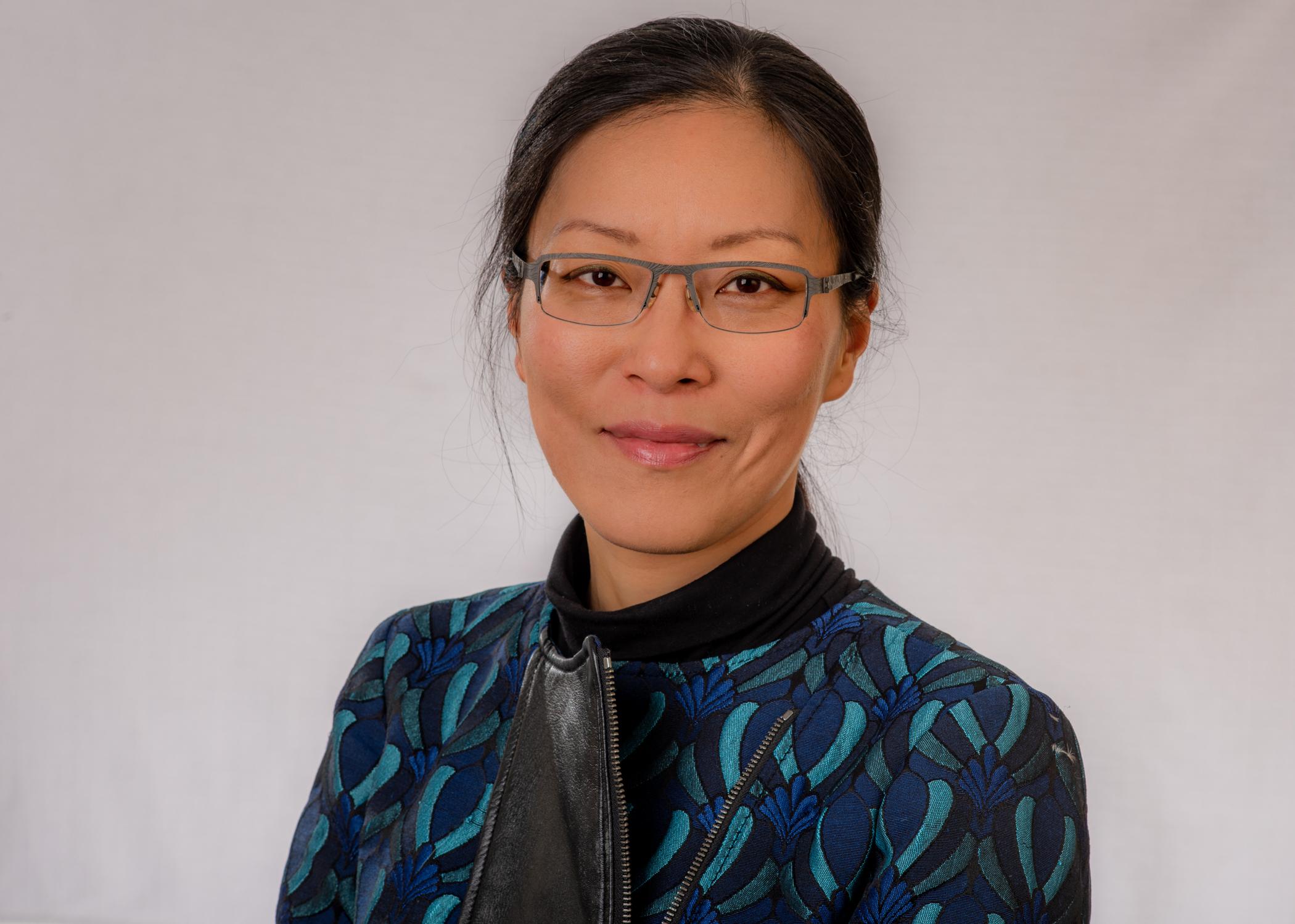
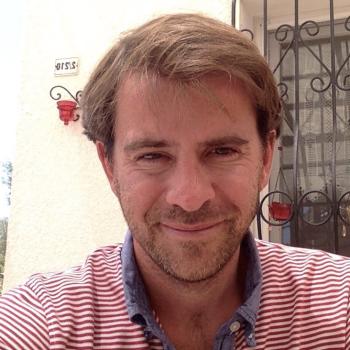
Ross Crawford is a Professor of Orthopaedic Research at Queensland University of Technology and a Visiting Medical Officer at Prince Charles Hospital and Holy Spirit Northside. His work focuses on orthopaedic research , particularly in osteoarthritis , bone regeneration , and clinical orthopaedics . He has secured significant grants from organizations like Stryker , ARC , and NHMRC . Rhodes Scholarship Stryker Fellowship Research Trends : His recent publications highlight advancements in hypoxia-mimicking scaffolds , stem cell therapies , and biomechanical innovations for joint repair. Collaborations span biomedical engineering , clinical sciences , and materials research . Scientific Awards : Neville Davis Prize (Finalist) - 1995 Society of St. Andrews Travelling Scholarship - 1995 Allan Frederick Dwyer Prize - 1994 Supervision : He supervises research on topics like robotic bone tracking and antimicrobial biomaterials . His lab collaborates with institutions globally, including Oxford University and Prince Charles Hospital .
Blanche C Ip is an Adjunct Assistant Professor at Brown University's Department of Molecular Pharmacology, Physiology and Biotechnology, with affiliations in Pathology and Laboratory Medicine. She specializes in tissue engineering, organoid development, and translational research linking metabolism to disease. PhD in Biochemical and Molecular Nutrition from Tufts University (2014) Postdoctoral training at Brown University under Prof. Jeffrey R. Morgan Her research focuses on: Building in vitro human organoid platforms to model disease and drug responses Engineering centimeter-scale transplantable tissues with physiological viability Developing biomaterials for tissue repair and drug testing Article trends highlight expertise in 3D microtissues, diabetes immunology, hepatic disease modeling, and high-throughput screening technologies. Key journals include Cell Metabolism , Biofabrication , and Cancer Prevention Research . USDA-HNRC Graduate Research Fellowship NIH NRSA Predoctoral and Postdoctoral Training Grants Gordon Research Conference Poster Award Experimental Biology Poster Awards International Carotenoids Society Oral Presentation Award She has collaborated with bioengineering students on tissue-fabrication innovations and co-invented two technologies for Brown University's technology transfer office. Her work bridges immunology, lipid metabolism, and biofabrication. Blanche has contributed to multi-compartment toxicity testing devices and advanced tools for building perfusable organ-like tissues. Her lab's inventions include the semi-automated biofabrication machine and the fluid-driven Bio-Gripper micro-manipulator.
Mina Kazemzadeh Dastjerd is an active researcher in the Department of Basic Medical Sciences at Vrije Universiteit Brussel's Faculty of Medicine and Pharmacy, specializing in liver cell biology and stem cell-based disease modeling. Her work focuses on developing advanced in vitro models for liver fibrosis and NAFLD using induced pluripotent stem cell technology. Her primary research interests center on liver fibrosis mechanisms , hepatic stellate cell biology , and iPSC-derived organoid systems for modeling chronic liver diseases. She employs cutting-edge techniques in 3D cell culture and co-culture spheroid systems to investigate disease pathogenesis and potential therapeutic interventions, with particular emphasis on retinoid signaling pathways and G-protein coupled receptors in fibrotic processes. Analysis of her recent publications reveals a strong trend toward improved disease modeling fidelity through integration of multiple cell types in 3D organoid systems, with increasing focus on molecular mechanisms of fibrosis progression and NAFLD pathogenesis. Her work bridges fundamental cell biology with translational applications for liver disease therapeutics. Scientific recognition includes: Best poster award at 7th annual BeSSCR meeting (May 2022) Best video award at IC3Rs symposium 2022 (September 2022) Her research is supported by fundamental projects including the FWOSB98 grant (2020-2024) for developing human iPSC-derived 3D liver NAFLD culture models. She actively contributes to the LIVR lab's mission of implementing the 3R principle (Replacement, Reduction, Refinement) in liver disease research through advanced in vitro models. Her collaborative work spans multiple institutions, with significant contributions to datasets on liver fibrosis modeling published in Zenodo. Her laboratory work focuses on developing human-relevant liver models that reduce animal testing while improving pathological accuracy, particularly through co-culture spheroid systems and organoid technology that recapitulate key features of liver fibrosis and NAFLD progression.
Jan Skotheim is a Professor of Biology at Stanford University and holds a courtesy appointment in Chemical and Systems Biology. He is a member of Bio-X and the Stanford Cancer Institute. His research focuses on understanding how cell growth determines the timing of cell division, with implications for fundamental cell biology and cancer therapy. PhD, Applied Mathematics, University of Cambridge (2004) CASM Pt III, Applied Mathematics, University of Cambridge (2001) BS, Mathematics, MIT (1999) BS, Physics, MIT (1999) His interdisciplinary research combines mathematical modeling, quantitative imaging, and molecular genetics to study: Mechanisms of cell size control through protein dilution Conservation of growth-division coupling across eukaryotes Cell size-dependent proteome remodeling Transcriptional scaling with cell size Novel cancer therapy targets like UBR5 His recent publications reveal conserved principles of genome concentration effects on transcription in bacteria and eukaryotes, phosphorylation dynamics controlling cell cycle entry, and diffusion biophysics in fission yeast. These studies span molecular systems biology, cancer biology, and developmental contexts. Scientific honors include: NIH Postdoctoral Fellowship Burroughs Wellcome Fund Career Award NSF CAREER Award HHMI/Gates/Simons Foundation Faculty Scholar He advises doctoral students and postdoctoral researchers while leading graduate programs in Biology, Biophysics, and Chemical and Systems Biology. His lab collaborates with the Chan Zuckerberg Biohub Cell Atlas Project to integrate cell size data into single-cell sequencing workflows.
Wesley Legant is an Assistant Professor in the Department of Pharmacology at the University of North Carolina-Chapel Hill School of Medicine. His research focuses on developing advanced imaging tools and microfabricated platforms to study cellular and tissue-level mechanics, particularly in 3D environments. Key areas include super-resolution microscopy, cell migration mechanisms, and engineered microtissues for studying mechanobiology. Legant holds appointments in both Pharmacology and the joint Biomedical Engineering department with NC State. Education: PhD in Bioengineering (University of Pennsylvania, 2012) and BS in Biomedical Engineering (Washington University in St. Louis, 2005). Awards include the NIH Director’s New Innovator Award (2019), Packard Fellowship, and Beckman Young Investigator recognition. Research interests span three core areas: 1) novel microscopy techniques like adaptive optics and lattice light-sheet imaging for live-cell observation, 2) mechanistic studies of cell migration in complex matrices using traction force microscopy, and 3) microfabricated platforms to investigate tissue-matrix interactions. His lab collaborates across disciplines to address fundamental biology questions with engineering innovations. Awards: Packard Fellow (2019), NIH Innovator Award (2019), Beckman Investigator (2019), Searle Scholar (2019) Labs: Jointly affiliated with Pharmacology and Biomedical Engineering departments; develops custom imaging instrumentation Grants: NIH funding supporting multi-scale microscopy and mechanobiology projects
Dr. Amir Miri Ramsheh is an Assistant Professor in the Department of Bio-Medical Engineering at New Jersey Institute of Technology. His research program focuses on advanced bioprinting technologies and tissue engineering approaches, with particular emphasis on developing microphysiological systems for disease modeling and drug screening. Research Focus: Dr. Ramsheh's laboratory specializes in: Development of 4D-printable smart biomaterials Microfluidic platforms for high-throughput screening Acoustofluidic manipulation of cellular microenvironments Multi-material bioprinting for complex tissue constructs In situ bioprinting for regenerative applications Research Trends: His recent publications demonstrate a strong trajectory in translational bioprinting, with consistent focus on tumor microenvironment modeling, advanced hydrogel systems, and integrated microfluidic-bioprinting platforms. Recent articles show increased emphasis on clinical translation of handheld bioprinting devices and cancer metastasis studies. Research Funding: PI: Collaborative Research: Mimicking Stress-Mediated Invasive Solid Tumor Using Bioprinted Microtissue and Acoustofluidics (NSF, 2023-2026) PI: I-Corps: Customizable handheld bioprinter (NSF, 2021) PI: I-Corps: Image processing programs for education (NSF, 2020-2021)
Jungwook (Jay) Paek is an Assistant Professor in the Department of Electrical and Computer Engineering at Binghamton University (SUNY). His research focuses on developing microphysiological systems using organ-on-a-chip and organoid technologies to study human respiratory and vascular diseases. He holds a PhD in Electrical Engineering from Iowa State University and completed postdoctoral training at the University of Pennsylvania's Department of Bioengineering. Education: PhD in Electrical Engineering, Iowa State University Postdoctoral Research, Department of Bioengineering, University of Pennsylvania Research Interests: Organ-on-a-chip systems for neurodegenerative and lung diseases Microengineered organoids and bioMEMS devices Soft robotics for tissue modeling Biomechanical signaling in human health Awards: NIH R21 Award (2024) for Parkinson's Disease research Binghamton University Transdisciplinary Seed Grant (2023) for lung fibrosis studies Advising & Grants: Advises students including Anika Alim, Yoongyeong Baek, and Myungwoon Lee Lead researcher on NIH-funded neurodegenerative disease projects His JPaek Lab develops unconventional organoid systems and integrates microengineered devices to study vascular and neural pathologies, with recent breakthroughs in 3D neurovascular models and biomechanical lung disease simulations.
Dr. Zhen Ma is an Associate Professor and Samuel and Carol Nappi Research Scholar in the Department of Biomedical and Chemical Engineering at Syracuse University. As Graduate Program Director, they oversee academic and research programs. Their work focuses on stem cell engineering, cardiac tissue regeneration, and 3D organoid technologies for studying heart diseases and drug development. Education: Ph.D., Clemson University M.S. & B.S., Tianjin University Postdoctoral Training, University of California, Berkeley Research Interests: Dr. Ma develops multi-scale cardiac models combining stem cell biology, micro/nanotechnology, and cardiovascular research. Key areas include hiPSC-based disease modeling, cardiac organoid engineering for toxicity testing, and mechanistic studies of heart development. Their work bridges fundamental science and translational medicine, aiming to improve diagnostics and therapies for heart diseases. Publications: Recent works focus on drug toxicity prediction using machine learning, nano-topography effects on cardiomyocytes, and spatially organized cardiac organoids for developmental toxicity testing. These studies highlight advancements in in vitro models for personalized medicine. Awards: Rising Stars Award (BMES) NSF CAREER Award Lush Prize Young Researcher (Americas) Advising & Grants: Dr. Ma leads research teams in stem cell engineering and cardiac tissue modeling. Their NSF CAREER Award supports interdisciplinary research at the interface of engineering and biology. Collaborations focus on translational applications of organoid technologies.
Dr. Karsten Schrobback is a Research Fellow in the Cancer & Aging Research Program at the Translational Research Institute (TRI), Brisbane, and a Lecturer and Course Coordinator at Queensland University of Technology (QUT)'s School of Biomedical Sciences (Faculty of Health). He holds a PhD in cartilage tissue engineering (QUT, 2010) and postdoctoral experience at the University of Otago and QUT. His expertise spans cartilage and bone biology, stem cell applications in orthopedics, and DNA repair mechanisms in aging. He coordinates courses like Cellular Engineering and Biomolecular Research Skills, and lectures in Chemistry for Health Sciences. Research focuses on musculoskeletal tissue engineering, preclinical models, and the role of DNA repair in stem cell aging. Key areas include hydrogel development for cartilage regeneration, mechanotransduction, and regenerative medicine. He advises PhD candidates on hydrogel-based projects and collaborates on interdisciplinary studies, including a fishery management analysis using DEA. Over 20 peer-reviewed publications demonstrate contributions to tissue engineering, biomaterials, and molecular mechanisms in musculoskeletal health. His work bridges clinical translation and fundamental science, addressing challenges in cartilage repair and aging-related cellular decline. Current projects explore injectable hydrogels, frictional properties of engineered cartilage, and iron overload effects in joint tissues.
Dr. Wendy Francis is a Lecturer in Genetics, Biochemistry, and Applied Medical Sciences at Swansea University, affiliated with the Faculty of Medicine, Health, and Life Sciences. She specializes in stem cell applications in regenerative medicine and pedagogical advancements to enhance learner experiences. Her roles include leading Engagement and Partnership initiatives for BSc and postgraduate programs in Applied Medical Sciences, Medical Genetics, and Biochemistry. Francis holds a BSc in Biomedical Sciences and a PhD in Stem Cell Biology from Cardiff University. Her research integrates regenerative medicine with educational innovation, focusing on tissue repair mechanisms and improving teaching methodologies. She coordinates modules such as 'Tissue Engineering and Regenerative Medicine' and 'Introduction to Human Genetics and Genomics.' Notable publications explore nanoparticle toxicity, stem cell differentiation, and trauma-induced cellular changes. Francis is a Fellow of the Higher Education Academy and actively contributes to academic mentorship. Francis’s work bridges clinical and educational domains, emphasizing interdisciplinary collaboration. She has supervised research projects, including one on collagen reorientation in cartilage maturation models. Her contributions span stem cell biology, molecular mechanisms of disease, and translational research in regenerative therapies.
Dr. Gill Conway is a Senior Research Officer and laboratory manager in the In Vitro Toxicology Group at Swansea University Medical School. She holds a BSc in Biomolecular Science and a PhD in molecular biology and cancer therapeutics from Technological University Dublin. Her research focuses on developing predictive in vitro models for nanomaterial hazard assessment and exploring natural compounds for brain cancer treatment. She collaborates with Prof. Shareen Doak’s group and has expertise in genetic toxicology, cellular models, and nutraceuticals. Dr. Conway teaches modules on nanotoxicology and laboratory techniques in medical sciences. Her work aims to reduce reliance on animal testing and advance cancer therapeutics. Education: BSc Biomolecular Science (TU Dublin), PhD Molecular Biology and Cancer Therapeutics (TU Dublin). Previous positions include work at the National Institute for Bioprocessing Research and Training (NIBRT), Ireland. Research Interests: 3D liver models, nanomaterial genotoxicity, glioblastoma treatment, natural bioactives, cold atmospheric plasma applications, and exercise-conditioned serum effects. She has contributed to over 20 peer-reviewed articles and book chapters since 2016. Teaching: Module leader for 'Nano(geno)toxicology' (PM-M28) and 'Laboratory Measurement Techniques for Medical Sciences' (PMLM22).
Dirk Strunk is a full Professor at the Institute for Experimental and Clinical Cell Therapy , Paracelsus Private Medical University, Salzburg. With over 526 publications and 16 projects, he leads cutting-edge research in regenerative medicine , extracellular vesicles , and gene editing . His work spans stem cell biology , immunomodulation , and biomedical engineering . Scientific awards include the Erwin Domanig Prize (2005, 2009) Magna Cum Laude Thesis (Charité University Berlin, 1989) Otto Kraupp Prize (2006) Sanofi Aventis Prize (2007) His research activities in extracellular vesicle analysis and regenerative therapies have produced significant contributions in myocardial infarction models , multiple sclerosis immunology , and skin disorder gene editing . Current projects like NEXGEN-PD (Parkinson's disease vaccine platform) and HEAL (iPSC-cardiomyocyte therapy) highlight his translational focus.
Dr. John Zimmerman is an incoming faculty member at the Meinig School of Biomedical Engineering at Cornell University, starting in summer 2025. His research lies at the interface of living and non-living systems, focusing on understanding the fundamental structure-function relationships in the human body through computational and tissue-engineered models. Education: B.A. in Chemistry, Whitman College (2011) Ph.D. in Chemistry, University of Chicago (2016) Postdoctoral Training in Cardiac Tissue Engineering, Harvard University (2025) Dr. Zimmerman’s research interests include biomechanics, mechanobiology, tissue engineering, biomaterials, drug delivery, nanomedicine, and molecular and cellular engineering . He applies these to critical areas such as cardiac development, heart function, cardiomyopathies, and nanoparticle-cell interactions. His work integrates computational modeling, machine learning, and experimental tissue engineering to recreate emergent tissue-scale phenomena. His recent publications reveal a strong trend in biohybrid systems, engineered heart tissues, disease modeling using iPSCs, and nanomaterial-tissue interactions . He frequently employs advanced fabrication techniques like rotary jet spinning and 3D bioprinting, combined with machine learning, to optimize biological designs and understand structure-function relationships. Scientific Awards and Honors: NIH NRSA T32 Fellowship: Boston Children’s Hospital Cardiology Training Program (2022–2023) NIH NRSA T32 Fellowship: Organ Design and Engineering Training (ODET) Program (2017–2019) Biomedical Consortium Scholar (2014–2016) Dr. Zimmerman has been involved in significant research grants and training programs, particularly through NIH-funded fellowships. While his formal advising history is not listed, his role as a new faculty member at Cornell implies future mentorship of graduate students and postdoctoral researchers. His research is highly collaborative, often involving teams at Harvard and Boston Children’s Hospital, particularly within the Disease Biophysics Group led by Kevin Kit Parker. His work has centered on developing innovative tissue-engineered models of the heart , including biohybrid swimmers, ventricular models, and disease-specific platforms for arrhythmogenic cardiomyopathy and Duchenne muscular dystrophy. These models integrate mechanical, electrical, and fluid-dynamic simulations with experimental validation, forming a robust platform for future work in regenerative medicine and personalized disease modeling.
Xu Cao is a Professor of Orthopaedic Surgery at the Johns Hopkins School of Medicine , where he also serves as the Lee Riley Professor and Director of the Center for Musculoskeletal Research . His work focuses on bone marrow mesenchymal stem cells (MSCs) in bone remodeling, osteoarthritis, and osteoporosis, with key discoveries in subchondral bone protein mechanisms in osteoarthritis progression. Education: Ph.D. in Chemistry and Biochemistry from the University of South Carolina (1988), B.S. from Xinjiang University (1978), and postdoctoral training in bone biology at Washington University (1996). His research investigates how MSC differentiation into osteoblasts is regulated by parathyroid hormone and TGFß1, aiming to translate these findings into therapeutic strategies for musculoskeletal disorders. He joined Johns Hopkins in 2009 after extensive contributions to stem cell biology. Publications span both clinical and computational domains, including bone remodeling mechanisms and chemomechanical models of cell-extracellular matrix interactions. His work highlights interdisciplinary approaches, bridging musculoskeletal biology with biomechanical and materials science.
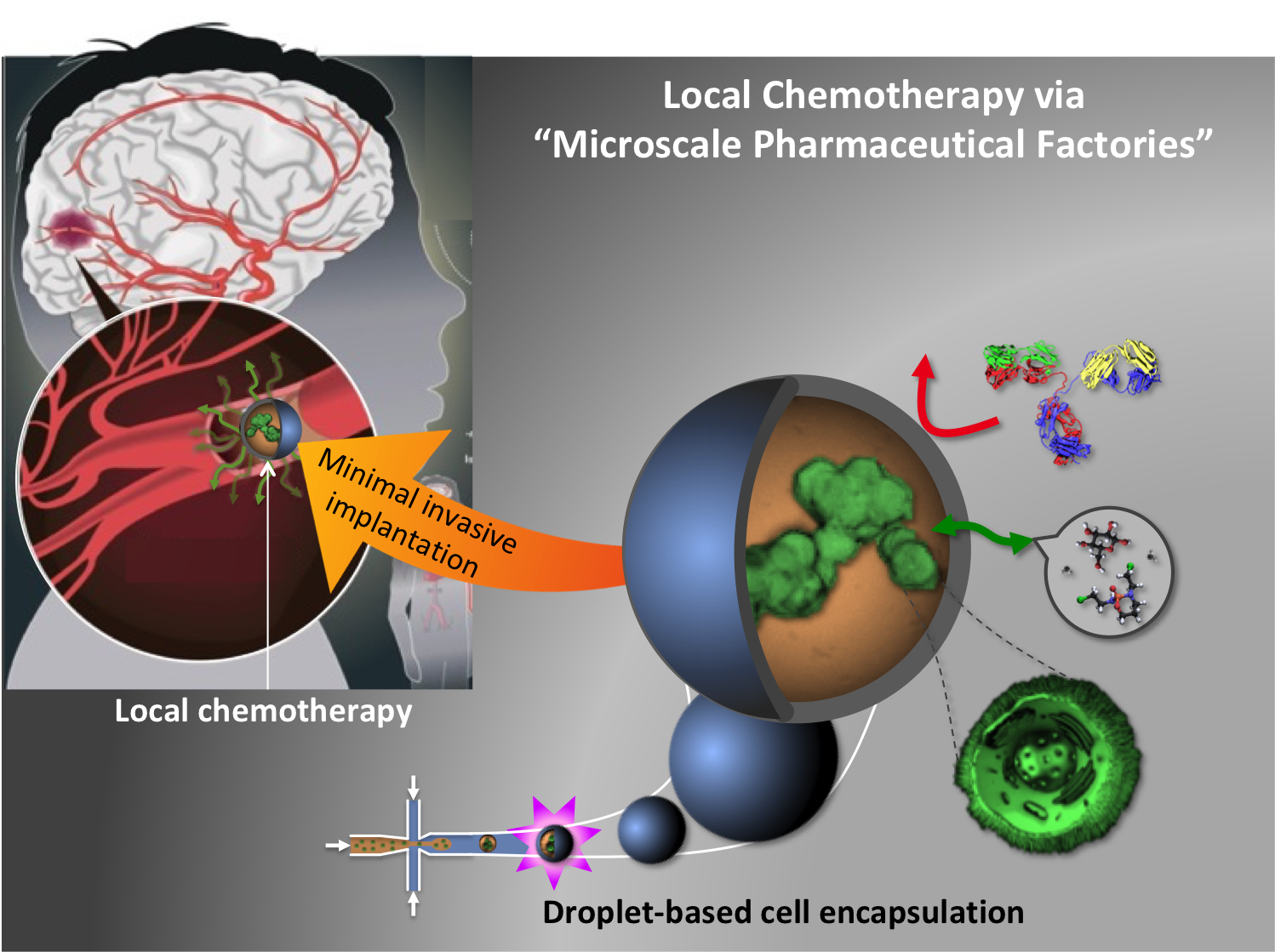
Wouter Metsola van der Wijngaart is a Professor in Micro and Nanosystems at KTH Royal Institute of Technology. His research focuses on microfluidic and lab-on-a-chip systems, micro/nanostructured soft matter, biosensors, and biomedical microdevices. He serves as Deputy Head of Department and actively engages in technology commercialization through spin-off companies. Education : M.Sc. in Electrotechnical Engineering (KU Leuven, 1996), Ph.D. in Microsystems (KTH, 2002) Leadership Roles : Deputy Head of Department, Conference Chair (IEEE MEMS 2015), Editorial Board Member (Journal of Micromechanics and Microengineering) Research Highlights His work spans microfluidics for sepsis diagnostics and urinary tract infection testing , programmable matter systems, and biomedical microdevices for pancreatic cancer screening and cell encapsulation . Key technologies include OSTE polymers , superhydrophobic surfaces , and nanophotonic biosensors . Commercialization Easypark - Mobile parking payments Mercene Labs - Off-stoichiometric thiol-ene polymers UTI-lizer - Point-of-care UTI diagnostics Lucky Loop Medical - EUS-FNA cytology brushes Extendo Medical - Endovascular biopsies Academic Leadership He has managed major European projects (H2020 ITN ND4ID, FP7 NOROSENSOR) and contributed to microsystem education through courses like Research Methodology and Scientific Writing and Microsystems Engineering .