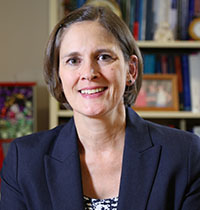
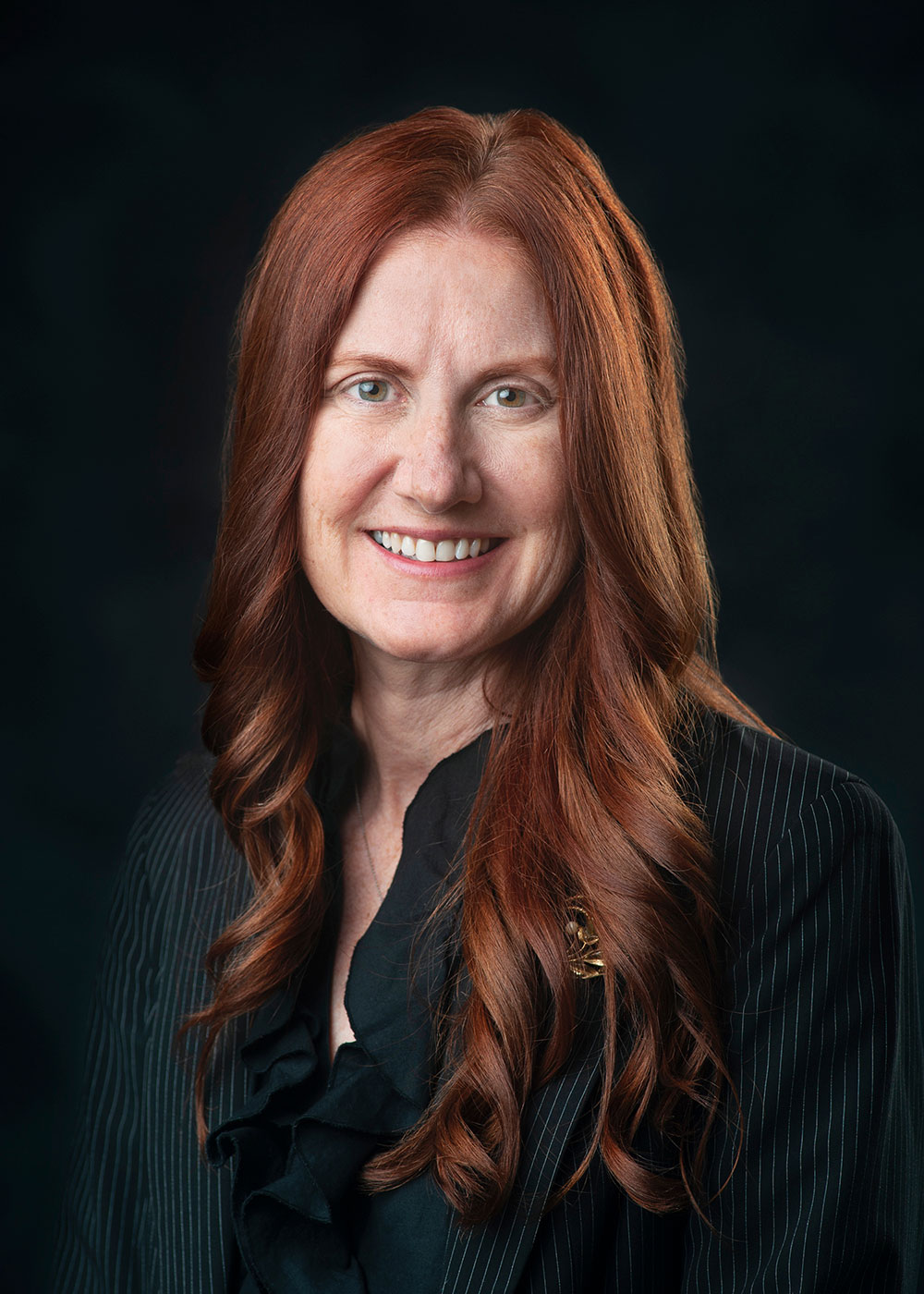
Dr. John E. Weinstein serves as a Professor of Physiology at The Citadel's Department of Biology within the Swain Family School of Science and Mathematics. He also holds significant administrative roles as the Associate Dean of Accreditation for the School of Science and Mathematics and the Associate Provost for Research at The Citadel. Dr. Weinstein's research focuses on aquatic toxicology and environmental science. His expertise spans natural and anthropogenic stressor interactions, toxicokinetics, environmental chemistry, trophic transfer of contaminants, biomarkers, and risk assessment. His recent research projects have examined the occurrence, fate, and effects of plastics and microplastics in coastal waterways; UV-enhanced toxicity of aromatic hydrocarbons on salt marsh biota; non-target pesticide effects on marine organisms like shrimp and clams; and chemical contamination in coastal storm water detention ponds and suburban tidal creek systems. Dr. Weinstein earned his Ph.D. in Biological Sciences from the University of South Carolina, an M.S. in Biology from East Carolina University, and a B.A. in Biology from Rutgers University. His academic background has prepared him for both research and leadership roles at The Citadel. As Associate Provost for Research, he plays a key role in shaping the research direction and policies at the institution.
Colm-cille P. Caulfield is Professor at the Department of Applied Mathematics and Theoretical Physics, University of Cambridge, where he leads research on environmental and geophysical fluid dynamics. He is a core supervisor within the Cambridge NERC Doctoral Landscape Awards programme (CREATES), shaping the next generation of climate-focused researchers. His research centres on the fundamental physics of stratified turbulence and its pivotal role in global climate processes. Using state-of-the-art direct numerical simulations, laboratory experiments and modern data-driven techniques, he explores how buoyancy forces and shear instabilities control vertical mixing in the ocean and atmosphere. Key themes include: Instability and transition to turbulence in stably stratified flows Mixing efficiency and scalar transport across density interfaces Parameterisation of small-scale turbulence for large-scale climate models Integration of machine-learning approaches with classical fluid-mechanical theory Across more than eighty publications since 2020 his work has progressively fused rigorous mathematical analysis with high-resolution simulation and observational data, revealing new scaling laws, regime transitions, and transport mechanisms central to understanding heat, carbon and pollutant dispersion in the Earth system. Awards & Recognition No specific honours are listed in the provided material. Research Supervision & Funding As a CREATES supervisor he mentors doctoral candidates across Cambridge departments and partner institutes including the British Antarctic Survey. Projects span idealised DNS studies of stratified shear instabilities through to development of improved sub-grid-scale parameterisations for ocean and climate models. Laboratory & Collaborations He leverages the High Performance Computing Service at Cambridge alongside experimental facilities and field campaigns coordinated through national and international consortia.
Heidi Nepf is a Professor of Civil and Environmental Engineering at the Massachusetts Institute of Technology (MIT), where she holds the Donald and Martha Harleman Professorship and is a Margaret MacVicar Fellow. She leads the Environmental Fluid Mechanics Lab, which focuses on the interaction of flow with aquatic vegetation and its implications for sediment transport, chemical flux, and ecosystem function. Her research aims to develop models that improve the management of natural resources and the design of green infrastructure. Dr. Nepf's research interests span several critical areas of environmental engineering and fluid mechanics: Environmental Fluid Mechanics of aquatic vegetation Coastal protection through natural vegetated landscapes Blue carbon sequestration in seagrass meadows and salt marshes Sediment transport in vegetated regions Wave interactions with flexible vegetation Green infrastructure for urban stormwater management Restoration of coastal ecosystems Her recent work has demonstrated the cost-effectiveness of marshes for coastal protection, showing that maintaining marsh in front of seawalls is an economically justified nature-based solution. She has also investigated how patchy seagrass meadows accumulate carbon, finding that continual migration of patches within meadows can limit carbon accretion and storage. Her research on microplastics has revealed that these pollutants are more likely to accumulate in porous sediment where they can hide within pore spaces. Analysis of her publications shows a strong focus on applying fluid mechanics principles to environmental problems, with particular emphasis on the role of vegetation in modifying flow, sediment transport, and pollutant dynamics. Dr. Nepf's scientific contributions have been recognized through prestigious appointments including the Margaret MacVicar Fellowship and the Donald and Martha Harleman Professorship. Her work has been featured in MIT News, APS-Physics News, AGU Research Spotlight, and NSF Public Outreach. Her research has practical applications in coastal management, river restoration, and urban stormwater treatment. She has developed models for predicting wave dissipation by marsh plants, which can be used to assess the level of coastal protection provided by marshes. Her work on floating treatment wetlands provides guidance for improving nutrient removal efficiency in stormwater systems. She has also collaborated on designing modular landscape forms for stormwater detention ponds that improve water management while providing ecological benefits and versatile green space for cities. Dr. Nepf leads the Nepf Environmental Fluid Mechanics Lab, which conducts both laboratory and field research on the interaction between flow and vegetation. The lab collaborates with institutions like the Water Institute of the Gulf and has received funding from sources including the Abdul Latif Jameel World Water and Food Security Lab.
Simone Bertini is a Full Professor in the Department of Veterinary Medical Sciences at the Faculty of Veterinary Medicine, University of Parma, Italy. Born in Pisa on August 10, 1968, he graduated in Veterinary Medicine from the University of Pisa in 1992 with honors (110/110 cum laude) and completed his PhD in Veterinary Environmental Pathology in 1997. His academic career progressed from Researcher in 1999, to Associate Professor in 2004, and finally to Full Professor in 2020. Prof. Bertini's research focuses on Veterinary Pharmacology and Toxicology, with particular emphasis on receptor pharmacology, drug kinetics, tissue residues of pharmaceuticals in veterinary species, and development of analytical methods in toxicology. His work spans experimental studies on gastric acid secretion modulation, bronchial and intestinal motility in horses, development of analytical techniques for drug residue detection, and environmental toxicology investigations including heavy metal and mycotoxin contamination in food chains. His publication record includes 146 scientific works comprising 65 international journal articles, 8 book chapters, 11 national journal articles, and numerous conference proceedings. Recent research has concentrated on environmental contaminants in wildlife and food products, oxidative stress biomarkers, and pharmacological interventions for respiratory and gastrointestinal conditions in animals. Prof. Bertini has held significant administrative roles including President of the Veterinary Medicine program (2018-2020), member of the University of Parma's Board of Directors (2021-2024), and participation in national committees related to veterinary drug evaluation and food safety. He has been actively involved in international collaborations through Erasmus+ teaching assignments in France and Spain.
Rebecca Pogni is a Full Professor of Physical Chemistry at the University of Siena, Italy, working within the Department of Biotechnology, Chemistry and Pharmacy. Her academic position is formally designated as 'Professore Ordinario' with the specific focus on Physical Chemistry (SSD CHEM-02/A). She maintains regular office hours on Fridays from 11:00 to 13:00 in room C_03_114 on the third floor of the II lotto building at Via A. Moro, 2, 53100 Siena. Professor Pogni's research spans multiple domains within physical chemistry and biotechnology, with particular emphasis on enzyme applications , biomaterials , and environmental chemistry . Her work frequently involves spectroscopic techniques, especially Electron Paramagnetic Resonance (EPR), to study reaction mechanisms and material properties. She has made significant contributions to the understanding of oxidoreductases, particularly laccases and peroxidases, and their applications in sustainable material synthesis, bioplastic development, and environmental remediation. Her research also extends to polymer science, with focus on chitosan-based materials, bio-adhesives, and sustainable alternatives to conventional plastics. Analysis of Professor Pogni's recent publications reveals a strong trend toward environmentally focused research with practical applications. Her work increasingly addresses biodegradable materials, marine ecotoxicology of bioplastics, and sustainable approaches to material synthesis. She frequently employs interdisciplinary methods combining physical chemistry techniques with biological systems, particularly focusing on how enzymes can be harnessed for green chemistry applications. The geographical context of her research often involves Italian agricultural landscapes, with studies on olive groves and vineyards. Professor Pogni teaches across multiple levels of the university curriculum, including Industrial Biotechnology for Master's students and Physical Chemistry courses for undergraduate Chemistry students. Her teaching responsibilities reflect her research expertise, bridging fundamental physical chemistry principles with practical biotechnological applications.
Dr. Marco Negozio is a Fixed-Term Researcher at the Department of Systems Engineering and Industrial Technologies (DISTI) of the University of Parma. His work spans industrial engineering and microbiome research, with a focus on battery technology, sustainable manufacturing, and machine learning applications in production processes. EMAIL: marco.negozio@unipr.it OFFICE: Science and Technology Campus, Pavilion 10, Engineering Scientific Headquarters, Parco Area delle Scienze, 181/A, 43124 PARMA Research Interests Marco's research bridges industrial engineering and microbiology, with particular emphasis on: Battery Technology : Electrode adhesion analysis using laser-textured current collectors Sustainable Manufacturing : Innovative processes for food system design and extrusion simulations Microbiome Dynamics : Gut microbiota interactions, bifidobacteria, and environmental microbial diversity Machine Learning Applications : Neural networks for microstructure prediction in aluminum alloys Publication Trends Marco's recent work shows dual expertise in industrial engineering (battery manufacturing, extrusion processes) and microbiome science (gut-brain axis, probiotic interactions). His 2025 publications highlight cross-disciplinary approaches combining mechanical engineering with microbial ecology, particularly in sustainable technologies and human health applications.
Dr. Ashli Elizabeth Brown Johnson is a Professor at Mississippi State University's Division of Agriculture, Forestry, and Veterinary Medicine. She holds a Ph.D. in Chemistry from the University of South Florida and a B.A. in Natural Sciences. Education University of South Florida: Ph.D. in Chemistry University of South Florida: B.A. in Natural Sciences Dr. Brown Johnson's research spans agronomy, environmental toxicology, and wildlife biology. Her work focuses on soil microbiology , herbicide interactions , microplastic/PFAS contamination , and olfactory signaling in giant pandas . She employs advanced analytical techniques like solid-phase microextraction (SPME) for environmental and chemical ecology studies. Recent publications highlight trends in agricultural sustainability (cover crops, no-till farming), environmental remediation (biochar for phosphate runoff), and conservation biology (panda pheromone detection). Her work often intersects chemistry with ecological and agricultural applications. Professional affiliations include the American Chemical Society , Association of Official Analytical Chemists , Association of Public Health Laboratories , and Food Emergency Response Network .
Simeon L. Minic serves as an Assistant Professor in the Department of Biochemistry at the Faculty of Chemistry, University of Belgrade, having progressed through academic ranks from Researcher-intern (2017) to his current position since 2023. His career trajectory reflects dedicated service within the same institution, including roles as Research Associate (2018-2021) and Senior Research Associate (2022). Dr. Minic completed all academic training at the University of Belgrade - Faculty of Chemistry: Basic Academic Studies in Chemical Sciences (2008-2012), Master of Academic Studies (2012-2013), and Doctorate in Chemical Sciences (2013-2017). His educational foundation underpins his specialized research in bioactive compounds from algae and protein interactions. His research program centers on bioactive chromopeptides from algae , protein-ligand interactions in food systems , protein stability under high pressure , and development of cell culture media . These interconnected themes drive innovation in sustainable food technologies, particularly for algae-based colorants, nutraceuticals, and cultured meat applications. His work bridges fundamental biochemistry with practical food science challenges. Analysis of his 15 most recent publications (2015-2022) reveals consistent focus on phycobiliproteins from algae (particularly phycocyanobilin) and their interactions with dairy proteins (β-lactoglobulin, serum albumin, α-lactalbumin). The research combines multi-spectroscopic techniques , molecular dynamics simulations , and functional property assessment to address stability, binding mechanisms, and applications in food coloring, fortification, and health. Emerging trends show increasing emphasis on sustainable food systems, including microplastic toxicity and cultured meat media development. Dr. Minic's scientific recognition includes: First place in Montenegro's republican chemistry competition (2008) Đorđe Stefanović Diploma as top biochemistry student (2013) University of Belgrade Student Award (2013) Serbian Chemical Society Annual Award (2013) FEBS scholarships for international research (2015, 2022) He teaches core biochemistry courses including Regulation of Biochemical Processes, Enzymology, and Biochemistry of Food and Nutrition. As principal investigator, he leads four major international projects: IMPTOX (Horizon 2020 microplastics study), PRESSION (algae protein fortification using high pressure), ALG2MEAT (algae extracts for cultured meat), and Pep4Meat (algae chromopeptides as serum replacement). These projects, funded by the European Commission, ANSO, Good Food Institute, and Serbian Science Fund, demonstrate significant research leadership. His laboratory work operates within the Department of Biochemistry at Belgrade's Faculty of Chemistry, collaborating with international consortia. Dr. Minic actively contributes to the Serbian Chemical Society, Biochemical Society of Serbia, and Serbian Proteomics Association, maintaining strong professional networks in food biochemistry and protein science.
Dr. Javier Lenzi is a Researcher at the Institute for Applied Physical Geography (IAPG) at the University of Oldenburg, currently working on the EU-funded international research project Protect Baltic (2023–2028). His work focuses on environmental and marine ecological studies, particularly leveraging drone technology and spatial modeling to address biodiversity and conservation challenges. Current affiliation: University of Oldenburg (IAPG) Project: Protect Baltic (marine protected areas optimization) Dr. Lenzi’s research spans diverse ecological systems, including Antarctic marine environments, temperate wetlands, and national parks. His recent publications highlight interdisciplinary approaches combining artificial intelligence , drone-based monitoring , and marine pollution analysis . His work emphasizes climate scenario modeling for biodiversity hotspots and 3D metrology applications in environmental assessment. Collaborations with institutions like HELCOM and participation in EU Biodiversity Strategy 2030 initiatives underscore his contributions to marine conservation.
Mats Leifels is a Research Fellow at the Dr. Karl Landsteiner Private University of Health Sciences, focusing on the Department of Water Quality and Health. His work bridges molecular virology and environmental health, specializing in detecting enteric viruses and microbial contaminants in water systems. Education: PhD in Molecular Methods for Enteric Virus Detection (Ruhr University Bochum, 2017), Master's in Viability PCR for Viruses in Surface Waters (2013), Bachelor's in RNA Thermometers in Cyanobacteria (2011) His research interests include environmental virology, biofilm dynamics in drinking water, wastewater-based epidemiology for SARS-CoV-2, and molecular techniques like viability PCR. Recent studies explore viral transport mechanisms, pharmaceutical removal in treatment plants, and microplastic contaminant interactions. Key trends in his publications (61 total, 15 most recent shown) span wastewater surveillance of arboviruses and SARS-CoV-2 variants, biofilm impacts on water quality, and advanced PCR methods for viral infectivity. Topics like "From Lab to Lake" highlight field applications of molecular tools. Scientific contributions are recognized by two major awards: the Young Scientist Award for the Dissertation (2018) and the Gateway Fellowship Postdoc Stipend (2017) . He actively collaborates in international workshops (e.g., ONE WATER 2024, WaterMicro2025) and serves as a panel moderator.
Magnus Norgren is a Professor at Mid Sweden University's Department of Engineering, Mathematics and Science Education (IMD) and leads the Surface and Colloid Engineering Research Group at FSCN Research Center. With a PhD in Physical Chemistry from Lund University (2001) and postdoctoral experience at Australian National University, his career bridges industrial experience at SCA with academic leadership at KTH Royal Institute of Technology and Mid Sweden University. His research focuses on biopolymer chemistry , cellulose materials engineering , and triboelectric energy systems , particularly for applications in sustainable forest bioeconomy. Recent publications highlight cellulose regeneration , lignin valorization , and water treatment technologies . Scientific Awards Alf de Ruvo Fellowship (2004) for lignin chemistry contributions Key application areas span energy harvesting through triboelectric nanogenerators, cellulose-based composites , and environmental remediation using bioflocculants. His group's work on molecular cellulose design intersects with materials science, environmental engineering, and industrial process optimization.
Dr. Elvis Okoffo is a Research Fellow at the Queensland Alliance for Environmental Health Sciences (QAEHS) within the Faculty of Health, Medicine and Behavioural Sciences at The University of Queensland, Australia. His research is centered on developing innovative analytical methods to characterize and monitor environmental and human exposures associated with plastics. His educational background includes a Bachelor (Honours) from University for Development Studies, a Masters (Research) from University of Ghana, and a Doctor of Philosophy from The University of Queensland completed in 2021. Dr. Okoffo has pioneered novel sampling approaches and analytical techniques for the rapid screening and monitoring of various types of plastics, including microplastics, nanoplastics, and biodegradable plastics in environmental samples such as drinking water, wastewater, biosolids, seafood, marine water and sediments, compost, food, and road dust. His research leverages cutting-edge technologies including pressurised liquid extraction, ultrafiltration, and pyrolysis gas chromatography coupled to mass spectrometry. Analysis of his recent publications reveals a strong focus on methodological development for plastic quantification, environmental fate studies across diverse matrices (water, sediments, biota), and investigations into plastic sources and pathways. His work bridges analytical chemistry, environmental science, and public health, with particular emphasis on developing robust, standardized methods for plastic detection and quantification. Dr. Okoffo is actively involved in research supervision, currently serving as Associate Advisor for six PhD students working on various aspects of plastic pollution analysis and mitigation. His research is supported by multiple grants including projects funded by Central Queensland University, Minderoo Foundation Limited, and the Australian Academy of Science. He leads research within the Queensland Alliance for Environmental Health Sciences, collaborating with multidisciplinary teams to address plastic pollution challenges through innovative analytical approaches and environmental monitoring strategies.
Dr. Cassie Rauert is a Senior Research Fellow at the Queensland Alliance for Environmental Health Sciences (QAEHS) , part of the University of Queensland under the Faculty of Health, Medicine and Behavioural Sciences . PhD in Environmental Chemistry, University of Birmingham (2014) Postdoctoral Fellowship at Environment and Climate Change Canada Former role in Canada's Oil Sands Monitoring Program Her research focuses on human exposure to micro/nanoplastics and tyre road wear particles , with a particular interest in novel biomonitoring methods using silicone wristbands and medical waste. She develops analytical techniques like pyrolysis-GC-MS for plastic quantification in biological and environmental samples. Recent publications highlight her work on: 2025 : Interlaboratory comparisons for microplastic detection 2025 : Microplastics in garden compost 2025 : Food/beverage microplastic quantification challenges 2024 : Tyre particle toxicity and atmospheric plastic degradation 2023 : Global POPs monitoring frameworks Dr. Rauert actively supervises students in projects related to plastic pollution , chemical exposome , and environmental risk assessment . She contributes to lab design protocols for plastic-minimized environments and non-target screening methodologies.
Associate Professor Robert Boots is a senior academic at The University of Queensland, affiliated with the Department of Thoracic Medicine at the Royal Brisbane and Women's Hospital (RBWH) and the Burns, Trauma and Critical Care Research Centre. He holds clinical roles as a Thoracic/Sleep Physician at RBWH and an intensivist at Bundaberg Base Hospital. Previously, he served as Deputy Director of ICU at RBWH for two decades and holds leadership positions in critical care education, including with the College of Intensive Care Medicine. Education: Bachelor of Medicine Surgery (Honours), The University of Queensland Master's (Coursework), University of Newcastle Doctor of Philosophy, University of Newcastle Fellow, Royal Australasian College of Physicians Research Focus: His work centers on circadian rhythm disruptions in critical illness recovery, virtual reality applications for patient therapy, and ICU innovations. Key projects include inhaled heparin for pneumonia prevention, telemedicine effectiveness, and sepsis rehabilitation. Collaborations with engineering teams explore AI-driven clinical decision support using multi-source data analytics. Publication Trends: Recent articles (2021–2025) emphasize ICU outcomes, circadian biology, and technology-driven interventions. Themes include predictive analytics for mortality/arrhythmias, virtual reality in oncology, microplastics contamination in diagnostics, and AI in evidence-based medicine. Multi-disciplinary approaches bridge critical care, data science, and engineering. Advising & Grants: Actively supervises postgraduate students in critical care research. Secured past funding for projects like inhaled heparin trials and telemedicine assessments. Current projects include optimizing ICU telemedicine at Bundaberg Base Hospital. Labs & Teams: Member of the Burns, Trauma and Critical Care Research Centre, fostering collaborations across engineering and clinical disciplines for innovations in ICU care.
Ryan Admiraal is a Senior Lecturer in Statistics and Data Science at the School of Mathematics and Statistics, Victoria University of Wellington, New Zealand. He holds a PhD in Statistics from the University of Washington and a BA in Mathematics from Calvin College, United States. His academic career includes prior roles at Murdoch University, Australia, as Senior Lecturer (2017–2019) and Lecturer (2009–2017). Research Interests: Ryan’s research spans applied statistics and interdisciplinary applications. Key areas include social network analysis (e.g., exponential random graph models, Bayesian inference), computational problems in disease transmission modeling (sexually transmitted infections, forest pathogens), and impact assessment for water, sanitation, and hygiene (WASH) interventions. He also contributes to marine ecology (abalone ranching, microplastics) and plant virology (tobamoviruses, virion resilience). Teaching: He teaches courses such as DATA101: Introduction to Data Science STAT452: Bayesian Inference DATA473: Statistical Modelling for Data Science DATA581: Data Science Practicum at Victoria University of Wellington, alongside prior roles at Murdoch University and the University of Washington. Scientific Awards: Doroth M. Gilford Teaching Award (2008) Nominee for academic awards (2012, 2018) Publications: His work includes recent articles on Phytophthora-induced forest decline (2025) Bluetooth in contact tracing (2022) Marine microplastics and megafauna (2019) Network models for sexually transmitted diseases (2016) Wildlife tourism impacts (2017) Hydrological interpolation methods (2020)