
Professor Enda Cummins is a faculty member at University College Dublin (UCD), serving as Professor and Deputy Head of the School of Biosystems and Food Engineering. He also holds roles as Head of Teaching and Learning and Visiting Professor at KU Leuven, Belgium. His research focuses on risk assessment, predictive modeling, food safety, and environmental contamination, with an emphasis on chemicals (e.g., acrylamide, nanoparticles) and pathogens (E. coli, Salmonella). He leads a multidisciplinary team and coordinates the EU-funded H2020 ITN project PROTECT, addressing climate change impacts on food safety. Education: BAgrSc, MEngSc, PhD from UCD. Teaching emphasizes problem-based learning and integrates research innovations. He developed the EU-funded Erasmus+ Predictive Modelling and Risk Assessment program and coordinates the MEngSc in Food Engineering. Grants include projects on antimicrobial resistance, nanoparticle toxicity, and urease inhibitor efficacy. Over 100 peer-reviewed publications and 123 conference papers highlight his work on risk assessment, food safety, and environmental modeling.
جستوجوی استاد و پژوهشگر
استاد راهنما، استاد دانشگاه یا پژوهشگر مناسب برای مسیر پژوهشیتان را پیدا کنید و با او ارتباط بگیرید.
نمایش ۴۶-۶۰ از ۱٬۳۹۲ استاد راهنما
اطلاعات این پروفایلها از صفحات عمومی دانشگاهها جمعآوری شده و ممکن است بهروز نباشد.
Jesse Vermaireمشاهده پروفایل
دانشیار
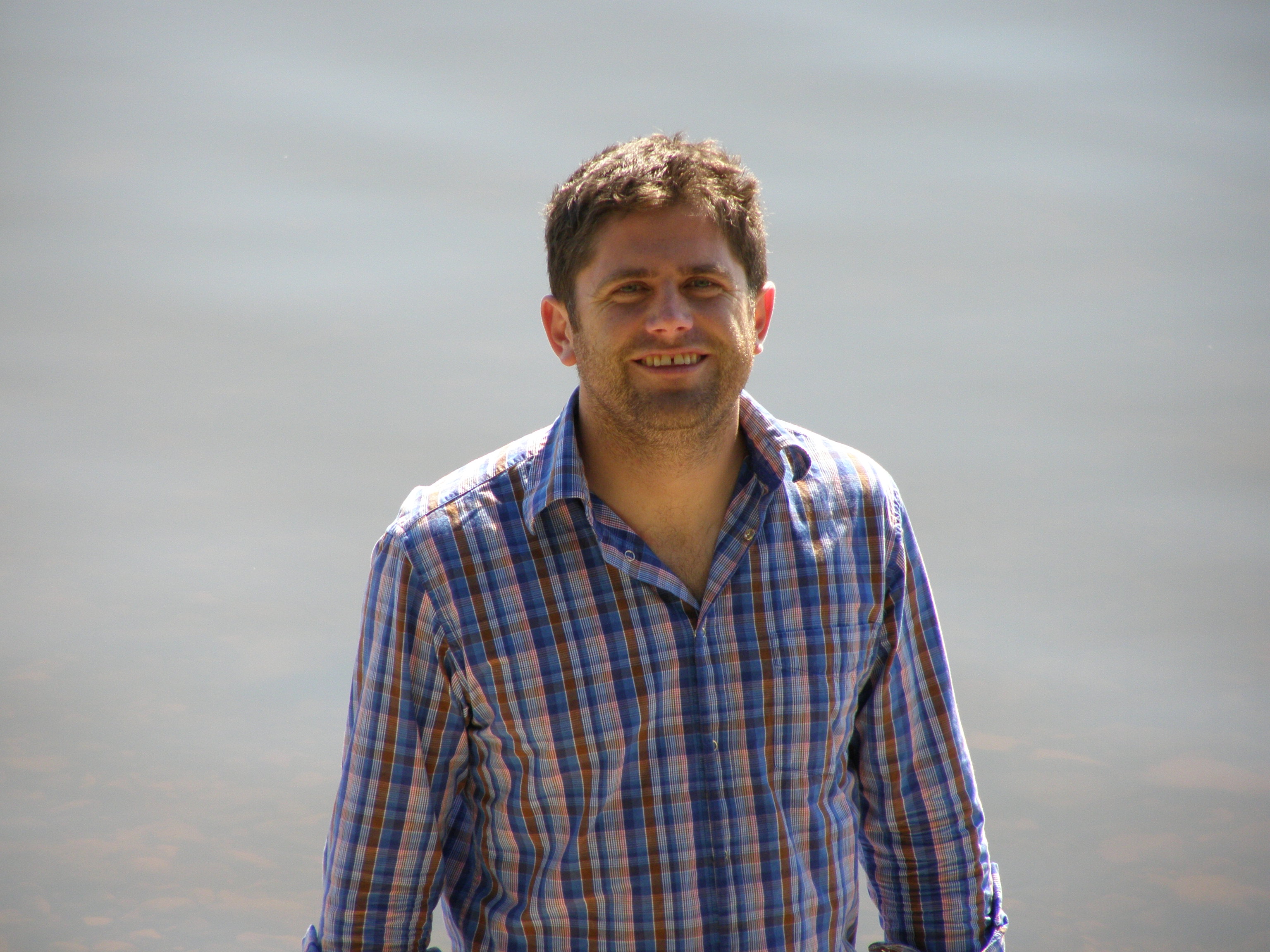
Dr. Jesse Vermaire is an Associate Professor in the Department of Geography and Environmental Studies at Carleton University . With a Ph.D. from McGill University and M.Sc. from the University of New Brunswick, his research focuses on the impacts of environmental change on freshwater ecosystems, particularly climate warming, nutrient enrichment, and extreme events like droughts and storm surges. His lab employs paleolimnological techniques and long-term datasets to study ecosystem resilience and recovery. Education: B.Sc. Honours (University of Guelph), M.Sc. (UNB), Ph.D. (McGill) His work spans multiple subfields, including microplastic pollution, metal contamination from historical mining, wildfire effects on lakes, and riparian development impacts. Recent publications highlight studies on plastic ingestion by Arctic seabirds, legacy arsenic pollution in Cobalt, Ontario, and critical thresholds for freshwater conservation. Collaborations with researchers like S.J. Cooke and J.P. Smol demonstrate his interdisciplinary approach. Key trends in his 15 most recent articles include: 1) Quantifying microplastic pollution in diverse ecosystems (Arctic, mangroves, agricultural soils); 2) Analyzing historical contamination impacts (arsenic, gold, lead mining); 3) Investigating climate-fire-sediment interactions; 4) Advancing monitoring methodologies (community science, multi-matrix sampling); 5) Critiquing environmental restoration practices; and 6) Developing evidence-based conservation frameworks.
Professor Brendan Kelaher is a marine biologist with over 20 years of experience at Southern Cross University , where he serves as Chief Remote Pilot and Chair of the Animal Care and Ethics Committee. His work integrates drone technology with marine ecology to address critical challenges in coastal ecosystems and climate change adaptation. With a BSc (Hons) and PhD from the University of Sydney , his research spans marine wildlife monitoring , 4D habitat mapping , fisheries biology , and cloud brightening to prevent coral bleaching. He teaches Marine Megafauna and Drone Technology units in the Bachelor of Science program. His recent publications highlight advancements in drone-based marine monitoring , plastic pollution impacts on macroalgal decomposition, and climate engineering for reef preservation. Thematic keywords include Marine Ecology , Climate Change Mitigation , and Drone Technology , with sub_fields like Shark Behavior Analysis and Plastic-Biodegradation Interactions . Outstanding Teaching Award (2021) Senior Researcher Award for Research Excellence (2022) Outstanding Teaching Excellence Award (2023) He supervises students in marine wildlife monitoring , drone habitat mapping , and climate change adaptation research. His affiliations include the National Marine Science Centre and Faculty of Science and Engineering at Southern Cross University.

Jens Honore Walther is a Professor in the Department of Civil and Mechanical Engineering at the Technical University of Denmark (DTU). His research focuses on fluid mechanics, coastal and maritime engineering, and computational fluid dynamics (CFD). He leads projects on wave energy converters, multiphase flow systems, and thermal energy applications. His work contributes to sustainable development goals related to clean energy and climate action. External Roles: Research associate at ETH Zurich (2003–present) Postdoctoral fellow at ETH Zurich (2000–2003) Project manager at Danish Maritime Institute (1996–1997) Research scientist at Danish Meteorological Institute (1994–1996) Research Interests: Walther’s expertise spans CFD modeling, granular flow dynamics, and nanofluidics. His recent projects include optimizing wave energy converters, analyzing gap resonances in marine structures, and developing multiphase ejector geometries for heat pumps. His work integrates high-performance computing and experimental validation to address challenges in marine engineering and energy systems. Advising & Projects: He supervises PhD students in areas such as elite sport aerodynamics, gas lubrication, and alternative fuel combustion. Notable projects include: Elite sport aerodynamics (2024–2026) Alternative fuel injection in marine engines (2023–2026) Multi-physical gas bearing modeling (2024–2027) Labs & Collaborations: Walther collaborates with institutions like ETH Zurich and engages in experimental facilities at DTU. His group focuses on advanced CFD simulations and fluid-structure interaction studies.
Prof. İpek İmamoğlu is a Professor of Environmental Engineering at Middle East Technical University (METU), Ankara, Turkey, specializing in environmental chemistry and pollutant fate. She holds leadership roles, including former Vice Dean of the Faculty of Engineering (2012-2015) and Vice Chair of the Environmental Engineering Department (2009-2012). Her research focuses on organic compound fate, microplastic interactions, contaminated site management, and receptor modeling for pollutants like PCBs and PBDEs. Education: PhD from University of Wisconsin-Milwaukee (2001), M.S. from University of Newcastle upon Tyne (1996), and B.S. from METU (1995). Awards include the METU Ph.D. Dissertation Supervision Award (2017, 2010) and the British Chevening Scholarship (1995/96). She has supervised over 20 PhD and MS students in environmental chemistry and engineering. Research spans contaminated sediment remediation, PCB/PBDE degradation pathways, and policy impacts of microplastics. Her projects include TUBITAK-funded studies on microplastic-organic interactions and POPs management. She advises on national policies, including Turkey’s implementation of the Stockholm Convention on POPs. Key Projects: Molecular Level Microplastic-Organic Interactions (TUBITAK 2021), PCB Fate in Aquatic Sediments (TUBITAK 2015), and Zeolite-Wastewater Treatment (METU Funded 2002). Awards: UWM Dissertator Fellowship, NATO Travel Grant, and ISO 17025 Auditor Certification. Her publications (over 80) cover environmental forensics, receptor modeling, and bioremediation. She actively participates in international conferences and serves as a consultant for UNDP and EU-funded initiatives.

Dr. Paul B. Tchounwou is a Presidential Distinguished Professor at Jackson State University, affiliated with the Department of Biology in the College of Science, Engineering and Technology. He directs the RCMI Center for Health Disparities Research and leads the Molecular Toxicology Research Laboratory and Environmental Toxicology Research Laboratory within the NIH-Center for Environmental Health. His research focuses on environmental health , gene-environment interactions , environmental toxicology , and ecological risk assessment , with applications to health disparities and environmental medicine . Recent work includes systematic reviews on nanoplastics and parabens in aquatic systems, AI's role in healthcare during pandemics, and apoptosis induction in cancer cells via natural compounds. Key publications span disciplines such as Environmental Toxicology , Pharmacology , and Public Health , with subfields including Microplastics , Oxidative Stress , and AI Applications . He collaborates extensively with institutions like Morgan State University and researchers including Anita Patlolla and Clifton Addison.

- Photonics
- Biophotonics
- Optical fiber sensors
- +۷ مورد دیگر
Heidi Ottevaere is a Professor at the Faculty of Engineering of the Vrije Universiteit Brussel (VUB) since October 1, 2009. She serves as the head of the Instrumentation and Metrology platform at the Photonics Innovation Center and leads the 'biophotonics' research unit of the Brussels Photonics Team (B-PHOT), which is chaired by Prof. Hugo Thienpont. Her work focuses on the design, fabrication, and characterization of photonic components and systems for diverse applications in medical diagnostics, environmental monitoring, and industrial processes. Dr. Ottevaere earned her Electrotechnical Engineering degree with majors in Photonics from Vrije Universiteit Brussel in 1997 and completed her PhD in Applied Sciences at the same institution in 2003. Her doctoral research focused on 'Refractive microlenses and micro-optical structures for multi-parameter sensing: a touch of micro-photonics.' Professor Ottevaere's research spans multiple cutting-edge areas of photonics with particular emphasis on biophotonics, micro-optics, and optical metrology . Her work bridges fundamental science with practical applications, developing novel photonic components and systems that address real-world challenges. She has pioneered research in miniaturized optical systems for medical diagnostics, environmental monitoring, and industrial applications. Her current research focuses on advancing lab-on-a-chip technologies, microfluidic optical sensors, and novel optical fiber systems for biomedical applications. She has developed microminiaturized, integrated plastic detection units for absorbance and laser-induced fluorescence measurements in microfluidic channels, enabling portable, robust, and disposable diagnostic systems. Her recent publications demonstrate a strong trend toward integrated optical sensing systems with applications in medical diagnostics and environmental monitoring. There's a clear progression from fundamental optical component design to complete system integration, with increasing emphasis on artificial intelligence for data analysis and computational imaging techniques. Her work bridges photonics with biomedical engineering, materials science, and data science, reflecting the interdisciplinary nature of modern photonics research. Dr. Ottevaere has been recognized with several prestigious awards: Best Application award (2008) Educational award - Bronze (2019) MOC09 Contribution Award Winners (2009) As an educator and mentor, Professor Ottevaere has promoted 9 PhD students and supervised numerous master's theses. She has secured substantial research funding from diverse sources including the Fund for Scientific Research Flanders (FWO), the Institute for the Promotion of Innovation by Science and Technology in Flanders (IWT), and multiple European Framework Programs. Her current portfolio includes projects on miniaturized biosensors for drinking water screening, precision manufacturing, and photonics education initiatives in Uzbekistan. She has coordinated multiple strategic research and networking projects with regional, national, and international funding bodies. Professor Ottevaere leads the biophotonics research unit within the Brussels Photonics Team (B-PHOT), one of Europe's leading photonics research groups. Her team includes researchers working on optical metrology, micro-optics fabrication, and biophotonic applications. She collaborates extensively with industry partners including Melexis, Umicore, and Anteryon, as well as academic institutions across Europe through various EU-funded projects. She has been instrumental in developing the interuniversity engineering curriculum 'Master in Photonics' which received the EC Erasmus Mundus quality label in 2006, and continues to be the driving force behind photonics education at VUB.

Catherine Peters is the George J. Magee Professor of Geosciences and Geological Engineering, and Professor of Civil and Environmental Engineering at Princeton University. She serves as Director of the Program in Geological Engineering and holds associated faculty roles in the High Meadows Environmental Institute (HMEI), Princeton Institute for the Science and Technology of Materials (PRISM), and the Andlinger Center for Energy and the Environment. Her work focuses on environmental chemistry, geochemical reactions, and subsurface energy technologies, including carbon sequestration, geothermal energy, and shale gas extraction. Education: PhD (Joint degree in Civil Engineering and Engineering & Public Policy), Carnegie Mellon University, 1992 MS in Civil Engineering, Carnegie Mellon University, 1987 BSE in Chemical Engineering, University of Michigan, 1985 Research Interests: Dr. Peters explores environmental challenges of subsurface energy systems through experimental, imaging, and modeling approaches. Key areas include CO2 storage in saline aquifers, geochemical reaction kinetics, and remediation of organic pollutants. Her lab uses synchrotron-based techniques and reactive transport simulations to study processes at nanometer to basin scales. She emphasizes collaborative research with national labs and universities. Recent Article Trends: Her publications (2023-2025) highlight advancements in carbon mineralization, hydrogen storage security, microbial geochemical interactions, and multi-scale material characterization. These works bridge environmental engineering, geochemistry, and data science to address decarbonization challenges. Awards & Leadership: Fellow, Association of Environmental Engineering and Science Professors (AEESP) since 2016 2012 EPA P3 Award for the 'Power-in-a-Box TM' sustainable design project Princeton Commendation List for Outstanding Teaching Grants & Collaborations: Funded by NSF, DOE, and EPA, her projects address subsurface energy systems and climate mitigation. She collaborates with national labs via synchrotron facilities and leads initiatives like the Grand Challenges Program. Courses taught include environmental engineering, statistical methods, and geochemical kinetics modeling. Labs & Teams: Affiliated with HMEI, PRISM, and the Andlinger Center, she integrates interdisciplinary teams to advance sustainable energy and environmental solutions. Her group’s work often intersects with global sustainability and equity goals.

Lisa Axe is a Professor and Chair in the Otto H. York Department of Chemical and Materials Engineering at NJIT, with a joint appointment in the Department of Civil and Environmental Engineering. Her research focuses on chemical and physical processes in environmental systems, particularly interfacial processes affecting contaminant attenuation, biologically active water treatment filters, and reactive iron mineral coatings in subsurface environments. She has been funded by organizations like the National Science Foundation and Chemours, and serves on the Chemours Science Advisory Board and NJDEP Science Advisory Board. Education - Ph.D., Environmental Engineering (Illinois Institute of Technology, 1995) - MChE, Chemical Engineering (Illinois Institute of Technology, 1995) - M.S., Environmental Engineering (Illinois Institute of Technology, 1992) - B.S., Geoscience (Purdue University, 1984) Research Interests Dr. Axe’s work integrates surface chemistry, microbial ecology, and geochemical analysis to address water contamination challenges. Her lab studies biologically active filters for emerging contaminants and reactive iron mineral dynamics in redox transition zones. Recent projects include advancing biofilm-based water treatment and analyzing subsurface iron mineral coatings’ reactivity. Methodological innovations include cryogenic sampling for subsurface core preservation. Awards DuPont Young Professor Grant Grants & Collaborations Funded projects include partnerships with Chemours, SUEZ North America, and the U.S. Army. She leads research on contaminant degradation mechanisms and sustainable treatment technologies. Her work bridges environmental engineering and geochemistry, emphasizing scalable solutions for water quality challenges. Labs & Teams Her research group operates within NJIT’s Chemical and Materials Engineering department, collaborating with environmental agencies and industry partners to develop next-generation water treatment systems and subsurface remediation strategies.

Simon Neill is a Professor in Physical Oceanography at Bangor University’s School of Ocean Sciences, specializing in marine renewable energy, particularly tidal and wave energy resource characterization. He leads the MSc in Marine Renewable Energy and chairs IEC Technical Specification 62600-201 on tidal energy assessment. His research spans energy resource optimization, environmental impacts, and coastal management. He has secured £multi-million grants, including the £708k NERC-funded Southeast Asia Plastics project and the £7M European Regional Development Fund Smart Efficient Energy Centre. Education: PhD in Estuarine Physics (University of Strathclyde), BEng in Civil Engineering (University of Dundee), PGCertHE (Bangor University). Research Interests: Wave-tidal interactions, marine energy grid integration, sediment dynamics, microplastic dispersal, and climate change adaptation. He is lead sediment scientist at FORCE (Fundy Ocean Research Center for Energy) and contributes to the editorial board of Renewable Energy. Grants & Projects: NERC SEAmap: Marine Plastic Pollution Mitigation (2020-2023) European Regional Development Fund SEEC (£7M, 2019-2023) INTERREG ECOSTRUCTURE: Climate-Resilient Coastal Infrastructure (£3.5M, 2017-2020) Teaching: Module organizer for Marine Renewable Energy (MSc), Ocean Modelling (Undergraduate), and RV Prince Madog cruise. External examiner for Plymouth University’s MSc Marine Renewable Energy (2018-2022). Advising: Supervises PhD students researching underwater noise impacts, remote sensing for energy resources, microplastic dispersal, and estuarine energy modeling. Labs/Teams: Collaborates with FORCE, IEC, and industry partners like Repetitive Energy Ltd and Extra Mussel. Leads multi-institutional projects on estuarine dynamics and plastic pollution.

Maryam Salehiمشاهده پروفایل
دانشیار
Maryam Salehi is an Associate Professor in the Department of Civil and Environmental Engineering at the University of Missouri. She specializes in contaminant fate and transport, microplastics, and drinking water quality. PhD in Environmental Engineering, Purdue University MSc in Civil Engineering, University of South Alabama PhD in Chemical Engineering, Amirkabir University of Technology MSc in Chemical Engineering, Amirkabir University of Technology BSc in Civil Engineering, Yazd University Her research focuses on understanding the environmental impacts of microplastics, including their interaction with heavy metals and breakdown under mechanical or environmental stressors. She also investigates contaminant transport in urban water systems and hurricane-induced water-sediment dynamics. Recent publications highlight her work on biocompatible water filters, plastic-coated fertilizers, and microplastic aging processes. She collaborates internationally, including studies in Germany and Florida, and secures funding from the National Science Foundation and EPA. NSF Early CAREER Award James C. Dowell Professorship She mentors graduate students and leads the Water and Environmental Research Lab at the Missouri Water Center, which unites academia, industry, and government stakeholders.
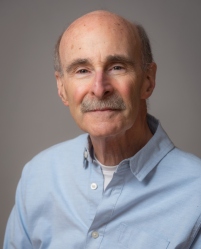
Ed Grant is a Professor in the Department of Chemistry at the University of British Columbia (UBC), Faculty of Science. He leads research in chemical physics, focusing on laser spectroscopy, ultracold plasmas, and Raman spectroscopy. B.A., 1969, Occidental College Ph.D., 1974, University of California, Davis Research Interests: Grant's work spans fundamental and applied domains. His team investigates ultracold plasmas using molecular beam techniques, revealing Coulombic interactions and strong correlations. In Raman spectroscopy, they develop instruments for microscale biological sample analysis and employ multivariate classification. Recent projects integrate quantum computing, machine learning, and environmental science (e.g., microplastics' atmospheric impact). Scientific Awards: R&D 100 Award (1998) Fellow of the American Physical Society (1992) Humboldt Research Award (1992, 2012) Kelly Award for Excellence in Undergraduate Teaching (1990) Fulbright Senior Scholar (1988)

Katherine Fishمشاهده پروفایل
پژوهشگر ارشد
- Applied environmental microbiology
- Biofilm formation and mobilisation/stability
- Biofilm management
- +۶ مورد دیگر
Dr. Katherine Fish is a Research Fellow in Water Systems Microbiology at the School of Mechanical, Aerospace and Civil Engineering, University of Sheffield. She holds a PhD in Civil and Structural Engineering (2013) and an MSc in Biological Science (2009) from the same institution. PhD: The impact of hydraulic regime upon biofilms in drinking water distribution systems , University of Sheffield. MSc: First-Class Honours in Biological Science, Department of Animal and Plant Sciences, University of Sheffield. Her research focuses on applied environmental microbiology, particularly the microbial ecology of natural and engineered environments. Key areas include: Biofilm formation, mobilisation, and stability in drinking water systems Interdisciplinary approaches to biofilm management and water quality Microbial community responses to disinfection practices Impacts of hydraulic regimes and chemical treatments on biofilms Public health implications of biofilm dynamics She collaborates with industry partners such as AkzoNobel, Dŵr Cymru Welsh Water, and South Staffs Water on projects like Managing Aquatic Biofilms via Surface Manipulation (funded by NBIC, BBSRC) and Biomonitoring . Her work also contributes to EPSRC-funded initiatives including TWENTY65, Sheffield Water Centre, PODDS, Pipe Dreams, and Pennine Water Group. Her publications span topics like Pseudomonas aeruginosa interactions in biofilms, disinfection residual behaviour, microplastic contamination in aquatic systems, and climate change impacts on water infrastructure. These studies integrate biological, chemical, and physical analyses to enhance water system management. Contact: k.fish@sheffield.ac.uk | ORCID | LinkedIn
- Hydrology
- Hydrogeology
- Soil Physics
- +۵ مورد دیگر
Christine Stumpp is a Professor at the Institute of Soil Physics and Rural Water Management , affiliated with the University of Natural Resources and Life Sciences Vienna (BOKU) . Her work integrates hydrology , soil physics , and stable isotope analysis to address critical issues in groundwater recharge , climate change impacts on water systems , and microplastic transport in soils .

- Toxicology
- Endocrinology
- Developmental Biology
- +۳ مورد دیگر
Prof. Juliette Legler is a Professor of Toxicology at Utrecht University's Institute for Risk Assessment Sciences (IRAS), within the Faculty of Veterinary Medicine. She leads the Division of Toxicology and previously headed the Department of Population Health Sciences (2020–2022). Her research focuses on environmental contaminants' molecular mechanisms, particularly endocrine-disrupting chemicals (EDCs), microplastics, and metabolic disorders. She coordinates major EU projects like GOLIATH (testing metabolism disruptors) and the Microplastics and Human Health Consortium (MOMENTUM), investigating fetal exposure risks. She also leads the Virtual Human Platform for Safety Assessment (VHP4Safety), advancing animal-free testing methods. Education and Career: Before Utrecht, she held roles at Brunel University London (2018) and Vrije Universiteit Amsterdam (2001–2015), where she became a Professor of Toxicology in 2013. She is a European Registered Toxicologist and former President of the Netherlands Society of Toxicology (2019–2022). Research Interests: Her work spans EDC impacts on human and wildlife health, microplastic exposure in fetal environments, and developing in vitro models to replace animal testing. Key projects include the EURION and ENKORE clusters for EDC research and the AFARA project for regulatory acceptance of non-animal assays. Publications and Awards: Over 100 publications, including landmark studies on microplastics and EDCs. Awards include the Poulsson Prize (2018), EUROTOX Lecture Award (2024), and ZonMw Pearl Award for microplastics research. She also received the VENI and VIDI grants from NWO. Grants and Projects: Coordinates €11.4M NWO projects (VHP4Safety, AFARA) and European H2020 initiatives (GOLIATH, AURORA). Her work bridges academia, industry, and policy to address environmental health challenges. Labs/Teams: Active in IRAS, leading cross-disciplinary teams in toxicology, in vitro modeling, and environmental health. Collaborates with global networks like the EURION and AURORA consortia.
فقط ۷۵۰ نتیجه اول نمایش داده میشود. برای رسیدن به نتایج دقیقتر، جستوجو را با فیلترها محدودتر کنید.