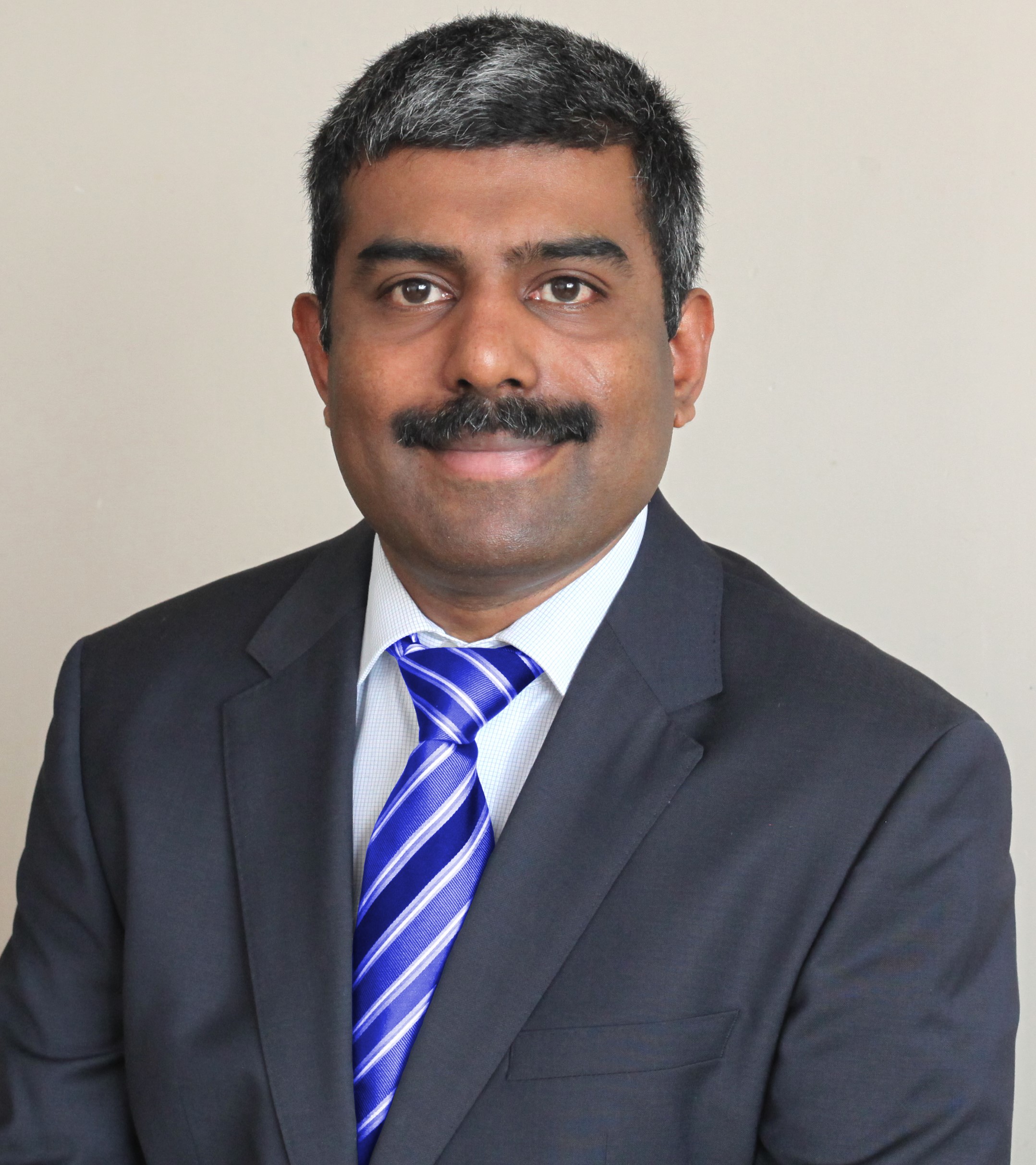
Dr. Anil Kumar is an Assistant Professor in the Department of Biochemistry, Microbiology & Immunology at the University of Saskatchewan's College of Medicine. He specializes in molecular virology, focusing on positive-stranded RNA viruses and their interactions with host immune systems. His research employs high-throughput genetic screens and reverse genetics systems to identify host factors critical for viral infection. Education includes a BSc in Agricultural Sciences (1999, Kerala Agricultural University), MSc in Plant Pathology (2001, Indian Agricultural Research Institute), and PhD in Molecular Virology (2010, University of Heidelberg). Postdoctoral training included stints at the University of Heidelberg (2010–2013) and the University of Alberta (2014–2020). Research interests center on Eastern Equine Encephalitis virus (EEEV) and Enterovirus D68 (EV-D68). For EEEV, his lab investigates immune evasion mechanisms and host-virus protein interactions to identify therapeutic targets. For EV-D68, they study CNS invasion mechanisms and novel host dependency factors linked to acute flaccid myelitis (AFM). Recent work includes studies on SARS-CoV-2, uncovering roles for host proteins like Argonaute 2 in viral restriction. His lab integrates molecular biology, virology, and systems biology approaches, with a focus on translational research for antiviral drug development. Collaborations include work on respiratory syncytial virus (RSV) entry mechanisms and dengue virus replication regulation.
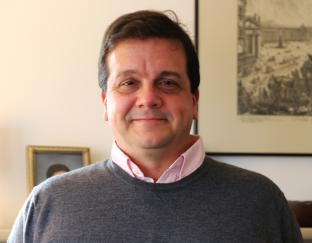
Anthony Antonellis is a Professor of Human Genetics at the University of Michigan Medical School. His research focuses on transcriptional regulation and the genetic and molecular mechanisms of Mendelian disease, particularly mutations in aminoacyl-tRNA synthetases linked to neuropathies and neurodevelopmental defects. He is affiliated with the Antonellis Laboratory and the Cell and Molecular Biology (CMB) program. Implicit Bias Training Allayship Training Anti-Racism Training Disability Awareness Training Bystander Training Gender Bias/Discrimination Training Research areas include studies of gene regulation via cis-acting elements in myelinating cells, and the role of tRNA charging enzymes in neurodegenerative and developmental disorders. His group employs model organisms like yeast and zebrafish to explore clinical heterogeneity and disease mechanisms. Articles highlight Mendelian disorders, neuropathy genetics, tRNA synthetase dysfunction, and neurogenetics, with emphasis on translation to clinical diagnostics and therapeutics. Contact: antonell@umich.edu
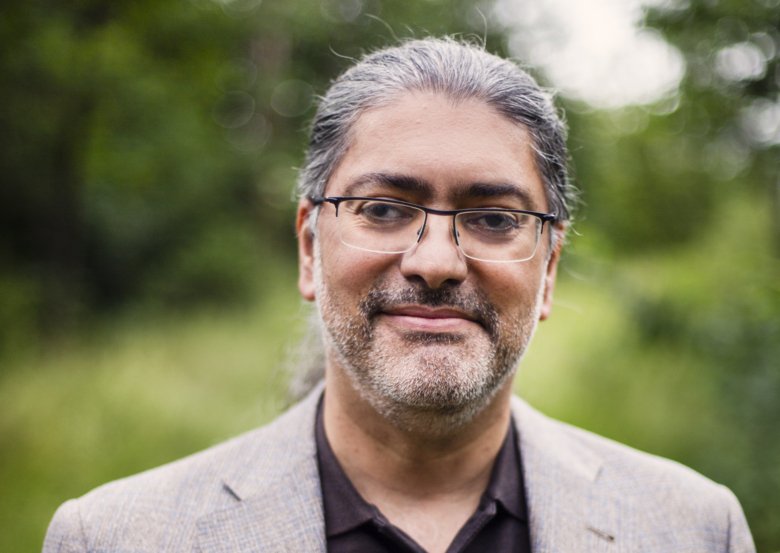
Dr. Ali Mirazimi is an Adjunct Professor at the Department of Laboratory Medicine, Karolinska Institute. His research focuses on molecular pathogenesis of viral hemorrhagic fevers (CCHFV, Ebola) and SARS-CoV-2, including vaccine development, antiviral therapies, and diagnostic tools. Coordinated CCHFVaccine consortium for developing vaccines Leading IMI/H2020 projects on SARS-CoV-2 Established 3D organoid infection models His lab investigates virus-host interactions across human, animal, and tick cells, with recent publications in Nature Communications , Cell , and Nature Microbiology . Key topics include: RNA virus dependencies on host factors Mechanisms of vascular leakage in VHF Programmed cell death during infections Biosafe diagnostic systems for outbreak settings Collaborations include: Prof. Friedemann Weber (Germany) Prof. Josef Penninger (Austria) Prof. Thomas Helleday (Sweden) NIH/NIAID partnerships
Professor Ahmet Okay Çağlayan at Dokuz Eylül University's School of Medicine specializes in Medical Genetics with a focus on neurodevelopmental disorders. His work integrates next-generation sequencing and genomic approaches to unravel rare genetic variants in structural brain abnormalities. Established Medical Genetics Department Teaching at undergraduate, graduate, and medical school levels Active in editorial and peer-review roles for top-tier journals Research spans neurogenetics, molecular diagnostics, and genomic medicine with emphasis on: Whole-exome sequencing applications Homozygosity mapping Linkage analysis Neurodevelopmental disease mechanisms Cortical malformations Genotype-phenotype correlations Recent publications highlight advancements in: Identifying novel pathogenic variants (NAGLU, KLHL40, PIBF1) Elucidating mTOR pathway dysregulation in lissencephaly Characterizing rare metabolic and neurodegenerative syndromes Developing genomic diagnostic frameworks for Turkish populations Metrics indicate: 197 WoS publications H-index: 4250 (Scopus) 24 research projects
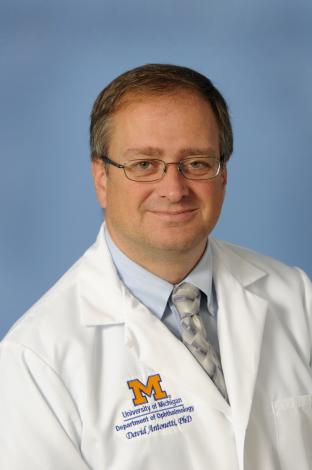
David Antonetti, Ph.D., serves as Professor and Scientific Director at the University of Michigan's Kellogg Eye Center within the Department of Ophthalmology and Visual Sciences. His laboratory actively accepts new students and maintains dual appointments in Molecular & Integrative Physiology. Antonetti directs research focused on vascular barrier mechanisms with significant implications for diabetic complications and stroke. His research centers on the tight junction complex in blood-retinal and blood-brain barriers, investigating how diabetes and stroke compromise vascular integrity. Antonetti's lab pioneered the discovery that occludin phosphorylation regulates barrier properties, demonstrating that transgenic mice expressing phosphorylation-resistant occludin mutants preserve retinal vascular function during diabetes. Current work explores Norrin cytokine therapy for barrier restoration and occludin phosphorylation targeting for stroke treatment using biochemical, cell biological, and transgenic approaches. Award highlights include the Jules Francois Prize (2004), Hinkle Society Translational Research Award (2007), and Roger W. Kittendorf Research Professorship (2019). His publication trends reveal sustained focus on vascular permeability mechanisms, with recent emphasis on Norrin signaling, disheveled-claudin interactions, and therapeutic repurposing for diabetic retinopathy and stroke. Jules Francois Prize for Young Investigator in Ophthalmology (2004) Hinkle Society Mid-Career Translational Research Award (2007) Most Inspirational Teacher Award (2009) Jules and Doris Stein Professorship (2011) Roger W. Kittendorf Research Professorship (2019) Antonetti leads collaborative research with Dr. Dan Lawrence on blood-brain barrier mechanisms in stroke, and directs multiple institutional resources including the Michigan Research Experts Profile. His laboratory develops transgenic models and molecular techniques to translate barrier biology discoveries into novel therapeutics, with recent work focusing on controlled antibody delivery systems and repurposed drugs for vascular protection. The Antonetti lab operates within the Kellogg Eye Center's research infrastructure, utilizing advanced techniques including mass spectrometry, mutational analysis in endothelial cell culture, transgenic mouse modeling, and optical coherence tomography. Current projects investigate neurovascular unit interactions, occludin-dynein mechanics, and Norrin-based therapeutics for diabetic retinopathy, with strong translational emphasis on vision preservation.
Dr. Michael Francis Wangler is an Associate Professor at Baylor College of Medicine within the Graduate School of Biomedical Sciences and Department of Molecular & Human Genetics . His research focuses on pediatric genetics and peroxisomal disorders , using Drosophila models and genomics to study Mendelian disease mechanisms. Co-Director of Model Organisms Screening Center (MOSC) for Undiagnosed Diseases Network Active in clinical genetics at Texas Children's Hospital Research interests include: Deciphering molecular pathogenesis of rare diseases Genomics and metabolomics in peroxisome biogenesis disorders Functional validation of de novo variants Model organism applications in clinical genetics Recent publications highlight work on: DDX39B , RBBP5 , and DNMT3A variant-associated syndromes Biomarker discovery in peroxisomal diseases Neurodevelopmental disorder mechanisms via Drosophila Laboratory: Duncan Neurological Research Institute (Room DNRI-1050, Houston, TX)
Dr. Hsiao-Tuan Chao is an Assistant Professor at Baylor College of Medicine with primary appointments in the Department of Pediatrics (Division of Neurology and Developmental Neuroscience), Department of Molecular and Human Genetics, and Department of Neuroscience. She serves as an Investigator at the Jan and Dan Duncan Neurological Research Institute and Texas Children's Hospital, and is a McNair Scholar at the McNair Medical Institute. Dr. Chao also holds leadership roles as Associate Program Director for the Basic Neuroscience Pathway in the Child Neurology Residency Training Program and as a Faculty Senator at Baylor College of Medicine. Dr. Chao's educational background includes: MD from Baylor College of Medicine (2012) PhD in Neuroscience from Baylor College of Medicine (2010) BS in Neuroscience and BA in Biochemistry (summa cum laude) from University of Texas at Austin (2002) Plan II Honors in Liberal Arts (summa cum laude) from University of Texas at Austin (2002) Her research focuses on understanding the genetic and neurophysiologic underpinnings of neurodevelopmental disorders including intellectual disability, epilepsy, autism, and schizophrenia. A central theme in her work is examining how disrupted inhibitory neuronal development and function contribute to these conditions. The Chao Lab integrates cross-species approaches using human genomics to uncover genetic etiologies, fruit flies to elucidate molecular pathways, and mice to explore consequences in the mammalian brain. Key research areas include EBF3-related disorders (HADDS syndrome), STXBP1 encephalopathy, EIF2AK variants (LEUDEN and LEMPSAD syndromes), and PPFIA3-related neurodevelopmental disorders. Analysis of Dr. Chao's recent publications reveals a strong focus on identifying novel disease genes and characterizing genotype-phenotype relationships in neurodevelopmental disorders. Her work spans multiple technical approaches including whole-genome sequencing, RNA sequencing, DNA methylation analysis, and functional validation using model organisms. A significant portion of her research examines how specific genetic variants impact protein function and neuronal development, with particular attention to transcriptional regulation, protein translation, and synaptic function. Dr. Chao has received numerous prestigious awards recognizing her contributions to neuroscience and neurology: 2022 "40 Under 40" List of Autism Researchers (Global Rising Stars in Autism Research) 2022 Young Investigator Award from Baylor College of Medicine Department of Pediatrics 2022 Induction to the Society for Pediatric Research 2020 Philip R. Dodge Young Investigator Award from the Child Neurology Society 2019 Health Care Heroes - Rising Star Award from Houston Business Journal 2017 STAT Wunderkind Award Dr. Chao actively mentors a large team of researchers including postdoctoral fellows, graduate students, medical students, and genetic counseling students. Her lab has secured significant funding including an NIH R01 grant (Molecular and Cellular Mechanisms of Cerebellar Dysfunction in Neurodevelopmental disorders), a DP5 Early Independence Award from NIH, and funding from the Burroughs Wellcome Fund. Current research initiatives include the Undiagnosed Epilepsy Genetics Initiative, EBF3-related disorders research study, and a Phase 1/2a clinical trial of CAP-002 Gene Therapy for STXBP1 Encephalopathy. The Chao Lab operates within the Jan and Dan Duncan Neurological Research Institute, leveraging multiple core facilities including the Microscopy Core, Rodent Neurobehavior Core, High Throughput Behavioral Screening Core, and Optogenetics and Viral Vectors Core. Her team collaborates extensively with the Undiagnosed Diseases Network and maintains active partnerships with clinicians at Texas Children's Hospital to translate research findings into clinical applications.
Dr. James Orengo, Associate Professor at Baylor College of Medicine and Director of the Multi-disciplinary ALS Clinic at Michael E. DeBakey VA Medical Center, focuses his research on motor neuron degeneration in neurodegenerative diseases like Spinocerebellar Ataxia Type 1 (SCA1) and ALS . His lab employs mouse models , transgenic zebrafish lines , and human iNeurons to investigate disease mechanisms. Key research areas include: Pathogenic drivers of bulbar dysfunction in SCA1 Transcriptomics of motor neuron degeneration Cross-species modeling (Human, Mouse, Zebrafish) Collaborations with the Undiagnosed Diseases Network (UDN) Dr. Orengo also contributes to clinical care through the BCM ALS Clinic and co-leads multidisciplinary teams at the Michael E. DeBakey VA Medical Center . His lab develops tools for CRISPRi screens and live imaging in zebrafish to accelerate therapeutic discovery.
Michael Sacher is a Professor in the Department of Biology at Concordia University. His research focuses on membrane traffic, vesicle recognition, and TRAPP complex-related disorders, particularly TRAPP-opathies and TANGO2 deficiency diseases. He holds a PhD from McGill University and has been awarded grants from CIHR, NSERC, and the TANGO2 Research Foundation. His work combines cell biology, genetics, and clinical research to understand disease mechanisms and develop therapeutic strategies. Key contributions include studies on autophagy regulation, protein glycosylation defects, and the molecular basis of muscular dystrophies. Teaching activities include Cell Biology (Biol 266) and Advanced Laboratory in Molecular Biology (Biol 466/689). His lab investigates the TRAPP complex’s role in organelle communication, with recent studies highlighting lipid imbalances in TANGO2 deficiency and vitamin B5’s therapeutic potential. Awards include the CIHR New Investigator Award (2007-2012) and the Maud Menten Prize (2007). His research bridges basic science and clinical applications, with ongoing work on patient-derived cell models and zebrafish/humanized yeast systems. Lab Website: Visit our lab pages Grants: CIHR, NSERC, Concordia University, TANGO2 Foundation Recent Focus: TRAPP mutations in neurodevelopmental disorders, autophagy regulation, and ER-Golgi trafficking defects
Dr. Yanjin Zhang serves as an Associate Professor in the School of Veterinary Medicine at the University of Maryland, College Park. His research focuses on molecular virology of RNA viruses including PRRSV, HEV, and Zika virus, with particular expertise in virus-host interactions and innate immune evasion mechanisms. Research Interests: Dr. Zhang investigates viral pathogenesis and mechanisms of viral interference with host innate immunity, especially interferon induction and JAK-STAT signaling pathways. His laboratory discovered that PRRSV inhibits STAT1/2/3 signaling and that HEV ORF1 blocks interferon induction while ORF3 activates RIG-I signaling. Current projects center on vaccine development against PRRSV using a novel interferon-inducing strain that enhances neutralizing antibody responses. Publication Trends: Analysis of 12 recent publications (2009-2023) reveals consistent focus on viral antagonism of host defense systems. Key themes include viral protein-induced degradation of host factors (e.g., KPNA2 by Zika NS2A), disruption of interferon signaling cascades, and karyopherin-mediated nuclear transport mechanisms. Primary subfields span neurovirology (Zika), porcine virology (PRRSV), and zoonotic hepatitis (HEV). Laboratory: Dr. Zhang directs a research team investigating molecular mechanisms of virus-host interactions with direct applications in antiviral therapeutic and vaccine development against economically significant viral pathogens.
Chil-Yong Kang is a Professor of Virology in the Department of Microbiology and Immunology at the Schulich School of Medicine and Dentistry, University of Western Ontario, Canada. He is a molecular virologist with a distinguished career spanning academia and leadership roles, including Chairmanship of Microbiology and Immunology at the University of Ottawa and Dean of Science at Western Ontario (1992–1999). PhD in Virology from McMaster University (1971). Postdoctoral training at the University of Wisconsin-Madison (1971–1974) under Nobel Laureate Howard Temin. Doctor of Science (D.Sc.) from McMaster University and Carleton University. Dr. Kang’s research focuses on developing antiviral vaccines and therapeutic agents for diseases such as hepatitis C, Ebola, MERS, Zika virus microcephaly, and HIV/AIDS. Notable achievements include the SAV001 HIV vaccine (completed Phase I trials) and a replication-competent SARS-CoV-2 vaccine platform. He has authored 148 peer-reviewed papers and holds 15 international biotechnology patents covering over 70 countries. Scientific awards and honors include: Korean-Canadian Heritage Award (1989) Ho-Am Prize in Medicine (1999) Order of Innovation from the Republic of Korea (2002) Queen Elizabeth II Diamond Jubilee Medal (2012) Life-time Fellow of the Royal Society of Canada (1993) He has served on grant selection committees for Canadian and U.S. federal agencies, participated in the Science Technology Innovation Council (STIC) of Canada, and reviewed for journals including Journal of Virology and Journal of Biological Chemistry . Dr. Kang leads the Kang Lab, contributing to vaccine innovation and molecular virology research.
Catherine Y. Spong, M.D. serves as Professor and Chair of the Department of Obstetrics and Gynecology at UT Southwestern Medical Center, where she also holds clinical responsibilities at the Parkland Health and Hospital System. Prior to her current position, she served as Vice Chair for the Department and Chief of the Division of Maternal-Fetal Medicine at UT Southwestern, having joined the faculty in 2018 after a distinguished 23-year career at the National Institutes of Health (NIH). Dr. Spong earned her medical degree from the University of Missouri-Kansas City (UMKC) in 1991, followed by serving as Chief Resident in Obstetrics and Gynecology at the Harbor-UCLA Medical Center. Her extensive NIH career included leadership positions at the National Institute of Child Health and Human Development (NICHD), where she served as Deputy Director, Acting Director, Associate Director for Extramural Research, Director of the Division of Extramural Research, and Chief of the Pregnancy and Perinatology Branch. She chaired the Department of Health and Human Services (DHHS) Federal Task Force on Research Specific to Pregnant Women and Lactating Women. Dr. Spong's research focuses on maternal and child health with emphasis on prematurity, fetal complications, and improving child outcomes. She directs significant research on the developing fetus, neuroprotective peptides, and fetal development. Her work spans fetal alcohol syndrome, Down syndrome, stillbirth, fetal surgery for myelomeningocele, Zika virus in pregnancy, and the human placenta. She launched the Human Placenta Project during her NIH tenure and is a passionate advocate for inclusion of underrepresented groups in research, stating 'We must recognize that inclusion is better than absence of data on treatment.' Analysis of Dr. Spong's recent publications reveals a strong focus on critical issues in maternal-fetal medicine, particularly Zika virus and pregnancy, placental research, and health disparities. Her work spans multiple disciplines including obstetrics, infectious disease, public health, and medical ethics, with consistent emphasis on improving outcomes for mothers and children through evidence-based research. Society for Maternal-Fetal Medicine Achievement Award UMKC Alumnus of the Year Award Multiple NIH Director's Awards Surgeon General's Certificate of Appreciation for work on prematurity Dr. Spong has made significant editorial contributions as Editor of 'William's Obstetrics,' 'Management of High Risk Pregnancy,' 'Protocols for High-Risk Pregnancies,' and 'Stillbirth: Prediction, Prevention and Management.' With over 270 peer-reviewed publications, she has appeared on national media including The CBS Early Show, Diane Rehm Show, NPR's All Things Considered, CNN, and Voice of America to discuss women's health topics. Her research on fetal neuroprotection has led to several patents for neuroprotective agents that help prevent fetal injury. As Chair at UT Southwestern, Dr. Spong oversees one of the premier academic departments of Obstetrics and Gynecology in the United States, with ongoing leadership in major research initiatives including the Human Placenta Project and continued advocacy for inclusive research practices that improve maternal and fetal outcomes.
Stanley F. Nelson is a Professor-in-residence at the University of California Los Angeles (UCLA), holding roles in the Department of Human Genetics, Pathology and Laboratory Medicine, Neurology, and Pediatrics. He leads research in genetic disorders, with a focus on undiagnosed diseases, exome sequencing, and genomic diagnostics. His work emphasizes rare diseases, neurodevelopmental disorders, and translational medicine. Dr. Nelson completed his BS in Physics from the University of Michigan (1982), MD from UCSF (1987), and postdoctoral training in Genomics at Stanford University (1993). He specializes in genomic technologies for identifying genetic causes of rare conditions, particularly through the Undiagnosed Diseases Network (UDN). His research integrates computational and experimental approaches to uncover genetic architectures of diseases like Duchenne muscular dystrophy, congenital diarrheas, and neurodegenerative disorders. His articles highlight advancements in exome sequencing, drug repositioning for muscular dystrophy, and molecular mechanisms of genetic disorders. He collaborates extensively with clinical and computational groups to bridge basic science and patient care. His contributions to diagnostic genomics have improved outcomes for patients with rare and undiagnosed conditions.
Dr. Hande Kaymakcalan Celebiler is an Assistant Professor of Neurosurgery at Yale School of Medicine with an adjunct appointment. Her work focuses on genetic etiologies of neurodevelopmental and congenital disorders, particularly in Turkish populations. She has conducted groundbreaking studies on mTOR signaling in lissencephaly, PTEN mutations in autism, and congenital heart disease genetics. Education: Marmara University School of Medicine (MD, 1999) Residencies: Cook County Hospital (2003), Yale University (2009) Her research explores genetic mechanisms behind autism spectrum disorders, congenital heart defects, and intellectual disabilities. Recent work identifies mTOR pathway dysregulation in cortical development disorders and expands understanding of Li-Campeau syndrome. Dr. Celebiler collaborates extensively with genomic researchers, publishing in Nature , Neurology , and Molecular Genetics & Genomic Medicine .
Dag Erik Undlien is a Professor in the Department of Medical Genetics at the University of Oslo. His research focuses on immunogenetics, epigenetics, and genetic factors in autoimmune diseases and diabetes. He has published extensively on Addison's disease, type 1 diabetes, and related genetic polymorphisms. University of Oslo, Department of Medical Genetics Research areas: Autoimmune disease genetics, Epigenetics, Diabetes research His work examines genetic susceptibility in autoimmune conditions, particularly through HLA associations, polymorphism studies, and epigenetic markers. Recent publications include bioinformatics tools for genetic analysis and studies on vitamin D pathway genes in Addison's disease. Collaborations span European cohorts and interdisciplinary teams in endocrinology, immunology, and computational biology. Key trends in his research include: Investigation of HLA and non-HLA genetic variants Epigenetic changes in childhood development Molecular mechanisms of rare genetic disorders Population-based genetic risk assessments Integration of computational tools in genetic analysis Environmental-genetic interactions in disease susceptibility Undlien's work contributes to understanding the complex interplay between genetic predispositions and disease manifestation in autoimmune and metabolic disorders.