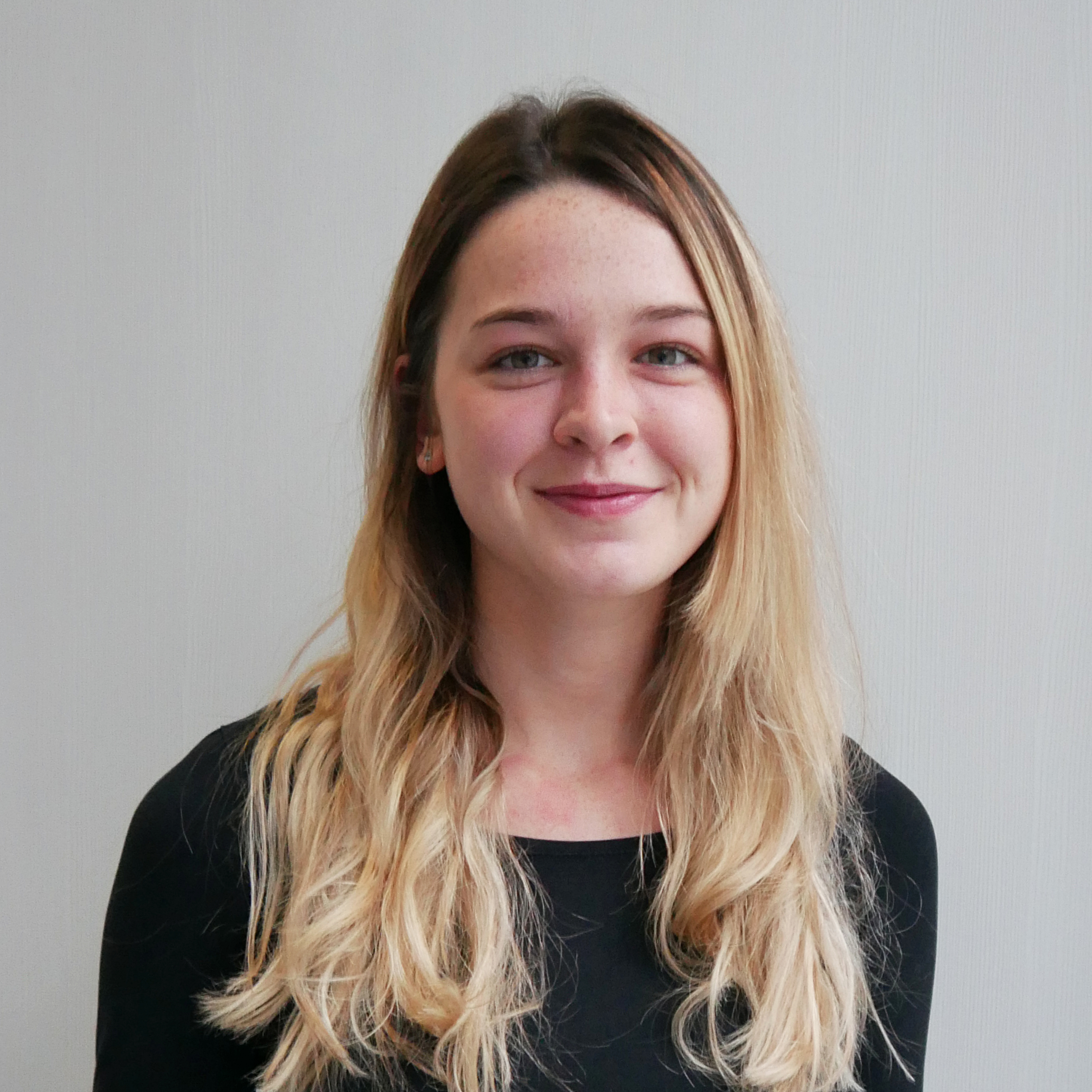
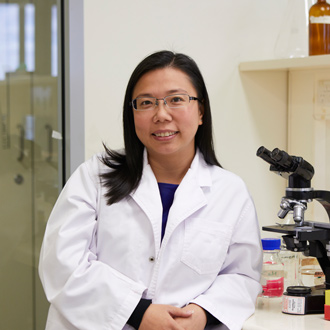
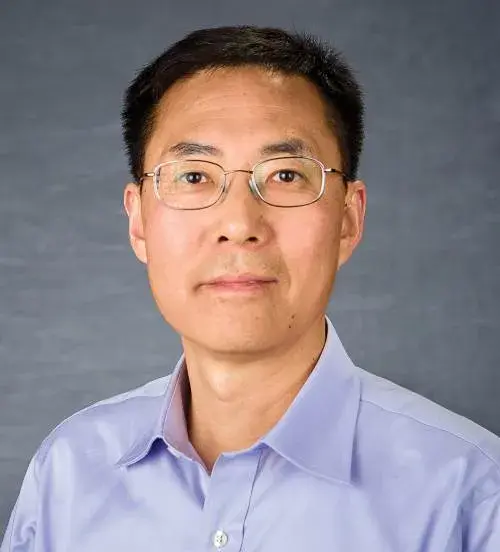
Rudie P.J. Kunnen is an Associate Professor at the Faculty of Applied Physics and Science Education , Eindhoven University of Technology, leading the Turbulent and Multiphase Flows group. His research focuses on heat, mass, and particulate transport in turbulent flows, with applications in geophysics and industry. Active in UN Sustainable Development Goals related to environmental protection Collaborator in projects like Active Contamination Control for Equipment and SubstrateS Research Interests : Turbulent flow dynamics, rotating convection, vortex structures, thermophoresis, plasma-liquid interactions, and geostrophic turbulence. His work combines experimental and numerical approaches (e.g., direct numerical simulation, particle image velocimetry). Scientific Awards : NWO Vici Prize (2024) Advising and Collaborations : Supervised multiple BSc and MSc theses at TU/e. Collaborates with researchers like F. Toschi and H.J.H. Clercx on turbulence projects.
Prof. Robert Göstl is a Professor leading the Research Group Göstl at RWTH Aachen University, with a concurrent position as Associated Scientist at the University of Wuppertal. His research bridges synthetic organic chemistry, polymer chemistry, photophysics, and materials science, focusing on mechanoresponsive biomaterials and polymer mechanochemistry. His group investigates stress interactions with materials through innovative approaches like molecular fractography and force-induced bond scission. Key research areas include: Development of optical force probes for polymer damage analysis Ultrasound-activated therapeutic release systems Mechanochemical activation of biomolecules Design of stimuli-responsive hydrogels and microgels Analyses of recent publications show strong emphasis on ultrasound-mediated drug delivery (40% of recent works), advanced polymer characterization techniques (25%), and biomaterial applications (35%). Primary methodologies include mechanophore design, super-resolution microscopy, and nanoparticle-polymer composites. Prof. Göstl currently supervises six PhD students working on projects including: Microgel-cell interactions Nanoscale fractography of composites Force-induced reaction pathways Thermally stable optical probes His laboratory develops experimental platforms for polymer mechanochemistry including specialized synthesis routes, confocal microscopy setups, and ultrasound application systems for material testing.
T.J.C. van Terwisga is a Professor at the Ship Hydromechanics and Structures department of Delft University of Technology (Faculty of Mechanical, Maritime and Materials Engineering). His research focuses on cavitation phenomena, vortical flows, and microbubble dynamics, with applications in ship hydrodynamics and marine technology. PhD in Mechanical Engineering (specialization in cavitation physics) Editorial Board Member: The Journal of Ocean Technology (2006–present) Research Interests : Cavitation inception and erosion mechanisms Air lubrication systems for ship drag reduction Underwater shipping noise propagation Bubble dynamics in vortical flows Experimental fluid mechanics Hydrofoil performance optimization Scientific Contributions : Developed advanced calibration methods for microbubble measurement systems Investigated air lubrication regime transitions under varying flow conditions Studied cavitation onset in counter-rotating vortex flows Explored bubble capture mechanisms in vortical flows Contributed to underwater soundscape modeling for maritime operations Editorial Roles : Editor, The Journal of Ocean Technology (2006–present) Editor, The Journal of Ocean Technology (2009–present)
Marco Colombo is a Lecturer in Fluid Mechanics at the Department of Mechanical Engineering, University of Sheffield, School of Mechanical, Aerospace and Civil Engineering. He joined the university in late 2021 and focuses on computational fluid dynamics (CFD) for multiphase flows in nuclear systems. BSc: Energy Engineering, Politecnico di Milano MSc: Nuclear Engineering, Politecnico di Milano PhD: Politecnico di Milano (2013) His research specializes in Thermo-fluid dynamics of multiphase flows , particularly nuclear thermal hydraulics , boiling heat transfer , passive cooling systems , and two-phase flow instabilities . He employs advanced CFD techniques, including Eulerian-Eulerian and LES models, to study bubbly flows and reactor cooling dynamics. Recent publications highlight his work on Morphology-adaptive multifluid CFD for bubbly flows Generalized multiphase modeling (GEMMA) for multiscale flows Benchmarking turbulence closures in nuclear reactor applications Frictional pressure drop correlations in helical tubes Scientific achievements include an EPSRC Fellowship to address gas-liquid flow regime modeling. Collaborators span institutions such as the University of Leeds and Politecnico di Milano.
Sabrina Santos Oliveira is an Associate Professor with a shared position between the Cell Biology, Neurobiology and Biophysics division of the Department of Biology and the Pharmaceutics division of the Department of Pharmaceutical Sciences at Utrecht University's Faculty of Science. Her research focuses on Molecular Targeted Therapies, particularly using nanobodies to enhance the selectivity of photodynamic therapy for cancer treatment. Dr. Oliveira received her initial introduction to Utrecht University through an internship at the Department of Pharmaceutical Sciences in 2004 during her studies at the Faculty of Pharmacy of Coimbra University in Portugal. After graduation, she obtained an individual doctoral grant from the Portuguese Foundation for Science and Technology (FCT) to complete her PhD research on Targeted Cancer Therapies (2004-2008). She then worked as a postdoc on nanobody-based tracers for optical molecular imaging (2008-2012). In 2012, she was awarded a VENI grant from the Netherlands Organisation for Research (NWO-STW), which allowed her to start her own research line focused on rendering photodynamic therapy more selective to cancer cells using nanobodies. In 2016, she received a Starting Grant from the European Research Council (ERC) to continue her research. She was appointed Assistant Professor in July 2016 and Associate Professor in May 2019. Dr. Oliveira's research group focuses on developing and evaluating improved therapies directed at relevant molecular targets. Her work primarily centers on nanobody-targeted photodynamic therapy, which uses the small size and binding specificity of nanobodies to target photosensitizers specifically to cancer cells. This approach aims to improve the selectivity of photodynamic therapy, which is currently limited by the non-specific interaction of hydrophobic photosensitizers with all cell types. Her ERC-funded KILLCANCER project (Starting Grant #677582) has investigated the mechanism of nanobody-targeted PDT and evaluated this approach in larger animals, with the goal of translating findings to human patients. The research has potential applications in treating various cancers, including feline oral carcinoma, which is being studied in collaboration with the University Clinic for Companion Animal Health. Analysis of Dr. Oliveira's recent publications reveals a strong focus on translating nanobody technology from basic research to clinical applications. Her work spans multiple therapeutic areas including cancer treatment, viral infection therapies, and advanced drug delivery systems. The research demonstrates significant translational potential, with applications in both human and veterinary medicine, particularly in improving cancer treatment options through more selective targeting approaches. VENI grant from Netherlands Organisation for Research (NWO-STW) (2012) Starting Grant from European Research Council (ERC) (2016) Individual doctoral grant from Portuguese Foundation for Science and Technology (FCT) Dr. Oliveira's laboratory includes a technician, multiple postdocs, and PhD students working on various aspects of nanobody-targeted therapies. Her research has been highlighted by the Morris Animal Foundation as a promising new treatment for cats suffering from oral squamous cell carcinoma, demonstrating the translational potential of her work from bench to bedside (and clinic). The collaborative nature of her research is evident in the numerous collaborations with other departments and institutions, including the University Medical Center Utrecht and veterinary clinics.
Professor Xiaowei Wang is a leading academic at the Baker Heart and Diabetes Institute , where she heads the Molecular Imaging and Nanotherapeutics laboratory and co-leads the Heart Attack Program and Centre for Cardiometabolic mRNA Therapy . She holds adjunct and honorary academic appointments at the University of Melbourne, La Trobe University, Monash University, Swinburne University, and Torrens University. Professor Wang earned her PhD from Monash University and is a Fellow of the Australian Academy of Health Sciences (FAHA), Cardiac Society of Australia and New Zealand (FCSANZ), and European Society of Cardiology (FESC). Her research integrates physics, chemistry, biology, and biotechnology to develop clinical-ready diagnostic and therapeutic solutions for cardiovascular disease. Her work focuses on preclinical molecular imaging using advanced technologies like MRI, PET, and photoacoustic imaging to enable early diagnosis and real-time monitoring of treatments. She pioneers mRNA therapeutics and vaccines delivered via micro- and nano-particles to prevent heart attacks, strokes, and inflammation with minimal side effects. Key trends in her publications highlight targeted drug delivery , thrombosis prevention , Nanotherapeutics , and translational cardiovascular research . Her studies often explore the intersection of molecular imaging , biomedical engineering , and clinical applications . Scientific awards and recognitions: National Heart Foundation Future Leader Fellowship Level 2 Baker Institute Sir Laurence Muir Prize World Molecular Imaging Society Mid Career Award Inaugural Fellow of the Australian Society of Molecular Imaging National Heart Foundation Paul Korner Innovation Award Inaugural Women of Colour in STEM Award AVBS Achievement and Career Development Award 40 Under 40 Most Influential Asian-Australian Award Finalist Professor Wang is also deeply committed to equity and mentorship, chairing the Baker Institute’s Mentoring Committee and serving on leadership teams for the Women in Molecular Imaging Network and the Gender Equity and Diversity Committee. She has received over 27 national and international travel grants, 18 research prizes, and 14 Young Investigator Awards, underscoring her impact in the field.
Kunlei Liu is a Professor in the Department of Mechanical Engineering and Director of the Institute for Decarbonization and Energy Advancement (IDEA) at the University of Kentucky. He holds a Ph.D. in Thermoenergy Engineering from Southeast University (1993), an M.S. in Thermoenergy Engineering (1991), and a B.S. in Power Engineering (1988), all from Southeast University, Nanjing, PRC. His career includes roles as Associate Director for Research at the Center for Applied Energy Research (CAER) and academic positions at Western Kentucky University, including managing their Combustion Laboratory from 2002–2004. Prior to academia, he worked at The Babcock & Wilcox Company as an Advisory Engineer (2004–2005). Research Interests: Dr. Liu focuses on advanced combustion and gasification technologies, carbon removal from point sources and ambient air, hydrogen production, efficiency optimization, and material recovery from spent batteries and solar panels. His work integrates engineering, environmental science, and electrochemistry to address decarbonization challenges. He actively explores innovations in CO₂ capture solvents, electrochemical processes, and waste valorization strategies. Articles Trends: His recent publications concentrate on CO₂ capture via novel absorbents (e.g., diamine-based and potassium salts), electrochemical methods for CO₂ conversion, solvent degradation mechanisms, and material recovery from spent batteries and solar panels. He also investigates process intensification techniques using 3D-printed structured packing, microbubble technologies, and low-temperature methanation. Key areas include optimizing pilot plant performance, reducing nitrosamine contaminants, and enhancing system efficiency through computational modeling and experimental validation. Grants & Advising: While no advisees are listed, his leadership roles indicate extensive grant-funded research, including projects on decarbonization technologies, formic acid production, and direct air capture. He has managed CAER’s research programs and led interdisciplinary teams in pilot-scale testing and industrial collaborations. Labs & Teams: Dr. Liu directs IDEA and has historically managed the Combustion Laboratory at Western Kentucky University. He collaborates closely with UK’s Center for Applied Energy Research (CAER), focusing on innovative technologies for energy systems and environmental sustainability.
Quim Peña is a postdoctoral researcher at the Department of Experimental Molecular Imaging (RWTH Aachen University). He obtained his PhD in Chemistry from Universitat Autònoma de Barcelona (Spain) and Aix-Marseille Université (France) in 2019, focusing on metal-based chemotherapeutics. Current research focuses on nanomedicine for enhanced drug delivery in cancer therapies Specializes in polymeric micelles and prodrug synthesis Recent work involves RGD-coated microbubbles and ultrasound-mediated delivery Contributed to 89Zr-radiolabeled micelle development for personalized breast cancer treatment His publications (2021-2025) emphasize polymer-drug conjugates , multidrug delivery systems , and theranostic applications . Collaborative projects include collaborations with Twan Lammers, Fabian Kiessling, and Josbert Metselaar. 2025: Hydrophobic ion pairing for micelle drug co-loading 2025: Multidrug micelles for brain tumor treatment 2024: RGD-coated microbubbles for blood-brain barrier delivery 2023: Transformative materials for interfacial drug delivery Scientific recognition includes the 2025 CRS Award for best short talk . His work targets cancer nanomedicine with emphasis on side-effect reduction through advanced delivery systems.
Neil Spratt is a Professor at the University of Newcastle, affiliated with the School of Biomedical Sciences and Pharmacy (Human Physiology). He is a clinical neurologist at John Hunter Hospital and leads the Stroke Translation Laboratory. His research focuses on translational stroke therapies, including hypothermia, intracranial pressure management, and advanced CT imaging. Spratt holds an NHMRC fellowship and has secured over $422,000 in grants for his work. His educational background includes a PhD from the University of Melbourne and undergraduate degrees from the University of Newcastle. Collaborations with researchers like Professors Mike Calford and Chris Levi emphasize bridging laboratory and clinical research. Education: PhD in Medicine (Neurology), University of Melbourne Bachelor of Medical Science (Honours), University of Newcastle Bachelor of Medicine (Honours), University of Newcastle Research Interests: Developing therapies to reduce brain injury post-stroke Optimizing stroke triage and imaging protocols Short-duration hypothermia for intracranial pressure management Collaborations in environmental enrichment for stroke recovery Grants & Awards: NHMRC Early Career Fellowship (2012–2015) NHMRC Practitioner Fellowship (2007–2011) $422,000 NHMRC grant for hypothermia research Labs & Teams: Stroke Translation Laboratory (University of Newcastle/HMRI), Priority Research Centre for Brain and Mental Health.
Dr. Tao Sun is an Assistant Professor of Bioengineering at Northeastern University and a core member of the Institute of Chemical Imaging of Living Systems. He joined Northeastern in 2023 after postdoctoral training at Brigham and Women’s Hospital, Harvard School of Engineering and Applied Sciences, and an Instructor role at Harvard Medical School. His research focuses on focused ultrasound (FUS), neuroimaging, and immunoengineering, aiming to treat neurological disorders like glioblastoma and Alzheimer’s disease. He leads the Sun Ultrasound and Neuroengineering (SUN) Lab, developing ultrasound-based therapies and diagnostic tools. Education: Ph.D., Electrical Engineering, Tufts University M.S., Biomedical Engineering, Columbia University B.S., Acoustics, Nanjing University Research Interests: Dr. Sun’s work integrates FUS with drug delivery and immunomodulation. He develops non-invasive methods to enhance drug penetration across the blood-brain barrier and studies ultrasound’s effects on neuroimmune interactions. His lab explores applications in cancer treatment, immunotherapy, and neurodegenerative diseases. Recent breakthroughs include using nonspherical microbubbles for targeted delivery and closed-loop control systems for drug delivery. Awards: Young Investigator Award, Focused Ultrasound Foundation (2022) Young Investigator Award, Acoustical Society of America (2021) Lab & Collaborations: The SUN Lab collaborates with institutions like Harvard and MIT, focusing on ultrasound device innovation and clinical translation. Dr. Sun co-authors high-impact papers in journals like PNAS and Science Translational Medicine , and his work is featured in WIRED and Medical Xpress .
Jaakko Timonen is an Associate Professor and Vice Head of the Department of Applied Physics at Aalto University, where he leads the Active Matter research group. He is also Deputy Director of the Center of Excellence in Life-Inspired Hybrid Materials (LIBER), and holds significant research funding from the Academy of Finland and the European Research Council (ERC StG). His academic journey includes a doctoral degree from Aalto (2013) and postdoctoral research at Northwestern and Harvard Universities. His research interests lie at the intersection of physics, chemistry, and biology, focusing on soft and active matter systems. Key areas include ferrofluids, electrohydrodynamics, liquid-liquid phase separation, colloidal nanoparticles, magnetic control of non-magnetic matter, and advanced optical microscopy. His recent publications span high-impact journals and reveal a strong trend toward bioinspired materials, responsive systems, and biomedical applications such as 3D bioprinting and cancer diagnostics. His work often involves interdisciplinary collaboration and the development of novel experimental techniques. ERC Starting Grant (2019–2024) Academy of Finland Research Fellow (2019–2023) Distinction prize for doctoral thesis (Aalto, 2013) Distinction prize for master’s thesis (Helsinki UT, 2009) Timonen actively supervises PhD and early-career researchers, with several students contributing to recent publications and projects. He leads multiple active grants, including projects on multiscale electrostatic phenomena in nanoparticles and food applications of Pickering emulsions. He also organizes academic events and participates in public outreach, such as the 'Life inspired materials' seminar. His research group maintains strong ties to both fundamental physics and real-world applications in health, sustainability, and advanced materials. He is involved in several research labs and collaborative networks, particularly through the LIBER Center of Excellence, focusing on hybrid materials with life-inspired functions. His team develops custom imaging systems and explores emergent behaviors in active and biological matter, contributing to fields such as non-equilibrium physics, microfluidics, and synthetic biology.
Jason Raymond, Ph.D., is a Research Assistant Professor at the Fralin Biomedical Research Institute (FBRI) at Virginia Tech-Carilion, where he also serves as the Focused Ultrasound Core Manager. He leads advanced research in therapeutic ultrasound and manages state-of-the-art facilities including MRI-guided focused ultrasound systems and a 9.4T small-bore MR-imaging platform. His work supports both preclinical and clinical trials in focused ultrasound applications. Ph.D. in Biomedical Engineering, University of Cincinnati Postdoctoral Research Fellow, University of Oxford Lecturer and Senior Research Associate, Department of Engineering Science, University of Oxford Junior Research Fellow, Kellogg College, Oxford B.S. and M.S. in Engineering Acoustics and Mechanical Engineering, Boston University Dr. Raymond’s research focuses on biomedical therapeutic ultrasound, with applications in drug delivery, blood-brain barrier opening, high-intensity focused ultrasound (HIFU) ablation, and acoustic cavitation. His expertise also extends to ultrasound contrast agents, photoacoustic imaging, and the physical interactions of sound and light in biological tissues. He has pioneered work in sonochemistry, microbubble dynamics, and non-invasive neuromodulation. His recent publications reveal a strong trend in leveraging ultrasound for chemical and biological applications, including sonochemical degradation, hydroxyl radical monitoring, and genetic engineering of biofilms. His work integrates acoustics, chemistry, and biomedical engineering to develop novel therapeutic and diagnostic tools. 38th F.V. Hunt Postdoctoral Research Fellowship, Acoustical Society of America Whitaker International Fellowship, Thoraxcenter–Erasmus Medical Center Junior Research Fellowship, Kellogg College, Oxford Dr. Raymond has been instrumental in establishing physical acoustics laboratories and has contributed to major advancements in focused ultrasound technology. He actively mentors researchers, supports collaborative projects across Virginia Tech, and provides technical guidance for industry and academic partners. His leadership in core facilities enables broad access to cutting-edge ultrasound technologies. He manages the Focused Ultrasound Technical Facilities at FBRI, which include a clinical transcranial MRI-guided focused ultrasound system (InSightec and Siemens) and a Bruker 9.4T MR system for small animal studies. These labs support research in non-invasive surgery, hyperthermia, ablation, and blood-brain barrier modulation.
Nils Sponheim is an Associate Professor at Oslo Metropolitan University (OsloMet) in the Faculty of Technology, Art and Design, Department of Mechanical, Electrical and Chemical Engineering. His research focuses on ultrasound, medical imaging, and signal processing, with particular emphasis on contrast agents, Doppler imaging, and biomedical engineering applications. He has contributed extensively to ultrasound transducer design and problem-based learning pedagogy. Academic Affiliation: OsloMet – Faculty of Technology, Art and Design Research Areas: Ultrasound physics, contrast agent development, Doppler signal analysis, medical imaging instrumentation Education Focus: Problem-Based Learning (PBL) in engineering His publications span transient ultrasonic fields, synchronization techniques for contrast agents, and clinical applications in cardiology and oncology. Key subfields include pulse shaping, frequency resolution limitations, and transducer design. Sponheim's work bridges engineering and clinical diagnostics, with collaborations in cardiology and oncology imaging. Current projects focus on pulsed ultrasonic fields and practical measurement systems.
Professor Robin Cleveland serves as a Professor in the Department of Engineering Science at the University of Oxford and holds a Tutorial Fellowship at Magdalen College, where he has been based since 2011. His academic home is the Institute of Biomedical Engineering, and he actively contributes to both undergraduate teaching and cutting-edge biomedical research. His educational journey began in Rotorua, New Zealand, where he earned BSc and MSc degrees in Physics from the University of Auckland. He then pursued doctoral studies at the University of Texas at Austin, obtaining a PhD in Mechanical Engineering focused on sonic boom propagation from supersonic aircraft. This was followed by a two-year post-doctoral fellowship at the University of Washington in Seattle investigating shock waves for biomedical applications. Prior to Oxford, he spent 14 years on the faculty at Boston University's Department of Mechanical Engineering. Cleveland's research centers on nonlinear acoustics with transformative biomedical applications. His current projects include transcranial ultrasound neurostimulation for modulating brain activity, investigating traumatic brain injury mechanisms, developing high-intensity focused ultrasound techniques to destroy bacterial biofilms, advancing ultrasound-based cancer treatments, and optimizing shock wave lithotripsy for kidney stone fragmentation. His work uniquely bridges engineering physics with clinical medicine to solve complex medical challenges. Analysis of his recent publications reveals a consistent interdisciplinary trajectory where acoustic wave physics is systematically applied to neurological, infectious disease, oncological, and urological conditions. The publications demonstrate increasing sophistication in coupling ultrasound with nanotechnology for drug delivery and leveraging passive acoustic mapping for real-time treatment monitoring, with strong translational focus toward clinical implementation. His scientific recognition includes: Fellow of the Acoustical Society of America Associate Editor of Journal of the Acoustical Society of America Knobbly Knees Award (2013) from the Cuddington Summer Fete Professor Cleveland provides undergraduate instruction through college tutorials in fluid mechanics and thermodynamics at Magdalen College, typically with 2-6 students per session. At the departmental level, he lectures in mathematics and fluid mechanics for undergraduate courses and teaches specialized postgraduate courses in ultrasonics. His research is conducted within the BUBBL (Biomedical Ultrasonics, Biotherapy and Biopharmaceuticals Laboratory) group, which focuses on translating acoustic phenomena into medical therapies through rigorous experimental and computational approaches. He leads a multidisciplinary research team within the Institute of Biomedical Engineering's BUBBL group, collaborating with clinicians, physicists, and biomedical engineers to develop novel ultrasound-based diagnostic and therapeutic platforms. Current team efforts focus on neurostimulation protocols, antibacterial ultrasound applications, and advanced drug delivery systems using acoustic cavitation phenomena.
Thomas Brunet is a researcher at the University of Bordeaux, specializing in physical acoustics and functional materials for acoustics. His work spans ultrasound physics, material characterization, and advanced modeling/simulation techniques. Key collaborations with research groups: APY (Physical Acoustics) , Functional Materials for Acoustics , and GCE (Civil and Environmental Engineering) . Focus areas: acoustic metamaterials , Anderson localization , contactless micromanipulation , and viscoelastic wave propagation . His publications (over 30 in the last decade) demonstrate expertise in ultrasonic imaging, nanophononics, and multiphysics problems involving mechanical, thermal, and fluid interactions. Collaborative projects include DuMAS (Sustainability of Materials) , IMC (Mechanical Engineering) , and MPI (Materials-Procedes-Interactions) initiatives. No formal awards or student advising details are publicly available in the provided data.