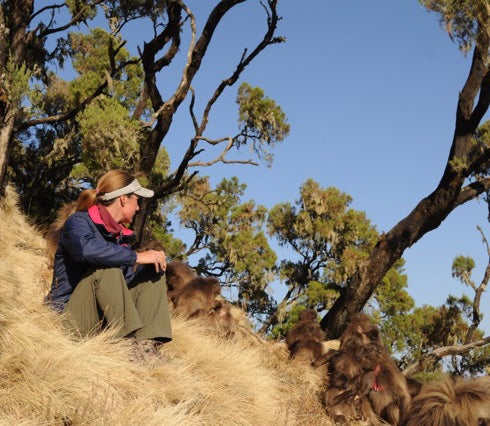
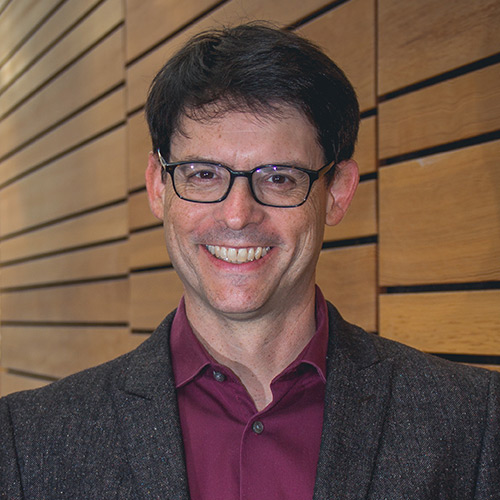
Dr. Jacinta C. Beehner is an Associate Professor in the Department of Anthropology & Psychology at the University of Michigan. Her research focuses on sexual conflict theory, reproductive strategies in primates, and the physiological and behavioral mechanisms underlying these dynamics. She directs the Core Assay Facility/Beehner Endocrine Laboratory and co-directs the Simien Mountains Gelada Research Project, Capuchins at Taboga, and the Evolution and Human Adaptations Program. Her work examines non-human primates like geladas, capuchins, and baboons in natural African and American habitats. Key themes include infanticide avoidance, hormonal responses to environmental stress, and the evolutionary implications of reproductive trade-offs. Recent studies highlight the impact of climate change on primate health, the role of social status in parasite resistance, and hormonal adaptations to high-altitude environments. Beehner has contributed to over 60 peer-reviewed articles since 2015, spanning topics from primate social networks to genomic adaptations. Her fieldwork emphasizes integrative methods combining endocrinology, genetics, and behavioral observation. She has presented at international forums like the National Geographic Explorer’s Festival and collaborates across disciplines to advance primate conservation and evolutionary biology.
Dr. Markus Brinkmann is an Associate Professor in the School of Environment and Sustainability at the University of Saskatchewan, Canada, and Director of the Toxicology Centre. He holds the Centennial Enhancement Chair in Mechanistic Environmental Toxicology. His research focuses on exposure and risk assessment modeling, toxicokinetic modeling, and aquatic ecotoxicology, with an emphasis on understanding contaminant effects under realistic environmental conditions. Affiliations: Associate Professor, University of Saskatchewan Director, Toxicology Centre Member, Global Water Futures Program Member, Global Institute for Water Security Education: Ph.D. (Biology) - RWTH Aachen University, Germany (2015) M.Sc. (Ecotoxicology) - RWTH Aachen University, Germany (2011) B.Sc. (Biology) - RWTH Aachen University, Germany (2009) Research Interests: Dr. Brinkmann develops computational models to predict contaminant uptake, effects, and cross-species extrapolation. His work integrates toxicology, environmental chemistry, and hydrology to address challenges like flood-related contaminant remobilization and dioxin-like compound toxicity. Key areas include: Mechanistic toxicology of emerging contaminants (e.g., 6PPD-quinone, PFAS alternatives) Sediment toxicity and bioavailability Wastewater surveillance for public health monitoring Grant Highlights: Global Water Futures Program (2018-2023): Hydrological-exposure models for environmental risk assessment Genome Canada (2016-2020): EcoToxChip for chemical prioritization Banting Postdoctoral Fellowship (2016-2018) Awards: Friedrich-Wilhelm-Award (2016) SETAC GLB Young Scientists Award (2016 PhD, 2012 MSc) Borchers medal (2016) Leadership: He advises on strategic research partnerships between Canada and Germany and collaborates globally on projects like the EcoToxChip and Project House Water . His work bridges academic research with practical environmental management solutions.
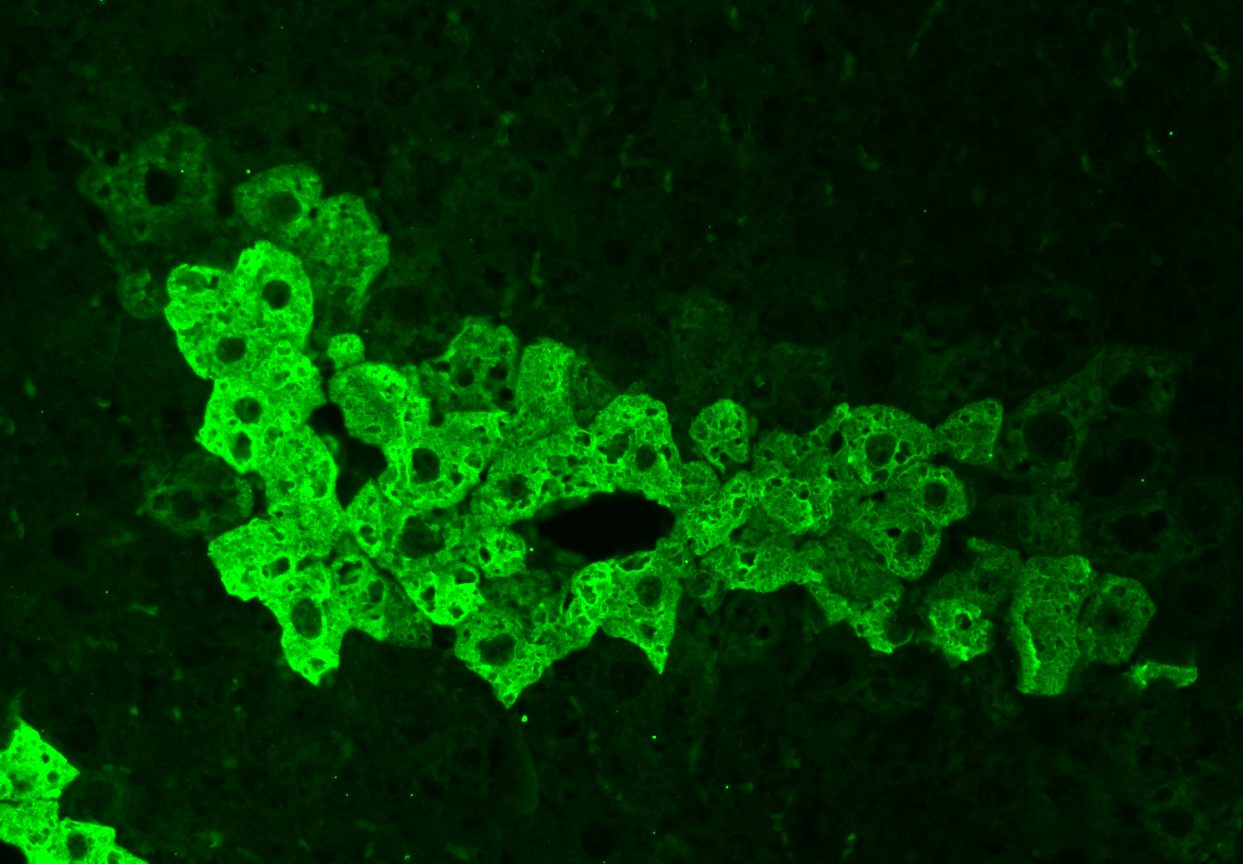
Kristina Schoonjans is an Associate Professor at EPFL’s School of Life Sciences, where she leads the Laboratory of Metabolic Signaling (UPSCHOONJANS). Her research focuses on the molecular mechanisms of bile acid signaling, nutrient sensing, and intermediary metabolism, particularly in the context of metabolic disorders such as obesity, fatty liver disease, and cancer. She investigates how the liver-gut-brain axis integrates metabolic signals through nuclear receptors and mitochondrial dynamics. Her research interests include: Bile acid signaling and its role as a hormonal regulator Nutrient and metabolite sensing in energy homeostasis Intermediary metabolism and metabolic disorders Role of nuclear receptors (e.g., TGR5, LRH-1) in liver, gut, and adipose tissue Mitochondrial dynamics and fission in metabolic regulation Organoid models for studying liver and intestinal metabolism Systems genetics using BXD mouse populations The most recent articles highlight a strong focus on bile acid signaling, particularly through TGR5 and LRH-1, in regulating metabolic health. Themes include the conversion of white fat to beige fat (beiging), hepatic tumorigenesis, mitochondrial fission, and the use of organoid and genetically engineered mouse models. There is a consistent emphasis on translational applications for obesity, fatty liver disease, and cancer. Scientific honors include: Windaus Prize from the Dr. Falk Foundation (2010, shared with Johan Auwerx) for the discovery of the signaling/endocrine function of bile acids Prof. Schoonjans actively supervises PhD students and has advised numerous doctoral candidates who have since completed their theses. Her lab is supported by multiple grants from Swiss and international funding agencies, including the Swiss National Science Foundation, EPFL, CONACYT, and the Foundation for Health and Education. She teaches in several doctoral programs at EPFL, including Life Sciences Engineering, and contributes to education through the SSV and EDBB/EDCB/EDMS-ENS programs. The Schoonjans Lab brings together scientists, doctoral assistants, and technicians working on projects related to metabolic signaling. The team uses advanced techniques such as genetically modified mouse models, organoid cultures, and multi-omics (metabolomics, proteomics, transcriptomics) to study the liver-gut and brain-liver axes. The lab has a strong track record of high-impact publications and collaborations with institutions worldwide.
Jenny Kao-Kniffin is a Professor in the Horticulture Section of the School of Integrative Plant Science at Cornell University. Her research focuses on the belowground ecology of horticultural landscapes, particularly the ecology and management of invasive plants and weeds in horticultural landscapes, wetlands, and urban ecosystems. She applies concepts from microbial ecology to understand how soil microorganisms impact plant populations both beneficially (aiding in plant growth and fitness) and negatively (keeping populations in check). Dr. Kao-Kniffin's research interests include: Weed science and ecological management of weeds Urban ecology and urban agriculture Rhizosphere biology and plant-microbe interactions Soil microbiome selection and manipulation Ecological approaches to sustainable agriculture Her work centers on three main research areas: selection of rhizosphere microbiomes that modulate plant traits, identifying functional roles of microbiomes that mediate plant growth, and assembly of plant-microbial communities that enhance ecosystem services. She has demonstrated that microbiomes can be manipulated to alter flowering time in plants and has developed ecological approaches for weed management through soil carbon amendments. Her recent publications reveal a strong focus on urban soil microbiomes, nitrogen cycling in agroecosystems, and the application of microbial ecology to sustainable agriculture. The research spans from fundamental plant-microbe interaction studies to practical applications in urban agriculture and weed management, with particular emphasis on how soil amendments and microbial communities can be leveraged for ecological management of plant systems. Notable scientific achievements include: The White House Presidential Early Career Award for Scientists and Engineers (PECASE), 2019 Weihenstephan Science Award, International Collaboration for Early Career Scientists 2017 Cornell University CALS Award for Excellence in Mentoring Undergraduate Students in Independent Research 2013 Dr. Kao-Kniffin actively mentors graduate students and has developed extension programs focused on assisting public and private audiences with methods to manage weedy and invasive plants in horticultural landscapes. Her lab has developed a web-based software program that allows users to select weed management methods based on conventional or organic preferences. She teaches PLSCI 4900: Reflection on Plant Sciences Experiential Learning and maintains an active research program with several ongoing projects in urban agriculture, particularly working with New York City farmers to construct clean soil from local materials.
Dr. Jeannine Baumgartner is a Lecturer in the Department of Nutritional Sciences at King's College London and an Extraordinary Associate Professor at North-West University, South Africa. She holds an MSc and PhD in Human Nutrition from ETH Zurich, Switzerland. Key Appointments : Lecturer at King's College London (2022–present), Senior Scientist at ETH Zurich (2018–2022), Associate Professor at North-West University (2018). Research Focus : Optimal early-life nutrition for maternal/child health, iron and omega-3 fatty acid interventions, stable isotope methodologies, HIV-metabolic interactions, and mental health-diet links. Her recent work explores iron absorption dynamics in Thai children, maternal iron status in South Africa, and omega-3 fatty acids in depression. She leads an NIHR-funded project to reassess UK iron reference values. Scientific Leadership : Board Member, International Society for the Study of Fatty Acids and Lipids (ISSFAL) Editorial Board, European Journal of Clinical Nutrition
Zackary Johnson , the Juli Plant Grainger Associate Professor of Biological Oceanography and Marine Biotechnology at Duke University, leads interdisciplinary research at the intersection of marine microbiology and biogeochemical innovation. Affiliated with the Nicholas School of the Environment and based at the Duke Marine Laboratory , his work spans microbial ecology, algal biotechnology, and climate mitigation strategies. Education: Ph.D. in Marine Science (Duke University, 2004), B.S. in Biology (MIT, 1994) Research Interests focus on marine microbial communities, particularly the model phytoplankton Prochlorococcus , algal cultivation for sustainable bioproducts, and the ecological impacts of ocean acidification. His lab investigates microbial interactions across diverse environments—from coastal estuaries to open-ocean gyres—and develops technologies for carbon-negative aquaculture systems. Publications highlight expertise in microbial biogeography, algal biofuels, and climate-resilient marine food webs. Recent work explores drone-based ocean color sensing, Gulf Stream eddy microbiomes, and the role of Labyrinthulomycetes protists in carbon export. Scientific Awards: Juli Plant Grainger Associate Professorship DOE and NSF-funded projects Grants include high-profile initiatives like the Marine Algae Industrialization Consortium (MAGIC) and REU Site program for coastal research training. His lab maintains a dedicated research site for studying microbial dynamics and sustainable algal cultivation.
Prof. Dr. Michael Schloter serves as Director of the Research Unit for Comparative Microbiome Analysis at Helmholtz Munich since 2011 and holds a Professorship in Microbiology at the Technical University of Munich since 2010. He concurrently acts as Principal Investigator at both the German Center for Lung Diseases (DZL) and the Central for Food and Nutrition (ZIEL) at TU Munich, driving interdisciplinary research at the intersection of environmental and human health through the "Planetary Health" framework. His educational foundation was built through diploma studies at Ludwig Maximilian University Munich and doctoral research at the University of Bayreuth, followed by formative work in Brazil and the United States where he pioneered bioinocula development for stress-resilient agriculture. At Helmholtz Munich (formerly GSF), he evolved from group leader in soil microbial ecology (2001) to Research Unit Director, expanding his focus from agricultural systems to human microbiome-health connections. Dr. Schloter's research program centers on microbiome-host crosstalk across ecological scales, investigating how environmental microbiota interact with human and plant microbiomes to influence health outcomes. His work integrates ecological theory with microbiome analysis to decode host-microbe co-evolution patterns, with applications spanning sustainable agriculture, allergy prevention, and infection control. Key thematic pillars include holobiont theory, probiotic development, and microbiome-mediated disease prevention through environmental quality improvement. Analysis of his 2025 publications reveals a strategic research portfolio bridging fundamental and applied microbiome science. Agricultural studies dominate (maize, potato, apple systems), examining microbial inoculants and soil management, while human health investigations explore preterm birth complications and Antarctic mammal microbiomes. Computational approaches for antimicrobial resistance assessment and ecosystem-scale projects like JenaTron demonstrate methodological breadth, all converging on translating microbiome functionality into real-world sustainability solutions. Major recognitions include: Election to the Bavarian Academy of Science (2021) Consistent placement among the top 1% of highly cited global researchers (2019-2021) Heinrich Baur Research Award (2011) for agricultural microbiology contributions As Research Unit Director, Schloter leads large-scale collaborative initiatives including the DZL and ZIEL consortia, securing major funding for microbiome standardization projects and international research networks. His leadership extends to developing analytical frameworks for cross-ecosystem microbiome comparisons and establishing protocols for translating microbial ecology principles into clinical and agricultural applications. The Comparative Microbiome Analysis unit operates as a nexus for multi-host microbiome research, employing comparative genomics, field-scale agricultural trials, and clinical cohort studies to investigate microbiome dynamics across environmental, plant, and human systems. Current infrastructure includes advanced sequencing facilities and experimental platforms for plant-microbe and host-microbe interaction studies under controlled and natural conditions.
Bérénice Benayoun, PhD is an Associate Professor at the USC Leonard Davis School of Gerontology , with secondary appointments in the Department of Molecular and Computational Biology (USC Dornsife College of Letters, Arts and Sciences) and the USC Norris Comprehensive Cancer Center . Her research bridges aging biology , epigenetics , and sex differences using vertebrate models like the African turquoise killifish and machine learning . Education : École Normale Supérieure (BSc, MSc), Paris Diderot-Paris 7 University (PhD in Genetics and Cell Biology) Her lab investigates epigenome and transcriptome remodeling during aging , focusing on how biological sex influences these processes. Key themes include inflamm-aging , genomic instability , and immune senescence , with applications in neurodegeneration and reproductive longevity . Recent publications highlight sex-dimorphic gene regulation in neutrophils , macrophages , and brain aging , alongside novel insights into transposable elements and MOTS-c mitochondrial signaling . She pioneers the use of single-cell transcriptomics and multi-omics in aging research. Scientific awards include: 2024 Vincent Cristofalo Rising Star in Aging Research Award 2023 AGHE Rising Star Early Career Faculty Award 2023 USC Mentoring Award 2023 Rising Star in Reproductive Biology 2021 Nathan Shock New Investigator Award 2019 Rosalind Franklin Young Investigator Award Her editorial roles include Geroscience , Translational Medicine of Aging , and eLife . She mentors students across PhD programs in Biology of Aging , Neuroscience , and Molecular Medicine , as well as Master's and undergraduate trainees.
John F. Brooks II is an Assistant Professor in the Department of Molecular Biology at Princeton University, where he leads the Brooks Lab. His research focuses on the circadian regulation of host-microbe dynamics, particularly how the circadian clock interfaces with the immune system to maintain gut microbiome harmony. Education: Ph.D., Northwestern University Feinberg School of Medicine, Walter S. and Lucienne Driskill Graduate Training Program in Life Sciences B.S., University of Michigan, Microbiology Research Interests: Dr. Brooks investigates how the circadian clock controls the rhythmic secretion of antimicrobial proteins (AMPs) in the small intestine and how persistent infections override these rhythms to sustain AMP production. His work integrates cell and molecular immunology, mouse genetics, and genomics to uncover mechanisms of circadian-immune crosstalk. This research has broad implications for disorders linked to circadian disruption, including obesity, diabetes, and chronic gut inflammation. Recent Publication Trends: His recent publications emphasize the coordination between microbial signals and host circadian rhythms in regulating innate immunity. Key themes include diurnal patterns in immune function, microbiota-driven immune modulation, and the physiological consequences of circadian misalignment in infection and disease. Scientific Awards: Pew Scholar in the Biomedical Sciences (2024) Advising and Grants: Dr. Brooks mentors graduate students and postdoctoral researchers, including Talia Akoh-Arrey and Urbashi Basu. His lab has received significant funding, notably the Pew Biomedical Scholars Award, supporting innovative research at the intersection of immunology, microbiology, and chronobiology. Labs and Teams: The Brooks Lab at Princeton employs interdisciplinary approaches to study host-microbe interactions. The team collaborates with experts in immunology and circadian biology, including Lora Hooper and Joseph Takahashi, to advance understanding of temporal regulation in immunity.
Ross Thyer is an Assistant Professor in the Department of Chemical and Biomolecular Engineering at Rice University. He holds a BSc (Hons) from the University of Western Australia and a PhD from the Harry Perkins Institute of Medical Research under Drs. Rackham and Filipovska. His postdoctoral training at the University of Texas at Austin with Prof. Andrew Ellington focused on engineered biosynthesis pathways and non-canonical amino acids. He co-founded GRO Biosciences, a Boston-based biotech startup, and leads the Thyer Lab at Rice. His research bridges synthetic biology, protein engineering, and molecular programming to address global challenges. Key areas include expanding genetic codes for therapeutics, engineering biosynthetic pathways via genetic circuitry, and developing microbial systems for environmental bioremediation. Core technologies include deep learning for protein design, modular DNA assembly, and high-throughput selections. The lab also develops tools like MutCompute for enzyme engineering and domesticates non-model bacteria for bioproduction. His work emphasizes technology innovation, with recent advances in selenocysteine incorporation, L-DOPA sensing systems, and actinobacteria toolkits. The Thyer Lab actively collaborates on biocatalyst development and translational applications in healthcare and industry.
Thomas Beikler serves as a Professor in the Department of Periodontology, Preventive Dentistry and Dental Conservation at the University Medical Center Hamburg-Eppendorf (UKE), which operates under the Faculty of Medicine. His academic credentials include dual doctoral degrees as indicated by his title 'Univ.Prof.Dr.Dr.' Dr. Beikler's research spans multiple dimensions of periodontal science and oral-systemic health connections. His work investigates the relationship between periodontal disease and various systemic conditions including hypophosphatasia, liver cirrhosis, depression, and neurological changes. He has made significant contributions to understanding oral health literacy, particularly among German adult populations with migration backgrounds through the MuMi Study. His research methodology frequently employs large population-based studies like the Hamburg City Health Study to establish epidemiological connections between oral and general health. His publication record demonstrates a strong interdisciplinary approach, bridging dentistry with neurology, hepatology, psychiatry, and public health. Notable research directions include microbiome-based therapies for periodontitis, the role of biomarkers in oral health assessment, and the development of innovative dental education models in Germany. Dr. Beikler has led significant research projects including the 'Transplantation of a healthy oral donor microbiome for periodontal therapy' (2016-2019), which explored cutting-edge approaches to treating periodontal disease. He has also contributed to dental education reform through the iMED DENT program, Germany's first model dental study program.
Ana Cristina Manso serves as Associate Professor, Vice-Rector, and Member of the Scientific Council at Egas Moniz University Institute. She directs multiple Preventive and Community Dentistry courses within the Integrated Master's Degree in Dentistry program and serves as a researcher at the Egas Moniz Interdisciplinary Research Center. Her clinical practice includes work at the Oral Health Unit - Clinical Center at the Bankers' Union of the South and Islands. Her educational background includes a PhD in Research in Stomatology (2008) from the University of Granada and a Dentistry Degree (1993) from the Higher Institute of Health Sciences South. She has completed numerous specialized trainings including Pedagogical Training, Quality Assurance Systems, and Social Responsibility seminars at Egas Moniz. Manso's research focuses on geriatric oral health, preventive dentistry, and community-based dental care. Her work examines self-perception of oral health among elderly populations using tools like GOHAI, investigates halitosis treatments including cinnamon-based solutions, and studies caries prevention through remineralization techniques. She has published extensively on dental erosion, temporomandibular disorders, and socioeconomic factors affecting oral health outcomes in Portuguese populations. Her recent publications reveal strong trends in geriatric dentistry and health disparities research, with significant focus on oral health literacy, socioeconomic determinants of oral health, and interdisciplinary approaches to managing conditions like xerostomia and temporomandibular disorders. Methodologically, her work combines clinical trials, cross-sectional analyses, and systematic reviews. Manso has supervised 57 master's dissertations (co-supervising 20), 1 doctoral thesis (co-supervised), and 2 undergraduate theses. Her research projects include ADAPTAR - Projeto EduCom and the Egas Moniz Interdisciplinary Research Center (UID/BIM/04585/2019). She actively participates in quality assurance initiatives as a Member of the Quality Assurance Commission for Egas Moniz Teaching. As Director of the Egas Moniz Interdisciplinary Research Center, she leads research on community dentistry and oral health promotion. Her work extends to social responsibility initiatives including oral health programs for prison populations and elderly community outreach through the 'Primeiro Dente, Primeira escovagem' program.
Professor Roland J. Pieters is a distinguished academic at Utrecht University's Faculty of Science, where he serves as a full Professor in the Department of Chemical Biology and Drug Discovery. With over two decades of experience at the institution, he has progressed from Assistant Professor (1998) to Associate Professor (2005) and ultimately to Full Professor (2010-present). His research group is internationally recognized for groundbreaking work at the intersection of carbohydrate chemistry, chemical biology, and drug discovery, with particular emphasis on developing novel therapeutic approaches against bacterial infections and pathogenic mechanisms. Full Professor, Utrecht University (2010-present) Associate Professor, Utrecht University (2005-2010) Assistant Professor, Utrecht University (1998-2005) NWO Talent Post-doctoral Fellow, ETH-Zürich (1995-1996) Postdoctoral Researcher, University of Groningen (1996-1998) Professor Pieters earned his M.Sc. in Organic Chemistry from the University of Groningen in 1990, where he worked with Professor Ben Feringa, and completed his Ph.D. at MIT in 1995 under the supervision of Professor Julius Rebek Jr. His doctoral research focused on molecular recognition and template effects in bisubstrate systems, establishing the foundation for his lifelong interest in molecular interactions. Professor Pieters' research primarily centers on glycodrugs and the strategic interference with protein-carbohydrate interactions using multivalent systems of varying architectures. His laboratory has made significant contributions to understanding how rigid spacers in multivalent ligands can dramatically enhance binding affinity to target proteins, with applications against viral and bacterial adhesion proteins, toxins, galectins, and glycosidases. A particular focus has been on developing inhibitors for Pseudomonas aeruginosa lectin LecA, cholera toxin, influenza virus hemagglutinin, and more recently, SARS-CoV-2 spike protein interactions with host cell receptors. His group also pioneered the use of glyco- and peptide-microarrays for high-throughput screening of carbohydrate-protein interactions and drug discovery, particularly in the area of O-GlcNAcylation research. The publication record of Professor Pieters demonstrates consistent innovation in the field of multivalent carbohydrate-based therapeutics. His recent work (2020-2024) shows a strategic expansion into viral pathogenesis (particularly influenza and SARS-CoV-2), immune modulation through glycan recognition, and novel approaches to vaccine development. A notable trend is the increasing sophistication of multivalent architectures, moving from simple divalent systems to tetra- and hexavalent ligands with precisely engineered spatial arrangements. His research bridges fundamental chemical principles with practical therapeutic applications, maintaining strong connections to pharmaceutical development while advancing basic science understanding of carbohydrate-mediated biological processes. Professor Pieters' scientific achievements have been recognized with prestigious awards including a Fellowship from the Royal Netherlands Academy of Arts and Sciences (KNAW) in 1999 and a VICI personal grant from the Netherlands Organisation for Scientific Research (NWO) in 2008. These competitive awards reflect the significance and innovation of his research program. He has also served on editorial advisory boards, notably as Section Editor-in-Chief for Chemical Biology in the journal Molecules (2018-2022), contributing to the scholarly community through peer review and academic leadership. Fellowship of Royal Netherlands Academy of Sciences (KNAW), 1999 VICI, personal grant, NWO, 2008 Section Editor-in-Chief Chemical Biology for Molecules (2018-2022) Throughout his career, Professor Pieters has coordinated significant research projects including the EU project POLYCARB and secured competitive funding that has sustained his innovative research program. His laboratory has fostered numerous collaborations across Europe and internationally, creating a vibrant research environment that has trained many scientists now working in academia and industry. His research on multivalent carbohydrate systems represents a sustained intellectual contribution to chemical biology with direct relevance to developing new anti-infective strategies and therapeutic approaches. Professor Pieters leads an active research group within Utrecht University's Department of Chemical Biology and Drug Discovery, situated in the David de Wied Building. His laboratory maintains strong connections with other research groups both within Utrecht University and internationally, particularly in the fields of glycobiology, infectious diseases, and drug discovery. The research environment he has cultivated emphasizes interdisciplinary approaches, combining synthetic chemistry, biophysical analysis, and biological testing to address fundamental questions in carbohydrate-mediated biological processes with therapeutic applications.
Dr. Shawn Gomez is a Professor in the Lampe Joint Department of Biomedical Engineering at UNC-Chapel Hill and North Carolina State University and in the Department of Pharmacology at UNC-Chapel Hill. He serves as the Executive Director of FastTraCS, a component of the NC TraCS Institute funded through the NIH CTSA Program, and is a UNC Lineberger Comprehensive Cancer Center member. His educational background includes a PhD in Biomedical Engineering from Columbia University (1999), an MS in Aerospace Engineering Sciences from the University of Colorado, Boulder (1993), and a BS in Aerospace Engineering Sciences from the same institution (1990). He completed postdoctoral training in Bioinformatics and Computational Biology at the Judith P. Sulzberger Columbia Genome Center and Institut Pasteur in Paris. Dr. Gomez's research spans systems biology , network pharmacology , and translational AI , with a focus on understanding cell signaling architecture in human disease. His lab develops computational approaches for network pharmacology and targeted cancer therapies, along with machine learning methodologies to address clinical needs and enhance clinical decision making. The research integrates computational modeling with experimental approaches to improve diagnostic and therapeutic interventions. His recent publications reveal a strong focus on kinome research, particularly in pancreatic cancer and understudied kinases, with increasing integration of machine learning techniques for predicting clinical outcomes and kinase-substrate relationships. The work spans from fundamental systems biology to translational applications in cancer therapeutics and surgical outcomes prediction. Scientific Awards: Leadership Advanced Program, UNC-Chapel Hill 2017 Chancellor's Entrepreneurship Boot Camp 2015 ACCLAIM Scholar (Academic Career Leadership Academy in Medicine) 2013-2014 UNC Research Council Award 2011 Carl Storm URM Fellowship 2008 UNC Junior Faculty Development Award 2006 Florence Gould Scholar 2005 Pasteur Foundation Fellow 2002-2005 Dr. Gomez directs the Gomez Lab, which focuses on systems biology, network pharmacology, and translational AI. The lab maintains several key resources including Darkkinome.org, FAAS, and IAS servers for kinome research. His work bridges computational biology with clinical applications, particularly in cancer therapeutics and surgical outcomes prediction through machine learning approaches.
Professor Chris Greening is a Research Professor in the Department of Microbiology at Monash University, leading the One Health Microbiology group at the Biomedicine Discovery Institute. He holds a first-class degree in Molecular and Cellular Biochemistry from the University of Oxford (2010) and a PhD from the University of Otago (2013). His career includes postdoctoral roles at Otago, CSIRO, and the Australian National University, followed by appointments as a group leader in Monash’s School of Biological Sciences (2016) and a medically-focused NHMRC EL2 Fellow in the Department of Microbiology (2020). Research Focus: Bacterial persistence mechanisms, microbial metabolism, antimicrobial resistance (AMR), and One Health approaches linking environmental, clinical, and public health challenges. Awards: Fenner Medal (2022) and Jim Pittard Award (2019). Key Projects: RISE, Global Research Alliance on Agricultural GHGs, SAEF, and the ARC Carbon Utilisation Hub. Leads Monash’s AMR R&D Facility. Research spans metabolic pathways enabling bacterial survival in extreme conditions (e.g., hydrogen oxidation, F420 cofactor roles), climate impacts (greenhouse gas regulation), and translational programs addressing diarrheal diseases and AMR. Grants: ARC DECRA Fellowship, NHMRC EL2 Fellowship. Cross-disciplinary collaborations with engineers, ecologists, social scientists, and industry. Lab facilities include advanced microbiology, structural biology, and systems biology tools. Contributions align with UN SDGs: climate action (SDG13), good health (SDG3), and sustainable cities (SDG11).