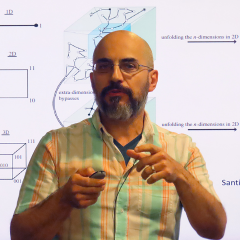
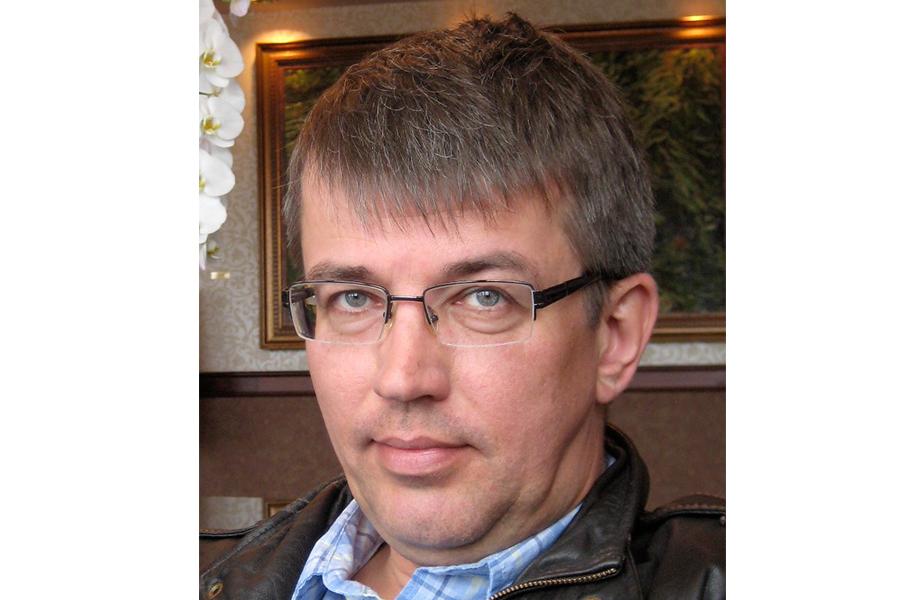
Dr. David Karowe is a Professor in the Department of Biological Sciences at Western Michigan University. His research focuses on global change ecology, particularly the ecological consequences of elevated atmospheric CO2 on plant-herbivore interactions. His lab investigates how changes in plant nutritional quality and defensive chemistry under elevated CO2 affect insect herbivores and parasitoids. This work is supported by grants from the National Science Foundation and USDA. Key students include Abbie Bristol (undergraduate) and Deirdre Courtney (PhD candidate). Karowe’s research spans topics such as soil microbial community responses to wildfire, arthropod diversity in disturbed forests, and the impact of climate change on avian species sympatry. He leads interdisciplinary projects in the Great Lakes region, emphasizing atmosphere-hydrosphere-biosphere interactions and undergraduate research training. Research Themes: Global Change Ecology: Examines how elevated CO2 and climate shifts alter plant-herbivore dynamics, defense mechanisms, and trophic interactions. Plant-Insect Interactions: Focuses on chemical defenses (e.g., phenolics, trichomes), host plant quality, and herbivore adaptation. Community Ecology: Studies disturbance effects on arthropod diversity and long-term environmental changes in northern Michigan ecosystems. Grants & Awards: Supported by NSF and USDA grants since 2000, including funding for REU sites and interdisciplinary climate change research. No explicit awards listed, but sustained federal funding underscores recognition of his work. Lab & Training: Oversees a lab analyzing CO2 impacts on multiple trophic levels. Active in mentoring undergraduates and graduate students, emphasizing field and experimental approaches to ecological questions.