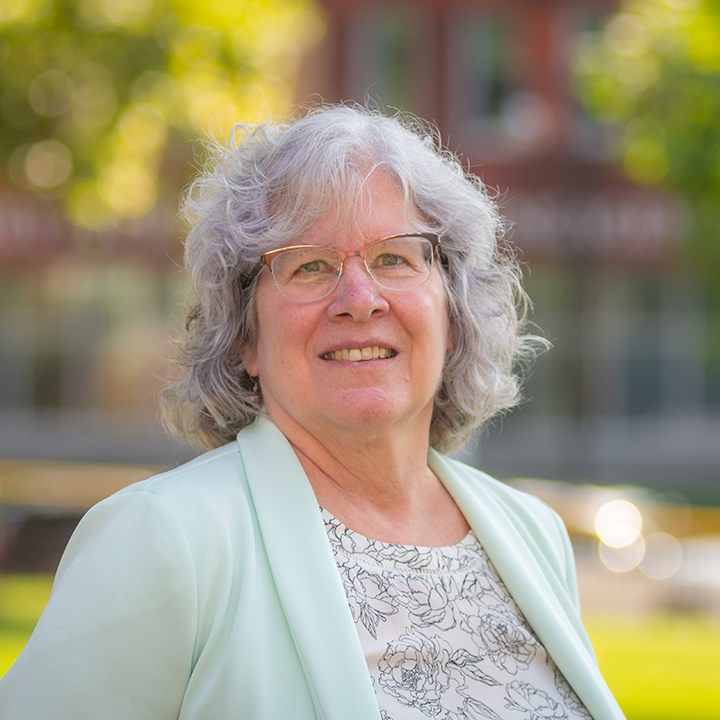
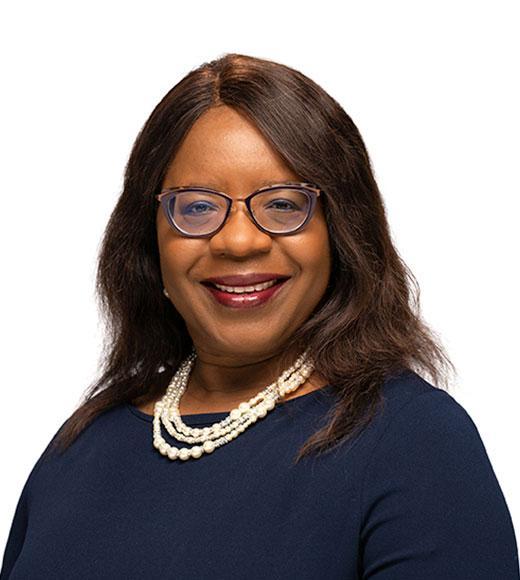
Deborah Robertson is a Professor and Department Chair of Biology at Clark University, specializing in the physiological ecology and evolution of nitrogen metabolism in marine diatoms and algae. Her research examines how diatoms rapidly respond to nitrogen fluctuations through post-transcriptional gene regulation. Research focus: Investigates nitrogen assimilation pathways, enzyme evolution through horizontal gene transfer, and molecular adaptations in marine phytoplankton. Her work bridges algal genomics, evolutionary biology, and ecosystem productivity studies. Publication trends: Recent articles focus on genetic tool development for marine protists (2020), molecular evolution of nitrogen enzymes (2011-2015), and ecological adaptations of diatoms under nutrient stress. Research consistently integrates phylogenetic analysis with experimental validation.
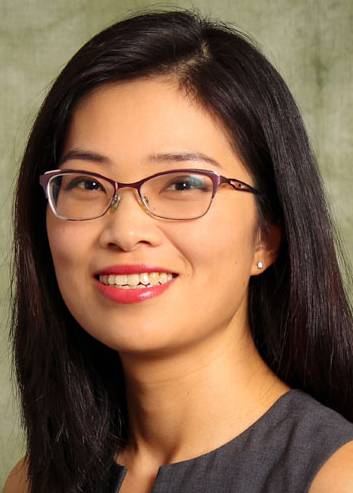
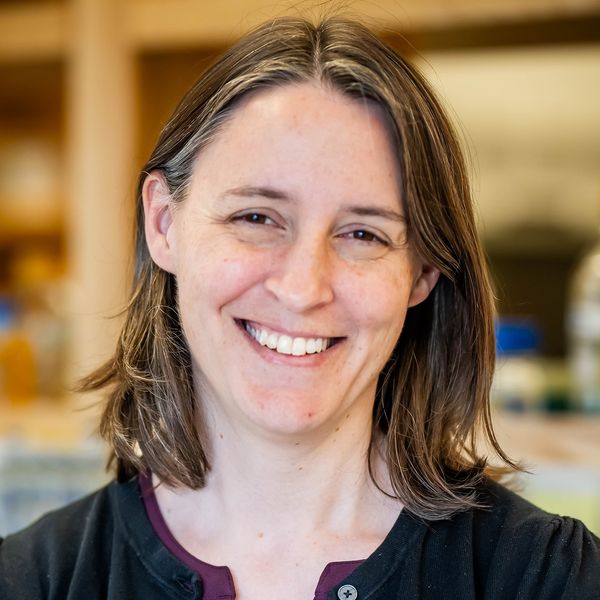
Yuxin Wang is an Assistant Professor at Binghamton University's School of Systems Science and Industrial Engineering, specializing in environmental engineering and water quality research. She holds a PhD and MS from Carnegie Mellon University and a BS from Sun Yat-sen University. Her research focuses on contaminant risk assessment, water quality challenges from human activities, and sustainable urban water systems. She has conducted postdoctoral research at Cornell University and taught as a visiting instructor at SUNY Environmental Science and Forestry. Her work also includes expert testimony in water discharge litigation. Education: PhD in Civil and Environmental Engineering, Carnegie Mellon University MS in Civil and Environmental Engineering, Carnegie Mellon University BS in Environmental Engineering, Sun Yat-sen University Research Interests: Dr. Wang's work addresses water quality degradation from energy extraction, industrial activities, and technological development. She develops mechanistic models to assess contaminant behavior in natural and engineered systems, including drinking water and wastewater treatment. Key areas include microplastics/PFAS dynamics, iodine discharge risk, and sustainable urban water management. Her lab uses advanced equipment like LC-MS/MS and ion chromatography to study chemical fate and remediation strategies. Grants & Projects: She leads a Mohawk River pollutants study funded by Binghamton University. Recent projects include thermal treatment of PFAS and bromide impact analysis in Pennsylvania's water systems. Labs & Facilities: Her laboratory is equipped with state-of-the-art instrumentation for environmental chemistry analysis, including total organic carbon analyzers, ion chromatographs, and gas/liquid chromatography-mass spectrometry systems.
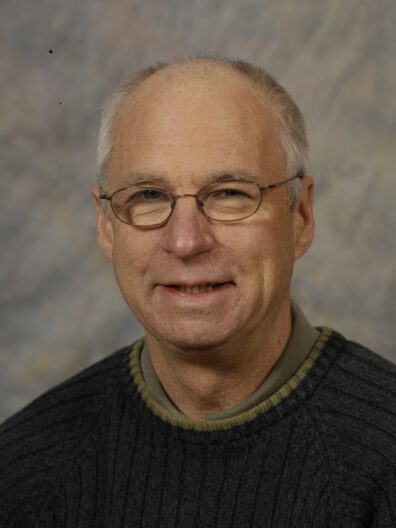
Professor Frank Vriesekoop is an Adjunct Professor in Food Biotechnology at Harper Adams University's Harper Food Innovation department. He holds a PhD from the University of Melbourne, alongside professional qualifications in higher education and food science. His research focuses on food safety, fermentation technology, and sustainable beverage production (malting, brewing, distilling), with a strong emphasis on consumer acceptance of alternative proteins and gluten-free products. He also explores upcycling of brewery by-products and the microbiological quality of non-alcoholic beverages (NOLO/hard seltzers). Teaching roles include courses on Food Microbiology, Food Biotechnology, and specialized modules on alcoholic beverages (e.g., viticulture, oenology, wood maturation). He leads research projects on consumer perceptions of novel food products, including plant-based proteins, cultured meat, and insect-based alternatives. Professional memberships include the Institute of Brewing and Distilling (full member) and the Higher Education Academy (Fellow). His recent work highlights trends in gluten-free product accessibility across global markets (Poland, Algeria, Australia), cost barriers, and the interplay between cultural factors and dietary innovation. He also investigates microbial dynamics in traditional fermentations (e.g., sour bamboo shoots) and their volatile compound profiles.
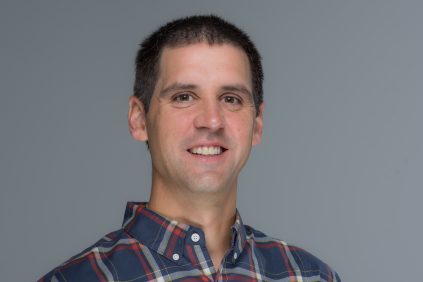
Robert H. Dillon is a Professor of Mathematics at Washington State University (WSU), specializing in Mathematical Biology, Computational Biofluids, and Scientific Computing. He holds a B.A. in History from Stanford University (1967), followed by a B.S., M.S., and Ph.D. in Mathematics from Western Washington University (1987-1989) and the University of Utah (1993). His research focuses on fluid-structure interactions in biological systems, including tumor microenvironments, biofilm dynamics, and cell motility. He has received awards such as the NSF Postdoctoral Fellowship (1995-1998) and WSU’s Outstanding Research Award (2008). Education: B.A., History, Stanford University, 1967 B.S., Mathematics, Western Washington University, 1987 M.S., Mathematics, Western Washington University, 1989 Ph.D., Mathematics, University of Utah, 1993 Research Interests: Mathematical Biology: Modeling tumor microenvironments, biofilm dynamics, and cell motility Computational Biofluids: Fluid-structure interaction in biological systems Numerical Methods: Immersed boundary and Lagrangian mesh techniques His work integrates computational models with experimental data to study systems like ciliary beating, sperm motility, and dielectrophoretic particle interactions. Recent projects include developing hybrid methods for AC dielectrophoresis and modeling TGF-β signaling pathways in tumors. Awards: NSF Mathematical Sciences Postdoctoral Research Fellowship (1995-1998) University of Utah Graduate Research Fellowship (1991-1992) WSU Department of Mathematics Outstanding Research Award (2008) He has advised numerous collaborative projects, including grants like the CDS&E grant for tumor microenvironment modeling. His lab focuses on interdisciplinary applications of computational methods in biology and engineering.
Kiley Daley is a Postdoctoral Research Associate at the Climate Change Institute (CCI) within the University of Maine. She holds a PhD in environmental studies and health from Dalhousie University (2020) and serves as a Senior Faculty member of the SAUNNA NRT Program, focusing on systems approaches to the Arctic. Her interdisciplinary research emphasizes sustainable water resources, climate change impacts on health, and community-based methodologies in Arctic regions. Research interests include Arctic freshwater systems, Indigenous health resilience, and participatory approaches to environmental challenges. She has extensive experience studying water sanitation and health (WASH) in Nunavut and other Arctic communities, integrating microbial risk assessment with community-driven solutions. Her work bridges environmental science, public health, and Indigenous knowledge systems to address climate vulnerability. Recent projects examine South Greenland farm water use and irrigation systems under changing climatic conditions. She has instructed in the Ecology & Environmental Sciences Program, emphasizing applied human geography and sustainability frameworks. Professional activities include grant-funded postdoctoral research and collaborations through the CCI. She has published widely on Arctic water systems, microbial risks, and Indigenous community resilience, with a focus on transforming geographies of ignorance through field schools and digital storytelling initiatives.
Prof. Hans-Peter Kaul is a Universitätsprofessor (full professor) in Plant Production at the University of Natural Resources and Life Sciences, Vienna (BOKU). His research focuses on crop management systems, precision agriculture, invasive species control, and sustainable soil management. He leads the iPBAU Plant Production department, with affiliations to bSKO Arbitration Commission and iFTEC Forestry Technology. His work integrates advanced technologies like AI-driven crop modeling and remote sensing with traditional agronomic practices. Key research interests include optimizing nitrogen use in intercropping systems, combating invasive plants like ragweed, and developing climate-resilient crop varieties. He has pioneered studies on energy efficiency in tillage systems and soil health in long-term experiments. His lab (DiLaAg) focuses on digitalization in agricultural sciences, emphasizing data-driven farming solutions. Recent publications emphasize AI applications in agriculture, soil-plant interactions, and crop yield prediction using radiative transfer models. He collaborates on projects like Farm/IT, enhancing farming resilience to climate risks through digital tools. His work addresses both ecological sustainability and agronomic productivity in Central European agroecosystems. Notable contributions include conceptual frameworks for agroecological transformation and studies on weed allelopathy. His research bridges basic plant science with applied farming practices, aiming to improve resource-use efficiency and biodiversity in agricultural landscapes.
Yuji Arai is an Associate Professor in the Department of Natural Resources and Environmental Sciences at the University of Illinois. His research focuses on environmental geochemistry, soil mineralogy, and biogeochemical processes involving iron oxides, phosphate dynamics, and organic-mineral interactions. He has received notable awards including the Jackson Soil Chemistry and Mineralogy Award (2016) and the NACTA Educator Award (2017). His work investigates mechanisms of phosphorus mineralization, ferrihydrite transformation under various geochemical conditions, and the role of extracellular polymeric substances in biogeochemical cycles. Recent studies address the impact of carbonate and Fe(II) on mineral stability, as well as the environmental fate of organic phosphorus in agricultural systems. Awards: Jackson Soil Chemistry and Mineralogy Award (2016) Lloyd R. Frederick Soil Teaching Travel Study Award (2021) NACTA Educator Award (2017) Research Themes: Iron oxide mineral transformation Phosphate adsorption and desorption Organic matter-mineral interactions Environmental geochemistry of phosphorus Soil contaminant transport Dr. Arai's publications (99+) emphasize interdisciplinary approaches combining spectroscopic techniques (NMR, XAS) with field and laboratory experiments to understand biogeochemical processes in soils and aquatic systems. His work has significant implications for agricultural sustainability and environmental remediation strategies.
Dr. Jessica Till is a Research Scientist and Communications Lead at the Agroecosystem Sustainability Center (ASC) at the University of Illinois, with an affiliation to the Digital Agriculture group at the University of Minnesota. She holds a PhD in Earth Science from the University of Minnesota and a BA from Vassar College. Her research focuses on nutrient cycling, soil health, geospatial analysis, food security, and science policy, aiming to advance sustainable agriculture and resilient food systems through interdisciplinary approaches. Education: PhD in Earth Science, University of Minnesota BA, Vassar College Research Interests: Dr. Till’s work integrates environmental mineralogy, digital agriculture technologies, and geospatial data analysis to address challenges in sustainable agriculture. She explores trade-offs between crop yields and environmental impacts, develops AI-driven tools for winter damage risk prediction in crops, and investigates fire effects on soil mineralogy. Her mission emphasizes bridging scientific research with policy to foster climate-resilient food systems. Labs/Teams: She is actively involved in the Agroecosystem Sustainability Center (ASC) and contributes to the Digital Agriculture initiatives at the University of Minnesota. Her collaborations span academic, governmental, and industry partners to enhance technological solutions for agricultural sustainability.
Dr. Bing Guo is a Professor of Environmental Engineering and Microbiology at the University of Surrey, affiliated with the Department of Civil and Environmental Engineering and the Institute for Sustainability. She holds roles such as Programme Lead for Water Innovation and Sustainability and CEE UG Admission. Her expertise spans environmental biotechnology, antimicrobial resistance (AMR), anaerobic digestion, and microbial ecology. Dr. Guo earned a PhD and MEng from McGill University and a BEng from Beijing Normal University. She leads multiple research projects funded by EPSRC, BBSRC, and NERC, focusing on wastewater treatment, AMR mitigation, and sustainable biotechnology. Education: PhD in Civil Engineering (McGill University), MEng in Civil Engineering (McGill University), BEng in Environmental Engineering (Beijing Normal University). Research emphasizes transforming wastewater treatment into energy-producing processes and mitigating AMR spread. Key projects include FarmAD-AMR (AMR control in farm waste) and Wastewater AMR tracking (environmental AMR dynamics). Awards: 2023 Fellowship of the Higher Education Academy (FHEA). Supervises six PhD students and collaborates with water companies and biogas industries. Active in editorial roles for journals like Frontiers in Microbiology and organizes conferences on anaerobic digestion and environmental biotechnology. Labs/Teams: Leads research groups on microbial ecology, anaerobic digestion, and AMR. Collaborates internationally via projects like the NSF-funded Water-Energy-Food Nexus initiative. Her work bridges academia, industry, and public health for sustainable solutions.
Estella Atekwana is a Distinguished Professor and Dean of the College of Letters and Science at the University of California, Davis. She leads the largest academic unit on campus, overseeing 37 departments across arts, humanities, social sciences, and STEM disciplines. Previously, she served as Dean at the University of Delaware’s College of Earth, Ocean and Environment and as Head of Oklahoma State University’s Boone Pickens School of Geology. She is a Fellow of the Geological Society of America and recipient of the SEG’s Reginald Fessenden Award (2021) and multiple Outstanding Educator Awards. Her research focuses on biogeophysics, continental rifting processes, and geodynamic modeling. Notable projects include the DRIAR initiative studying dry rifting in Uganda’s Albertine Rift and collaborative NSF-funded research on the East African Rift System. She has secured $11.7M in research funding, primarily from NSF, DOE, and industry partners. Her work integrates geophysical techniques with environmental applications, including groundwater characterization and hydrocarbon contamination remediation. Education: B.Sc. & M.Sc. in Geology (Howard University); Ph.D. in Geophysics (Dalhousie University, 1991). She chairs Botswana International University of Science and Technology’s governing board and contributes to global geoscience sustainability initiatives through the UN SDGs. Key Projects: DRIAR Project (Uganda), Norman Landfill Geophysical Study (Oklahoma), and Lunar Volcanism Studies (Chang'E-5 mission). Advocacy: Promotes diversity in geosciences through DEI initiatives and serves on the American Geophysical Union’s committees.
Hang Xiao is a Professor and Graduate Program Director in the Department of Food Science at the University of Massachusetts Amherst . His research focuses on food components' impacts on health, particularly through interactions with gut microbiome, plant-based diets, and bioavailability enhancement via food processing. Key research areas: Food-microbiome interactions, plant-based health strategies, bioavailability modulation, food toxicology Develops nanoemulsion delivery systems for nutraceuticals He has published over 240 peer-reviewed articles and received numerous awards from the Institute of Food Technologies (IFT), American Chemical Society (ACS), and American Society for Nutrition (ASN). Notable recognitions: IFT Fellow (2020), Babcock-Hart Award (2019), ACS Agricultural/Food Chemistry Fellow (2017) His recent work explores microbiota-mediated metabolism of food bioactives, dietary interventions for colitis, and novel nanostructured delivery systems for enhanced bioavailability.
Mary Dunlop is a Professor and Vice Chair in the Department of Biomedical Engineering at Boston University. Her research focuses on synthetic biology, microbial systems, and optogenetics, with emphasis on single-cell methods and metabolic engineering. She leads the Dunlop Lab, known for integrating deep learning and advanced imaging techniques to study antibiotic resistance and cellular stress responses. Education: PhD in Biomedical Engineering, California Institute of Technology, 2008 M.S., Biomedical Engineering, California Institute of Technology, 2004 B.S.E., Chemical and Biological Engineering, Princeton University, 2002 Her research interests include engineering microbial systems using optogenetic tools and developing predictive models for gene expression dynamics. Recent work highlights applications of deep learning in cell segmentation (Cell-TRACTR), optogenetic control of metabolic pathways, and single-cell analysis of antibiotic resistance mechanisms. Honors and awards include the 2024 Dorf-Ebner Distinguished Faculty Fellowship and the 2023 AIMBE Fellowship. Her grants include NSF and DOE funding for projects on synthetic biology and microbial engineering. Advising and mentoring contributions are recognized through the 2024 Excellence in Mentoring Postdocs Award. She also co-leads educational initiatives like the Cold Spring Harbor Synthetic Biology Summer Course. Labs/Teams: Dunlop Lab (Boston University), affiliated with Synthetic Biology and Tissue Engineering programs.
Pavlo Mikheenko is a Professor in the Department of Physics at the University of Oslo, specializing in condensed matter physics with a focus on superconductivity and nanomaterials. His research spans biological superconductivity, energy applications of superconductors, and magnetic nanoparticle synthesis. He holds a PhD from Donetsk Institute of Physics and Technology and has held academic roles globally, including at the University of Cambridge and University of Birmingham. Roles: Professor (2019–present), Associate Professor (2013–2019) Affiliations: Condensed Matter Physics group, University of Oslo; EU-funded projects (MagNEO, MAGNIFICENT) Education: PhD (1984, Donetsk Institute of Physics and Technology), MSc (1977, Donetsk National University) Research Interests : Superconductivity in biological systems (e.g., microtubules) Advanced superconductor fabrication techniques (e.g., pulsed laser deposition) Energy applications of superconductors for hydrogen economy Magnetic nanoparticle synthesis using biological systems (e.g., bacteria) Publications focus on superconductivity in biological contexts, nanomaterials, and thin-film growth, with recent work exploring quantum phenomena in brain structures and magnetic field screening in microtubules. Awards include Chartered Physicist status (UK Institute of Physics) and membership in the International Association of Advance Materials. Grants & Labs : Leads EU projects on superconductivity and nanomaterials. Active in lab development for advanced materials characterization and biological nanoparticle studies.
Emily H. G. Cooperdock is an Adjunct Assistant Professor of Earth Sciences at the University of Southern California (USC). She specializes in Geochemistry, Tectonics, and Thermochronology, with a focus on fluid-rock interactions, subduction zone processes, and nitrogen cycling. Her research integrates field studies, geochemical analyses, and thermochronological techniques to explore continental transform faults, mélanges, and serpentinite systems. She also advocates for diversity and equity in geoscience education, addressing systemic barriers faced by underrepresented groups in academia. Cooperdock’s work often involves collaborations with institutions like the Southern California Earthquake Center (SCEC) and the Wrigley Institute for Environmental Studies. Her field projects include investigations in the San Andreas Fault zone, the Aleutian Islands, and the California Coast Ranges. She has contributed to studies on the exhumation history of tectonic mélanges, the role of ultramafic rocks in nitrogen budgets, and the dynamics of continental transform faults through plutonic piercing points. In education, Cooperdock emphasizes equitable access to research opportunities for undergraduate and first-generation students, co-developing programs like the DEEPS-Leadership Alliance NSF REU. Her recent publications highlight critical issues in academic diversity metrics, including persistent disparities in gender and socioeconomic representation in geoscience PhD programs. Cooperdock’s lab affiliations include USC’s geochemistry and geochronology facilities, where she utilizes state-of-the-art instrumentation for isotopic analysis and mineralogical characterization. She actively participates in initiatives to improve transparency in graduate education and support academic mothers during crises like the pandemic.
Prof. Michaela Dippold is a Professor of Geo-Biosphere Interactions at the Department of Geosciences, University of Tübingen. Previously, she held positions including Junior-Professor for Biogeochemistry of Agroecosystems at the University of Göttingen (2017–2021) and Academic Assistant at the University of Bayreuth (2010–2013). Her research focuses on soil-plant interactions, nutrient cycling, and climate resilience in agroecosystems. Key research interests include microbial controls on ecosystem C/N/P fluxes, rhizosphere strategies under resource limitation, and sustainable resource use in agriculture. She leads projects like EcoEnergeticS (DFG) and RootWayS (BMBF), exploring soil systems and agroecological adaptations. Her recent work highlights drought impacts on nutrient dynamics, microbial P mobilization in forest soils, and crop adaptation strategies. Notable publications include studies on cocoa agroforestry resilience, soil organic carbon dynamics, and sorghum drought tolerance. Awards include the Robert-Bosch Junior Professorship and Vector Foundation grants. Prof. Dippold collaborates internationally through grants like Erasmus+ (IMSOGLO) and DAAD scholarships, advancing global soil science education and agroecological solutions.