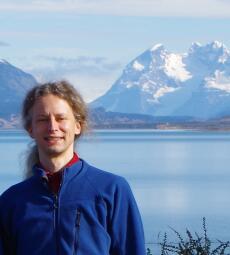
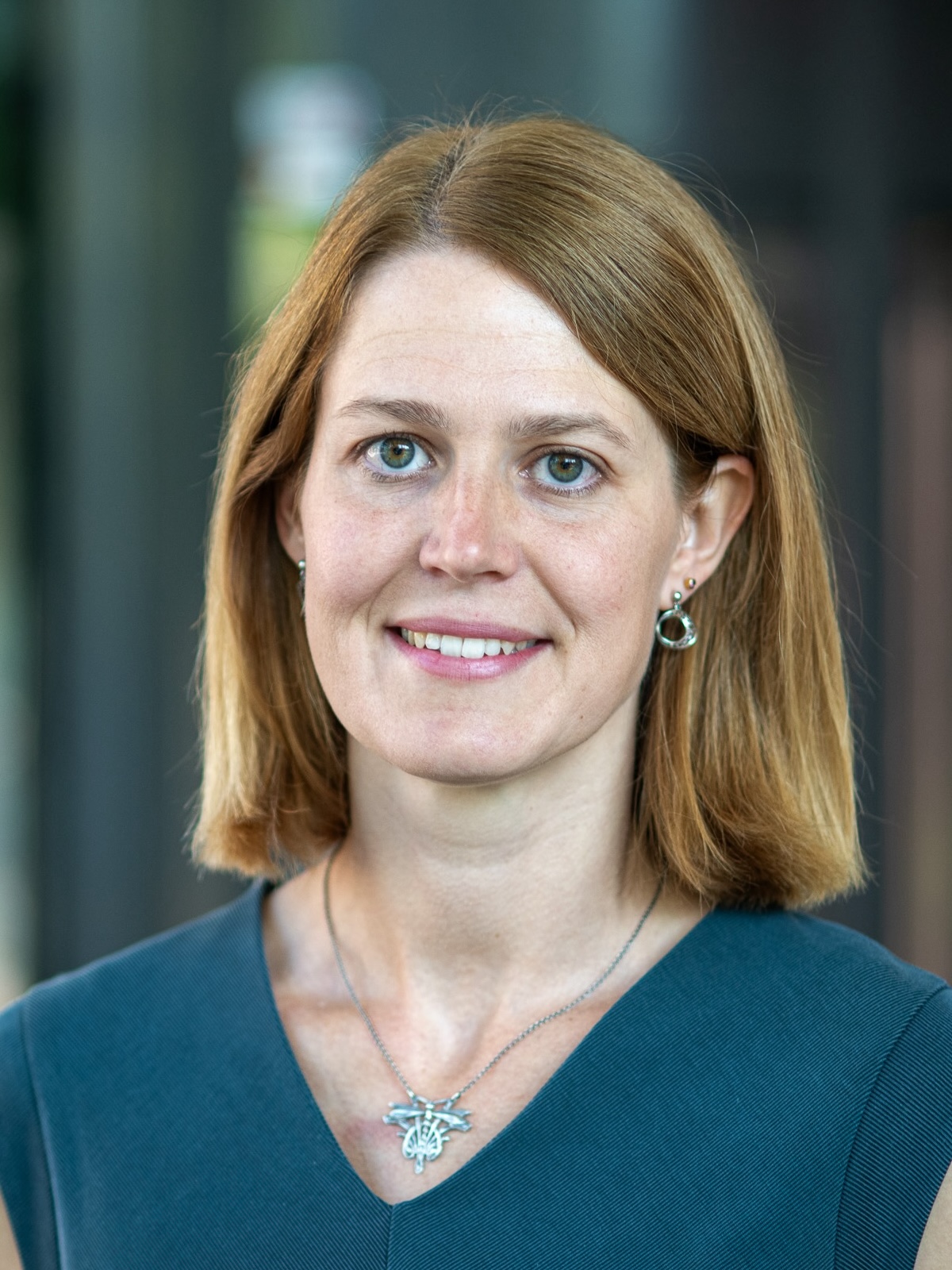
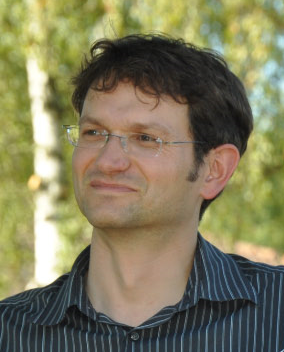
Prof. Dr. Jörg E. Drewes is a Full Professor and Chair at the Research Institute for Urban Water Management, Technical University of Munich (TUM), Germany. He also serves as Academic Program Director for Environmental Engineering at TUM and is a co-founder of Waterloop Solutions GmbH. His work spans advanced water treatment technologies, wastewater reuse, and environmental health surveillance. Affiliations : TUM, Colorado School of Mines, King Abdullah University of Science and Technology, UNSW Water Research Centre Research focuses on advanced oxidation processes , membrane fouling mitigation , micropollutant removal , and wastewater epidemiology for public health. His team develops integrated systems for water-energy-food nexus applications and graphene oxide-based treatment solutions. Recent publications address PFAS remediation , UVC-LED pre-treatment for biofouling control, and GIS-based wastewater surveillance models . Awards include the Bayerische Staatsmedaille (2023) and William Dunbar Medal (2022). 2023 : Bayerische Staatsmedaille 2022 : William Dunbar Medal 2018 : IWA Fellow He leads the Nexus@TUM initiative and contributes to EU water resilience strategies. Collaborations include projects in Germany, China, India, and Spain, focusing on climate-resilient water systems and resource recovery .
Dr. Stephanie Spahr is a Research Group Leader at the Leibniz Institute of Freshwater Ecology and Inland Fisheries (IGB) in Berlin, Germany, where she leads the Organic Contaminants research group within the Department of Ecohydrology and Biogeochemistry. Previously, she served as a Junior Research Group Leader at the University of Tübingen's Center for Applied Geoscience (2019-2021) and as a Postdoctoral Researcher at Stanford University's Department of Civil and Environmental Engineering (2016-2019). Dr. Spahr earned her PhD in Environmental Chemistry from the Swiss Federal Institute of Technology Lausanne (EPFL) and the Swiss Federal Institute of Aquatic Science and Technology (Eawag) in 2016. Her doctoral research focused on the formation of N-nitrosodimethylamine during water disinfection with chloramine. She completed her MSc in Geoecology at the University of Tübingen in 2012, with thesis work on carbon and nitrogen isotope analysis of benzotriazoles conducted at Eawag, and her BSc in Geoecology/Ecosystem Management at the same institution in 2010. Dr. Spahr's research focuses on trace organic contaminants in aquatic systems, with particular expertise in transformation processes of contaminants in natural and engineered systems, advanced oxidation processes for water treatment, urban blue-green infrastructure, and compound-specific isotope analysis. Her work bridges environmental chemistry, engineering, and ecology to address water quality challenges in urban and natural water systems. She employs advanced analytical techniques to track contaminant sources and transformation pathways, with a strong emphasis on practical applications for water treatment and environmental protection. Her recent publications demonstrate a strong focus on biochar-based water treatment technologies, particularly for stormwater management. She investigates how biochar amendments can remove trace organic contaminants from urban runoff, with recent work examining persulfate activation mechanisms, the role of chloride in reactive species formation, and the performance of engineered media filters under dynamic conditions. Her research also extends to understanding contaminant transport in rivers, the ecological impacts of pollutants, and developing analytical methods for environmental monitoring. The interdisciplinary nature of her work connects chemical processes with ecological outcomes. Outstanding Review Paper Award 2023 in Environmental Science: Water Research & Technology Selected for the Falling Walls Female Science Talents Intensive Track 2023 Selected mentee in the Leibniz Mentoring Programme 2022-2023 Best poster award (1st prize) at the Wasser 2022 of the Water Chemistry Society Selected fellow in the Postdoc Academy for Transformational Leadership 2020-2022 (Robert Bosch Stiftung) Selected fellow in the Athene Program for early female career researchers at the University of Tübingen, 2020-2021 As a Research Group Leader, Dr. Spahr supervises multiple research projects including 'POllution in UrbaN ponds, eco-evolutionary Dynamics, and Ecosystem Resilience (POUNDER)', 'Dynamic hyporheic zone', 'NYMPHE', and the 'Incident-related special investigation programme for the environmental disaster in the Oder River'. She serves on the Executive Board of the German Water Chemistry Society and heads its Expert Committee on 'Oxidative Processes'. Her collaborative work spans numerous institutions across Germany and internationally, addressing critical water quality challenges through interdisciplinary approaches. Dr. Spahr leads the Organic Contaminants research group at IGB Berlin, which focuses on understanding the fate and treatment of organic pollutants in water systems. Her team employs advanced analytical techniques including compound-specific isotope analysis to track contaminant sources and transformation pathways. The group collaborates extensively with other departments at IGB and with international partners on projects addressing urban water challenges and ecological impacts of pollution. Current research emphasizes innovative water treatment technologies, particularly biochar-based systems for stormwater management, and investigating the complex interactions between contaminants, aquatic ecosystems, and human activities.
Prof. Dr. Anja Meryandini is a Professor in the Department of Biology at IPB University (Bogor Agricultural University), Indonesia. She leads research in microbial biotechnology with a focus on enzyme technology, probiotics, prebiotics, and fermentation processes for food and agricultural applications. Her educational journey includes a Bachelor's degree in Biology from Padjadjaran University, a Master's degree in Biology from IPB University, and a PhD in Microbiology from Albert Ludwig Universitaet, Germany. This strong academic foundation has supported her extensive research career spanning over three decades. Professor Meryandini's research interests encompass: Microbial enzyme technology (protease, mannanase, xylanase) for animal feed processing Development of probiotics and prebiotics for food and animal applications Flour production using microbial technology Fermentation processes for various agricultural products Soil microbiome analysis in relation to land use changes Biodegradation of environmental pollutants Her recent publications reveal a consistent focus on lactic acid bacteria, yeast fermentation, enzyme characterization, and biodegradation processes, often utilizing Indonesian indigenous microorganisms. She has made significant contributions to understanding cocoa fermentation microbiology, tempeh processing, and agricultural waste valorization. Professor Meryandini has been actively involved in important research projects including 'Impact of rainforest transformation on phylogenetic and functional diversity of soil prokaryotic communities in Sumatra (Indonesia)' which is part of a larger CRC 990 program. Her work demonstrates strong interdisciplinary connections between microbiology, environmental science, and food technology. With over 100 publications documented from 1994 to 2024, Professor Meryandini maintains an active research program with significant contributions to microbial biotechnology in the Indonesian context and beyond.
Prof. Morten Hvitfeldt Iversen is a leading researcher in Polar Biological Oceanography at the Alfred Wegener Institute (AWI). He serves as Section Head of the Polar Biological Oceanography department and leads the bridging group 'SeaPump' collaborating with University of Bremen and MARUM. His work focuses on organic matter production, export, and transformation in oceans, linking small-scale microbial processes to large-scale biogeochemical cycles in high-latitude regions. Iversen pioneers optical techniques to study marine aggregates and their role in the biological carbon pump. Research interests include Arctic and Antarctic carbon dynamics, microbial ecology, and the impact of climate change on ocean systems. He leads projects like the 'SeaPump' initiative and contributes to the 6.3 sub-topic 'The future of the biological pump' under POF IV. His work integrates field observations, mooring data, and satellite measurements to understand carbon fluxes and their climate feedbacks. Recent articles highlight his focus on Arctic carbon sinks, microplastic impacts, and zooplankton roles in the biological pump. Iversen actively participates in expeditions aboard the Polarstern and uses advanced optical tools to study particle dynamics. His contributions bridge experimental and observational science to address global climate challenges.
Dr. Benjamin Pontiller is a researcher at GEOMAR Helmholtz Centre for Ocean Research Kiel, Germany, within the Marine Biogeochemistry Research Division and Biological Oceanography Research Unit . His work focuses on microbial carbon cycling in marine environments, particularly the role of bacterioplankton in transforming dissolved organic carbon (DOC). Current projects: INDICOM, ICEBERG, HOMER, BIOCAT Recent expeditions: RV SONNE (Indian Ocean 2024), RV POLARSTERN (Arctic 2024), RV METEOR (Atlantic 2022) His research integrates omics technologies with chemical and rate measurements to understand microbial functional potential in: Coastal upwelling systems Deep Arctic Ocean (HAUSGARTEN) Baltic Sea phage dynamics Trace metal impacts on microbial communities Education: PhD in Ecology (Marine Microbial Ecology) - Linnaeus University 2021 MSc in Ecology (Marine Biology) - University of Vienna 2015 BSc in Biology - University of Vienna 2013
Univ.-Prof. Dr. med. Martin A. Kriegel serves as full Professor and Department Head of the Department of Translational Rheumatology and Immunology at the Institute of Musculoskeletal Medicine, University of Münster, while maintaining an active laboratory at Yale School of Medicine. He leads the Section for Rheumatology and Clinical Immunology (SRKI) at Medical Clinic D, where his team integrates clinical care with cutting-edge microbiome research. His department operates from Röntgenstraße 21 and Von-Esmarch-Str. 54 in Münster, Germany, with extensive collaborations including the "Cells in Motion" research initiative and the CiM-IMPRS graduate program. Dr. Kriegel's research program focuses on the critical interface between host immunity and microbiota, particularly investigating how gut commensals translocate to host tissues and trigger autoimmune responses. His laboratory pioneered the discovery that specific pathobionts like Enterococcus gallinarum and certain Lactobacillus strains can translocate from the gut to mesenteric lymph nodes, liver, and other sites, driving autoimmune responses through molecular mimicry of human autoantigens. His work has established fundamental mechanisms by which microbiota influence rheumatic diseases, cutaneous autoimmunity, and cancer immunology, with particular emphasis on Ro60 autoantigen mimicry, TLR7-dependent pathways, and diet-microbiome interactions. The laboratory employs advanced techniques including gnotobiotic mouse models, humanized systems, and detailed molecular characterization of host-pathobiont interactions. Analysis of Dr. Kriegel's publication record reveals a consistent trajectory of high-impact research connecting microbiome dynamics to autoimmune pathogenesis. His most recent work (2023-2025) demonstrates increasingly sophisticated understanding of how specific bacterial strains influence disease phenotypes across multiple autoimmune conditions, with notable advances in identifying shared microbiome signatures across lupus and inflammatory bowel disease. The publications show progressive refinement from initial observations of microbial translocation to detailed mechanistic insights into tryptophan catabolism pathways, structural basis of molecular mimicry, and diet-sensitive microbial triggers. Dr. Kriegel's scientific recognition includes US Patent No. 11,058,756 B2 for compositions treating autoimmune diseases by reducing enterococcus, reflecting the translational potential of his research. His laboratory receives substantial funding, most notably a $3 million award from the Lupus Research Alliance for the TransLuMi project investigating gut pathobiont translocation in systemic lupus erythematosus. As an educator and mentor, Dr. Kriegel directs a substantial research team including multiple postdocs (Drs. Marcia Pereira, Nathalie Becker), PhD candidates (Anna Brinkhege, Carina Brune, Helen Fuhrmann), and laboratory specialists. He participates in the CiM-IMPRS graduate program and supervises medical students through the MedK program. His laboratory currently manages multiple significant research projects including: (A) intestinal wall permeability and pathobiont translocation in autoimmunity; (B) diet-environment-microbiome interactions; (C) microbiota disruption of immunological tolerance; and (D) microbiome roles in lymphoma development. The Kriegel laboratory maintains state-of-the-art facilities at both Münster and Yale, with specialized capabilities in gnotobiotic research, microbiome analysis, and immune profiling. His team collaborates with international partners including Dr. Eran Elinav at Weizmann Institute, Dr. Nissan Yissachar at Bar-Ilan University, Prof. George Tsokos at Harvard, and Prof. Ilana Brito at Cornell University. The laboratory's website (https://www.medizin.uni-muenster.de/mikrobiom/startseite/) details ongoing projects and research opportunities.
Shengjie Li is a Researcher in the Department of Biogeochemistry at the Max Planck Institute for Marine Microbiology (MPI-Bremen), Germany. Their postdoctoral research focuses on microbial ecology and biogeochemical processes in marine oxygen minimum zones, particularly linking particle properties, microbial communities, and nitrogen-loss dynamics. Li holds a PhD from Peking University (2017-2022) and conducted a guest PhD at the University of Calgary (2020-2021). Research interests include microbial responses to environmental change, nitrogen cycling in aquatic systems, and the interplay between organic carbon, sulfur, and iron in driving nitrate reduction. Key projects explore isotopic signatures of N₂O production, methane dynamics in groundwater, and the role of biochar in stress resistance. Publications highlight contributions to understanding N₂O emissions, cold seep nitrogen-loss mechanisms, and microbial adaptations in fluctuating environments. Ongoing work bridges microbial community analysis with biogeochemical modeling to address global climate impacts.
Alissa Mittnik is a Group Leader at the Department of Archaeogenetics, Max Planck Institute for Evolutionary Anthropology in Leipzig, Germany. She leads the 'MySocialBeIng' group, focusing on integrating archaeoscience to reconstruct social systems like kinship, gender roles, and mobility patterns in ancient societies. Her work bridges genetics, archaeology, and cultural studies to understand prehistoric populations. Education: PhD in 2016: University of Tübingen (Investigating Social Dynamics via Ancient DNA) Studies in Biology at Washington University (USA), University of Rostock, and University of Tübingen Research Interests: Genetic correlates of cultural transitions and social hierarchies Mobility in the ancient Mediterranean Archaeogenetic analysis of prehistoric populations Applications of ancient DNA to reconstruct migration and kinship networks Key Projects: Co-led the 'Times of Upheaval' project (2016-2018) on Bronze Age societal changes Published extensively on European, Mediterranean, and African prehistoric populations Lab/Team: Her group combines genomic, isotopic, and archaeological data to address questions about human migration, social organization, and cultural evolution.
Largus T. Angenent is a W3 Professor in Environmental Biotechnology at the University of Tübingen, within the Faculty of Science and Department of Geosciences. He leads the Angenent Lab, a research group dedicated to advancing carbon-negative technologies and sustainable bioprocesses. His work bridges academic innovation and real-world application through entrepreneurial ventures and international collaborations. His research focuses on developing novel biological and thermochemical technologies to recover and utilize carbon from waste streams, including anaerobic digestion, chain elongation, pyrogenic biochar production, and CO2 capture. He aims to transform industries such as wastewater treatment, chemical production, and food systems into carbon-negative processes. The Angenent Lab emphasizes innovation through microbiome engineering and systems analysis. The research trends indicate a strong focus on sustainability, climate change mitigation, and circular bioeconomies, leveraging both biological and thermochemical pathways to convert waste carbon into valuable products like fuels, plastics, and food. Humboldt Professor Max Planck Fellow Prof. Angenent is actively involved in mentoring PhD students and postdoctoral researchers, fostering innovation through close collaboration. His lab has successfully translated research into two startups—Electrochaea and Capro-X—and is developing more spin-offs. He serves as a Co-PI team member of the Novo Nordisk Foundation CO₂ Center at Aarhus University, enhancing scale-up and industrial collaboration. He also participates in university sustainability initiatives and hiring committees. The Angenent Lab operates as a dynamic, interdisciplinary team working at the intersection of environmental science, biotechnology, and engineering. It functions as a satellite facility for the Novo Nordisk Foundation CO₂ Center and maintains a strong entrepreneurial culture focused on translating bench-scale discoveries into scalable, sustainable technologies.
Dr. Joanna Malukiewicz is a Postdoctoral Researcher at the University of Hamburg, affiliated with the Faculty of Mathematics, Informatics and Natural Sciences and the Department of Biology. She works within the Institute of Animal Cell and Systems Biology, focusing on Evolutionary Immunogenomics. Her research emphasizes genomic studies of primates, particularly marmosets (Callithrix species), hybridization dynamics, microbiome analysis, and conservation genomics. Dr. Malukiewicz's work spans evolutionary biology, genomics, and biodiversity conservation. She investigates topics such as morphological variation in marmosets, genomic mechanisms driving dwarfism, and the impact of captivity on animal health. Her studies often combine genomic data with ecological observations to understand species adaptation and survival. Her recent publications highlight advancements in sequencing technologies, applications of genomics to conservation, and insights into zoonotic diseases in urban primate populations. She collaborates internationally, addressing challenges in endangered species management and sustainable biodiversity strategies. Dr. Malukiewicz holds no listed scientific awards but contributes actively to peer-reviewed literature and conservation initiatives. She is based at the Institute of Animal Cell and Systems Biology, Room 459, in Hamburg.
Prof. Dr. Antonis Chatzinotas is a leading figure in Microbial Interaction Ecology at the Helmholtz Centre for Environmental Research (UFZ) and holds a Professorship at the University of Leipzig since 2020. His research focuses on understanding microbial and viral interactions in terrestrial and aquatic ecosystems, particularly how environmental changes affect community composition, genetic landscapes, and biogeochemical cycles. Head of Microbial Interaction Ecology group at UFZ Professor at University of Leipzig Key research areas include: Microbial and viral diversity in pristine/aquifer systems Predatory interactions between protists/bacteria/viruses Applications in agroecosystems and environmental biotechnology Functional redundancy in microbial communities Impact of environmental variability on coexistence Recent publications highlight interdisciplinary approaches combining DNA stable isotope probing , metagenomics , and ecological modeling to study bioaugmentation, pesticide-microbe interactions, and viral transport mechanisms. His work bridges theoretical ecology with practical environmental solutions. Collaborations span institutions like EPFL, ETH Zurich, and University of Otago. Current projects explore low-risk biopesticides, virome-land use relationships, and microbial stability-vegetation links. The group actively supports open science principles and participates in transformative publishing agreements.
Prof. Dr. Klaus-Holger Knorr is a Professor of Hydrology at the University of Münster's Institute of Landscape Ecology, where he leads the Ecohydrology and Material Cycles research group. His academic journey includes a Diplom in Geoecology (2005) and a Dr. rer. nat. (2008) from the University of Bayreuth, followed by postdoctoral work and habilitation (2017) in biogeochemistry. He became a professor in 2018 after serving as an Academic Councillor at Münster. Knorr's research focuses on biogeochemical processes in wetland ecosystems, with emphasis on: Carbon and greenhouse gas dynamics in peatlands and lake sediments Redox-controlled organic matter transformations Hydrological-biogeochemical coupling in restoration contexts Impacts of climate change on wetland biogeochemistry His publications predominantly explore methane/CO 2 production pathways, peat decomposition controls, and ecosystem responses to disturbance, using approaches spanning field monitoring to isotopic tracing. He has secured significant research funding including multiple DFG projects like ReDOCs (DOC mobilization), ReVersal (peatland restoration), and SPURT (peatland resilience). Awards include the Bernd Rendel-Preis (2007) and Humboldt Society recognition. He leads laboratory facilities for ecohydrological analysis and mentors doctoral researchers in wetland biogeochemistry.
Dr. Emily Solly is a Researcher in the Department of Computational Hydrosystems at the Helmholtz Centre for Environmental Research - UFZ (Leipzig, Germany) since September 2023. She holds a PhD in Chemistry and Geosciences from Friedrich Schiller University Jena (2014) and has previously held postdoctoral and fellow positions at ETH Zurich, Swiss Federal Institute WSL, and the Max Planck Institute for Biogeochemistry. Education : PhD (2014), Chemistry and Geosciences, Friedrich Schiller University Jena MSc (2010), Environmental Sciences and Management, University of Torino BSc (2008), Natural Sciences, University of Torino (Biology, Ecology) Research Interests : Soil biogeochemistry and terrestrial ecosystem ecology Carbon and nutrient balance in forest ecosystems Root-soil interface processes under environmental change Impact of drought on plant-soil-microbial interactions Isotope-based tracking of carbon/nitrogen transformations Soil organic carbon storage mechanisms Awards & Funding : Ambizione Fellowship (SNSF) Roles & Collaborations : Topical Editor for the journal SOIL Co-Editor of Special Issue on Global Change Effects on Terrestrial Biogeochemistry at the Plant-Soil Interface (Biogeosciences, 2022) Contributor to the collaborative project Standardized Monitoring of Growth Responses of Central European Forest Tree Species to Climatic Extremes (MW³) Member of the Computational Hydrosystems working group at UFZ
Thomas Scholten is Professor of Soil Science and Geomorphology at the Department of Geoscience, Faculty of Science, Eberhard Karls University Tübingen. He has been director of the Institute of Geography at Tübingen University since 2006 and has held various leadership roles including President of the German Soil Science Society (2012-2015) and council member of the European Society for Soil Conservation since 2004. In 2016, he was elected as a member of German National Academy of Science and Engineering (acatech). Since 2017, he has been co-speaker of the Collaborative Research Center (SFB 1070) 'ResourceCultures' and since 2019, he has been a principal investigator in the Cluster of Excellence 'Machine Learning - New Perspectives for Science' at Tübingen University. Chair of Soil Science and Geomorphology (full professor) at Eberhard Karls University Tübingen (2005-present) Director of the Institute of Geography at Tübingen University (2006-present) Co-speaker of the Collaborative Research Center (SFB 1070) 'ResourceCultures' (2017-present) Principal Investigator in the Cluster of Excellence 'Machine Learning' (2019-present) Professor Scholten's research focuses on soil science, environment, geomorphology, geoecology, soil erosion, and machine learning applications in soil science. His fieldwork spans Europe, Africa, and Asia with major projects in South Africa, Swaziland, Sudan, Israel, China, Nepal, Switzerland, and Germany. He has published extensively with 9 books, 228 refereed papers, and 378 conference papers to his name. His recent publications reveal a strong integration of traditional soil science with cutting-edge machine learning techniques, particularly in digital soil mapping, soil erosion prediction, and resource management. The research spans multiple continents and addresses critical environmental challenges through interdisciplinary approaches combining soil science, remote sensing, and computational methods. Member of German National Academy of Science and Engineering (acatech) (2016-present) President of the German Soil Science Society (DBG) (2012-2015) Council member of the European Society for Soil Conservation (ESSC) (since 2004) Editorial board member of Journal of Plant Nutrition and Soil Science, Pedosphere Professor Scholten has received research grants from over 15 institutions, primarily the European Union (EU), the German Research Foundation (DFG), and the German Federal Ministry of Education and Research (BMBF). He serves as a referee for numerous international journals and has advised on scientific policy through various advisory boards and committees. His work has significant implications for sustainable land management and climate change adaptation strategies globally. He leads the Soil Science and Geomorphology work group at the University of Tübingen, with research activities spanning field studies, laboratory analyses, and computational modeling. His team collaborates with researchers across disciplines including geography, ecology, computer science, and archaeology to address complex environmental challenges through the ResourceCultures Collaborative Research Center and other international projects.
Jochen A. Müller is a Senior Scientist at the Helmholtz Centre for Environmental Research - UFZ in Leipzig, Germany, within the Department of Molecular Environmental Biotechnology . His research focuses on microbial transformations of organic pollutants, particularly using molecular tools to quantify biocatalysts and analyze microbial roles in contaminated systems. He previously held academic positions at Morgan State University and conducted postdoctoral research at Stanford University and the University of Maryland. Education: Diploma in Microbiology (1996), University of Konstanz Ph.D. in Microbiology (2000), University of Konstanz His research interests span environmental biotechnology, microbial ecology, and genomics, with emphasis on anaerobic degradation of chlorinated ethenes, aromatic compounds, and sulfur-metabolizing microbes. His publications (2012–2023) explore antibiotic resistance gene dynamics, toluene degradation pathways, constructed wetland systems, and innovative single-cell genomics techniques like scMAR-Seq. Professional service includes editorial board membership for Applied and Environmental Microbiology and Saline Systems since 2009. He has contributed to funded projects such as Genomics of Beggiatoa alba (NSF, JGI/DOE) and participated in interdisciplinary collaborations across environmental engineering, biotechnology, and bioeconomy. For contact , he is affiliated with the UFZ in Leipzig. Detailed institutional affiliations and further information can be found in the full description below.