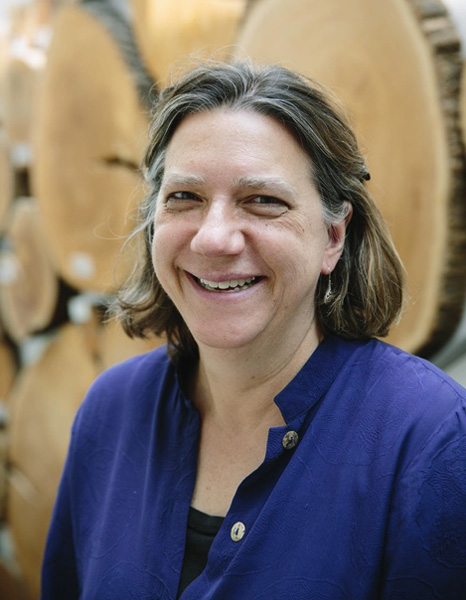
Prof. Andreas Farnleitner is a Professor at TU Wien, affiliated with the Environmental Microbiology and Molecular Diagnostics Research Group. His research focuses on microbial water quality, molecular diagnostics, and environmental microbiology. Key areas include PCR-based methods for fecal pollution tracking, antimicrobial resistance in aquatic environments, and climate change impacts on waterborne pathogens. He has contributed to advancements in DNA aptamer technology for rapid water quality monitoring and employs machine learning for predictive modeling in hydrology. His work spans collaborations across Europe, addressing One Health challenges and wastewater-based epidemiology. Recent projects include studies on Vibrio cholerae in Austrian bathing waters and the biostability of drinking water resources. Prof. Farnleitner leads interdisciplinary initiatives to improve water safety and environmental management. Publications highlight his expertise in microbial source tracking, climate change effects on infection risks, and antibiotic resistance patterns. His team develops innovative diagnostic tools and models for environmental monitoring, with applications in both academic and applied settings. Current projects emphasize the integration of molecular biology and engineering to address global water quality challenges.
Andrea Watzinger is a Senior Scientist at the University of Natural Resources and Life Sciences Vienna , affiliated with the Institute of Soil Research under the Department of Forest- and Soil Sciences. With a habilitation in soil ecology (2015), she leads multidisciplinary projects on stable isotope applications for understanding biogeochemical processes in terrestrial and aquatic systems. Education : PhD in 2000 (BOKU), Erasmus Fellowship (1996-1997, Oxford Brookes University), MSc in Biology/Ecology (1999, University of Salzburg) Research Focus : Her work integrates stable isotope techniques to trace nutrient fate in soils, assess climate change impacts on agroecosystems, develop biochar-based remediation technologies, and quantify urban carbon footprints . Recent studies examine drought effects on forest carbon dynamics, microbial processes in contaminated soils, and drone-based gas monitoring systems. Scientific Contributions : Key projects include the Vienna Urban Carbon Laboratory (2021-2025), ISO-2-DRONE (2022), and Heavy Metal City-Zen (2019-2021). Her publications span groundwater remediation, isotope ecology, and sustainable soil management. Awards : Wissenschaftspreis Land Niederösterreich (2015), Förderpreis Wien (2004), Stiftung 120 Jahre BOKU (2002), Wissenschaftsagentur Salzburg (2000) Collaborative Networks : She collaborates with the Austrian Institute of Technology , European Geosciences Union , and Stable Isotope Network Austria , supervising interdisciplinary teams in hydrology, microbial ecology, and environmental engineering. Her outreach includes citizen science initiatives like Heavy Metal City-Zen for urban soil safety.
Prof. Katalin Demeter is an Assistant Professor affiliated with TU Wien's Environmental Microbiology and Molecular Diagnostics Research Group (E166-05-3). Her work focuses on advancing water safety through genetic and molecular diagnostic methods, particularly in microbial source tracking and quantitative risk assessment. Key projects include the QMRAcatch framework for modeling infection risks in riverine systems and evaluating faecal pollution impacts from shipping and wastewater. She leads innovations in real-time bacterial monitoring via automated flow cytometry and collaborates on interdisciplinary studies addressing climate change effects on water quality. Her research bridges environmental microbiology with engineering solutions for public health protection. Education & Background : Holds a PhD in Environmental Microbiology (2023 thesis on genetic faecal markers). Extensive collaborations with institutions like the University of Antwerp and Wageningen University. Research Themes : Development of molecular tools for water quality analysis Microbial contamination in large river systems Quantitative microbial risk assessment (QMRA) Automated environmental monitoring technologies Recent Work Highlights : Advanced methodologies for sourcing faecal pollution, climate change adaptation strategies for water safety, and real-time microbial surveillance systems. Labs & Teams : Principal investigator in TU Wien's Environmental Microbiology group, contributing to EU-funded projects on water safety and ecological resilience.
Julia Vierheilig is an Assistant Professor affiliated with the Water Quality Management Research Area (E226-01) at TU Wien. Her research focuses on antibiotic resistance in aquatic environments, molecular microbiology, and environmental health, with a particular emphasis on the One-Health perspective. She leads projects such as MARGINS-I/II , which investigates antibiotic resistance gene distribution in Austrian wastewater and soils. Her work integrates molecular techniques, microbial community analysis, and environmental monitoring to address challenges in water quality and public health. Education: While specific educational details are not provided in the text, her roles as an Assistant Professor and her research focus suggest advanced training in microbiology, environmental science, or related fields. Research Interests: Her studies encompass antibiotic resistance dynamics in water systems, environmental microbiology, faecal pollution diagnostics, and the impact of anthropogenic activities on microbial ecosystems. She explores how environmental gradients (e.g., agricultural runoff, urban pollution) influence resistance gene distribution and advises on sustainable water management strategies. Grants & Awards: No specific grants or awards are listed, though her active project leadership indicates external funding support. She collaborates with institutions like the Donau-Auen National Park and contributes to interdisciplinary initiatives such as the Biodiversität: Ausbreitungsbarriere für Antibiotikaresistenz project. Labs & Teams: Her research is conducted within TU Wien’s Water Quality Management group, focusing on molecular methods for wastewater surveillance and environmental resistome analysis.
Claudia Kolm is a researcher affiliated with TU Wien's Forschungsgruppe Umweltmikrobiologie and Molekulare Diagnostik. Her work focuses on environmental microbiology, molecular diagnostics, and water quality monitoring, with an emphasis on antibiotic resistance dynamics, pathogen surveillance, and One Health approaches. She leads projects like SEWAT, investigating real-time water quality monitoring systems and deployable purification infrastructure. Her research integrates advanced techniques such as flow cytometry, aptamer-based detection, and genetic analysis to address challenges in water safety and public health. Key projects include studying Vibrio cholerae in Austrian bathing waters, antibiotic resistance in aquatic environments, and SARS-CoV-2 tracking via wastewater analysis during the pandemic. Collaborations span international teams, including work in Serbia and interdisciplinary efforts at TU Wien. Her publications highlight contributions to microbial ecology, biostability of drinking water, and innovative diagnostic tools for rapid pathogen detection. While no formal awards are listed, her active research portfolio demonstrates significant academic engagement.
Prof. René Mayer is a researcher affiliated with TU Wien's Department of Environmental Microbiology and Molecular Diagnostics. His work focuses on advancing methodologies for water quality analysis, particularly in microbial source tracking and molecular diagnostics. He leads interdisciplinary projects addressing future challenges in water resource management, such as the SIWAWI and REBEN initiatives. Key research areas include fecal pollution detection, genetic marker applications, and environmental microbiology. Mayer collaborates internationally, contributing to global databases of human-associated fecal markers and developing innovative qPCR protocols for water safety monitoring. His projects often integrate hydrology, ecology, and policy frameworks to ensure sustainable water management solutions. Education: Holds doctoral degrees (Dr.techn., Dr.rer.nat.) and advanced research qualifications. Projects: SIWAWI (sustainable wastewater management), REBEN (Neusiedler See ecosystem restoration), Vienna Water Resources Systems 2020+. His research bridges environmental microbiology with practical applications, emphasizing DNA-based diagnostics and contamination source identification. Recent work explores inorganic turbidity effects on nucleic acid extraction and cold-temperature persistence of fecal indicators. Mayer's contributions are pivotal in advancing molecular tools for global water quality assessment and public health protection. He advises on interdisciplinary teams and has pioneered studies on unconventional fecal sources, such as poikilothermic animals, redefining contamination dynamics in aquatic ecosystems.
Lukas Schrangl is a Researcher at the Institute of Biophysics within the Department of Natural Sciences and Sustainable Resources at the University of Natural Resources and Life Sciences, Vienna (BOKU). His work focuses on biophysical techniques to study molecular interactions, particularly in immunological contexts. His educational background includes a doctoral degree, with his thesis "Quantifying conformational dynamics of biomolecules via single-molecule FRET" completed in 2020. His research spans experimental physics, light optical microscopy, and biophysics, with strong emphasis on software development and data science applications in biophysical research. Schrangl's research interests center on single-molecule FRET techniques to investigate T-cell receptor-ligand interactions and molecular force measurements . His work bridges biophysics, immunology, and computational methods, developing innovative approaches to quantify receptor-ligand interaction times and forces at the molecular level. He has created several open-source software tools including the sdt-python package and fret-tester to advance analysis capabilities in single-molecule biophysics. His publication record shows consistent high-impact output from 2017 through 2025, with recent work focusing on synaptic force shielding in T cell receptor interactions and advanced quantification of receptor-ligand interaction lifetimes. His research demonstrates strong interdisciplinary connections between physics, biology, and computational science. Schrangl actively presents his work at major conferences, including the 69th Annual Meeting of the Biophysical Society (2025) and the Biophysics Austria Conference (2024), demonstrating ongoing engagement with the international scientific community. His technical expertise spans both experimental biophysics and computational methods, making significant contributions to the development of quantitative approaches for studying molecular interactions in immunological contexts.
Rita Barbara Linke is a Senior Scientist at TU Wien's Research Group for Environmental Microbiology and Molecular Diagnostics (E166-05-3). Her work focuses on microbial source tracking, water quality assessment, and antibiotic resistance analysis in environmental systems. She is actively involved in interdisciplinary projects addressing climate change impacts on waterborne infection risks and the development of quantitative microbial risk assessment (QMRA) frameworks. Her research integrates molecular diagnostics, environmental microbiology, and data-driven modeling to improve water safety and public health surveillance. Key projects include studying fecal pollution in rivers like the Danube, antibiotic resistance gene distribution in Austrian ecosystems, and the application of qPCR methods for microbial source tracking. Recent contributions include probabilistic modeling of sewage emissions' health impacts and collaborative European studies on PCR-based water quality diagnostics. She has also contributed to wastewater-based epidemiology in regions with limited wastewater infrastructure, demonstrating the utility of SARS-CoV-2 RNA monitoring in surface waters.
Andreas Farnleitner is a full Professor and Head of the Department of Water Quality and Health at Karl Landsteiner University of Health Sciences (KL), with a secondary professorship in Microbiology and Molecular Diagnostics at the Vienna University of Technology (TU Wien). He is a key figure in the interuniversity ICC Water & Health research triangle (KL–TU Wien–MedUni Wien), advancing interdisciplinary research in environmental health and water safety. University: Karl Landsteiner University of Health Sciences Joint Affiliation: Vienna University of Technology Department: Department of Water Quality and Health Email: andreas.farnleitner@kl.ac.at His research focuses on the intersection of microbiology, toxicology, and public health, particularly in the context of water quality. He investigates microbial diagnostics, fecal contamination, antibiotic resistance in aquatic environments, and the impacts of climate change and urbanization on waterborne disease risks. His work emphasizes preventive health strategies and sustainable water management. The recent publications highlight a strong trend in environmental microbiology , antibiotic resistance monitoring , and real-time water quality diagnostics . His team employs molecular tools (qPCR, source tracking), field studies (Danube, karst systems), and modeling approaches to understand pathogen dynamics and infection risks. Themes include SARS-CoV-2 in wastewater, biofilm resistomes, and climate-driven health threats. Farnleitner is an advisor to the World Health Organization (WHO) and participates in numerous national and international expert panels. He is also involved in major research collaborations such as Vienna Water Resource Systems 2021+ , which integrates ecological, technical, and health perspectives under global change pressures. He has secured funding from the Austrian Science Fund (FWF) and the Austrian Academy of Sciences. He collaborates with public sector and industry partners, including Wiener Wasser, and co-developed the Drinking WATER@Buildings knowledge transfer initiative. He also contributes to curriculum development, such as the Microbiology and Hygiene module for the Medical Sciences bachelor’s program. Farnleitner leads a vibrant research group focused on water quality and health , operating within the ICC Water & Health network. The team conducts field studies, lab-based molecular diagnostics, and data modeling to support evidence-based water safety policies and public health protection.
Bradley Matthews is a Researcher at the Institute of Forest Ecology within the Department of Ecosystem Management, Climate and Biodiversity at the University of Natural Resources and Life Sciences, Vienna (BOKU). His work focuses on forest ecology and ecosystem dynamics, particularly carbon cycling in mountain and urban environments, with emphasis on disturbance impacts from windthrow, clearcutting, and bark beetle outbreaks. He currently leads the Vienna Urban Carbon Laboratory project (2021-2025), funded by national public entities, which monitors urban CO2 emissions using tall tower eddy covariance systems. Education: PhD (Promotion) in 2017 His core research interests include forest ecology, ecosystem research, environmental physics, hydrology, and agricultural meteorology. He investigates how disturbances and climate extremes alter soil carbon dynamics, microbial communities, and decomposition processes, with recent expansion into urban cooling effects and green infrastructure equity. Media contributions highlight practical applications, such as his 2024 study showing uneven distribution of urban green cooling in Vienna. Analysis of his 2017-2022 publications reveals consistent focus on forest disturbance effects on soil carbon and fungal communities, alongside urban CO2 monitoring. Key methodologies involve eddy covariance towers, stable isotope analysis, and spatial heterogeneity mapping. Trends indicate growing interdisciplinary work connecting mountain forest resilience with urban climate mitigation strategies. Scientific Awards: City of Vienna Science Scholarship (2019) 120 Years of the University of Natural Resources and Life Sciences Dissertation Prize (2018) Dr. Matthews has supervised university theses and secured research funding through major projects. As principal investigator for the Vienna Urban Carbon Laboratory (2021-2025), he coordinates with the Institute of Soil Research and national entities. His prior role in the C-Alp II project (2017-2019), funded by the Austrian Academy of Sciences, involved international collaboration across six countries. He has delivered 30 lectures globally including Austria (17), Germany (2), UK (2), and Brazil (1). He leads the Vienna Urban Carbon Laboratory (VUCL) team operating tall tower eddy covariance systems for city-scale CO2 monitoring. His work also integrates with the Calcareous Alps Forest Ecosystem Research initiative, examining long-term disturbance impacts on mountain forests through field sites like Zöbelboden and Molln. Current efforts focus on translating urban carbon data into climate policy through media engagement and public science communication.
Susan Trumbore is a Full Professor of Earth System Science at the University of California, Irvine, and Director at the Max Planck Institute for Biogeochemistry in Germany. Her research focuses on applying radiocarbon to study carbon cycling in plants and soils, with emphasis on tropical ecosystems and climate change impacts. She earned a B.S. in Geology from the University of Delaware (1981) and a Ph.D. in Geochemistry from Columbia University (1989). Key Roles: Director at MPI-BGC (since 2009), Full Professor at UCI (2000–present) Research Initiatives: Collaborative Research Center AquaDiva, German Center for Integrative Biodiversity Research (iDiv), Brazilian/German ATTO project, ERC-funded 14Constraint project Trumbore’s research spans biogeochemical processes, climate feedbacks, and soil carbon dynamics. Her work includes studying Amazon rainforest resilience, peatland carbon stocks, and windthrow impacts. She has received prestigious awards such as the US National Academy of Sciences membership (2010), Balzan Prize (2020), and Benjamin Franklin Medal (2018). Awards: Marsh Award (2019), Fellowships from AGU and AAAS Collaborations: Woods Hole Research Center, IPAM (Amazon Environmental Research Institute), European Research Council Her recent studies highlight the vulnerability of Amazon forests to drought and fire, and the role of windthrow events in altering carbon stocks. Ongoing projects include the Tanguro Flux Project and investigations into groundwater microbiome resilience.
Dr. Margaret Stevenson is an Assistant Professor in the Forschungsbereich Ingenieurhydrologie at TU Wien. Her research focuses on contaminant transport in aquifers, microbial water quality, and emerging contaminants like PFAS and microplastics. She leads projects on groundwater filtration systems and pathogen transport dynamics, with particular attention to riverbank filtration sites in the Danube Basin. Her work bridges laboratory-scale experiments and field applications, including innovative methods for soil moisture measurement in gravel lysimeters. Stevenson collaborates widely on interdisciplinary water resource projects, addressing challenges like climate adaptation and source tracking of faecal pollution using molecular diagnostics. She has pioneered surrogate models for studying Cryptosporidium and adenovirus behavior in limestone aquifers. Key contributions include upscaling microbial transport processes from columns to field conditions, evaluating PFAS distribution in groundwater, and assessing microplastic interactions with viruses in sand media. Her research informs setback distance guidelines for aquifer protection and drinking water safety standards. Stevenson's current projects investigate PFAS contamination in riverbank filtration systems and co-transport mechanisms of microplastics with human pathogens. She is a principal investigator in the Protozoan Mimics initiative validating surrogate particles for environmental studies.
Simon Leitner is a Researcher at the Institute of Soil Research , University of Natural Resources and Life Sciences, Vienna (BOKU). His work focuses on environmental biotechnology , groundwater remediation , and stable isotope analysis in agroecosystems and urban contexts. Key projects: Microbially active biochar filters , Vienna Urban Carbon Laboratory , UAV-based gas monitoring , and climate change impact studies Major collaborators: Andrea Watzinger , Rebecca Hood-Nowotny , and Bradley Matthews His research spans soil-water-plant interactions , pollutant degradation , and urban emission roadmaps . Recent publications emphasize biochar filter design , UAV applications , and isotope tracing in contaminated environments. Current projects funded by National Companies and Federal Ministries (e.g., Microbially active biochar filters for CHC remediation , 2025-2028) demonstrate applied environmental engineering approaches. He has developed automated isotope analysis systems and physical-biological filter prototypes .
Ksenia Guseva is a researcher affiliated with the Centre for Microbiology and Environmental Systems Science and the Department of Microbiology and Ecosystem Science , focusing on microbial ecology, soil biogeochemistry, and computational biology. Her work aligns with the UN Sustainable Development Goals (SDGs) through studies on microbial communities in soil and marine environments. Research Focus : Microbial interactions, decomposition processes, and environmental sustainability. Key Topics : Soil aggregates, microbial motility patterns, carbon cycling, and SDG-driven science. Recent publications highlight her expertise in modeling microbial behavior in dynamic fluid environments, trade-offs in biopolymer decomposition, and soil microbiome heterogeneity. She has presented at the Microbiome Data Analysis Workshop 2025 as an invited speaker.
Ludek Poschmaier-Kamarad is a Researcher at the Institute of Environmental Biotechnology within the Department of Agricultural Sciences , University of Natural Resources and Life Sciences, Vienna (BOKU). He has been actively involved in biogas technology and environmental biotechnology since 2008, with a focus on process optimization, waste valorization, and renewable energy systems. Research Focus: Anaerobic digestion, mixing behavior in biogas digesters, CO 2 and H 2 utilization, waste management Projects: Led BeST project (2023–2025), participated in EU-funded TherChem (2012–2014), and multiple FFG-funded initiatives Publication Trends: 15 most recent works emphasize biogas process engineering, waste-to-energy systems, and computational modeling for sustainability. Key subfields include anaerobic digestion, substrate analysis, emission monitoring, and rheological characterization. Advising: Supervised 2017 Master thesis on biochar applications in anaerobic fermentation. Grants: Secured funding from Austrian Research Promotion Agency (FFG), EU Commission, and industry partnerships. Labs/Teams: Collaborates with Institute of Waste Management and Circularity, Institute of Chemical and Energy Engineering, and international teams in Mediterranean/Sardinia.