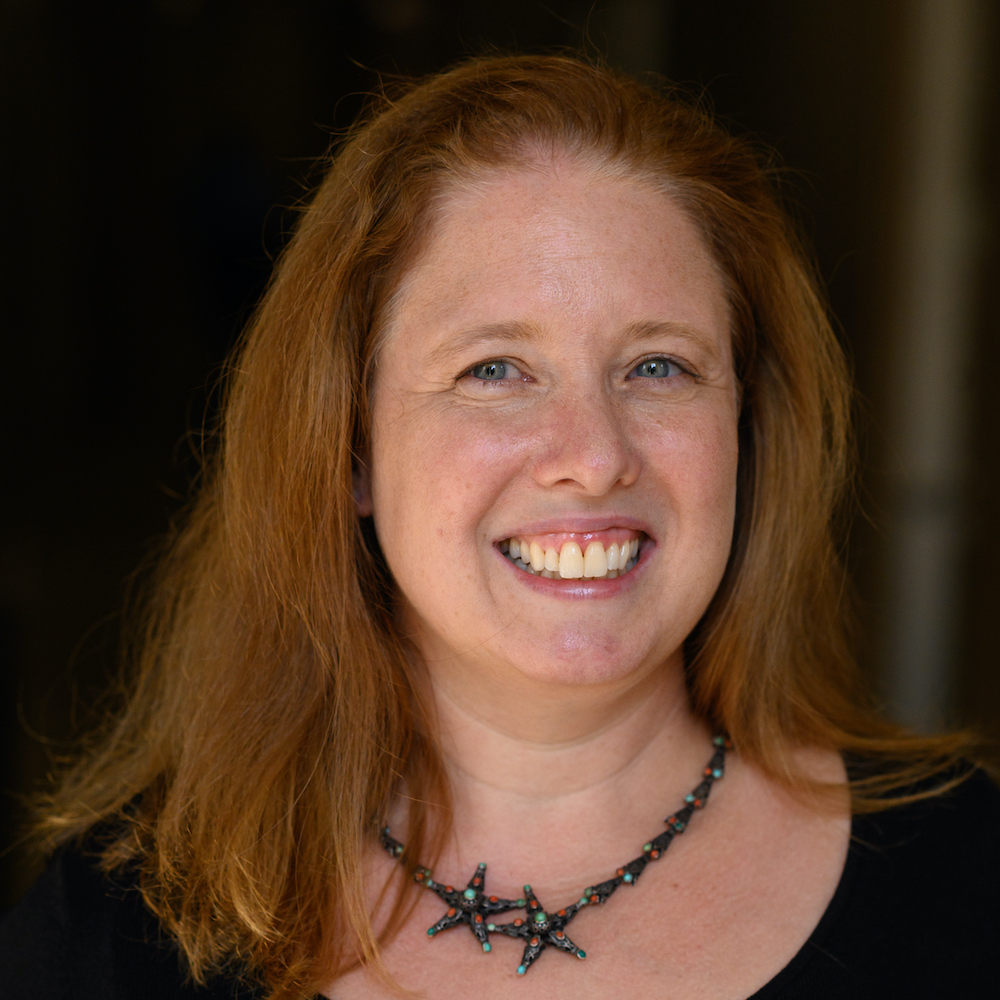
N. Luisa Hiller is an Associate Professor in the Department of Biological Sciences at Carnegie Mellon University's Mellon College of Science. Her lab investigates the molecular mechanisms underlying bacterial pathogenesis, focusing on Streptococcus pneumoniae's genomic diversity and host interactions. She earned her Ph.D. from Northwestern University Medical School and completed postdoctoral training at the Center for Genomic Sciences at Allegheny-Singer Research Institute. Her research explores how bacterial strains transition between commensal and pathogenic states, emphasizing genomic plasticity, quorum sensing, and host-pathogen communication. Key areas include understanding strain adaptation during infections and developing strategies to modulate microbial behavior. Her work has been supported by institutions like the Charles E. Kaufman Foundation and the Wadhwani Foundation. Current projects involve studying bacterial communication networks and developing anti-infective materials targeting quorum sensing systems.
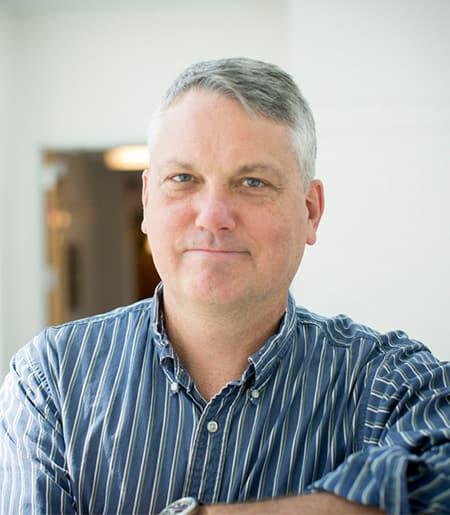
Christopher Myers is an Adjunct Professor in the Department of Physics at Cornell University and a Senior Research Associate at the Cornell Center for Advanced Computing. He is also a member of the graduate faculty in Physics, Computational Biology, Applied Mathematics, and Computational Science and Engineering. His research spans multiple disciplines, connecting physics, biology, and computational science. Myers earned his B.A. in History from Yale University in 1984 and his Ph.D. in Physics from Cornell University in 1991. His academic journey includes postdoctoral positions at UC Santa Barbara and the Cornell Theory Center, followed by various research roles at Cornell institutions including the Institute of Biotechnology and arXiv.org (where he served as Scientific Director from 2014-2016). Myers' research focuses on complex systems at the intersection of physics, biology, and computational science. His primary areas include infectious disease dynamics and host-pathogen interactions, theoretical and computational systems biology, biological information processing, dynamics and cascades on networks, and the structure and dynamics of intracellular networks. He has made significant contributions to understanding how complex systems behave across multiple scales, from molecular networks to ecological communities. His work often employs computational approaches to model and analyze biological phenomena. His recent publications (2020-2024) show a strong trend toward interdisciplinary research connecting computational methods with biological and ecological systems. There's a clear focus on network approaches to understanding disease transmission, particularly in plant-pollinator communities, as well as developing new computational methods for analyzing complex systems. His work increasingly integrates machine learning techniques with traditional modeling approaches to address complex biological questions. Myers has been actively involved in teaching and mentoring, having served as an Adjunct Professor since 2010 and teaching courses such as 'Computational Methods for Complex Systems' (Physics 7682). He has also developed and taught workshops on Python for high performance computing, data science, and AI with deep learning through Cornell's various educational programs including CVW and eCornell. His research has been conducted through multiple labs and teams, including the Cornell Center for Advanced Computing (current), the Institute of Biotechnology (2007-2017), and the Cornell Theory Center (1993-1997, 1998-2007). These teams have focused on computational approaches to biological problems, with particular emphasis on systems biology, infectious disease modeling, and software development for scientific computing.
Mariagrazia Pizza is a Professor of Microbiology and Co-director of the Centre of Bacterial Resistance Biology (CBRB) at Imperial College London's Faculty of Natural Sciences. She previously held roles as Senior Scientific Director of Bacterial Vaccines at GSK and Head of Research at GVGH. Her expertise spans over 30 years in vaccine development, with a focus on bacterial pathogens such as Neisseria meningitidis and Klebsiella pneumoniae. She pioneered the MenB vaccine (4CMenB), which has been licensed in over 50 countries and protects infants against meningococcal B disease. Her current research targets Klebsiella pneumoniae, a multidrug-resistant pathogen, aiming to identify novel vaccine candidates and virulence factors. Education and Career: Extensive experience in academia and industry, including leadership roles in global vaccine initiatives. Research Interests: Vaccine development, bacterial pathogenesis, antimicrobial resistance, and reverse vaccinology approaches. Key projects include MenB vaccine efficacy, cross-protection mechanisms, and Klebsiella virulence factors. She has received prestigious awards including the MahnHoon Award 2023 and is an elected member of EMBO, the European Academy of Microbiology, and Academia Europaea. With over 250 publications and 70 patents, she contributes to global health initiatives through WHO advisory roles and the IUMS Bacteriology Division. Labs and Collaborations: Leads the CBRB, collaborating globally on vaccine research and antimicrobial resistance solutions.
Suzanne M.J. Fleiszig is a Professor of Optometry and Vision Science at the School of Optometry, University of California, Berkeley. Her research focuses on bacterial pathogenesis of corneal infections, particularly examining how contact lens wear increases susceptibility to Pseudomonas aeruginosa keratitis. She holds joint appointments in Infectious Diseases & Immunity and Microbiology. Key research areas include: Microbial interactions with the ocular surface Corneal defense mechanisms Tear film antimicrobial components Contact lens-related infection pathogenesis Bacterial virulence factors Development of therapeutic prevention strategies Publications demonstrate a strong emphasis on Pseudomonas aeruginosa infection dynamics, with recurring themes in epithelial cell biology, surfactant proteins, and molecular mechanisms of bacterial invasion. Awards include the Glenn A. Fry Award Lecture (2005) and recognition for discovering keratin-derived antimicrobial peptides.
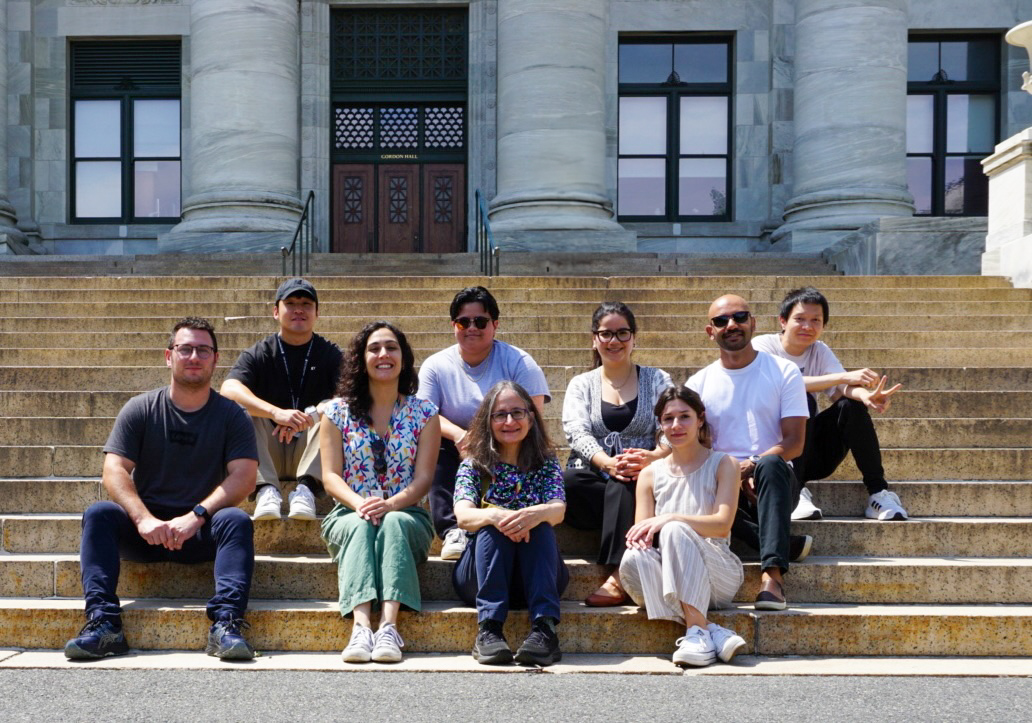
Dr. Paula Watnick is a Professor at Harvard Medical School where she leads a research laboratory located in the Division of Infectious Diseases at Boston Children's Hospital. Her lab maintains dual affiliations with the Departments of Pediatrics and Microbiology at Harvard Medical School. Her research program focuses on transcriptional regulation of bacterial metabolism and the complex interactions between commensal and pathogenic microbes with the host intestine. The laboratory employs Drosophila melanogaster as a genetically tractable model host to generate hypotheses that are subsequently tested in mammalian models. Key research areas include the role of bacterial membranes in transcriptional regulation, intestinal responses to Vibrio cholerae quorum sensing, cell type-specific regulation of innate immunity by gut microbes, and sex steroid signaling in intestinal immunity and systemic metabolism. The laboratory has published significant work including a recent paper in Cell Reports on Vibrio cholerae high cell density quorum sensing activating host intestinal innate immune responses. Dr. Watnick's research program demonstrates strong interdisciplinary connections between microbiology, immunology, and host metabolism. Dr. Watnick actively mentors a diverse team of researchers including postdoctoral fellows and graduate students. Her laboratory culture emphasizes creating a supportive, diverse, and inclusive environment where members are empowered to pursue scientific and career goals without bias or microaggressions. Current lab members include postdocs Mingyu Shin, Xiang Ding, Tania Paolo, and Guillaume Sadrin, along with research assistants and graduate students. The Watnick Lab maintains an active research program with ongoing investigations into bacterial metabolism manipulation strategies, amplification of beneficial microbial effects, and prevention of pathogenic damage to the host intestine.
Prof. Dr. Rolf Daniel is Full Professor of Genomic and Applied Microbiology at the University of Göttingen, heading both the Department of Genomic and Applied Microbiology and the Göttingen Genomics Laboratory since 2012. He serves as Speaker of the North German Center of Microbial Genomics (NZMG) and previously directed the Institute of Microbiology and Genetics (2012-2016). His research pioneers cultivation-independent metagenomics and metatranscriptomics of environmental microbial communities from soil, sediments, ice, and biofilms. The lab employs dual function-based/sequence-based approaches to discover novel enzymes (proteases, cellulases, lipases) and genes, while conducting whole-genome sequencing of archaea/bacteria with industrial or pathogenic relevance. They also develop specialized bioinformatic tools for genomic data analysis and visualization. Recent publications reveal strong interdisciplinary trends: environmental microbiome responses to land-use changes (2018), viral genome evolution studies, and novel enzyme characterization from metagenomic libraries, spanning environmental science, medical microbiology, and industrial biotechnology. Scientific recognition includes: Norddeutscher Wissenschaftspreis (Northern German Science Award, 2013) No explicit details on student advising or grant funding were documented in source materials. Prof. Daniel directs the Göttingen Genomics Laboratory and the North German Center of Microbial Genomics (NZMG), driving collaborative research in microbial genomics across regional institutions through the GGNB graduate programs in Microbiology, Molecular Biology, and Genome Science.
Guanqun (Gavin) Chen is an Associate Professor and Canada Research Chair (Tier II) in Plant Lipid Biotechnology at the University of Alberta's Faculty of Agricultural, Life and Environmental Sciences. His research focuses on enhancing seed oil production and customization in oilseed crops like canola and arabidopsis, alongside exploring lipid biotechnology in microorganisms such as yeast and microalgae. He holds a PhD from The University of Hong Kong and has received prestigious awards including the 2023 C.D. Nelson Award in Plant Biology and a Fulbright Scholar Award. His academic career includes teaching courses such as Lipid Science (AFNS 414/514) and Plants for Bioproducts (AFNS 545/PL SC 345). Research interests center on lipid biosynthesis mechanisms, metabolic engineering strategies, and improving agronomic traits like stress tolerance and seed quality. Key projects involve synthetic biology approaches to produce specialty oils and high-value bioproducts. Dr. Chen's lab (plb.ualberta.ca) actively seeks research students and has published extensively on topics ranging from CRISPR-mediated gene editing in plant immunity to novel methods for lipid analysis. He leads efforts to leverage microbial systems for sustainable biofuel production and value-added biomolecules, contributing to Canada's agricultural and biotechnology sectors.
Thava Vasanthan is a Professor in the Department of Agricultural, Food & Nutritional Sciences at the University of Alberta. He holds a Ph.D. in Food Science from Memorial University of Newfoundland (1994), an M.Sc. in Food Technology from the University of Reading (1988), and a B.Sc. in Agriculture from the University of Peradeniya (1986). His research focuses on grain processing science, particularly value-added utilization of carbohydrates like starch and beta-glucans from oats and barley. Key interests include starch fractionation, low glycemic food formulation, and industrial collaboration for product development. Dr. Vasanthan teaches advanced courses such as Science and Technology of Cereal and Oilseed Processing and Integrative Project in Food Safety and Quality . His consulting work involves assisting food and grain industries with process optimization, by-product utilization, and grant applications. He has authored over 100 peer-reviewed articles, with recent work addressing starch nanoparticles, mycotoxin mitigation in grains, and nutritional interventions for animal health. Notable research contributions include studies on beta-glucan extraction from barley, thermal modification of starches, and the role of dietary fibers in gut microbiota modulation. His lab explores both fundamental carbohydrate chemistry and applied solutions for food industry challenges.
Dr. Wei Shi is an Associate Department Head and Professor in the Department of Soil Microbiology & Ecology at North Carolina State University. His research focuses on the biochemical, physiological, and ecological functions of soil and environmental microorganisms, aiming to apply this knowledge to sustain agriculture and the environment. Current emphases include soil microbial community structure and nitrogen cycling. He leads interdisciplinary initiatives such as the NC Plant Sciences Initiative and collaborates with the CASM group across multiple departments. His research interests span microbial community dynamics, nitrogen transformation processes, and the impact of human activities (e.g., foot traffic) on soil microbiomes. He explores innovative approaches like multi-amplicon gene standards to quantify nitrogen-cycling microbes and investigates biochar’s role in mitigating greenhouse gases. Recent work also addresses drought impacts on plant microbiomes and post-glacial soil development effects on microbial functioning. Publications highlight trends in understanding microbial responses to environmental stressors, agricultural interventions, and ecosystem processes. His work integrates biophysical mechanisms, metagenomic/metabolomic analyses, and interdisciplinary collaborations to address complex environmental challenges. Dr. Shi’s research has implications for sustainable agriculture, climate change mitigation, and ecological restoration. He participates in groups like the BioChar Optimization and Saltwater Intrusion projects, applying soil science to real-world agricultural and environmental stewardship. His lab’s work spans from fundamental microbiology to applied solutions for carbon sequestration and soil health.
Rachel Poretsky is an Associate Professor in the Department of Biological Sciences at the University of Illinois at Chicago (UIC). Her research focuses on microbial ecology, bacterial diversity, and community structure in natural and engineered environments, with a particular emphasis on aquatic systems. She explores functional diversity through metagenomics and metatranscriptomics to understand microbial responses to environmental changes. Dr. Poretsky's lab investigates how bacterial communities influence biogeochemical cycles and public health through wastewater surveillance and aquaculture studies. Education: PhD in Biological Sciences from the University of Georgia, and a prior degree from Brandeis University. She is actively involved in mentoring graduate and undergraduate students through UIC's Biological Sciences program, offering opportunities in microbial ecology, bioinformatics, and molecular ecology. Her work bridges fundamental research with applied challenges in ecosystem and public health. Research Highlights: Key projects include studying microbial communities in marine, freshwater, and hospital wastewater systems, with publications on antimicrobial resistance genes, viral surveillance, and larval fish microbiomes. Her lab engages in collaborative efforts to develop tools for environmental health monitoring and sustainable aquaculture practices. Labs/Teams: Dr. Poretsky's Lab ( freshwaterlab.org ) focuses on freshwater systems and water stewardship. Grants & Funding: Her research is supported by grants addressing environmental microbiology and public health surveillance.
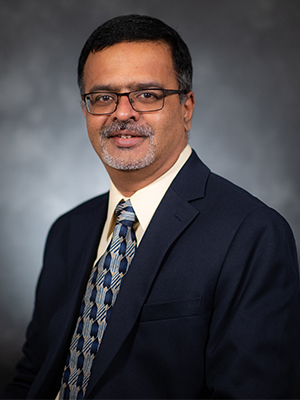
Dr. Arul Jayaraman is the Executive Associate Dean of the Texas A&M University College of Engineering and a Professor in the Artie McFerrin Department of Chemical Engineering. He holds the Ray B. Nesbitt Endowed Chair and is a Presidential Impact Fellow. His academic roles include serving as Associate Agency Director of the Texas A&M Engineering Experiment Station and affiliation with Biomedical Engineering. Education: Ph.D. in Chemical Engineering from University of California, Irvine (1998), M.S. from Tufts University (1994), and B.S. from Birla Institute of Technology & Science (1987). Research focuses on molecular systems biotechnology, particularly investigating microbiota-host interactions in inflammatory diseases and colorectal cancer using systems biology and microfluidic models. Key areas include inter-kingdom signaling between bacteria and human cells, AhR receptor modulation by dietary metabolites, and development of drug screening platforms. His work bridges engineering, microbiology, and medicine with applications in precision health. Recent publications highlight advances in microbiota metabolomics, microbial corrosion modeling, and cancer microenvironment engineering. Over 20 awards include the NSF CAREER Award (2009) and multiple teaching honors recognizing his educational impact. His leadership roles drive interdisciplinary initiatives and infrastructure development in engineering education. Research teams collaborate on NIH-funded projects exploring gut microbiome influences on immunity and chronic diseases.
Professor Patricia Holden is a faculty member at the Bren School of Environment at the University of California, Santa Barbara. Her research focuses on environmental microbiology, microbial ecology, water quality, and biodegradation with particular emphasis on wastewater treatment, nanomaterial ecotoxicology, and environmental health. She holds a PhD in Soil Microbiology from UC Berkeley and a MEng in Civil & Environmental Engineering from UC Berkeley, alongside additional degrees from Purdue University and the University of Tennessee. Her research group investigates microbial processes in environmental systems, including the impacts of nanomaterials on legume symbiosis, stormwater biofilter performance, and tobacco/cannabis debris pollution. Key areas include wastewater-based epidemiology for public health monitoring, fecal source tracking in recreational waters, and assessing environmental risks from emerging contaminants. Recent work highlights include studies on SARS-CoV-2 wastewater surveillance, microfiber pollution from textiles, and ecological impacts of tobacco product waste. She teaches courses like Environmental Biogeochemistry (ESM 202) and Microbial Processes in the Environment (ESM 219). Education: PhD, Soil Microbiology, UC Berkeley MEng, Civil & Environmental Engineering, UC Berkeley MS, Civil Engineering, Purdue University BS, Civil Engineering, University of Tennessee Awards: None explicitly listed in provided text. Advising: Supervises PhD candidate Liviu Iancu and postdoctoral researcher Dong Li. Labs/Teams: Leads research group focused on environmental microbiology and biogeochemistry with active projects in coastal water quality, nanomaterial toxicity, and green infrastructure.
Dr. Rhonda Miller is a Professor in Meat Science at Texas A&M University's Department of Animal Science, affiliated with the College of Agriculture & Life Sciences. She holds additional roles in the Faculty of Food Science and Technology and the Graduate Faculty of Nutrition. Her research focuses on meat quality, safety, and value-added products, with emphasis on sensory science and automated grading technologies. Dr. Miller earned all her degrees (B.S., M.S., Ph.D.) from Colorado State University, with doctoral research conducted at the USDA Agricultural Research Service in Nebraska. She teaches undergraduate and graduate courses in meat and sensory science and directs the Sensory Testing Facility and Sensory Science Evaluation Laboratory. Her work includes developing over 300 meat products during her tenure at Monfort, Inc., and managing expert sensory panels supported by industry contracts. These panels evaluate meat products for flavor, texture, and palatability. Dr. Miller's research spans antemortem/postmortem factors affecting meat quality, dry-aging techniques, and non-meat ingredients to enhance shelf-life. She also investigates consumer preferences for beef, pork, and chicken, particularly among millennials. Key projects include the National Beef Tenderness Survey and studies on volatile aroma compounds, fatty acid profiles, and cooking methods' impact on meat quality. Her contributions bridge academia and industry, addressing both scientific and practical challenges in meat production and consumer satisfaction.
Reetta Satokari is a University researcher and Researcher at the Department of Microbiology and Biotechnology, University of Helsinki. She serves as a supervisor in multiple doctoral programmes including Human Microbiome Research, Drug Research, Biomedicine, Clinical Research, Clinical Veterinary Medicine, Food Chain and Health, and Microbiology and Biotechnology. Her research focuses on microbiota dynamics, fecal microbiota transplantation (FMT), antibiotic resistance, probiotics, and gastrointestinal health. She leads the EU Horizon Europe project ENDOTARGET (2023-2026) and has contributed to over 100 peer-reviewed articles. Notable work includes studies on FMT efficacy in Parkinson's disease and chronic pouchitis, and the prolonged effects of antibiotics on gut microbiota. Her scientific accolades include the Nutrients 2020 Best Paper Award. She actively participates in conferences, media interviews, and thesis supervision. Projects include investigating fetal intestinal microbiota's role in immune development and advancing FMT safety protocols. Her work bridges microbiology, immunology, and clinical applications, with a focus on translational therapies for gastrointestinal and neurodegenerative disorders.
Dr. Quinn Webber is an Assistant Professor at the University of Guelph's Department of Integrative Biology, College of Biological Science. His research focuses on the causes and consequences of animal behavior, particularly in bats and caribou. He examines how individual behavioral variation and environmental factors influence fitness and disease outcomes, leveraging contemporary statistical methods to analyze ecological scales. His work contributes to One Health initiatives and species conservation. Research Interests: Behavioral ecology of bats and caribou Disease ecology and pathogen transmission Spatial ecology and habitat selection Conservation biology and species management Integration of social and spatial behavior Lab Environment: The lab emphasizes collaborative learning, with weekly meetings, writing groups, and interdisciplinary collaborations. Recent achievements include student publications, scholarship awards (e.g., NSERC, Vanier), and ongoing projects on behavioral aging, migration, and microbial transmission. Follow lab activities via Instagram (@uog_web_lab) or Bluesky (@qwebber.bsky.social). Grants & Advising: Mentors graduate students in PhD/Master's programs, focusing on behavioral ecology and conservation. Lab members have secured notable scholarships, reflecting strong mentorship and research impact. Labs/Teams: Active in the Department of Integrative Biology, collaborating on multi-layer social network analyses and telemetry data applications. The lab prioritizes EDI initiatives to foster inclusive research environments.