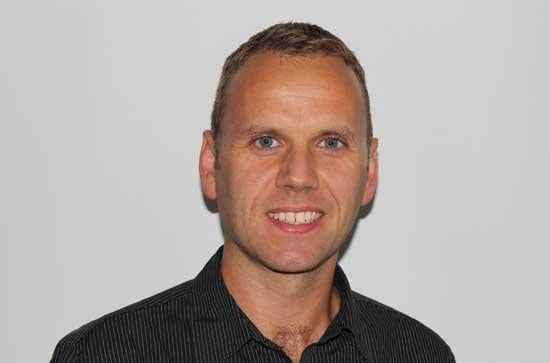
Paul O'Toole is a Professor of Microbial Genomics and Principal Investigator at the APC Microbiome Ireland, University College Cork. His research focuses on the gut microbiome's role in health, aging, and disease, particularly in the context of diet and probiotics. He leads projects like the ELDERMET study on elderly nutrition and the NU-AGE project exploring Mediterranean diets' anti-aging effects. He holds a BA (Mod.) from Trinity College Dublin and a PhD from Lund University, with postdoctoral training in Canada and New Zealand. Key grants include studies on dairy-derived microbiota, probiotic strain improvement, and microbiome analysis in aging populations. He has published extensively on Lactobacillus genomics, gut-brain interactions, and microbiome-driven health outcomes. His work bridges fundamental microbiology with clinical applications, emphasizing translational research. Scientific highlights include discovering microbiome links to cognitive decline, demonstrating dietary modulation of gut microbes to combat obesity, and identifying keystone species in healthy aging. He advocates for sustainability in conservation and food systems, reflecting his interdisciplinary approach to global health challenges.
Professor Francis Butler is a Full Professor at University College Dublin's School of Biosystems and Food Engineering, where he has been since 1990. His academic roles include research leadership in food safety, food chain integrity, and microbial risk assessment. He leads the UCD Institute for Food and Health and the UCD Centre for Food Safety as a Principal Investigator. Education: BE, Grad Dip University Teaching & Learning, MBA, and PhD from University College Dublin. Research Focus: His work centers on food safety hazards, quantitative risk assessment, and next-generation sequencing for pathogen identification. Recent projects include Listeria monocytogenes growth modeling, norovirus in oysters, and hepatitis E in pork products. He has secured over €6 million in research grants, including EU-funded projects like FOODINTEGRITY and SIGMACHAIN. Awards & Recognition: European Food Safety Authority Fellowship, Marie Sklodowska-Curie Fellowship, and UCD Teaching Grant. He coordinates international educational programs, including the UCD MSC Food Safety and Risk Analysis. Professional Activities: Member of EFSA advisory committees, editorial boards (e.g., Microbial Risk Analysis ), and international conference chairs. His work bridges academia, industry, and policy to enhance food safety standards globally.
Professor Siobhán McClean (University College Dublin) is a leading researcher in Biomolecular and Biomedical Science with 24 years of academic experience. Her work focuses on chronic respiratory infections in cystic fibrosis patients and vaccine development against ESKAPE pathogens. Current roles: Professor (2024-present) Associate Dean for Widening Participation (2019-2023) Head of Biochemistry (2019-2022) Academic qualifications: BSc in Biochemistry, UCD PhD, Imperial College London Professional Diploma in Creativity & Innovation, UCD Research Interests: Specializing in bacterial adaptation to hypoxia in chronic infections, she leads studies on Burkholderia cepacia complex, Pseudomonas aeruginosa, and Pandoraea pulmonicola. Her team develops novel vaccine antigens through proteomic analysis of host-pathogen interactions, with recent work on TLR4 agonists and universal stress proteins. Article Trends: Recent publications focus on mRNA vaccine platforms, hypoxia-driven pathogenesis, and cross-reactive antigens for ESKAPE pathogens. Key themes include adjuvant optimization, host cell attachment mechanisms, and immune correlate analysis across bacterial/viral/parasitic agents. Scientific Awards: Principal Investigator for Marie Curie BactiVax network Coordinator of All-island Vaccine Research Alliance (AIVRT) Science Foundation Ireland grant recipient Training Leadership: Supervises 7 active PhD researchers and has trained 15 Marie Curie students across 8 countries. Her lab develops cationic nanoparticles and investigates bacterial stress responses.
Dr. Sabin Tabirca is a Senior Lecturer at the School of Computer Science and Information Technology, University College Cork (UCC). He holds a BSc from Bucharest University and a PhD from Brunel University. His research focuses on Artificial Intelligence, Data Analytics, Algorithmics, Interactive Media, and HCI, with applications in computational cancer modeling, mobile health (mHealth), and parallel computing. He coordinates MPT Activities and is affiliated with the CRR Group and BCRI Centre. Notable awards include UCC's President Award for Innovation in Teaching (2007), IT@Cork Leader Award (2008), and UCC Staff Recognition Award (2013). His teaching includes modules like Parallel and Grid Computing, Mobile Application Design, and Graphics for Interactive Media. Dr. Tabirca has supervised over 70 MSc students and numerous PhD candidates, many of whom now hold academic and industry roles globally. His research includes developing mHealth apps for cystic fibrosis patients, 3D cancer visualization tools, and frameworks for mobile parallel computing. Publications span mHealth design pipelines, cancer prediction models, and mobile gaming for health education. He actively engages in interdisciplinary projects, blending computer science with medical and biological applications.
Dr. Paulina Flannery is a Lecturer in Molecular Biology/Biotechnology at Bangor University's Faculty of Science and Health, within the Department of Bioveterinary and Microbial Sciences. She obtained her PhD in Microbiology from the National University of Ireland, Galway, focusing on norovirus contamination in shellfish and public health implications. Her expertise includes virology, molecular diagnostics, and veterinary medicine, with a current focus on microbial pathogens and bacteriophage therapy to combat antibiotic resistance. She has authored over 35 peer-reviewed articles and collaborates internationally on viral diagnostics and biosafety training. Her research spans veterinary virology, including work at the Pirbright Institute on high-consequence animal viruses and development of molecular diagnostics. She actively contributes to the UN Sustainable Development Goals, particularly in addressing health and environmental challenges. Notable collaborations include developing high-throughput sequencing methods and training programs for exotic virus identification. Recent press coverage highlights her work on estuarine microbial dynamics and pathogen management. While currently accepting PhD students, no formal advisees are listed. Her contributions to rapid diagnostic tools for viral pathogens underscore her commitment to advancing veterinary and public health solutions.
Prof. Cormac Gahan is a Professor at the School of Microbiology, University College Cork (UCC), and a Principal Investigator at the APC Microbiome Institute. He holds editorial roles in journals like Journal of Pathogens and Microbiome . His research focuses on host-microbe interactions, microbial pathogenesis, and bacterial vaccine development. Prof. Gahan has published 167 peer-reviewed articles, with an h-index of 75 and over 19,000 citations. Education: PhD in Immunology and Microbiology from UCC (1996). Affiliations: APC Microbiome Institute, School of Pharmacy (UCC). Research Interests: Bile acid metabolism, bacterial pathogenesis (e.g., Listeria monocytogenes), live bacterial vaccine vectors, gut microbiota dynamics. His work bridges microbiology, immunology, and clinical therapeutics. Grants & Funding: Over €13.5M from SFI, EU, Health Research Board, and industry partnerships. Current grants include EU Horizon 2020 projects and APC Microbiome initiatives. Labs & Collaborations: Leads the Bile Research Group and collaborates with institutions like Cork Cancer Research Centre and Teagasc. Directs the UREKA summer school program for microbiology training.
Dr. David Hughes is a Lecturer/Assistant Professor at University College Dublin (UCD), where he joined the Conway Institute and School of Biomolecular and Biomedical Science in 2018. He serves as a Senior Conway Fellow, Head of the Molecular Epidemiology of Cancer Group (MEC), and Co-Director of the Cancer Biology Therapeutics (CBT) lab cluster. His research focuses on the nutritional, genetic, molecular, and microbial epidemiology of various cancer sites, with colorectal cancer being his primary area of focus. Dr. Hughes' educational background includes: BSc in Biochemistry from the University of Leeds (1990) PhD in Medical Genetics from Queen's University Belfast (1996) Postgraduate Diploma in Health Professions Education from the Royal College of Surgeons in Ireland (2015) Dr. Hughes' research examines how nutritional, genetic, metabolic, microbial, and lifestyle factors (together with their interactive impact on molecular mechanisms) affect the initiation and progression of cancer. His primary focus is on colorectal cancer, but he also conducts research on liver, pancreatic, breast, and gastric cancers. His investigative approaches include nutritional, genetic, molecular, and microbial epidemiology through observational and experimental studies in large European cancer cohorts. A significant portion of his work investigates the relationship between selenium status and cancer risk, particularly for colorectal and liver cancers. Dr. Hughes' recent publications reveal a strong focus on the interplay between the gut microbiome, nutritional factors (particularly selenium), and cancer development. His work increasingly incorporates genetic epidemiology approaches like Mendelian randomization to establish causal relationships. There's a clear progression from studying individual nutrients and microbes to examining complex interactions between multiple factors in cancer pathogenesis. Dr. Hughes has received notable recognition including: Senior Conway Fellow Dr. Hughes is actively involved in mentoring students and securing research funding. His current and recent grants include projects funded by the Health Research Board, the EU, the International Health Cohorts Consortium, the World Cancer Research Fund, and various funders for the EPIC project. He leads the large prospective cohort studies within the European Prospective Investigation into Cancer and Nutrition (EPIC), focusing on the influence of bacterial antigens, gut barrier integrity, and nutritional status of micronutrient minerals on cancer risk. He is also a steering committee member for colorectal cancer projects within the EPIC study and a member of the International Cancer Microbiome Consortium. Dr. Hughes leads the Molecular Epidemiology of Cancer Group (MEC) and co-directs the Cancer Biology Therapeutics (CBT) lab cluster at UCD. His team conducts research within the European Prospective Investigation into Cancer and Nutrition (EPIC) cohort, which includes over half a million participants across 23 centers in 10 Western European countries. The MEC group focuses on nutritional, genetic, molecular, and microbial epidemiology of various cancer sites, with particular emphasis on colorectal cancer.
Dr. Rebecca Owens is an Assistant Professor in the Department of Biology at Maynooth University, affiliated with the Human Health Institute. She holds a BSc (Biotechnology) from Maynooth University (2008) and a PhD (2013), supported by an IRCSET Scholarship. Her postdoctoral research focused on fungal pathogen proteomics, particularly iron-limiting conditions and mass spectrometry methodologies. In 2017, she established the Chemical Microbiology laboratory, specializing in proteomic analyses of microbial species and antimicrobial resistance mechanisms. Her work bridges academia and industry, expanding into food technology and microbiology. Dr. Owens currently supervises 4 PhD students funded by DAFM and Teagasc. Her research interests include: proteomic responses to antifungals, fungal pathogen virulence, and mass spectrometry-based methods for analyzing microbial metabolites. She has contributed to over 40 peer-reviewed publications and book chapters, including seminal work on fungal proteomics and gliotoxin biology. Dr. Owens serves on professional committees, including Treasurer of the Irish Fungal Society and Member of the Microbiology Society’s Irish Division. Her lab’s recent work explores zinc chelation by gliotoxin, HMO-primed bifidobacteria, and bovine colostrum proteomics.
Prof. Noel G McElvaney is Head of the School of Medicine and Professor of Medicine at the Royal College of Surgeons in Ireland (RCSI). He holds a medical degree from University College Dublin (1982). His research focuses on cystic fibrosis (CF), alpha-1 antitrypsin deficiency (AATD), lung inflammation, and protease regulation. He has led translational research initiatives, including early clinical trials of therapies like Lomucin and AAT augmentation. In 2001, he founded the Alpha One Foundation of Ireland and established Europe’s first AATD detection program. Prof. McElvaney has secured extensive funding from organizations like HRB, SFI, and industry partners. His work bridges clinical practice and research, emphasizing gene therapy, lung defense mechanisms, and drug development. He has been awarded the HRB Impact Award (2021-2022) and holds leadership roles in medical councils and societies. His lab collaborations include Beaumont Hospital and global networks like the European Alpha-1 Research Collaboration (EARCO). Research interests include: protease-antiprotease balance in lungs, bronchial epithelium signaling, innate immunity, and CF/AATD therapies. He has supervised multiple research projects and mentored students in areas like CF microbiota and estrogen effects. His recent grants fund studies on COPD microbiome diversity, circadian rhythms in lung disease, and longitudinal biomarker analyses in AATD.
Dr. Damien Brady is a Lecturer in the Department of Applied Sciences at South East Technological University (enviroCORE). He holds a PhD in Biotechnology from the University of Ulster (1997) and has extensive postdoctoral experience, including work with Trinity College Dublin and a biotechnology startup. His research focuses on microbial pathogens in medical and veterinary contexts, with applied emphasis on antimicrobial agents and biomedical materials. Key areas include Cronobacter sakazakii, biofilm inhibition, and hydrogel-based therapies for wound healing and tissue regeneration. Brady has authored over 45 publications and 50 conference presentations. His work spans biotechnology applications, such as ethanol production using thermotolerant yeasts and antimicrobial composites for medical devices. He has supervised 11 PhD and 4 MSc students, reflecting his commitment to training the next generation of researchers. Research trends in his articles highlight advancements in CAR-T cell therapy, biopharmaceutical production in E. coli systems, and the development of novel materials for medical applications. Brady also contributes to editorial roles, including the Editorial Board of Biotechnology Letters . His lab explores interdisciplinary challenges, such as biofilm control in food safety, antimicrobial resistance mechanisms, and innovative solutions for chronic conditions like anal fistulae. Collaborations extend to material science, dentistry, and surgical innovations, underscoring the applied nature of his work.
Professor Cormac Taylor is a Full Professor at the School of Medicine, University College Dublin, where he leads a research group at the UCD Conway Institute. His research focuses on hypoxia-mediated transcriptional regulation in epithelial cells, with applications in chronic inflammatory diseases. He holds a PhD in Pharmacology from University College Dublin (1996) and completed postdoctoral research at Harvard Medical School. His research investigates: Hypoxia-inducible factor (HIF) signaling pathways Metabolic reprogramming during oxygen stress Epithelial cell responses to inflammatory stimuli Therapeutic targeting of hypoxia pathways in disease Host-microbe interactions in gastrointestinal inflammation Research outputs demonstrate consistent focus on hypoxia-mediated metabolic adaptation, with recent work exploring HIF's role in cancer, diabetes, and infection biology. Articles show advanced techniques in metabolomics, transcriptomics, and molecular pathway analysis. Awards & Honors: Elected to Royal Irish Academy (2013) - Highest Irish academic honor Nature Award for Mentoring in Science (2014) Takeda Distinguished Researcher Award (2016) - First non-US recipient Research Leadership: Maintained continuous funding from Science Foundation Ireland since 2002 with additional grants from Wellcome Trust and NIH. Successfully supervised 16 PhD students. Serves as Managing Editor of Frontiers in Biosciences and Editorial Board Member for American Journal of Physiology. Laboratory: Leads hypoxia research group at UCD Conway Institute investigating therapeutic targeting of hypoxia pathways in chronic inflammation and cancer.
Prof Sheena Cruickshank is an Immunologist and science communicator at the University of Manchester’s Lydia Becker Institute. Her research focuses on immune responses to pathogens, environmental pollutants, and the microbiome, with a strong emphasis on translational research to improve public health outcomes. She actively advocates for evidence-based vaccination policies and has published strategies to enhance vaccine uptake in underserved communities. As a member of IndependentSage, she critiques political interference in scientific research and healthcare decision-making. Her work spans vaccine efficacy, HIV cure mechanisms, and environmental health impacts, often bridging basic science with policy recommendations. She collaborates with institutions like the British Society for Immunology and has mentored students including Becky, Jas, and Kirsty. Recent studies include breakthroughs in mRNA delivery for HIV latency reversal and the role of microbial metabolites in gut inflammation. Prof Cruickshank frequently highlights systemic issues such as underfunded research infrastructure, vaccine hesitancy drivers, and the consequences of policy decisions on healthcare access. She emphasizes the need for interdisciplinary approaches to address global health challenges like pandemic preparedness and environmental degradation.
David Fitzpatrick is a Professor and Principal Investigator (PI) of the Genome Evolution Laboratory at Maynooth University since 2024. He also holds a Visiting Professorship at Leeds Beckett University. Previously, he served as Associate Professor (2020–2024) and Lecturer (2009–2020) at Maynooth University. His academic journey includes postdoctoral fellowships at University College Dublin (2005–2009) and Maynooth University (2004–2005). Education: Fitzpatrick earned a B.Sc. (Hons) in Biology from NUI Maynooth (1996–2000), a Ph.D. in Bioinformatics (2000–2004), and a Postgraduate Diploma in Higher Education (2015–2016), all from Maynooth University. Research Interests: His laboratory focuses on the evolution of unicellular microorganisms, particularly fungal and oomycete species. Techniques include genome sequencing, transcriptomics, proteomics, comparative genomics, phylogenomics, and synteny analysis to study gene and genome evolution. Key projects involve analyzing hybrid pathogens like Phytophthora xalni, developing molecular diagnostics for mushroom strains, and exploring biocontrol agents against fungal pathogens. Scientific Awards: He received the Doctoral Student Prize of Achievement in Science and Engineering (2005) from Maynooth University, an IRC Postdoctoral Fellowship (2005–2007), and an HRB Postdoctoral Research Fellowship (2007–2009). Advising & Grants: Fitzpatrick has supervised seven PhD students, including Dr. Eoin O'Connor (2020) and Dr. Jamie McGowan (2021). His research has been funded through projects like the Biocontrol of Mushroom pathogens (€88,000), Analysis of Introgression in Prokaryotic Genomes (€96,000), and OMICs-based investigations of novel plant pathogens (€96,000). Labs & Teams: As PI of the Genome Evolution Laboratory, he collaborates on initiatives such as the Oomycete Gene Order Browser (OGOB) and the Pangloss pan-genome analysis tool. His work integrates genomic and proteomic data to address challenges in agriculture, forestry, and medical microbiology.
Margaret McGee is an Associate Professor at the School of Biomolecular and Biomedical Science , University College Dublin , with a research focus on cancer biology and extracellular vesicle signaling. Her work spans hematological malignancies, bone marrow microenvironment interactions, and mitotic regulatory mechanisms. She coordinates major modules including Genetic Basis of Disease and Regulation of Gene Expression . BSc University of Reading Dip Applied Science Dublin Institute of Technology PhD Biochemistry Trinity College Dublin Her research explores extracellular vesicle-mediated communication in cancer progression, cyclophilin A's role in mitotic exit, and preclinical biotherapeutic development. Current collaborations with Vejle Hospital Denmark and Mater Hospital Dublin investigate EV-based liquid biopsies for therapy response prediction. Notably, she co-authored the foundational MISEV2023 guidelines for extracellular vesicle research. Scientific contributions include: Wellcome Trust ISSF Mid Career Fellow (2017) Conway Institute Fellow (2007) IRCSET Fellowship (2003) She leads the EU Twinflag consortium for EV-based biomarker development in joint disorders and chairs the SBBS Research, Innovation and Impact Committee (2020-2024). Her lab has trained numerous researchers who now hold prominent positions in academia and industry.
Marcus Claesson is a Lecturer in the Department of Microbiology at University College Cork (UCC), Ireland. He is also a Principal Investigator and Funded Investigator at the Alimentary Pharmabiotic Center, managing the BioIT platform. His research focuses on microbiota analysis, particularly in inflammatory bowel disease (IBD) and the gut microbiome of elderly Irish subjects via metagenomics and 'omics' methods. Education: BSc in Chemical Engineering, Chalmers University of Technology MSc in Bioinformatics, Chalmers University of Technology PhD in Bioinformatics, University College Cork Marcus specializes in bioinformatics method development for analyzing gut microbiota composition and function. His work includes the ELDERMET project (metagenomic analysis of elderly microbiomes) and sequencing Lactobacillus salivarius and Bifidobacteria to identify probiotic traits. He has explored the role of flagellin proteins in inflammation and the impact of antibiotics on elderly microbiota. His peer-reviewed publications (15 most recent) reflect a strong focus on microbiome analysis , metagenomics , and probiotic discovery , with applications in human health and microbial ecology . Scientific Awards: UCC Early Stage Researcher of the Year (2012) Alimentary Pharmabiotic Centre Young Scientist of the Year (2010) Bioscience Institute PhD Student of the Year (2007) Marcus supervises doctoral students in microbiome research and teaches modules including Computational Biology , Computational Systems Biology , and Genomic Data Analysis . He coordinates the MSc program in Bioinformatics and Computational Biology.