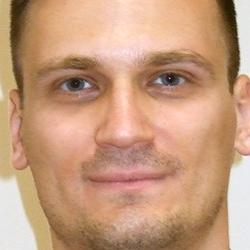
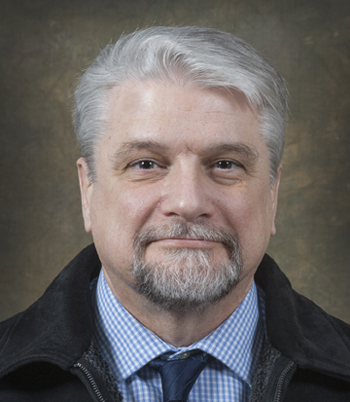
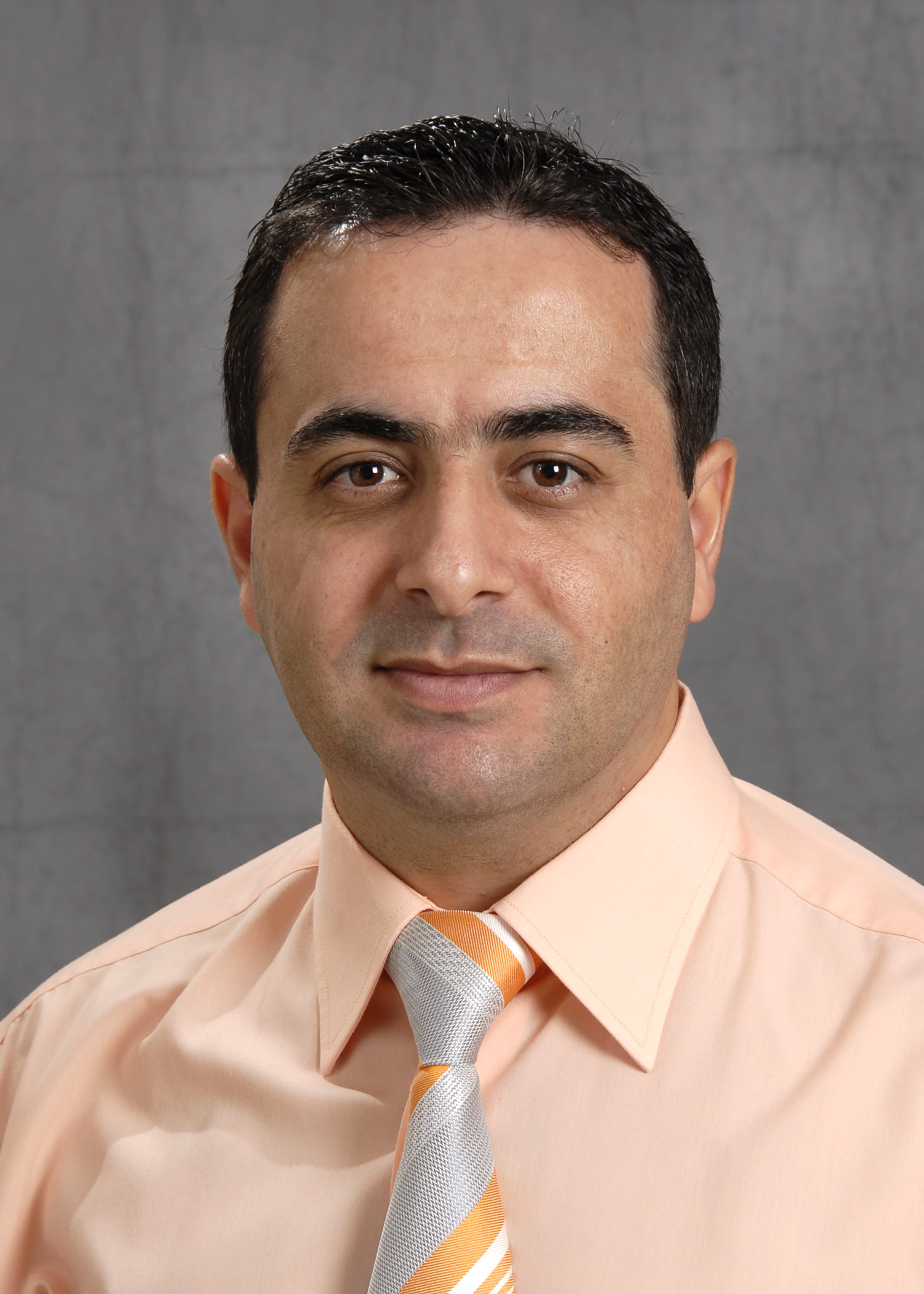
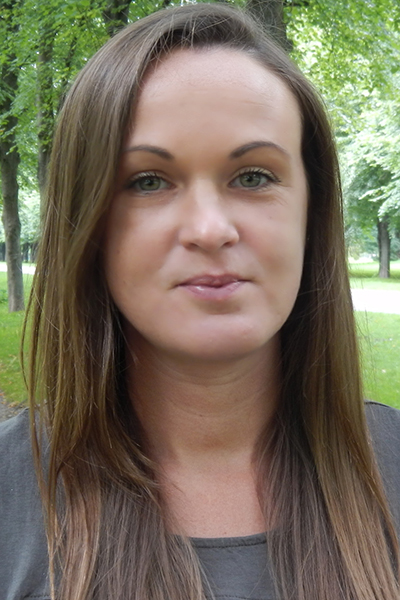
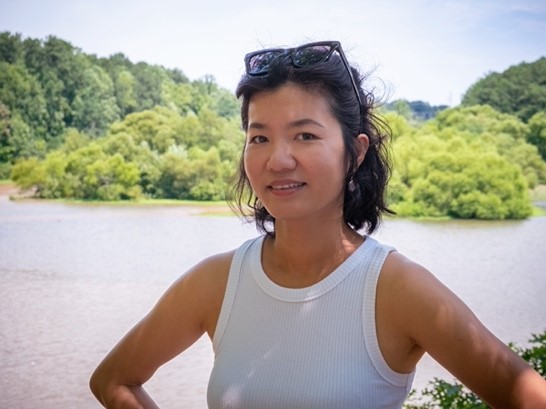
Dr. Pawel Mordaka is a Postdoctoral Research Associate in the Department of Plant Sciences at the University of Cambridge. His research focuses on synthetic biology, genetic engineering, and plant metabolism, with a particular emphasis on chloroplast engineering and metabolic pathway optimization in model organisms like Chlamydomonas reinhardtii and Clostridium . Department: Plant Sciences Academic Rank: Researcher Email: pmm63@cam.ac.uk His work spans synthetic biology tool development (e.g., CpPosNeg selection systems, Start-Stop DNA assembly), transgene regulation in chloroplasts, and bioengineering of microbial-plant interactions. Recent publications highlight advancements in genetic code compression, promoter engineering, and heterologous pathway reconstruction for biofuel and biocatalysis applications. Dr. Mordaka's research intersects molecular plant biology and industrial biotechnology, leveraging algal chloroplasts as testbeds for radical metabolic rewiring. His methodologies include VIGS protocols, PVX expression vectors, and terminator analysis to refine transgene expression. Contact: pmm63@cam.ac.uk
Dr. Shi-Zhen WANG is an Associate Professor at the Department of Chemical and Biochemical Engineering, College of Chemistry and Chemical Engineering, Xiamen University, China. She holds a PhD from Zhejiang University (2009) and a BSc from Fuzhou University (2004). Her research focuses on biocatalysis, enzymatic engineering, and biosynthesis of chiral compounds. Education: PhD (Zhejiang University), BSc (Fuzhou University) Current Position: Associate Professor, Xiamen University Previous Roles: Assistant Professor (Xiamen University), Postdoctoral Fellow (MIT), Visiting Scholar (Hamburg University of Technology) Her research involves controlled assembly of multi-enzyme systems for biosynthesis, discovery of novel enzymes from extremophiles , and graphene-based biosensors . Recent publications demonstrate expertise in enzyme immobilization, cofactor regeneration, and biocatalytic pathway engineering for pharmaceutical and chemical production. Publications highlight trends in multi-enzyme cascades , extremophile enzyme applications , and bioinspired immobilization techniques . Key methodologies include peptide linker fusion, metal ion substitutions, and biomineralization approaches.
Robert Akins is a Professor in the Department of Biochemistry, Microbiology, and Immunology at Wayne State University School of Medicine. He serves as Director of the BMI/BMB MS Program and has active research projects in microbiomics, fungal exosomes, molecular diagnostics, and antifungal resistance. Education: Ph.D. in Microbiology, Ohio State University (1982) Research Focus: Vaginal microbiome dynamics in health and disease progression Characterization of fungal exosomes as diagnostic and therapeutic targets Development of molecular diagnostics for fungal infections Mechanisms of antifungal resistance in Candida albicans Role of mitochondrial stress responses in drug tolerance Publication Trends: Dr. Akins' recent work examines microbial interactions in bacterial vaginosis, exosome-mediated fungal pathogenesis, and molecular diagnostics development. Earlier research focused on mitochondrial genetics in Neurospora crassa and Candida drug resistance mechanisms. Teaching: Courses include Core Concepts in Technologies in Biochemistry and Molecular Biology (BMB7030), Advanced Molecular Biology (BMB7330/IBS7330), and specialized training in molecular techniques. Laboratory: Located in 234 Lande Research, his lab integrates molecular biology, microbiomics, and clinical translational research with active projects in vaginal microbiome dynamics and antifungal therapy development.
André Luiz de Oliveira is a Researcher at the Department of Symbiosis, Max Planck Institute for Marine Microbiology. His work explores the evolutionary and developmental impacts of host-symbiont interactions, focusing on germ-free animal models like gutless oligochaetes ( Olavius algarvensis and O. ilvae ), which lack traditional digestive systems and rely entirely on bacterial symbionts for survival. Research Interests Host-microbe interactions Eco-Evo-Devo (Ecological Evolutionary Developmental Biology) Comparative genomics of symbiotic organisms Morphological diversification in marine annelids Methodologies Integrates 'omics approaches Compares developmental biology and morphology Uses fluorescence in-situ hybridization The 10 listed publications (2015-2024) span disciplines including Marine Biology, Genomics, Developmental Biology, and Evolutionary Ecology. Key subfields include deep-sea symbiosis, Hox gene regulation in mollusks, microbial adaptation mechanisms, and comparative transcriptomics of chemosynthetic environments.
Nobuhiko Tokuriki is a Professor in the Department of Biochemistry & Molecular Biology at the University of British Columbia's Faculty of Medicine. His research focuses on molecular mechanisms of protein evolution, exploring how mutations drive structural, biophysical, and functional changes in proteins over evolutionary timescales. Osaka University, PhD (2004) Weizmann Institute of Science, Postdoctoral Fellow (2004) University of Cambridge, Postdoctoral Fellow (2009) His interdisciplinary approach combines experimental evolution, protein engineering, structural biology, and bioinformatics to reconstruct evolutionary trajectories of biological molecules. Key questions include mutation order in functional transitions, evolvability determinants, and ongoing evolution of modern enzymes (e.g., drug resistance, xenobiotic degradation). Recent work emphasizes conformational dynamics, epistatic networks, and environmental interactions in shaping fitness landscapes. Publications highlight trends in β-lactamase evolution, promiscuous enzyme characterization, and computational-experimental synergy for exploring sequence-function relationships. The lab trains students in biochemical and biophysical techniques, with alumni placed in academic, industrial, and consulting roles. Current lab members include PhD candidates like John Chen (studying antibiotic resistance via deep mutational scanning) and technicians like Renmei Tang. The group collaborates on projects involving protein stability, metabolic engineering, and microbial community dynamics.
Sebastián Acosta Jurado is a researcher in Molecular Biology and Biochemical Engineering at the Centro Andaluz de Biología del Desarrollo (CABD), affiliated with the research group EXPRESIÓN GENICA EN BACTERIAS DE INTERÉS MEDIOAMBIENTAL . His work focuses on gene regulation in rhizobia, particularly Sinorhizobium fredii HH103 , and its symbiotic interactions with legumes.
Katharine E Block is a researcher affiliated with the University of Minnesota's Department of Laboratory Medicine and Pathology. Her work focuses on immunology, particularly CD8+ T cell biology, autoimmune diseases, and microbiome-immune system interactions. Primary Affiliation: University of Minnesota, Department of Laboratory Medicine and Pathology Research Themes: Immune tolerance, T cell memory, microbial influence on immunity, autoimmune arthritis, cytokine signaling Her recent publications highlight advancements in understanding: CD8+ T cell adaptation to cytokine deficiency via IL-7 and IL-15 collaboration (2025) Non-deletional CD8+ T cell tolerance mechanisms (2024) Microbial exposure's impact on lung ILC2 responses (2022) Stromal cell roles in T cell memory formation (2021) Current research projects include a NIH-funded study on non-deletional CD8+ T cell tolerance (2025-2026), indicating sustained funding and institutional support.
Zacharias Skouras is a Professor in the Department of Biology at the School of Sciences, Aristotle University of Thessaloniki. With a research career spanning over three decades, his work has significantly contributed to molecular genetics, particularly in Drosophila research, chromosome structure, and heat shock protein mechanisms. Department of Biology, School of Sciences Aristotle University of Thessaloniki His primary research interests focus on molecular genetics, with emphasis on Drosophila polytene chromosomes, heat shock proteins (particularly HSP70 and HSP90), and more recently computational biology and biological networks. His work bridges fundamental molecular mechanisms with environmental adaptation studies, particularly in Mediterranean species like Mytilus galloprovincialis. He has made significant contributions to understanding gene organization, expression patterns, and evolutionary aspects of stress response mechanisms. Analysis of his 15 most recent publications reveals a research trajectory evolving from classical Drosophila genetics toward broader applications in environmental adaptation, marine biology, and computational approaches. Early work focused on detailed cytogenetic studies of Drosophila species, while more recent publications demonstrate expansion into chromium bioremediation mechanisms, brown bear conservation genetics, and computational modeling of biological networks. This progression reflects an integration of molecular genetics with environmental challenges and systems biology approaches. Dr. Skouras has supervised and collaborated with numerous researchers who have become established scientists in their own right, including Elena Drosopoulou, Chrysoula Pantzartzi, and Pinelopi Mavragani-Tsipidou. His work has received consistent research funding enabling extensive field and laboratory studies across multiple biological systems. His laboratory has maintained a focus on both basic molecular mechanisms and applied environmental research, with particular expertise in stress response pathways across diverse biological systems from insects to marine mollusks and mammals. This dual focus has enabled translational applications of fundamental genetic research to environmental and conservation challenges.
Dr. Attila Karsi is a Professor in the Department of Comparative Biomedical Sciences at Mississippi State University College of Veterinary Medicine. His research program focuses on bacterial pathogens affecting aquatic species, particularly those causing significant economic losses in the U.S. catfish aquaculture industry. Dr. Karsi leads a laboratory dedicated to understanding host-pathogen interactions and developing effective vaccines against major fish diseases. Dr. Karsi earned his educational qualifications from prestigious institutions: Doctor of Philosophy (Ph.D.), Fisheries and Allied Aquacultures, Auburn University, 2001 Master of Science (M.S.), Fisheries and Allied Aquacultures, Auburn University, 1998 Bachelor of Science (B.S.), Fisheries and Allied Aquacultures, Ankara University, 1994 Dr. Karsi's research centers on bacterial pathogenesis in aquatic environments, with particular emphasis on Edwardsiella ictaluri , Aeromonas hydrophila , and Flavobacterium columnare - major pathogens affecting channel catfish aquaculture. His laboratory employs molecular, genomic, and immunological approaches to investigate host-pathogen interactions, virulence mechanisms, and immune responses in fish. A significant portion of his work focuses on vaccine development, including live attenuated vaccines and subunit vaccines targeting bacterial surface proteins. Dr. Karsi has made important contributions to understanding how bacterial secretion systems, regulatory networks, and stress response mechanisms contribute to pathogenesis in aquatic environments. Analysis of Dr. Karsi's recent publication record reveals a strong focus on Edwardsiella species pathogenesis and vaccine development. His research spans molecular characterization of virulence factors, host immune responses to infection, and practical vaccine applications in aquaculture settings. There is a clear progression from basic molecular mechanisms toward applied vaccine development, with increasing emphasis on multi-omics approaches including genomics, proteomics, and transcriptomics in recent years. His work bridges fundamental microbiology with practical aquaculture applications, addressing critical disease challenges in the catfish industry. Dr. Karsi has presented his research at numerous national conferences including the Conference of Research Workers in Animal Diseases (CRWAD) where he has delivered oral presentations on live attenuated Aeromonas hydrophila vaccine candidates and trans-cinnamaldehyde as an antimicrobial feed additive. Dr. Karsi's laboratory appears to focus on several key areas: development of bioluminescent bacterial strains for in vivo tracking, characterization of bacterial secretion systems, identification of stable reference genes for expression analysis, and evaluation of vaccine candidates against major catfish pathogens. His work has significant implications for improving disease management in aquaculture operations.
Professor Adam Butterworth from the University of Cambridge 's Department of Public Health and Primary Care leads a collaborative international research group focusing on genomics , multi-omics , and cardiometabolic diseases . Affiliated with the Cardiovascular Epidemiology Unit, his work emphasizes Large-scale population datasets Reproducible research methodologies Open science initiatives Research interests span genetic risk prediction , molecular epidemiology , and biomarker development for conditions like coronary artery disease, diabetes, and neurovascular disorders. His group specializes in Mendelian randomization techniques Polygenic score optimization Proteogenomic analysis Metabolic pathway modeling Scientific contributions include Developing flashfmZoom for GWAS fine-mapping Advancing multi-ancestry polygenic risk scores Exploring gene-environment interactions in cardiometabolic health Characterizing inflammatory protein pathways in immune-mediated diseases Contact: asb38@cam.ac.uk | Google Scholar: Profile
Dr. Elizabeth Skellam is an Assistant Professor in Organic Chemistry at the University of North Texas , affiliated with the Department of Chemistry and BioDiscovery Institute . Her research focuses on the intersection of chemistry and biology, particularly in fungal natural products and their biosynthesis. Office: SRB 130 Lab: Science Research Building 104 Email: elizabeth.skellam@unt.edu Twitter: @SkellamLab Instagram: @fantastic_fungi_unt Her work explores: Biosynthesis mechanisms of fungal polyketides and cytochalasans Combinatorial biosynthesis for novel compound generation Subcellular localization of specialized metabolites Engineering fungal systems for waste valorization Diels-Alder reactions in natural product formation Marine-derived fungal biotechnology Recent publications highlight trends in: Chemical and genetic analysis of bioactive fungal metabolites Engineering heterologous systems (Aspergillus, Trichoderma, Micromonospora) Structure-activity relationships of cytochalasans and pyrrolones Phylogenetic studies of NRPS domains Sustainable production methods using plant and microbial systems Elucidation of enzymatic mechanisms in polyketide cyclization Dr. Skellam actively seeks motivated students for research at the chemistry-biology interface via email applications.
Dr. Patrik M. Bavoil serves as Professor and Chair of the Department of Microbial Pathogenesis at the University of Maryland School of Dentistry, with secondary appointments in Microbiology and Immunology. A leading Chlamydia pathogenesis researcher, he has pioneered work on type III secretion systems and contact-dependent bacterial development models. His academic training includes: Diplôme Universitaire d'Etudes Supérieures (DUES) in Chemistry-Biology, Université de Grenoble, France (1972) Maîtrise and Diplôme d'Etudes Approfondies (DEA) in Biochemistry, Université Claude Bernard, Lyon, France (1975-1976) Ph.D. in Microbiology, UC Berkeley (1982) Postdoctoral Fellowship, UC San Francisco (1982-1984) Postdoctoral Fellowship, Stanford University (1984-1987) Dr. Bavoil's research focuses on molecular mechanisms of Chlamydia infection, particularly type III secretion, polymorphic membrane proteins, and ecopathogenomics. His NIH-funded EPSTI center investigates the triad of Chlamydia trachomatis pathogenomics, vaginal microbiota dynamics, and host genetics through the STING cohort study. Recent publications demonstrate increasing integration of mathematical modeling and multi-omics approaches to understand bacterial development and host-pathogen interactions. His scientific contributions are recognized through: Research Fellowship, American Social Health Association (1982-1984) National Research Service Award, NIAID/NIH (1984-1986) Research Career Development Award, NIAID/NIH (1992-1996) "Professeur Invité" at Institut Pasteur, Paris (1994-1995) Fellow, American Academy of Microbiology (2015-present) As co-director of the NIH-NIAID-funded STI Cooperative Research Center (EPSTI), Dr. Bavoil leads a multi-institutional consortium involving UMB, Duke University, University of Technology Sydney, and University of Idaho. His editorial leadership includes serving as Editor-in-Chief of Pathogens and Disease, and past presidency of the Chlamydia Basic Research Society. His laboratory work centers on the molecular pathogenesis of obligate intracellular bacteria within the Department of Microbial Pathogenesis.
Bing Ma is an Assistant Professor at the University of Maryland School of Medicine, affiliated with both the Institute for Genome Sciences and the Department of Microbiology and Immunology. As a computational biologist, Dr. Ma specializes in integrating advanced 'omics' technologies to study host-microbe ecosystems. Education: PhD in Computational Biology from University of Wisconsin-Madison Postdoctoral Training: Laboratory of Dr. Jacques Ravel Research focuses on Microbiome analysis using Multi-‘Omics approaches, with particular emphasis on: Microbe-Host Interactions Biomarker discovery Live biotherapeutics development Systems Biology applications GI Health research Recent publications highlight trends in Metagenomics , Metatranscriptomics , and Metabolomics applied to vaginal microbiota characterization and preterm infant gut development.
Ripley Tisdale serves as a USDA Assistant Professor and Plant Physiologist at the USDA-ARS Plant Science Research Building in Raleigh, North Carolina, affiliated with North Carolina State University. Her research addresses critical threats to global food security posed by tropospheric ozone pollution and rising temperatures under climate change. Her research program focuses on: Mechanisms of plant responses to combined ozone and heat stress Development of climate-resilient crops through field-based climate change systems Molecular and biochemical regulation of stress responses via multi-omic approaches Root-soil microbe interactions under environmental stressors Carbon-nitrogen allocation dynamics in agricultural ecosystems Analysis of her 2020-2023 publications reveals consistent investigation of soybean and wheat responses to ozone-heat interactions. Her work demonstrates ozone's rapid suppression of root growth, genotype-specific proteome changes, and impacts on yield and nutrient content. Key methodologies include field-based climate simulation systems and multi-omics integration to bridge molecular mechanisms with physiological outcomes. Dr. Tisdale leads research utilizing the Field-based Climate Change System and collaborates extensively with scientists including Burkey, Zentella, and Zobel. Her work provides foundational knowledge for developing agricultural solutions to climate-air pollution synergies threatening crop productivity worldwide.
Dr. Ellen Roelfsema is an Assistant Professor at the Faculty of Veterinary Medicine, Utrecht University , specializing in Equine Internal Medicine . She combines clinical practice at the University Clinic for Horses with teaching and research. Her career spans since her 2007 PhD on stress adaptations in horses, with residency in Equine Internal Medicine (2000–2006) and diplomate status in the European College of Equine Internal Medicine (ECEIM) since 2012. Education : DVM (1999) and PhD (2007) from Utrecht University Research interests focus on endocrinological and metabolic disorders (EMS, PPID), laminitis , equine exercise physiology , and digestive system diseases . Her work explores dietary impacts on reproduction, insulin resistance, and biomechanical interventions for obese ponies. Publications highlight trends in equine endocrinology , metabolic syndrome , and ultrasound-based diagnostics . She collaborates on consensus guidelines for metabolic disorders and contributes to overtraining biomarkers and neonatal endocrinology . Teaching includes courses on Equine Metabolism , Endocrinology , and Donkey Health . She supervises Bachelor and Master students in clinical rotations and research projects.