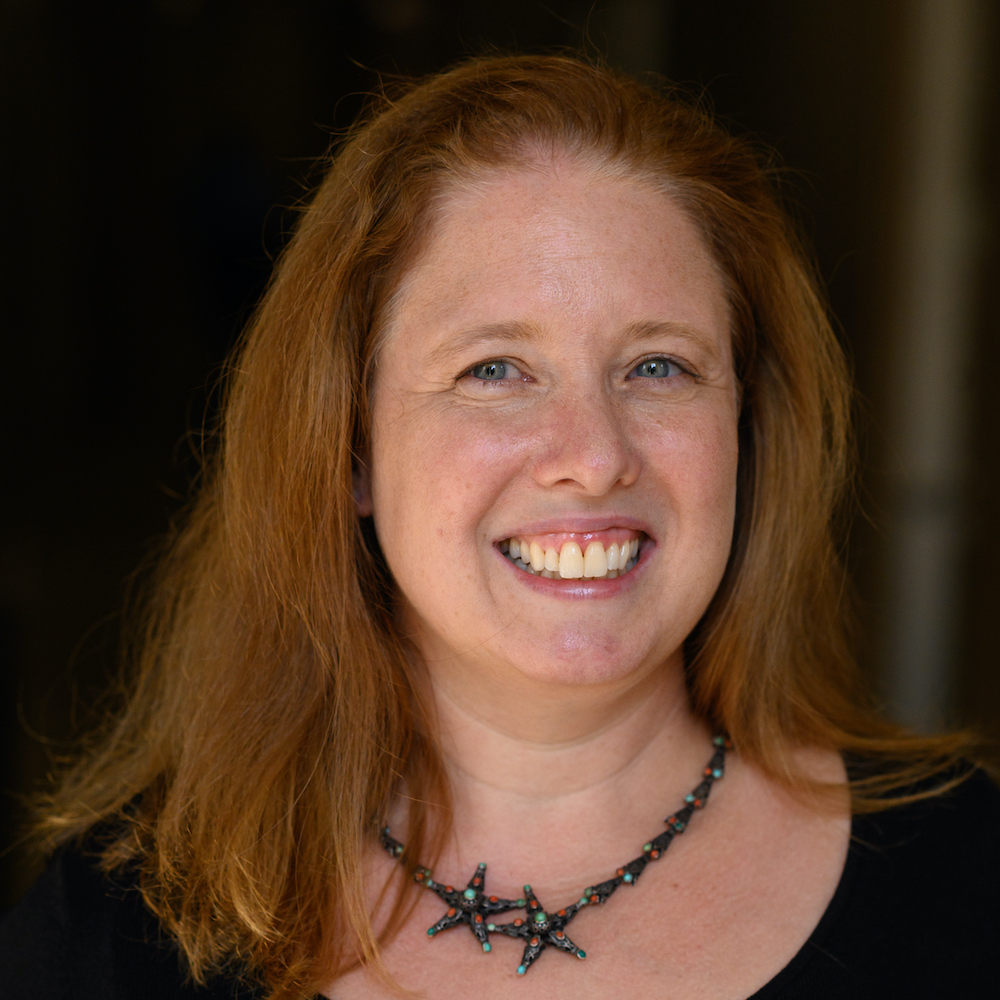
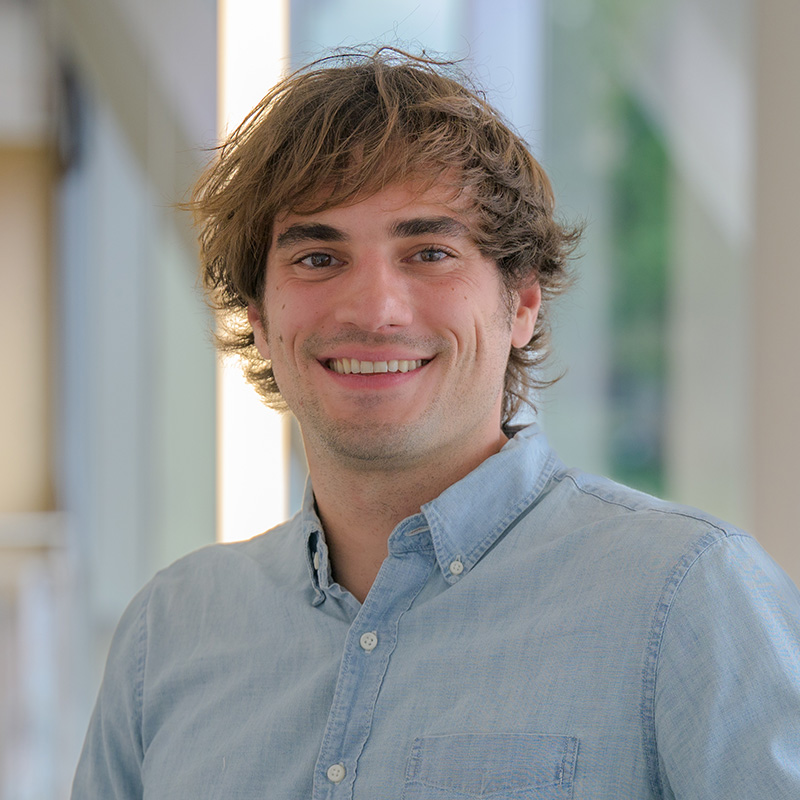
N. Luisa Hiller is an Associate Professor in the Department of Biological Sciences at Carnegie Mellon University's Mellon College of Science. Her lab investigates the molecular mechanisms underlying bacterial pathogenesis, focusing on Streptococcus pneumoniae's genomic diversity and host interactions. She earned her Ph.D. from Northwestern University Medical School and completed postdoctoral training at the Center for Genomic Sciences at Allegheny-Singer Research Institute. Her research explores how bacterial strains transition between commensal and pathogenic states, emphasizing genomic plasticity, quorum sensing, and host-pathogen communication. Key areas include understanding strain adaptation during infections and developing strategies to modulate microbial behavior. Her work has been supported by institutions like the Charles E. Kaufman Foundation and the Wadhwani Foundation. Current projects involve studying bacterial communication networks and developing anti-infective materials targeting quorum sensing systems.
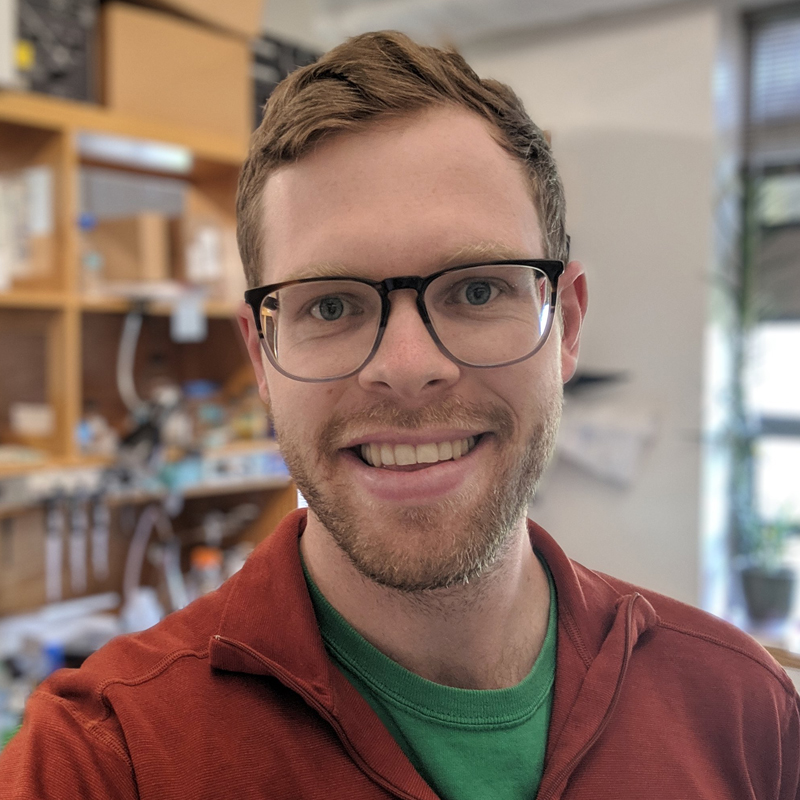
Drew Bridges is an Assistant Professor in the Department of Biological Sciences at Carnegie Mellon University, within the Mellon College of Science. His research focuses on understanding how bacteria make developmental decisions based on extracellular sensory information, with a specific emphasis on the formation and disassembly of bacterial biofilms in Vibrio cholerae . The Bridges Lab employs interdisciplinary approaches, including advanced imaging, genetics, biochemistry, and biophysics, to unravel the molecular mechanisms underlying biofilm dispersal and bacterial lifestyle transitions. Bridges earned a Ph.D. from Dartmouth College and completed a postdoctoral appointment at Princeton University. His work has pioneered novel imaging techniques to study biofilm dynamics and has revealed key insights into signaling pathways, matrix digestion, and motility components that control biofilm dispersal. The lab aims to uncover general principles of microbial behavior and apply these findings to combat infections and inform strategies for manipulating bacterial communities. Research interests extend to exploring how bacteria regulate lifestyle changes across scales—from molecular signaling to community-level behaviors. Future work seeks to expand studies to other microorganisms, identifying species-specific versus universal mechanisms. The lab also prioritizes fostering an inclusive, collaborative environment for trainees, emphasizing scientific rigor and innovation. Recent publications highlight advancements in understanding two-component signaling systems, quorum sensing, and biofilm dispersal mechanisms in Vibrio cholerae . These studies underscore the lab's focus on integrating experimental and theoretical approaches to address complex biological questions. Lab activities include managing a dynamic research group at the historic Mellon Institute building, established in 2022. Collaborative projects and grants are central to advancing their research, though specific grant details are not detailed in the provided texts. The lab website provides further information on ongoing studies and opportunities for trainees.
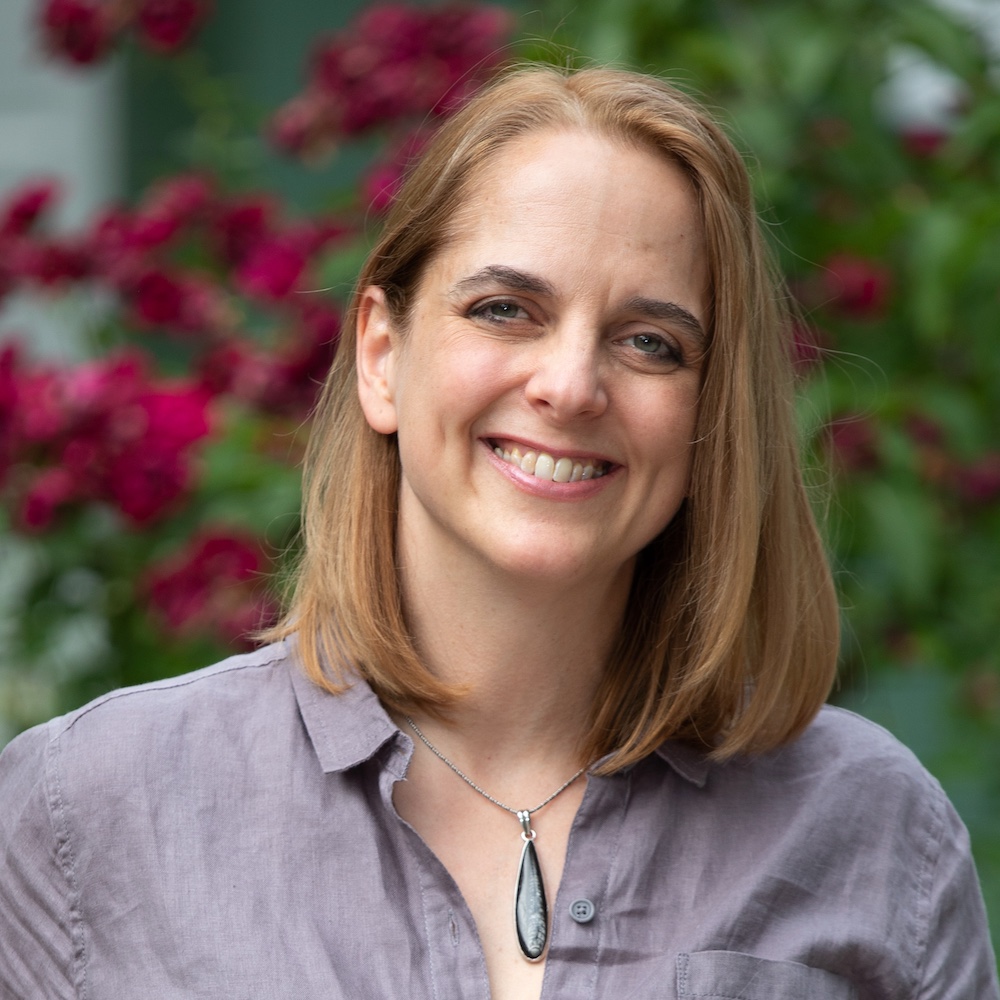
Brooke M. McCartney is an Associate Professor in the Department of Biological Sciences at Carnegie Mellon University, affiliated with the Mellon College of Science. Her research focuses on cellular mechanisms in Drosophila development, particularly cytoskeletal networks and microbiota-driven growth regulation. She holds a Ph.D. from Duke University and completed postdoctoral training at the University of North Carolina at Chapel Hill. Her lab investigates actin and microtubule interactions during oogenesis, as well as Arc1-microbiota collaboration in systemic growth. Key topics include cytoplasmic dumping mechanisms, dynamic actin maintenance, and bacterial contributions to growth signaling. Recent work explores molecular interactions between Drosophila Arc1 and Acetobacter aceti in growth regulation. Publications highlight discoveries in cytoskeletal crosstalk, microbiota-growth links, and APC protein functions. Current projects aim to elucidate mechanisms of microbiota-dependent growth modulation and the role of diet in these interactions. McCartney’s lab operates within the Biological Sciences Department at CMU, contributing to interdisciplinary research at the intersection of cell biology, developmental genetics, and microbiology.
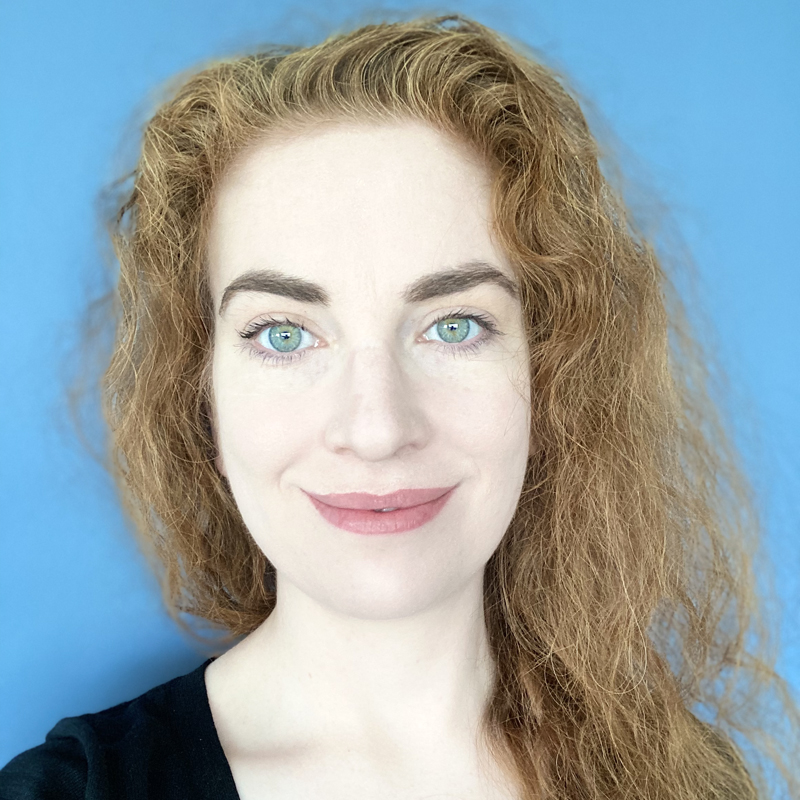
Catherine Armbruster is an Assistant Professor in the Department of Biological Sciences at Carnegie Mellon University, affiliated with the Mellon College of Science. Her research focuses on understanding how opportunistic pathogens like Pseudomonas aeruginosa evolve in biofilms within the built environment (e.g., potable water systems) and transition into host environments to cause chronic infections, particularly in cystic fibrosis patients. Her work integrates bacterial genetics, evolutionary genomics, and host-pathogen models to identify strategies for preventing and treating infections. Education: Ph.D. in Microbiology, University of Washington, Seattle MPH from Emory University’s Rollins School of Public Health Postdoctoral appointments at University of Pittsburgh School of Medicine and Geisel School of Medicine at Dartmouth Research Interests: The Armbruster Lab explores microbial evolution in biofilms of premise plumbing, host-pathogen interactions in cystic fibrosis airways, and antimicrobial resistance mechanisms. Key areas include: Polymicrobial biofilm dynamics in potable water Epidemiology of opportunistic pathogens in built environments Genomic adaptation of pathogens during infection Development of novel therapeutic and engineering solutions Recent Work Trends: Her publications emphasize the interplay between environmental adaptation and host infection, with a focus on iron availability, potassium sensing mechanisms, and CFTR modulator therapy impacts on pathogen persistence. She also investigates bacteriophage interactions with airway epithelial cells and their inflammatory effects. Labs/Teams: The Armbruster Lab emphasizes diversity and collaboration, fostering an inclusive environment for students and researchers. Current projects aim to bridge environmental microbiology and clinical outcomes through innovative experimental evolution and metagenomic approaches.
Nicholas Boffi is an Assistant Professor split equally between the Machine Learning Department and the Department of Mathematical Sciences at Carnegie Mellon University. He is also a member of the Center for Nonlinear Analysis. His research focuses on the foundations of generative modeling and its applications in science and engineering, particularly addressing computational challenges through machine learning innovations. Boffi's work integrates applied mathematics disciplines including numerical analysis, partial differential equations, dynamical systems, control theory, stochastic processes, and optimization. Education: Ph.D. in Applied Mathematics from Harvard University (co-advised by Jean-Jacques Slotine and Chris Rycroft), B.S. in Mathematics, Physics, and Integrated Science from Northwestern University. Awards: DOE Computational Science Graduate Fellowship (2015-2019), Fulbright Scholar (2014-2015). Previous Affiliations: Courant Institute (2021-2024), Google Brain (2020). His research explores the intersection of machine learning and computational mathematics, emphasizing generative models for scientific problems. Notable projects include developing numerical methods for PDEs, stochastic simulation of evolutionary dynamics, and model-free learning in nonequilibrium systems. Boffi's recent work investigates scalable interpolant frameworks for flow-based generative models and entropy production in active matter systems. He advises PhD students in CMU's Machine Learning and Mathematics programs, focusing on candidates interested in applied mathematics and machine learning intersections. His lab collaborates across disciplines to advance foundational theory and practical applications in computational science.